
Temu

Search documents
澳大利亚真维斯宣告破产关闭所有门店,中国真维斯称不受影响
Nan Fang Du Shi Bao· 2025-05-14 03:42
Core Viewpoint - Jeanswest Australia has entered voluntary liquidation and plans to close over 90 stores in Australia, affecting approximately 600 employees [1][3][5] Group 1: Company Background and Financial Struggles - Jeanswest Australia entered bankruptcy in early 2020 due to debts of approximately $50 million, leading to the closure of 146 stores and nearly 1,000 employees [3] - The brand was acquired by Harbour Guidance in 2020, which attempted to reduce operations but could not reverse the decline [3][5] - The company has struggled for five years, ultimately leading to its current bankruptcy situation, attributed to rising living costs and reduced consumer spending [3][5] Group 2: Market Dynamics and E-commerce Impact - The rise of online shopping platforms has significantly impacted Jeanswest, with Australian online shopping expected to reach $69 billion in 2024, a 12% increase year-on-year [5] - Major players like Amazon, Shein, and Temu have driven this growth, with Temu alone projected to exceed $2 billion in annual sales in Australia [6][5] - Approximately 4 million Australians have shopped on Temu, and around 2 million have used Shein, indicating a shift in consumer behavior towards e-commerce [6] Group 3: Asset Management and Future Plans - The bankruptcy trustee is currently selling the brand's intellectual property, including trademarks, clothing designs, and customer data, with a deadline for potential buyers set for May 29 [6][7] - The success of the intellectual property sale is deemed crucial for the feasibility of a Deed of Company Arrangement (DOCA) that could allow for restructuring [7] - Jeanswest was established in 1972 and became a well-known brand in Australia, but has faced declining competitiveness due to the rise of fast fashion and e-commerce [7][12] Group 4: Distinction Between Australian and Chinese Operations - The parent company, Esprit Group, emphasizes that Jeanswest Australia and Jeanswest China operate as completely independent entities, with no financial interdependence [12] - The success of Jeanswest China in e-commerce, with sales increasing over 13 times from 2020 to 2024, has allowed the Australian branch to focus on transitioning to online sales [12][10]

跨境电商物流系列研究(三)(更新)——剖析美国关税政策调整对跨境电商物流的影响
China Securities· 2025-05-14 01:15
Investment Rating - The report does not explicitly state an investment rating for the industry Core Insights - The cancellation of the low-value small package tax exemption by the U.S. is a strategic move to counter the competitive advantage of Chinese cross-border e-commerce, which has disrupted the U.S. market by offering lower prices through efficient supply chains [7][8][20] - The impact of the new tax policy is significant, with over 80% of low-value packages being affected, leading to an estimated 90% impact on cross-border e-commerce volume between China and the U.S. [10][45] - The future advantage of overseas warehouse models over air express delivery is highlighted, as increased taxes eliminate the cost benefits previously enjoyed by direct shipping methods [11][63] Summary by Sections 1. Core Logic Behind the Cancellation of the Low-Value Small Package Tax Exemption - The U.S. aims to create barriers in customs clearance and last-mile delivery to counter the influence of Chinese cross-border e-commerce [7][20] - The U.S. has faced challenges in implementing these barriers due to countermeasures from Canada and Mexico, as well as system failures [8][31] 2. Impact on Cross-Border E-Commerce Shipping Volume - The number of low-value small packages imported into the U.S. has surged, with over 1 billion declarations in 2023 compared to 153 million in 2015 [10][44] - The average additional tax cost per package is estimated at $18, with a significant decline in customs clearance efficiency for about 70% of packages [10][49] 3. Advantages of Overseas Warehouse Models Over Air Express Delivery - The cost of air freight for low-value packages has increased significantly due to new taxes, making overseas warehouses a more viable option [11][63] - It is projected that air freight demand for cross-border e-commerce will decline by over 20% by 2025, while demand for overseas warehouse orders will increase by 8% [11][56] 4. Investment Recommendations - Focus on companies with strong cash flow and the ability to adapt to changing supply chain strategies, particularly those with resources in North America [13]
Temu and Shein to Rethink Supply Chains During Temporary Lowering of US Tariffs
PYMNTS.com· 2025-05-13 15:22
Group 1 - Temu and Shein have an opportunity to restock their U.S. warehouses due to a temporary reduction in tariffs, with tariffs on most Chinese imports lowered from 125% to 30% for 90 days and low-value packages from 120% to 54% [1][2] - Shein previously raised prices on goods for U.S. consumers when higher tariffs were implemented, while Temu ceased direct shipments from China to the U.S. [2] - Shein is expanding its supply chain by building manufacturing facilities outside of China to mitigate the impact of tariffs [2] Group 2 - President Trump announced the tariff changes as part of discussions with the People's Republic of China, aiming to address trade reciprocity and national security concerns [3][4] - The National Federation of Independent Business reported that uncertainty around tariffs has led to a decline in optimism among small businesses in the U.S. [4] - A group of five American small businesses is suing Trump over the tariffs, claiming he overstepped his authority in declaring a national emergency [5]

关税回去了,但美国回不去了
Sou Hu Cai Jing· 2025-05-13 11:30
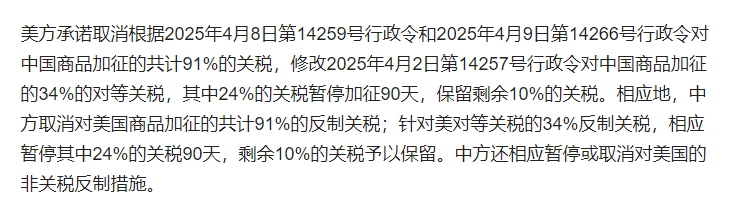
Core Viewpoint - The recent negotiations between China and the U.S. have led to a significant reduction in tariffs, with both sides canceling 91% of tariffs and reducing additional tariffs to 10%, marking a return to the pre-April 2 status, but the underlying dynamics of trade and pricing have fundamentally changed [1][4]. Group 1: Trade Dynamics - Following the tariff negotiations, U.S. clients have begun to place orders with Chinese manufacturers, creating an illusion of normalcy, yet the market dynamics have shifted [2]. - China's export to the U.S. saw a 21% decline in April, but overall exports increased by 9.3%, indicating a global shift towards sourcing from China to capture the U.S. market [7]. - The high tariffs imposed by the U.S. have not crippled China; instead, they have contributed to rising inflation in the U.S., with national debt surpassing $36 trillion and major retailers expressing concerns over empty shelves [7]. Group 2: Pricing Power and Market Perception - Chinese exporters have adapted to the trade tensions by forming a consensus to raise prices, moving away from the previous strategy of undercutting prices to secure orders [8][17]. - The prices of rare earth metals have surged dramatically, with dysprosium doubling to $850 per kilogram and terbium increasing over 210% to $3,000, reflecting the new pricing power of Chinese manufacturers [9]. - The perception of Chinese manufacturing is changing, with more American consumers recognizing the quality of products made in China, leading to a shift in branding strategies [19][23]. Group 3: Long-term Implications - The trade conflict has inadvertently highlighted China's advancements in manufacturing and its critical role in global supply chains, particularly in high-tech and military sectors where the U.S. heavily relies on Chinese rare earth materials [11][14]. - The ongoing tariff situation may lead to lasting changes in pricing structures, making it difficult for prices to revert to previous levels even if the trade war ends [24]. - The current trade tensions serve as a public acknowledgment of China's decade-long efforts to upgrade its manufacturing capabilities and redefine its market position [21][25].
中美会谈后,美国对华小包裹关税也大幅降低
Sou Hu Cai Jing· 2025-05-13 11:01
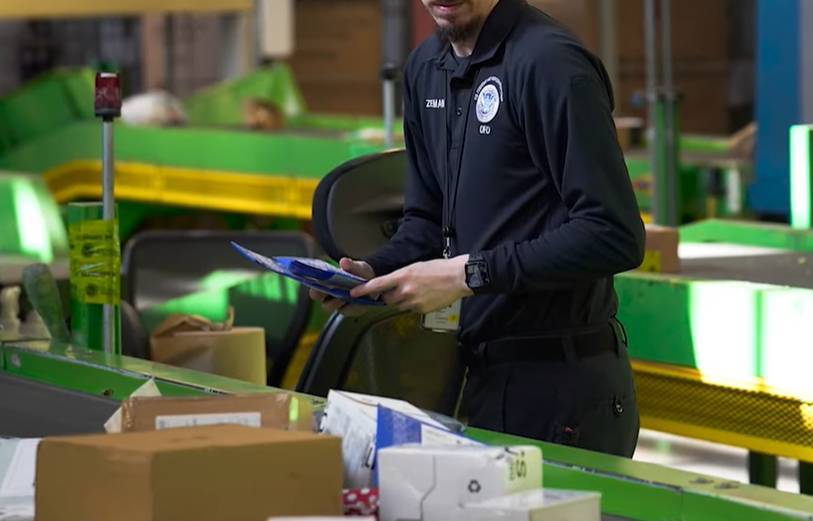
Core Points - The US and China have agreed to reduce tariffs by 115% within 90 days, marking a thaw in trade relations [1][6] - The new tariff on small packages from China to the US will drop from 120% to 54% for packages valued under $800, effective from May 14 [1][3] - The "De Minimis" policy, which allows for tax exemptions on low-value imports, has been a significant factor in the increase of small package imports to the US, rising from approximately 140 million packages a decade ago to over 1 billion last year [3][4] Trade Impact - The reduction in tariffs is expected to alleviate price pressures on Chinese e-commerce giants like Shein and Temu, which have seen a surge in popularity among US consumers [3][4] - The value of Chinese small package exports to the US is projected to increase from $5.3 billion in 2018 to $66 billion in 2023 [3] - The previous high tariffs imposed by the Trump administration had forced some e-commerce platforms to restructure logistics and increase prices, with some products seeing price hikes of over 100% [4] Economic Consequences - The policy change may result in an annual loss of up to $47 billion for businesses and consumers, disproportionately affecting low-income groups who rely on affordable cross-border e-commerce goods [5] - The US Customs system may face significant pressure due to the increased volume of small packages, potentially leading to delays in customs clearance unless additional funding and personnel are allocated [5] Bilateral Relations - The recent Geneva talks have established a framework for ongoing negotiations, with both sides recognizing the importance of a sustainable and mutually beneficial economic relationship [6][7] - The agreement includes commitments from both sides to suspend or cancel a total of 91% of tariffs on each other's goods, with a mechanism for continued dialogue on trade issues [7]
站着把关税谈下来了
虎嗅APP· 2025-05-13 10:05
Core Viewpoint - The recent agreement between the US and China to significantly reduce tariffs marks a potential turning point in their trade relations, providing a temporary relief for export companies amid ongoing trade tensions [3][4][12]. Tariff Reduction Details - On May 12, the US announced a reduction of tariffs on Chinese goods from 145% to 30%, while China reduced tariffs on US imports from 125% to 10% [3][4]. - This agreement includes a 90-day tariff suspension, which is seen as a critical opportunity for businesses to adapt and respond to market changes [4][12]. Impact on Export Companies - The tariff reductions are viewed as a significant benefit for export companies, which had faced severe disruptions due to previous tariff hikes [4][12]. - Many companies had already begun to experience order cancellations and reduced demand, with reports of some businesses losing substantial shipments during the height of the tariff increases [5][7][8]. Market Reactions and Strategies - Following the announcement, companies are rapidly adjusting their operations to capitalize on the 90-day window, with some increasing production and logistics efforts to meet potential demand [12][13]. - Exporters are also diversifying their markets beyond the US, exploring opportunities in regions like the Middle East and Europe to mitigate risks associated with US-China trade relations [14][15]. Long-term Considerations - The recent tariff changes highlight the need for export companies to develop more resilient and diversified business strategies in response to ongoing trade uncertainties [16]. - The ability to adapt quickly to changing market conditions will be crucial for companies looking to maintain competitiveness in a volatile global trade environment [16].

T86未被纳入中美谈判议题,跨境电商税负压力持续
Haitong Securities International· 2025-05-13 07:23
wo[Table_Title] Research Report 13 May 2025 中国互联网 China (Overseas) Internet T86 未被纳入中美谈判议题,跨境电商税负压力持续 [Table_summary] 事件: 截至 2025 年 5 月 12 日,中美在日内瓦举行的高层经贸谈判取得了实质性进展。但此次联合声明并没有提及 T86 政 策,意味着 T86 政策照常取消。自从 2025 年 5 月 2 日美国正式取消 T86 免税政策,标志着中国跨境电商在美"低价 直邮"时代的终结,尤其对跨境电商 Temu,TikTok, Shein 等产生影响。 点评: T86 取消带来成本飙升与履约难题 1)Temu: 模式受限,市场份额下滑。Temu 原本依赖于中国直邮和低价策略在美国市场迅速扩张。然而,T86 政策的取消迫 使 Temu 停止从中国直接向美国客户发货,转而依赖美国本地卖家和仓储系统。这一转变导致其在美国的下载量下 降了 73%,活跃用户减少了 43%。此外,Temu 还削减了在美国的广告支出,并计划在美国建立本地仓储和物流运 营,以适应新的贸易环境。 T86 policy ...

618消费战提前开打!内外需“双燃”,电商股集体躁动
Ge Long Hui· 2025-05-13 06:42
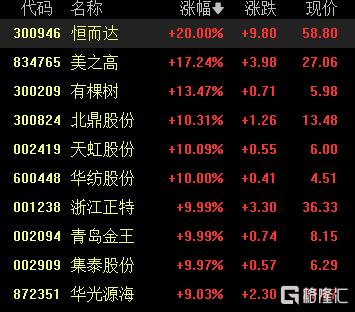
随着618年中大促陆续开启,互联网电商平台全面进入备战状态。 此外,中美达成90天关税减免协议,美企迅速重启中企供应链,开启新一轮90天"囤货期"。 在内、外需双重利好推动下,今日互联网电商板块走高,其中,恒而达20cm涨停,美之高涨超17%,有棵树涨超13%,天虹股份、华纺股份、青岛金王等多 股10cm涨停。 今年6·18,各大平台均投入更多的资源补贴拉动消费。 天猫方面,今年 "618" 第一波抢先购将于5月13日晚8点开启预售,尾款支付及现货抢购时间为5月16日晚8点至5月26日晚12点。与往年相比,玩法大幅简 化,仅设 "官方立减" 这一官方玩法,基础优惠八五折起,最高立减可达 50%。 抖音方面,目标"更大的规模、更优的货品、更好的体验"活动第一阶段抢先期为5月13日-5月26日、正式期为5月27日-6月18日,较24年提前一周。 京东方面,大促在5月13日开启,较24年提前18天,期间设置六大惊喜日活动。 | | 2025年 | 2024年 | | --- | --- | --- | | 天猫 | 第一波预售:5月13日20:00-5月16日17:59 | 第一阶段:5月20日20:0 | | | ...
1438亿美元背后的出海革命:中国制造业迁徙的出海图鉴
吴晓波频道· 2025-05-13 00:44
点击上图▲锁定福利 "生而全球"的时代已经到来。这一次中国企业的出海不再是一次野蛮创业,而是需要 理性、建设性、避险性。站在不确定性加剧的2025年,面对美国层层加码的关税条 约、舆论场上全球化主义逆流的呼声、地缘政治冲突加剧带来的不稳定性......这一切 的一切都在提醒今天的出海者们,胆子要大,心要细,但准备要更充足。 从今天开始,由吴晓波老师、林雪萍老师和马旭飞老师联合主讲的《企业出海十二 讲》主题实战领教营正式上线,将用12节视频课+2场直播,帮助大家搭建一套对出海 的全局认知框架,课程以实战为导向,通过大量学术工具帮助同学们建立出海模型, 同时还会通过海量的实战案例讲解,为各行各业出海者提供科学依据与亲身经验。 大家可选择以下两种方式加入本期领教营: 1. 单独购买本期领教营,价值1280元 。 【点击了解,购买单期】 2 . 超级会员买一年得两年活动已经上线,加入超级会员,畅学未来两年20期领教 营,附赠出海课程配套实体书 。 【点击了解,立即加入】 文 / 巴九灵(微信公众号:吴晓波频道) 中国企业的大出海时代 站在2025年年中来看,中国企业出海,正呈现千帆竞发之势。 根据商务部数据显示,20 ...

Temu and Shein are in a tricky spot — but it's mostly good news
Business Insider· 2025-05-12 22:38
Group 1: Trade War Context - Temu and Shein are currently navigating a 90-day reprieve in the trade war with China, with tariffs reduced to 30% from 145% as negotiations for a new trade deal begin [1] - High tariffs remain on small packages shipped directly from China, which are typically used by Temu and Shein [1] Group 2: Tariff Changes and Impacts - The de minimis exception allowing packages under $800 to ship without duty has been closed by Trump, with new tariffs as high as 120% or a flat fee of $100 per package, increasing to $200 in June [2] - Despite the 90-day deal, these tariffs remain in effect, impacting the shipping strategies of Temu and Shein [2] Group 3: Strategic Adjustments by Temu - Temu has implemented a workaround by building US warehouses, allowing for local shipping and avoiding extra import charges [3] - The company has adjusted its site to primarily display items that ship from US warehouses, aiming to recruit more US-based sellers [3] Group 4: Future Considerations - While the current strategy helps, Temu will eventually need to restock US warehouses, which will be subject to the higher tariffs [4] - Temu has options to focus on other markets or wait for a potential trade deal [4] Group 5: Current Situation for Sellers - The situation remains challenging for Temu and Shein due to high tariffs on direct shipments from China, but replenishing US warehouses with lower tariff charges provides some relief [5] - Sellers on Temu are experiencing positive sentiment, with one seller reporting mid-double-digit sales growth as American consumers stock up before potential price increases [8][9]
