嘉士伯

Search documents
外资加码广东
21世纪经济报道· 2025-09-26 13:54
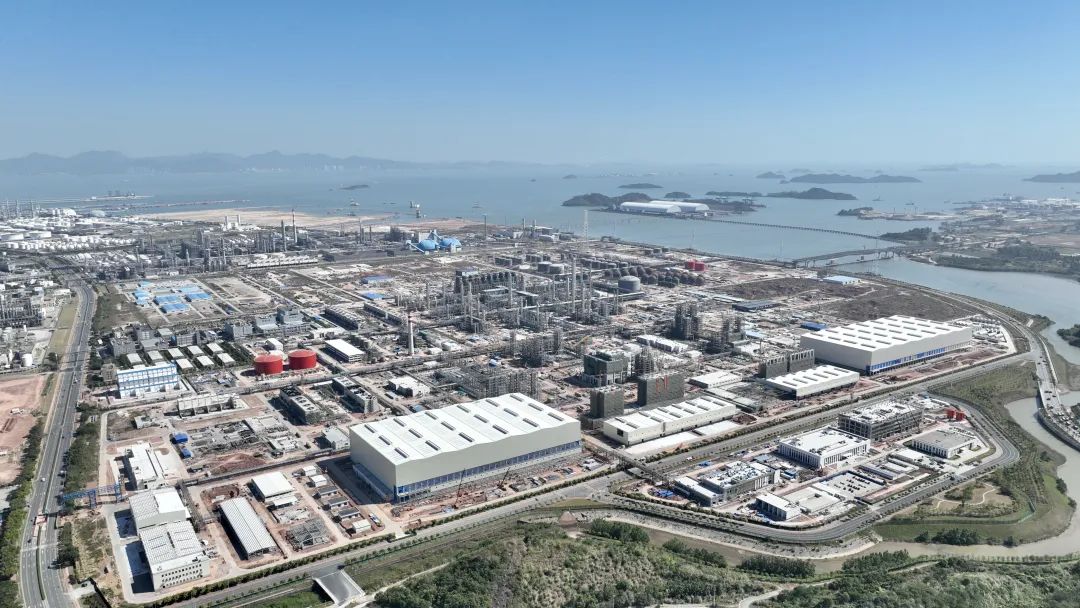
Core Viewpoint - Guangdong is becoming a preferred investment destination for multinational companies, driven by its strong economic indicators, innovative ecosystem, and large consumer market [3][4][10]. Investment Trends - In the first eight months of this year, Guangdong established 21,000 new foreign-funded enterprises, a year-on-year increase of 34%, with actual foreign direct investment (FDI) amounting to 70.87 billion yuan, up 9.4% year-on-year [3]. - The FDI growth rate in Guangdong is significantly higher than the national average, indicating a robust investment climate [3][4]. Industry Transformation - The shift from being a "world factory" to a hub for global technological innovation and emerging industries is evident, with Guangdong's population of 150 million providing a vast consumer base [4][10]. - Multinational companies are reassessing the value of investing in Guangdong, focusing on new fields and markets, and integrating advanced technologies with local innovation [4][10]. Major Projects - ExxonMobil's Huizhou Ethylene Project represents a significant investment of $10 billion, marking it as the first major wholly-owned petrochemical project by a U.S. company in China [6][9]. - The project will produce 1.6 million tons of ethylene annually and is expected to enhance Guangdong's production capacity for high-value basic chemical raw materials [6][10]. Environmental and Technological Innovations - The project incorporates advanced environmental technologies, aiming to reduce nitrogen oxides and sulfur oxides emissions by approximately 50% [7]. - ExxonMobil's R&D center in Daya Bay will focus on local development of materials recycling and carbon footprint reduction [7][10]. Automotive Industry Developments - ZF Friedrichshafen AG has established a research center in Guangzhou, aligning with Guangdong's automotive industry, which produced over 5 million vehicles in 2023, including 2.53 million new energy vehicles [12][13]. - The collaboration between ZF and local automotive companies is fostering innovation in smart driving technologies [12][13]. Consumer Market Dynamics - Guangdong's large and youthful population is driving demand for high-quality products, making it an attractive market for foreign beer companies like Carlsberg [20][21]. - Carlsberg's new brewery in Foshan is expected to significantly enhance its operational efficiency and market reach in Guangdong [20][21]. Strategic Investment Initiatives - Guangdong is enhancing its investment environment through targeted policies and initiatives aimed at attracting high-end manufacturing and innovative industries [26][27]. - The province is focusing on sectors such as artificial intelligence, new energy vehicles, and biomedicine as key areas for foreign investment [26][27]. Conclusion - The combination of a large consumer base, strong industrial support, and favorable investment policies positions Guangdong as a critical hub for multinational companies seeking growth and innovation opportunities in China [29].


21评论|广东外资三重跃迁背后的开放进阶
2 1 Shi Ji Jing Ji Bao Dao· 2025-09-26 11:51
Core Viewpoint - Guangdong province is demonstrating strong foreign investment growth despite a global decline in foreign direct investment (FDI), with new foreign enterprises increasing by 34% and actual utilized FDI reaching 70.87 billion yuan, a 9.4% increase year-on-year [2][3]. Group 1: Foreign Investment Growth - Guangdong has established itself as a favored destination for foreign investment, with significant increases in new foreign enterprises and actual FDI, outperforming national averages [2][3]. - The province's strategic position in the new development pattern of China is enhancing its attractiveness to foreign investors [4][6]. Group 2: Historical Context of Foreign Investment - The evolution of foreign investment in Guangdong can be divided into three significant phases, each reflecting changes in national development and global industrial patterns [3][4]. - The initial phase focused on labor-intensive industries, while the second phase saw diversification and growth in technology-intensive sectors following China's WTO accession [4][5]. Group 3: Current Trends and Future Outlook - Guangdong is transitioning from a manufacturing base to a hub for innovation, with a focus on high-tech industries such as semiconductors, robotics, and biomedicine [6][7]. - Major foreign companies are increasingly investing in R&D and local supply chains, indicating a shift from mere manufacturing to collaborative innovation [8][9]. Group 4: Policy and Strategic Initiatives - The provincial government has implemented a series of policies to attract and retain foreign investment, including measures for investment promotion and protection of foreign enterprises [11][12]. - Guangdong's proactive approach in organizing investment activities and enhancing the business environment is contributing to its status as a leading investment destination [11][12]. Group 5: Regional and Global Integration - Guangdong's geographical advantages and its role in the Belt and Road Initiative are strengthening its regional supply chain networks, attracting significant foreign investment in various sectors [10][12]. - The province is positioned as a key player in the global supply chain, with major projects supporting local industries and meeting the growing demand from ASEAN markets [10][12].
广东外资三重跃迁背后的开放进阶
2 1 Shi Ji Jing Ji Bao Dao· 2025-09-26 11:47
Core Insights - Guangdong is experiencing significant growth in foreign direct investment (FDI) despite a global decline, with new foreign enterprises increasing by 34% and actual FDI amounting to 70.87 billion yuan, a 9.4% increase year-on-year [1][2] - The province's ability to attract foreign investment is attributed to its strategic role in China's new development pattern and its transformation from a manufacturing base to a global innovation hub [4][11] Summary by Stages of Foreign Investment Utilization - **Initial Stage (Early Reform to Mid-1990s)**: Guangdong integrated into the international market, attracting capital primarily from Hong Kong, Macau, and Taiwan, focusing on labor-intensive industries like toys and garments, establishing a foundation for market-oriented manufacturing [2][3] - **Expansion Stage (Mid-1990s to 2010)**: Following China's WTO accession, FDI diversified, with significant investments from developed countries in technology-intensive sectors, solidifying Guangdong's status as a global manufacturing hub [2][3] - **Current Stage (Post-2010)**: The focus has shifted towards high-quality FDI, with an emphasis on innovation and integration into local supply chains, reflecting a structural change in foreign investment patterns [3][4] Transformation of Guangdong's Economic Landscape - Guangdong is transitioning from a "world factory" to a "global innovation highland," with foreign investments increasingly directed towards high-tech industries such as semiconductors, robotics, and biomedicine [5][6] - The province has become the largest hub for intelligent robotics in China, accounting for 44% of the national output, and is attracting major international firms to invest in R&D and manufacturing [5][6] Regional and Global Market Influence - Guangdong's large population and consumer market are driving foreign companies to shift their strategies from manufacturing for international markets to catering to domestic demand [7][8] - The province's geographical advantages and strategic initiatives, such as the Belt and Road Initiative, are enhancing its regional supply chain networks and attracting significant foreign investment in various sectors [8][9] Investment Environment and Policy Framework - Guangdong has implemented a comprehensive policy framework to attract foreign investment, including measures for investment promotion, rights protection, and incentives for multinational corporations [9][10] - The province's continuous improvement in the investment environment is reflected in surveys indicating a high percentage of foreign enterprises planning to expand their operations in the region [10][12] Conclusion - Guangdong's evolution in foreign investment reflects a broader trend of integrating into global innovation networks, with a focus on high-quality development and collaboration in technology and manufacturing [11][12]
投资广东:中国经济第一大省的价值重估
2 1 Shi Ji Jing Ji Bao Dao· 2025-09-26 11:44
Core Viewpoint - Guangdong's economy remains resilient despite external challenges, with significant foreign investment and a shift towards high-tech and innovative industries driving growth [3][4][10]. Foreign Investment Trends - In the first eight months of the year, Guangdong established 21,000 new foreign-funded enterprises, a 34% increase year-on-year, with actual foreign investment amounting to 70.87 billion yuan, up 9.4% [4]. - Guangdong's foreign direct investment (FDI) growth rate is significantly higher than the national average, indicating its attractiveness as an investment destination [4][12]. Industry Developments - ExxonMobil's Huizhou ethylene project represents a $10 billion investment, marking a significant shift in the region's industrial landscape with a focus on high-value chemical production [6][10]. - The project will produce 1.6 million tons of ethylene annually and is expected to enhance Guangdong's capacity for high-performance polyethylene, reducing reliance on imports [6][7]. Technological Advancements - The Huizhou project incorporates advanced technologies, including a unique external pre-treatment mode for environmental protection and a comprehensive energy station for clean energy utilization [7][8]. - The establishment of a research center in Daya Bay will facilitate local R&D on material recycling and carbon footprint reduction, further integrating local innovation with global standards [8][10]. Automotive Industry Insights - ZF Friedrichshafen AG's investment in a research center in Guangzhou aligns with the region's booming automotive sector, particularly in electric and smart vehicles [13][14]. - The center has become a hub for collaboration with major local automakers, enhancing the development of integrated systems for smart vehicles [14][17]. Market Dynamics - Guangdong's large consumer market, with a population of 150 million, is a key driver for foreign companies, particularly in sectors like beer production, where Carlsberg has invested in a new brewery to meet local demand [19][20]. - The province's young demographic and evolving consumer preferences are fostering a robust market for high-quality products, further attracting foreign investment [20][22]. Investment Strategies - Guangdong's government is actively enhancing its investment environment through targeted policies and initiatives aimed at attracting high-tech and innovative industries [24][25]. - The province's focus on "new quality investment" emphasizes high-end manufacturing and the establishment of R&D headquarters, reflecting a strategic shift from traditional manufacturing to innovation-driven growth [24][28].
国际经济顾问为重庆打造AI应用高地出谋划策
Zhong Guo Xin Wen Wang· 2025-09-26 11:01
Group 1 - The 19th International Economic Advisory Council meeting in Chongqing focused on "building an AI application hub to empower high-quality industrial development" with representatives from 21 global Fortune 500 companies [1] - A total of 71 forward-looking suggestions were made, primarily in three areas: constructing a systematic AI application mechanism, enhancing talent recruitment and training, and deepening open cooperation [1] - Companies like Signify and Hitachi Energy expressed intentions to deepen investment cooperation, with Hitachi's CEO emphasizing the need for stable power supply to unlock AI's potential [1] Group 2 - Carlsberg has invested over 20 billion yuan in China, with more than 10 billion yuan in Chongqing, and is leveraging its global "AI+" experience in its local operations [2] - Carlsberg's executive vice president proposed the establishment of an "AI+ agriculture and food" innovation platform, advocating for government-led initiatives to enhance international standards and support AI applications across various business processes [2] - The proposal includes creating a tiered talent cultivation system leveraging local educational resources to support the "AI+ agriculture and food" sector [2] Group 3 - Siemens has been involved in Chongqing's industrialization since 1925 and is a long-standing advisor in the International Economic Advisory Council [3] - Siemens' executive vice president highlighted the transition of industrial AI from "technology heat" to "application depth," aligning with Chongqing's robust manufacturing base and the new "industrial brain + future factory" model [3] - The focus is on promoting applications, nurturing talent, and building ecosystems to fully realize the potential of "manufacturing + AI" in Chongqing [3]
“有AI的地方就有趣”——趣致集团 “99趣拿节”打造沉浸式AI互动新体验
Cai Fu Zai Xian· 2025-09-26 09:35
Core Insights - The event "99 Fun Festival" organized by Quzhi Group in Shanghai showcases its advancements in AI interactive marketing, emphasizing the transition from "AI + Marketing" to "AI + Consumer Scenarios" [1][4] Group 1: AI Interactive Technology - Quzhi Group has upgraded its AI interactive terminals, integrating a self-developed "AI-OMNI multi-modal neural integrated collaborative engine" that enhances user interaction through gesture recognition, environmental data adjustment, and scent release [2][4] - The terminals function as mini AI marketing laboratories, collecting and analyzing user behavior in real-time to optimize brand strategies [2][4] Group 2: Marketing Revenue Growth - The "99 Fun Festival" has become a significant platform for brand collaborative marketing, with participation from numerous new consumer brands, leading to a marketing revenue increase of over 35% year-on-year [4][5] - The high-margin value-added marketing services, including AI customized interactive marketing and data strategies, saw a revenue growth of 63.1% year-on-year, becoming a core growth engine for the company [5] Group 3: Global Expansion and Future Plans - Quzhi Group is piloting an "AI indoor entertainment space" in Dubai, integrating AI interaction and immersive entertainment experiences, marking a step in its "AI + Entertainment" overseas strategy [7] - The company plans to increase investment in AI research and development to expand "AI + Consumer Scenarios" from isolated breakthroughs to comprehensive collaboration for diversified growth [7]

从15岁搬运工,到壕掷$4.9亿新加坡置业!神秘东南亚大亨的逆袭之路~
Sou Hu Cai Jing· 2025-09-20 14:52
Group 1 - The article highlights the successful bid of 81-year-old Thai billionaire Su Xuming, who won a prime residential land plot in Singapore for 4.9 billion SGD (approximately 3.87 billion USD), outbidding prominent local families [2][7][9] - Su Xuming, known as the "Beer King" of Thailand, is the fourth richest person in Thailand with a net worth of 10.5 billion USD, showcasing his significant influence in the Southeast Asian business landscape [2][5] - The land plot is located in a highly sought-after area with a projected selling price of 3,200 SGD per square foot, indicating substantial profit potential for the development [9] Group 2 - Su Xuming's journey from humble beginnings, starting as a delivery worker for a brewery, to becoming a leading figure in a vast business empire is emphasized, illustrating a remarkable rags-to-riches story [4][11][15] - His business acumen was further developed through key partnerships, including a joint venture with Carlsberg to produce beer in Thailand, which significantly boosted his company's market presence [19][21] - The TCC Group, founded by Su Xuming, has diversified into various sectors, including real estate, finance, and retail, with notable acquisitions such as the purchase of Singapore's fourth-largest listed property company and a major supermarket chain [26][28]
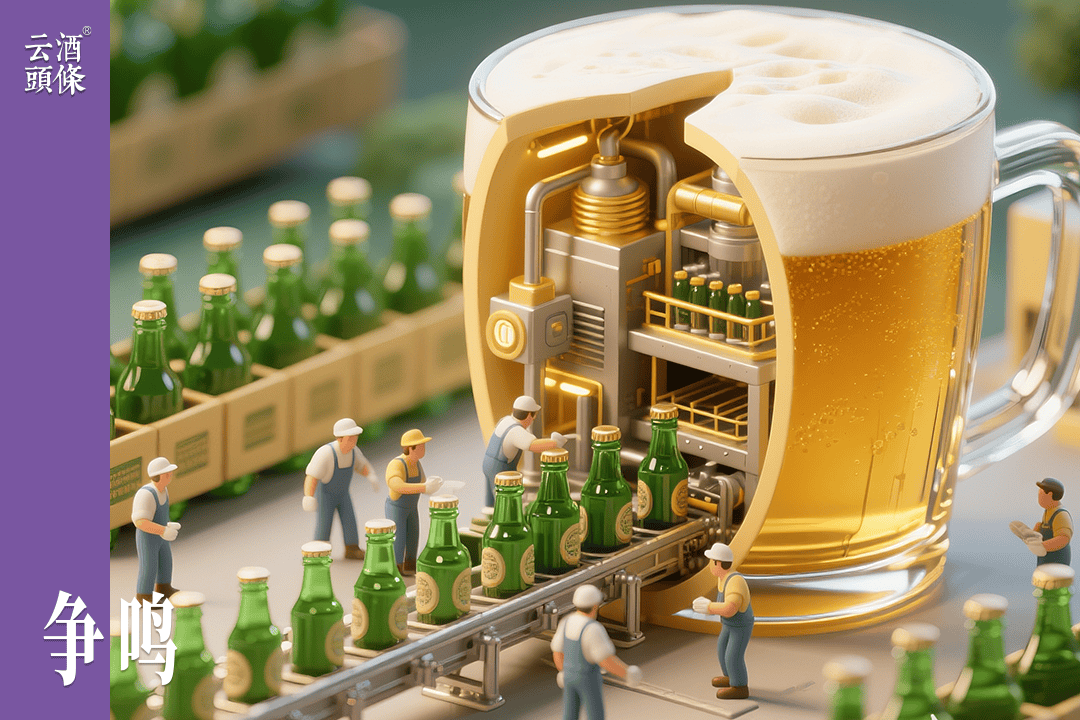
五大维度对比欧美,看国产精酿的差异与未来
Sou Hu Cai Jing· 2025-09-15 10:43
Core Insights - The future development of China's craft beer industry should focus on "surpassing" rather than "catching up" with the West, with five key pathways identified for growth [2][20]. Market Development Stage and Scale - The craft beer market in the U.S. is mature, with a retail value of $28.9 billion expected in 2024, accounting for 13.6% of the overall beer market by volume and 25% by sales [2]. - In contrast, China's craft beer market is rapidly developing, projected to reach approximately 415 billion yuan by 2024, with a market penetration of about 7% [2][5]. Market Competition Landscape - The U.S. craft beer market is characterized by a high degree of fragmentation but includes established brands like Goose Island, which has been acquired by AB InBev [6][7]. - China's market is also highly fragmented, with numerous independent breweries and traditional beer giants like Tsingtao and Yanjing accelerating their entry into the craft segment [7][8]. Consumer Culture and Product Preferences - The U.S. has a deep-rooted craft beer culture, with consumers having a strong understanding of beer styles and brewing techniques [9]. - In China, the craft beer culture is emerging, driven by consumer interest in quality, diverse flavors, and lifestyle choices, with social media playing a significant role in popularizing craft beer [10][11]. Consumption Scenarios and Channels - In the U.S., craft beer is primarily consumed in bars and community settings [12]. - In China, consumption is expanding from bars to diverse settings such as homes, outdoor events, and takeout, with new retail channels becoming increasingly important [13]. Pricing Trends and Future Outlook - The U.S. craft beer market features a wide price range, while in China, craft beer prices are generally higher, often 3-5 times that of industrial beer, but are beginning to trend towards affordability [14]. - The Chinese market is expected to expand rapidly, with increasing penetration rates and a dual market structure emerging, featuring both affordable supermarket brands and high-end independent craft products [14]. Five Pathways for Development - The craft beer industry in China can leverage technology for efficiency and quality improvements [16]. - Cultural elements should be integrated to create unique products and experiences [17]. - Expanding consumption scenarios will help craft beer become more mainstream [18]. - A robust supply chain ecosystem is essential for overall industry enhancement [19]. - The industry should aim for international expansion, promoting Chinese craft beer globally [20].
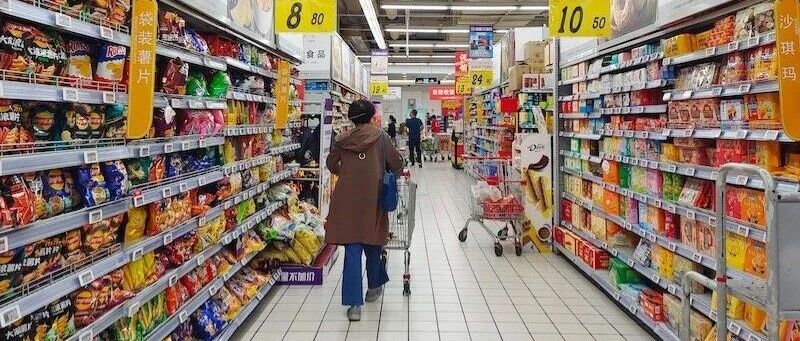
零售的天,变了
虎嗅APP· 2025-09-12 15:08
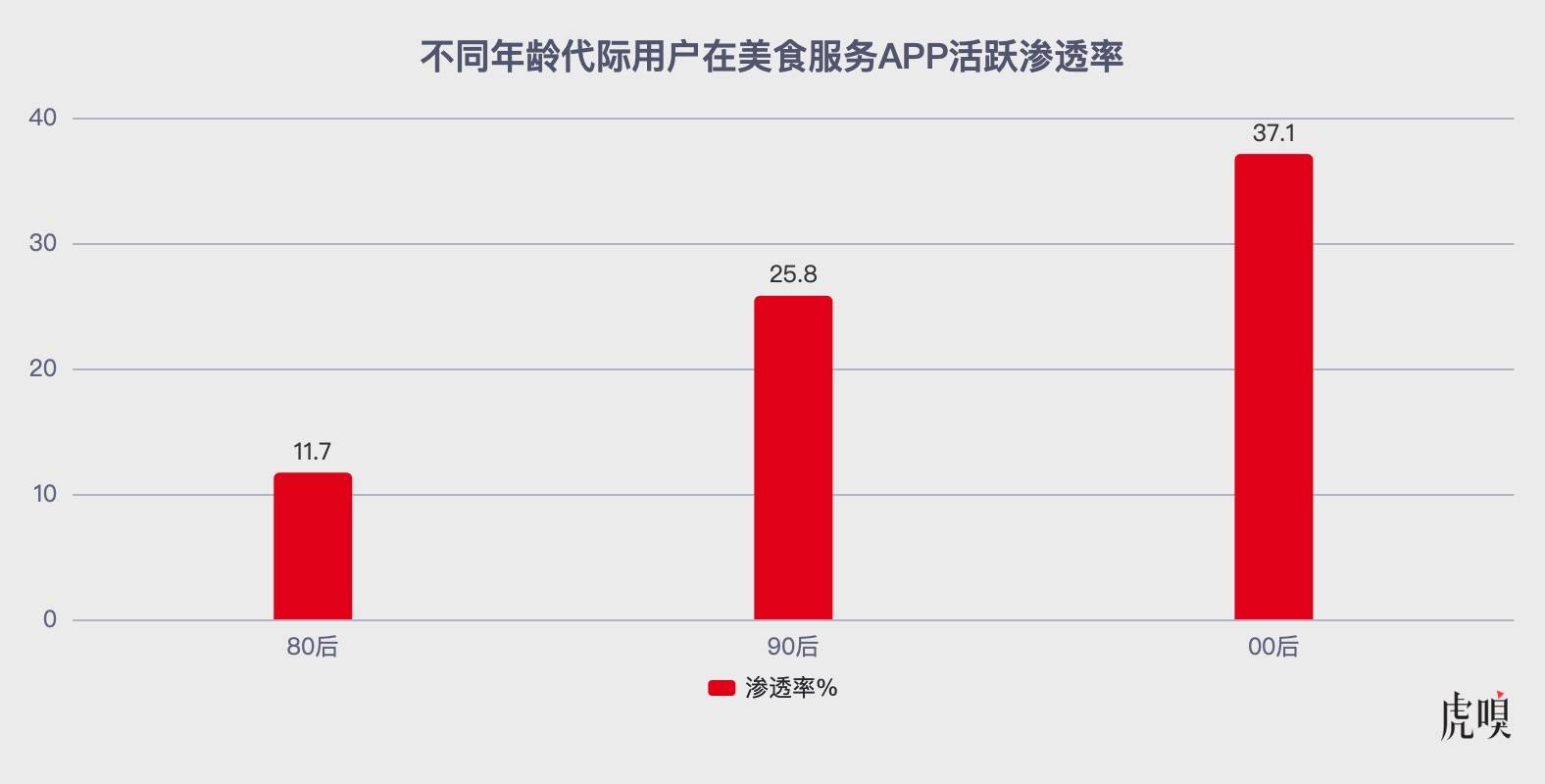
Core Viewpoint - The rise of "instant retail" led by Meituan, JD, and Alibaba is fundamentally transforming the retail ecosystem, with brands recognizing it as a critical growth area for 2024 and beyond [4][5]. Group 1: Investment and Strategy - As of early September, major internet companies are intensifying their investments in instant retail, with Meituan reallocating resources from other areas and Alibaba treating instant retail as a strategic project [5][6]. - Estimated investments from Meituan, Alibaba, and JD in instant retail exceeded 42 billion yuan from late June to early September, with one company reportedly spending over 22 billion yuan in just two months [6][8]. - The back-to-school season in September triggered new marketing campaigns from these platforms, indicating ongoing competition in the instant retail space [6][9]. Group 2: Brand Perspectives - Brands are experiencing significant benefits from the instant retail boom, with some reporting order growth exceeding 40% year-on-year, largely driven by instant retail channels [4][10]. - A fruit retailer noted a 500% increase in daily orders after joining the Taobao Flash Purchase platform, highlighting the substantial traffic and customer growth from instant retail [10][11]. - Brands like Miniso are observing a shift in consumer purchasing behavior, with an increase in non-emergency product sales, indicating a change in consumer habits towards instant retail [14][15]. Group 3: Market Trends and Consumer Behavior - Instant retail is becoming essential for various sectors, including electronics, with companies like Honor recognizing it as a necessary strategy for future growth [20][21]. - The instant retail market is expected to contribute at least 10% to sales growth for many companies, with potential for even greater increases as consumer habits evolve [22][23]. - Carlsberg views instant retail as a core battleground for expanding user engagement and adapting to consumer trends, with significant revenue projections for 2024 and 2025 [25][26].


零售的天,变了
Hu Xiu· 2025-09-12 09:48
Core Insights - The rise of "instant retail" led by Meituan, JD, and Alibaba is transforming the retail ecosystem, with brands recognizing it as a critical growth area for 2025 [1][3][31] - Major investments in instant retail have exceeded 42 billion yuan from June to September, with one company reportedly spending over 22 billion yuan in just two months [3][6] - Instant retail is becoming essential for various brands, with significant order growth reported, particularly in the beauty and fruit sectors, where some brands saw order increases of over 40% [1][15] Investment and Strategy - Meituan is reallocating resources towards instant retail, viewing the period from September to December as crucial for competition [1][2] - Alibaba has positioned instant retail as a strategic project, integrating it into its broader consumer ecosystem [1][3] - Companies are adjusting their strategies, with some shifting from traditional distribution models to direct instant retail operations [1][26] Market Dynamics - The competition among platforms intensified during the back-to-school season, with promotional activities aimed at students [3][6] - Instant retail is seen as a growth engine for Alibaba, contributing to a 20% increase in daily active users [7][18] - Brands are experiencing increased consumer engagement and order volume through platforms like Taobao Flash Sale, with some reporting a 500% increase in order volume [8][12] Consumer Behavior - There is a notable shift in consumer purchasing behavior, with an increase in non-emergency product sales, indicating changing consumer habits [12][13] - Brands are focusing on user retention and understanding consumer needs, with a significant portion of new users coming from instant retail channels [18][23] - The demographic of instant retail users is predominantly younger, with 90s and 00s users making up a large share [18][24] Challenges and Considerations - Brands face challenges in managing pricing strategies due to the variability in product costs, particularly in categories like fresh produce [9][11] - The competition in instant retail is fierce, with many brands needing to invest heavily to keep up with rivals [29][30] - Companies are urged to focus on product quality and value proposition to stand out in the crowded instant retail market [25][30]