
九毛九

Search documents
“月薪5000不要吃”的巴奴,要赴港讲“品质火锅”的故事
Guan Cha Zhe Wang· 2025-06-25 01:18
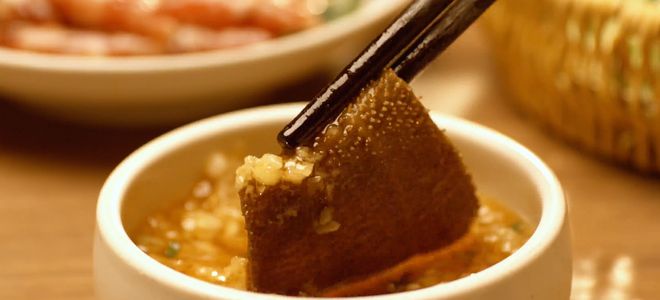
Core Viewpoint - Banu International Holdings Limited is seeking to go public on the Hong Kong Stock Exchange, aiming to become the "third hot pot stock" following Haidilao and Xiaobawang [1][3]. Company Overview - Founded by Du Zhongbing, Banu started as a hot pot brand in Henan and has grown to become a significant player in the high-end hot pot market, emphasizing product quality over service [5][6]. - Banu's unique selling proposition is its focus on high-quality ingredients, particularly its signature dish, "毛肚" (beef tripe) [6][9]. Financial Performance - Banu reported revenues of RMB 14.33 billion, RMB 21.12 billion, and RMB 23.07 billion for the years 2022, 2023, and 2024 respectively, with a net profit of RMB 101.72 million in 2023 [15]. - The average customer spending at Banu was RMB 147, RMB 150, and RMB 142 for the years 2022, 2023, and 2024 respectively, indicating a decline in spending due to market conditions [10][11]. Market Position - Banu is recognized as the largest quality hot pot brand in China, holding a 3.1% market share in the quality hot pot segment as of 2024 [9]. - The company operates 145 self-owned restaurants across 39 cities, with a significant presence in lower-tier cities, which account for 78.6% of its total outlets [12][13]. Challenges and Controversies - Banu has faced criticism over high prices and food safety issues, including incidents involving overpriced potatoes and mislabeling of meat products, which have impacted its brand reputation [18][20]. - The company is under pressure to maintain its high-end positioning while addressing consumer concerns about pricing and product quality [24]. Future Plans - Banu plans to use funds from its IPO to expand its presence in key cities and penetrate lower-tier markets, where operational costs are lower [17]. - The company aims to adopt a sub-brand strategy to cater to different consumer segments and support sustainable growth [24].

巴奴冲击港股IPO:“产品主义”能否扛住降价潮?
Hua Er Jie Jian Wen· 2025-06-24 03:46
Group 1 - The core point of the article is that the hot pot brand Banu is preparing for its IPO in Hong Kong, following competitors like Haidilao and Xiaobuxiang, and it currently holds a 0.4% market share in the overall hot pot market, ranking third [1] - Banu stands out in the high-end hot pot segment with a 3.1% market share, leading in per capita spending over 120 RMB [2] - Among the top five hot pot chains with a customer price over 120 RMB, Banu is the only brand that has maintained positive growth [3] Group 2 - Despite the competitive landscape characterized by price cuts and the rise of franchise models, Banu faces significant growth challenges [4] - Banu's revenue reached 2.307 billion RMB in 2024, with a compound annual growth rate of 26.9% over the past three years [8] - In 2024, Banu's average customer spending decreased from 150 RMB to 142 RMB, while same-store sales fell by 11.9% [9][10] Group 3 - Banu is attempting to balance high-end positioning with market share by implementing gradual price reductions and introducing new menu options [11] - In the first quarter, Banu's customer traffic surged by 40% to 5.41 million, and table turnover increased from 3 times to 3.7 times [13] - However, in lower-tier cities, the impact of the "late-night dining" strategy is less effective, with same-store sales growth rates of only 0.4% and 0.3% [14] Group 4 - Banu aims to penetrate the business dining and high-end customer segments, but faces challenges in first-tier cities due to intense competition and higher operational costs [15][16] - In first-tier cities, Banu's average customer price is 159 RMB, which is 21 RMB higher than the average, but its operating profit margin is lower than the average [16][18] - Banu's average customer price in 2024 reached 138 RMB, 45 RMB higher than Haidilao, but its adjusted net profit margin is 8.5%, which is 6.1 percentage points lower than Haidilao's core operating profit margin [18][19] Group 5 - Banu's supply chain strategy involves centralized kitchens to ensure food quality and supply stability, but the utilization rates of these kitchens are currently low [20][23] - The company plans to expand its supply radius and open satellite warehouses to support store expansion [24] - Banu's employee costs have been rising, with a significant increase in part-time staff to reduce costs [26][27] Group 6 - Banu's current focus on direct operation is aimed at maintaining its "productism" narrative, but this model limits rapid expansion [33] - The hot pot industry has passed its golden expansion phase, and competitors like Haidilao are exploring new growth strategies [34][35] - Banu's attempts at diversification have not been successful, and its revenue growth has slowed significantly in 2024 [36][37]
巴奴毛肚火锅母公司巴奴国际递表港交所,冲刺港股IPO
Jing Ji Guan Cha Wang· 2025-06-19 15:41
Core Viewpoint - Banu International Holdings Limited, the parent company of Banu Mouton Hotpot, has officially submitted its IPO application to the Hong Kong Stock Exchange, aiming to enter the Hong Kong market [2] Company Overview - Banu International positions itself as a "quality hotpot" enterprise, claiming to be the largest quality hotpot company in China, with a focus on "mouton + mushroom soup" as its signature product [5] - As of June 9, 2025, Banu International operates 145 self-managed restaurants across 39 cities in China, with a significant presence in lower-tier cities [6][7] Market Position - In the overall hotpot market, Banu Mouton Hotpot ranks third with a market share of 0.4%, while it leads the quality hotpot segment with a market share of 3.1% [5] - The top five players in the hotpot market hold approximately 8.1% of the market share, indicating a fragmented market [5] Financial Performance - Banu International's revenue for 2022, 2023, 2024, and Q1 2025 was RMB 1.433 billion, RMB 2.112 billion, RMB 2.307 billion, and RMB 709 million respectively, with net profits of RMB -5.19 million, RMB 102 million, RMB 123 million, and RMB 55.16 million [7] - The adjusted net profit margins for the same periods were 2.9%, 6.8%, 8.5%, and 10.8% respectively, showing a positive trend in profitability [7][8] Customer Spending - The average customer spending for Banu Mouton Hotpot was RMB 147, RMB 150, and RMB 142 for the years 2022, 2023, and 2024 respectively, with a decline to RMB 138 in Q1 2025 [6][8] - Despite the decline, Banu's average spending remains higher than competitors like Haidilao and Xiabuxiabu, which reported average spends of RMB 97.5 and RMB 54.8 respectively in 2024 [6] Operational Efficiency - The operating profit margins for Banu International were 15.2%, 21.3%, 21.5%, and 23.7% for the years 2022, 2023, 2024, and Q1 2025 respectively, indicating improved operational efficiency [8] - The table turnover rate increased from 3.0 in 2022 to 3.7 in Q1 2025, reflecting enhanced customer flow [8] Sales Performance - Same-store sales growth was 22.6% in 2023 but declined by 9.9% in 2024, attributed to changes in customer spending and table turnover rates [8] - In Q1 2025, despite a decrease in average spending, same-store sales grew by 2.1% due to an increase in table turnover [8]
20元一顿管饱?“不务正业”的海底捞盯上“牛马经济”
3 6 Ke· 2025-06-19 03:24
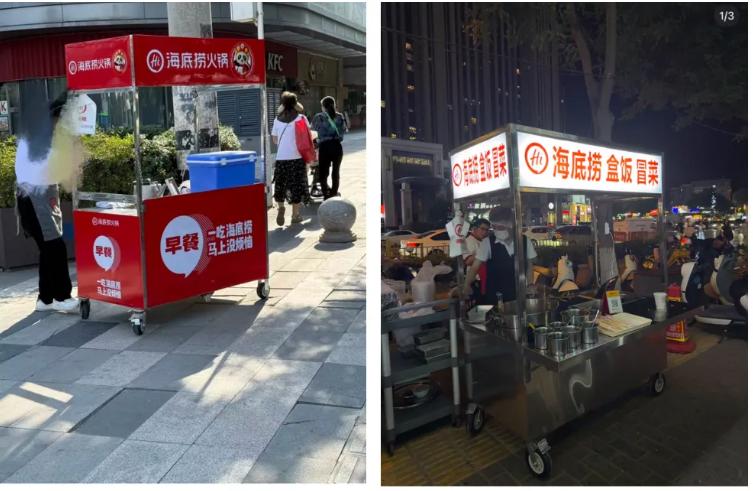
Core Insights - Haidilao has recently gained attention in the working community by launching a self-service lunch option, offering meals priced around 20 yuan, which includes various dishes and beverages, appealing to office workers [1][4][8] - The company is expanding its business model beyond traditional hotpot offerings, creating a new consumption map that includes various meal options for different times and settings [1][3][10] Business Strategy - The introduction of the self-service lunch is a strategic move to activate underutilized resources during off-peak hours, as lunch remains a low-traffic period for the company [3][11] - Haidilao's diversification efforts include launching new brands and meal options, such as boxed meals and children's menus, to cater to a broader audience and different dining scenarios [8][10][22] Market Context - The overall restaurant industry in China is experiencing slower growth, with Haidilao's revenue growth declining to single digits in 2024, indicating a shift in the competitive landscape [11][12][13] - The hotpot industry is facing intense competition, with many brands engaging in price wars, leading to a decrease in profit margins and an increase in store closures [16][17][18] Financial Performance - Haidilao reported a revenue of 427.55 billion yuan in 2024, with a modest growth of 3.1%, and a net profit of 47 billion yuan, reflecting a slowdown compared to previous years [11][12] - The company's average table turnover rate has improved to 4.1 times per day, but the average customer spending has decreased below 100 yuan, highlighting the impact of price sensitivity among consumers [14][15] Consumer Perception - The introduction of affordable meal options has altered consumer perceptions of Haidilao, with some viewing it as a value-driven choice while others question the brand's premium positioning [7][8] - The success of the self-service lunch and other new offerings will be crucial in determining Haidilao's ability to adapt to changing consumer preferences and market conditions [21][22]

儿童餐背后的选择题 餐饮品牌如何争夺家庭消费新刚需
Huan Qiu Wang· 2025-06-17 06:17
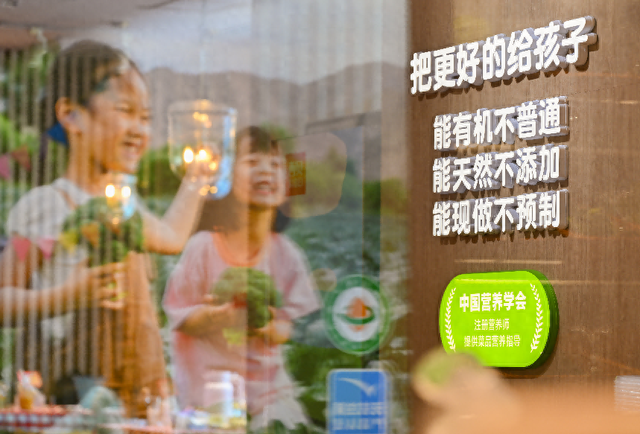
Core Insights - The rise of specialized children's meals in China's dining market reflects a shift in consumer preferences, driven by younger parents seeking healthier and more convenient dining options for their families [1][9] - The children's meal market in China is projected to reach approximately 450 billion yuan, with a significant portion of family spending now allocated to children's consumption [2][8] Industry Trends - The children's meal segment is becoming a necessity for families, with 80% of households spending 30% to 50% of their budget on children's needs [1][2] - Major restaurant brands, including Xibei, Haidilao, KFC, and others, are increasingly investing in children's meals, indicating a competitive landscape in this emerging market [5][8] Health and Safety Focus - Health and safety are paramount for parents when selecting children's meals, leading to a demand for transparency in ingredients and nutritional information [6][7] - Xibei has introduced a "5 no-additives" policy for its children's meals, emphasizing the importance of healthy ingredients and establishing trust with parents [6][8] Consumer Engagement and Experience - Brands are enhancing the dining experience for families by integrating educational and entertainment elements, such as food education classes and themed dining environments [7][8] - The children's meal market is also attracting new customer segments, including young professionals seeking balanced meal options [7][8] Competitive Landscape - Leading brands are focusing on long-term value rather than price competition, with Xibei positioning its children's meals as a unique selling point [8] - The lack of standardized children's meal guidelines presents an industry challenge, but leading brands are taking steps to establish benchmarks through transparency in ingredient sourcing [8][9]
九毛九拟掷2亿港元回购股份,能否持续提振市场信心?
Xi Niu Cai Jing· 2025-06-16 08:55
6月10日,港股餐饮企业九毛九(09922.HK)股价高开逾3%,收盘报2.61港元,成交额超。这一波市场热情的直接推手,或与该公司前一日公告的股份回购 计划有关。 6月9日,九毛九发布公告称,董事会正式决议动用最高2亿港元资金,在公开市场购回公司股份。 根据公告,此次回购的授权源于6月6日股东周年大会通过的一般性决议。九毛九明确表示,回购资金将全部来自公司"现有可用现金储备",并可根据市场情 况灵活选择注销股份或作为库存股持有。消息公布后,投资者反应积极,开盘股价迅速上扬,反映出市场对这一决策的认可。 事实上,股份回购在港股市场常被视为企业自信的信号。分析人士指出,公司愿意动用真金白银购回股票,往往意味着管理层认为当前股价被低估,且财务 状况足以支撑这一行动。尤其对九毛九而言,近半年其股价持续承压,此时推出回购计划,无疑向投资者传递了稳定预期的意图。 值得关注的是,这并非九毛九首次尝试回购。自2024年6月启动上一轮回购计划以来,九毛九已累计耗资约1.15亿港元,完成原2亿港元目标的57.52%。 尽管市场普遍将回购解读为利好,但投资者仍需留意潜在约束。例如,港股规定业绩发布前30天进入"静默期",公司不得 ...
拉夫劳伦童装,被中年人「抢疯了」?
36氪· 2025-06-13 10:08
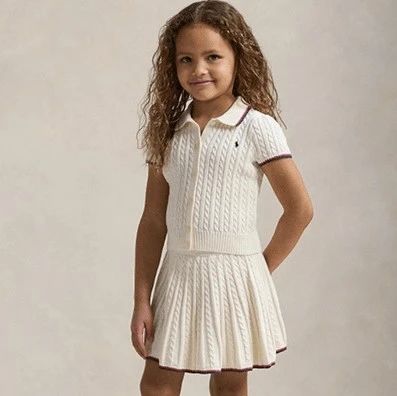
Core Viewpoint - The article discusses the rising trend among the new middle class in China to purchase children's clothing and products as a cost-saving measure while still maintaining a sense of style and quality [10][11]. Group 1: Children's Clothing Trend - The new middle class is increasingly opting for children's clothing due to significant cost savings, with examples like a Ralph Lauren polo shirt for 468 yuan, which is over 700 yuan cheaper than the adult version [4][8]. - The article highlights that many adults, particularly those with smaller frames, can fit into children's sizes, allowing them to buy high-quality brands at lower prices [12][19]. - Brands like Stella McCartney and Marni offer children's lines that are substantially cheaper than their adult counterparts, with prices around 400-600 yuan for items that would typically cost over 2000 yuan for adults [14][23]. Group 2: Dining and Children's Meals - The popularity of children's meals in restaurants has surged, with many chains now offering them as a staple, indicating a strategic shift in the dining industry [50][51]. - Children's meals are highlighted as a key selling point for various restaurants, with examples like McDonald's and Hai Di Lao leveraging them for customer attraction [55][56]. - The article notes that adults are increasingly enjoying children's meals for their balanced nutrition and affordability, reflecting a broader trend of adults embracing children's products [59][60]. Group 3: Psychological and Social Aspects - The consumption of children's products provides adults with a sense of comfort and nostalgia, allowing them to indulge in self-care without significant financial burden [80][84]. - The article discusses the duality of adult desires, where individuals seek to maintain a mature facade while also nurturing their inner child through the purchase of children's items [87]. - This trend is seen as a form of self-compensation, where adults use children's products to reclaim a sense of care and comfort in their lives [84][88].
汉堡王中国,门店将收缩
2 1 Shi Ji Jing Ji Bao Dao· 2025-06-13 02:04
21世纪经济报道记者贺泓源,实习生谭伊亭、李晴 报道 汉堡王将收缩在华门店。 2025年6月12日,汉堡王中国对外披露,其将关闭部分选址及运营不佳的门店。"这一调整预计会使2025 年汉堡王中国的门店总数有所下降。为抵消部分影响,汉堡王中国计划同步新增40至60家新餐厅。新门 店将战略布局于品牌基础稳固、增长动能明确的一、二线城市的核心商圈。"汉堡王称。 据汉堡王此前披露,截至2024年底,其在中国有1474家门店。 在今年一季报业绩会上,汉堡王母公司RBI集团CEO Josh Kobza表示,汉堡王中国预计在未来12个月内 关闭 些尚未盈利的餐厅,关店标准是平均年销售额不到30万美元(约合人民币215万元)。 汉堡王中国门店收缩背后,是餐饮业起伏加剧。 久谦中台数据显示,与2023年相比,除西餐(同比增长6%)、面包甜品(同比增长5%)和朝韩菜(同 比增长1%)外,其余品类店效普遍同比个位数下滑。在店效同比走低背景下,2024年闭店数攀升至409 万家,闭店率61.2%,均超2023年。 价格战也在走向激烈。各家年报显示,小菜园、九毛九、太二、怂火锅、海底捞、呷哺呷哺、凑凑等知 名餐饮品牌,客单价均在明显下 ...
汉堡王中国,门店将收缩丨消费参考
2 1 Shi Ji Jing Ji Bao Dao· 2025-06-13 02:00
Group 1 - Burger King China plans to close underperforming stores, expecting a decrease in total store count by June 2025, while simultaneously opening 40 to 60 new restaurants in key urban areas [1][2] - As of the end of 2024, Burger King China had 1,474 stores, with closures targeting those with annual sales below $300,000 (approximately 2.15 million RMB) [1][2] - The overall restaurant industry in China is experiencing increased volatility, with a significant rise in store closures, reaching 4.09 million in 2024, resulting in a closure rate of 61.2% [2] Group 2 - Despite the closures, Burger King maintains confidence in the Chinese market, noting positive early performance since RBI's acquisition [3][4] - RBI has invested over $100 million in strategic funding for Burger King China since acquiring full ownership in February [5] - RBI is collaborating with Morgan Stanley to identify long-term partners for Burger King China [6] Group 3 - The current contraction of Burger King in China appears to be a temporary adjustment, with expectations of returning to an expansion phase in the future [7]
永安期货每日报告-20250610
Xin Yong An Guo Ji Zheng Quan· 2025-06-10 08:10
Market Performance - The Shanghai Composite Index rose by 0.43% to 3399.77 points, while the Shenzhen Component increased by 0.65% and the ChiNext Index gained 1.07%[1] - The Hong Kong Hang Seng Index jumped 1.63% to 24181.43 points, with the Hang Seng Tech Index up 2.78% and the Hang Seng China Enterprises Index rising 1.74%[1] - The total trading volume in Hong Kong reached 245.83 billion HKD[1] US-China Negotiations - US-China trade talks in London are ongoing, with the US indicating a willingness to relax some export controls in exchange for China easing rare earth supply restrictions[7] - The US is reportedly preparing to lift recent restrictions on chip design software, aircraft engine parts, chemicals, and nuclear materials[7] Economic Indicators - In May, Taiwan's exports surged by 39% year-on-year, reaching a record high of 51.74 billion USD, driven by demand for emerging technologies[14] - China's foreign exchange reserves stood at $3285.26 billion in May, showing a slight increase from the previous month[19] Corporate Actions - Tencent Holdings announced a share buyback of 5 billion HKD for 968,000 shares, representing approximately 0.17% of its equity[16] - Midea Group recalled 1.7 million air conditioning units in North America, with minimal impact on profits due to low complaint rates[16]