
地平线

Search documents
红宝书20250827



2025-08-28 02:13
Summary of Key Points from Conference Call Records Company: Horizon Robotics - **Revenue Performance**: In H1 2025, Horizon Robotics reported revenue of 1.57 billion yuan, a year-on-year increase of 68%, exceeding the expected 1.43 billion yuan. Gross profit was 1.02 billion yuan, a 39% increase year-on-year, but slightly below the expected 1.04 billion yuan [1] - **Business Segmentation**: Revenue from automotive products and solutions reached 780 million yuan, up 250% year-on-year, with shipments of 1.98 million units, a 115% increase. Revenue from automotive licensing and services was 740 million yuan, a 6.9% increase year-on-year [1] - **Market Position**: Horizon Robotics is the first domestic company to achieve a shipment volume of over 10 million units in intelligent driving technology, holding market shares of 32.4% in autonomous driving computing solutions and 45.8% in ADAS front-view integrated machines, both ranking first in the market [1] - **Core Partner**: Zhongke Chuangda, which has a joint venture with Horizon Robotics, reported a non-net profit of 49 million yuan in Q2 2025, a 16-fold increase year-on-year, driven by a 136% increase in revenue from AloT business [1] Industry: Satellite Communication - **Government Initiatives**: On August 27, 2025, the Ministry of Industry and Information Technology released guidelines to promote the development of the satellite communication industry, aiming for over 10 million users of direct satellite connections by 2030 [2] - **Market Developments**: Domestic progress includes China Telecom's plan to promote over 30 direct connection models by May 2025, with annual sales expected to exceed 16 million units [2] - **Key Technologies**: Phased array and beamforming technologies are critical for the implementation of direct satellite communication [3] Industry: Medical and Pharmaceutical - **Policy Framework**: The Ministry of Commerce and Jiangsu Provincial Government issued a development plan for the biopharmaceutical industry on August 27, 2025, focusing on innovation in drugs and high-end medical devices [5] - **Market Size**: In 2024, Jiangsu is expected to approve 352 new drugs, including 13 innovative drugs, leading the nation. The biopharmaceutical cluster in Jiangsu is projected to generate revenue of 454.39 billion yuan in 2024, accounting for 15.3% of the national total [5] - **Core Companies**: Weisi Medical, specializing in non-invasive brain-machine interfaces, and Zhaoyan New Drug, which provides non-clinical research services, are highlighted as key players in the sector [5] Company: Dongtian Microelectronics - **Financial Performance**: In H1 2025, Dongtian Microelectronics reported revenue of 376 million yuan, a 42.29% increase year-on-year, with a non-net profit of approximately 49.78 million yuan, up 109.47% [6] - **Product Expansion**: The company is expanding its product offerings in optical communication and consumer electronics, including camera optical components supplied to Huawei [6] Company: Haosi Automotive Electronics - **Strategic Partnership**: Haosi Automotive Electronics has become a key partner of NVIDIA Jetson Thor, focusing on developing control systems for robotics [7] - **Market Trends**: The value of single-vehicle perception systems is increasing, with prices rising from below 1,000 yuan to 3,000-4,000 yuan per unit due to the proliferation of intelligent driving technologies [7] Company: Yunnan Energy Investment - **Renewable Energy Development**: Yunnan Rongyao New Energy is undergoing compliance checks for its integration into Yunnan Energy Investment, which will increase its renewable energy capacity by nearly 50% [8] - **Financial Projections**: Assuming an annual power generation of 1.2 billion kWh and an electricity price of 0.35 yuan per kWh, the projected annual revenue could reach approximately 420 million yuan, with net profits estimated between 150 million to 200 million yuan [8] Company: Zhongxin Group - **Revenue Growth**: In Q2 2025, Zhongxin Group reported revenue of 1.246 billion yuan, a 161% increase year-on-year, driven by land development and industrial investment [9] - **Operational Metrics**: The company has developed a total area of 3 million square meters in industrial parks, with an occupancy rate of 81% [9] Company: Broadcom Integration - **AI Chip Demand**: Broadcom Integration is benefiting from the growing demand for AI chips in smart terminals, with a focus on Wi-Fi MCU and various AI-integrated chips for applications in AI glasses and toys [10]
45.8%!ADAS市占率再夺冠,地平线半年出货200万套
Ju Chao Zi Xun· 2025-08-27 15:16
Core Insights - The CEO of Horizon, Yu Kai, stated that the maturity of technology for high-level assisted driving transitioning to RoboTaxi is accelerating, with the entire industry expected to move towards fully autonomous driving in the next 5 to 10 years [1] Group 1: Market Position and Performance - Horizon maintained a 45.8% market share in the ADAS (Advanced Driver Assistance Systems) market, ranking first, and a 32.4% market share in the overall assisted driving solutions market for Chinese self-owned brands [1] - The company shipped approximately 2 million automotive-grade processing hardware units in the reporting period, achieving over double the growth, with around 1 million units supporting mid-to-high-level assisted driving solutions, accounting for half of the total shipments in the first half of the year, which is six times that of the same period last year [1] - Horizon has secured nearly 400 new model designations, with over 100 models featuring mid-to-high-level assisted driving capabilities, and more than 15 models have successfully launched with Horizon's mid-to-high-level assisted driving solutions in the first half of the year [1] Group 2: Revenue and Solutions - The increase in the shipment proportion of mid-to-high-level solutions led to a 70% year-on-year growth in the average selling price of solutions, resulting in automotive products and solutions revenue reaching 780 million yuan, which is 3.5 times that of the same period last year, with mid-to-high-level solutions contributing over 80% of the revenue [2] - Horizon generated 740 million yuan in IP licensing and service-related revenue, a year-on-year increase of 6.9%, by licensing a series of algorithms and software to over 30 automotive companies and partners [2] - The cumulative shipment of the Zhengcheng series processing hardware has surpassed 10 million units, making Horizon the first intelligent driving technology company in China to achieve this milestone [2]
地平线余凯:每10辆新车就有6辆搭载辅助驾驶
Di Yi Cai Jing· 2025-08-27 14:38
Core Insights - The CEO of Horizon, Yu Kai, stated that the intelligence rate of domestic brands continues to increase [1] - The penetration rate of advanced driver assistance systems (ADAS) in domestic brands rose from 51% at the end of 2024 to 59% in the first half of 2025 [1] - The share of vehicles equipped with mid-to-high level ADAS features, such as NOA, increased from 20% to 32% in smart cars [1] - Overall, in China, more than 6 out of every 10 passenger cars sold are equipped with ADAS, with over 2 of those having mid-to-high level ADAS capabilities [1]
华为高管:世界上根本没有免费的东西
半导体芯闻· 2025-08-27 10:40
Core Viewpoint - Huawei's automotive business is rapidly expanding, particularly in the field of assisted driving, with various collaboration models with car manufacturers being explored [2][3]. Group 1: Collaboration Models - Huawei's automotive business unit (BU) collaborates with car manufacturers through multiple models, including component supply, single intelligence (either smart cockpit or assisted driving), dual intelligence (both smart cockpit and assisted driving), and full-stack solutions [2]. - The collaboration process involves Huawei supporting car manufacturers throughout the entire lifecycle, from product definition and design to manufacturing and marketing [2][7]. Group 2: Technology Approach - Huawei's approach to assisted driving does not align with the Vision-Language-Action (VLA) model favored by some car manufacturers; instead, it emphasizes the World and Action (WA) model, which directly controls the vehicle through sensory inputs [3][9]. - The WA model is considered by Huawei to be the ultimate solution for achieving true autonomous driving, bypassing the language processing step [9]. Group 3: Commercialization and Market Strategy - Huawei does not have a specific short-term commercialization goal for its assisted driving technology, focusing instead on long-term user-centered strategies and sustainable investment [7]. - The company believes that the market for assisted driving features will evolve, and that pricing strategies should reflect the ongoing development and maintenance costs associated with these technologies [12]. Group 4: Industry Trends and Future Outlook - The number of players in the autonomous driving space is expected to decrease as the industry consolidates, with future success relying heavily on data-driven approaches [10]. - The differentiation in assisted driving technology is minimal, as the primary goal remains zero accidents and fatalities, with pricing determined by perceived value to consumers [11].

华为高管:世界上根本没有免费的东西
Di Yi Cai Jing Zi Xun· 2025-08-27 08:51
Core Insights - Huawei's automotive business is rapidly expanding its assisted driving solutions and collaborating with various car manufacturers, including Baojun, Leap Motor, and Hongqi, indicating a growing presence in the industry [2][3] - The company emphasizes a diverse cooperation model with car manufacturers, ranging from component supply to full-stack solutions, enhancing their capabilities from product definition to marketing [2][9] - Huawei's approach to assisted driving technology diverges from the prevalent Vision-Language-Action (VLA) model, focusing instead on a World and Action (WA) model that utilizes direct sensory inputs for vehicle control [3][10] Cooperation Models - Huawei's cooperation with car manufacturers includes multiple models: component supply, single intelligence (either smart cockpit or assisted driving), dual intelligence (both), and full-stack solutions [2][9] - The collaboration process is designed to deepen over time, with Huawei supporting car manufacturers throughout the entire product lifecycle, from design to marketing [2][9] Technology Perspective - Huawei does not endorse the VLA approach, believing it is not the ultimate solution for autonomous driving; instead, it prioritizes the WA model, which aims for direct control through sensory inputs [3][10] - The company acknowledges the rapid development of assisted driving technology and anticipates a consolidation of players in the market, driven by data, computing power, and algorithms [11] Commercial Strategy - Huawei does not have a specific short-term profitability target for its automotive business, focusing instead on long-term user-centered investments and sustainable growth [8] - The company argues that there is no such thing as a free service in the automotive sector, as costs are often hidden in vehicle pricing or future service fees [13]

中国机器人:汽车的后浪 | 海斌访谈
Di Yi Cai Jing· 2025-08-26 07:52
Core Insights - The development of the Chinese automotive industry has significantly contributed to the affordability and accessibility of key components like LiDAR, chips, and batteries, which are essential for humanoid robots [1][7][12] - The price of LiDAR has decreased to one-tenth of its original cost over the past decade, making it a standard feature in intelligent driving systems [3][7] - Chinese companies such as SUTENG and Hesai Technology have emerged as leaders in the LiDAR market, providing products priced below 10,000 yuan, with performance surpassing that of ten years ago [3][4] - The collaboration between automotive and robotics sectors is fostering technological advancements, with automotive companies partnering with humanoid robot manufacturers to enhance capabilities [4][5] Automotive Industry Impact - The automotive industry's push towards electrification and intelligence has led to advancements in core components, making them more efficient and cost-effective for humanoid robots [7][12] - The integration of advanced chips in vehicles, such as the Horizon SuperDrive system, showcases the potential for these technologies to be adapted for robotics [5][6] - The competitive landscape in the automotive sector is driving innovation, which benefits the robotics industry by providing high-quality, low-cost components [7][12] Robotics Development - Humanoid robots are increasingly utilizing technologies developed for the automotive industry, particularly in areas like LiDAR and chipsets [4][10] - Companies like Zhiyuan and Yushu are already deploying humanoid robots in practical applications, indicating a shift towards commercialization [10][11] - Despite advancements, humanoid robots still face challenges in hardware and algorithm development, with significant room for improvement in areas such as tactile feedback and battery life [11][12] Competitive Landscape - The competition between China and the US in the robotics field highlights China's strengths in supply chain efficiency and lower manufacturing costs, while the US excels in high-performance chips [9][12] - Chinese companies are rapidly advancing in various robotics sectors, including drones and cleaning robots, positioning themselves as key players in the global market [9][12] - The year 2023 is seen as a pivotal moment for the commercialization of humanoid robots, with expectations for significant market penetration [9][11]


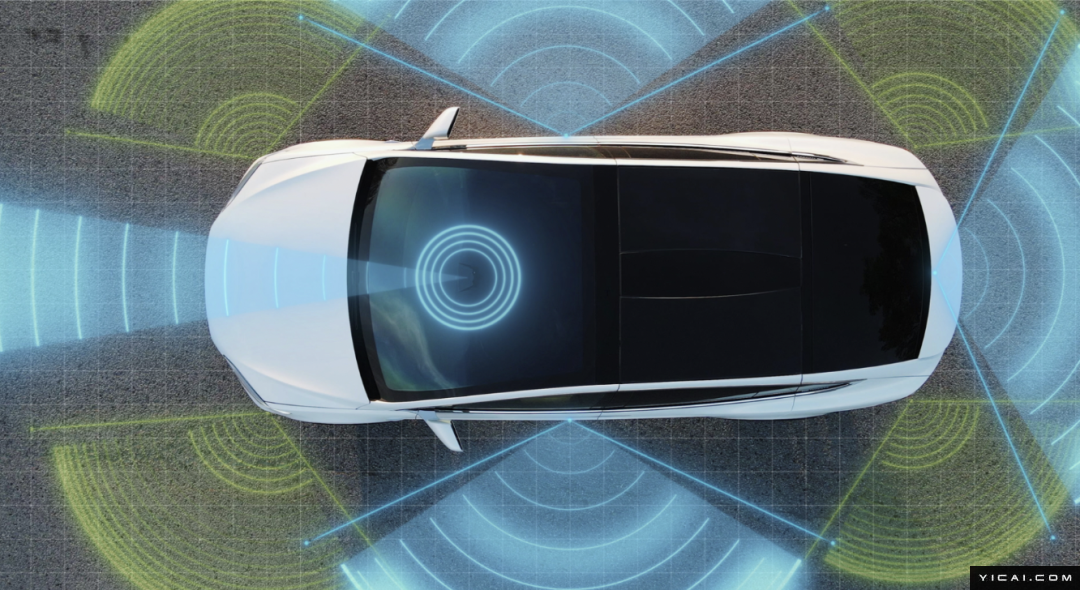
地平线「国产FSD」交卷,抢先体验在此
3 6 Ke· 2025-08-26 00:44
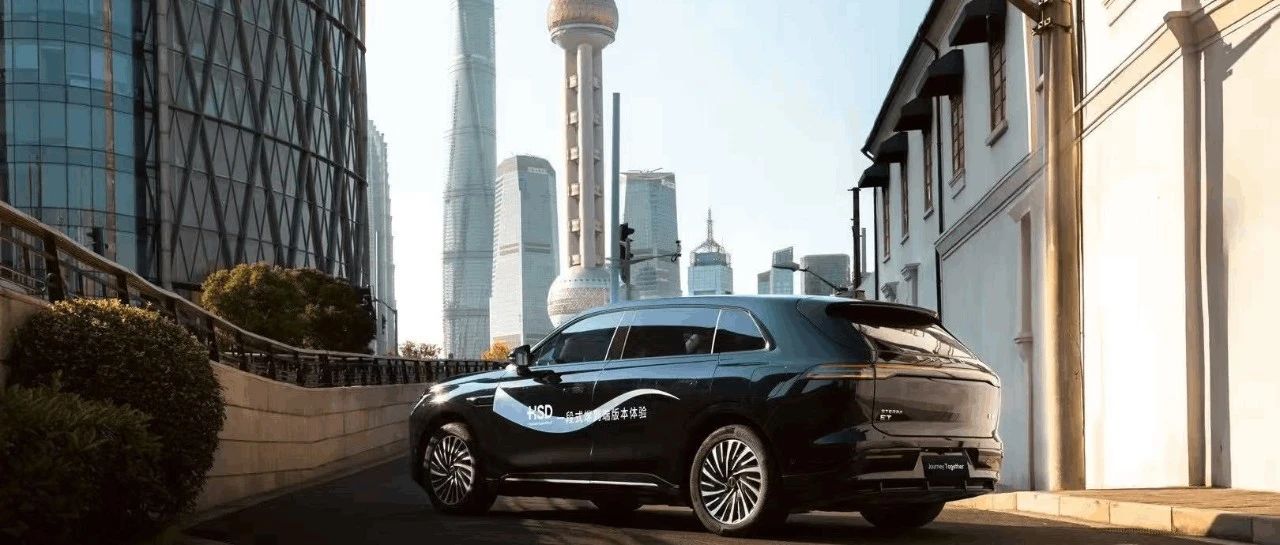
Core Viewpoint - The article discusses the advancements and potential of Horizon Robotics' HSD (Highway Smart Driving) system, emphasizing its transition from testing to near mass production, and its implications for the smart automotive industry in China [1][4][36]. Group 1: Technological Advancements - Horizon Robotics has launched its self-developed computing hardware, the J6P, and the UniAD software, marking significant milestones in autonomous driving technology [2][4]. - The HSD system features a one-stage end-to-end architecture, which improves the driving experience by integrating various functionalities without relying on traditional rule-based systems [19][36]. - Key innovations include dense modal information processing, joint optimization of lateral and longitudinal control, and a robust safety verification module to ensure safe vehicle operation [20][21][24]. Group 2: Performance and User Experience - The latest version of HSD demonstrates improved speed control and smoother driving experiences, particularly in complex scenarios like traffic lights and merging [6][10]. - The system's ability to navigate through obstacles and make real-time decisions showcases its advanced cognitive capabilities, allowing it to handle various driving conditions effectively [11][36]. - Despite its advancements, some issues were noted, such as misidentifying stationary vehicles, indicating areas for further refinement [13][36]. Group 3: Industry Implications - Horizon Robotics aims to establish a comprehensive solution for the automotive industry, moving away from isolated implementations for specific manufacturers [41]. - The company's strategy focuses on a gradual approach to autonomous driving, with a clear timeline for achieving hands-off and eyes-off driving capabilities [37][39]. - The competitive landscape suggests that companies failing to keep pace with these advancements may risk obsolescence in the rapidly evolving smart automotive sector [37][39].
从地平线到小米汽车,看两家标杆工厂带来的思考
吴晓波频道· 2025-08-26 00:30
Core Viewpoint - The article highlights the advancements in the Chinese automotive industry, focusing on the efficiency of Xiaomi's automotive factory and the technological breakthroughs at Horizon Robotics, emphasizing the importance of a systematic approach to manufacturing and innovation in the competitive landscape [2][30]. Group 1: Horizon Robotics - Horizon Robotics has achieved a market share of 33.97% in the Chinese smart driving solutions market by 2024 [8]. - The company has delivered over 8 million units and is on track to become the first domestic smart driving technology company to exceed 10 million units delivered [9]. - Horizon Robotics reported a revenue of 2.384 billion and a gross profit of 1.841 billion in 2024, reflecting a year-on-year growth of 68.3% [9]. - The company focuses on creating a complete ecosystem that includes chips, algorithms, and toolchains, allowing car manufacturers to integrate smart driving capabilities quickly [13][15]. - Horizon's approach to smart driving involves learning from real driver behavior to enhance the driving experience, demonstrating a commitment to long-term research and development [16][18]. Group 2: Xiaomi Automotive Factory - Xiaomi's automotive factory boasts an automation rate exceeding 90%, with an average of 400 vehicles produced daily, showcasing its commitment to efficiency [5][26]. - The factory employs advanced techniques such as high-temperature melting and rapid die-casting, emphasizing the importance of temperature control in production [25][26]. - The layout of the factory is designed for rapid response, with engineers positioned close to production areas to address issues promptly, reflecting a management philosophy centered on efficiency [27][28]. - The visit to Xiaomi's factory illustrates that efficiency is a result of comprehensive system design rather than isolated improvements, highlighting the interconnectedness of various production processes [28][30]. Group 3: Industry Insights - The article emphasizes that the true advantage of Chinese manufacturing lies in the collaborative capabilities of the entire industry chain, rather than individual breakthroughs [33]. - The evolution of Chinese manufacturing is characterized by the integration of design, production, supply chain, and user feedback into a cohesive system, enabling new players like Xiaomi to launch high-quality vehicles in a short time [33][34].

地平线HSD量产在即:国内最像特斯拉FSD的辅助驾驶系统,定义行业新高度
IPO早知道· 2025-08-25 03:39
Core Viewpoint - Horizon has launched its most significant upgrade of the high-performance urban auxiliary driving product HSD, which is recognized as the "most Tesla-like FSD system" in China, enhancing safety, efficiency, and comfort in driving [3][5]. Group 1: Product Development and Features - HSD is built on the Journey 6P platform, achieving ultra-low latency from "photon input to trajectory output" and introducing reinforcement learning for maximizing model potential [8]. - The product covers various driving scenarios, including urban areas, highways, rural roads, and parking lots, and can handle complex driving tasks without relying on memory mapping [3][5]. - Horizon has established cooperation intentions with nearly 10 global automotive brands, with the first mass production set to be launched on Chery's Exeed Star Era E05 [3][5]. Group 2: Market Trends and Growth - The high-level auxiliary driving technology is transitioning from validation to large-scale adoption, with 902,200 new cars equipped with urban NOA delivered in China in the first five months of the year, marking a 152.5% year-on-year increase [5]. - Horizon has achieved over 8 million sets of front-mounted mass production shipments and over 200 mass-produced vehicle models as of the end of Q1 this year [16]. Group 3: Strategic Vision and Competitive Edge - The founder and CEO of Horizon emphasizes the importance of continuous technological iteration and the launch of high-performance products to maintain market leadership [16]. - Horizon's strategy of "soft and hard integration" has allowed it to achieve over 1000 times improvement in computing performance over the past decade, supporting the mass production of over 10 computing solutions [19][21]. - The company aims to become a leading player in the high-level auxiliary driving market, leveraging its unique position as a "full-stack soft and hard technology enterprise" with extensive practical experience [23].
智驾芯片平台竞争白热化,本土方案商加速技术迭代
Zhong Jin Zai Xian· 2025-08-25 02:57
Group 1 - The demand for intelligent driving is driving fierce competition among chip platforms, with local companies like Horizon Robotics and Black Sesame Intelligence releasing next-generation smart driving chips that achieve breakthroughs in computing power and energy efficiency [1] - The latest smart driving chips maintain cost advantages while significantly improving computing power density, with Horizon's Journey 6 series chips supporting 20 TOPS computing power, a 60% performance increase and a 25% reduction in power consumption compared to the previous generation [1] - The rapid iteration of chip platforms is enhancing the performance of intelligent driving systems and reducing costs, enabling mainstream chips to support advanced features like high-speed NOA and memory parking, which will accelerate the penetration of intelligent driving functions into economic models priced at 100,000 to 150,000 yuan [1] Group 2 - The market share of local intelligent driving chips has surpassed 40% in the first half of this year, with expectations to reach 50% by 2026, indicating the growing importance of local supply chains in the intelligent driving sector [1] - The collaboration between solution providers like Four-dimensional Map New and chip companies will further promote the popularization of intelligent driving technology and cost optimization [1] - The intelligent driving chip platform is evolving towards high performance, low power consumption, and low cost, laying a solid foundation for the large-scale commercialization of intelligent driving technology [2]
