奈雪的茶

Search documents
奈雪的茶(02150) - 董事名单及其角色和职能
2025-07-31 22:01
Nayuki Holdings Limited 奈雪的茶控股有限公司 (於開曼群島註冊成立的有限公司) 獨立非執行董事 劉異偉先生 謝永明先生 張立鈞先生 董事會設有三個董事會委員會。下表提供本公司各董事所在該等委員會的成員資 料。 (股份代號:2150) | | 審核委員會 | 薪酬委員會 | 提名委員會 | | --- | --- | --- | --- | | 趙林先生 | | M | | | 彭心女士 | | | M | | 劉異偉先生 | M | C | M | | 謝永明先生 | M | M | C | | 張立鈞先生 | C | | | 董事名單及其角色和職能 附註: 奈 雪 的 茶 控 股 有 限 公 司(「本公司」)董 事 會(「董事會」)成 員 載 列 如 下。 C 相關董事會委員會主席 執行董事 趙林先生 (本公司董事長及首席執行官) 彭心女士 M 相關董事會委員會成員 二零二五年八月一日 ...
奈雪的茶(02150) - 独立非执行董事及审核委员会主席变动
2025-07-31 22:00
香港交易及結算所有限公司及香港聯合交易所有限公司對本公告的內容概不負責,對其 準確性或完整性亦不發表任何聲明,並明確表示概不就因本公告全部或任何部分內容而 產生或因倚賴該等內容而引致的任何損失承擔任何責任。 會議進一步決議委任張立鈞先生(「張先生」)為獨立非執行董事兼審核委員會主席,自二 零二五年八月一日起生效。 Nayuki Holdings Limited 奈雪的茶控股有限公司 (於開曼群島註冊成立的有限公司) (股份代號:2150) 獨立非執行董事及 審核委員會主席變動 罷免獨立非執行董事 奈雪的茶控股有限公司(「本公司」,連同其附屬公司統稱「本集團」)董事(「董事」,各 為一名「董事」)會(「董事會」)會議(「會議」)已於二零二五年七月三十一日召開。於會 議上,董事會決議罷免獨立非執行董事兼本公司審核委員會(「審核委員會」)主席張蕊女 士(「張女士」)的現有職務(「罷免」)。根據本公司第七版經修訂及經重列組織章程大綱 及組織章程細則(「細則」)第105(h)條,罷免將向其送達當時在任不少於四分之三名(或 倘非整數,則以最接近之較低整數為準)的董事(包括張女士)簽署的書面通知(「通知」) 而生效。根據細 ...
观茶|AI成门店督导,“智能奶茶”时代全面到来?
Nan Fang Nong Cun Bao· 2025-07-31 14:34
观茶|AI成门店 督导,"智能奶 茶"时代全面到 来?_南方+_南 方plus 日前,茶饮品牌 沪上阿姨与蚂蚁 集团子公司数字 蚂力宣布达成战 略合作,率先在 业内引入"AI督 导员"系统,通 过高精度多模态 大模型,将传统 人工巡店的"人 海战术"升级为 数字化监控,为 行业的智能化管 理变革注入了新 动力。 在"万店时代"重 构茶饮门店管理 茶饮品牌在门店 管理上,一般会 由督导定期进行 现场巡店,一名 督导员的有效管 理半径通常不超 过20家门店。对 沪上阿姨这类头 部品牌而言,突 破万店规模将面 临严峻的管理挑 战,依赖传统人 工督导已然捉襟 见肘。 数字蚂力推出 的"AI督导员"基 于多模态大模型 技术,可精准识 别门店内的工作 人员、行为、物 品与环境状态, 识别准确率超过 90%。其技术能 力可以覆盖食品 安全监控、标准 化生产保障、运 营效率管理等门 店运营的关键环 节。"有工具的 帮助,我不需要 花大量时间去反 复核对,而是能 把更多精力放在 服务顾客和激励 团队上,工作效 率更高了。"一 位沪上阿姨店长 说。 AI技术将督导员 从"找问题"中解 放,转向"解决 问题"。当系统 自动完成标准 ...


小红书从“生活指南”到“兴趣社区”背后,品牌升级的水有多深?
3 6 Ke· 2025-07-31 03:40
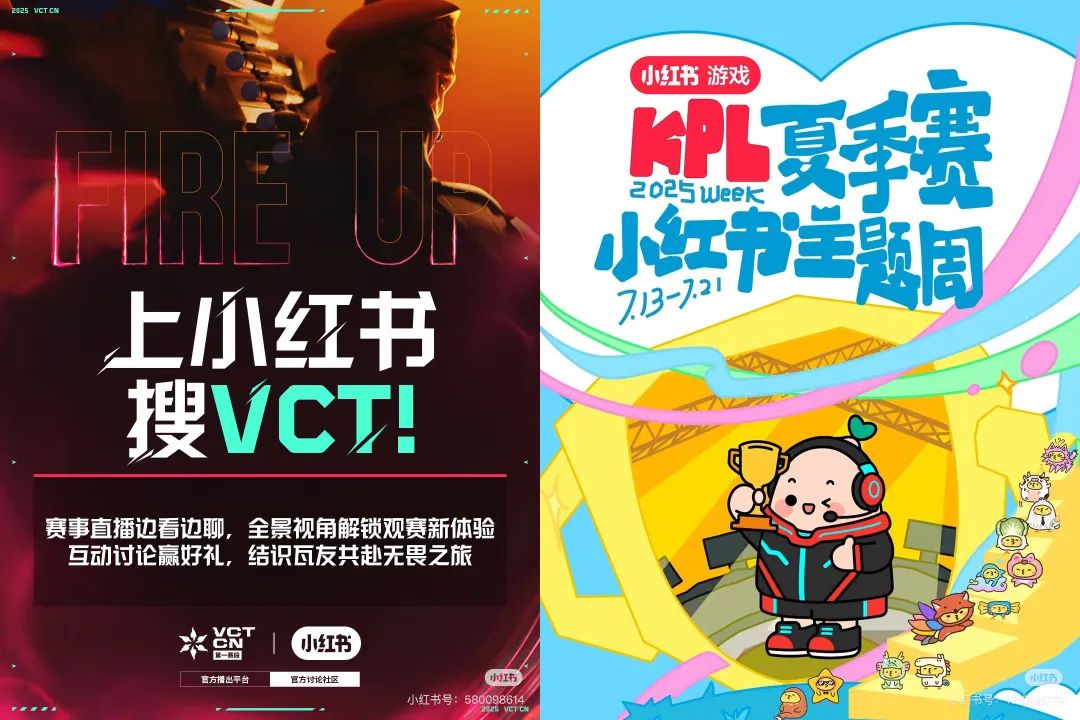
Core Viewpoint - Xiaohongshu's rebranding from "Your Life Guide" to "Your Life Interest Community" signifies a strategic shift towards a more community-driven platform, reflecting the evolving needs of users who seek shared interests and emotional resonance rather than just information retrieval [1][2][4] Summary by Sections Brand Strategy Shift - The change in slogan indicates a broader brand strategy upgrade, moving from a utilitarian information platform to a vibrant interest-based social community [1][2] - The term "interest" expands the content categories on the platform, while "community" reflects a shift from one-way information delivery to co-creation [1][2] Content Ecosystem Expansion - Xiaohongshu has actively expanded its content ecosystem, particularly targeting younger audiences with a focus on gaming and anime, resulting in a 168% increase in gaming-related posts and a 175% surge in anime content [2][4] - Collaborations with esports leagues and the hosting of events like "RED LAND" demonstrate Xiaohongshu's commitment to becoming a hub for interest-based social interaction [4] Drivers of Brand Upgrade - The need for brand upgrades is driven by three main engines: the necessity to break through growth ceilings, adapt to changing consumer preferences, and align with strategic transformations [4][5][8] - As markets become saturated, brands must refresh their images to attract new consumer segments, as seen with Xiaohongshu's shift to appeal to Gen Z [8][10] Consumer Engagement - The brand's transformation is also a response to the evolving preferences of younger consumers who prioritize community and shared interests over mere information [8][10] - Successful brand upgrades require deep communication with consumers, ensuring they understand the reasons behind changes and feel involved in the process [15][16] Strategic Alignment - Brand upgrades should be strategically driven rather than superficial, necessitating a coherent strategy that aligns with the brand's new identity [14][15] - Examples like Starbucks and Meta illustrate how strategic shifts necessitate corresponding brand upgrades to support new business directions [10][14] Conclusion - As competition intensifies, brand upgrades are becoming essential for many companies, with those that balance change and continuity, engage authentically with consumers, and follow strategic guidance likely to thrive [16]
哈根达斯还是不够贵
创业邦· 2025-07-30 10:10
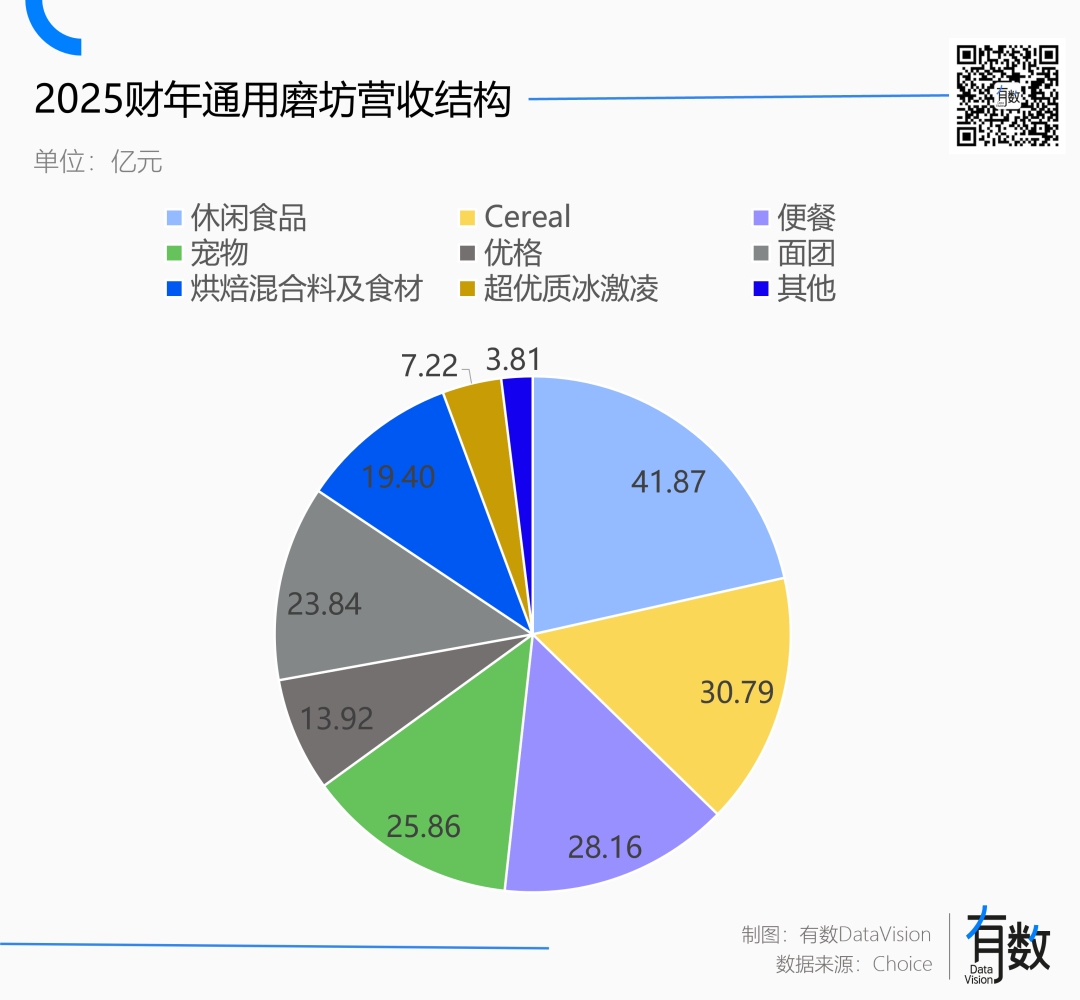
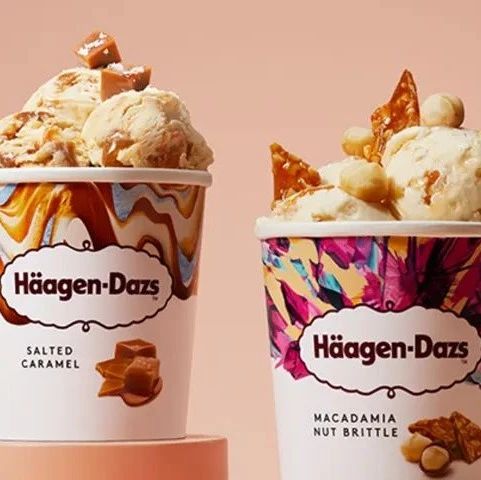
Core Viewpoint - Haagen-Dazs is facing significant challenges in the Chinese market, with declining sales and increased competition from both ice cream brands and new beverage categories like tea drinks. The brand's high-end positioning is becoming less sustainable as consumer preferences shift towards more affordable options [4][10][33]. Group 1: Market Performance - In the third quarter of the 2025 fiscal year, General Mills reported a 5% year-over-year decline in net sales, with Haagen-Dazs experiencing a double-digit percentage drop in customer traffic in China [10][11]. - Over the past five years, General Mills' related revenue has decreased from $820 million to $720 million [12]. - Haagen-Dazs once accounted for over 50% of General Mills' ice cream business revenue, but has since closed 81 stores nationwide, indicating a significant contraction [6][8]. Group 2: Competitive Landscape - The rapid expansion of Dairy Queen (DQ) and the aggressive pricing strategy of brands like Mixue Ice Cream have intensified competition, squeezing Haagen-Dazs' market share [7][8]. - New tea drink brands have emerged as formidable competitors, with their pricing strategies and marketing approaches drawing consumers away from traditional ice cream offerings [23][30]. - Haagen-Dazs has attempted to diversify its offerings by introducing coffee and yogurt products, but these efforts have not significantly improved its competitive position [28][36]. Group 3: Brand Positioning and Strategy - Haagen-Dazs has historically positioned itself as a luxury brand, with its double-scoop ice cream priced at $9.89 in China, the highest globally [14][16]. - The brand's strategy involved aligning with luxury brands and creating a premium in-store experience, but this approach is now challenged by the rise of more affordable alternatives [22][44]. - The brand's reliance on physical stores and high-end locations has become a liability as consumer preferences shift towards more casual and affordable dining experiences [19][31]. Group 4: Supply Chain and Operational Challenges - Haagen-Dazs faces high operational costs due to the need for cold chain logistics, which complicates its ability to compete with lower-cost tea drink brands [47][48]. - The brand's ice cream products have a short shelf life and require strict temperature controls, making it difficult to scale operations in the same way as tea brands [47][49]. - Despite attempts to boost retail and e-commerce channels, the inherent nature of ice cream as a product limits its online sales potential, with only 20% penetration in 2021 [35][36].

哈根达斯还是不够贵
36氪· 2025-07-30 09:11
Core Viewpoint - Haagen-Dazs is facing significant challenges in the Chinese market, with declining sales and increased competition from both ice cream brands and new beverage categories like milk tea, leading to a potential reevaluation of its business strategy in China [3][4][5][7]. Group 1: Market Performance - In the past year, Haagen-Dazs closed 81 stores nationwide, reflecting a struggle to maintain its market presence amid fierce competition [5]. - General Mills reported a 5% year-over-year decline in net sales for the third quarter of fiscal year 2025, with Haagen-Dazs experiencing a double-digit percentage drop in customer traffic in China [7]. - Over the past five years, General Mills' related revenue has decreased from $820 million to $720 million [9]. Group 2: Competitive Landscape - Haagen-Dazs is being squeezed not only by direct competitors like Dairy Queen (DQ) and Mixue Ice Cream but also by the rising popularity of milk tea brands, which have become significant competitors in the dessert space [5][19]. - The entry of new players like Heytea and Nayuki has shifted consumer preferences, leading to a decline in Haagen-Dazs' market share [24][25]. Group 3: Brand Positioning and Strategy - Haagen-Dazs has historically positioned itself as a premium brand, with the average price of a double scoop ice cream in China at $9.89, the highest globally [11][12]. - The brand's strategy included creating a luxurious in-store experience and leveraging gift-giving opportunities, such as the introduction of Haagen-Dazs mooncakes, which once accounted for 28% of its revenue in China [16]. - However, the brand's high-end positioning is now at risk as it competes with more affordable options from milk tea brands, which have successfully captured a larger consumer base [27][30]. Group 4: Operational Challenges - Haagen-Dazs has attempted to pivot towards retail and e-commerce channels, establishing a new division to integrate various sales channels, but faces challenges due to the low online penetration of ice cream sales [25][26]. - The brand's ice cream products are difficult to scale due to high supply chain costs and the need for strict temperature controls during transportation and storage [37][38]. - Despite promotional efforts, such as discounted coffee to attract customers, the core ice cream product line remains constrained in terms of pricing flexibility [36][39]. Group 5: Future Outlook - The brand's immediate challenge is to redefine its product offerings and pricing strategy to remain relevant in a market increasingly dominated by lower-priced competitors [43][44].

味甘传统茶 盛夏新赛道
Bei Jing Wan Bao· 2025-07-30 08:12
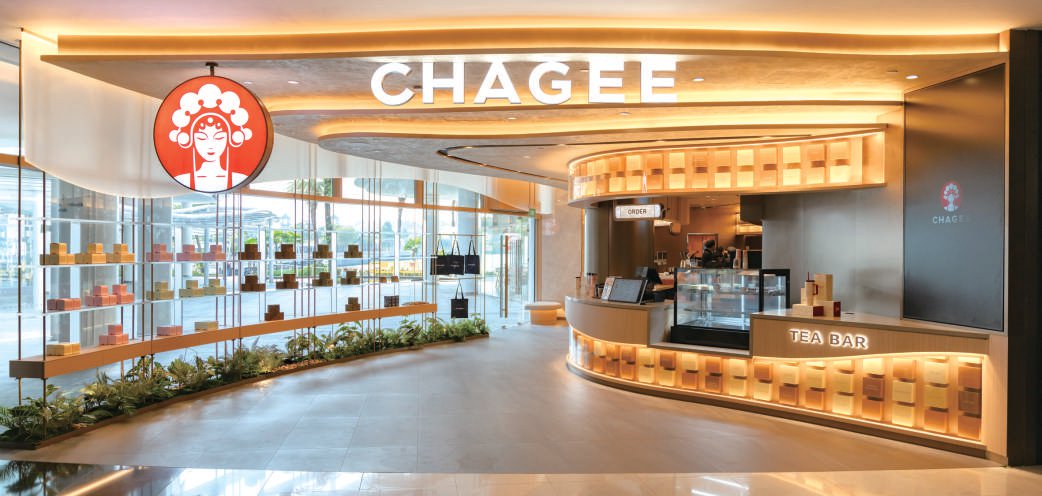
Core Insights - The tea beverage market in China is experiencing intense competition as it approaches structural upgrades by 2025, driven by the popularity of ready-to-drink tea among young consumers [1][3] - Major brands are innovating and diversifying their product offerings to cater to health-conscious consumers, marking a shift from traditional tea consumption to modern interpretations [6][7] Market Trends - The ready-to-drink tea market is growing rapidly, with brands like Bawang Chaji achieving significant sales milestones, such as over 600 million cups sold by 2024 [3][5] - Health-conscious trends are becoming mainstream, with brands like Bawang Chaji and Heytea implementing transparency initiatives and health standards to meet consumer demands for lower sugar options [6][8] Brand Strategies - Leading brands are building competitive advantages through unique product offerings: Bawang Chaji focuses on "original leaf fresh milk tea," while Heytea emphasizes innovative flavor combinations [5][6] - Brands are expanding their product lines to include healthier options, with Bawang Chaji launching a "nutrition selection" system and Heytea introducing a health standard for their beverages [6][7] Global Expansion - Major tea brands are increasingly looking to international markets, with Bawang Chaji opening 169 overseas stores by early 2025 and achieving impressive sales in new locations [8][9] - The cultural aspect of tea is being leveraged in global markets, with store designs reflecting Chinese cultural elements to attract local consumers [9] Innovation in Traditional Tea - Traditional tea companies are revitalizing their offerings through product innovation, such as Xiaoguan Tea entering the bottled tea market and Wu Yutai launching cross-category products [10][11] - Wu Yutai's introduction of Jasmine Flower Tea Craft Beer exemplifies the blending of traditional tea culture with modern consumer preferences [11][12]
茶颜悦色也做烘焙了
Bei Jing Shang Bao· 2025-07-30 02:35
Core Viewpoint - Chayan Yuesheng is expanding its business by introducing a new store format called "Chayan Handmade Bakery," which sells both Western and Chinese baked goods at affordable prices, indicating the brand's determination to seek growth opportunities in a competitive market [1][2][6]. Group 1: New Business Initiatives - The new store format "Chayan Handmade Bakery" focuses on freshly baked products, with a slogan emphasizing the use of good ingredients and simplicity in preparation [2]. - The bakery offers a variety of products, including basic bread, croissants, pineapple buns, egg tarts, and Chinese pastries, with prices ranging from 3 to 6 yuan, predominantly around the 5 yuan mark [2][3]. - The bakery is not a standalone store but operates as a store-in-store concept within an existing Chayan Yuesheng location in Changsha [3]. Group 2: Market Strategy and Positioning - Chayan Yuesheng is diversifying its offerings to enhance customer experience and increase sales frequency, as the tea beverage market is becoming saturated [6][8]. - The brand has previously launched various store types, including discount stores and specialty shops, to cater to different consumer needs and preferences [4]. - The company has also entered the North American market through e-commerce, selling snacks, tea sets, and cultural products, rather than opening physical stores [4]. Group 3: Competitive Landscape - The tea beverage industry is experiencing intense competition, with many brands exploring bakery offerings as a means to drive growth [5][7]. - Chayan Yuesheng's approach of combining tea and baked goods is not unique, but the brand has opportunities to differentiate itself through unique flavors and high-quality products [7]. - Industry experts suggest that the brand should focus on maintaining product quality, innovating new offerings, and enhancing brand recognition through cultural activities and social media engagement [8].
茶咖日报|星巴克免费VS皮爷收费?咖啡行业迎来极端“座位大战”
Guan Cha Zhe Wang· 2025-07-29 14:34
Group 1: Peet's Coffee and Market Dynamics - Peet's Coffee has implemented measures to address the issue of "seat hogging" by requiring customers to make a purchase to occupy seats in select stores [1] - The company has seen strong sales growth in China, with an adjusted EBIT organic growth of 23.8%, contributing to a global sales increase of 7.9% to €8.837 billion [1] - The coffee brand's strategy reflects a focus on protecting its premium experience, contrasting with Starbucks' approach of removing consumption barriers [2] Group 2: New Tea Beverage Industry Trends - The new tea beverage industry has experienced stagnation in store growth, with a total of 116,978 stores as of June 2025, reflecting a mere 0.74% increase from the previous year [3] - The industry is undergoing a reshuffling, with leading brands expanding into lower-tier cities while many mid-tier brands face closures [3] - New tea brands are increasingly targeting the U.S. market, adapting their business models to fit local preferences rather than replicating domestic success [3] Group 3: Technological Innovations in Coffee - Shanghai Heitun has introduced the sixth generation of its fully automated coffee robot, COFE+, capable of producing over 1,000 cups daily with a design lifespan of 500,000 cups [4] - The COFE+ robot utilizes AI to control extraction parameters, ensuring the preservation of coffee's original aroma [4] - The technology aims to eliminate risks associated with opening coffee shops and reduce operational burdens [4] Group 4: Bond Coffee's Strategic Positioning - Bond Coffee, led by the second-generation successor of Want Want Group, is focusing on a "premiumization" strategy rather than rapid franchise expansion [5] - The brand has opened five stores in Shanghai and plans to establish significant locations in high-profile areas by July 2025 [5] - The competitive landscape is intensifying, with both international and domestic brands enhancing their offerings to meet rising consumer expectations [5]
哈根达斯还是不够贵
Hu Xiu· 2025-07-29 13:17
Group 1 - Haagen-Dazs China significantly contributed to General Mills' ice cream business, accounting for half of its revenue in 2017, but rumors of selling its Chinese stores have emerged for 2025 [1] - General Mills denied the sale plans, but Haagen-Dazs is facing increasing competition and has closed 81 stores nationwide in the past year [2][3] - The brand's sales have declined, with a reported 10% drop in customer traffic in its Chinese stores, reflecting broader struggles in the global market [6] Group 2 - Haagen-Dazs' revenue in the past five years fell from $820 million to $720 million, indicating a significant downturn [7] - The brand's premium pricing strategy, with an average price of $9.89 for a double scoop in China, is the highest globally, but it faces challenges from lower-priced competitors [9][11] - The brand's historical positioning as a luxury product has shifted, as it now competes with a variety of cold dessert products, including tea drinks [4][19] Group 3 - The rise of new tea beverage brands has intensified competition, with Haagen-Dazs struggling to maintain its market share [20][28] - The brand's attempt to diversify by opening a coffee shop in Shanghai was a response to the competitive landscape, but it still faces challenges from established players like Starbucks [21][22] - Haagen-Dazs has shifted focus to retail and e-commerce channels, but the ice cream market's low online penetration complicates this strategy [29][30] Group 4 - The pricing strategies of new tea brands have shifted, with products now priced between 15-25 yuan, making them more accessible to a broader audience [32] - The expansion of tea brands into shopping centers has displaced traditional ice cream brands like Haagen-Dazs, which has struggled to adapt [27][33] - Haagen-Dazs' high operational costs and supply chain challenges hinder its ability to compete effectively with the more agile tea brands [43][45] Group 5 - The brand's ice cream products face limitations in scaling due to their perishable nature and high cold chain costs, making it difficult to compete on price [43][44] - Haagen-Dazs has attempted promotional strategies to attract customers, but its core ice cream line remains difficult to expand rapidly [42][46] - The brand's future may depend on finding unique ingredients and repositioning itself in the market to maintain its premium image [49][50]