比亚迪股份

Search documents
固态电池,永远的五年?
Xin Lang Cai Jing· 2026-02-14 09:21
Core Insights - Dyson's acquisition of Sakti3 highlights the strategic importance of solid-state battery technology in the future of electric vehicles, despite initial skepticism about the relevance of a household appliance company in the battery sector [2][5][6] - The solid-state battery industry is characterized by dramatic developments and ongoing challenges, particularly in terms of cost, production, and technological breakthroughs [10][11][38] Investment and Development - Dyson invested at least £500 million in electric vehicle projects over four years, including the acquisition of Sakti3 for over $90 million and approximately £200 million for a research center [6][7] - Despite halting its car manufacturing project in 2019 due to significant losses, Dyson's solid-state battery research has continued, albeit with limited public progress [7][8] Industry Challenges - Solid-state batteries face significant hurdles, including high manufacturing costs (3-5 times that of traditional lithium batteries) and the need for specialized production environments [38][109] - The industry is currently lacking standardization, with various companies pursuing different technological routes without a unified framework [110] Technological Advantages - Solid-state batteries offer several advantages over traditional lithium batteries, including higher energy density (theoretical limits of 400-600 Wh/kg), improved safety, longer cycle life, and wider operational temperature ranges [14][25][33][105] - The transition from liquid to solid-state technology is expected to drive significant changes across the entire supply chain, creating new opportunities [90] Market Outlook - The consensus in the industry is that 2027 will be a critical year for the commercialization of solid-state batteries, with major players like BYD and CATL planning to initiate small-scale production around this time [22][69] - The solid-state battery market is projected to grow significantly, with expectations of reaching energy densities above 500 Wh/kg, alleviating concerns about range anxiety for electric vehicles [28][98] Competitive Landscape - Major companies like CATL, BYD, and Toyota are actively engaged in solid-state battery development, each with distinct strategies and timelines for production [63][64][72] - The competition among these firms is expected to shape the future of the solid-state battery market, with each company leveraging its strengths in technology and production capabilities [63][66]



【月度排名】2026年1月厂商销量排名快报
乘联分会· 2026-02-14 08:39
Core Viewpoint - The domestic narrow passenger car market in China experienced a retail sales decline of 13.9% year-on-year in January 2026, with sales reaching 1.544 million units, attributed to the end of the 12-year new energy vehicle purchase tax exemption policy, leading to a temporary dip in demand [2][4]. Sales Data Summary Wholesale Sales Rankings (January 2026) - Geely Automobile led with 270,167 units sold, a 1.3% increase, capturing 13.7% market share - BYD Automobile followed with 205,518 units, down 30.7%, holding 10.4% market share - Chery Automobile sold 193,969 units, down 12.0%, with a 9.8% market share - Volkswagen sold 128,001 units, down 1.7%, with a 6.5% market share - SAIC Passenger Vehicle sales increased by 53.6% to 77,421 units, capturing 3.9% market share [6]. Retail Sales Rankings (January 2026) - Geely Automobile again led with 209,661 units sold, down 12.6%, holding 13.6% market share - Volkswagen sold 132,300 units, down 3.5%, with an 8.6% market share - BYD's retail sales dropped significantly by 53.0% to 94,176 units, capturing 6.1% market share - SAIC Volkswagen sold 89,600 units, down 9.3%, with a 5.8% market share - Changan Automobile's sales decreased by 33.5% to 81,074 units, holding 5.2% market share [7]. New Energy Vehicle (NEV) Wholesale Sales Rankings (January 2026) - BYD led NEV sales with 205,518 units, down 30.7%, capturing 23.8% market share - Geely followed with 124,252 units, up 2.6%, holding 14.4% market share - Tesla China sold 69,129 units, up 9.3%, with an 8.0% market share - Chery sold 46,802 units, down 14.9%, with a 5.4% market share - SAIC Passenger Vehicle saw a significant increase of 576.9% to 28,179 units, capturing 3.3% market share [9]. New Energy Vehicle (NEV) Retail Sales Rankings (January 2026) - BYD again led with 94,176 units sold, down 53.0%, holding 15.8% market share - Geely sold 92,135 units, down 21.6%, with a 15.5% market share - Hongmeng Zhixing saw a significant increase of 65.5% to 57,915 units, capturing 9.7% market share - SAIC's sales increased by 83.3% to 40,016 units, holding 6.7% market share - Xiaomi Automobile sold 39,002 units, up 70.3%, with a 6.5% market share [10].




邀请函丨2026(第二届)起点锂电圆柱电池技术论坛暨圆柱电池20强排行榜发布会4月10日深圳举办!
起点锂电· 2026-02-14 08:19
Group 1 - The core viewpoint of the article emphasizes the explosive growth of the large cylindrical battery and all-tab technology market by 2025, with a projected increase in China's cylindrical battery shipments exceeding 15%, and large cylindrical batteries growing over 40% [3] - Major companies in the large cylindrical battery sector, such as EVE Energy, Molicel, and others, are expected to face supply shortages due to high demand, indicating a robust market outlook for 2026 [3] - The article highlights the rapid adoption of large cylindrical battery products in various applications, including lightweight power, electric two- and three-wheelers, portable and home energy storage, and automotive power [3] Group 2 - The event organized by Qidian Lithium Battery and Qidian Research Institute (SPIR) aims to discuss cutting-edge technologies, processes, and materials related to cylindrical batteries, showcasing the industry's competitive landscape through a comprehensive ranking of the top 20 companies [3][6] - The agenda includes sessions on high-power cylindrical battery technology, innovations in household and portable energy storage, and the development trends of automotive-grade large cylindrical batteries [7][8] - The forum will also feature discussions on the balance between cost and performance in new materials and processes, as well as the competitive speed of industrialization for new materials in large cylindrical batteries [8]

在中国“让我感觉自己生活在未来”
Xin Lang Cai Jing· 2026-02-14 06:11
随着美国加大对国内化石燃料的投入,中国继续在全球范围内扩大其影响力。去年,中国新能源汽车出 口额突破696亿美元创下新纪录,覆盖超过150个国家和地区。 "我们正从一个以石油为动力的世界转向一个成本更低的、以太阳能为动力的世界。"布拉德舍说,"实 际上,其他国家都在越来越多地从中国购买电力,因为中国在太阳能电池板方面几乎处于无可动摇的领 军地位。在许多发展中国家,这正是人们现在最想要购买的,因为这是比其他任何方式都更便宜的电力 来源。" 为了了解中国在清洁能源技术方面的发展速度,我联系了驻北京的同事基思·布拉德舍(《纽约时报》 北京分社社长——编者注)。他告诉我:"在清洁能源技术方面,中国远远领先于世界其他国家。这不 仅体现在大量安装可再生能源和采用新交通技术方面,还体现在取得的研究突破上。" 北京与华盛顿之间的反差极为鲜明。几十年来,中国政府始终坚定支持本国清洁能源技术发展。相比之 下,美国的政策却始终摇摆不定、前后不一。就在中国加速向清洁能源转型之际,美国政府却在不断寻 找新的方法来惩罚可再生能源,同时推广煤炭、石油和天然气等化石燃料。 "美国真的在背弃许多21世纪的能源和交通技术。"布拉德舍告诉我。再加 ...
拓普集团(601689):2025年收入同比增长,“机器人+车+液冷”协同发展未来可期
Soochow Securities· 2026-02-14 05:10
Investment Rating - The investment rating for the company is "Buy" (maintained) [1] Core Views - The company is expected to achieve revenue growth in 2025, driven by the synergistic development of "robotics + vehicles + liquid cooling" [1] - The revenue forecast for 2025 is projected to be between 287.50 billion to 303.50 billion yuan, representing a year-on-year growth of 8.08% to 14.10% [8] - The net profit attributable to the parent company is expected to decline by 3.35% to 13.35%, estimated at 26.00 billion to 29.00 billion yuan [8] - The company is planning to issue H shares and list on the Hong Kong Stock Exchange to accelerate its international strategy [8] Financial Performance Summary - Total revenue for 2023 is reported at 19,701 million yuan, with a projected increase to 29,939 million yuan in 2025, reflecting a year-on-year growth of 12.55% [1] - The net profit attributable to the parent company is forecasted to be 2,813 million yuan in 2025, a decrease of 6.25% compared to the previous year [1] - The earnings per share (EPS) is expected to be 1.62 yuan in 2025, with a price-to-earnings (P/E) ratio of 44.48 [1] Market Data - The closing price of the company's stock is 72.01 yuan, with a market capitalization of approximately 125,141.54 million yuan [6] - The company has a price-to-book (P/B) ratio of 5.38 [6] Operational Insights - The company has secured a 15 billion yuan order in its thermal management business, indicating strong demand in international markets [8] - The company’s revenue growth is supported by its Tier 0.5 collaboration model and a diverse product portfolio [8]

27国要对我们加税30%?法国打响第一枪,美财长一句话定义中美关系
Sou Hu Cai Jing· 2026-02-14 04:41
Group 1 - France has proposed a significant government report suggesting that EU member states impose a 30% tariff on Chinese goods to address the trade deficit with China [2][10] - The report indicates that 55% of manufacturing output in the EU faces direct competition from China, with Germany at 70% and France at 36% [10][12] - The proposed tariffs are seen as a desperate measure to level the playing field, as Chinese products have a cost advantage of approximately 30% [12][14] Group 2 - The report reflects France's panic over its industrial decline, as it attempts to unify EU member states against China, despite differing interests among countries like Germany [15][18] - The U.S. Treasury Secretary's comments about being in a "comfortable position" regarding U.S.-China relations suggest a shift in strategy, moving from aggressive confrontation to a more pragmatic approach [20][22] - The U.S. has recognized that a hardline approach against China has not yielded the desired results, leading to a focus on "de-risking" rather than complete decoupling [24][26] Group 3 - France's proposal to manipulate the euro's value against the yuan is reminiscent of the 1985 Plaza Accord, which aimed to address trade imbalances through currency intervention [30][31] - The differences between China and Japan during the Plaza Accord era highlight China's current economic independence and robust domestic market, making such proposals less feasible [33][35] - The report indicates that France's protectionist measures may not effectively address the underlying issues of industrial competitiveness and could lead to further economic challenges [35][37]
印尼重拳出击!旧秩序被砍碎,全球镍价要暴涨?
Sou Hu Cai Jing· 2026-02-14 04:31
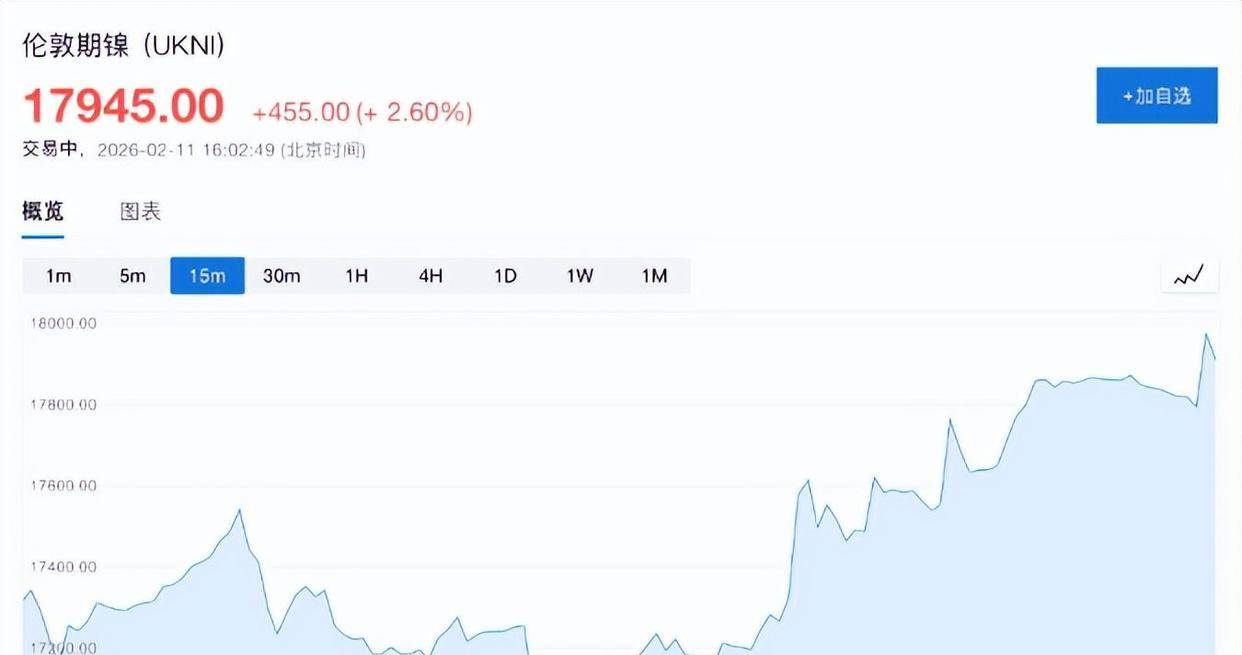
Core Viewpoint - Indonesia has drastically reduced its nickel mining quota from 42 million wet tons to 12 million wet tons, a 71% cut, causing significant disruption in the global nickel supply chain and impacting various industries reliant on nickel, particularly electric vehicle and battery manufacturers [1][2]. Industry Impact - The reduction in nickel supply has led to a surge in nickel prices on the London Metal Exchange, indicating the effectiveness of Indonesia's strategy to create artificial scarcity [2]. - Companies like Tsingshan Holding Group, which invested heavily in Indonesia's nickel processing infrastructure, face increased cash flow pressures and potential contract fulfillment issues due to the sudden quota cut [3][5]. - The geopolitical landscape is shifting, with the U.S. aiming to reduce reliance on Chinese control over critical minerals, which could further complicate the supply chain dynamics for nickel and other metals [3][5]. Market Dynamics - Indonesia's actions are seen as a move to regain pricing power in the nickel market, with the government aiming for nickel prices to rise to between $19,000 and $20,000 per ton [1][27]. - The potential for price volatility exists, as companies may pivot to alternative battery technologies if nickel prices rise excessively, which could undermine Indonesia's market position [13][27]. - The global metal pricing system is evolving, with China pushing for the internationalization of nickel futures to establish a pricing center in Asia, countering Indonesia's supply manipulation [9][10]. Technological Considerations - Indonesia's reliance on its mineral resources is challenged by China's advanced nickel processing technologies, which could limit Indonesia's ability to capitalize on its raw material reserves without foreign expertise [6][20]. - The ongoing development of alternative battery technologies, such as sodium-ion batteries, could reduce the demand for nickel, further complicating Indonesia's strategy [13][20]. Long-term Outlook - The current situation highlights the fragility of global supply chains in the face of national interests, with countries potentially using resource nationalism as a tool for economic leverage [15][22]. - The potential for increased environmental scrutiny and community pushback against nickel mining in Indonesia could further complicate the country's ability to maintain its production levels [20]. - The long-term viability of Indonesia's nickel strategy may be at risk if it fails to adapt to the rapidly changing technological landscape and the evolving demands of the global market [20][22].
美联储降息预期升温 金银价格上涨
Zhong Guo Zheng Quan Bao· 2026-02-14 00:22
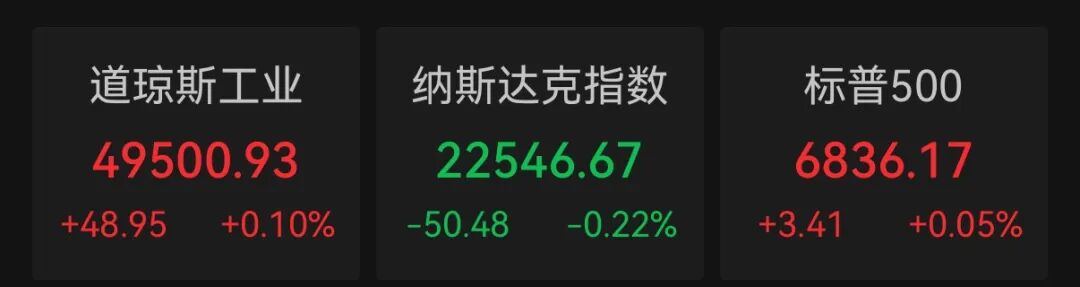
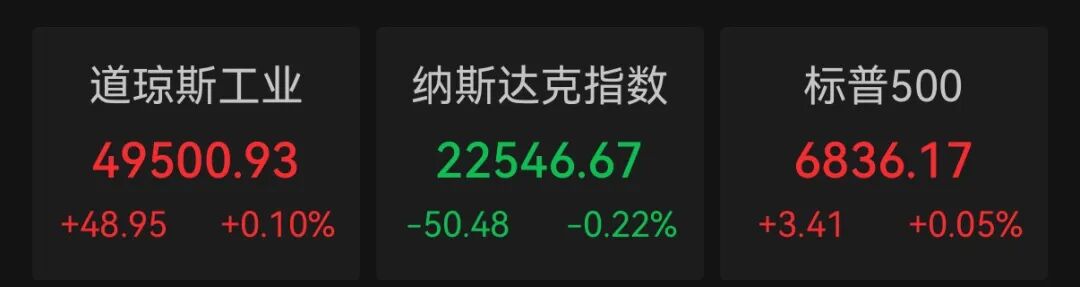
当地时间2月13日,美国劳工统计局公布的CPI数据显示当前通胀水平较为温和,推动市场对美联储6月降息的预期升温。受此影响,贵金属价格明显走 高。截至当日收盘,美国三大股指涨跌不一,大型科技股整体承压,国际油价小幅上行。 美股收盘涨跌不一 受通胀数据影响,当地时间2月13日,美国股市表现分化。Wind数据显示,截至当日收盘,三大股指涨跌不一,道指上涨0.1%,标普500指数上涨0.05%, 纳指下跌0.22%。 美国劳工统计局当日公布的数据显示,1月CPI环比上涨0.2%、同比上涨回落至2.4%。随着通胀压力边际缓解,根据芝商所(CME)美联储观察工具,市 场对美联储6月降息的预期有所增强。 大型科技股整体承压。万得美国科技七巨头指数下跌1.31%。其中,苹果、英伟达跌超2%,Meta、谷歌母公司Alphabet-C跌逾1%,亚马逊、微软小幅下 跌,特斯拉微涨0.09%。 降息预期推动贵金属价格走高 降息预期升温叠加避险需求回升,推动贵金属价格走高。截至北京时间6:03,伦敦金现货价格涨2.41%,报5042.808美元/盎司,盘中最高报5046.261美元/ 盎司;COMEX黄金期货价格涨2.3%,报5062 ...
美联储降息预期升温,金银价格上涨
Zhong Guo Zheng Quan Bao· 2026-02-14 00:16
美国劳工统计局当日公布的数据显示,1月CPI环比上涨0.2%、同比上涨回落至2.4%。随着通胀压力边际缓解,根据芝商所(CME)美联储观察工具,市 场对美联储6月降息的预期有所增强。 大型科技股整体承压。美国科技七巨头指数下跌1.31%。其中,苹果、英伟达跌超2%,Meta、谷歌母公司Alphabet-C跌逾1%,亚马逊、微软小幅下跌,特 斯拉微涨0.09%。 中概股走势分化。纳斯达克中国金龙指数下跌0.10%,中概科技龙头指数上涨0.14%。个股表现不一,小米集团-ADR、网易涨超2%,腾讯控股-ADR涨超 1%,美团-ADR、拼多多微涨;阿里巴巴跌超2%,京东集团、比亚迪(002594)股份-ADR跌超1%,百度集团跌0.99%。 降息预期推动贵金属价格走高 当地时间2月13日,美国劳工统计局公布的CPI数据显示当前通胀水平较为温和,推动市场对美联储6月降息的预期升温。受此影响,贵金属价格明显走 高。截至当日收盘,美国三大股指涨跌不一,大型科技股整体承压,国际油价小幅上行。 美股收盘涨跌不一 受通胀数据影响,当地时间2月13日,美国股市表现分化。数据显示,截至当日收盘,三大股指涨跌不一,道指上涨0.1%, ...
BYD, Geely and VinFast bid for Nissan-Mercedes Mexico plant – report
Yahoo Finance· 2026-02-13 18:47
Group 1 - Chinese carmakers BYD, Geely, and Vietnam's VinFast are finalists to acquire a Nissan-Mercedes-Benz vehicle plant in Aguascalientes, Mexico, advancing from nine bidders [1] - The Aguascalientes factory, opened in 2017, has an annual capacity of 230,000 vehicles and is being closed due to Nissan ending production of certain models and Mercedes-Benz shifting production to Hungary [2] - Mexico's federal government has encouraged local authorities to postpone approvals for Chinese automotive investments while negotiating trade arrangements with the US, despite lacking authority to block the sale [3] Group 2 - The interest from BYD and Geely highlights the rapid expansion of China's automotive sector, as Mexico's auto industry faces challenges from US tariffs, including a 25% tariff on Mexican-built cars imposed in March 2025 [4] - The tariffs contributed to a nearly 3% decline in exports to the US in 2025 and resulted in approximately 60,000 job losses in the sector last year [4] - The Chinese commerce ministry is aware of the Aguascalientes proposals and has not raised objections to the overseas factory projects [5]