
小米

Search documents
阿里干死豆包图疯传,千问:相煎何太急;字节大幅涨薪,传年利润或达500亿刀;印度AI妖股近两年暴涨550倍,仅2名员工|AI周报
AI前线· 2025-12-21 05:32
Group 1 - Alibaba faced rumors about a fake all-hands meeting involving employees holding dumplings, which the company quickly denied, stating the images were AI-generated [3][9][10] - Zhou Hongyi, founder of 360, was accused of financial fraud by a former executive, claiming to have evidence of at least tens of billions in false accounting [13][16] - Tencent has restructured its AI development framework, appointing renowned AI researcher Yao Shunyu as Chief AI Scientist to enhance its capabilities [18][19] Group 2 - ByteDance announced significant salary increases and performance bonuses to attract and retain talent, with a 35% increase in the performance evaluation cycle for 2025 [21][23] - The company is also collaborating with hardware manufacturers like Vivo and Lenovo to develop AI smartphones, aiming to create new monetization pathways [24][26] - Beijing Zhiyu Huazhang Technology has submitted its IPO application, reporting substantial R&D investments and a high growth rate in revenue [27][28] Group 3 - Moore Threads unveiled a new GPU architecture capable of supporting large-scale clusters, enhancing performance for AI and graphics applications [29][30] - Musk's 2018 compensation agreement with Tesla, valued at $56 billion, was reinstated by a Delaware court, allowing him to benefit from stock options [31][32] - TikTok's new U.S. strategy involves forming a joint venture for data security while retaining control over its e-commerce and advertising operations [33] Group 4 - An Indian semiconductor company's stock skyrocketed by 550 times in 20 months despite having only two employees and no operational revenue, raising concerns about market speculation [36] - A group was arrested for spreading negative information about brands like Xiaomi and Huawei, highlighting organized efforts to manipulate public perception [37] - Google has been rehiring former employees, particularly in AI roles, indicating a shift in talent acquisition strategy following significant layoffs [38] Group 5 - Manus reported achieving an annual recurring revenue (ARR) of $100 million, with a monthly growth rate exceeding 20% since the release of its latest version [39][40] - Cambricon plans to use nearly 2.8 billion yuan in capital reserves to offset losses, reporting a significant turnaround in profitability for the first three quarters of the year [42][43] - SpaceX is in the process of selecting investment banks for a potential IPO, aiming to capitalize on favorable market conditions [44]





1年闭店37%,新能源汽车逃离购物中心
首席商业评论· 2025-12-21 04:33
Core Viewpoint - The article discusses the shift in the automotive retail landscape in China, particularly the retreat of electric vehicle (EV) brands from shopping centers in first and second-tier cities, and their focus on expanding into lower-tier markets [6][8][10]. Group 1: Withdrawal of EV Brands - Many EV brands, including Tesla and NIO, initially established a presence in prime shopping locations to reach consumers but are now retreating due to intense competition and low profitability [7][8]. - The number of EV stores in shopping centers has decreased by 37% year-on-year in 2024, with over 70% of closures attributed to smaller brands like Neta and Leap Motor [8][10]. - Major brands are adapting by closing stores in core urban areas and shifting to service centers in suburban locations, reducing operational costs significantly [10]. Group 2: Expansion into Lower-Tier Markets - The competition has shifted from first and second-tier cities to third and fourth-tier cities, where price and test drive experiences are crucial for survival [8][10]. - Sales of EVs in third and fourth-tier cities have increased, accounting for over 45% of total sales in 2024, a 12 percentage point increase from the previous year [10]. - Brands like Leap Motor and Xpeng are successfully implementing new retail models in these markets, such as community-based stores and service stations along highways [10]. Group 3: Rise of Tech Companies - Companies like Huawei and Xiaomi are expanding their presence in the EV market, leveraging their technology and ecosystem to attract consumers [11][14]. - Huawei's sales of its EV brand, AITO, reached 81,900 units in November, marking a historical high [12]. - Xiaomi has also entered the top ten in EV sales, with plans to deliver over 400,000 vehicles in 2025, supported by a strong retail presence in key urban areas [14]. Group 4: Transformation of Shopping Centers - The departure of EV brands from shopping centers has allowed for the rise of new consumer categories, including trendy toys, outdoor sports, and new tea beverages [16][18][19]. - Brands like Pop Mart and Lululemon are taking over prime retail spaces, reflecting a shift in consumer preferences towards experiential and lifestyle products [16][18]. - The rapid growth of tech and digital brands in shopping centers indicates a significant transformation in consumer behavior and retail strategies [20].



中国十大AI巨头,阿里领衔,BAT之外还有谁?
Sou Hu Cai Jing· 2025-12-20 23:38
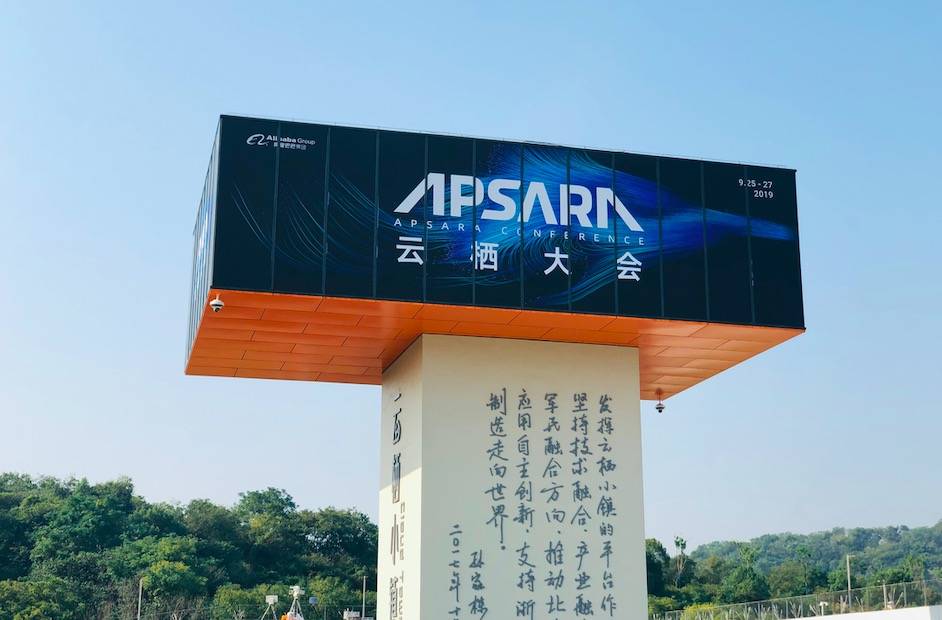
Core Insights - China has emerged as the most innovative market globally, particularly with the launch of the Sci-Tech Innovation Board, which has unleashed the potential of innovation-driven companies in AI and IoT [1][19] - Major technology giants are shifting their strategic focus towards AI and IoT, leading to widespread applications of AI across various sectors such as urban management, security, finance, manufacturing, and healthcare [1][19] Company Summaries Alibaba - Alibaba's market capitalization is $449.2 billion (approximately ¥3.17 trillion), making it the largest listed company in Asia [2][20] - The company has transformed from a pure e-commerce giant to a technology innovation enterprise, leading in IoT, cloud services, and AI applications [2][20] - At the Hangzhou Cloud Conference, Alibaba announced that its AI is called over 1 trillion times daily, serving 1 billion people globally, processing 1 billion images, 1.2 million hours of video, 550,000 hours of voice, and 500 billion natural language sentences [2][20] Tencent - Tencent's market capitalization is HK$3.047 trillion (approximately ¥2.75 trillion) [5][23] - The company has initiated a strategic upgrade focusing on cloud and smart industries, aiming to assist various sectors in digital transformation [5][23] - Tencent AI has been applied in over a hundred industries, including education, retail, industrial, government finance, and healthcare, enhancing efficiency and accuracy in areas like smart healthcare [7][25] Huawei - Huawei's estimated market value is ¥1.78 trillion, supported by significant R&D investments totaling nearly ¥500 billion over the past decade [8][26] - The company envisions a future of interconnected and intelligent devices, leveraging 5G and AI technologies to create a vast ecosystem [8][26] - Huawei plans to invest $1.5 billion over the next five years to develop its industrial ecosystem and continue advancing its AI capabilities [8][26] Ant Group - Ant Group, part of Alibaba, is valued at $160 billion (approximately ¥1.13 trillion), making it the largest unicorn globally [9][27] - The company integrates AI into financial services, enhancing accessibility and efficiency in financial technology [9][27] - Ant Group's intelligent platforms support extensive data processing capabilities, significantly improving risk assessment and credit rating applications [9][27] ByteDance - ByteDance is valued at $75 billion (approximately ¥530 billion), making it one of the most valuable unicorns after Ant Group [10][28] - The company has successfully utilized AI algorithms to drive its information flow products, establishing a strong position against major competitors [10][28] Industrial Fulian (Foxconn) - Industrial Fulian has a market capitalization of ¥321.3 billion and is transitioning towards smart manufacturing and industrial internet [11][29] - The company has implemented over 80,000 robots, significantly reducing labor costs and increasing production efficiency [11][29] Hikvision - Hikvision's market capitalization is ¥297.4 billion, leading the smart security industry with substantial revenue growth from ¥3.6 billion in 2010 to ¥49.8 billion in 2018 [12][30] - The company has integrated AI into its products, enhancing capabilities in data collection and analysis [12][30] - Hikvision's innovative business segments, including smart home and robotics, have shown rapid growth, contributing to its long-term development [13][31] Baidu - Baidu's market capitalization is $36.1 billion (approximately ¥255.3 billion) and is recognized as an early adopter of AI technology among the major internet companies [14][32] - The company has developed a comprehensive deep learning platform, serving over 1.5 million developers and facilitating AI applications across various industries [14][32] Xiaomi - Xiaomi's market capitalization is HK$216.3 billion (approximately ¥195.1 billion), recognized as one of the fastest-growing tech companies globally [15][33] - The company has launched a dual strategy focusing on smartphones and AIoT, with significant growth in its IoT platform, connecting over 196 million devices [15][33] DJI - DJI is valued at $24 billion (approximately ¥169.7 billion) and is a leading player in consumer technology, particularly in the drone industry [16][34] - The company has expanded its applications of AI in various sectors, including agriculture and construction, enhancing operational efficiency [16][34] Industry Trends - The AI sector is experiencing unprecedented growth, with significant investments from technology giants, leading to rapid advancements and widespread adoption [17][35] - China's vast user base, data resources, and application scenarios are propelling the development of AI, positioning Chinese tech companies as leaders in the global market [18][36]

“全球大模型第一股”来了?智谱“家底”曝光 营收3.12亿估值243 亿
Xin Lang Cai Jing· 2025-12-20 06:52
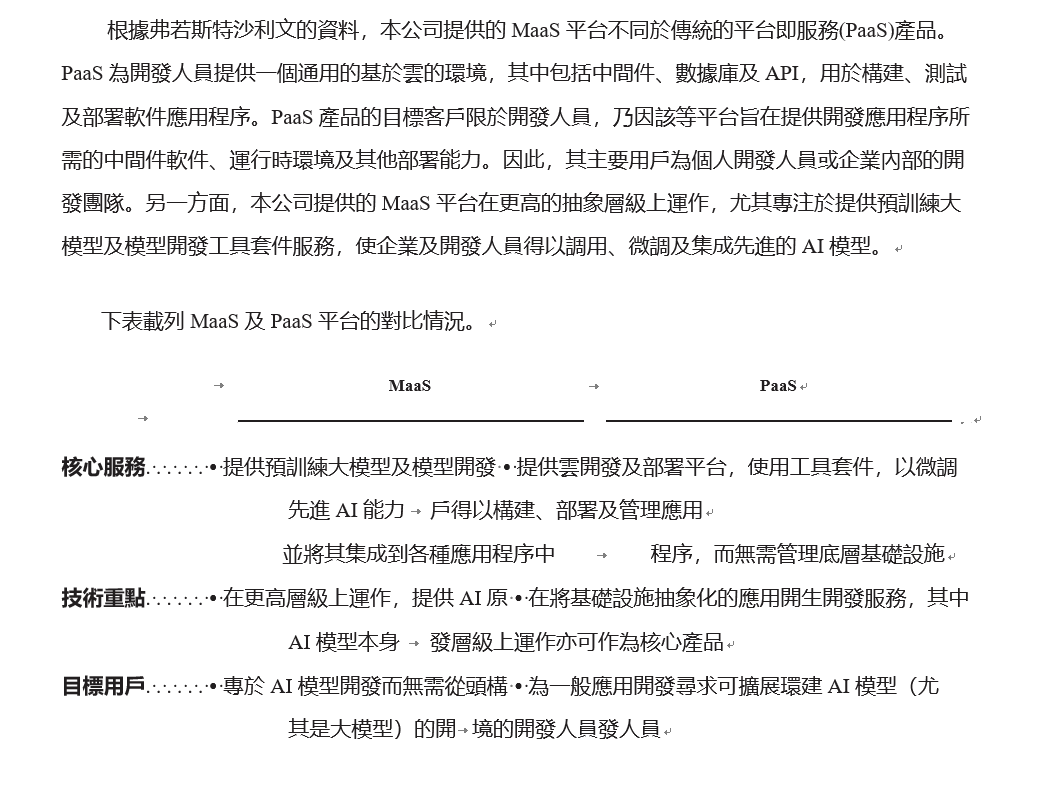
Core Viewpoint - Zhiyu is on the verge of entering the capital market, aiming to become the world's first publicly listed large model company, which will provide a reference for valuation in the long-lacking public market of the large model industry [2] Company Overview - Zhiyu has accumulated over 4.4 billion yuan in R&D investment and is experiencing rapid revenue growth, with projected revenues of 57.4 million yuan, 124.5 million yuan, and 312.4 million yuan from 2022 to 2024, reflecting a compound annual growth rate of 130% [3] - The company has not yet achieved profitability, recording losses of 144 million yuan, 788 million yuan, and 2.958 billion yuan from 2022 to 2024, with a loss of 2.358 billion yuan in the first half of 2025 [3] Market Position - According to a report by Frost & Sullivan, Zhiyu ranks first among independent general large model developers in China and second among all general large model developers, with a market share of 6.6% as of 2024 [3] - As of September 30, 2025, Zhiyu's models have reached 12,000 enterprise clients, over 80 million terminal user devices, and more than 45 million developers [8] Business Model - The core revenue source for Zhiyu comes from localized deployment of large models, contributing 84.5% of revenue as of 2024, while cloud revenue accounts for 15.5% [8] - The company is shifting its focus towards cloud deployment and the MaaS (Model as a Service) model to enhance its scalability and demonstrate its business model's profitability and long-term growth potential [8][9] Strategic Direction - Zhiyu's MaaS platform is experiencing exponential growth, with annual recurring revenue (ARR) from its global developer model service exceeding 100 million yuan (approximately 14 million USD) [9] - The company aims to increase the revenue share from API services to 50% and is actively working on enhancing its cloud-based offerings [9] Competitive Landscape - The company has established a strong presence in the technology internet and enterprise service markets, with nine of the top ten internet companies in China utilizing Zhiyu's GLM large models [11] - The average daily token consumption has surged from 500 million in 2022 to 4.6 trillion in the first half of 2025, indicating a shift towards a scalable cloud-based model [12] International Expansion - Zhiyu's localized deployment services have begun generating revenue from overseas clients, particularly in Southeast Asia, with the revenue share from this region increasing from 0.5% in 2024 to 11.1% in the first half of 2025 [12]
传字节跳动今年利润将破 500 亿美元;Faker 回应马斯克英雄联盟AI挑战;《阿凡达 3》豆瓣开分系列最低 | 极客早知道
Sou Hu Cai Jing· 2025-12-20 01:44
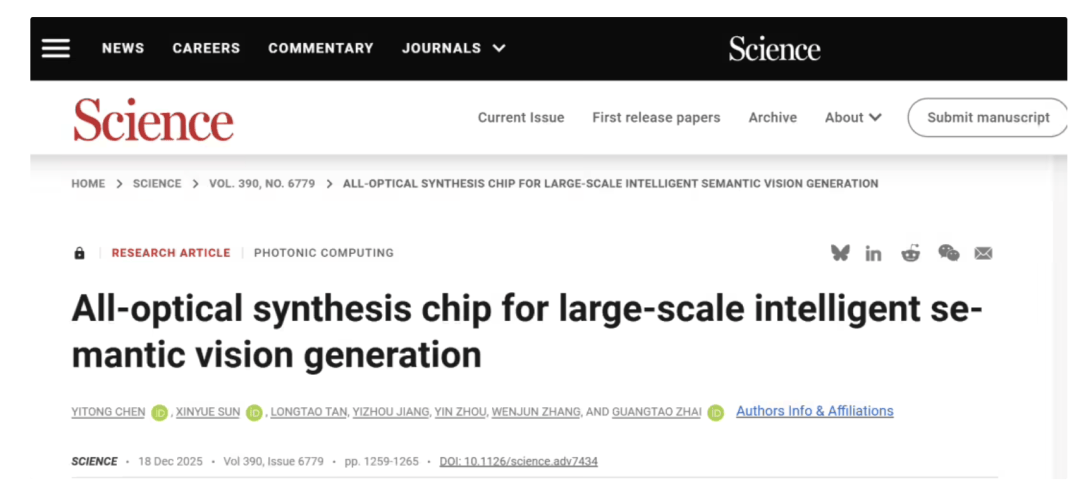
Group 1: Breakthroughs in Technology - Shanghai Jiao Tong University has achieved a significant breakthrough in the field of optical computing chips, realizing the world's first all-optical computing chip capable of supporting large-scale semantic media generation models, named LightGen [1][2] - The LightGen chip demonstrates a theoretical performance increase of 7 orders of magnitude in computing power and 8 orders of magnitude in energy efficiency when using advanced input devices [2] Group 2: Financial Performance of ByteDance - ByteDance is expected to achieve a record profit of approximately $50 billion (about 352.5 billion RMB) this year, driven by its expansion in e-commerce and new markets [4] - In the first three quarters of this year, ByteDance has already realized a net profit of about $40 billion, surpassing its internal target set for 2025 [4] Group 3: IPO and Growth of Zhipu Technology - Zhipu Technology has disclosed its IPO prospectus, aiming to become the first global public company focused on AGI foundational models, with projected revenues of 57.4 million RMB in 2022, 124.5 million in 2023, and 312.4 million in 2024, reflecting a compound annual growth rate of 130% [4][5][6] - The company, founded in 2019, has developed a comprehensive model matrix covering language, code, multimodal, and intelligent agents, maintaining technological parity with global leaders [5] Group 4: Automotive Developments - Xiaomi has obtained an L3 level road testing license for its automotive division, indicating its active participation in the autonomous driving sector [8] - The license allows Xiaomi to conduct conditional autonomous driving tests on designated high-speed roads in Beijing, contributing to the exploration of safer and smarter personal transportation services [8] Group 5: Advancements in Semiconductor Technology - A secret laboratory in China has reportedly assembled the first prototype of an EUV lithography machine through reverse engineering of ASML's existing products, marking a significant technological leap [16] - This prototype is expected to undergo testing and aims for trial production of prototype chips by 2028, indicating rapid advancements in China's semiconductor capabilities [16]
盯上你的眼,苹果、谷歌也加入“百镜混战”
2 1 Shi Ji Jing Ji Bao Dao· 2025-12-19 12:39
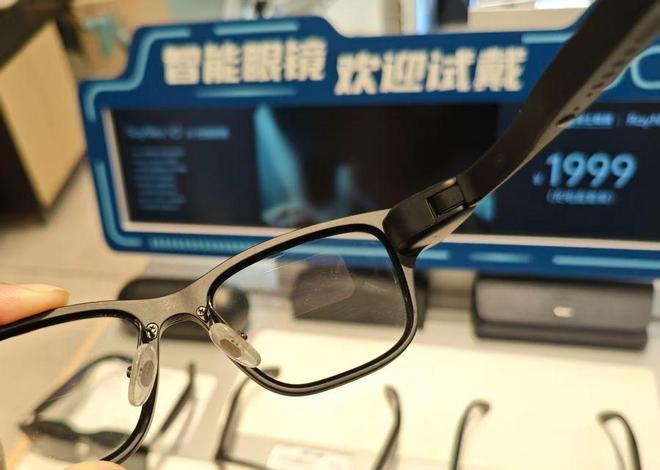
Group 1 - Apple has paused its Vision Pro upgrade plan to focus on developing AI smart glasses, with an entry-level model expected to debut in 2026 [2] - Google has officially announced its return to the smart glasses market, intensifying competition in the sector [2] - In the domestic market, companies like Li Auto, Alibaba, Baidu, Huawei, and Xiaomi are actively launching their own smart glasses, indicating a fierce competition among tech giants [2] Group 2 - The competition for smart glasses is driven by the desire to establish the next generation of human-computer interaction, with smart glasses seen as a key hardware component in the AI multimodal era [3] - Major companies view smart glasses as an extension of their ecosystems and a means to leverage AI capabilities, transforming brand power into market momentum [3] - Li Auto's AI glasses, Livis, have generated significant interest, with reports of high foot traffic and product shortages in stores [3] Group 3 - Consumers are attracted to smart glasses not only for compatibility with their vehicles but also for their aesthetics and quality, indicating that these products can enhance brand ecosystems and fan engagement [4] - Alibaba's Quark AI glasses have quickly gained orders due to their smooth integration with the Quark browser and AR functionalities, addressing previous limitations of traditional smart glasses [4] - The industry is in need of a new core hardware solution as smartphones reach physical innovation limits, with smart glasses positioned as a crucial interface for connecting the physical and digital worlds [4] Group 4 - The smart glasses market is expanding beyond major players, with smaller companies also seeking growth opportunities, particularly in industrial and health monitoring applications [5] - Companies like Huashengchang are focusing on developing AI glasses for industrial applications, enhancing efficiency and precision in operations [5] - Industry experts suggest that smaller firms should concentrate on core components, professional manufacturing, or niche markets to establish competitive advantages [6] Group 5 - The relationship between smart glasses and smartphones is expected to be complementary rather than one replacing the other, as both technologies will evolve together [7] - Current technological challenges such as weight, battery life, and display quality are still present, indicating that the industry is on the brink of significant growth [7] - Consumer expectations for smart glasses vary, with a significant portion believing they will be widely used, while others see limited applications [7] Group 6 - The smart glasses market is projected to grow significantly, with sales expected to reach 1.265 million units in 2024, a year-on-year increase of approximately 90.8%, and a market size of around 4.69 billion yuan [8] - By 2029, sales could reach 41.53 million units, with the market potentially exceeding 100 billion yuan, highlighting the substantial market potential driving competition [8] - The integration of AI models and user experience is seen as a critical factor in determining the future direction of the industry [8] Group 7 - As of December 19, key players in the smart glasses supply chain have shown active stock performance, with companies like Lens Technology and Doctor Glasses experiencing notable stock price increases [9]

盯上你的眼 苹果、谷歌也加入“百镜混战”
2 1 Shi Ji Jing Ji Bao Dao· 2025-12-19 12:38
Group 1 - Major tech companies like Apple and Google are intensifying their focus on the smart glasses market, with Apple pausing its Vision Pro upgrade plans to accelerate AI smart glasses development, expected to launch in 2026 [1] - The competition in the smart glasses sector is heating up in China, with companies like Li Auto, Alibaba, Baidu, Huawei, and Xiaomi launching their own AI glasses, indicating a cross-industry battle involving tech, internet, and new energy sectors [1][2] - The entry of established tech giants and new players into the smart glasses market signifies a strategic move to capture the next generation of human-computer interaction, positioning smart glasses as a key hardware in the AI multimodal era [2][4] Group 2 - The smart glasses are seen as an extension of existing ecosystems and a means to leverage AI capabilities, with Li Auto's Livis glasses gaining significant consumer interest and sales [4] - Alibaba's Quark AI glasses have also seen strong sales due to their practical features, indicating that major internet companies are finding viable paths in this new market [4] - The industry is at a critical juncture, with startups needing to focus on niche markets or technological breakthroughs to survive amidst competition from larger firms [5][6] Group 3 - The relationship between smart glasses and smartphones is expected to be complementary rather than one replacing the other, as both technologies evolve together [7] - Current technological limitations in smart glasses, such as weight and battery life, indicate that the industry is still in its early stages, with significant growth potential ahead [7][8] - The global market for smart glasses is projected to grow significantly, with sales expected to reach 41.53 million units by 2029, potentially exceeding 100 billion yuan in market size [8] Group 4 - The influx of major players into the smart glasses market is expected to accelerate technological advancements and reshape industry standards, while also creating challenges for smaller brands [9] - The competitive landscape is shifting from price wars to technology-driven competition, emphasizing the importance of AI integration and user experience [9][11] - Key supply chain companies in the smart glasses sector have shown active stock performance, reflecting investor interest and market optimism [11]



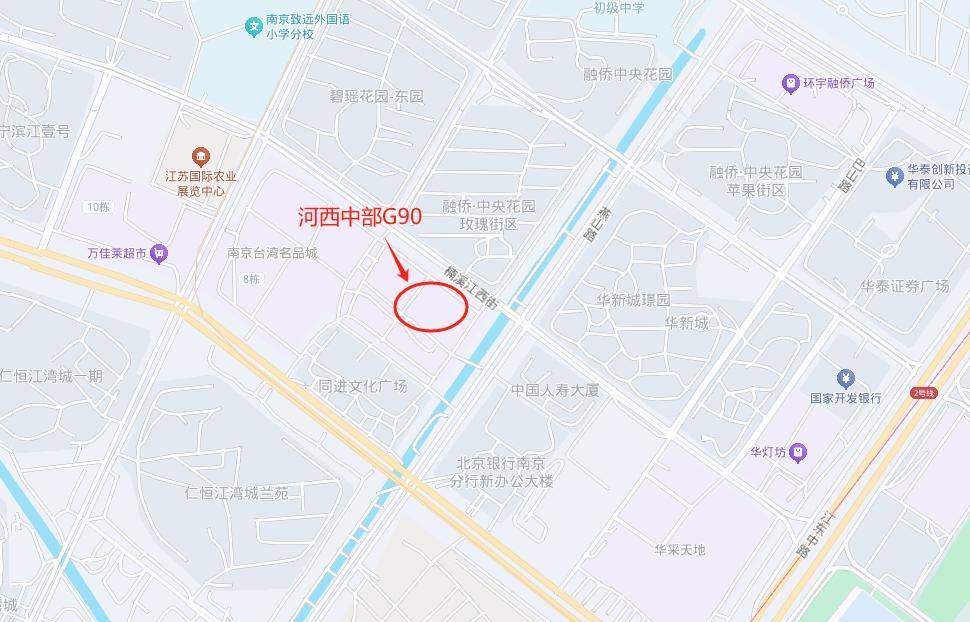
时隔近10年,南京楼面地价纪录被刷新! 河西名品城地块溢价成交,楼面价45325元/㎡
Yang Zi Wan Bao Wang· 2025-12-19 07:17
Core Insights - The G90 plot in Nanjing was sold at a premium of 26.35% to Aoti Construction, setting a new record for land prices in the city at a floor price of 45,325 yuan per square meter, surpassing the previous record set in May 2016 [1][3] Group 1: Land Auction Details - The G90 plot covers an area of 22,000 square meters with a height limit of 80 meters, starting at a base price of 1.275 billion yuan and a starting floor price of 35,872 yuan per square meter [3] - The auction attracted around 7 major real estate companies, with 61 rounds of bidding, ultimately resulting in a sale price of 1.611 billion yuan [3] - The G90 plot's final floor price of 45,235 yuan per square meter exceeded the previous record, indicating high demand and interest in the area [3] Group 2: Market Context - The overall land sales in Nanjing for 2025 reached a total of 74.28 billion yuan, ranking fifth nationally, following Beijing, Shanghai, Hangzhou, and Chengdu [4] - Four plots in the auction had a premium rate exceeding 30%, reflecting a healthy and stable land market [4] - The G90 plot's location is strategically positioned near established communities and has a lower plot ratio of 1.6, contributing to a diverse supply of housing options for potential buyers [3]
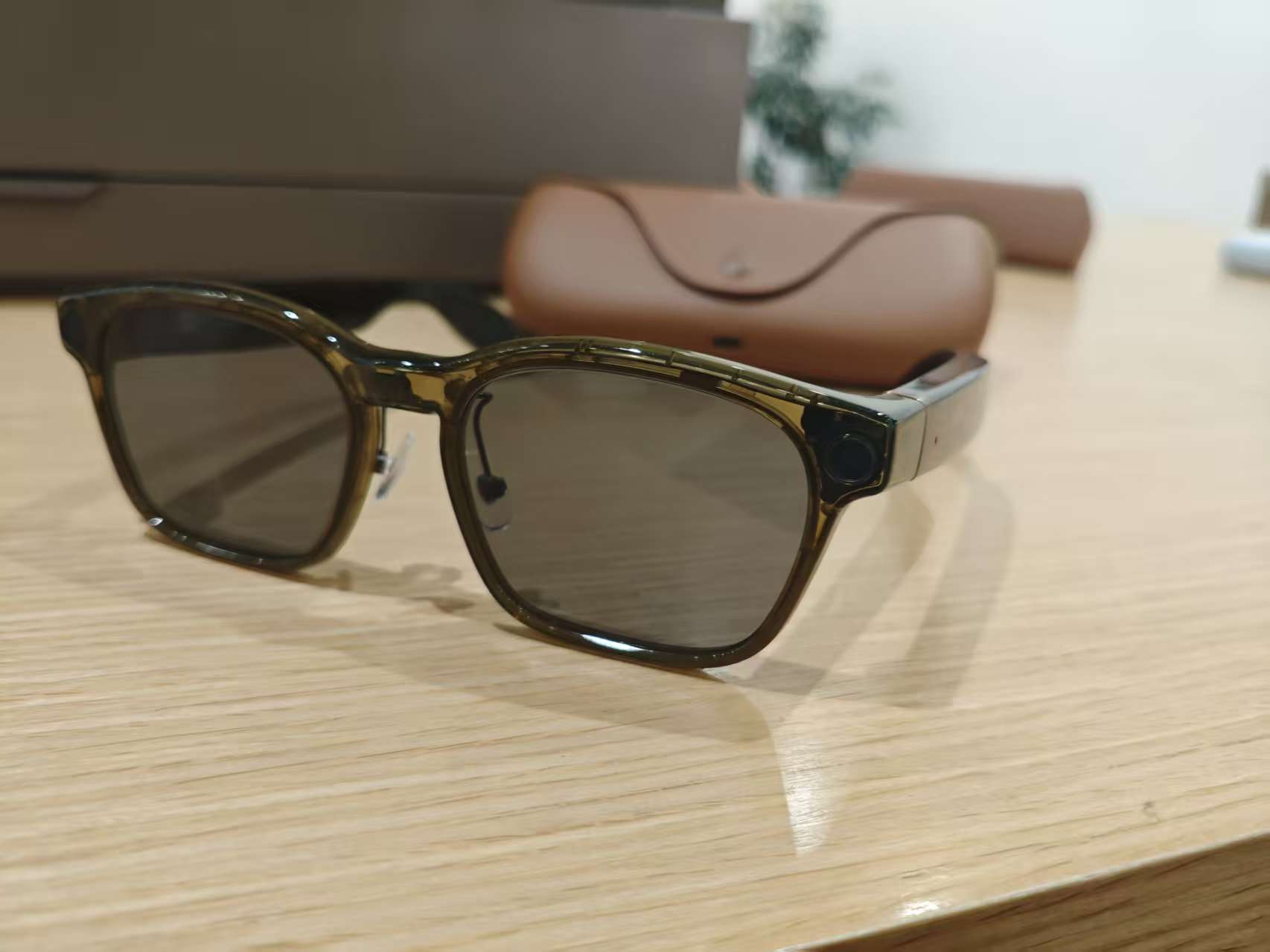
2025年的智能眼镜,一个能打的都没有?
投中网· 2025-12-19 04:36
Core Viewpoint - The article discusses the rapid growth and competitive landscape of the AI smart glasses market, highlighting the diverse range of products and the lack of standardization in the industry [5][6]. Group 1: Market Overview - By 2025, it is estimated that around 30-40 companies will release AI smart glasses, with some institutions reporting over a hundred [5]. - The sales of smart glasses are increasing rapidly, with a 2500% year-on-year growth in transaction volume during the 2025 Double Eleven shopping festival, making it one of the fastest-growing categories in the 3C digital industry [5]. Group 2: Product Classification - Smart glasses can be classified into five levels based on their intelligence: - L1: Non-interactive, video playback only - L2: Interactive via headphones, no object recognition - L3: Can capture video and recognize objects with AI interaction - L4: Includes AR functionality for real-time display of information - L5: Full-color display with advanced interaction capabilities [8][11]. Group 3: Current Product Landscape - Nearly half of the smart glasses from major manufacturers fall into L2 and L3 categories, priced generally under 2000 yuan, resembling smart headphones more than traditional smart glasses [11]. - Products priced above 3000 yuan typically target tech-savvy consumers, with limited offerings in the L4 category, such as the Thunderbird Innovation X3 Pro, which struggles with battery life and weight issues [12][13]. Group 4: Sales Data and Trends - In Q3 2025, the Chinese smart glasses market shipped 623,000 units, a 62.3% year-on-year increase, with audio-video capturing glasses accounting for 454,000 units and AR/VR glasses for 169,000 units [18]. - The market for consumer-grade AR/VR glasses saw a similar trend, with 169,000 units sold, but the exact sales figures for AR-enabled smart glasses remain unclear due to combined reporting with VR devices [19]. Group 5: Future Outlook - IDC predicts that by 2025, smart glasses shipments in China will exceed 2.9 million units, with a year-on-year growth rate of over 121% [22]. - Despite the optimistic projections, the industry is still maturing, and the actual demand for smart glasses has yet to be established, with many products still seen as luxury items rather than necessities [22][23]. Group 6: Target Markets and Strategies - Brands are advised to focus on specific user groups, such as car owners or content creators, to create more defined use cases for smart glasses [25]. - The current wave of smart glasses development is closely tied to the AI trend, with many companies seeking to leverage their AI capabilities through wearable technology [26].

美国11月通胀大幅低于预期:环球市场动态2025年12月19日
citic securities· 2025-12-19 03:55
Economic Indicators - The US November CPI increased by 2.7% year-on-year, significantly lower than the expected 3.1%, while the core CPI rose by 2.6%, also below the forecast of 3.0%[5] - The average monthly CPI increase from September to November was estimated at 0.10% for overall CPI and 0.08% for core CPI[5] Market Performance - US stock markets rebounded, with the Dow Jones up 0.14% to 47,951 points, the S&P 500 rising 0.79% to 6,774 points, and the Nasdaq increasing by 1.38% to 23,006 points, driven by strong earnings from Micron Technology[9] - European markets remained robust, with the Stoxx 600 index rising by 0.96%, supported by the Bank of England's interest rate cut of 25 basis points[9] Commodity and Currency Trends - International oil prices saw a slight increase, with NY crude oil rising by 0.38% to $56.15 per barrel, influenced by geopolitical risks surrounding Venezuela and Russia[26] - Gold prices experienced a minor decline following the US inflation data, while platinum continued its upward trend[26] Fixed Income Market - US Treasury yields fell by 2-4 basis points, with the 10-year yield at 4.12% and the 30-year yield at 4.80%[30] - The UK central bank's hawkish rate cut led to a reduction in expectations for future rate cuts, with the 2-year UK bond yield rising by 4.2 basis points to 3.74%[30] Sector Performance - In the US, six out of eleven S&P sectors rose, with the consumer discretionary sector leading with a gain of 1.78%, while the energy sector fell by 1.42%[9] - In the Hong Kong market, the Hang Seng Index rose by 0.12%, while the technology sector faced pressure, with major tech stocks declining[11]