吉利汽车

Search documents
1月头部车企销量表现分化呈现“五增五降”格局
Zhong Guo Zheng Quan Bao· 2026-02-26 20:28
Core Insights - The Chinese automotive market is expected to see record production and sales, with 2026 January sales data serving as a significant indicator for the year's trends [1] - The market is characterized by a high concentration of sales among the top ten companies, which accounted for 83.6% of total sales, indicating a "Matthew Effect" where the strong continue to strengthen [1][2] - The competition among automakers is intensifying, with a clear divide between companies experiencing sales growth and those facing declines [1][3] Market Performance - In January 2026, total domestic car sales reached 2.346 million units, a year-on-year decrease of 3.2%, while production was 2.45 million units, showing a slight increase of 0.01% [1] - The top ten automakers sold a combined 1.962 million units, with five companies showing sales growth and five experiencing declines, highlighting a distinct market segmentation [1][3] Sales Growth Leaders - SAIC Motor led sales with 327,000 units, a significant year-on-year increase of 23.9%, driven by growth in its self-owned brands, new energy vehicles, and overseas sales [2] - Geely and FAW Group followed in the second tier, with sales of 270,100 and 275,000 units respectively, while BYD and Chery ranked in the third tier with sales of 210,100 and 200,300 units [2][3] Factors Influencing Sales - The decline in January sales is attributed to the transition of new energy vehicle purchase tax policies, changes in local subsidies, and the early release of consumer demand at the end of 2025 [4] - Companies that achieved growth typically had advantages in new energy product offerings or overseas market expansion, while those with declining sales struggled to align product adjustments with market demand [4] Strategic Focus of Automakers - Major automakers are setting clear sales targets for 2026, emphasizing product launches and technological advancements to capture market share [5] - Traditional automakers like FAW and Dongfeng are focusing on steady growth and new energy transitions, with specific sales targets set for the year [5][6] Differentiated Strategies - Leading independent brands such as SAIC, Geely, and Great Wall are adopting differentiated strategies to maintain stability and growth, with SAIC's target speculated to be between 4.5 million to 5 million units [5][6] - New energy leaders like BYD are focusing on overseas sales, targeting 1.3 million units, while also expanding their domestic product offerings [6]





默茨访华大合影,哪些中德企业出镜?
Zhong Guo Xin Wen Wang· 2026-02-26 15:11
Group 1 - DHL Group's CEO expressed a strong willingness to deepen practical cooperation with China, highlighting the active e-commerce sector in Hangzhou [1] - The visit of German Chancellor Merz to Hangzhou included a large group photo with nearly 30 representatives from German companies, showcasing the latest high point in Sino-German economic cooperation [3] - The photo featured prominent German companies such as BMW, Mercedes-Benz, Siemens, and Adidas, alongside Chinese firms like Alibaba and Geely, indicating a robust partnership between the two nations [3][4] Group 2 - The cooperation between China and Germany in the automotive sector is characterized by multi-layered and multi-dimensional collaboration, with joint ventures like the smart brand established by Geely and Mercedes-Benz [4] - Chinese companies are recognized for their strengths in core components of new energy vehicles, while German firms excel in brand and manufacturing, creating a complementary relationship [5] - The collaboration extends beyond automotive to traditional sectors like chemicals, with calls for re-inventing cooperation methods to adapt to a rapidly changing world [5] Group 3 - Innovative Chinese companies like Yushutech and Qiangnao Technology are collaborating with German industrial giants, indicating a new direction in Sino-German cooperation towards future industries [6] - The visit of Chancellor Merz is seen as an excellent opportunity to establish broader cooperation in the global smart robotics industry [6] - The alignment of China's 14th Five-Year Plan with Germany's new development strategy emphasizes the mutual expectation for pragmatic cooperation to achieve win-win outcomes [7] Group 4 - Lingban Technology's founder noted that Germany is its largest market in Europe, highlighting extensive collaborations with major German automotive companies [8] - The emphasis on green and low-carbon cooperation between the two manufacturing powerhouses is seen as a promising area for future economic collaboration [8] - The visit concluded with Merz expressing positive impressions and the need for both sides to work together on various tasks, marking a meaningful engagement between China and Germany [9]


零跑汽车市场竞争力分析报告(2026版):零跑汽车快速崛起的底层逻辑是什么
腾易科技· 2026-02-26 13:45
Investment Rating - The report rates the industry positively, highlighting the rapid growth and market competitiveness of Leap Motor [11][14][23]. Core Insights - Leap Motor has successfully transitioned from initial struggles to becoming a leading player in the domestic market, with sales approaching 500,000 units by 2025 [14][24]. - The company's strategy focuses on cost-effective pricing and maximizing interior space, appealing to family-oriented consumers [12][14]. - Leap Motor's growth is attributed to its ability to attract users from traditional overseas brands, particularly in the compact car segment [23][24]. Summary by Sections Sales Performance - Leap Motor's domestic sales reached over 100,000 units in 2022 and are projected to approach 300,000 units in 2024 and 500,000 units in 2025 [14][24]. - The company has gained significant market share, challenging established brands like Volkswagen and Honda [14][24]. User Demographics - By 2025, over 80% of Leap Motor's users will be repeat buyers, with a significant portion coming from overseas brands [23][24]. - The average age of repeat users is over 40, primarily consisting of middle-income earners [44][57]. Competitive Landscape - Leap Motor's rapid rise has occurred amidst a decline in traditional overseas brands, which have struggled to meet the demand for economical and energy-efficient vehicles [68][69]. - The company has positioned itself effectively in the market by launching models that cater to the needs of cost-sensitive consumers [91][102]. Future Outlook - The report anticipates increased competition in the "economic large energy-saving vehicle" segment, with Leap Motor planning to launch new flagship models in 2026 [101][112]. - The competitive environment is expected to intensify as other brands introduce similar products, potentially impacting Leap Motor's market position [102][112].


RD6 PHEV Launches in Costa Rica as Geely RIDDARA Expands Its Latin America Footprint
TMX Newsfile· 2026-02-26 13:44
Core Insights - Geely RIDDARA has launched the RD6 PHEV in Costa Rica, marking its third model in the local market and reinforcing its leadership in the new energy pickup segment [1][3] Expansion in Latin America - The launch in Costa Rica is part of Geely RIDDARA's broader expansion strategy across Latin America, with strong performance noted in Chile's mining sector since the RD6's introduction in 2024 [3] - In Uruguay, the RD6 has gained traction among individual users since its 2024 launch, aided by the RD6 Econ's rollout in August 2025, contributing to market share growth [4] - Product introductions in Panama, Colombia, and Bolivia during 2025 further signify the brand's regional expansion [4] Global Presence - Geely RIDDARA has established a presence in over 60 countries and regions, including Latin America, Asia-Pacific, the Middle East, Africa, and Europe, with a lineup of three core models: RD6, RD6 Econ, and RD6 PHEV [5] - The brand's global expansion is supported by Geely Group's R&D capabilities, which have led to the development of China's first native electric pickup platform and the introduction of EM-P hybrid technology [6] Product Features and Performance - The RD6 PHEV is designed to function like a pickup while driving like an SUV, achieving 0 to 100 km/h in 6.3 seconds, with intelligent electric all-wheel drive and multiple terrain modes [7] - It has a rated payload of 875 kg and a towing capacity of 2.5 tons, making it suitable for agricultural, mining, and logistics operations, along with a combined driving range of over 1,000 km [7] Market Leadership in China - Geely RIDDARA leads China's new energy pickup market with a 52.2% market share in the new energy pickup segment and an 82.8% share in the pure electric pickup segment, maintaining the top position for three consecutive years [8]

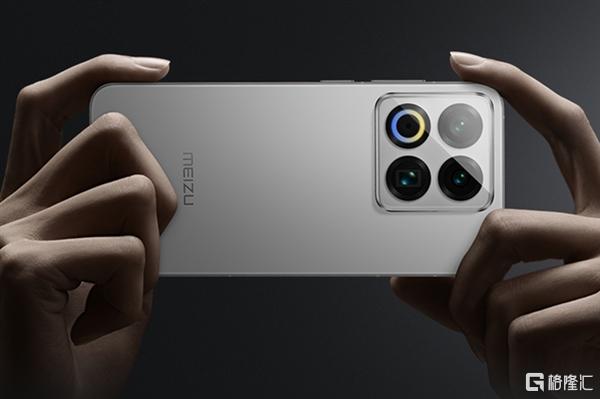
媒体称魅族手机业务已实质性停摆,3月正式退市
Ge Long Hui· 2026-02-26 13:26
Core Viewpoint - Meizu's mobile business is entering a substantial halt and is set to officially delist in March 2026, marking the end of its hardware operations [1][3] Group 1: Business Operations - Meizu's Flyme Auto vehicle system will operate independently, while the Meizu brand may continue under Geely's umbrella [1] - The Meizu 22 Air was canceled due to rising memory prices, and the Meizu 23 project, planned for release in 2026, has ceased substantial progress [1] Group 2: Financial Situation - Since April 2025, Meizu has been unable to settle payments to suppliers, leading to significant bad debts, with speculation of a likely bankruptcy filing [3] - Following Geely's acquisition of Meizu in 2022, the company aimed to return to the top five in the mid-to-high-end smartphone market within three years but failed to reverse its decline [3] Group 3: Workforce Changes - The Meizu workforce still includes over a thousand employees, but many have expressed intentions to leave, with a few transitioning to Geely's Zeekr brand [1][3] - There has been a continuous trend of executive departures and layoffs since 2025, indicating a deteriorating internal environment [3]
德国总理来杭州见了哪些中方企业,一张合影透露不少信息
Xin Lang Cai Jing· 2026-02-26 12:28
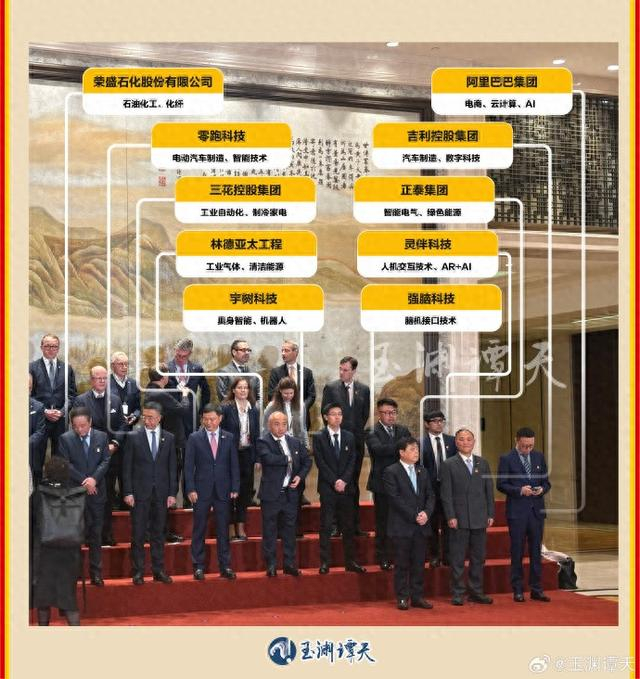
Group 1 - The meeting between German Chancellor Merz and local entrepreneurs in Hangzhou highlights the evolving landscape of Sino-German cooperation, showcasing a diverse range of industries from traditional manufacturing to internet technology and AI [1] - The list of participating Chinese companies includes notable names such as Zhejiang Chint Group, Geely Holding Group, Alibaba Group, and others, indicating a strong representation across various sectors [1] - This gathering reflects the trajectory of China's industrial exploration and suggests potential new directions for collaboration between China and Germany [1]


吉利也救不活,魅族手机复兴中道崩殂
3 6 Ke· 2026-02-26 11:28
Core Viewpoint - The news highlights the termination of the smartphone business by Xingji Meizu, with the Meizu 23 series being halted and significant layoffs occurring, leaving only the Flyme Auto car machine business to operate independently [1][2][5]. Group 1: Business Termination - Multiple sources indicate that Xingji Meizu will completely cease its smartphone operations, with the Meizu 23 series effectively discontinued and a potential official exit from the market by March 2026 [2][5]. - The Flyme brand will remain within the Geely system, but its car machine business will operate independently, with many employees already leaving or transitioning to Geely's Zeekr brand [2][4]. Group 2: Historical Context and Challenges - The smartphone division's struggles have been evident since early 2023, with reports of internal turmoil and the cancellation of the Meizu 22 Air due to rising costs [5][11]. - By 2025, Meizu's smartphone sales fell below one million units, and the brand was absent from the top five market share rankings [11][13]. Group 3: Strategic Shift - The acquisition by Geely aimed to integrate Meizu's Flyme operating system into smart vehicle ecosystems, indicating that the smartphone business was not the primary focus [9][16]. - Flyme Auto has become a strategic asset for Geely, with over 2 million units sold across more than 26 models, suggesting a successful pivot towards smart automotive technology [16][18].
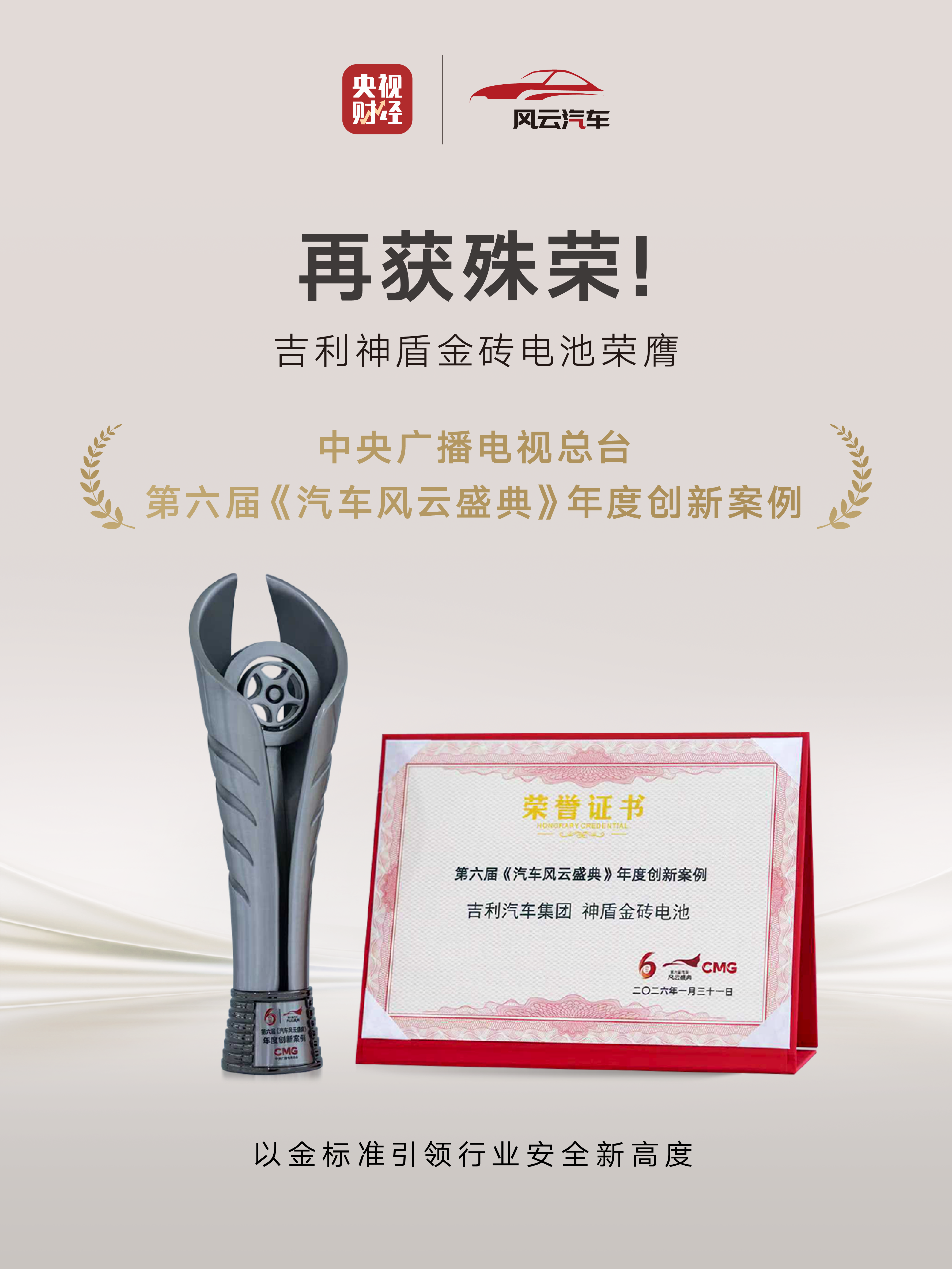
央视认可!神盾金砖电池获年度创新大奖
Xin Lang Cai Jing· 2026-02-26 10:23
Core Viewpoint - Geely's Shield Gold Brick Battery has been recognized as an innovative case at the 6th "Automobile Wind and Cloud Ceremony" by China Central Television, showcasing its leading technological innovation and extreme safety performance [1][24]. Group 1: Awards and Recognition - The Geely Shield Gold Brick Battery has won the first prize of the "Science and Technology Progress Award" from the China Society of Automotive Engineers, highlighting its four core advantages: ultra-safety, ultra-fast charging, high discharge rate, and ultra-durability [1][24]. Group 2: Key Advantages - The battery is defined by four hard-core advantages: - **Ultra-Safety**: Successfully passed extreme tests, including simultaneous penetration by eight steel needles and a live ammunition test without smoke, fire, or explosion, maintaining a voltage above 3.2V [8][32]. - **High Discharge Rate**: Achieves a maximum discharge rate of 21.02C, utilizing self-developed multi-particle composite technology to balance power, lifespan, and energy density [39][41]. - **Ultra-Durability**: Capable of maintaining performance over a million kilometers, featuring a unique self-repairing SEI membrane technology to ensure structural stability [20][42]. - **Ultra-Fast Charging**: Designed to prevent lithium plating during initial charging, ensuring efficient energy transfer [12][36]. Group 3: Industry Contribution - Geely is opening its battery safety patents to the entire industry, promoting safety standards and sharing systematic solutions for battery safety design and technology verification, aimed at enhancing user safety in extreme scenarios [43].
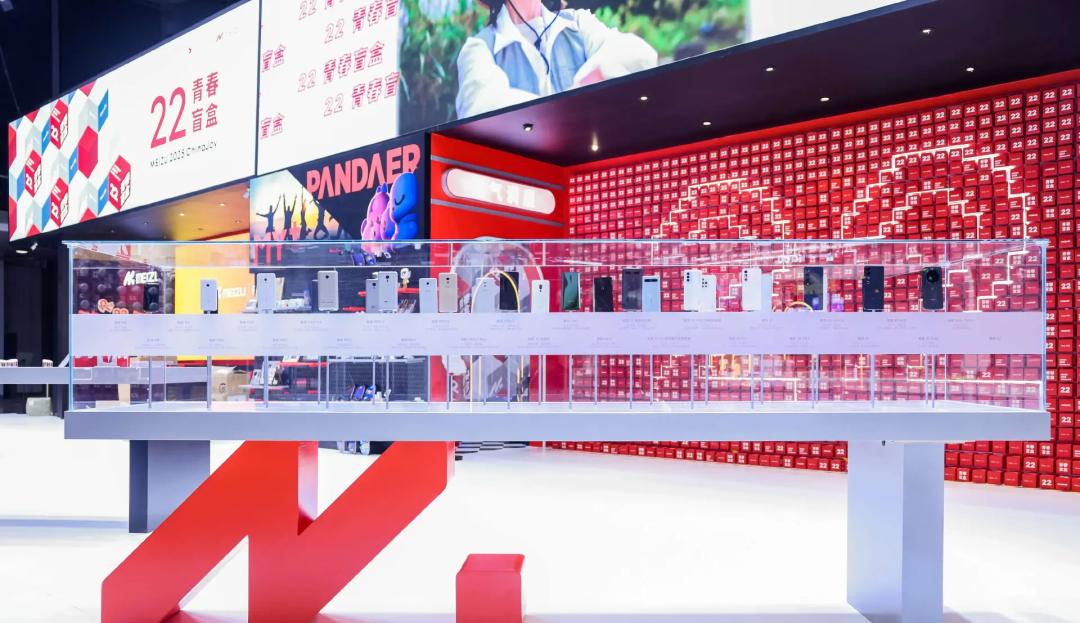
魅族手机3月正式退市
Xin Lang Cai Jing· 2026-02-26 10:21
Core Viewpoint - Meizu's mobile phone business is effectively halted and is set to officially withdraw from the market by March 2026, with indications that the company may face bankruptcy due to significant financial issues [1] Group 1: Business Operations - Meizu's mobile phone operations have ceased, and the brand will likely be retained within the Geely system, while its FlymeAuto vehicle system business will operate independently [1] - As of now, the Meizu team on the Feishu platform has over 1,000 members, but many employees have resigned, and some have transitioned to Geely's Zeekr automotive division [1] Group 2: Financial Challenges - The significant increase in memory costs has severely impacted Meizu's business plans, leading to the cancellation of the Meizu 22 Air launch [1] - Despite earlier announcements about the Meizu 23 being released in 2026, the project is reportedly no longer being actively pursued [1] - Since April of the previous year, Meizu has faced issues with settling payments to numerous suppliers, resulting in substantial bad debts, with insiders suggesting that bankruptcy is a likely outcome for the company [1]
观车 · 论势 || 丰田加码会影响混动“出海”格局吗?
Zhong Guo Qi Che Bao Wang· 2026-02-26 09:48
Group 1 - The global hybrid market is experiencing significant activity, with Toyota planning to increase the production of hybrid electric vehicles (HEVs) and plug-in hybrid electric vehicles (PHEVs) to approximately 6.7 million units by 2028, a 30% increase from its 2026 plan, accounting for nearly 60% of the company's total production [2] - Geely announced plans to launch 4 to 5 new hybrid models equipped with its i-HEV intelligent dual-engine technology by 2026, indicating a strong commitment to hybrid technology [2] - In China, the hybrid market is primarily dominated by plug-in hybrids, with sales of pure electric vehicles projected to reach 10.62 million units in 2025, a 37.6% year-on-year increase, while plug-in hybrid sales are expected to reach 5.86 million units, a 14% increase [2] Group 2 - The growth rates of HEVs and PHEVs are significant across global automotive markets, with Indonesia's HEV sales projected to reach 65,900 units in 2025, a 10% increase, and PHEV sales expected to soar by 3,775% to 5,134 units [3] - In the EU, hybrid vehicle sales (including HEVs and PHEVs) are expected to reach 4.56 million units in 2025, a 12% increase, with a market share of 34.5%, surpassing gasoline vehicles for the first time [3] Group 3 - The slow development of charging infrastructure is a key issue affecting the rapid adoption of pure electric vehicles in various markets, with Thailand having over 5,000 public charging stations and Malaysia planning to establish 10,000 by the end of 2025 [4] - In contrast, China has built the world's largest electric vehicle charging network, surpassing 20 million charging facilities by the end of 2025, with public charging facilities reaching 4.717 million, a 31.9% increase [4] Group 4 - The EU has proposed to relax the ban on fuel vehicles, reducing the 100% zero-emission target for new cars by 2035 to 90%, allowing certain plug-in hybrid vehicles to continue sales beyond 2035, creating new opportunities for hybrid models [5] - Chinese brands have recognized the importance of hybrid technology, with a market share of over 13% in the European hybrid vehicle sector by November 2025, and BYD's Seal U topping the list of best-selling plug-in hybrids in Europe [5] Group 5 - Hybrid vehicles are seen as a key to China's automotive industry entering the global stage, necessitating a dual approach of advancing pure electric technology while adapting hybrid products for global markets [6]