
洽洽食品

Search documents
入驻山姆产品被质疑装洋品牌,盼盼回应!洽洽也有产品换名字
Nan Fang Du Shi Bao· 2025-07-16 14:37
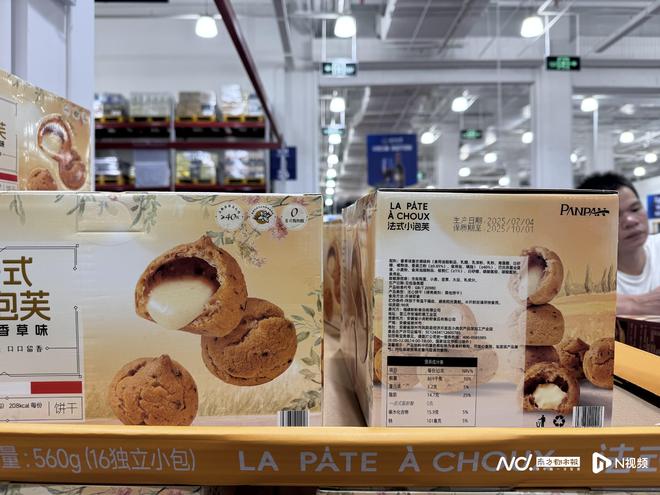
Core Viewpoint - The controversy surrounding Sam's Club's product selection strategy has led to the removal of certain products, including those from the brand "Panpan," which faced accusations of masquerading as an international brand [1][3][15] Group 1: Product Controversy - Sam's Club has faced criticism for its product selection, particularly regarding the brand "Panpan," which was accused of using a misleading brand name [1][3] - Following customer dissatisfaction, Sam's Club quickly removed the "Panpan" products from its shelves [1] - The "Panpan" brand is registered by Panpan Food, which claims to provide high-quality products for consumers [1][13] Group 2: Brand Naming Practices - Products from Panpan sold at Sam's Club did not prominently display the brand name, leading to confusion among consumers [3][5] - Other brands, such as Chacha and Ganyuan, also employed similar strategies by using English names for their products, which were not clearly identified as their own [7][9] - Ganyuan's products had a more subtle branding approach, with the brand name less visible on the packaging [11] Group 3: Market Performance - Panpan Food reported a 50% increase in sales for its "Panpan" brand in Southeast Asia, which constitutes 80% of its export market share [15] - The company has been focusing on expanding its business in Southeast Asia, with key markets including Thailand, Myanmar, Cambodia, and the Philippines [15] - Panpan Food ranked 63rd in the 2024 list of the top 100 private enterprises in Fujian Province, with a revenue of 8.16 billion yuan [15]

山姆下架好丽友背后:零食们借山姆扩增量,有品牌去年卖2亿
Nan Fang Du Shi Bao· 2025-07-16 12:57
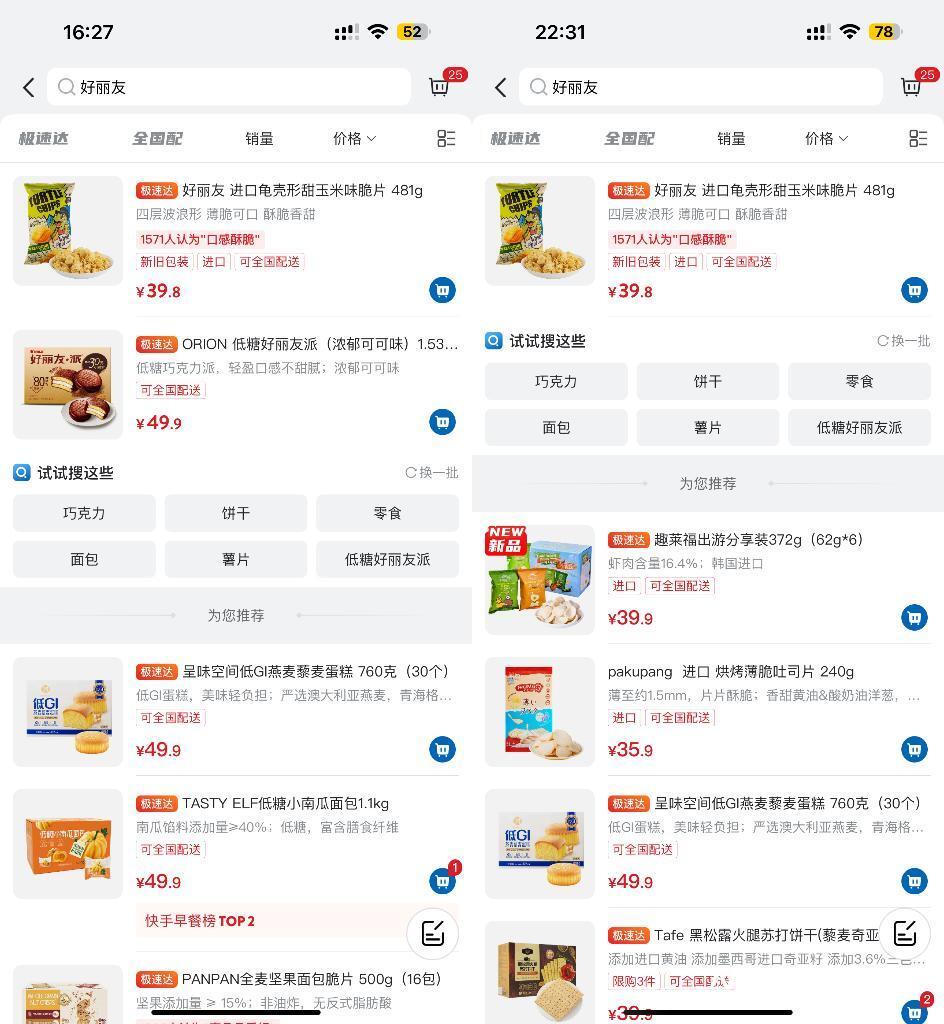
Core Viewpoint - The recent removal of "Low Sugar Orion Pie" from Sam's Club has sparked discussions among consumers regarding the selection strategy of the store, as many popular products have been replaced with items that are more commonly found in regular supermarkets [4][7][22]. Group 1: Product Removal and Consumer Reaction - Sam's Club has removed the "Low Sugar Orion Pie" from its app and shelves, despite it being recently introduced [1][8]. - Consumers expressed dissatisfaction on social media about the removal of high-repurchase-rate products and the introduction of more common items [4][22]. - The store's staff were unable to provide a clear reason for the product's removal or when it might return [8][12]. Group 2: Brand Strategy and Market Positioning - Several snack brands, including Orion, are leveraging Sam's Club to expand their market presence and target higher-end consumers, with some brands reporting significant sales through this channel [3][15]. - Snack brands are increasingly offering customized products for Sam's Club, which has led to substantial sales growth for some, such as Qiaqia Foods, which reported sales of approximately 200 million yuan through Sam's Club last year [15][19]. - The collaboration with Sam's Club is seen as a way for snack brands to enhance their market positioning, although there are concerns about the potential dilution of brand identity due to reliance on the retailer [22][23]. Group 3: Industry Trends and Insights - The snack food industry is undergoing a channel restructuring, with traditional supermarkets losing market share to membership-based retailers like Sam's Club, which are gaining traction among high-income consumers [21][22]. - Experts suggest that while partnerships with Sam's Club can provide growth opportunities, brands should avoid over-reliance on this channel to maintain their independent value [22][23]. - The legal perspective indicates that Sam's Club has the right to remove products based on market conditions and contractual agreements with suppliers, which does not necessarily harm consumer interests [27].
净利下降七成,洽洽食品如何破局
Bei Jing Shang Bao· 2025-07-16 12:49
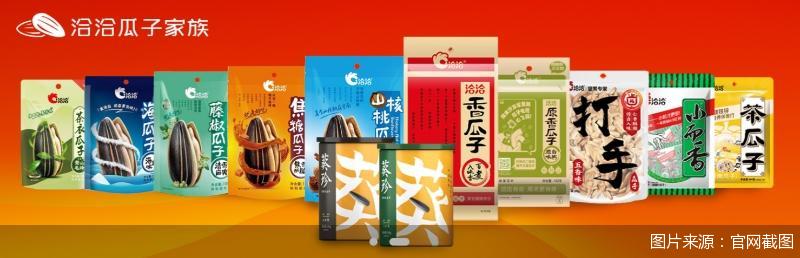
Core Viewpoint - Qiaqia Food has reported its largest decline in net profit since its listing in 2011, with a projected net profit drop of 71.05% to 76.25% for the first half of 2025 compared to the previous year [2] Group 1: Financial Performance - The company expects a net profit of approximately 80 million to 97.5 million yuan for the first half of 2025, with a significant decline in both net profit and non-net profit [2] - In Q1 2025, Qiaqia Food's revenue decreased by 13.76% year-on-year, and net profit fell by 67.88% [2] - The decline in net profit further worsened in Q2 2025, indicating ongoing financial challenges [2] Group 2: Cost Pressures - The primary reason for the profit decline is the rising cost of raw materials, particularly sunflower seeds, which has led to a significant drop in gross margin [2][3] - The company has acknowledged the impact of rising costs on its operations, citing increased procurement prices for sunflower seeds and nuts [2][3] - Qiaqia Food has attempted to mitigate cost pressures by raising product prices multiple times over the past few years, but the positive impact on gross margin has diminished [3] Group 3: Supply Chain and Procurement - Qiaqia Food employs a mixed procurement model for sunflower seeds, which may weaken its control over quality and cost [3] - The company plans to optimize its procurement strategy by increasing the proportion of direct purchases [3] Group 4: Channel Strategy - In response to market conditions, Qiaqia Food is adjusting its channel strategy, increasing its focus on direct sales channels, which saw a revenue increase of 38.29% to 1.462 billion yuan in 2024 [4] - Despite the growth in direct sales, the gross margin for this channel has declined, with e-commerce channels showing particularly low margins [4][5] - The company aims to enhance e-commerce profitability through product structure optimization and is also exploring new channels such as snack wholesale systems and membership stores [5]

上架山姆的产品属“特供”?溜溜梅最新回应:不存在质量双标
Guan Cha Zhe Wang· 2025-07-16 09:41
Group 1 - The core issue arises from the rebranding of well-known consumer products sold at Sam's Club, leading to consumer dissatisfaction and accusations of brand betrayal [1][4] - Brands like Wei Long and Panpan have introduced products with altered packaging and branding, causing confusion among consumers who expect familiar branding [1][4] - The controversy has sparked significant public discourse, with consumers expressing their frustrations over perceived quality discrepancies and branding changes [1][4] Group 2 - Panpan's representative stated that the special products differ from regular packaging, and any inquiries about the branding should be directed to Sam's Club [4] - Lu Lu Mei's official customer service clarified that their products at Sam's Club are exclusive channel items made with imported ingredients, emphasizing that they maintain the same food safety standards across all sales channels [4][6] - Lu Lu Mei acknowledged the need to rebuild consumer trust, which is often more challenging than losing it, indicating a commitment to improving products and services in response to public sentiment [6]

太原市阳曲县市场监督管理局关于2025年第2期食品安全监督抽检情况的通告
Zhong Guo Zhi Liang Xin Wen Wang· 2025-07-16 05:08
Group 1 - The Yangqu County Market Supervision Administration conducted a food safety inspection of 133 batches of various food products, including agricultural products, convenience foods, and beverages, among others [1][2] - Out of the 133 batches tested, 131 were found to be compliant with food safety standards, while 2 batches were deemed non-compliant [1][2] - The non-compliant products were processed according to relevant laws and regulations, and consumers were encouraged to report any identified non-compliant food products [1][2] Group 2 - The inspection covered 18 categories of food products, including meat products, dairy products, and snacks [1] - Specific details of the non-compliant products, including the type of contaminants and the testing results, were documented for transparency [2][3] - The inspection was part of a broader initiative to ensure food safety and compliance with national standards in the region [1][2]
卖不动瓜子的洽洽,靠7元雪糕救场? 批发商:从没见过它!| BUG
新浪财经· 2025-07-16 01:18
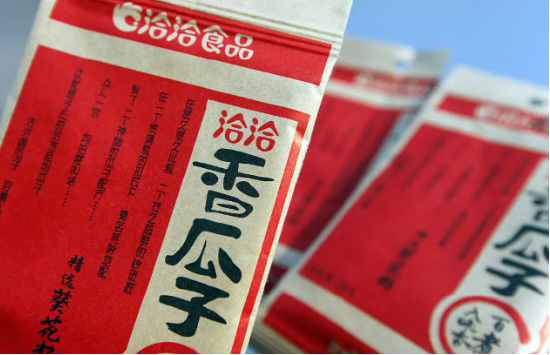
Core Viewpoint - The article discusses the recent entry of Qiaqia Food into the ice cream market with its new sunflower seed ice cream product, highlighting the challenges the company faces in promoting this product and its overall business performance decline [2][4][6]. Group 1: Product Launch and Market Entry - Qiaqia Food launched a new sunflower seed ice cream in mid to late June, featuring a combination of sunflower seeds and ice cream in three flavors: melon seed, caramel sunflower seed, and walnut sunflower seed [3]. - The product is currently in the trial sales phase, available on platforms like JD, Tmall, and Pinduoduo, with a price of approximately 7 yuan per 60g unit, totaling around 125 yuan for an 18-pack [4][6]. - Despite the launch, the product is reportedly hard to find in mainstream fresh food channels like Hema and Dingdong Maicai, with many retailers unaware of its existence [6]. Group 2: Business Performance and Challenges - Qiaqia Food has faced significant business challenges, with both revenue and net profit declining for the first time in 2023, and a staggering 67.88% drop in net profit in Q1 2025, marking the worst performance since its listing [2][13]. - The core business of sunflower seeds, which accounts for over 60% of revenue, is nearing a growth ceiling, with revenue growth of only 2.6% in 2024 [15]. - The company has struggled with competition in the sunflower seed market, particularly from fresh-roasted brands, and has seen increasing return rates on unsold products [15]. Group 3: Diversification Attempts - The ice cream venture is part of Qiaqia's broader diversification strategy, which has included attempts to enter various snack categories since 2008, but these efforts have not significantly contributed to revenue [9][12]. - Qiaqia's diversification has faced challenges due to resource dispersion and brand dilution, with past attempts in categories like jelly and chips failing to maintain profitability [12]. - The company aims to leverage its existing resources in nuts and seeds to create differentiated products, but faces stiff competition from established brands like Nestlé and Yili [6][12].
卖不动瓜子的洽洽,靠7元雪糕救场?批发商:从没见过它! | BUG
Xin Lang Ke Ji· 2025-07-16 00:35
Core Viewpoint - The entry of Qiaqia Food into the ice cream market with its new seed ice cream product aims to attract the younger demographic, but the company faces significant challenges in distribution and market competition [2][5][10]. Group 1: Product Launch and Market Presence - Qiaqia Food has launched a new seed ice cream product, featuring flavors like melon seed ice cream and caramel seed ice cream, targeting the frozen food segment [2][3]. - The product is currently in the trial sales phase, available on platforms like JD, Tmall, and Pinduoduo, with a price of approximately 7 yuan per 60g unit [3][5]. - Despite the online presence, the product is reportedly hard to find in mainstream fresh food channels, indicating a lack of effective distribution [5][6]. Group 2: Business Challenges - Qiaqia Food's recent financial performance has been poor, with a 1.13% decline in revenue to 6.806 billion yuan and a 17.7% drop in net profit in 2023, marking the first negative growth since its listing [10][12]. - The company’s core business, sunflower seeds, which accounts for over 60% of revenue, is facing stagnation, with a mere 2.6% growth in 2024 [12][13]. - Increased competition in the sunflower seed market and changing consumer preferences towards healthier snacks have further pressured Qiaqia's traditional product lines [12][13]. Group 3: Strategic Considerations - Qiaqia Food's diversification efforts, including the ice cream venture, reflect a broader strategy to find new growth avenues amid declining core business performance [7][9]. - The company has previously struggled with diversification, as seen in its attempts to enter various snack categories without significant success [7][9]. - The need for effective cold chain logistics and marketing strategies is critical for Qiaqia to succeed in the competitive ice cream market [6][10].
大众品Q2业绩前瞻及中期策略报告:新消费重构投资范式,传统消费循势待时-20250715
ZHESHANG SECURITIES· 2025-07-15 11:48
Group 1 - The report emphasizes the reconstruction of investment paradigms in the food and beverage sector, driven by new consumption trends that focus on emotional value, health, and technological innovation [1][14][30] - The new consumption paradigm is characterized by a shift from traditional consumption frameworks to a model that prioritizes innovative supply and new demand creation through quality offerings [1][14][35] - The report identifies three main consumption trends: rational quality consumption, emotional value self-consumption, and technological iteration innovation [1][14][30] Group 2 - The analysis of sub-sectors indicates that traditional leaders in beer, dairy, and condiments should be evaluated through traditional consumption frameworks, while new consumption-driven sectors like snacks, tea drinks, and health products require a bottom-up approach to identify explosive changes [2][35] - In the snack sector, companies with category dividends and new channel expansions are expected to perform well, with projected revenue growth rates for various companies in Q2 2025 [4][36] - The soft drink sector shows differentiated performance across segments, with energy drinks and ready-to-drink tea expected to grow, while traditional segments face challenges [4][37] Group 3 - The dairy sector is anticipated to have stable revenue in Q2 2025, with a focus on profit elasticity once raw milk prices stabilize [4][38] - The tea drink market is experiencing high growth driven by the delivery battle, with key players like Mixue Group and Cha Bai Dao expected to thrive in the mid-price segment [4][41] - The health product sector is seeing a concentration in the B-end market, while the C-end market requires attention to high-growth single products [4][39] Group 4 - Investment recommendations include companies that align with new consumption trends, such as Wei Long, Yili, Wanchen Group, and others, indicating a focus on long-term growth opportunities despite short-term adjustments [6][35] - The report highlights the importance of supply chain optimization and product innovation for brands to remain competitive in the evolving retail landscape [30][33]
再次面临成本上涨压力,洽洽食品上半年净利润下跌超七成
Nan Fang Du Shi Bao· 2025-07-15 11:11
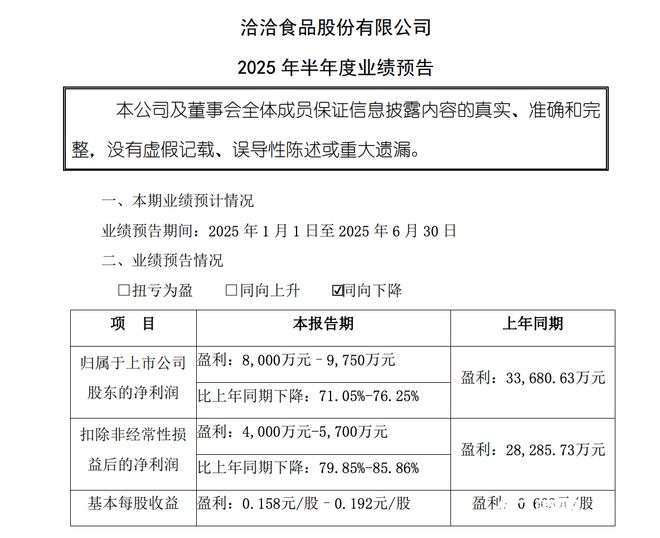
Core Viewpoint - In the first half of this year, Qiaqia Food's net profit is expected to decline significantly, marking the largest mid-year profit drop since its listing in 2011, primarily due to rising raw material costs [1][4][6]. Financial Performance - The estimated net profit attributable to shareholders for the first half of the year is projected to be between 80 million and 97.5 million yuan, representing a year-on-year decline of 71.05% to 76.65% [1][4]. - The net profit after deducting non-recurring gains and losses is expected to be between 40 million and 57 million yuan, reflecting a year-on-year decrease of 79.85% to 85.86% [1][4]. - Basic earnings per share are projected to be between 0.158 yuan and 0.192 yuan, compared to 0.605 yuan per share in the same period last year [4]. Reasons for Profit Decline - The decline in net profit is attributed to a significant increase in raw material procurement prices, leading to a substantial drop in gross profit margins [1][6]. - In the first quarter, net profit fell by 67.88% to approximately 77.25 million yuan, with revenue decreasing by 13.76% to 1.571 billion yuan [1][5]. Product and Market Dynamics - Qiaqia Food primarily produces and sells nut snacks, with sunflower seeds being the main source of revenue [1][6]. - The gross profit margin for the snack food business decreased by 5.03% to 26.85%, with sunflower seed margins dropping by 7.92% to 25.23% [6]. - The company has previously raised prices on sunflower seed products to cope with cost pressures, but has not announced any new price increase plans for 2023 [6][8]. Future Outlook - Qiaqia Food plans to increase its investment in new sales channels, such as Sam's Club, which saw a revenue growth of 50%-60% [8]. - The company aims to expand its SKU offerings in the snack wholesale channel, although this may compress profit margins due to the low-margin nature of these sales [8].
各大品牌,患上山姆依赖症?丨消费参考
2 1 Shi Ji Jing Ji Bao Dao· 2025-07-15 00:53
Group 1: Sam's Club Controversy - Sam's Club faces backlash from members due to the introduction of "Holly Friend Pie," which has led to dissatisfaction over recent product adjustments [1] - The selection strategy has shifted, with popular items being removed while new products from brands like Holly Friend, Wei Long, and Xu Fu Ji are added [1][2] - Quality control issues have compounded the controversy, as consumers express concerns over the taste of new products [1] Group 2: Strategic Importance of Sam's Club - Sam's Club has become a significant revenue source for Walmart, with net sales in China reaching $6.7 billion (approximately 48.02 billion RMB), a year-on-year increase of 22.5% [2] - Comparable sales grew by 16.8%, and e-commerce sales surged by 34%, indicating strong growth momentum for Sam's Club and its online business [2] - Over the past 12 months, Sam's Club has opened 7 new stores, highlighting its role as a rare growth channel amid market fluctuations [2] Group 3: Brand Dynamics with Sam's Club - Brands are increasingly reliant on Sam's Club's supply chain and quality control, which gives Sam's Club significant influence over product offerings [3] - There is a risk for brands to become mere outsourcing partners, losing pricing power as they collaborate exclusively with Sam's Club [3] - However, some brands assert they maintain a degree of control in partnerships, leveraging insights from social media platforms for consumer understanding [4][5] Group 4: Market Performance Indicators - The Shanghai Consumer 80 Index closed at 4756.53 points, with a gain of 0.44% on July 14 [7]