
优必选

Search documents
科技焕新,超越增长丨21世纪经济报道2025年终特刊
21世纪经济报道· 2025-12-31 10:32
Core Viewpoint - The article emphasizes the structural transformation of the Chinese economy, focusing on the transition from production-oriented to wealth-oriented growth, and the importance of leveraging technological innovation to drive future growth opportunities leading up to 2026 [1][4]. Group 1: Economic Transformation and Opportunities - The year 2025 is identified as a pivotal point for global restructuring, where China's strength will be reassessed across multiple dimensions including technology, trade, governance, and security [4]. - China has three major advantages for economic growth: the potential for GDP per capita to reach levels of developed countries, the new technology revolution focusing on digital and green technologies, and the benefits of a super-large market economy [6]. - The focus for 2026 will be on short-term demand expansion and risk control, while also promoting an innovation-driven growth model that emphasizes modern industrial systems and technological self-reliance [7]. Group 2: Industry Insights and Innovations - The automotive industry is at a crossroads, with a shift from a "favorable wind" era to a new phase characterized by technological competition and globalization [19]. - The Chinese manufacturing sector is expanding globally, with companies adapting to new trade rules and focusing on localizing supply chains [10]. - The rise of new industries such as robotics, artificial intelligence, and innovative pharmaceuticals is seen as a foundation for future economic growth, reflecting a systematic reassessment of growth paradigms [13]. Group 3: Financial and Market Dynamics - The capital market in China requires a significant ideological shift to better support long-term technological innovations and address mismatches in investment strategies [13]. - The banking sector is diversifying its global presence, moving from traditional markets to emerging markets along the Belt and Road Initiative, focusing on infrastructure and resource development [11]. - The trend of "investing in people" is highlighted as essential for stimulating consumer markets, moving away from a focus solely on physical investments [7].


北水动向|北水成交净买入34.49亿 北水全年净买入港股逾1.4万亿港元 创历史纪录新高
智通财经网· 2025-12-31 10:07
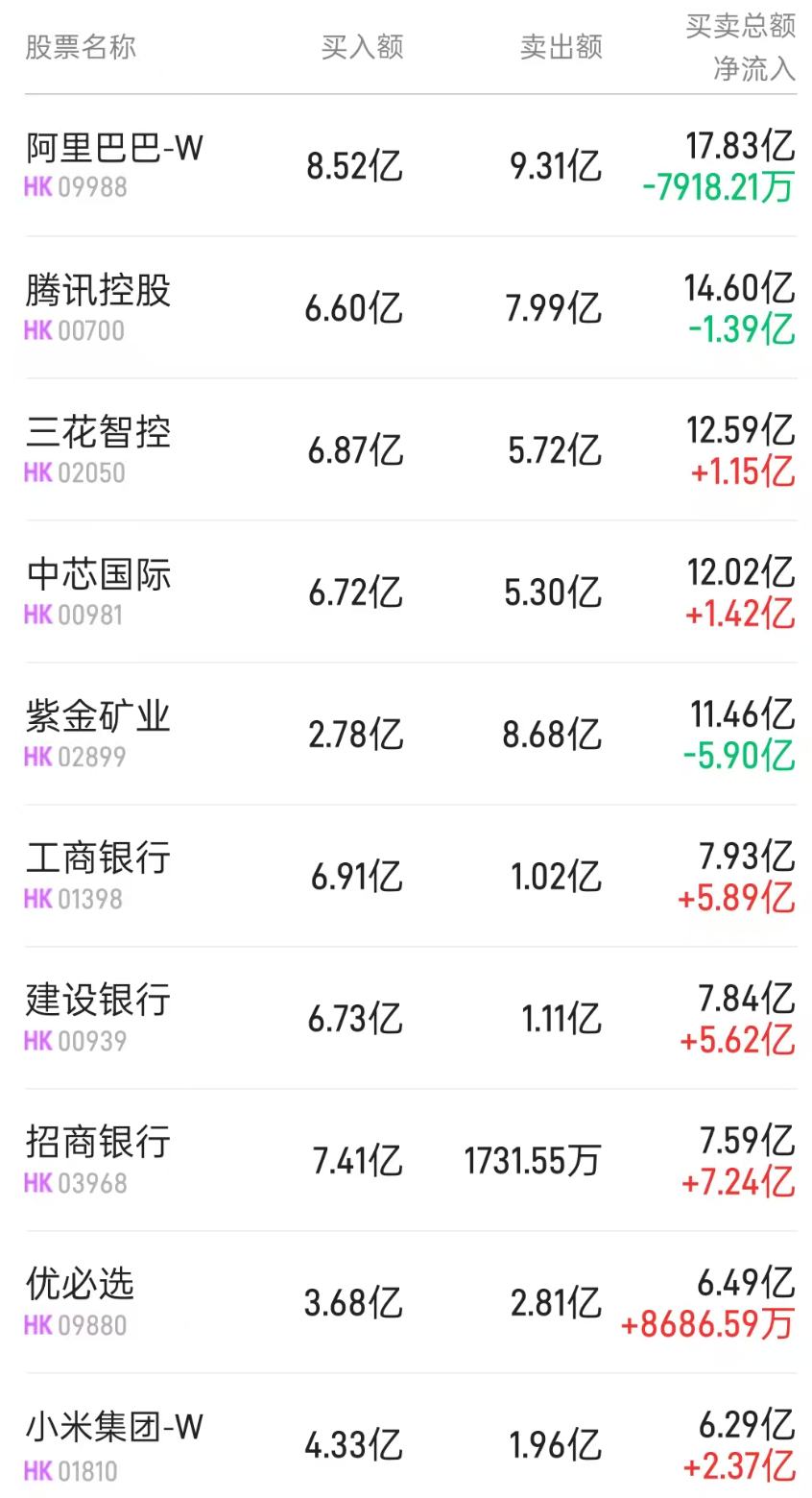
Group 1 - Northbound capital recorded a net purchase of 34.49 billion HKD in the Hong Kong stock market on December 31, with the Shanghai-Hong Kong Stock Connect contributing 30.97 billion HKD and the Shenzhen-Hong Kong Stock Connect contributing 3.51 billion HKD [1] - The total net purchase of Northbound capital for the year reached a historical high of 1.41 trillion HKD, significantly increasing from approximately 807.9 billion HKD in 2024 [1] - The most purchased stocks by Northbound capital included China Merchants Bank (03968), Industrial and Commercial Bank of China (01398), and China Construction Bank (00939) [1] Group 2 - Alibaba-W (09988) had a net purchase of 850 million HKD, while Tencent Holdings (00700) faced a net sell of 660 million HKD [2] - China Merchants Bank, Industrial and Commercial Bank of China, and China Construction Bank received net purchases of 7.24 billion HKD, 5.88 billion HKD, and 5.61 billion HKD respectively [4] - Semiconductor stocks also saw increased investment, with SMIC (00981) and Hua Hong Semiconductor (01347) receiving net purchases of 391 million HKD and 69.94 million HKD respectively [5] Group 3 - Xiaomi Group-W (01810) received a net purchase of 237 million HKD, supported by government policies promoting consumption [5] - Jiangxi Copper Co. (00358) had a net purchase of 158 million HKD, while Zijin Mining (02899) experienced a net sell of 682 million HKD [6] - UBTECH Robotics (09880) received a net purchase of 86.86 million HKD, as it announced plans to acquire a controlling stake in Fenglong Co. [6]




机器人回调,大族激光跌超1%,机器人ETF基金(159213)已经连续4日净流入近1亿元!2025年人形机器人量产元年已过,2026年"飞轮时刻"将启动?
Sou Hu Cai Jing· 2025-12-31 08:53
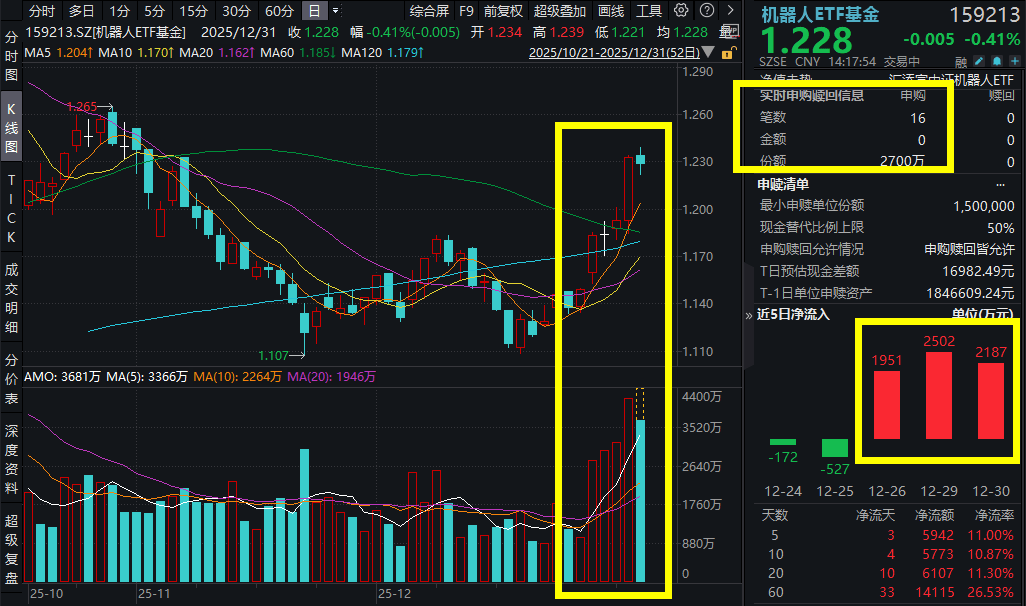
Core Viewpoint - The A-share market shows a mixed trend with the robotics sector under pressure, yet there is a significant inflow of funds into the robotics ETF fund (159213), indicating investor confidence despite market fluctuations [1][3]. Group 1: Market Performance - As of 14:25, the robotics ETF fund (159213) experienced a decline of 0.41%, marking its first pullback after five consecutive days of gains [1]. - The fund saw a net inflow of over 33 million yuan during the day, contributing to a total net inflow of nearly 100 million yuan over the past four days [1]. Group 2: Component Stocks - The top ten component stocks of the robotics ETF fund show mixed performance, with notable gains from Keda Xunfei (2.70%) and Zhongkong Technology (1.27%), while Huichuan Technology and Dazhu Laser both fell over 1% [2][4]. Group 3: Industry Developments - The robotics sector is experiencing a significant boost, with rumors of an upcoming administrative order on robotics expected in 2026, and suppliers actively engaging in North America [3]. - The year 2025 is highlighted as a pivotal year for robotics, with strong initial growth followed by adjustments and renewed interest due to events like the World Robot Conference [3]. Group 4: Future Outlook - The robotics ETF fund manager indicates substantial advancements in mass production, with companies like UBTECH and ZhiYuan set to achieve significant production milestones by 2025 [6]. - The industry is expected to see a surge in human-like robots, with projections indicating that domestic sales could exceed 10,000 units in 2026, driven by technological advancements and commercial viability [7].



具身智能,国产机器人为美好生活赋能
Xin Hua She· 2025-12-31 08:48
Core Insights - The article emphasizes the rapid integration of domestic robots into daily life by 2025, showcasing their diverse applications in various sectors such as entertainment, healthcare, and agriculture [1][12][21] Industry Developments - By 2025, domestic humanoid robots have achieved multiple breakthroughs, including the first human-like robot to perform a front flip and a marathon completion, indicating significant advancements in robotics technology [3][5] - The launch of the T800 humanoid robot by Zhongqing Robotics highlights the technological integration capabilities of domestic robots, featuring advanced materials and systems for enhanced performance [4][5] Technological Advancements - The core technological upgrades in humanoid robots are driven by the collaboration of their "brain," "small brain," and body design, which collectively enhance their operational capabilities [5][11] - The development of autonomous battery-swapping systems for humanoid robots by Youbixuan enables continuous operation without human intervention, significantly improving efficiency in industrial applications [9][10] Market Applications - The demand for humanoid robots in the elderly care sector is increasing due to the growing aging population in China, with robots being utilized for assistance in daily activities and health monitoring [12][13] - The industrial sector is identified as the primary training ground for humanoid robots, with significant orders and applications in assembly, transportation, and maintenance processes [10][11] Challenges and Opportunities - Despite the rapid growth, the industry faces challenges such as technological limitations, narrow application scopes, and the need for standardized practices across the sector [14][15][16] - The article suggests that policy support and market-driven initiatives are crucial for overcoming current obstacles and fostering high-quality development in the domestic robot industry [18][19] Future Outlook - The future of the domestic robot industry is projected to align with the growth of smart technologies, with expectations of significant advancements in the next 5 to 15 years [19][20] - The integration of robots into everyday life is anticipated to evolve gradually, starting with low-intelligence applications before expanding into more complex domestic roles [20][21]


Optimus产业链公司们北美沟通,进展速递!
Robot猎场备忘录· 2025-12-31 06:52
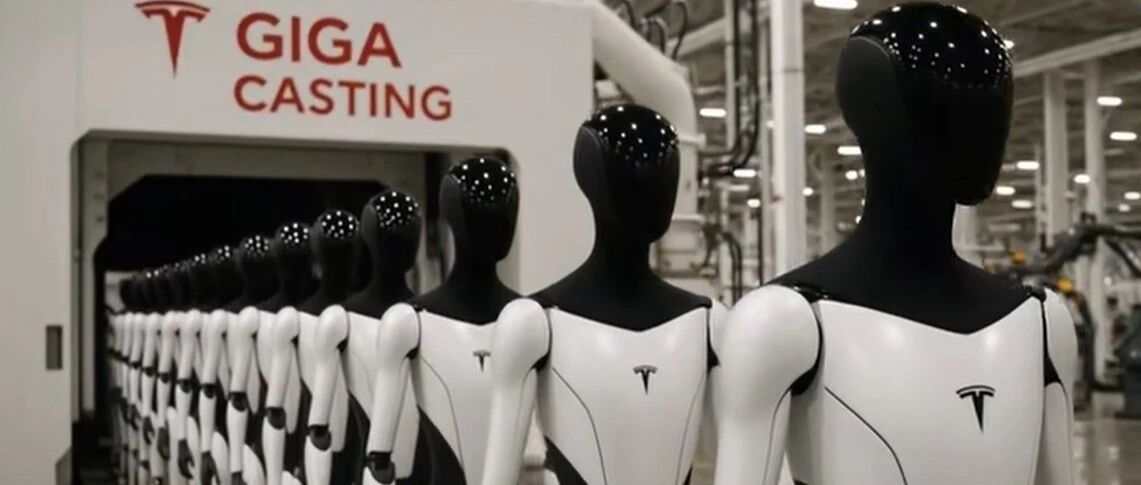
Core Viewpoint - The article highlights the positive momentum in the T-chain sector, driven by favorable news regarding Tesla's Optimus project and subsequent supplier engagements in North America, leading to significant stock price increases and a bullish market outlook for 2026 [2][4][9]. Summary by Sections Market Performance - In the last week of December, T-chain stocks outperformed expectations, with many core and new stocks experiencing substantial price increases, indicating a potential market reversal [2][4]. - The article notes that the T-chain sector has seen a significant rebound, with many stocks hitting their daily price limits, validating previous predictions about the market's trajectory [4][6]. Key Drivers - The optimism surrounding the T-chain is attributed to several factors, including the nearing finalization of the Optimus project, clearer guidance on mass production, and the simultaneous "shrinking" and "expanding" of core targets within the sector [3][4]. - Recent communications and orders from North American suppliers have further catalyzed the market, with many companies reporting positive developments and securing supplier codes and orders [7][8]. Investment Opportunities - The article emphasizes the importance of focusing on core, high-certainty stocks that have recently received positive news, as these are expected to attract more capital and drive further price increases [6][8]. - Specific companies mentioned, such as WX and KS, have reported exceeding expectations in their North American engagements, indicating strong demand and potential for future growth [7][8]. Future Outlook - The T-chain sector is anticipated to continue its upward trend, with significant developments expected in early 2024, including the finalization of production processes and increased supplier capacity [8][9]. - The article suggests that the current market dynamics are setting the stage for a robust performance in the T-chain sector leading into 2026, with ongoing updates and insights available through the associated knowledge platform [10].

机械设备行业2026年年度投资策略:成长周期轮动,主题复苏并驱
Guoyuan Securities· 2025-12-31 06:47
Group 1 - The report highlights the investment opportunities in the humanoid robot sector, focusing on manufacturers that have entered mass production or have clear ongoing order sources, such as Tesla, Figure, and domestic companies like Yushu and UBTECH [2][27] - The investment strategy for humanoid robots is centered around three main lines: complete machines, key components, and core modules, as well as the evolution of capabilities [2][28] - The report emphasizes the importance of the supply chain and the optimization of the industry structure, with a focus on the increasing order volume for core execution modules like linear and rotary joints [2][28] Group 2 - The engineering machinery sector is expected to see growth driven by stable export performance and increased policy support, with major projects acting as new growth engines [4][27] - Recommended companies in the engineering machinery sector include SANY Heavy Industry, XCMG, and LiuGong, which have strong overseas capabilities and comprehensive product lines [4][27] - The tool industry is also highlighted as a foundational support sector for machinery manufacturing, with ongoing policy and demand-side catalysts expected to drive growth [4][27] Group 3 - The low-altitude economy in China is projected to expand rapidly, with an expected market size exceeding one trillion yuan by 2026, reflecting a compound annual growth rate of approximately 30% [5][6] - The report identifies the drone manufacturing and operation services as accounting for 55% of the low-altitude economy, with supply chain, consumption, and transportation making up about 40% [5][6] - Key investment recommendations in the low-altitude economy include companies involved in aviation batteries, core components, and low-altitude security systems [6][5]
2025,车企跨界造“人”
Tai Mei Ti A P P· 2025-12-31 06:22
Core Insights - The rise of humanoid robots has become a significant trend in the tech industry, with automotive companies increasingly investing in humanoid robot development as a new growth avenue amidst slowing market growth in traditional automotive sectors [2][20][26] - Tesla's humanoid robot, Optimus, is positioned as a key product for the company's future, with expectations that it will contribute significantly to Tesla's overall value [3][4][20] - Chinese automakers, including Xpeng and BYD, are also making strides in humanoid robotics, with Xpeng's IRON robot showcasing advanced capabilities and aiming for mass production by the end of 2026 [8][10][26] Industry Trends - The automotive sector is witnessing a collective push towards humanoid robotics, with nearly all major car manufacturers increasing their involvement in this field [2][7] - Companies are adopting various strategies, including full-stack self-research and partnerships with established robotics firms, to accelerate their entry into the humanoid robot market [10][11] - The market is expected to see a significant increase in humanoid robot deployment, with projections suggesting a market size of $5 trillion by 2050 [27] Technological Challenges - The development of humanoid robots faces significant technical hurdles, particularly in achieving stability and functionality in real-world environments [12][13][15] - Key challenges include the complexity of creating dexterous hands, stable locomotion, and advanced AI capabilities for real-time decision-making [14][16][17] - Current production methods are still largely manual, limiting the scalability of humanoid robot manufacturing [18] Market Dynamics - The entry of automotive companies into humanoid robotics is seen as a strategic move to diversify and mitigate risks associated with traditional automotive business cycles [20][21] - The overlap in technology and components between electric vehicles and humanoid robots provides automotive companies with a competitive advantage in this new market [21][22] - The industry is at a critical juncture, with the potential for significant breakthroughs or the risk of stagnation due to unresolved challenges [27]


40万字重磅品牌白皮书发布:深圳45年的超级进化论
Sou Hu Cai Jing· 2025-12-31 06:11
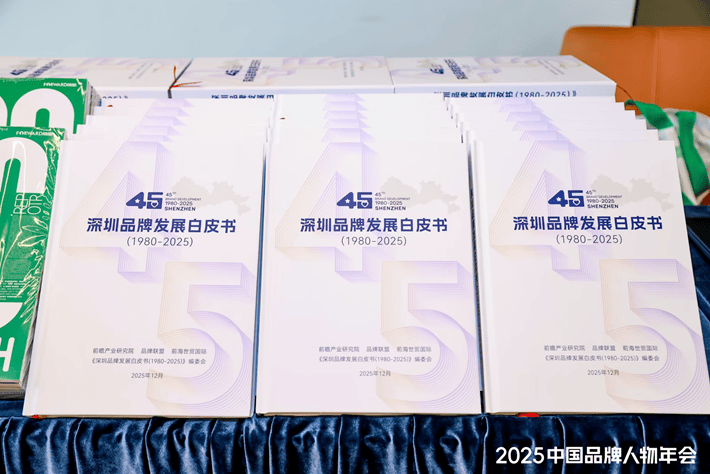
Core Insights - Shenzhen has produced a number of globally impactful companies, showcasing a shift from "Made in China" to "Created in China" [2] - The 45th anniversary of Shenzhen Special Economic Zone marks a significant milestone in its rapid modernization and brand development [2][3] - The "Shenzhen Brand Development White Paper (1980-2025)" outlines the evolution of Shenzhen's brands and their internal logic and success factors [3][5] Group 1: Brand Evolution - Shenzhen's brand journey reflects a transition from manufacturing to innovation, with key phases including the emergence of local brands in the 1980s and 1990s, and the rise of autonomous brands in the early 2000s [7][10] - The current phase is characterized by cluster upgrades, with companies like Tencent, BYD, and DJI leading in various sectors [8][10] - As of now, Shenzhen has cultivated 1,220 notable local brands, including 13 billion-level brands and 7 trillion-level brands, with Tencent, Ping An, and Huawei each exceeding a brand value of 490 billion [10][11] Group 2: Economic Contributions - The 1,220 notable brands contribute 47.97% of the city's sales, 42.05% of tax revenue, and 32.87% of exports, serving as the backbone of Shenzhen's high-quality economic development [11] - These brands span critical sectors such as electronics, renewable energy, biomedicine, high-end equipment, financial services, and digital economy, forming a robust industrial structure [11] Group 3: Brand Development Factors - Shenzhen's brand success is attributed to a unique ecosystem supported by policy innovation, technological advancement, and collaborative industrial frameworks [15][16][19] - The government has played a crucial role in creating a conducive environment for brand growth through targeted policies and regulatory frameworks [16] - Innovation drives brand competitiveness, with companies investing over 10% of their annual revenue in R&D, fostering a comprehensive innovation ecosystem [17] Group 4: Global Expansion and Responsibility - Shenzhen brands have established clear pathways for international expansion, evolving from processing trade to localized operations and global standardization [20] - Social responsibility is ingrained in the corporate strategy, enhancing brand value and sustainability through practices like tax compliance and community support [21] Group 5: Future Outlook - The release of the white paper is a significant step in documenting Shenzhen's brand journey and providing strategic guidance for future brand development [31] - Shenzhen's brands are expected to continue thriving in emerging sectors like digital and low-altitude economies, contributing to the global narrative of Chinese brands [33][34]


国投证券(香港)港股晨报-20251231
国投证券(香港)· 2025-12-31 05:55
Core Insights - The report highlights a slight rebound in the Hong Kong stock market, with the Hang Seng Index rising by 0.86% and the Hang Seng Tech Index increasing by 1.74% [2] - The report notes a significant increase in the revenue of the company Zhiyu (智谱), with a total revenue of 190 million yuan in the first half of 2025, representing a year-on-year growth of 325% [7] - The report emphasizes the strong growth potential of the enterprise-level large language model market, projecting a compound annual growth rate (CAGR) of 60% over the next five years [8] Company Overview - Zhiyu, established in 2019, focuses on achieving Artificial General Intelligence (AGI) and has released the GLM framework for pre-trained large models [6] - As of June 30, 2025, Zhiyu has open-sourced over 50 large models with a cumulative download exceeding 45 million times [6] - The company has over 8,000 institutional clients for its AI large model services [6] Financial Performance - In the first half of 2025, Zhiyu's localized deployment revenue reached 160 million yuan, accounting for 85% of total revenue, while cloud deployment revenue was 29 million yuan [7] - The company's R&D expenditure for the same period was 1.6 billion yuan, representing an 86% year-on-year increase [7] - Adjusted net loss for the first half of 2025 was 1.8 billion yuan, compared to losses of 1 billion yuan in the same period last year [7] Industry Status and Outlook - The report cites Frost & Sullivan data predicting that the Chinese AI market will reach 218.9 billion yuan in 2025, growing by 36% year-on-year [8] - The large language model market in China is expected to grow to 9.93 billion yuan by 2030, with a CAGR of 35% from 2025 to 2030 [8] - The competitive landscape shows Zhiyu holding a 6.6% market share in the Chinese large language model market, ranking second behind iFlytek [8] Advantages and Opportunities - The enterprise-level scenario is identified as a key commercial application for large language models in China, indicating a broad industry outlook [9] - Zhiyu possesses a comprehensive model matrix and a one-stop MaaS platform that facilitates model commercialization [9] - The company has a strong R&D team of 657 members, including leading figures in the AI field [9] IPO Information - The IPO subscription period is from December 30, 2025, to January 5, 2026, with trading expected to commence on January 8, 2026 [11] - The cornerstone investors have subscribed for 25.68 million shares, amounting to approximately 3 billion Hong Kong dollars, representing 69% of the global offering [12] - The expected net proceeds from the fundraising are estimated at 4.173 billion Hong Kong dollars, with 70% allocated for AI large model R&D [13]
中泰国际每日晨讯-20251231
ZHONGTAI INTERNATIONAL SECURITIES· 2025-12-31 05:27
Market Performance - The Hang Seng Index closed at 25,855 points, up 0.9%, while the Hang Seng China Enterprises Index rose 1.1% to 8,991 points[1] - Total turnover in Hong Kong stocks was HKD 199.8 billion, down 11.0% from HKD 224.5 billion the previous day, indicating a cautious investor sentiment[1] - Energy, materials, and information technology indices increased by 2.4%, 2.3%, and 1.4% respectively, while healthcare, utilities, and consumer staples indices fell by 0.5%, 0.3%, and 0.3%[1] Stock Highlights - Baidu Group (9888 HK) and SMIC (981 HK) led the blue-chip stocks with gains of 8.9% and 4.2% respectively[1] - Pop Mart (9992 HK) and Longfor Group (960 HK) were the biggest losers, down 4.6% and 1.7% respectively[1] - Six new stocks listed in Hong Kong, all closing higher, with notable performances from InnoCare Pharma (3696 HK) and Wuyi Vision (6651 HK), which rose by 24.7% and 29.9% respectively[1] IPO Market Insights - The total amount raised from IPOs in Hong Kong for the first 11 months of 2025 increased by 228.1% year-on-year[1] - A decrease in the year-on-year growth rate for IPO fundraising is expected in 2026 due to a high base effect[1] U.S. Market Overview - The Dow Jones Industrial Average closed at 48,367 points, down 0.2%[2] - The Hang Seng Index futures closed at 25,880 points, indicating a slight premium of 25 points[2] Macro Economic Indicators - The U.S. housing price index rose by 1.7% year-on-year in October, slightly lower than the 1.8% increase in September[3] - The Chicago PMI for December was reported at 43.5, up from 36.3 in November and above the market forecast of 39.5[3] Industry Dynamics - The robotics sector in Hong Kong saw a collective rise, with companies like UBTECH (9880 HK) and Sanhua Intelligent Controls (2050 HK) increasing by 8.3% and 12.5% respectively[4] - In the consumer sector, prices for Labubu series products on second-hand platforms have significantly dropped, impacting Pop Mart (9992 HK), which fell by 4.5%[4] Healthcare Sector Performance - The Hang Seng Healthcare Index decreased by 0.5%[5] - Pharmaceutical manufacturing revenue in China for January to November 2025 fell by 2.0% year-on-year, with total profits down by 1.3%[5] - Retail sales in physical pharmacies dropped from RMB 53.8 billion in September to RMB 52.3 billion in October[5]