荣耀

Search documents
2025年11月高端手机市场格局:苹果华为领跑,小米vivo激烈角逐
Xin Lang Cai Jing· 2025-12-24 10:32
Core Insights - The sales performance of smartphones priced above 4000 yuan in November 2025 highlights the competitive landscape in the high-end market, with Apple and Huawei leading due to strong brand influence, while Xiaomi and Vivo follow closely, indicating a multi-player competition [1][4] High-End Market Overview - In the mainstream high-end segment (4000 to 6000 yuan), there is a clear trend of market concentration, with Apple and Huawei at the forefront, while Xiaomi and Vivo maintain their positions [1][4] - In the ultra-high-end segment (above 6000 yuan), Apple retains a dominant position with its iPhone series, holding a market share of 76%, while Huawei and Xiaomi follow, collectively accounting for 94% of the market share in this price range [1][4] Competitive Dynamics - In the 5000 to 6000 yuan price range, the market ranking remains consistent with the ultra-high-end segment, where Apple, Huawei, and Xiaomi hold a combined market share of 82%, indicating high concentration and limited penetration for other brands [3][4] - The 4000 to 5000 yuan price segment has become a focal point of competition, with Huawei surpassing Apple to take the lead in sales, followed by Vivo and Xiaomi, with the top three brands holding 68% of the market share [3][5] Market Trends - The share of high-end smartphones (priced above 4000 yuan) in total sales has risen to 42% in November 2025, reflecting an increasing consumer preference for flagship models and indicating that premiumization is a key trend in market development [3][5] Overall Market Performance - In the overall smartphone market, Apple leads with a share of 23.22%, followed by Xiaomi at 15.89%, Vivo at 15.63%, OPPO at 15.16%, Huawei at 13.48%, and Honor at 11.58%, with other brands collectively holding 5.04%, showcasing a competitive landscape with narrowing gaps among leading brands [4][5]


跨年“仪式感”消费升温!苏宁易购加码年终礼遇季
Zhong Jin Zai Xian· 2025-12-24 09:47
Group 1 - The core theme of the article highlights the significance of "ceremonial consumption" in the home appliance and 3C market during the year-end period, driven by the desire for self-reward and gratitude towards loved ones [1] - Consumer demand is characterized by a dual focus on immediate emotional satisfaction and long-term quality assurance, with over 60% of year-end purchases motivated by "ceremonial" reasons such as rewarding oneself and expressing gratitude [1] - The collaboration between Suning and leading brands aims to enhance consumer experiences by offering diverse products tailored to different demographics, including AI smartphones and user-friendly appliances for the elderly [4] Group 2 - During the holiday season, Suning is implementing significant discounts and promotional offers on over a hundred popular home appliance products, including trade-in subsidies and various customer incentives [6] - The company is enhancing its logistics and service capabilities to ensure timely delivery and installation of products, including a "New Year Exchange" service and options for immediate retail experiences [6] - Suning's strategy focuses on meeting consumer expectations for an ideal lifestyle through precise product offerings and immersive shopping experiences [6]



豆包手机后思考:AGI会在中国率先跑出来吗?
3 6 Ke· 2025-12-24 09:40
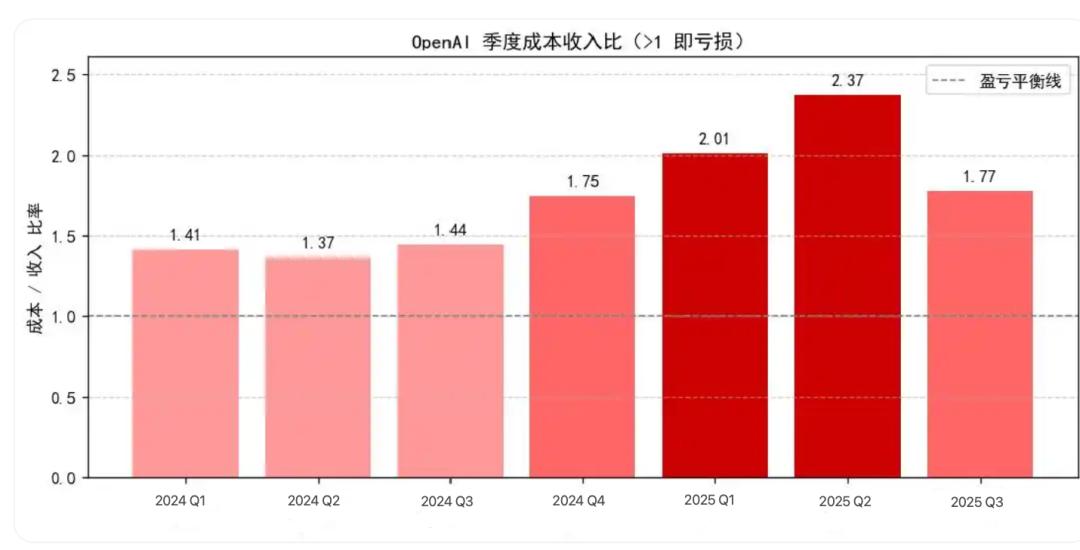
Core Insights - The article discusses the rapid advancement of AI technology in the Chinese market, particularly focusing on the launch of the Nubia M153, which integrates AI assistants with system-level execution capabilities, allowing AI to perform tasks autonomously rather than just providing suggestions [1][2][3] - The emergence of AI agents signifies a shift from AI being merely a thinking entity to one that can take action, raising questions about the readiness of existing digital ecosystems to accommodate such capabilities [2][3][4] - The Chinese market is positioned as a unique testing ground for AI agents due to its high application density, user acceptance, and a more unified governance system, potentially allowing it to lead in this technological transformation [3][18][23] AI Value Consensus: Transition from "Thinking" to "Action" - "Thinking" AI is reaching a ceiling, as evidenced by OpenAI's financial struggles, where costs are outpacing revenue significantly [4][6] - The cost structure of AI models is becoming unsustainable, with increasing computational demands not matched by revenue growth, indicating a need for AI to evolve towards actionable capabilities [6][7] - The focus is shifting towards AI's ability to act, as the next value point lies in its capacity to execute tasks rather than just process information [6][7] The Role of Mobile Devices in AI Action - Mobile devices are central to the AI action landscape, with Chinese users averaging 6.2 hours of smartphone use daily, performing over 120 digital actions [8] - The operating systems of mobile devices inherently possess the necessary permissions and infrastructure for AI to execute actions, making them ideal platforms for testing AI's commercial value [8][11] Competition for AI Execution Rights - Three main players are vying for control over AI execution capabilities: model service providers (e.g., Alibaba, Baidu, Tencent), terminal manufacturers (e.g., OPPO, Xiaomi), and native AI companies like Doubao [9][10][12] - Model service providers leverage their existing application ecosystems to integrate AI capabilities, while terminal manufacturers focus on system-level integration to expand AI's operational scope [10][11] - Native AI companies are taking a more aggressive approach by directly targeting system-level action entry points, although they face significant resistance from existing application ecosystems [12][13] Structural Challenges and Industry Transformation - The introduction of AI agents raises fundamental questions about operational permissions, commercial models, and accountability mechanisms, as traditional frameworks may not apply [14][15] - The current digital ecosystem is primarily designed for human users, which poses challenges for AI's operational integration, highlighting a need for infrastructure that supports AI actions [14][15] - As various stakeholders begin to adapt to the need for AI to operate autonomously, the industry is undergoing a structural transformation that could redefine value distribution and operational frameworks [17][18] China's Market as a Testing Ground for AI Agents - The rapid evolution of AI models and their capabilities is creating a competitive landscape, with significant advancements in model performance observed in recent years [21][22] - China's market conditions, including high service density and user acceptance of automation, provide a conducive environment for AI agents to thrive, contrasting with more fragmented markets like the U.S. [22][23] - The successful implementation of AI agents in China could lead to the development of a new operational system for AI that could be scaled globally, moving beyond mere model parameters to a comprehensive framework for AI action [23][24]
普通人的手机多久换一次合适?
3 6 Ke· 2025-12-24 03:42
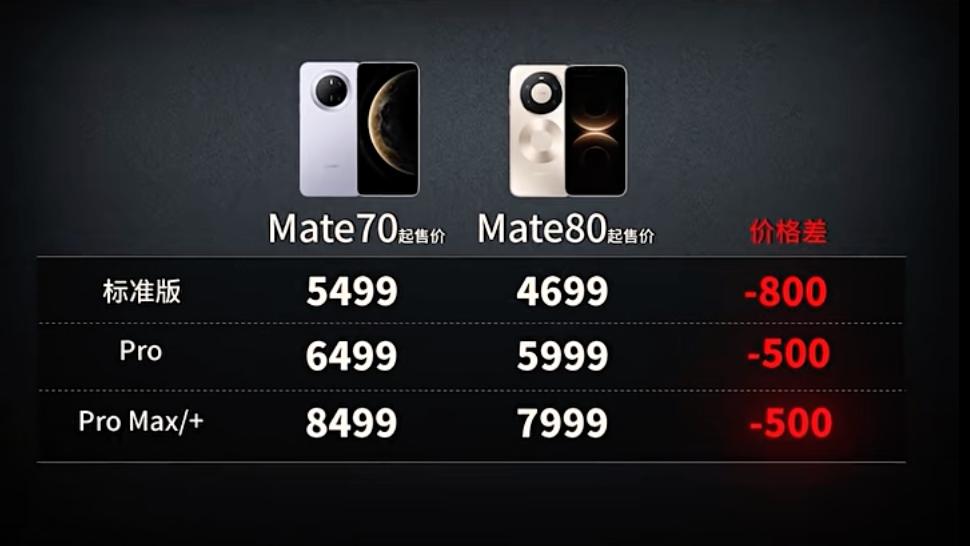
Core Insights - The average smartphone replacement cycle in China is projected to extend to nearly 33 months by 2025, a 40% increase compared to 2020 [3] - The Chinese smartphone market is entering an era characterized by consumers holding onto their devices longer, with many users still utilizing phones purchased 3-4 years ago [2][5] Group 1: Market Trends - The trend of consumers keeping their smartphones longer is leading to a significant decline in the sales of mid-range devices, particularly those priced between 3000-4000 yuan [19][26] - The second-hand smartphone market is experiencing growth, with projections suggesting that the transaction volume could exceed 100 million units in 2025 [22] - The iPhone remains dominant in the second-hand market, raising questions about consumer choices between new mid-range devices and older iPhone models [23] Group 2: Competitive Landscape - Huawei and Apple have begun to focus on cost-performance ratios, with Huawei's Mate 80 series seeing price reductions, and Apple's iPhone 16 Pro also experiencing price drops [7][10] - Xiaomi has innovated with features like a back screen on its flagship models, which has helped it stand out in a crowded market [11][31] - The competition among domestic brands is intensifying, with a shift towards marketing strategies to maintain relevance in the high-end market [13][17] Group 3: Product Development - The flagship models from major brands like Xiaomi, OPPO, and Vivo show minimal changes in core hardware specifications, with the most significant improvement being battery capacity [15] - The design of flagship smartphones is increasingly homogenized, with many models adopting similar aesthetics, particularly straight edges reminiscent of the iPhone [14] - The introduction of the fifth-generation Snapdragon 8 processor for mid-range devices is aimed at maintaining sales, despite the lack of differentiation from flagship models [24][25] Group 4: Future Outlook - The smartphone market is expected to become more chaotic in 2026, with potential price increases for brands unable to compete effectively [28][30] - Companies are exploring diversification beyond smartphones, with Xiaomi venturing into automotive and AI products, while OPPO is developing new camera technologies [32]
全球新材料风向标!2026 FINE 展:中国未来产业崛起,定义下一个十年创新赛道
AMI埃米空间· 2025-12-23 12:47
Core Viewpoint - The 2026 Future Industries New Materials Expo (FINE 2026) aims to showcase innovations in new materials that are crucial for the transformation of high-tech industries and to facilitate collaboration and resource integration within the sector [4][8]. Group 1: Event Overview - FINE 2026 will take place from June 10 to June 12, 2026, at the Shanghai New International Expo Center, featuring over 50,000 square meters of exhibition space and more than 300 strategic and cutting-edge technology reports [10][11]. - The expo is a significant upgrade from previous events, including the 10th International Carbon Materials Industry Expo and the 7th Thermal Management Industry Expo, focusing on the future industry's common needs such as advanced semiconductors, advanced batteries, lightweight materials, low-carbon sustainability, and thermal management [7][8]. Group 2: Market Opportunities - The rapid growth of industries like new energy vehicles, photovoltaics, wind power, and lithium batteries presents substantial market opportunities for new materials [14]. - The Chinese government has identified key areas for breakthrough in its 14th Five-Year Plan, including embodied intelligence, 6G, quantum technology, and hydrogen energy, which are expected to drive demand for innovative materials [14]. Group 3: Exhibition Highlights - FINE 2026 will feature six specialized thematic exhibition areas, including advanced semiconductors, advanced batteries, lightweight materials, thermal management technologies, new materials technology innovation, and future industry innovation enterprises [18][21]. - The event is expected to attract over 100,000 professional visitors and will include 30+ forums with more than 300 renowned experts and scholars sharing insights on technology trends and investment strategies [24][34]. Group 4: Networking and Collaboration - The expo will facilitate the transformation of scientific achievements and help enterprises connect with industry funds, government parks, and project resources, thereby accelerating innovation in the new materials sector [8][34]. - FINE 2026 aims to invite over 5,000 end-users and quality investment institutions for direct order and cooperation discussions, enhancing opportunities for startups [17][34].

指数基金产品研究系列之二百六十二:布局6G时代空天基础设施:永赢国证商用卫星通信产业ETF (159206)投资价值分析
Shenwan Hongyuan Securities· 2025-12-23 10:41
Report Summary 1. Report Industry Investment Rating The provided content does not mention the industry investment rating. 2. Core Viewpoints of the Report - The development of 6G is an inevitable trend, and countries are actively involved in its R & D. Satellites, as the aerospace infrastructure in the 6G era, will drive a new round of network construction capital expenditure. The commercial aerospace industry has achieved a closed - loop in the entire industrial chain, and the number of direct - connected satellite mobile phone users is expected to increase significantly [4][9]. - The Guozheng Commercial Satellite Communication Industry Index has high - quality characteristics that support high R & D investment in satellite communication. Since 2024, it has outperformed comparable indices under the background of developing new - quality productivity [4]. - The Yongying Guozheng Commercial Satellite Communication Industry ETF (159206) is a highly scarce product. Compared with comparable ETFs, it has the largest scale [3][61]. 3. Summary by Relevant Catalogs 3.1 Satellite Communication - **6G R & D and Global Competition**: With the 5G pattern settled, countries are actively competing for the right to speak in 6G. China started 6G forward - looking R & D in 2019 and launched the world's first 6G satellite in 2023. Many countries and regions around the world have also carried out 6G R & D activities [9]. - **Satellite Internet Industry Clusters**: In China, satellite internet industry clusters are blooming in multiple locations across the country. Beijing and Shanghai have comprehensive industrial clusters, while Sichuan and Chongqing cover core supporting and application of the satellite industrial chain. Hainan and Shandong cover commercial space launches [12]. - **6G - Driven Network Construction**: In the 6G era, satellites will combine with ground networks to form a space - ground integrated communication network. With the issuance of satellite internet licenses by the three major operators in 2025, 6G is expected to drive a new round of network construction capital expenditure [15]. - **6G Vision and Features**: The 6G vision framework proposal was passed in June 2023. The 6G development is divided into three stages, and it defines six scenarios and four design principles. 6G is expected to have three characteristics: space - air - land - sea integrated communication, human - machine - thing intelligent interconnection, and the blurring of the boundaries between the real physical world and the virtual digital world [20][22]. - **Commercial Aerospace Development Status**: China's first commercial launch site (Hainan Commercial Launch) completed its first launch mission in November 2024, achieving a closed - loop in the entire commercial aerospace industrial chain. Rocket carrying capacity is continuously increasing, and constellation networking is accelerating. The number of direct - connected satellite mobile phone users is expected to reach 350 million by 2030 [23][24]. 3.2 Guozheng Commercial Satellite Communication Industry Index - **Index Compilation Method**: The index selects 50 listed companies' securities from the A - share market whose business involves commercial satellite manufacturing, launch, operation, and satellite ground equipment and communication services. The weight of samples related to commercial satellite manufacturing and launch should be no less than 50% in total, and the index is adjusted semi - annually [25][27]. - **Weight and Market Value Distribution**: The index's weight is concentrated in the top ten component stocks, and the heavy - weight stocks are mostly from the communication equipment and defense military - electronics industries. The average free - floating market value of the component stocks is 14.32 billion yuan, and the average total market value is 25.716 billion yuan. In December 2025, about 12% of the positions, a total of 9 stocks, were removed and 9 new stocks were included [28][32][40]. - **Industry Characteristics**: In the index's component stocks, 20 stocks belong to the defense military industry, with a weight of 50.04%, and 9 stocks belong to the electronics industry, with a weight of 23.19%. The satellite industry is expected to enter an accelerated development stage with the support of relevant policies [42][45]. - **Fundamental Characteristics**: The index attaches great importance to R & D investment, and its R & D investment ratio is higher than that of the CSI Military Industry Index. In terms of profitability, the ROE of the Guozheng Commercial Satellite Communication Industry Index reached 6.74% at the end of 2024, which is close to the CSI 500 Index and far exceeds comparable indices [46][49]. - **Investment Value Analysis**: Since 2024, the index has shown excellent performance. It is more adaptable to the small - cap rebound environment. As of December 17, 2025, the index has risen by 63.78% cumulatively, outperforming comparable indices and representative broad - based indices, and its risk - adjusted returns (Sharpe and Calmar) are also outstanding [53][56]. 3.3 Yongying Guozheng Commercial Satellite Communication Industry ETF (159206) - **Basic Information**: The ETF was officially established on March 6, 2025, and listed on March 14, 2025. Its current fund manager is Liu Tingyu. It closely tracks the underlying index and aims to minimize the tracking deviation and tracking error [3][60]. - **Product Scarcity and Scale Advantage**: As of December 18, 2025, it is the only ETF tracking the Guozheng Commercial Satellite Communication Industry Index, with a high degree of scarcity. Its scale reaches 3.186 billion yuan, exceeding the total scale of comparable ETFs tracking the CSI Satellite Industry Index [3][61]. 3.4 Fund Manager and Fund Manager Information - **Fund Manager Introduction**: Yongying Fund Management Co., Ltd. was established in November 2013. As of the third quarter of 2025, its net asset value excluding money funds and short - term wealth - management bond funds was 428.944 billion yuan. It manages 15 ETF products, with a cumulative management scale of 27.808 billion yuan [63]. - **Fund Manager Introduction**: Liu Tingyu has 6 years of securities - related work experience. He currently manages 16 products, with a total scale of 23.53 billion yuan [64].
“耕耘市场,最重要的是下慢功夫”
Ren Min Ri Bao· 2025-12-23 09:56
Group 1 - The core viewpoint of the articles highlights the successful entry and growth of Chinese smartphone brand Honor in the UK market, emphasizing its focus on high-end products and strategic partnerships with local operators [2][3][4] - Honor's product offerings include high-end smartphones priced between £700 and £1700, with a significant market share in the premium segment, which accounts for 70% of the UK smartphone market [2] - The company has established a presence in over 2,600 retail stores in the UK, utilizing promotional strategies such as "phone + tablet" bundles to attract consumers and enhance brand visibility [3][4] Group 2 - Honor's strategy includes launching lightweight and stylish foldable smartphones that have gained consumer interest, showcasing the brand's commitment to innovation and design [3][4] - The company emphasizes building trust with consumers and partners, focusing on optimizing product design, customer service, and collaboration models to enhance its brand image [4] - Honor has expanded its operations to nearly 30 European countries, offering a range of products beyond smartphones, including laptops, tablets, and smartwatches, indicating a broadening of its market reach [4] Group 3 - The article also discusses the success of another Chinese brand, Smog, which specializes in imaging accessories and has seen over 30% of its global revenue coming from the European market, with a projected sales growth of 22% for 2023-2024 [5] - Smog has developed over 2,700 customized imaging accessory products since its inception, leveraging a strong manufacturing supply chain in the Pearl River Delta region to achieve rapid product development [5][6] - The brand focuses on user-specific design considerations, such as ergonomic adjustments for European consumers and technology adaptations for extreme weather conditions, indicating a tailored approach to product development [6]

中国电子产品受到欧洲消费者喜爱
Ren Min Ri Bao· 2025-12-23 08:29
Group 1 - Chinese electronic products, particularly smartphones, are gaining popularity among European consumers, with a notable presence in the UK market [2][3] - Honor smartphones have been well-received since their entry into the UK market in late 2021, with high-end models priced between £700 and £1700 [2] - The UK smartphone market is characterized by a 70% share of high-end devices and a 70% reliance on operator channels, indicating strong brand loyalty and demand for premium products [2] Group 2 - Honor has focused on foldable smartphones, which are recognized for their lightweight design and strong performance, appealing to consumers [3] - The company employs a "phone + tablet" promotional strategy in collaboration with operators, enhancing customer value and expanding market reach [3] - Honor's products are now available in over 2,600 retail stores across the UK, reflecting its growing market presence [3] Group 3 - The company emphasizes building trust in overseas markets, understanding local consumer needs, and optimizing product design and customer service [4] - Honor operates in nearly 30 European countries, offering a range of products including computers, tablets, and smartwatches, alongside smartphones [4] - The brand collaborates with both Chinese and international partners, establishing R&D centers in various countries to enhance technological integration [4] Group 4 - Smaller Chinese brands, such as Smog, are also finding success in Europe, with over 30% of their global revenue coming from this market and a projected sales growth of 22% for 2023-2024 [5] - Smog has developed over 2,700 customized imaging accessories since its inception, leveraging a strong manufacturing supply chain in the Pearl River Delta [5][6] - The brand focuses on user-specific product design, adapting to regional needs such as ergonomic considerations for European consumers and weather-resistant technology for Nordic climates [6]

京东法国仓库遭洗劫:5万部荣耀OPPO设备丢失,损失或超3亿元
Feng Huang Wang· 2025-12-23 08:26
凤凰网科技讯12月22日,据法媒披露,位于法国巴黎北部塞纳-圣但尼省杜尼市(Dugny)的一处仓储设施 日前遭遇大规模盗窃。该仓库由中国电商企业京东相关公司运营,事发时间为当地时间周日夜间至周一 清晨。 调查显示,仓库内部的视频监控系统在案发期间被人为破坏,报警系统当晚亦未正常运行。目前,执法 人员正调取并分析仓库外围的监控画面,以还原作案过程及嫌疑人行动轨迹。 法国司法部门已就此案立案调查,案件性质被定性为有组织盗窃、销赃以及结伙犯罪,并由当地打击有 组织犯罪的专业警力接手处理。相关调查仍在进行中。(作者/于雷) 据法国《巴黎人报》及franceinfo援引知情人士消息,共有50,456件电子产品被盗,包括智能手机、平板 电脑、笔记本电脑及部分耳机,涉及荣耀与OPPO两个品牌。其中,约90%为手机、电脑及平板设备, 其余为耳机类产品。初步估算,此次损失金额约3700万欧元(约合人民币3.06亿元)。 警方披露,事发仓库位于杜尼市rue de la Luzernière街区。工作人员在周一早晨发现仓库大门异常开 启,多处入口被破坏,经清点后确认约30个托盘货物不翼而飞。 ...

华米OV竞速AI,谁都不想成为“诺基亚”
3 6 Ke· 2025-12-23 04:29
Core Insights - The smartphone market is experiencing a dichotomy, with stagnant hardware specifications and extended replacement cycles on one side, while AI smartphones are gaining traction on the other [2][3][4] Market Trends - The average global smartphone replacement rate has dropped to 23.7%, corresponding to a replacement cycle of approximately 51 months [2] - AI smartphones are projected to reach a global shipment of 170 million units in 2024, accounting for 15% of total smartphone shipments [3] - In China, the share of AI smartphones is expected to exceed 50% by 2027, with a global penetration rate surpassing 35% by 2026 [4] Company Performance - As of Q3 2025, vivo leads the Chinese smartphone market with a 17.2% share, despite a year-on-year decline of 7.8% [8][9] - Xiaomi and OPPO are hovering around a 14% market share, with Xiaomi experiencing a 1.7% decline and OPPO a slight increase of 0.4% [8][9] - Honor's market share stands at 14.4%, down 1.5% year-on-year [8][9] AI Integration and Strategy - The introduction of AI features in smartphones has not yet significantly boosted overall sales, but there is a noticeable impact in the high-end market segment [11] - Companies like vivo and OPPO are heavily investing in AI, with vivo's investment exceeding 23 billion yuan and OPPO's surpassing 10 billion yuan [13][15] - Honor plans to invest $10 billion in AI terminal technology over the next five years, while Xiaomi aims to invest over 200 billion yuan in AI research and development [15] Technological Advancements - The shift towards "on-device AI" is a key focus, allowing smartphones to perform complex tasks independently [16][20] - Major advancements in AI chip performance are enabling more sophisticated AI applications in smartphones, with Qualcomm and MediaTek leading the way [21][22][24] Competitive Landscape - The smartphone market is highly concentrated, with the top six brands holding a combined market share of 91.8% [11] - The overall smartphone shipment in China is projected to remain stagnant, with a slight year-on-year decline of 0.3% [11][13] Future Outlook - The AI smartphone market is seen as a critical area for growth, with companies needing to adapt or risk obsolescence [26][30] - Despite challenges such as rising costs and competition from other smart devices, smartphones remain the central hub for personal AI interactions [30]