
东阳光长江药业

Search documents
多方聚力同向而行 共筑科技金融新生态丨2025大湾区科技与金融创新发展大会成功举办
Guo Ji Jin Rong Bao· 2025-11-19 23:51
转自:证券时报 11月18日,第二十届中国经济论坛平行论坛——2025大湾区科技与金融创新发展大会在广州南沙成功举办。 广州期货交易所党委委员、副总经理李慕春在演讲中介绍,为助力绿色低碳转型,广期所近年来已陆续推出工业硅期货与期权、碳酸锂期货与期权、多晶 硅期货与期权。这些期货品种已在产业发展中发挥多方面重要功能:价格发现作用良好,实物交割平稳运行,产业参与度逐步提高,同时投资者结构持续 优化,工业硅期货法人客户持仓占比达60%。下一步,广期所将聚焦加快打造绿色期货交易所,通过进一步丰富完善品种体系、持续加强市场服务和培 育、深入推进高水平对外开放,为绿色低碳转型贡献更多期货力量。 广州市南沙区委常委、常务副区长孙勇表示,近三年来,南沙高质量发展跑出加速度、彰显高质量,2025年前三季度GDP增速跃居全市第二,"稳中向 好、向新提质"的发展态势愈发强劲。据介绍,目前南沙区金融业增加值占全区GDP占比超11%,居行业第三,金融业产生的税收常年位居行业前五,成 为全区支柱性产业之一, "南沙金融30条"的重磅发布使南沙成为目前全国唯一连续三次获批国家级金融专项政策的区级地区,累计落地近百项金融创新 成果,近40项 ...

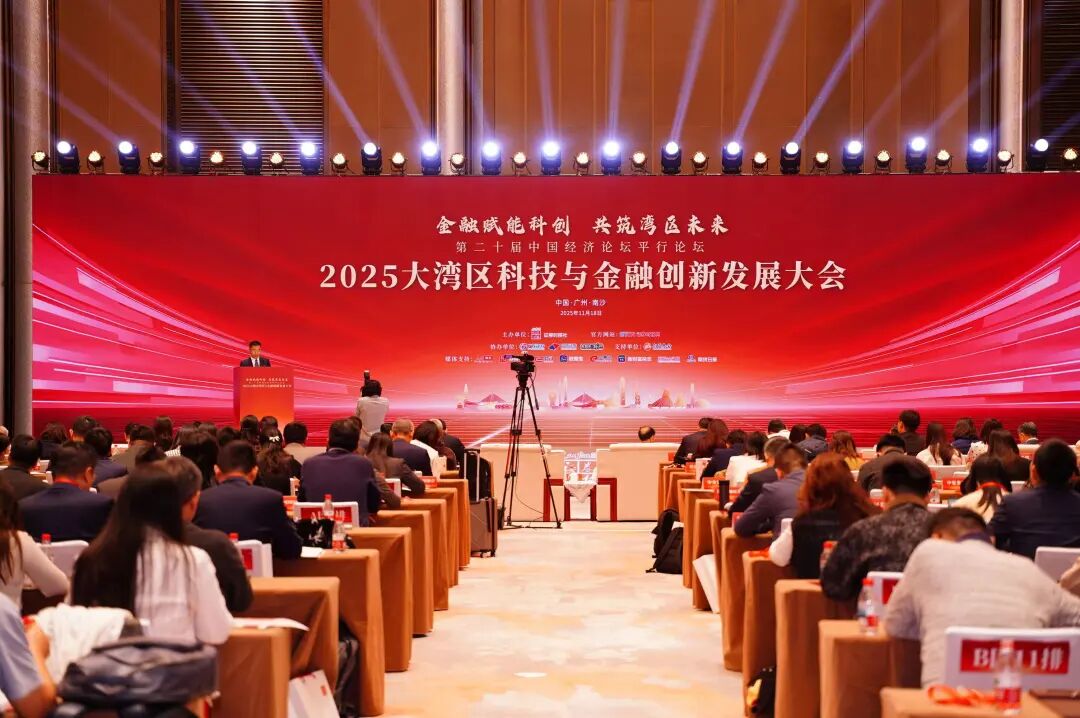
2025大湾区科技与金融创新发展大会成功举办
Zheng Quan Shi Bao Wang· 2025-11-19 07:10
广州期货交易所党委委员、副总经理李慕春在演讲中介绍,为助力绿色低碳转型,广期所近年来已陆续 推出工业硅期货与期权、碳酸锂期货与期权、多晶硅期货与期权。这些期货品种已在产业发展中发挥多 方面重要功能:价格发现作用良好,实物交割平稳运行,产业参与度逐步提高,同时投资者结构持续优 化,工业硅期货法人客户持仓占比达60%。下一步,广期所将聚焦加快打造绿色期货交易所,通过进一 步丰富完善品种体系、持续加强市场服务和培育、深入推进高水平对外开放,为绿色低碳转型贡献更多 期货力量。 原标题:多方聚力相向而行 共筑科技金融新生态丨2025大湾区科技与金融创新发展大会成功举办 11月18日,第二十届中国经济论坛平行论坛——2025大湾区科技与金融创新发展大会在广州南沙成功举 办。 当前,全球科技竞争格局深度调整,产业链加速重构,科技创新已成为大国博弈的核心战场。近年来, 国家层面发布的有关政策多次明确提出,要构建同科技创新相适应的科技金融体制,加强对国家重大科 技任务和科技型中小企业的金融支持,完善长期资本"投早、投小、投长期、投硬科技"的支持政策。作 为金融"五篇大文章"之首,科技金融的发展既呼应我国现代化产业体系建设导向, ...
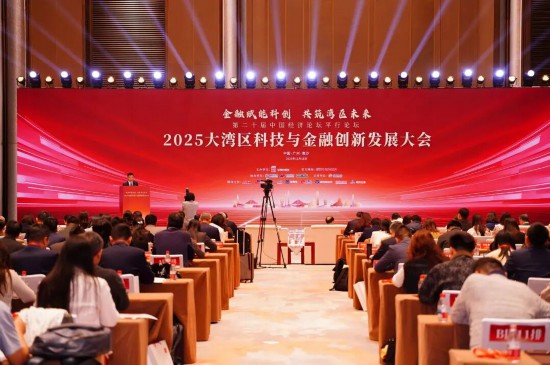
多方聚力相向而行 共筑科技金融新生态丨2025大湾区科技与金融创新发展大会成功举办
券商中国· 2025-11-18 15:10
11月18日,第二十届中国经济论坛平行论坛——2025大湾区科技与金融创新发展大会在广州南沙成功举办。 当前,全球科技竞争格局深度调整,产业链加速重构,科技创新已成为大国博弈的核心战场。近年来,国家层面发布的有关政策多次明确提出,要构建同科技创新 相适应的科技金融体制,加强对国家重大科技任务和科技型中小企业的金融支持,完善长期资本"投早、投小、投长期、投硬科技"的支持政策。作为金融"五篇大文 章"之首,科技金融的发展既呼应我国现代化产业体系建设导向,也为新质生产力培育注入关键动能。 此次活动会聚了券商、基金、银行、期货、上市公司、科技企业等领域近250名从业人士、专家、学者,以重磅嘉宾主题分享,传递了行业生态前沿洞察与深度思 考;以精彩的"头脑风暴"展现了"科技+金融"的一线创新实践。 洞见风向:探路科技金融新方向 总结"十四五"期间,金融创新赋能科技发展有哪些丰硕成果?展望"十五五",科技与金融创新的融合发展将如何进一步走深走实? 证券时报社党委书记、社长兼总编辑程国慧在致辞中指出,当前百年变局加速演进,新一轮科技革命和产业变革正向纵深推进,科技与金融创新如同车之两轮、鸟 之两翼,形成双向奔赴,共生共融的良 ...
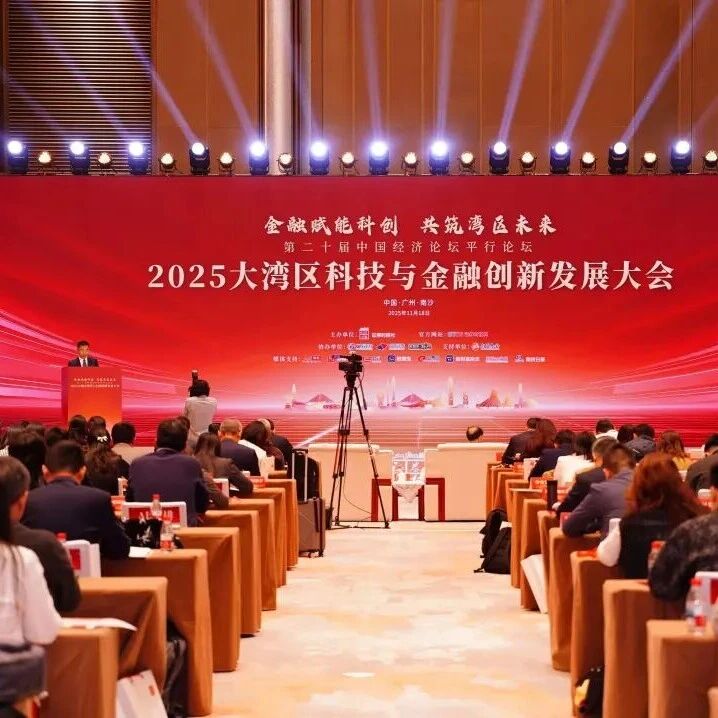
多方聚力相向而行 共筑科技金融新生态丨2025大湾区科技与金融创新发展大会成功举办
证券时报· 2025-11-18 13:34
11月18日,第二十届中国经济论坛平行论坛——2025大湾区科技与金融创新发展大会在广州南沙成功举办。 当前,全球科技竞争格局深度调整,产业链加速重构,科技创新已成为大国博弈的核心战场。近年来,国家层面发布的有关政策多次明确提出,要构建同科技创新 相适应的科技金融体制,加强对国家重大科技任务和科技型中小企业的金融支持,完善长期资本"投早、投小、投长期、投硬科技"的支持政策。作为金融"五篇大文 章"之首,科技金融的发展既呼应我国现代化产业体系建设导向,也为新质生产力培育注入关键动能。 此次活动会聚了券商、基金、银行、期货、上市公司、科技企业等领域近250名从业人士、专家、学者,以重磅嘉宾主题分享,传递了行业生态前沿洞察与深度思 考;以精彩的"头脑风暴"展现了"科技+金融"的一线创新实践。 证券时报社党委书记、社长兼总编辑程国慧在致辞中指出,当前百年变局加速演进,新一轮科技革命和产业变革正向纵深推进,科技与金融创新如同车之两轮、鸟 之两翼,形成双向奔赴,共生共融的良性互动,在大湾区这片创新沃土上科技金融的实践正不断结出硕果。科技与金融创新从来不是两条平行线,而是相互缠绕上 升的"双螺旋"。纵观全球湾区,旧金山以" ...
实探|流感季来袭:药店“神药”有存货,奥司他韦卷出1元/粒
Bei Ke Cai Jing· 2025-11-18 04:05
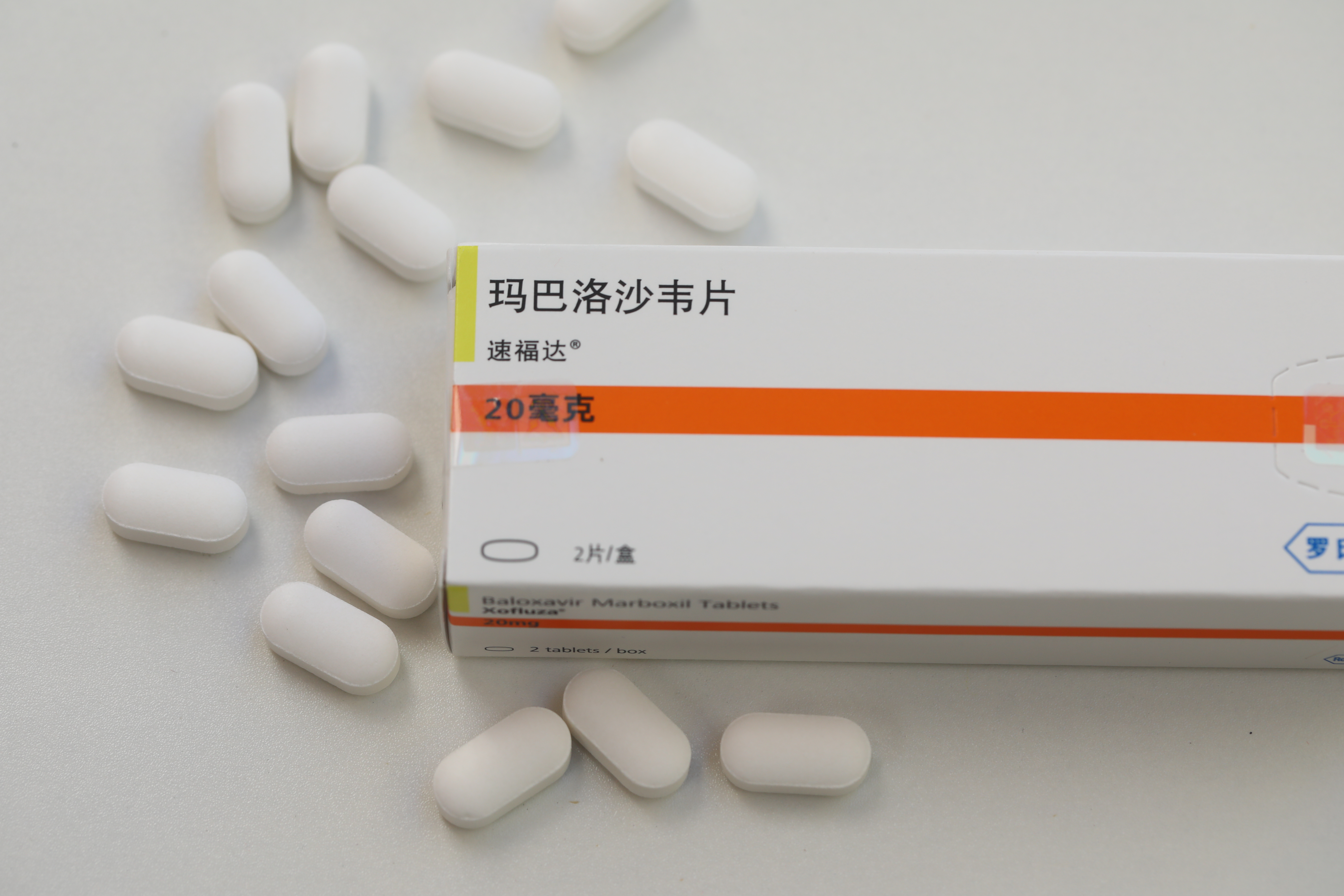
Core Viewpoint - The flu season in China is expected to peak in mid to late December and early January, leading to increased competition among flu medication manufacturers as prices drop to capture market share [5][8]. Group 1: Market Dynamics - Some flu medications have seen price reductions on e-commerce platforms, with the price of 20mg of Isodax dropping from 320 yuan to 196 yuan since November 3 [6]. - The market for flu medications is becoming increasingly competitive, with several new domestic flu drugs set to launch in 2025, challenging the previously dominant "miracle drug" status of Sufuda [8][23]. - Sufuda, a product of Roche, was initially priced at 498 yuan per box before being included in the national medical insurance directory, which reduced its price to 222.36 yuan [14]. Group 2: Supply and Demand - Sufuda is currently in ample supply, with prices in physical pharmacies ranging from 239 yuan to 258 yuan per box, and no immediate price adjustments are anticipated [10]. - The demand for Sufuda remains high, with reports indicating that it sells out quickly during peak seasons [9]. Group 3: Competitive Landscape - Oseltamivir, a traditional flu antiviral, holds over 80% market share in China's flu medication market, with prices significantly reduced due to increased competition and centralized procurement [16][19]. - The lowest bid price for Oseltamivir capsules has dropped to less than 1 yuan per capsule, marking an 85% decrease from previous prices [21]. - New domestic flu drugs, such as Isodax and Anruwei, are entering the market, aiming to capture a share of the growing demand for flu treatments [24][30]. Group 4: Regulatory Developments - The National Medical Products Administration has accepted new drug applications for several flu medications, indicating a proactive approach by domestic companies to expand their product offerings [28]. - Companies are also working to include their products in the medical insurance directory to enhance accessibility for patients [30][31].

单胺深化与新机制探索并行,抗抑郁药市场与新药研发进展几何?
Southwest Securities· 2025-11-14 05:54
Investment Rating - The report does not explicitly state an investment rating for the antidepressant drug industry Core Insights - Depression disorders are the most common mental disorders, characterized by persistent low mood, loss of pleasure, and decreased energy. The etiology remains unclear, with various hypotheses including the monoamine hypothesis and glutamatergic system abnormalities [5][23] - There are unmet clinical needs in depression treatment, including limited efficacy of current first-line antidepressants, slow onset of action, and the need for precision treatment for different subtypes and special populations [5][27] - The current market for antidepressants in China is substantial, with over 8 billion yuan in hospital sales, where SSRIs and SNRIs account for approximately 60% of the market share [5][6] - New drug development is focusing on deepening monoamine research, exploring amino acid classes, and other mechanisms, with a gradual entry into a harvest period for innovative drugs [5][6] Summary by Sections Unmet Clinical Needs - Current first-line antidepressants like SSRIs have limited efficacy, with about one-third of patients not achieving remission after multiple treatment steps [27] - The onset of current antidepressants is slow, typically requiring 1-4 weeks for initial improvement and 4-8 weeks to reach treatment goals, posing risks for patients during acute phases [27][28] - There is a need for precision treatment for different subtypes of depression and special populations such as children and the elderly [27] Market Overview - The antidepressant market in China saw over 8 billion yuan in sales, with SSRIs leading at 3.58 billion yuan (43.44% market share) and SNRIs at 1.42 billion yuan (17.18% market share) [5][6] - The top-selling antidepressants include escitalopram oxalate, agomelatine, and sertraline [5] Drug Development Trends - The report highlights ongoing research into monoamine neurotransmitter drugs, with 128 clinical-stage products targeting various mechanisms [5][6] - Innovative drugs are gradually entering the market, with one local innovative drug already launched and over twenty in clinical trials [5][6]
第七届粤港澳大湾区生物医药创新大会在广州隆重召开,千余名专家共话产业未来
Zheng Quan Shi Bao Wang· 2025-11-14 03:55
Core Insights - The 7th Guangdong-Hong Kong-Macao Greater Bay Area Biopharmaceutical Innovation Conference emphasizes the theme "Bay Area Innovation Navigates New Journey," focusing on discussions around innovative drug development, technology transfer, global compliance, and AI empowerment in new drug development [1][5] Group 1: Industry Trends - China's pharmaceutical industry is transitioning from a focus on generic drugs to early-stage innovation represented by Me too drugs and biosimilars, facing challenges such as insufficient payment systems, difficulties in international expansion, and limited capital patience [2] - The Guangdong province has reduced drug approval times from 200 working days to 60, supporting innovative drug projects with comprehensive policy assistance, resulting in 27 approved national Class 1 innovative drugs, ranking third in the country [2] - The Greater Bay Area has seen 14 overseas authorizations by Guangdong biopharmaceutical companies in 2024, accounting for nearly 16% of the national total, indicating initial success in internationalization [2] Group 2: Company Innovations - Dongyang Sunshine Pharmaceutical has developed multiple technology platforms and is transitioning from "following" to "leading" in the market, exemplified by a $1 billion licensing deal with UK-based Apollo for HEC88473 [3] - Kangfang Biopharma has achieved breakthroughs in tumor immunotherapy and set records for international licensing, including a $5 billion deal for its drug with Summit in the U.S., marking a significant milestone for Chinese innovative drugs [3] - Micron Biotech highlights that over 50% of IND approvals from the FDA in 2024 are from China, with 30% of global license-outs originating from the country, showcasing a shift from "following" to "reshaping the global landscape" [4] Group 3: Technological Advancements - AI is evolving from a supportive tool to a core engine in drug development, with companies like Baidu Biotech achieving significant improvements in research efficiency through AI collaborations [4] - The FDA's approval process for gene therapies reflects the balance between unmet clinical needs and safety concerns, emphasizing the importance of maintaining scientific rigor and patient safety in innovation [4] - The conference illustrates the confidence and capability of China's pharmaceutical innovation to transition from local to global markets, driven by policy support, technological breakthroughs, and corporate practices [5]

流感样病例占比高于历史同期,提示关注流感疫苗、病毒检测、药品等板块:流感疫情跟踪点评(20251112)
EBSCN· 2025-11-12 06:38
Investment Rating - The report maintains an "Overweight" rating for the pharmaceutical and biotechnology industry [1]. Core Insights - The incidence of influenza-like illness (ILI) has increased, with southern provinces reporting an ILI percentage of 4.6% in the 44th week of 2025, up from 4.1% the previous week and higher than the same period in 2022 (3.1%) and 2024 (3.3%), but lower than 2023 (5.9%). Northern provinces reported an ILI percentage of 5.1%, also higher than previous years [3][4]. - The report indicates a significant rise in flu cases compared to historical levels, suggesting a potential risk for a severe flu season in 2025 due to changes in circulating strains and the possibility of breaching herd immunity [3]. Summary by Sections Influenza Vaccine - The report highlights the low penetration rate of influenza vaccines in China, suggesting that the anticipated rise in flu cases could lead to increased demand for vaccines. Companies such as Hualan Biological Engineering, Baike Biological, and Gendik are recommended for investment [4]. Virus Detection - There is an expected increase in demand for respiratory virus diagnostic products due to the rise in respiratory infections. Companies with relevant products, such as Innotec, Shengxiang Biological, Botao Biological, and Wanfu Biological, are highlighted as potential beneficiaries [4]. Cold and Specialty Drugs - The demand for cold medications is expected to rise in Q4 2025, with sales likely exceeding market expectations. Companies such as Zhongsheng Pharmaceutical, China Resources Sanjiu, Kangyuan Pharmaceutical, Fangsheng Pharmaceutical, Jichuan Pharmaceutical, Yiling Pharmaceutical, Dongyangguang Pharmaceutical, Jian Kangyuan, and Te Yi Pharmaceutical are recommended for investment [5].
港股私有化热潮背后:跳出流动性困境 推动战略转型
Zheng Quan Shi Bao· 2025-11-06 17:56
Core Insights - The Hong Kong stock market is experiencing an unprecedented wave of privatizations, with over 20 companies delisted due to privatization as of November 6, surpassing the total of 15 for the entire year of 2024 [1] - Privatization has become a mainstream method for delisting in the Hong Kong market, accounting for 42.31% of all delisted companies this year, compared to 30.61% in 2024 [2] Summary by Category Market Trends - A total of 52 companies have been delisted from the Hong Kong stock market this year, with 28 due to cancellation of listing status and 22 due to privatization [2] - The privatization trend spans various sectors, including finance, real estate, consumer goods, and technology [2] Reasons for Privatization - Companies are primarily driven to privatize due to low valuations that do not reflect their true value, hindering further financing potential [2] - Low trading volumes have rendered public trading meaningless, prompting companies to seek privatization [3] Strategic Considerations - Strategic transformation needs are also a significant factor driving privatization, as seen with Dongfeng Group's plan to spin off its electric vehicle subsidiary, Lantu Motors, and privatize itself to focus on new energy vehicles [4] - Companies like Fosun Tourism Culture have cited long-term low stock prices and liquidity issues as reasons for their privatization decisions [4] Market Implications - Privatization allows companies to avoid stock price volatility, reduce listing costs, and focus on long-term strategic transformations and mergers [5] - The concentration of privatized companies in traditional industries may temporarily suppress market activity but is expected to attract new capital into emerging sectors in the long run [5] Resource Optimization - Privatization can enhance resource allocation and operational efficiency, as demonstrated by HSBC's plan to privatize Hang Seng Bank while maintaining customer interactions [6] - The process of privatization is seen as a way to eliminate public shareholder constraints, integrate resources, and improve management efficiency [6]




东阳光药集采丢标背后单一产品依赖下的生存危机
Xin Lang Cai Jing· 2025-11-06 07:36
Core Insights - The domestic pharmaceutical market is undergoing a new round of reshuffling, with the 11th batch of national drug procurement results recently announced, covering 55 varieties and 453 products in high-demand treatment areas such as anti-infection, diabetes, and hypertension [1] - Dongyang Sunshine Pharmaceutical's loss of the bid for Oseltamivir granules, which contributed over 75% of its revenue in 2023, poses a significant threat to its core business [1] - The company's heavy reliance on hospital channels for over 80% of its sales exacerbates the impact of this loss [1] Group 1: Company Challenges - Dongyang Sunshine Pharmaceutical's product structure is notably singular, leading to a weaker ability to withstand risks compared to peers like Heng Rui Medicine, which has previously faced similar challenges [1] - The company has over 100 products in research across infection, chronic disease, and oncology, indicating a desire for transformation, but significant concerns remain regarding the feasibility of this strategy [1][2] Group 2: Research and Development Issues - The company's R&D investment is characterized by a "high proportion, low absolute value," with R&D expenses of 348 million yuan in the first half of 2025, only one-tenth of Heng Rui's during the same period [2] - The broad but shallow pipeline in the infection sector faces competition from Roche's new drug Marbofloxacin, while insulin products in the chronic disease sector yield low profits despite winning bids [2] - The oncology drug Crizotinib is still in phase three clinical trials, lagging behind competitors, highlighting the company's insufficient R&D capabilities and funding reserves [2] Group 3: Industry Context - Dongyang Sunshine Pharmaceutical's predicament reflects the broader challenges faced by Chinese pharmaceutical companies under the dual pressures of national procurement and the need for innovative transformation [2] - The loss of the bid serves as a performance warning and a survival test for companies still reliant on single-product strategies [2]
