华大基因

Search documents
二十而励,向新而行:深商盛典勾勒中国企业未来突围路径
Tai Mei Ti A P P· 2026-01-19 09:03
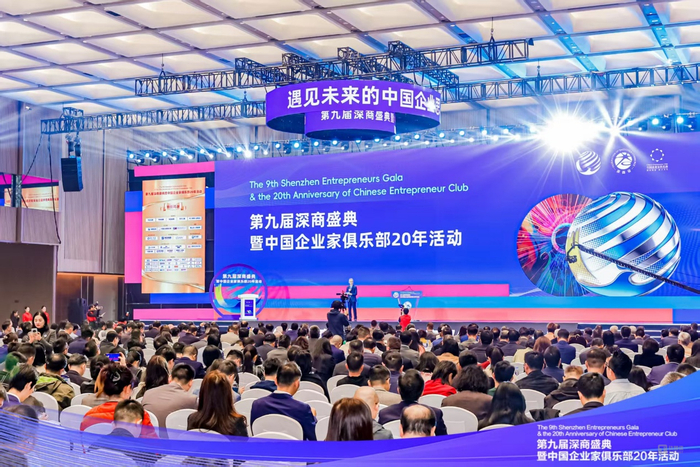
Group 1 - The event highlighted the transformation of Chinese enterprises over the past two decades, evolving from followers in the global supply chain to pioneers in emerging strategic industries [2] - The "going global" strategy of Chinese companies has shifted from mere product exports to a systematic approach involving business models, industrial capabilities, and supply chains [2] - Emphasis was placed on leveraging technological innovation as a driving force for high-quality development and global expansion [2] Group 2 - The era of general artificial intelligence is accelerating, fundamentally reshaping industry forms and business logic, with a projected 1000-fold increase in per capita token consumption in China by the end of 2025 [3] - The Chinese automotive industry is transitioning from electrification to intelligent competition, with breakthroughs in core technologies like autonomous driving being crucial for global leadership [3] - The integration of traditional industries with technological innovation showcases diverse paths for innovation among Chinese enterprises [3] Group 3 - The core value of Luzhou Laojiao lies in its 450-year-old microbial community, which is being enhanced through modern technology, including AI for process innovations [4] - The wealth management market in China is expected to grow significantly, with household assets projected to reach 440 trillion yuan by 2030, indicating a shift in investment strategies [4] - The future development path for Chinese enterprises is clear: leveraging technological breakthroughs for industrial upgrades, focusing on user value and quality management, and fostering a symbiotic relationship between cultural heritage and technological empowerment [4]

王永:长期主义是前路愈难,依然能找到继续前行的方向
Xin Lang Cai Jing· 2026-01-19 06:24
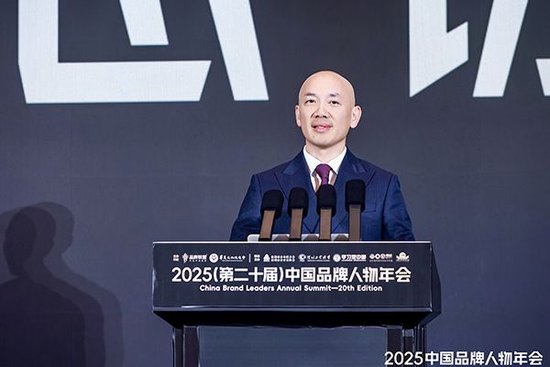
Core Insights - The 20th China Brand Person Annual Conference is set to take place on December 29, 2025, in Shenzhen, focusing on the theme "Who Earns Respect for China" and aims to gather over 2,000 elites from various sectors to reflect on the development of Chinese brands and explore new trends and opportunities in brand building [3][24]. Group 1: Acknowledgments and History - The conference celebrates the 20th anniversary of the Brand Alliance, which has been pivotal in promoting Chinese brand development since its establishment on December 18, 2005 [6][27]. - Key figures in the Brand Alliance's history include Wang Yong, Ai Feng, and Liu Donghua, who have played significant roles in its establishment and growth [4][25]. - The Brand Alliance has received support from various government leaders and has hosted events in multiple cities, including Guangzhou, Haikou, and Sanya, showcasing the collaborative efforts across regions [7][28]. Group 2: Tribute to Brand Figures - The conference pays tribute to numerous brand figures who have made significant contributions to the global respect for Chinese brands, including scientists, economists, media personalities, and sports figures [10][31]. - The importance of long-term commitment in brand development is emphasized, highlighting that perseverance is crucial in overcoming challenges [11][32]. Group 3: Economic Landscape and Future Outlook - The economic landscape has shifted dramatically, moving away from rapid growth to a new era that requires meticulous cultivation and adaptation [12][33]. - The conference highlights the transition of China from being the "world's factory" to becoming the "world's market," presenting significant opportunities for growth, particularly in the next decade with substantial investments projected in various regions [19][40]. - Plans for the 2026 China Brand Going Global Expo in Hainan are announced, aiming to facilitate the international expansion of Chinese brands [21][42]. Group 4: Embracing AI and Innovation - The establishment of a joint venture, Brand Alliance Intelligent Co., aims to leverage AI to empower various industries and enhance the competitiveness of Chinese brands [21][42]. - The focus on AI is seen as a critical driver for business growth, with a shift from merely having AI capabilities to integrating AI into business operations for measurable outcomes [21][42].
医药行业周报(26/1/12-26/1/16):美股肿瘤基因检测行业加速发展,积极关注国内机会-20260119
Hua Yuan Zheng Quan· 2026-01-19 04:35
Investment Rating - The investment rating for the pharmaceutical industry is "Positive" (maintained) [4] Core Viewpoints - The US tumor gene testing industry is accelerating, and there are positive domestic opportunities. The market for gene testing has low penetration rates but high growth potential, particularly in colorectal cancer early screening, treatment selection, and minimal residual disease (MRD) testing, which are all billion-dollar markets [3][8] - The report emphasizes the importance of innovation in the pharmaceutical sector, highlighting that the Chinese pharmaceutical industry has completed a transition from old to new growth drivers, particularly in innovative drugs. Companies like Heng Rui Medicine and Han Sen Pharmaceutical have made significant strides in innovation [5][41] - The report suggests that the aging population and the increasing demand for healthcare services will continue to drive growth in the pharmaceutical industry, supported by a multi-layered payment system and advancements in technology such as AI and brain-computer interfaces [41][42] Summary by Sections Market Performance - From January 12 to January 16, the pharmaceutical index fell by 0.68%, with 202 stocks rising and 261 falling. The top gainers included Baolait (up 48.76%) and Hualan Biological (up 32.72%), while the biggest losers were Sunflower (down 37.48%) and *ST Changyao (down 33.33%) [5][25][27] Gene Testing Industry - The report highlights the rapid development of the US tumor gene testing industry, with companies like Natera and Guardant Health showing impressive revenue growth. Natera's Q4 2025 revenue reached $660 million, a 39% year-on-year increase, while Guardant Health's revenue for the same period was $280 million, also up 39% [8][9] - The report notes that the domestic gene testing market is expected to grow rapidly, with companies like BGI and Edan Diagnostics actively positioning themselves in the MRD and early screening sectors [24][22] Investment Recommendations - The report recommends focusing on strong fundamentals and undervalued stocks in the innovative drug sector, including companies like Xinyi Tai, Zecjin Pharmaceutical, and Shanghai Yizhong. It also suggests monitoring emerging technologies in healthcare, such as AI and brain-computer interfaces, which are expected to see significant advancements in 2026 [5][45][44] - Specific investment combinations for January include Xinyi Tai, China Biologic Products, and Sanofi Pharmaceutical, among others [45]





华大基因1月16日获融资买入1.07亿元,融资余额11.27亿元
Xin Lang Cai Jing· 2026-01-19 01:39
1月16日,华大基因跌6.85%,成交额11.68亿元。两融数据显示,当日华大基因获融资买入额1.07亿 元,融资偿还2.42亿元,融资净买入-1.36亿元。截至1月16日,华大基因融资融券余额合计11.31亿元。 融资方面,华大基因当日融资买入1.07亿元。当前融资余额11.27亿元,占流通市值的5.09%,融资余额 超过近一年90%分位水平,处于高位。 融券方面,华大基因1月16日融券偿还3.37万股,融券卖出3300.00股,按当日收盘价计算,卖出金额 17.49万元;融券余量6.05万股,融券余额320.65万元,低于近一年30%分位水平,处于低位。 资料显示,深圳华大基因股份有限公司位于广东省深圳市盐田区梅沙街道云华路9号华大时空中心B区8 层,成立日期2010年7月9日,上市日期2017年7月14日,公司主营业务涉及通过基因检测、质谱检测、 生物信息分析等多组学大数据技术手段,为科研机构、企事业单位、医疗机构、社会卫生组织等提供研 究服务和精准医学检测综合解决方案。主营业务收入构成为:精准医学检测综合解决方案42.67%,生 育健康基础研究和临床应用服务26.12%,多组学大数据服务与合成业务17 ...
周末重点速递 | 券商:可回收火箭从0到1迈入黄金发展阶段;空天资源紧缺 商业航天业务有望爆发
Mei Ri Jing Ji Xin Wen· 2026-01-18 15:20
Group 1: Policy Changes and Economic Outlook - The People's Bank of China and the National Financial Regulatory Administration announced a minimum down payment ratio of 30% for commercial property loans, allowing local authorities to set lower limits based on city-specific conditions [1] - In 2026, China's fiscal and monetary policies are expected to remain similar to those of 2025, with a projected economic growth rate of around 4.5% and export growth stabilizing at approximately 4% [2][3] - The anticipated easing of monetary policy may include a 20 basis point interest rate cut and a reserve requirement ratio reduction of 25 to 50 basis points [2] Group 2: Commercial Aerospace Sector - The commercial aerospace sector is expected to experience significant growth driven by policy support, international regulations, and the urgent need for satellite launches, with a projected gap of about 2,500 satellites in the next five years [5] - SpaceX's model of reusability and cost reduction is seen as a benchmark for China's commercial aerospace industry, with domestic companies like Blue Arrow and Star River accelerating their development of reusable rocket technologies [6][7] - Key investment opportunities include satellite production and rocket manufacturing, with recommendations for companies involved in phased production and cost reduction technologies [6][7] Group 3: AI and Healthcare Industry - The "AI + Healthcare" sector is poised for transformation, supported by government policies aimed at promoting AI applications in high-end medical equipment and telemedicine [8] - The global market for AI healthcare solutions is projected to grow from $13.7 billion in 2022 to $155.3 billion by 2030, with a compound annual growth rate (CAGR) of 35.5% [9] - Companies in AI-driven pharmaceuticals, imaging, diagnostics, and healthcare services are expected to benefit significantly, with specific recommendations for firms like Crystal Tech Holdings and iFlytek Medical Technology [10]
股东回馈“太卷了”,实物送礼与分红规划双管齐下
Huan Qiu Wang· 2026-01-18 01:53
Core Viewpoint - A-share listed companies are increasingly engaging in shareholder return activities, combining "creative" physical gifts with systematic cash dividend plans, reflecting a new trend in the market [1][6]. Group 1: Shareholder Return Activities - Companies like Haoxiangni are offering exclusive purchasing rights for holiday gift boxes at 50% off retail prices, leading to a stock price increase of over 20% since January 8 [1]. - In 2025, over 40 companies are expected to disclose shareholder return or gifting activities, marking a historical high and indicating a growing emphasis on sharing development results with investors [1][2]. - Industries most active in these activities include food and beverage, basic chemicals, pharmaceuticals, and home appliances, with notable companies like Qianwei Yangchun and Northeast Pharmaceutical participating [2]. Group 2: Market Reactions - The market has responded positively to these "creative" gifting activities, with average stock price increases outpacing the CSI 300 index following announcements [3]. - Companies such as Rongtai Health and Emei Mountain A experienced significant stock price surges post-announcement, with Huada Gene seeing a cumulative increase of over 70% within ten trading days [3]. - However, some companies like Bona Film Group and Innotech saw stock price declines after their announcements, indicating that while these activities can boost short-term sentiment, long-term performance will revert to fundamentals [3]. Group 3: Financial Performance and Dividend Plans - Many companies engaging in shareholder returns are showing strong financial performance, with Lianhua Holdings projecting a net profit of 290 million to 330 million yuan in 2025, a year-on-year increase of 43.15% to 62.9% [5]. - Approximately 60% of the 40 companies involved in return activities are expected to see growth or turnaround in 2025, with 90% projected to have net profit growth exceeding 10% in 2026 [5]. - Some companies have established long-term cash dividend plans, with 10 companies committing to distribute at least 10% of their distributable profits over the next three years, signaling a commitment to shareholder returns [6].
任泽平年度演讲:中国经济十大预测2025
泽平宏观· 2026-01-17 02:42
Core Viewpoint - The article presents ten major predictions for the Chinese economy in 2025, emphasizing the emergence of a new cycle and era, the global interest rate reduction, the fourth technological revolution, and the importance of adapting to new trends and opportunities in various sectors [2][3][4][5][6][7][8][9][10][11]. Group 1: New Economic Cycle and Global Trends - A new economic cycle and era are emerging, encouraging adaptation to new trends and opportunities [2][3]. - The global economy is entering a new interest rate reduction cycle, with significant implications for monetary policy and economic growth [3][40]. - The return of Trump to the White House (Trump 2.0) is expected to create uncertainties, including inflation and trade tensions, impacting global economic dynamics [3][42][44]. Group 2: Technological Revolution - The fourth technological revolution is underway, with breakthroughs in artificial intelligence, renewable energy, commercial aerospace, low-altitude economy, and biomanufacturing [4][55][57]. - AI is expected to experience explosive growth, with applications in image recognition, humanoid robots, AI assistants, and consumer electronics [6][11]. - The low-altitude economy is gaining traction, with potential applications in logistics and urban management, creating a multi-trillion market [8][59]. Group 3: Economic Policies and Domestic Growth - China is initiating macroeconomic easing to boost confidence and economic growth, focusing on new infrastructure and productivity [5][73]. - The government is implementing policies to stabilize the real estate market and promote consumption, with a focus on enhancing the business environment for private enterprises [78][87]. - The emphasis on new infrastructure includes advancements in new energy systems, digital economy, and artificial intelligence, positioning China for future growth [81][84]. Group 4: Globalization and Market Expansion - Chinese enterprises are shifting from export to global expansion, tapping into larger international markets [6][92]. - The rise of successful Chinese companies in overseas markets, such as SHEIN and TikTok, illustrates the potential for growth beyond domestic borders [96][111]. - Southeast Asia is identified as a key target for Chinese companies due to its growing market and favorable conditions for investment [101]. Group 5: Aging Population and Consumer Trends - The aging population presents opportunities in the silver economy, emphasizing the need for policies to boost birth rates and early childhood development [11]. - Consumer behavior is shifting towards interest-based spending, with cultural consumption and local trends gaining popularity among younger demographics [9][30].



太卷了!上市公司“花式”回馈股东,10家公司同时明确分红规划
Zheng Quan Shi Bao· 2026-01-17 01:22
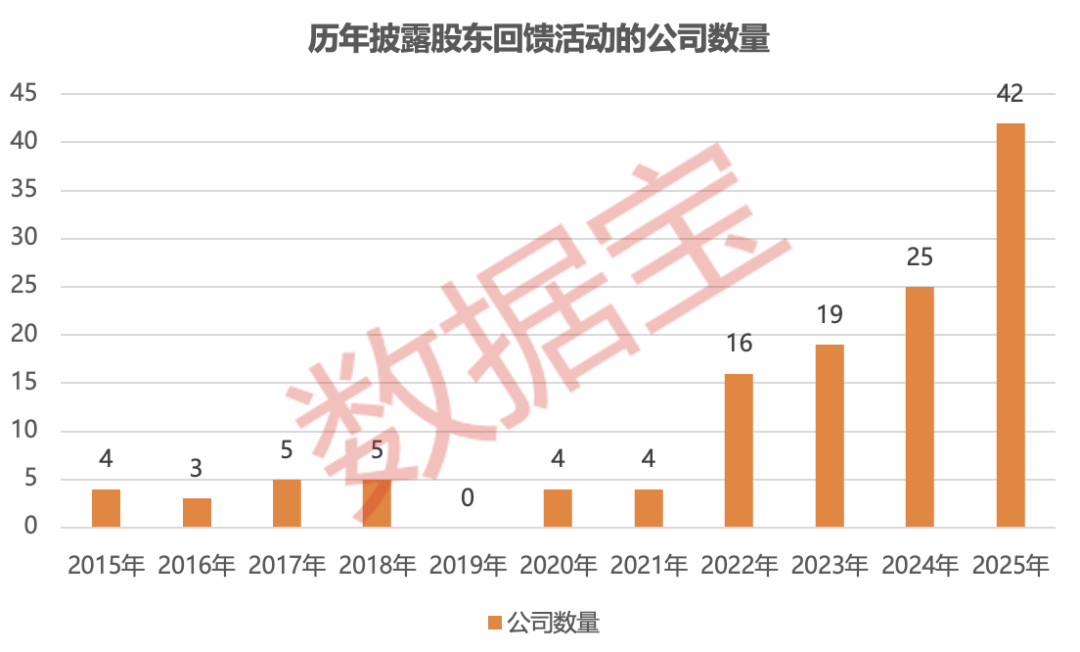
Group 1 - A-share listed companies are actively engaging in shareholder reward activities, with "Hao Xiang Ni" announcing a voluntary information disclosure regarding exclusive purchasing rights for shareholders at discounted prices [1] - Since January 8, "Hao Xiang Ni" has seen its stock price increase by over 20% [1] - The number of companies engaging in shareholder reward activities has reached a historical high, with over 40 companies reported in 2025 alone [2] Group 2 - From 2015 to 2025, nearly 130 companies have disclosed over 140 reward activity announcements, with a noticeable increase since 2022 [2] - The majority of these companies are in the food and beverage, basic chemicals, pharmaceutical and biological, and home appliance industries [2] - In 2025, companies like "Dongbei Pharmaceutical" and "He Shi Eye Hospital" offered exclusive benefits related to their products and services to shareholders [4] Group 3 - The market response to these reward activities has been mixed, but overall, companies involved have outperformed the CSI 300 index [5] - Average stock price increases for companies engaging in reward activities from 2015 to 2025 were 0.8% on the announcement day, with subsequent increases of 0.23%, 0.44%, and 0.47% over the following days [6] - In 2025, companies like "Rongtai Health" and "Emei Mountain A" experienced significant stock price increases following their announcements [7] Group 4 - Companies that have conducted shareholder reward activities since 2025 have seen an average stock price increase of nearly 25%, with some companies like "Haoen Automotive" and "Tian Chuang Fashion" exceeding 100% [8] - Financial forecasts indicate that many companies are expected to achieve profit growth in 2025 and 2026, with some companies like "Xiangyuan Culture" and "Shuiyang Co." projected to have net profit increases exceeding 45% [8] - Ten companies have established future dividend plans, with "Haoen Automotive" committing to distribute at least 10% of their annual distributable profits in cash from 2025 to 2027 [9][10]
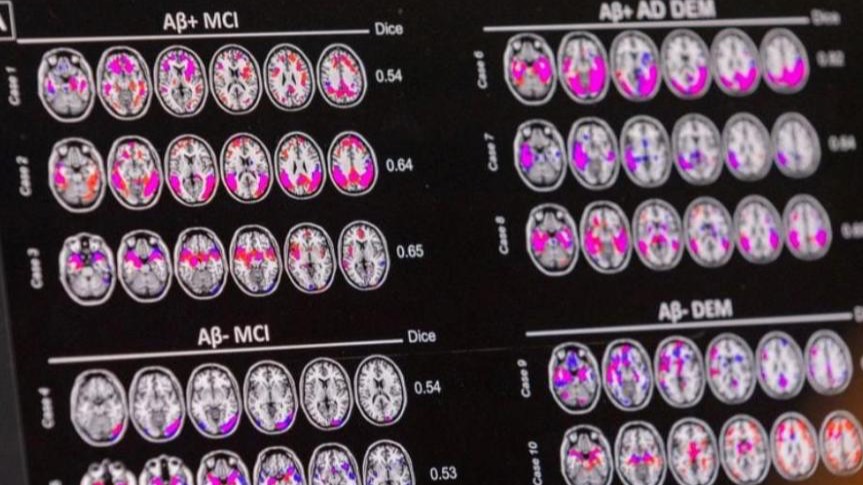
“滴血测痴呆”时代来临
第一财经· 2026-01-16 08:03
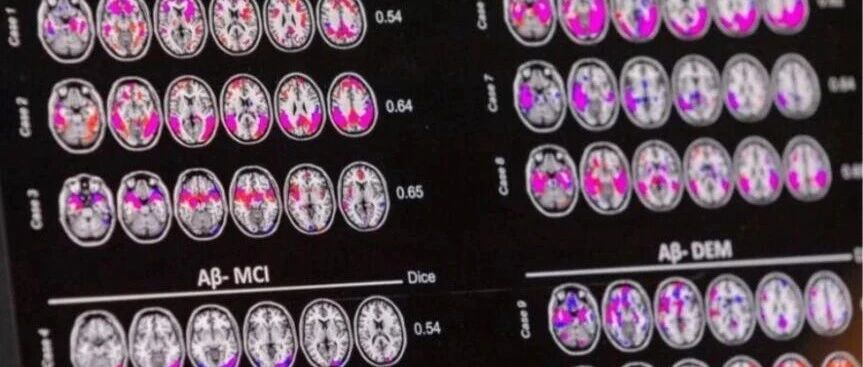
Core Viewpoint - The article discusses the advancements in early detection of Alzheimer's disease (AD) through blood tests, highlighting the approval of new diagnostic tools that could significantly improve screening and monitoring for the disease [3][4]. Group 1: Blood Test Approvals and Developments - Roche Diagnostics received approval for its Alzheimer's blood test reagent in Hainan Province, China, which will be used clinically to exclude Alzheimer's-related amyloid pathology [3]. - The FDA approved Roche's blood test for use in primary care settings, achieving a diagnostic accuracy of 97.9% in a clinical trial involving 312 participants [3]. - Fujirebio's Alzheimer's blood test also received FDA approval and plans to enter the Chinese market in collaboration with partners [3]. Group 2: Importance of Early Detection - Alzheimer's disease accounts for 60% to 80% of all dementia cases globally, making early diagnosis crucial for effective treatment [5]. - The new blood testing methods are expected to facilitate early diagnosis and screening, allowing patients to receive treatment sooner [5]. - Traditional diagnostic methods, such as lumbar punctures and PET scans, are expensive and uncomfortable, presenting challenges for widespread clinical testing [5]. Group 3: Clinical Applications and Guidelines - Blood biomarkers for Alzheimer's have two main clinical uses: as a triage tool to determine the need for further testing and for direct pathological identification of amyloid proteins [6]. - The sensitivity and specificity thresholds for blood biomarkers are set at 90% and 75% respectively for triage testing, and both must exceed 90% for direct pathological identification [6]. - Despite the approval of several blood tests, they cannot yet serve as standalone diagnostic tools for Alzheimer's disease [6].

多款试剂已投入临床应用,“滴血测痴呆”时代来临
Di Yi Cai Jing· 2026-01-16 07:19
Core Viewpoint - The adoption of blood testing methods for Alzheimer's disease (AD) will facilitate early diagnosis and screening, allowing patients to receive treatment sooner. Current AD drugs on the market are effective only for early-stage patients [1][4]. Group 1: Blood Testing Developments - Roche Diagnostics' blood test for Alzheimer's disease has received approval from the Hainan Provincial Drug Administration for clinical use, achieving a diagnostic accuracy of 97.9% in a trial involving 312 participants [3]. - Fujirebio's blood test for Alzheimer's disease was also approved by the FDA in May 2022, with plans to introduce it to China in collaboration with partners [3]. - BGI's Alzheimer's blood test product is expected to receive approval from Chinese regulatory authorities in April 2024 and is already being promoted as an auxiliary detection tool in multiple cities [3]. Group 2: Clinical Implications and Challenges - Alzheimer's disease accounts for 60% to 80% of all dementia cases globally, highlighting the need for effective early detection methods [4]. - Traditional detection methods, such as lumbar puncture and PET scans, are expensive and uncomfortable, posing challenges for large-scale clinical testing [4]. - New blood testing methods can be combined with other diagnostic approaches, providing a cost-effective means for early screening and ongoing monitoring, especially in the elderly population [4]. Group 3: Clinical Utility of Blood Biomarkers - According to the latest guidelines from the International Alzheimer's Association, blood biomarkers serve two main clinical purposes: as a triage tool to determine the need for further PET scans or cerebrospinal fluid tests, and for direct pathological identification of amyloid proteins [5]. - A blood biomarker with sensitivity ≥90% and specificity ≥75% can be used as a triage test, while those meeting or exceeding 90% for both can replace PET imaging or cerebrospinal fluid tests for pathological identification [5]. Group 4: Current Application and Limitations - Blood testing for Alzheimer's disease is being deployed as an auxiliary method in several hospitals across China, although it cannot yet serve as an independent diagnostic criterion [6].