奇瑞汽车

Search documents
11.24犀牛财经晚报:百亿私募大佬因净值跑输指数致歉 Meta计划进军电力交易市场
Xi Niu Cai Jing· 2025-11-24 10:27
Group 1: Financial Products and Investment Performance - The issue of inflated returns on bank wealth management products has gained significant attention, with many investors reporting discrepancies between advertised and actual returns [1] - Industry experts call for standardized performance displays and emphasize the need for investors to develop a more professional and rational understanding of performance benchmarks [1] - Liang Hong, a prominent private equity manager, publicly apologized for underperforming against major indices, attributing the decline to three main factors: heavy investments in innovative drugs, hardware companies, and stablecoin stocks [1][2] Group 2: Robotics and Electric Vehicles - The Ministry of Industry and Information Technology announced the establishment of a standardization committee for humanoid robots, with representatives from several listed companies included [2] - According to TrendForce, global sales of new energy vehicles reached 5.39 million units in Q3 2025, marking a 31% year-on-year increase, with battery electric vehicles (BEVs) growing by 48% [2] Group 3: Corporate Developments and Investments - Tuozhu denied reports of Tencent's investment in its latest funding round, stating that no current financing is taking place [3] - Jiangxi Changyun announced plans to publicly transfer land use rights and assets for 7.787 million yuan [5] - Longqi Technology's subsidiary plans to invest 30 million yuan in a venture capital fund focused on the intelligent industry [6] - Jusaylong intends to increase its subsidiary's capital by 170 million yuan through a debt-to-equity swap [7] - ST Sansheng received 254 million yuan from restructuring investors [8] - Lege Co., Ltd. plans to repurchase shares worth 40 to 80 million yuan [9] - Petty Co., Ltd. announced a share buyback plan of 50 to 70 million yuan [11] Group 4: Market Performance - The market showed a rebound with all major indices closing in the green, driven by strong performances in the aerospace, military, and AI application sectors [15] - The total trading volume in the Shanghai and Shenzhen markets was 1.73 trillion yuan, reflecting a decrease from the previous trading day [15]


劳斯莱斯等顶级豪车退群,海外品牌自救,这届广州车展还有哪些趋势?
3 6 Ke· 2025-11-24 10:14
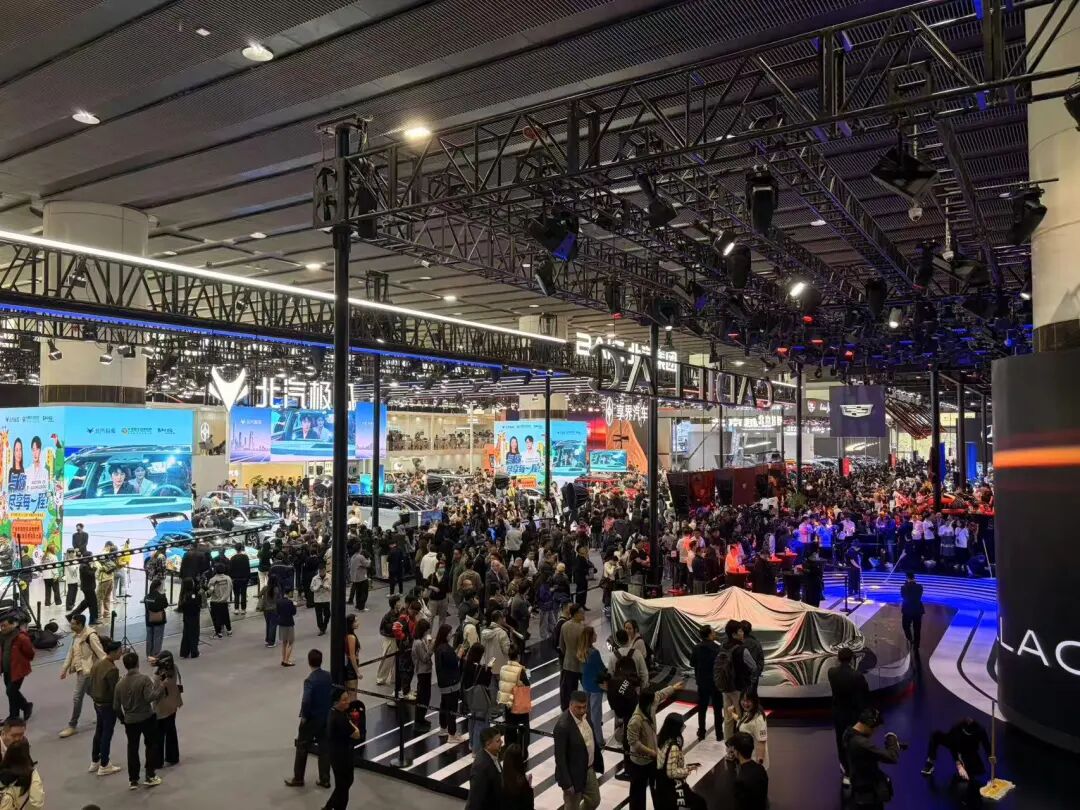
Core Insights - The automotive industry is shifting from a "price war" to a "value war," focusing on product quality and features rather than just pricing strategies [2][5][15] - The Guangzhou Auto Show reflects a more pragmatic approach, with companies emphasizing self-improvement and local partnerships, particularly with Huawei [6][9][11] - Consumer behavior is becoming more rational, with a greater focus on product quality and functionality rather than brand loyalty or emotional appeal [15][17] Industry Trends - The current Guangzhou Auto Show has fewer high-profile executives and new models, indicating a shift towards marketing and sales of existing models [1] - The competition among car manufacturers is increasingly centered on product performance and quality, moving away from aggressive pricing strategies [2][3] - There is a notable increase in the number of D-class SUVs being launched, with over 10 new models introduced in the second half of the year, priced between 200,000 to 500,000 yuan [3][5] Brand Strategies - Domestic brands are focusing on enhancing value rather than cutting prices, with many introducing advanced features in new models without reducing prices [5][12] - Foreign brands are increasingly localizing their operations, with many models developed by domestic teams and collaborations with local suppliers [6][8] - Major foreign brands like Mercedes, BMW, and Audi are adopting more competitive pricing strategies, with some models priced lower than domestic competitors [8][12] Consumer Behavior - Consumers are showing a more practical approach to purchasing decisions, focusing on the alignment of products with their needs rather than emotional factors [15][17] - The trend of rapid product iteration in the automotive sector has led to a more discerning consumer base, with buyers prioritizing quality and functionality [17] - The overall sentiment suggests that the automotive industry will continue to face intense competition, but with a more mature and rational market environment in the coming years [15][17]



蔚来发布ET9地平线特别版,BaaS价71万元起;全新奇瑞QQ3明年一季度上市丨汽车交通日报
创业邦· 2025-11-24 10:13
Group 1 - Extreme Auto experienced a network failure causing the app to show vehicles as "offline," impacting remote control features. The company responded quickly, stating that the issue was resolved by the technical team, and they will continue to optimize system stability for user experience [2] - BYD's chairman Wang Chuanfu personally delivered a car to Fang Hongbo, the chairman of Midea Group, who became the owner of the Yangwang U8L model [2] - NIO launched the ET9 Horizon Special Edition at the 2025 Guangzhou Auto Show, with a starting price of 818,000 yuan. If purchased with the BaaS battery rental option, the price drops to 710,000 yuan [2] - Chery announced that the all-new QQ3 will be launched in the first quarter of 2026, featuring a new design language and built on the T12 pure electric platform. It will include advanced driving assistance systems and a 90kW rear-mounted motor, though details on range and battery capacity are not yet available [2]

三联锻造:对奇瑞汽车无直接或持股情况
Ge Long Hui· 2025-11-24 07:16
Core Viewpoint - Sanlian Forging (001282.SZ) indirectly supplies products to Chery Automobile, including components such as fork shafts, stainless steel high-pressure common rails, wheel hubs, and crankshafts, but has no direct ownership or stake in Chery Automobile [1] Group 1 - Sanlian Forging is an indirect supplier to Chery Automobile [1] - The products supplied to Chery include fork shafts, stainless steel high-pressure common rails, wheel hubs, and crankshafts [1] - There is no direct ownership or shareholding relationship between Sanlian Forging and Chery Automobile [1]
三联锻造(001282.SZ):对奇瑞汽车无直接或持股情况
Ge Long Hui· 2025-11-24 07:14
Core Viewpoint - Sanlian Forging (001282.SZ) indirectly supplies products to Chery Automobile, including components such as fork shafts, stainless steel high-pressure common rails, wheel hubs, and crankshafts, but has no direct ownership or stake in Chery Automobile [1] Group 1 - Sanlian Forging is an indirect supplier to Chery Automobile [1] - The products supplied to Chery include fork shafts, stainless steel high-pressure common rails, wheel hubs, and crankshafts [1] - There is no direct relationship or shareholding between Sanlian Forging and Chery Automobile [1]
从“四轮”到“双翼”与“双腿”,车企创新狂飙新赛道
Zhong Guo Qi Che Bao Wang· 2025-11-24 06:47
Core Insights - The emergence of humanoid robots, flying cars, and the integration of these technologies into the automotive industry is a significant trend, with companies like XPeng and Tesla leading the charge [2][4][10] - XPeng's new humanoid robot, IRON, has garnered attention for its advanced capabilities, including a lifelike appearance and improved interaction systems, reflecting the company's commitment to innovation [3][8] - The automotive industry is witnessing a shift towards a multi-dimensional business model that includes robotics and aerial vehicles, indicating a broader transformation in transportation [2][11] Group 1: XPeng's Developments - XPeng's IRON robot features upgrades in bionic structure, intelligent systems, and energy architecture, making it more human-like [3] - The company has successfully trialed its flying car production line, marking a milestone in the mass production of flying vehicles [3][8] - XPeng plans to launch three Robotaxi models by 2026, utilizing a vision-based system for navigation without relying on Lidar [3][12] Group 2: Industry Trends - Tesla has been a pioneer in the integration of automotive and robotics, launching its Cybercab Robotaxi and expanding its humanoid robot production [4][10] - Other automakers, such as GAC and Chery, are also advancing in the fields of autonomous driving and flying vehicles, indicating a competitive landscape [5][6] - The collaboration between companies and research institutions is becoming a common strategy to enhance capabilities in these emerging sectors [9][10] Group 3: Market Dynamics - The integration of automotive, robotics, and flying vehicles is seen as a necessary evolution in response to changing transportation needs and technological advancements [11][12] - Experts suggest that while the current focus is on innovation, traditional automotive manufacturing remains crucial for sustaining competitive advantages [15] - The development of a cohesive ecosystem for these technologies is still in its early stages, with challenges in achieving a self-sustaining business model [14][15]

2025年中国超疏水材料行业制备方法、发展历程、市场规模、重点企业及未来趋势研判:新材料产业蓬勃发展,超疏水技术引领行业创新[图]
Chan Ye Xin Xi Wang· 2025-11-24 01:04
内容概况:超疏水材料是一种具有独特性质的新型材料,其灵感源于荷叶效应。这种材料在接触到水滴 时,能够使其迅速滑落,展现出优异的自清洁能力。从科技前沿到日常生活,超疏水材料在多个领域展 现出广阔的应用前景。它不仅能够为建筑玻璃、室外设施提供免清洗的洁净表面,还可覆盖于金属材料 表面形成高效防腐蚀屏障,显著延长构件使用寿命;基于对水生昆虫的仿生学研究,该材料为研制水上 行走设备乃至实现水上飞行提供了技术可能;在船舶制造领域,通过在船体覆盖超疏水薄膜,可有效降 低航行阻力,实现显著的节能效益。近年来,随着纳米制备技术的突破与应用场景的持续拓展,中国超 疏水材料行业实现了跨越式发展。数据显示,中国超疏水材料行业市场规模从2017年的16.8亿元增长至 2024年的158.04亿元,年复合增长率为37.74%,预计2025年中国超疏水材料行业市场规模将增长至 212.52亿元。未来,随着材料耐久性持续提升、生产成本逐步优化,以及在新能源、海洋工程与柔性电 子等新兴领域融合深化,中国超疏水材料行业有望延续高增长态势,成为推动新材料产业创新与实现绿 色可持续发展的重要力量。 相关上市企业:瑞华泰(688323)、国风新材( ...

“油”又回来了?纯电车企重拾油箱 燃油巨头要做下一代油车
Nan Fang Du Shi Bao· 2025-11-22 15:28
Core Insights - The automotive industry is witnessing a shift where electric vehicle (EV) manufacturers are reintroducing fuel-powered vehicles, indicating a trend towards hybrid and range-extended technologies [1][4][6] - Major automakers, including joint ventures and independent brands, are adopting a dual approach of fuel and electric vehicles, emphasizing the coexistence of both technologies in the market [3][7][11] Group 1: Market Trends - At the 2025 Guangzhou Auto Show, several brands that previously identified as "pure electric" are now showcasing range-extended models, such as the Xiaopeng X9 and Zeekr 9X, highlighting a return to fuel technology [1][4] - The trend is supported by industry experts who predict that internal combustion engine vehicles will still account for about one-third of new car sales by 2040, as per the "Energy Saving and New Energy Vehicle Technology Roadmap 3.0" [10][11] Group 2: Consumer Demand and Technology - The re-emergence of fuel vehicles is driven by consumer concerns over range anxiety, charging infrastructure, and seasonal performance, which hybrid models can effectively address [8][9] - Companies like Xiaopeng and Geely are emphasizing the profitability of hybrid models, with Xiaopeng's X9 range-extended version promising significant cost savings compared to traditional fuel vehicles [4][8] Group 3: Strategic Responses from Automakers - Automakers such as GAC Toyota and Chery are reaffirming their commitment to fuel vehicles while also enhancing their hybrid offerings, indicating a strategic pivot rather than a complete shift to electric [3][7] - The automotive market is expected to maintain a diverse energy structure, with both electric and hybrid vehicles playing crucial roles in meeting consumer needs and adapting to varying regional infrastructure [9][12]

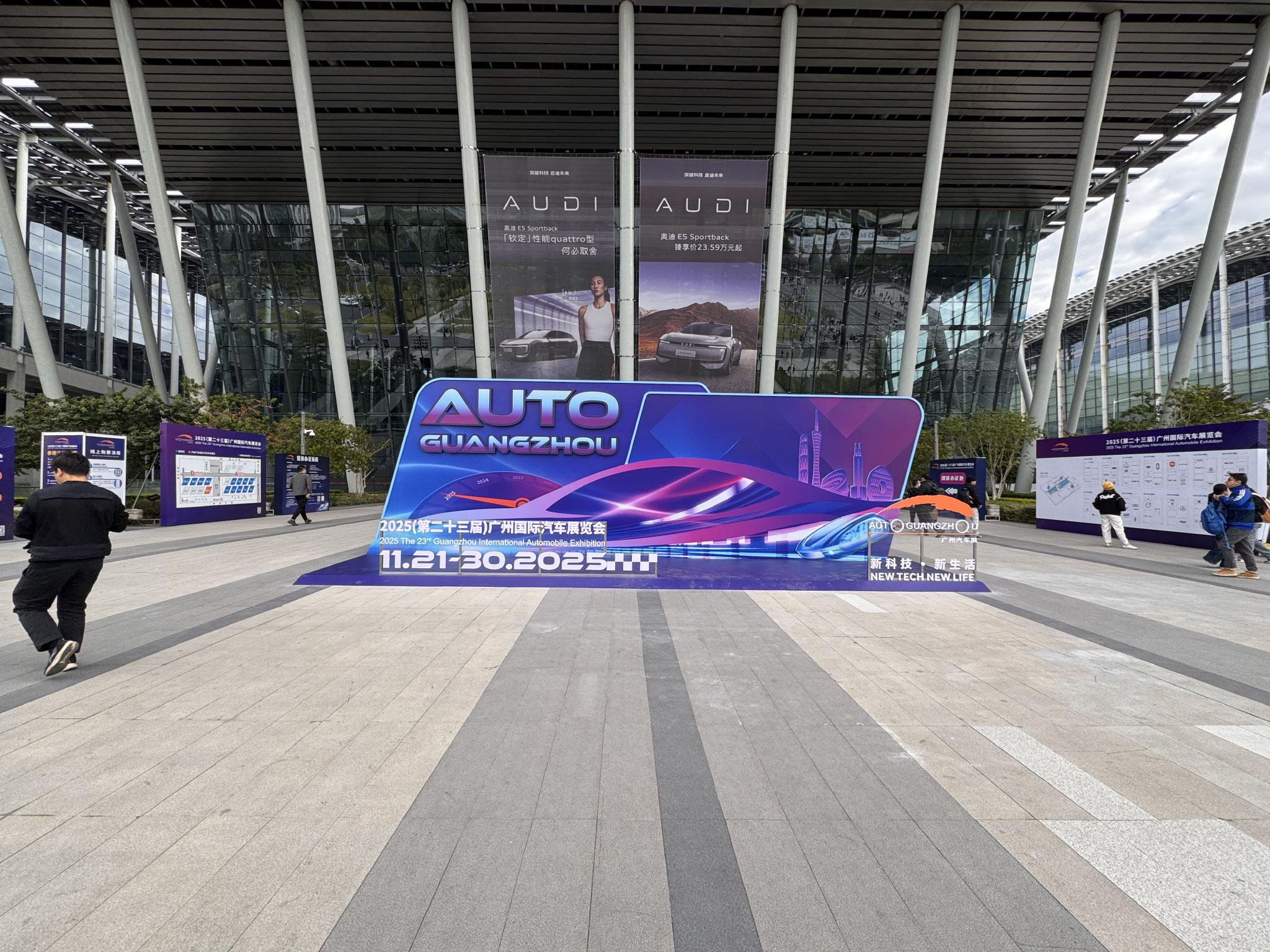
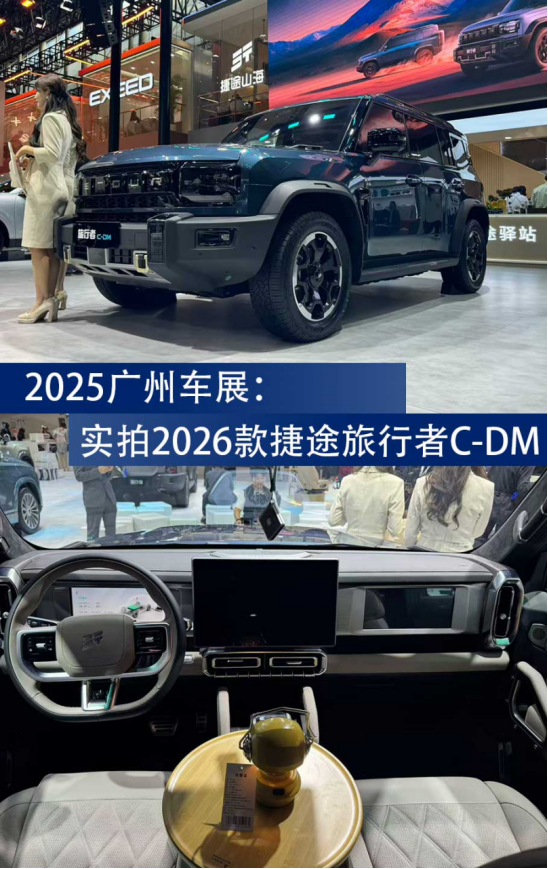
广州车展 | 实拍2026款捷途旅行者C-DM
Zhong Guo Zhi Liang Xin Wen Wang· 2025-11-22 14:11
2025广州车展上,捷途汽车带来了2026款捷途旅行者C-DM,作为品牌"旅行+"战略的核心车型 , 新车不仅延续了家族标志性的硬派造型,同时还在混动系统、智能配置上进行了升级,使其既能追求户 外越野质感,又兼顾日常通勤经济性。 外观方面,2026款捷途旅行者C-DM依旧以"方盒子"造型为基底,最新家族式设计语言将力量感与 时尚感进行了巧妙融合。 旅行者 c- 前保险杠造型粗壮,搭配银色的下护板,不仅强 化了硬派属性,更能在复杂路况下保护车身。 前脸设计十分立体,熏黑处理的进气格栅尺寸适 中, 内部嵌入了"JETOUR"英文标识, 与两侧 方正的大灯组相连,提升了前脸的视觉宽度。 前脸设计十分立体,熏黑处理的进气格栅尺寸适中,内部嵌入了"JETOUR"英文标识,与两侧方正 的大灯组相连,提升了前脸的视觉宽度。前保险杠造型粗壮,搭配银色的下护板,不仅强化了硬派属 性,更能在复杂路况下保护车身。 车窗周围与A/B/C/D柱进行了熏黑处理, 营造出 悬浮式车顶的视觉体验。 2 轮毂采用多辐式熏黑造型,为车辆增添了不少野 性。此外,车门下方还配备了脚踏板, 既实用又 提升整体美感。 车身侧面,平直的车顶线条保障了头部 ...
汽车行业将携“价值竞争”迈入2026
Guan Cha Zhe Wang· 2025-11-22 12:33
Core Insights - The 23rd Guangzhou International Auto Show marks a significant shift in the Chinese automotive industry from policy-driven growth to market-driven dynamics, emphasizing a transition from "price wars" to "value wars" [1][4][16] Industry Trends - A total of 1,085 vehicles were showcased at the auto show, with 629 being new energy vehicles (NEVs), representing 58% of the total, an increase of 14.3 percentage points from the previous year [4] - In the first ten months of this year, cumulative sales of NEVs in China exceeded 10 million units, achieving a market penetration rate of over 52.9% [4] - The shift in policy from direct subsidies to market-oriented growth is evident, with the Ministry of Industry and Information Technology announcing a reduction in NEV purchase tax starting in 2026 [4][16] Market Dynamics - The auto show highlighted a significant reshuffling in the market, with over 20 brands absent, including well-known names like Beijing Hyundai and Peugeot Citroën, indicating a trend of declining market performance for certain brands [6] - Brands are increasingly focusing on hybrid technology to meet consumer demand, with companies like Xpeng and GAC Aion expanding their product lines to include hybrid models [7] Technological Advancements - The concept of "smart driving equality" has gained traction, with advanced driving features becoming more accessible in mainstream models, as seen with the introduction of products like Leapmotor A10 and GAC Toyota's smart version [9] - Huawei has emerged as a key player in the auto show, showcasing its capabilities in smart driving and intelligent cockpit technologies, with its ADS having partnered with 33 vehicle models and accumulated over 5 billion kilometers of assisted driving mileage [13] Competitive Landscape - The automotive industry is transitioning from a focus on single product competition to ecosystem competition, with traditional automakers leveraging partnerships with technology suppliers to enhance their electric and intelligent capabilities [12] - A report indicates that only 15 out of 129 automotive brands in China are expected to achieve financial sustainability by 2030, suggesting an impending wave of consolidation and competition in the industry [16] Future Outlook - The auto show serves as a reflection of the past five years of transformation in the Chinese automotive sector while also pointing towards future trends, emphasizing the importance of value competition and long-term strategies for high-quality development [16]