绿城中国

Search documents
王健林差点被赶下“牌桌”
Sou Hu Cai Jing· 2025-09-29 09:38
Core Insights - The recent legal issues faced by Dalian Wanda Group and its founder Wang Jianlin, including a temporary restriction on high consumption due to a court ruling involving 186 million yuan, highlight the stark contrast from his previous status as "China's richest man" [2] - The cancellation of the restriction on September 29 indicates a potential misunderstanding related to economic disputes within Wanda's subsidiary projects [2] - Wanda has faced multiple execution disputes, with a total amount exceeding 5.2 billion yuan and 9.4 billion yuan in frozen equity, primarily affecting its financial subsidiaries [2] Company Development Stages - Wang Jianlin's entrepreneurial journey began in 1988 with a loan of 1 million yuan to establish a real estate company in Dalian, capturing 20% of the local market by 1992 [3][4] - The first major expansion occurred in 1993 when Wanda established a branch in Guangzhou, marking its transition from a regional to a national company [5] - In 2000, Wanda shifted focus to commercial real estate to stabilize cash flow, leading to the development of the "urban complex" concept, integrating shopping malls, hotels, and offices [8][9] - The third phase began in 2006 with investments in cultural industries, including theme parks and cinemas, aiming to compete with international players like Disney [9][10] - By 2015, Wanda had embarked on a significant overseas expansion, acquiring multiple international assets and reaching a peak total asset value of nearly 800 billion yuan [10][11] Challenges and Strategic Shifts - The year 2017 marked a downturn for Wanda, with setbacks in overseas acquisitions and financial struggles leading to asset sales, including the divestment of tourism and hotel projects [11][12] - The decision to privatize Wanda Commercial in 2016, driven by dissatisfaction with stock valuations, initiated a series of financial challenges, including halted IPOs and increased debt [12][13] - Despite reporting significant revenues in 2015, Wanda's reliance on property sales and rising debt levels raised concerns about its long-term sustainability [13][15] Current Status and Future Prospects - As of now, Wanda Group retains 24 active investments, with 15 majority-owned, including approximately 200 Wanda Plazas, which are seen as crucial for future recovery [20][22] - The focus has shifted towards lower-tier cities, where Wanda Plazas demonstrate strong consumer activity and lower operational costs, indicating a strategic pivot to capitalize on emerging markets [23][25] - The survival strategy involves a light-asset model, allowing Wanda to maintain operations while navigating financial pressures, although challenges remain due to debt and competition [25][26] - The future of Wanda's remaining assets in county markets is uncertain, with potential for further restructuring if strategic investments or a return to public markets do not materialize [27]

总结与展望 | 2025年三季度中国房地产行业总结与展望(下)
克而瑞地产研究· 2025-09-29 08:58
Performance Summary - The overall performance of the real estate market continues to bottom out, with 31% of the top 100 real estate companies showing year-on-year growth in performance [3][13] - From January to August 2025, the cumulative sales amount of the top 100 real estate companies was 20,708.8 billion, a decrease of 13.1% year-on-year, indicating a low level of sales activity [5][6] - The number of companies in the top 100 with sales growth is 31, with 23 companies experiencing growth greater than 20% [13][14] Financing Summary - In the first three quarters of 2025, financing for real estate companies decreased by 30% year-on-year, with a total financing amount of 307.2 billion [18][26] - The cost of domestic bond financing decreased to 2.57%, while the cost of offshore bond financing was significantly higher at 8.95% [27][30] - Approximately 85% of new financing in 2025 was attributed to state-owned enterprises, highlighting a disparity in financing access among different types of companies [30] Market Outlook - The market is expected to continue its bottoming trend, with local policies being optimized to support recovery, particularly in first-tier and strong second-tier cities [17][32] - The introduction of public REITs is seen as a potential solution for real estate companies to transition from heavy asset models to lighter operational models, aiding in debt repayment and liquidity [33][36] - The debt maturity pressure is expected to increase in 2025, with a peak in the third quarter, necessitating proactive debt management strategies from real estate companies [32][36]

房地产开发2025W39:本周新房成交同比-23.6%,预计Q4因基数抬升同比承压
GOLDEN SUN SECURITIES· 2025-09-28 08:56
Investment Rating - The report maintains an "Overweight" rating for the real estate industry [4] Core Views - The current monetary policy stance in China is supportive, with measures to optimize down payment ratios and mortgage rates, potentially reducing interest expenses for over 50 million households by approximately 300 billion yuan annually [10][11] - The real estate sector is viewed as an early-cycle indicator, making it a key economic barometer [4] - The competitive landscape in the industry is improving, with leading state-owned enterprises and select mixed-ownership and private companies expected to benefit more in the future [4] - The report emphasizes a focus on first-tier and select second- and third-tier cities, which have shown better performance during sales rebounds [4] - Supply-side policies, including land storage and management of idle land, are critical areas to monitor for future developments [4] Summary by Sections Market Overview - The real estate index decreased by 0.2% this week, underperforming the CSI 300 index by 1.22 percentage points, ranking 11th among 31 sectors [12] - In the past week, 30 cities recorded new housing transaction areas of 186.1 million square meters, a 20.0% increase month-on-month but a 23.6% decrease year-on-year [23] New Housing Transactions - New housing transaction areas in first-tier cities reached 55.8 million square meters, up 11.6% month-on-month and up 12.5% year-on-year [23] - Second-tier cities saw transactions of 91.0 million square meters, a 41.9% increase month-on-month but a 20.5% decrease year-on-year [23] - Third-tier cities recorded 39.2 million square meters, down 4.1% month-on-month and down 50.6% year-on-year [23] Second-Hand Housing Transactions - The total transaction area for second-hand housing in 14 sample cities was 198.9 million square meters, a 1.4% increase month-on-month and a 13.9% increase year-on-year [31] - Year-to-date, the cumulative transaction area for second-hand housing is 7,815.4 million square meters, reflecting a 17.3% increase year-on-year [31] Credit Bond Issuance - This week, 14 credit bonds were issued by real estate companies, totaling 14.781 billion yuan, a 67.61 billion yuan increase from the previous week [41] - The net financing amount was 4.562 billion yuan, marking a significant increase of 111.56 billion yuan from the previous week [41]



国投证券-房地产行业周报:央行强调推动已出台政策落地见效-250928
Xin Lang Cai Jing· 2025-09-28 08:09
Core Viewpoint - The central bank emphasizes the importance of implementing existing financial policies effectively, focusing on revitalizing existing assets and stabilizing market expectations in the real estate sector [1] Group 1: Policy Measures - The central bank's third-quarter meeting highlighted two main policy lines for the real estate industry: revitalizing existing stock and stabilizing market expectations [1] - The meeting stressed the need to enhance the effectiveness of previously announced policies and increase efforts to revitalize existing residential properties and land [1] Group 2: Market Performance - In the week of September 20-26, a total of 16,000 residential units were sold across 32 monitored cities, representing a week-on-week increase of 15.1% [2] - Cumulative sales for 2025 reached 593,000 units, showing a year-on-year decline of 6.1% [2] - First-tier cities sold 4,816 units, with a week-on-week increase of 3.4%, while second-tier cities saw a significant week-on-week increase of 24.5% with 9,563 units sold [2] Group 3: Land Supply and Transactions - For the week of September 15-21, the planned residential land supply across 100 cities was 5.68 million square meters, with a cumulative supply of 17.408 million square meters for 2025, reflecting a year-on-year decrease of 16% [3] - The average floor price for land supply was 6,879 yuan per square meter, with a recent four-week average of 5,264 yuan per square meter, indicating a week-on-week increase of 15.4% [3] - The average transaction floor price for residential land was 3,433 yuan per square meter, showing a significant decline of 50.5% week-on-week and 50.3% year-on-year [3]
房地产行业研究:新一线城市谋划新政,上海“好房子”新规落地
SINOLINK SECURITIES· 2025-09-28 08:06
Investment Rating - The report suggests a low valuation for the real estate sector, recommending to accumulate real estate stocks on dips [5]. Core Views - The real estate market is experiencing downward pressure on prices, with new home prices in 70 cities showing negative month-on-month changes for 27 consecutive months, and second-hand home prices for 28 consecutive months [4][12]. - Recent policies in major cities aim to stimulate demand for improved housing, indicating potential for recovery in the market [4][12]. - The report highlights that the basic market conditions are expected to gradually improve due to the effects of previous policies and the upcoming demand season [5]. Summary by Sections Market Overview - The A-share real estate sector saw a weekly change of -0.2%, ranking 11th among all sectors, while the Hong Kong real estate sector dropped by -3.3%, also ranking 11th [2]. - The average premium rate for land transactions remains low at 2%, with a significant year-on-year decrease in land transaction volume [2][27]. New Home Sales - In the week of September 20-26, 47 cities recorded new home sales of 380 million square meters, a week-on-week increase of 25% but a year-on-year decrease of 4% [3][32]. - Sales in first-tier cities increased by 1% week-on-week and 15% year-on-year, while second-tier cities saw a 41% week-on-week increase [3][32]. Second-Hand Home Sales - The report indicates that 22 cities sold 243 million square meters of second-hand homes, with a week-on-week increase of 2% and a year-on-year increase of 12% [40]. - First-tier cities experienced a 3% decrease week-on-week but a 24% increase year-on-year in second-hand home sales [40]. Policy Developments - New policies in cities like Shanghai aim to enhance housing quality and stimulate demand for improved housing [5][14]. - The focus of future policies will likely be on stimulating demand for improved housing, optimizing public fund policies, and revitalizing existing properties and land [4][12]. Key Companies - The top five companies in terms of land acquisition amounts are China Overseas Land & Investment, Greentown China, Poly Developments, Jianfa Group, and Binjiang Group, with acquisition amounts of 55.1 billion, 54.1 billion, 44 billion, 40 billion, and 34.7 billion respectively [27][28].


房地产行业周报:央行强调推动已出台政策落地见效-20250928
Guotou Securities· 2025-09-28 07:51
Investment Rating - The industry investment rating is "Leading the Market - A" [6] Core Views - The central bank emphasizes the implementation of previously announced financial policies to stabilize the real estate market, focusing on revitalizing existing assets and stabilizing market expectations [1] - The report suggests that the acceleration of supply in core cities and the easing of regulatory policies will likely enhance the progress of existing projects and land reserves, as well as urban renewal policies [1] - Recommended companies include distressed recovery firms such as Jindi Group and New Town Holdings, leading firms maintaining land acquisition intensity like Greentown China and China Jinmao, and local state-owned enterprises with stable diversified operations like Pudong Jinqiao and Waigaoqiao [1] Sales Review (9.20-9.26) - Total transactions in 32 monitored cities reached 16,000 units, a week-on-week increase of 15.1%; cumulative transactions for 2025 stand at 593,000 units, a year-on-year decrease of 6.1% [2][12] - First-tier cities recorded 4,816 transactions, up 3.4% week-on-week, with a cumulative total of 169,000 units for 2025, reflecting a year-on-year increase of 0.5% [2][12] - Second-tier cities saw 9,563 transactions, a week-on-week increase of 24.5%, with a cumulative total of 353,000 units for 2025, down 8.9% year-on-year [2][12] - Third-tier cities had 1,453 transactions, up 2.7% week-on-week, with a cumulative total of 70,000 units for 2025, down 6.7% year-on-year [2][12] Land Supply (9.15-9.21) - Planned residential land supply across 100 cities is 5.68 million square meters, with a cumulative supply of 17.408 million square meters for 2025, down 16% year-on-year [3][37] - The average floor price for land supply across 100 cities is 6,879 yuan per square meter, with a recent four-week average of 5,264 yuan per square meter, reflecting a week-on-week increase of 15.4% and a year-on-year decrease of 1.1% [3][39] Land Transactions (9.15-9.21) - Residential land transaction area across 100 cities is 4.75 million square meters, with a cumulative total of 13.908 million square meters for 2025, down 3.7% year-on-year [4][64] - The average transaction floor price for residential land across 100 cities is 3,433 yuan per square meter, down 50.5% week-on-week and down 50.3% year-on-year, with an overall premium rate of 2.8% [4][66]

地产及物管行业周报:上海住宅新规发布,好房子政策继续推进-20250928
Shenwan Hongyuan Securities· 2025-09-28 06:43
Investment Rating - The report maintains a "Positive" rating for the real estate and property management sectors [3][4]. Core Insights - The report indicates that the broad housing demand in China has reached a bottom, although the volume and price have not yet entered a positive cycle. It predicts that the overall real estate market will continue to stabilize, with policies aimed at stopping the decline and promoting recovery [3][4]. - The report highlights significant policy support, including over 1.6 trillion yuan allocated for three major projects to stabilize the real estate market and support the delivery of nearly 20 million housing units [31][32]. - The report emphasizes the emergence of a new development track driven by favorable housing policies, which will enhance the penetration of quality housing in core cities [3][4]. Industry Data Summary New Housing Transactions - For the week of September 20-26, 2025, new housing transactions in 34 key cities totaled 2.458 million square meters, a week-on-week increase of 17.2%. The transaction volume in first and second-tier cities rose by 15.4%, while third and fourth-tier cities saw a significant increase of 43.8% [4][12]. - In September, the total transaction volume for new homes in 34 cities was 8.078 million square meters, a year-on-year increase of 6.3% [7][8]. Second-Hand Housing Transactions - For the week of September 20-26, 2025, second-hand housing transactions in 13 key cities totaled 1.148 million square meters, a week-on-week increase of 3.8%. Cumulatively, September transactions were up 21.2% year-on-year [12][13]. Inventory and Supply - In the week of September 20-26, 2025, 15 key cities launched 1.48 million square meters of new housing, with a transaction volume of 950,000 square meters, resulting in a transaction-to-launch ratio of 0.64. The total available residential area in these cities was 90.309 million square meters, a week-on-week increase of 0.6% [21][22]. Policy and News Tracking - The report notes that various local governments are implementing policies to stabilize the real estate market, including subsidies for home purchases and regulations to improve housing quality [31][32]. - Shanghai has introduced new regulations to standardize balcony measurements and support the renovation of old residential areas [31][32]. Company Dynamics - New City Holdings issued USD 1.6 billion in overseas bonds, while Poly Developments announced a plan to issue corporate bonds not exceeding 150 billion yuan [38][39]. - The report tracks significant financing activities, including guarantees provided by major companies for their subsidiaries [38][39].




二手豪宅扛不住了?北京泛海世家15个月跌2300万,每天亏掉3万多
Sou Hu Cai Jing· 2025-09-28 03:15
Core Viewpoint - The luxury real estate market, traditionally seen as resilient, is experiencing significant declines in the value of second-hand properties, raising concerns about the overall health of the real estate sector [4][20]. Group 1: Luxury Property Market Performance - New luxury properties are maintaining high prices, with some cities seeing record highs; for instance, Shanghai's Rongchuang No. 1 Courtyard sold 66 units for a total of 4.8 billion yuan in just one hour [4]. - The project achieved a total sales volume of 22 billion yuan within eight months, showcasing its dominance in the national real estate market [6]. - However, the transition from new to second-hand luxury properties raises questions about their value retention, as their perceived stability diminishes significantly once they are resold [6][21]. Group 2: Decline in Second-Hand Luxury Properties - The second-hand luxury property market is facing severe price drops, with notable examples including a luxury apartment in Shanghai that has seen its price fall from 92 million yuan to 55 million yuan, a decrease of 30% [10][12]. - In Beijing, a property that sold for 77 million yuan earlier this year is now listed for 53.8 million yuan, reflecting a loss of 2.3 million yuan [14]. - Shenzhen's luxury market is even more drastic, with a property originally priced at 62 million yuan selling for just 19 million yuan, indicating a substantial devaluation [16]. Group 3: Reasons for Price Declines - The decline in second-hand luxury property prices can be attributed to three main factors: wealthy individuals opting to sell to avoid losses, those in real estate facing financial pressure, and a shift in investment focus from real estate to other sectors [17]. - The selling behavior of affluent individuals signals a broader market trend, suggesting that if even luxury assets are depreciating, the situation for ordinary residential properties may be dire [20]. Group 4: Market Sentiment and Future Outlook - The depreciation of luxury properties serves as a warning sign for the overall real estate market, indicating that no asset is immune to market fluctuations [20]. - The perception of luxury properties as stable investments is being challenged, emphasizing the need for a data-driven approach to assess property values rather than relying on subjective beliefs [21].
烂尾8年,合肥宝能城等来“白衣骑士”
Mei Ri Jing Ji Xin Wen· 2025-09-28 02:47
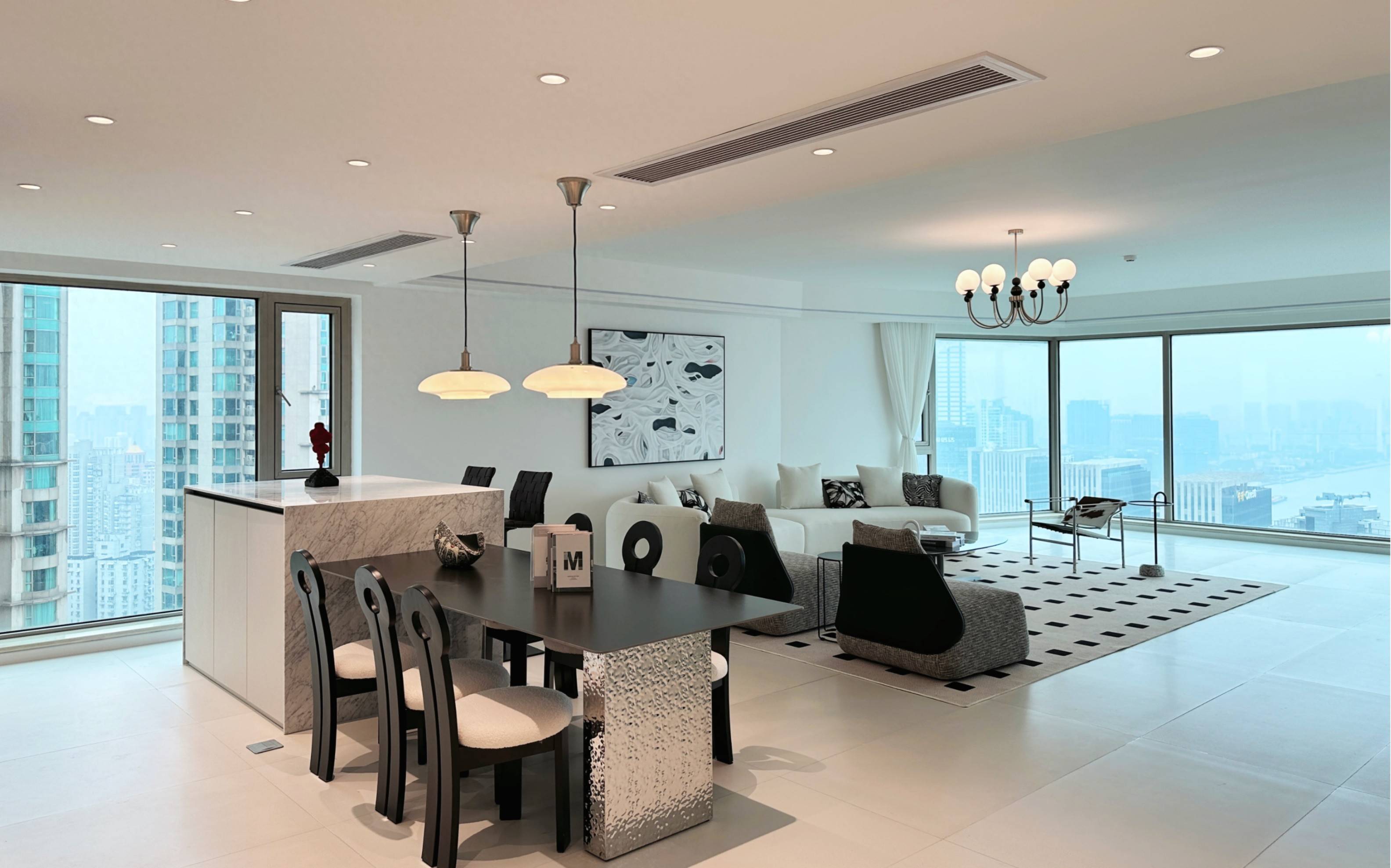
Core Viewpoint - The Hefei Baoneng City project, which has been stagnant for eight years, is now revitalized through a successful restructuring and collaboration with several major companies, including CITIC Financial Asset Management, Greentown China, China Railway Real Estate, and China Resources Vanguard Life [1][3][4]. Group 1: Project Restructuring and Partnerships - Hefei Baoneng City project has officially embarked on a revival path after eight years of being stalled [3]. - The residential land will be jointly developed by Greentown China and China Railway Real Estate, while the commercial land will be operated by China Resources Vanguard Life, focusing on high-end shopping centers [1][4]. - The project aims to integrate the strengths of various partners to accelerate its restart and enhance confidence, although challenges related to debt and property rights from years of stagnation remain [9]. Group 2: Market Context and Strategic Intent - China Resources Vanguard Life's involvement in the Hefei Baoneng City commercial project aligns with its strategy of light asset management, having previously launched multiple commercial projects in Hefei [4][5]. - Greentown China is expected to introduce high-end product lines in the residential sector, facing pricing challenges given the current market conditions, where the average price in the Binhu New District is 16,100 yuan per square meter [5][9]. - The project was initially planned to include a 565-meter T1 tower, which was intended to be the tallest building in Anhui, but its future remains uncertain due to regulatory and market pressures on super high-rise constructions [9][11].
上海青浦对购房精准施策,好!丨社评
Sou Hu Cai Jing· 2025-09-27 08:57
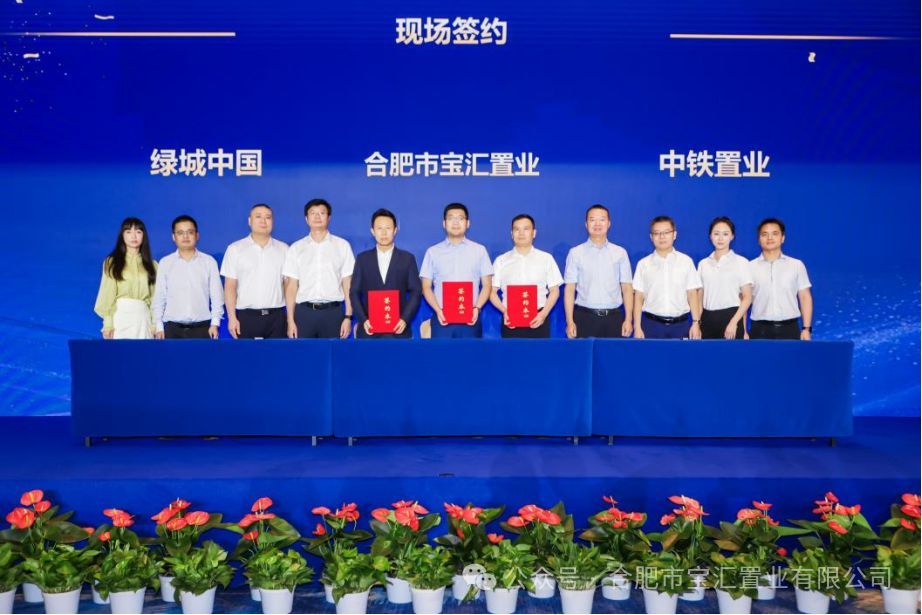
Group 1: Financial Policies and Market Stability - The financial sector has implemented a series of monetary policies since the Central Political Bureau meeting in September 2024, effectively stabilizing market expectations and boosting market confidence [2] - The total amount of loans for "white list" projects has exceeded 7 trillion yuan, indicating a significant financial commitment to support the real economy [2] Group 2: Real Estate Policy Adjustments - Shanghai has introduced a property tax reduction policy targeting different buyer categories, aiming to address both rigid and improved housing demands [2] - Dongguan has launched new real estate policies, including a home purchase subsidy of up to 30,000 yuan, to stimulate demand and stabilize market expectations [9][10] Group 3: Corporate Developments - Wang Yao has taken over as the new leader of China Communications Construction Company (CCCC) amid restructuring efforts to avoid delisting, with a focus on enhancing the quality of CCCC's property assets [5] - Shanghai Construction Group's stock price has shown volatility, with a significant drop following a previous surge, despite a lackluster performance in revenue and net profit for the first half of 2025 [8] Group 4: Land and Property Management - Increasing numbers of real estate companies are benefiting from national policies aimed at the recovery of stock land and property, with over 4,300 parcels of land being publicly announced for potential acquisition, totaling over 550 billion yuan [7] - The adjustment of land use from commercial to residential has been noted, with companies like Goldfield Group successfully acquiring residential land through local government initiatives [7] Group 5: Regulatory Environment - The China Securities Regulatory Commission (CSRC) has emphasized the need for stricter enforcement against financial fraud, including significant penalties for companies like Evergrande, to enhance the effectiveness of regulatory measures [6] - The recent policies reflect a comprehensive approach to stabilize the real estate market, focusing on both demand and supply-side measures, and allowing local governments to tailor strategies to their specific conditions [14][16]