
九识智能

Search documents
无人配送圈变天!融资4亿对6亿,菜鸟九识联手能否撼动新石器霸权
Sou Hu Cai Jing· 2025-12-28 06:45
Core Insights - The collaboration between Cainiao and Jiushi Intelligent aims to capture market share in the rapidly evolving unmanned delivery sector [1][18] - This partnership is driven by mutual needs: Cainiao requires technology and manpower, while Jiushi seeks to enhance its market presence and resolve ongoing challenges [3][4][6] Group 1: Collaboration Dynamics - Cainiao is looking to expand its "4-hour delivery" service across 31 cities, necessitating additional resources beyond manual delivery [3] - Jiushi Intelligent, having faced difficulties since its spin-off from JD, is in need of a strategic partnership to survive amidst increasing competition [4][6] - The collaboration is seen as a way for both companies to leverage each other's strengths: Cainiao's logistics network and Jiushi's technological expertise [6][8] Group 2: Challenges Ahead - Internal resource allocation may pose a challenge for Cainiao, which is already managing multiple projects [8] - Jiushi must balance its commitments to other major clients, such as China Post, complicating its operational dynamics [8] - Technical integration between Cainiao's dispatch system and Jiushi's autonomous driving model is expected to be contentious, with prior disagreements already noted [11] Group 3: Industry Context - The unmanned delivery sector faces significant hurdles, including operational challenges in complex environments and high costs associated with technology [13][14] - Regulatory inconsistencies across cities like Beijing and Shenzhen create additional uncertainty for long-term planning [14] - The partnership may signal a shift in industry practices, moving towards deeper collaborations rather than isolated efforts [18] Group 4: Competitive Landscape - The collaboration could reshape the competitive dynamics, as leading firms like SF Express and JD may seek similar partnerships [18][21] - Smaller players in the unmanned delivery market may find it increasingly difficult to survive as larger companies consolidate their advantages through such collaborations [21] - The industry remains in a cash-burning phase, with profitability being a critical factor for future success [22]

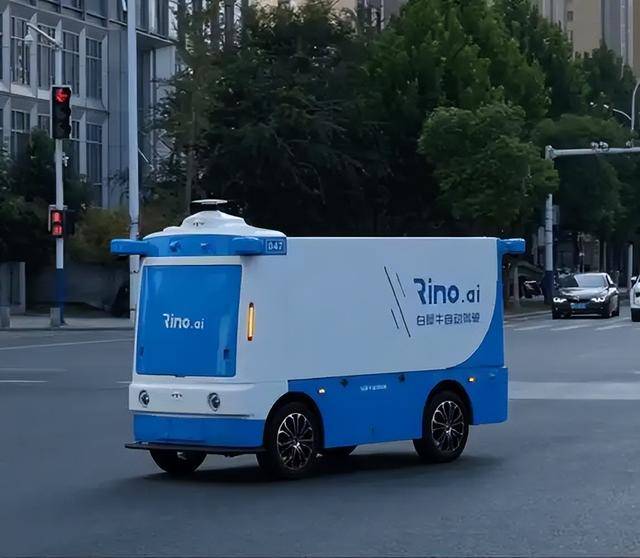
九识联手菜鸟对战新石器?无人配送再生变
Tai Mei Ti A P P· 2025-12-25 10:53
Core Insights - The collaboration between Jiushi Intelligent and Cainiao aims to create a more competitive joint entity in the rapidly growing urban delivery market, enhancing their technological, operational, and ecological capabilities for the global autonomous freight market [1] - This partnership is seen as a strategic synergy that combines the strengths of both companies in L4-level autonomous driving technology [2] Group 1: Strategic Collaboration - The partnership is expected to enhance Cainiao's end delivery capabilities in the instant retail sector, providing critical logistical support for its fulfillment network [3] - Jiushi Intelligent targets a delivery goal of 2,500 autonomous vehicles by 2025, while Jiushi aims for a much larger scale of 10,000 vehicles, indicating different strategic focuses [5] - The collaboration is not merely a technical enhancement but represents a comprehensive upgrade in fulfillment capabilities and user experience for Cainiao [5] Group 2: Risk and Strategic Positioning - Jiushi Intelligent's collaboration with Cainiao may serve as a strategic buffer against potential legal challenges related to intellectual property infringement from JD Logistics [6][7] - The partnership could provide Jiushi Intelligent with a supportive ecosystem amidst uncertainties, potentially mitigating risks associated with its development trajectory [7] Group 3: Industry Dynamics and Competition - The collaboration signifies a shift in the logistics industry from a "technology validation phase" to an "ecosystem competition phase," accelerating the commercialization of L4-level autonomous driving technology [17] - This partnership redefines industry roles, establishing a new cooperation model between logistics companies and technology providers, prompting others in the industry to reassess their strategic approaches [17] - If successful, the collaboration will shift competitive focus from vehicle quantity and funding to comprehensive capabilities based on real-world scenarios, enhancing the industry's competitive landscape [17]
年末L4的商业化落地被九识悄悄打响了......
自动驾驶之心· 2025-12-25 09:33
Core Viewpoint - The article discusses the recent strategic partnership between Jiushi Intelligent and Dongfeng, highlighting the growing maturity of L4 autonomous driving technology and its commercialization potential in various vehicle segments [3][4][20]. Financing Situation - The article mentions that several L4 companies are currently undergoing financing, with Jiushi and Xinshi performing well in the low-speed logistics sector [2][3]. Technological Maturity - The partnership emphasizes the importance of engineering maturity for L4 systems, which must perform reliably in complex and extreme environments [7][8]. - Jiushi Intelligent has developed a unique OCC temporal model that enhances perception capabilities by utilizing multi-frame temporal data to understand object movement and potential risks [9]. Cost Structure - Jiushi's focus on cost reduction from the outset has allowed it to create a viable business model for L4 technology, addressing early concerns about the commercial feasibility of autonomous driving [15][18]. - The company employs a highly self-developed architecture for hardware, which optimizes sensor selection and computational power, leading to better cost-effectiveness [17]. Ecosystem Development - Jiushi does not position itself as a single vehicle supplier but aims to build an expandable product and ecosystem around L4 capabilities, collaborating with various partners to create diverse autonomous vehicle forms [19]. - The company has successfully deployed nearly 16,000 autonomous vehicles across over 300 cities, accumulating more than 70 million kilometers of safe operational mileage [19]. Strategic Collaboration - The collaboration between Dongfeng and Jiushi represents a "capability-level cooperation," where Dongfeng provides manufacturing advantages while Jiushi offers mature L4 technology and commercialization experience [20]. - As the industry shifts towards profitability, Dongfeng's choice of Jiushi reflects a recognition of its technological approach and cost control capabilities [21].

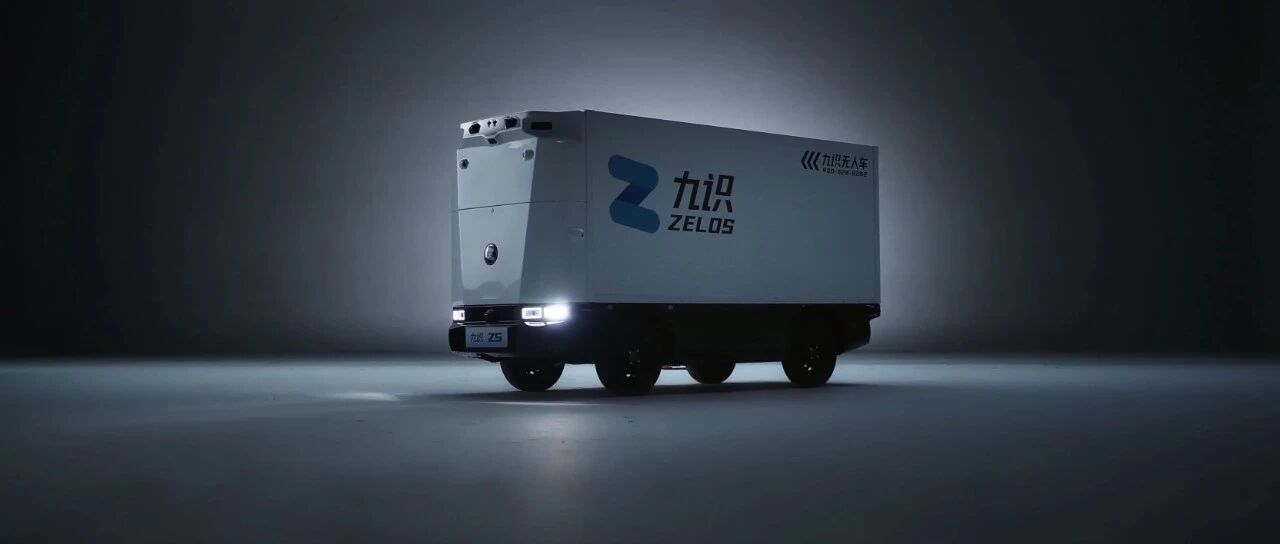
科技新贵为何扎堆去中东
21世纪经济报道· 2025-12-25 02:37
Core Viewpoint - The article highlights the increasing interest of Chinese companies in the Middle East, particularly in sectors like digital economy, artificial intelligence, and tourism, driven by long-term strategic plans from Gulf countries such as Saudi Arabia and the UAE [2][11]. Group 1: Investment Opportunities - Dubai is emerging as a key destination for Chinese entrepreneurs and companies looking to expand internationally, with a focus on long-term investments rather than short-term gains [4][5]. - The establishment of joint ventures, such as AutoLogiX by 9Sight Intelligent and 7X Group, indicates a trend towards collaboration in logistics and urban delivery services [5]. - The UAE's logistics market is projected to exceed $20 billion, driven by e-commerce and last-mile delivery, making it an attractive market for Chinese companies [10]. Group 2: Market Dynamics - A significant percentage of Chinese enterprises are operating in the Middle East, with 84% in Saudi Arabia and 79% in the UAE, indicating strong market penetration [9]. - The UAE is recognized as a preferred regional headquarters for many companies, with Dubai being the most concentrated city for these headquarters [9]. - The local market is characterized by a high penetration of delivery services, with companies like Meituan Keeta rapidly expanding their operations in the region [10]. Group 3: Technological Integration - The UAE is actively seeking to transition from an oil-based economy to one focused on AI and digital technologies, presenting opportunities for Chinese tech firms [15][16]. - The local government is open to innovative technologies, such as drones and autonomous vehicles, which are gaining popularity in commercial applications [16]. - The AI market in the UAE is expected to reach $46 billion by 2030, with a significant portion of local businesses maintaining or increasing their AI investments [15]. Group 4: Challenges and Considerations - The article notes that many Chinese companies are still in the early stages of entering the AI sector in the Middle East, with a focus on pilot projects and collaborations rather than large-scale implementations [13][12]. - There is a cautionary note regarding the mindset of companies entering the market, emphasizing the need for patience and long-term strategies to navigate potential challenges [15].

吹响L3的号角,迎来L4的曙光
2025-12-24 12:57
Summary of Conference Call Records Industry Overview - The conference call discusses advancements in the autonomous driving industry, particularly focusing on L3 and L4 levels of automation. The expectation is that 2026 will mark a significant year for autonomous driving technology adoption [1][2]. Key Points on Autonomous Driving Technology - **L3 and L4 Levels**: L3 automation allows for hands-free driving under specific conditions, while L4 represents fully autonomous driving capabilities. The transition from L3 to L4 will involve a gradual shift from human-operated to fully autonomous systems [3][4]. - **Market Expectations**: The market is optimistic about L3 technology, with several domestic and international automakers, including Mercedes and various Chinese companies, actively pursuing development and testing [2][5]. - **Key Hardware Requirements**: High-level autonomous driving relies on essential hardware such as cameras, LiDAR, high-speed connectors, and advanced driving chips, with processing capabilities starting from 500 TOPS [6]. Commercial Applications - **Robotaxi Development**: Robotaxi services, based on L4 technology, are being piloted in several cities and are seen as a crucial component of future smart mobility solutions [8]. - **Logistics and Mining Applications**: L4 technology is primarily applied in logistics and mining sectors, with expectations for significant market growth. The logistics autonomous vehicle market is projected to reach a penetration rate of 20% by 2030, with a market potential of 60 billion RMB [9][11]. Company Insights - **Key Players**: Major companies in the logistics autonomous vehicle sector include Jiushi Intelligent, New Stone, and White Rhino, with Jiushi Intelligent leading in operational scale and market share [13]. - **Financial Performance**: Jiushi Intelligent reported operating over 14,000 vehicles with significant delivery volumes, while other companies like Yikong Zhijia and Xidi Zhijia are also notable players in the mining autonomous vehicle market, though they have yet to achieve profitability [26][27]. Market Dynamics - **Investment Trends**: There is a growing investment interest in logistics autonomous vehicles, with significant funding rounds reported for companies like Jiushi Intelligent and New Stone [10]. - **Pricing Strategies**: Companies are adjusting pricing models to cover costs and improve profit margins, with examples of new pricing strategies being implemented by Jiushi Intelligent [17]. Future Outlook - **Market Growth Potential**: The logistics autonomous vehicle market is expected to grow rapidly, with a projected market space of 600 billion RMB by 2030. The demand for autonomous vehicles is driven by reduced operational costs and increased efficiency [11][12]. - **Challenges and Regulations**: The lack of unified regulations at the national level poses challenges for the widespread adoption of L4 technology, necessitating local government coordination [11]. Conclusion - The autonomous driving industry is on the cusp of significant advancements, with L3 and L4 technologies poised for broader adoption. Key players are actively developing solutions, and the market is expected to see substantial growth in the coming years, particularly in logistics and mining applications.
阿里无人车的「阵痛史」:团队赛马、战略摇摆与整合困局
雷峰网· 2025-12-23 14:30
Core Viewpoint - The article discusses the evolution and challenges faced by Alibaba's autonomous vehicle initiatives, particularly focusing on the logistics sector, highlighting missed opportunities and internal conflicts that led to the decline of its autonomous vehicle projects [3][4][5]. Group 1: Industry Developments - The autonomous logistics vehicle sector has seen significant capital influx and operational advancements in 2023, with companies like New Stone Technology and NineSight completing substantial funding rounds, indicating a rebound after years of stagnation [3]. - NineSight is reportedly in talks to acquire Alibaba's logistics vehicle division, which could enhance its competitive position in the logistics market [3][4]. - The article notes that the autonomous vehicle sector in China is approaching a pivotal moment with several companies preparing for IPOs, marking a transition from a nascent stage to a more mature market [3]. Group 2: Alibaba's Internal Dynamics - Alibaba's autonomous vehicle efforts began with the establishment of the Cainiao ET Logistics Laboratory, which aimed to develop autonomous logistics vehicles but faced strategic misalignments and leadership changes that hindered progress [7][9]. - The dual approach within Alibaba, with the Cainiao ET Laboratory focusing on logistics and the Damo Academy's autonomous driving lab targeting passenger vehicles, led to resource duplication and inefficiencies [15][29]. - The merger of the Cainiao ET Laboratory into the Damo Academy's autonomous driving lab in 2020 was a significant turning point, consolidating efforts but also leading to internal conflicts and a loss of focus on logistics applications [30][36]. Group 3: Key Personnel and Leadership Changes - Key figures such as Zhang Chunhui and Chen Junbo played pivotal roles in the development of Alibaba's autonomous vehicle projects, with their departures marking critical moments in the decline of these initiatives [12][50]. - The leadership transition within the Damo Academy, particularly the appointment of Wang Gang and subsequent changes in strategic direction, contributed to the fragmentation of the autonomous vehicle team [25][41]. - The article highlights the contrasting management styles of Chen Junbo and Guo Zhenyu, which created friction within the team and ultimately affected project outcomes [47][49]. Group 4: Project Outcomes and Future Directions - The autonomous logistics vehicle "Xiaomanlv" achieved significant operational milestones, including reaching 1 million delivery orders, but faced challenges in scaling due to budget constraints and strategic misalignment [36][52]. - The ambitious plans for the "Dabanlv" project, aimed at developing autonomous heavy-duty trucks, were ultimately abandoned following key personnel exits, signaling a broader decline in Alibaba's autonomous vehicle ambitions [50][54]. - The article concludes with the integration of the Xiaomanlv project back into Cainiao, indicating a shift in focus towards logistics and a potential re-evaluation of Alibaba's strategy in the autonomous vehicle space [53][54].


L4级自动驾驶赛道分化,Robobus将成为“第一战场”?
3 6 Ke· 2025-12-23 11:17
Core Insights - The autonomous driving industry is transitioning from a phase of singular breakthroughs to a critical point of track differentiation, with companies reassessing their strategic focus based on the varying technical adaptability and commercialization potential across different scenarios [1][3] Track Differentiation - The differentiation in the L4 autonomous driving track reflects a renewed understanding of technology implementation, moving away from the misconception that overcoming core technology guarantees universal commercialization [3] - The complexity, safety, and commercial value of specific scenarios are crucial for the successful deployment of L4 technology, with Robotaxi facing significant challenges compared to more controlled environments like Robotruck and Robobus [3][4] Financing Trends - Since 2025, financing in the autonomous driving sector has increasingly concentrated on Robobus, Robotruck, and Robovan, with notable investments such as over $600 million in New Stone Technology, setting a record in China's autonomous driving financing [4] Robovan Insights - Robovan focuses on last-mile logistics with a core emphasis on low-cost scalability, with leading companies nearing the threshold of 10,000 units delivered, and prices dropping significantly to as low as 16,800 yuan [4][5] Robotruck Insights - Robotruck aims to revolutionize efficiency in long-distance logistics, addressing cost reduction needs in traditional logistics plagued by low-price competition and safety issues, gaining attention from logistics companies [5] Robobus Insights - Robobus benefits from public transport attributes, addressing high-frequency demand in urban micro-circulation and providing a clear commercial path, supported by strong policy backing [5][8] - The operational flexibility of Robobus allows it to adapt to various semi-open and closed scenarios, significantly lowering the implementation difficulty of L4 technology [9] Commercialization Pathways - Robobus has two primary commercialization models: To G, collaborating with governments for public transport integration, and To B, providing customized services for specific venues [9][10] - The scalability of Robobus operations can further reduce costs through increased order volumes, creating a positive feedback loop of cost reduction and expanded service [10] Global Expansion - Chinese companies are positioned to lead in the Robobus sector globally, leveraging complete industrial chain advantages and rich operational experience, as evidenced by successful projects in Singapore [11][12] Competitive Landscape - The competition in the Robobus sector extends beyond technology to include business models, ecosystem integration, and global capabilities, necessitating a comprehensive approach for success [12][13] - Companies must adapt to local regulations and establish deep collaborations with local partners to navigate the complexities of international markets [13][14] Challenges Ahead - Robobus faces technical challenges in specific scenarios, such as adverse weather conditions affecting sensor accuracy and the need for effective vehicle-road collaboration [14] - Initial investment costs for L4 Robobus remain high, necessitating strong financial capabilities for companies to achieve scalability [14] - A robust operational maintenance system is essential for Robobus, which includes not only vehicle maintenance but also monitoring and upgrading autonomous driving systems [14][15]
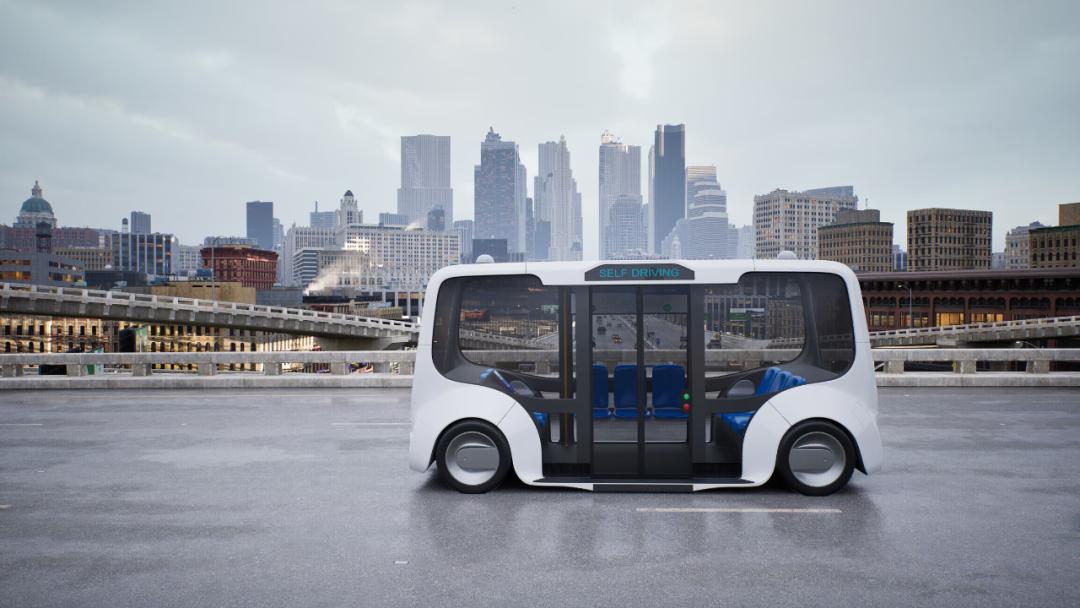
九识智能淮安制造基地投产 全球无人配送车产业添淮安新力量
Yang Zi Wan Bao Wang· 2025-12-23 09:05
扬子晚报网12月23日讯(通讯员张可宜彭赛琼记者朱鼎兆)12月22日,九识智能淮安制造基地投产仪式在淮安高新区举行,这一全国规模最大的自有智能制 造基地首期投产,年产能达3万台,全面建成后总年产能将跃升至10万台,为全球RoboVan产业发展注入强劲淮安动能。 智造升级:自主可控筑牢产能与品质双壁垒 淮安制造基地占地100亩,是九识智能核心战略布局的关键落子。相较于合作工厂,基地在生产管理、工艺标准和质量控制上拥有更高自主权与灵活性, 通过研发、制造、交付全环节协同,可显著缩短产品迭代周期,确保L4级无人车安全、一致与可靠的统一高标准。目前,基地已建成全流程生产线与完 善测试体系,从零部件入厂到整车下线实现全闭环质量管控,全方位保障产品高品质与高可靠性。 地处长三角北翼的淮安,近年持续优化制造业生态,形成完善产业配套体系。九识智能入驻将带动智能运力、新能源、人工智能等新兴业态融合,吸引配 套企业集聚,提升智能制造与高端装备产业集群能级,为区域经济注入新质生产力。 孔旗表示:"淮安基地是九识智造网络的关键布局。我们将以此为基础,构建研发、制造、运营、服务全链条生态,为城市与产业提供高效无人驾驶解决 方案,助力淮 ...
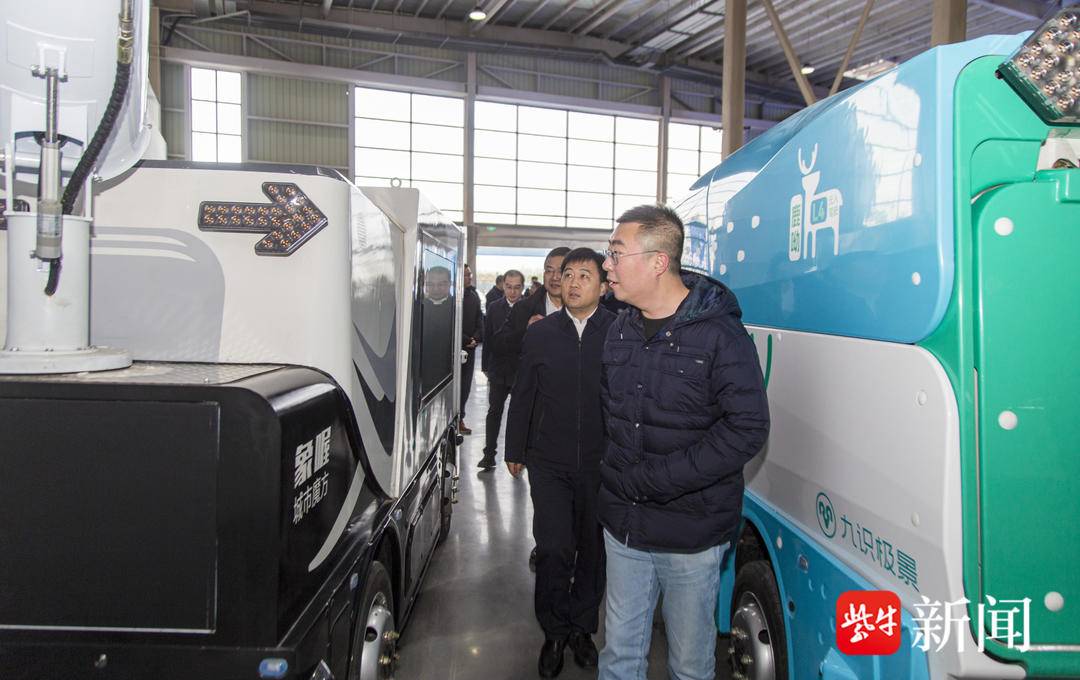
【快讯】每日快讯(2025年12月23日)
乘联分会· 2025-12-23 08:40
Domestic News - Guangzhou's 14th Five-Year Plan aims to accelerate the automotive industry's "curve overtaking," focusing on electric vehicle transformation, brand renewal, and international market expansion, targeting a trillion-level smart connected new energy vehicle industry cluster [7] - Haikou's 14th Five-Year Plan emphasizes the development of smart connected vehicles and other emerging industries, enhancing energy infrastructure and expanding new consumption fields [8] - China's electric vehicle charging infrastructure reached 19.322 million units by November 2025, a 52% year-on-year increase, with public charging facilities at 4.625 million units, up 36% [9] - The "Shenzhen-Hong Kong Automotive Fast Pass Plan" has been implemented, allowing for expedited customs procedures for exported new energy vehicles, reducing port stay time and storage costs by over 70% [10] - Geely Auto announced the completion of the privatization of Zeekr, making it a wholly-owned subsidiary [12] - Li Auto has partnered with Air China to offer a program where new car owners can accumulate flight mileage based on driving distance [13] - Jianghuai Automobile Group has opened a subsidiary in Italy, marking a significant step in its global development strategy [14] - EVE Energy's headquarters and AI robotics center project has commenced construction, with a total investment of approximately 1 billion yuan [15] International News - Thailand's automotive production in November increased by 11.06% year-on-year, reaching 130,222 units, while domestic sales rose by 20.65% [16] - Germany's automotive exports to the U.S. fell by nearly 14% in the first three quarters of the year, significantly impacted by new tariff policies [17] - Malaysia's automotive sales in November grew by 5.5% year-on-year, driven by the impending expiration of tax exemptions and year-end promotions [18] - Uber has partnered with Baidu to conduct trials of autonomous taxis in London, with plans to launch a pilot project in the first half of 2026 [19] Commercial Vehicles - Xidi Intelligent Driving has officially listed on the Hong Kong Stock Exchange, becoming the first company focused on intelligent driving for commercial vehicles [20] - Foton Ouhui has launched a new L4 level intelligent driving bus, showcasing its technological advancements and market competitiveness [22] - Jiushi Intelligent's manufacturing base in Huai'an has officially commenced production, supporting the global RoboVan industry with advanced technology and operational experience [23] - FAW Liberation's new factory in Foshan has officially started production, enhancing its presence in the southern new energy commercial vehicle market [24]





菜鸟入股九识,无人车技术的强强联合
2 1 Shi Ji Jing Ji Bao Dao· 2025-12-21 10:06
文/陈妙盈 在无人驾驶货运领域,单纯的技术堆叠已不再是壁垒,真正的竞争在于数据闭环与场景适配。菜鸟拟入 股九识智能,从技术层面看,是一次极具想象力的"优势互补"。 双方在技术栈上呈现出高度的互补性: 1,九识的"硬核"底座: 九识智能拥有L4级自动驾驶的全栈自研技术,特别是在感知决策算法、多传感 器融合以及VLA大模型研发上具备先发优势。其积累的数千万公里真实道路数据,是算法迭代的宝贵 资产。 2,菜鸟的"AI"赋能: 菜鸟背靠阿里巴巴,在人工智能、机器视觉以及物流调度算法方面积淀深厚。其 自研的菜鸟GT系列无人车已在公开道路大规模运营,具备了极强的场景理解能力。 此次整合后,九识的"车辆端"能力与菜鸟的"云端"AI调度能力将实现深度融合。双方的智驾端到端模型 有望进行数据互通,这将极大加速"车路云一体化"的落地进程。例如,菜鸟的物流调度系统可以更精准 地指挥九识的无人车矩阵,实现快递、商超、冷链等多场景的灵活切换。这种技术共振,将把无人货运 的运营效率推向一个新的高度,构建起难以被单一创业公司复制的竞争壁垒。 ...