
伊利

Search documents
优然牧业2024年报点评
雪球· 2025-03-29 02:45
Core Viewpoint - The article discusses the performance and competitive advantages of YouRan, highlighting its revenue growth, milk production, and unique market positioning through specialty milk products supported by Yili [3][4][5]. Financial Performance - YouRan's raw milk revenue reached 15.1 billion RMB in 2024, up 17% from 12.9 billion RMB in 2023, while raw milk production increased to 3.75 million tons, a 24.1% rise from 3.02 million tons in the previous year [3]. - The average price of raw milk was 4.12 RMB per kg, down 5.9% from 4.38 RMB, indicating that revenue growth did not keep pace with production growth [3]. - The company reported a loss in the second half of the year due to a 5 billion RMB impairment charge on property and equipment, primarily because of reduced sales in the feed business [6]. Market Positioning - YouRan's milk price is significantly higher than the national average, which has been around 3.15 RMB, due to its specialty milk products and support from Yili [4][5]. - The company has expanded its dairy herd to 622,000 cows, a 27% increase compared to Modern Dairy's 490,000 cows, and has introduced 20,000 goats for specialty milk production [5]. Operational Insights - The proportion of breeding cows increased to 52.3%, which is expected to lower costs in the future, although growth rates may slow down [5]. - The feed business saw a decline in revenue from 5.8 billion RMB last year to 5 billion RMB this year, indicating operational challenges [6]. Profitability Metrics - The gross profit margin for raw milk improved to 32.7% in 2024, up nearly 4 percentage points from 28.6% in 2023, reflecting better cost management despite lower sales volumes [11]. - EBITDA and pre-impairment profits showed significant growth, but comparisons with mid-year results indicate that earlier performance was even stronger [12].


禁止“零添加”新规出炉,食品行业将回归“品质竞争”
Bei Ke Cai Jing· 2025-03-27 10:02
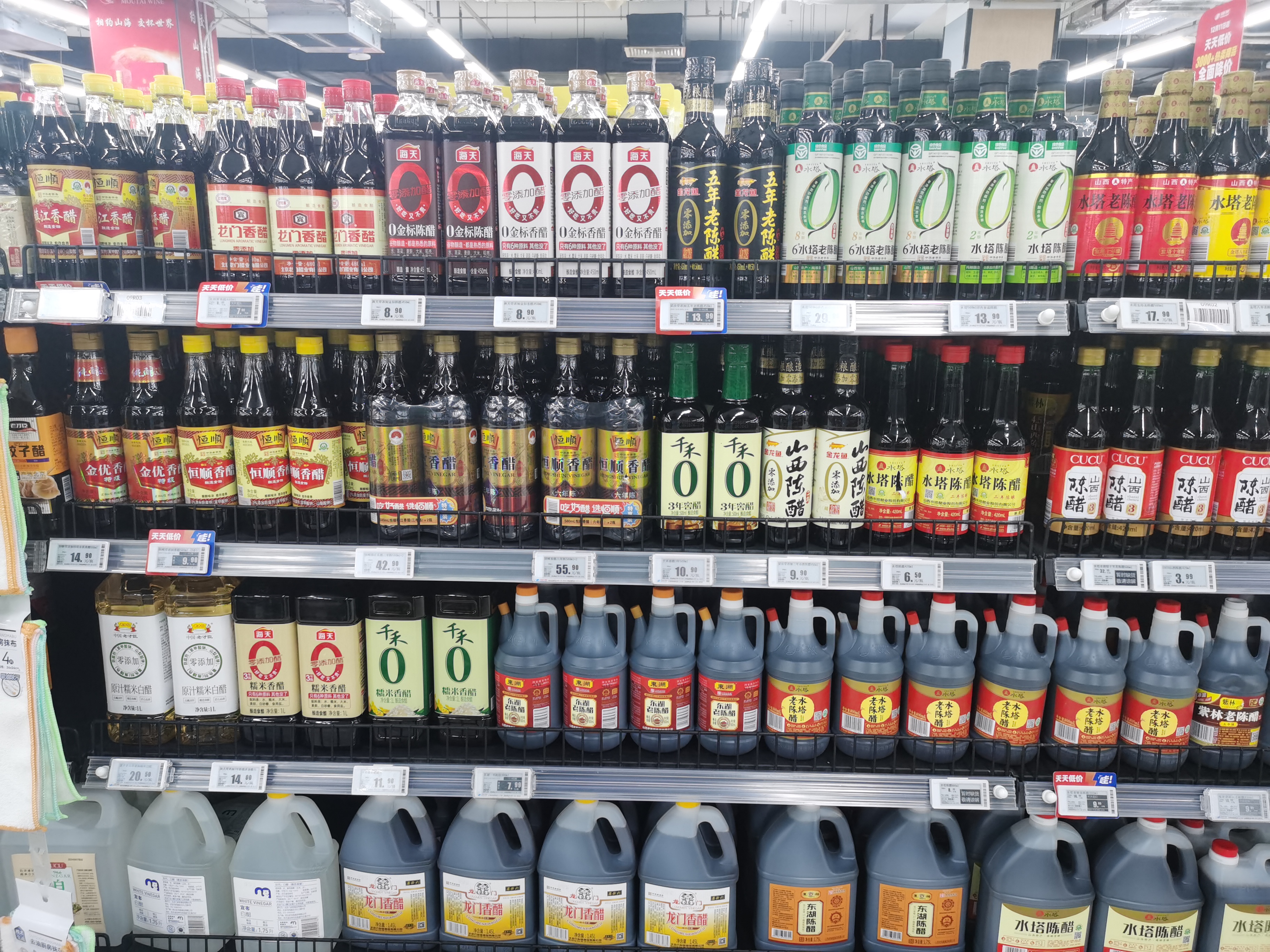
备受关注的"零添加"争议迎来终结。3月27日,新修订的《食品安全国家标准 预包装食品标签通则》(GB 7718-2025)发布,其中规定,预包装食品不允许 再使用"不添加""零添加"等用语对食品配料进行强调。这一重磅新规出台,标志着近年来风靡食品行业的"零添加"营销热潮将退出历史舞台。 新京报记者观察发现,"零添加"概念2018年前后进入爆发期,迅速蔓延至乳制品、调味品、饮料、休闲食品等领域。之后在"科技与狠活"等网络舆情的影响 下,有消费者对食品添加剂产生过度焦虑,进一步助推"零添加"市场的非理性扩张,有企业坦言陷入"被迫跟风"的窘境。 业内专家指出,预包装食品"零添加"标注的退出有望快速推进,预计酸奶行业企业3-6个月可以完成标签更新。同时,新规将推动整个食品行业迎来新一轮 洗牌与升级,企业将从概念营销回归产品本质,促进行业进入"品质竞争"阶段,实现以质取胜的良性竞争格局。 "零添加"的兴起 据业内人士回忆,食品行业"零添加"的第一波热潮始于2018年前后的低温酸奶。彼时酸奶品牌"简爱"率先引爆"零添加"系列产品。同年,乐纯、卡士、北海 牧场等新兴酸奶品牌相继进入"零糖""零添加"高端酸奶领域。 2019 ...





为什么最会吃的中国人,没有世界级的零食?
虎嗅APP· 2025-03-25 13:41
Core Viewpoint - The article highlights the potential of China's snack market, particularly focusing on the growing popularity of chicken feet snacks, such as "tiger skin chicken feet," and the opportunities for domestic brands to establish themselves as global leaders in the snack industry [1][3][19]. Market Overview - The overall scale of China's snack market exceeds 1.4 trillion yuan, with the pre-packaged meat snack segment projected to reach 290.2 billion yuan by 2024 [1]. - Chicken feet snacks account for over 80% of the global chicken feet production, with a significant annual consumption of 33.6 billion pieces in China [3]. Consumer Preferences - The top three snack categories in China are nuts and seeds, puffed snacks, and marinated snacks, all of which are billion-yuan markets with double-digit annual growth rates [4]. - Tiger skin chicken feet are emerging as a popular snack, with a growth rate of 18%, driven by their versatile flavor profile and cultural significance in Chinese cuisine [5]. Brand Development - Wang Xiaolu, a leading brand in the tiger skin chicken feet category, has achieved nearly a hundredfold revenue growth from 2019 to 2024, showcasing the potential for domestic brands to thrive [3][11]. - The brand emphasizes flavor innovation and product standardization to ensure consistent quality, addressing challenges in traditional marinated snack production [9][11]. Distribution Channels - Despite the growth of e-commerce, 80% of snack sales still occur through offline channels, highlighting the importance of physical retail presence for snack brands [13]. - Wang Xiaolu has successfully penetrated over 230,000 retail outlets across more than 300 cities, with offline sales contributing over 70% to its revenue [17]. Branding and Marketing Strategies - The article discusses the significance of emotional value and social connection in snack consumption, with brands needing to build strong identities to compete against private label products [19][20]. - Wang Xiaolu's marketing strategy focuses on targeting the "binge-watching" scene, leveraging popular dramas and social media to enhance brand recognition and consumer engagement [21][22]. Industry Challenges - The lack of world-class snack brands in China is attributed to insufficient brand building and market fragmentation, with many brands competing on price rather than quality [19]. - The article suggests that for a domestic brand to achieve global recognition, it must excel in product development, distribution, and branding [22].
生育补贴有用吗?
远川研究所· 2025-03-24 12:10
Core Viewpoint - The article discusses the declining birth rates in various Chinese cities and the introduction of substantial fertility subsidies as a response to this demographic challenge, highlighting the effectiveness and potential impact of these policies on increasing birth rates [1][2][3]. Group 1: Birth Rate Trends - Hohhot's birth rate dropped from 6.85‰ to 5.58‰ in 2023, with deaths surpassing births for the first time, indicating a negative natural population growth [1]. - The city of Tianmen has seen a continuous decline in birth rates since 2016, but after implementing fertility subsidies in 2024, the birth rate increased by 17% compared to the previous year [2]. Group 2: Fertility Subsidy Policies - Hohhot introduced a comprehensive subsidy policy, offering 10,000 yuan for the first child, 50,000 yuan for the second child, and 100,000 yuan for the third child, with additional annual payments until the children reach certain ages [1]. - Tianmen's subsidy includes a one-time birth reward of 3,000 yuan, monthly child-rearing subsidies totaling 36,000 yuan, and housing subsidies that can exceed 220,000 yuan, significantly alleviating financial burdens for families [3]. Group 3: Types of Subsidies - Fertility subsidies differ from maternity allowances; the former incentivizes childbirth while the latter compensates for income loss during maternity leave [4][5]. - Various types of subsidies include one-time birth rewards, ongoing child-rearing subsidies, medical subsidies for prenatal care, and educational subsidies for preschool children [5]. Group 4: Economic Considerations - The average cost of raising a child in China is estimated at 540,000 yuan, with annual expenses around 30,000 yuan; Hohhot's subsidy can cover about 30% of these costs for families with three children [10]. - The disparity in subsidy effectiveness is highlighted by the varying costs of living in different cities, where the same subsidy amount can have vastly different impacts on families [23]. Group 5: International Comparisons - Countries like South Korea and Japan have faced similar demographic challenges, with South Korea's birth rate dropping to 0.72 in 2024, prompting urgent policy responses [14]. - Japan has been more effective in maintaining its birth rate through substantial government support, with cash subsidies significantly higher than those in South Korea [17][18]. Group 6: Lessons from Global Experiences - Successful fertility policies require timely and adequate financial support targeted at the right demographics, as demonstrated by France's early and robust interventions [18][20]. - The article emphasizes the importance of addressing both the financial and social barriers to childbirth, noting that different regions may require tailored approaches to effectively encourage higher birth rates [22].

克来机电20250319
2025-03-19 15:31
Summary of Klai Electric's Conference Call Company Overview - Klai Electric operates primarily in two segments: automation and automotive parts [3][4]. Key Points Automation Business - In 2024, the automation business experienced a slowdown in order volume due to the end of the capital expenditure peak for new energy vehicles, particularly noticeable in the first half of the year. However, orders began to recover in the second half, with total new orders expected to exceed those of 2023 [3][4]. - The company established a subsidiary in Germany to focus on after-sales services and expand its overseas market presence, aiming to restore the overseas business share to one-third of total revenue, similar to pre-pandemic levels [3][4]. - Klai Electric is shifting its focus towards the development of standardized equipment to adapt to changes in the competitive landscape of non-standard automation [3][4]. Automotive Parts Business - Since the acquisition in 2018, the automotive parts segment has seen revenue growth from 200 million to 460 million, with net profit increasing from 20 million to 70 million. Despite the impact of rising penetration rates of new energy vehicles, the segment achieved revenue of approximately 300 million and net profit of 39 million in the first three quarters of 2024 [3][4]. - The company is actively expanding its customer base, including new energy vehicle manufacturers such as Seres, Li Auto, Huawei, and BYD [3][4]. New Energy Vehicle Components - Klai Electric is developing a carbon dioxide refrigerant heat pump air conditioning system for new energy vehicles, with production expected to ramp up in 2025. Current capacity stands at 300,000 units, primarily targeting the European market, with a monthly shipment volume of about 10,000 units. Volkswagen has requested the completion of the 300,000-unit capacity expansion this year [5][6]. RV Reducer Project - The RV reducer project is a key focus for Klai Electric, with collaboration with a joint venture company. This component is crucial for improving the precision and stability of robots and is expected to be a significant growth area for the company [6][8]. Logistics Robotics - The company has successfully expanded its box-loading robot project, which is designed for the last 50 to 100 meters of logistics operations, achieving high levels of automation. These robots are already in use by major logistics companies such as Sinopharm, Yili, and Mengniu, enhancing overall logistics efficiency [7][8]. Semiconductor Investment - Klai Electric has invested in a semiconductor film company that has developed BC and DG films, breaking the Japanese monopoly on 80% of the market share. The company has also delivered coating machines to U.S. semiconductor firms, including Intel, creating a new revenue stream [12][13]. AI Technology Collaboration - The company is collaborating with the Institute of Computing Technology at the Chinese Academy of Sciences to advance AI applications in the industrial sector. This includes developing a small terminal device for various AI applications to enhance automation efficiency [13][14]. Future Development Focus - Klai Electric's future development will concentrate on new business layouts and expansions, including continued investment in automation-related companies and the RV reducer project. The establishment of the German subsidiary will accelerate overseas market development, aiming to restore international business to pre-pandemic levels [8][9]. Additional Insights - The company is addressing challenges in the logistics sector by developing a tracked robot designed for efficient loading and unloading, which significantly improves logistics efficiency and reduces reliance on manual labor [10][34]. - The box-loading robots have a substantial market potential, particularly in the tobacco and food industries, with expected orders exceeding 100 units in 2025 [33][36]. - Klai Electric's strategic positioning in the RV reducer market focuses on high-precision components, catering to both civilian and military applications [18][21]. This summary encapsulates the key insights and developments discussed during the conference call, highlighting Klai Electric's strategic initiatives and market positioning.

中金3月数说资产
中金点睛· 2025-03-17 23:51
Core Viewpoint - The economic performance in January-February 2025 shows stable growth despite a slight decline in production growth rates compared to December 2024, influenced by high base effects from the previous year and the timing of the Spring Festival. Investment is improving at a faster rate than consumption, but uncertainties remain in the real estate and export sectors, necessitating continued policy support [1][2][3]. Economic Performance - January-February industrial added value and service production index grew by 5.9% and 5.6% year-on-year, respectively, down 0.3 and 0.9 percentage points from December 2024 [1][2]. - Fixed asset investment and retail sales grew by 4.1% and 4.0% year-on-year, respectively, with increases of 1.9 and 0.3 percentage points compared to December 2024 [1][3]. - The demand structure indicates that investment is improving more significantly than consumption, with high growth in categories supported by the old-for-new policy, such as home appliances and furniture [1][3]. Real Estate Sector - The real estate sector shows signs of recovery in land acquisition in key cities, with land transaction area and value improving from December 2024's declines to -2.6% and 39.2% year-on-year, respectively [4]. - However, new construction starts have seen a significant decline of 29.6% year-on-year, indicating ongoing weakness in the sector [4][29]. - The sales of new homes have turned negative, with a 5.1% year-on-year decline in sales area, while second-hand home sales remain resilient, growing by 23% [28][29]. Investment Trends - Broad infrastructure investment grew by 9.9% year-on-year, with public utilities and transportation showing strong growth rates of 25.4% and 2.7%, respectively [5][40]. - Manufacturing investment remains robust, driven by prior export improvements and equipment upgrades, with significant increases in automotive and food manufacturing investments [6]. Consumer Market - The retail sales growth rate for January-February was 4.0%, with notable improvements in essential goods and certain discretionary categories, driven by consumption policies [35][36]. - The catering sector saw a 4.3% year-on-year increase, reflecting the impact of the Spring Festival [3][33]. - The introduction of the "Consumption Promotion Action Plan" aims to stimulate demand across various sectors, including maternal and child products [37][45]. Financial Sector - The financial data for February indicates a slight decline in new loans and a weak recovery in credit demand, highlighting the need for further monetary policy support [23][24]. - Government debt issuance has accelerated, contributing to a year-on-year increase in social financing [24][25]. Agricultural Sector - The agricultural sector is experiencing a gradual recovery, with leading companies expanding their market share through improved cost control and operational efficiency [49]. - The overall consumption of agricultural products remains stable, with expectations for a gradual increase in birth rates potentially benefiting the maternal and infant product market [45][46].

申万宏源全行业联合 2025年两会政府工作报告解读
2025-03-06 05:18
Summary of Key Points from the Conference Call Industry or Company Involved - The conference call primarily discusses the Chinese economy and various sectors influenced by the 2025 government work report, including technology, capital markets, real estate, and consumer sectors. Core Points and Arguments 1. **Economic Development Focus**: The government emphasizes expanding domestic demand, boosting consumption, promoting technological innovation, and supporting the development of the private economy. Consumption is highlighted as a key component of domestic demand policies [3][4][5] 2. **Capital Market Development**: The report stresses the importance of stabilizing the real estate and stock markets, with monetary policy support and capital market reforms being crucial. The management aims to create a favorable environment for the capital market [3][6][8] 3. **Investment Opportunities**: Key investment opportunities for the upcoming year are identified in technology sectors, particularly in AI computing, humanoid robots, and low-altitude economy. High-dividend sectors are also expected to see trends as recovery expectations grow [3][10] 4. **Monetary and Fiscal Policy**: The report indicates a shift towards moderately loose monetary policy and more proactive fiscal policy, with a focus on the supply of government bonds and local government debt [3][11] 5. **Real Estate Sector Outlook**: The government maintains a positive stance on the real estate sector, emphasizing the need for stable housing prices to support consumption. Specific measures include potential interest rate cuts and easing purchase restrictions in first-tier cities [3][14] 6. **Technological Innovation Initiatives**: The government outlines new initiatives in technological innovation, including advancements in AI, 6G technology, and smart devices, positioning these as core drivers of high-quality development [3][5] 7. **Consumer Electronics and Emerging Industries**: The report highlights the importance of consumer electronics, with government subsidies for products like smartphones and AR/VR devices, which will stimulate market demand [3][24] 8. **Cultural Industry Growth**: The cultural industry is seen as having significant growth potential, with support for the application of large models and the opening of the internet and cultural sectors to promote international trade [3][22] 9. **Food and Beverage Sector**: The food and beverage sector is expected to recover as the economy stabilizes, with a focus on national brands and regional leaders in the market [3][41][42] Other Important but Possibly Overlooked Content 1. **Debt Management**: The government acknowledges the need to address debt issues within the development framework, particularly concerning private enterprises [3][4] 2. **Transportation and Logistics**: The report emphasizes the need for innovation in transportation and logistics to enhance efficiency and reduce costs, particularly in cold chain and cross-border logistics [3][27][28] 3. **Green Transition**: The government is committed to promoting a green and low-carbon transition in transportation, integrating new technologies to improve operational efficiency [3][29] 4. **Banking Sector Support**: The report indicates the necessity of injecting capital into state-owned banks to support the real economy, with a projected issuance of special bonds to bolster bank capital [3][43][44] 5. **Non-Bank Financial Sector**: The focus is on comprehensive reform in the non-bank financial sector, promoting long-term capital inflows and addressing risks in smaller financial institutions [3][45] 6. **Construction Industry Trends**: The construction industry is expected to shift towards maintaining and renovating existing structures, with an emphasis on overseas expansion to compensate for domestic market saturation [3][58] This summary encapsulates the key insights and implications from the conference call, providing a comprehensive overview of the government's economic strategies and their potential impact on various sectors.

药食同源-系列电话会议
2025-03-02 06:36
Summary of Conference Call Records Industry Overview Agriculture Sector - Focus on the application of AI and low-altitude data technologies in agriculture, with a long-term positive impact on leading agricultural technology companies. Short-term effects are limited [1][2] - The pig farming industry is currently profitable, but capacity reduction has not yet begun. Pig prices are expected to fluctuate downwards in the first half of the year, with rising soybean meal prices increasing cost pressures. Recommended stocks include Muyuan Foods and Juxing Agriculture [1][4] Pet Food Industry - The impact of increased tariffs on pet food exports to the U.S. is limited, as major companies have established overseas production capabilities. Companies like Zhongchong and Petty are well-positioned to handle U.S. orders [1][5] - Guobao's brand upgrades for the Maifudi brand include the Buff series and goat milk meat series, enhancing brand recognition and product pricing [1][6][7] - Zhongchong and Petty plan to launch staple food products in 2025, indicating continued rapid growth in the industry [1][9] Planting and Seed Industry - The planting and seed sectors face uncertainty, with expectations for genetically modified crop promotion already priced in. High seed inventories and falling grain prices may lead to bottom-line profitability [1][10] Baijiu (Chinese Liquor) Sector - The baijiu sector is undergoing valuation recovery, with consumption demand during the Spring Festival showing differentiation, leading to market share concentration among leading companies. The price system for Feitian Moutai is stabilizing [1][11] - 2025 is expected to be a year for the baijiu industry to solidify its bottom, with the second quarter being particularly critical [1][12] Key Points and Arguments Agriculture Sector - The agricultural sector's performance post the 2025 Central Document is subdued, with traditional agriculture being stable and conservative language regarding genetically modified crops leading to some capital withdrawal [2] Pig Farming Industry - As of late February, the average price of pigs is approximately 14.5 yuan/kg, down about 10% from before the Spring Festival. Leading companies are achieving profits of around 100 yuan per pig, while excellent family farms can achieve profits of 150-200 yuan per pig [4] Pet Food Industry - The potential increase in tariffs on pet food exports to the U.S. is not expected to significantly impact overall profits, as the majority of companies have adapted their production strategies [5] Brand Upgrades in Pet Food - Guobao's Maifudi brand has undergone significant updates, including a shift in product naming and packaging, which may lead to the Buff series becoming a standalone brand [6][7] Baijiu Sector Trends - The baijiu sector is experiencing a recovery in valuation, with a stable price system for key products like Feitian Moutai. The market is expected to stabilize as core products find their positioning [11][12] Pharmaceutical Innovation - The innovative pharmaceutical sector is performing well, with companies like Heng Rui Pharmaceutical expected to launch nearly ten new products in the next two to three years, leading to explosive growth [3][17] - Bai Jie Shen Zhou is expected to achieve profitability in 2025, with significant revenue from its leading product, Zebu Tini [3][18] Investment Recommendations - Recommended stocks include Muyuan Foods and Juxing Agriculture in the pig farming sector, and Heng Rui Pharmaceutical in the pharmaceutical sector. The baijiu sector recommends high-end brands like Moutai and Wuliangye [1][14][17] Other Important Insights - The planting and seed industry requires close monitoring of new genetically modified crop data and U.S.-China trade relations affecting agricultural tariffs [1][10] - The pet food industry is expected to continue its rapid growth trajectory, with significant product launches planned for 2025 [1][9]

