
黑芝麻智能

Search documents
“AI原生终端”的落地时刻,如何重构端侧智能?|CES 2026
Tai Mei Ti A P P· 2026-01-11 01:24
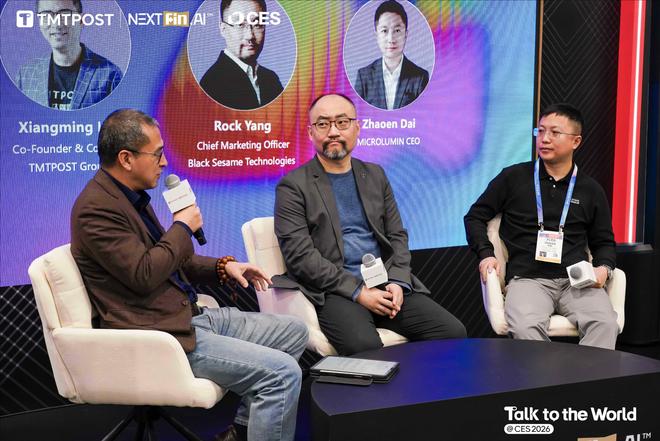
Core Insights - The CES 2026 focuses on the practical applications of AI, moving beyond previous years' discussions on AI concepts to real-world implementations [2] - The concept of AI-native terminals is gaining traction, with discussions highlighting the need for devices that are fundamentally reliant on AI for their existence [4][6] Group 1: AI Native Terminals - AI-native terminals are defined as devices that lose their significance without AI, with a strong emphasis on the importance of finding suitable application scenarios for these technologies [4][10] - The early stages of AI-native terminal development will favor scenarios with strong consumer willingness to pay, such as education, healthcare, and tourism [10] - The distinction between traditional smart hardware and AI-native terminals lies in the latter's autonomous computing capabilities, allowing them to solve problems independently [6][12] Group 2: Market Trends and Consumer Expectations - The market is witnessing a shift towards devices that integrate AI capabilities, with expectations that all electronic devices will eventually possess AI functionalities [2][8] - There is a consensus that successful AI-native products must focus on solving specific user pain points rather than attempting to cover all functionalities [4][10] - The development of AI glasses and embodied intelligence products is seen as a promising direction, with the potential to redefine user interaction and experience [6][12] Group 3: Technical Challenges and Innovations - The integration of AI into devices faces challenges related to physical limitations such as weight and battery life, particularly in wearable technology like AI glasses [6][15] - The current approach to data processing involves a "cloud-edge-end" model, where data is analyzed in stages, but there is a push towards local processing for simpler tasks to enhance user experience [15] - Future innovations in AI glasses will require a balance between hardware advancements and software improvements, focusing on user-friendly interactions [16][21] Group 4: Industry Collaboration and Ecosystem - The relationship between hardware manufacturers, chip suppliers, and algorithm developers is evolving, with a need for collaboration to meet consumer demands effectively [19][20] - The AI hardware landscape is characterized by a shift towards open platforms that provide a comprehensive AI technology foundation, including chips, software, and tools [20] - The competitive edge of Chinese companies in the AI hardware sector is attributed to their robust supply chains and growing AI research capabilities [22][24]

AI日报丨谷歌续创新高,总市值逼近4万亿美元,enAI拟收购高管教练AI工具Convogo核心团队
美股研究社· 2026-01-10 06:16
Group 1 - The article highlights the rapid development of artificial intelligence (AI) technology, presenting significant opportunities in the market [3] - OpenAI has initiated a talent acquisition by bringing the core team of the executive coaching AI tool Convogo under its umbrella, which focuses on automating leadership assessments and feedback reports [5] - Research firm Omdia reports that Chinese companies will dominate the global humanoid robot shipment market by 2025, significantly outpacing American firms, with Chinese startup Shanghai Zhiyuan leading in shipments [6] Group 2 - Black Sesame Intelligence plans to raise approximately HKD 569 million through a share issuance, with 90% of the proceeds allocated for strategic mergers and investments in AI chips and related advanced technologies [7][8] - Intel's stock saw a rise after positive remarks from former President Trump regarding a meeting with Intel's CEO, highlighting the company's advancements in semiconductor manufacturing [10] - Google's Gemini has experienced a substantial increase in web traffic and daily active users, indicating strong market performance, while ChatGPT's daily visits have seen a slight decline [11]




智驾行业杀入“曼哈顿时刻”
Xin Lang Cai Jing· 2026-01-10 01:29
Core Insights - The autonomous driving industry is approaching a state of transparency, with multiple automakers and tech companies targeting the sub-100,000 yuan market for advanced driving features [1][4][9] - The competition has intensified, with companies like BYD, Chery, and Geely launching models equipped with high-level autonomous driving capabilities at lower price points [5][6][7] - The industry is witnessing a convergence of algorithmic approaches, with discussions around VLA and world model architectures, as companies aim to enhance the usability of autonomous driving features [3][20][21] Group 1 - The introduction of advanced driving features in vehicles priced below 100,000 yuan has become a key focus for both automakers and autonomous driving technology providers [1][2][4] - Companies like Horizon Robotics and Huawei are planning to expand their advanced driving capabilities into lower price segments, aiming to break the perceived barriers of high costs associated with such technologies [8][11] - The competition is not only about vehicle pricing but also about the technological advancements in algorithms and hardware, with a significant push towards reducing costs in chips and sensors [10][11][13] Group 2 - The industry is transitioning from a phase of diverse approaches to a more consolidated focus on effective algorithmic solutions, with VLA and world model architectures being at the forefront of discussions [3][20][21] - The recent approval of L3-level conditional autonomous driving vehicles by the Ministry of Industry and Information Technology marks a significant milestone, indicating a potential "breakthrough year" for L3 technology [4][28] - Companies are also exploring the integration of autonomous driving technologies into broader applications, such as logistics and robotics, indicating a shift towards a more comprehensive ecosystem [30][33] Group 3 - The competitive landscape is evolving into a "red ocean" as more players enter the sub-100,000 yuan market, necessitating a focus on efficiency and differentiation [9][13] - The advancements in chip technology and the reduction in costs for essential components like lidar are enabling more companies to offer competitive autonomous driving solutions [10][11] - The push towards L3 and L4 capabilities is becoming a race among automakers and tech firms, with significant investments and developments expected in the coming years [29][30]



CES2026揭示的AI三场变革:从眼镜到机器人、从家庭到工业
3 6 Ke· 2026-01-10 01:07
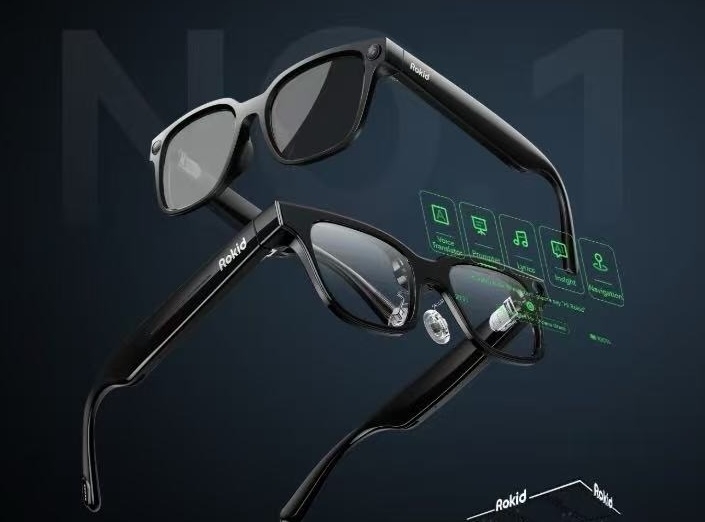
Core Insights - The CES 2026 event highlighted that AI is evolving from a mere tool to becoming the "underlying operating system" of human life, with significant advancements in its integration into physical environments [1][4] - NVIDIA's CEO Jensen Huang emphasized the imminent arrival of the "ChatGPT moment" for physical AI, indicating a shift from virtual to tangible applications [1][2] - The event showcased a clear trend of AI embedding itself into everyday life, impacting various sectors including information interaction, home living, transportation, and industrial systems [2][4] AI Integration in Daily Life - AI is set to transform home living, with innovations such as Elon Musk's brain-machine interface and products like LumiMind's LumiSleep, a real-time brainwave sleep regulator [3][23] - Companies like Rokid and INMO are leading the charge in the smart glasses market, with Rokid's AI glasses being touted as the lightest full-featured AI glasses available [9][11] - The smart cleaning industry is evolving, with companies like Ecovacs and Yunji introducing advanced cleaning robots capable of recognizing various objects and adapting to different cleaning scenarios [15][21] Smart Glasses Market - The smart glasses market is expected to experience explosive growth, with over 50 companies showcasing their products at CES 2026 [6][7] - Xreal and other Chinese brands are making significant strides in the AR/AI glasses sector, with partnerships and new product launches aimed at enhancing user experience [8][9] - INMO's products, such as the INMO GO3, are setting new standards in design and functionality, including real-time translation capabilities [12][14] AI in Industrial and Transportation Sectors - AI is reshaping the transportation and industrial sectors, with companies like Black Sesame Technology showcasing advancements in autonomous driving and intelligent systems [34][36] - The introduction of AI-driven solutions for automated charging and inspection robots indicates a shift towards more integrated and efficient industrial operations [38][39] - The CES 2026 event underscored the importance of AI in enhancing operational efficiency and addressing energy demands in the context of increasing AI computational needs [43][44] Future Outlook - The integration of AI into various aspects of life is expected to lead to a systemic shift in lifestyle and work processes, moving from capability demonstration to embedded productivity [44][45] - The participation of Chinese tech companies at CES 2026 reflects a significant presence in shaping the future technological landscape, indicating a collaborative global narrative [44][45]

2026年初,我们这样在拉斯维加斯度过轩辕新汽车之夜
汽车商业评论· 2026-01-09 23:05
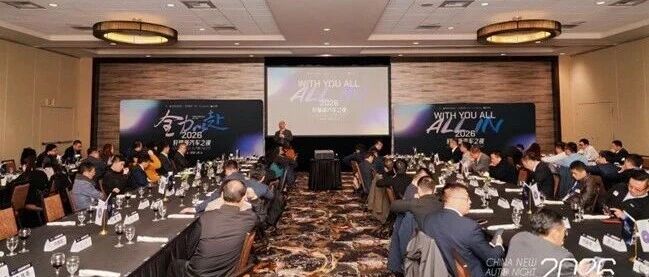
撰文 | 张 南 编辑 | 黄 大 路 设计 | 甄 尤 美 尽管有数字显示,这次来美国参加 2026 年消费电子展( CES )的中国展商,较上一年少了三分之一,只有不到 1000 家参展,展会现场似乎也有 冷清之嫌,但是中国人的面孔、声音和努力却是随处可看见、可听到、可感觉。 相反,以往同样存在感很强的日韩势力却相对弱了很多。究其原因,就汽车行业而言,《汽车商业评论》了解到,因为汽车电子领域的发展边界 已经越来越收敛,日韩特别是韩国企业在这方面已经没有太大竞争力,选择退出成为必然。 就是在这样的背景下,当地时间 1 月 7 日晚上,在拉斯维加斯 LUXOR 酒店,一场由世界新汽车生态协会和轩辕同学联合主办的" 2026 轩辕新汽 车之夜(拉斯维加斯)"盛大举行。 .共探新营销,共创新可能 大约 100 位受邀的中外汽车人莅临现场,他们或是来自主机厂,或是来自供应链,有的是专程来参展,有的是专程来看展,有的是专程来和同行 相聚。此次轩辕新汽车之夜,人气一点也没有比以往减弱,它成为中国汽车人全球化征程的又一个标志性夜晚。 恰如英伟达创始人、首席执行官黄仁勋在 CES2026 开幕前定调演讲中所说的那样,当下世 ...
抢滩万亿具身智能蓝海 泛汽车企业“卡位”人形机器人赛道
Zhong Guo Jing Ying Bao· 2026-01-09 19:58
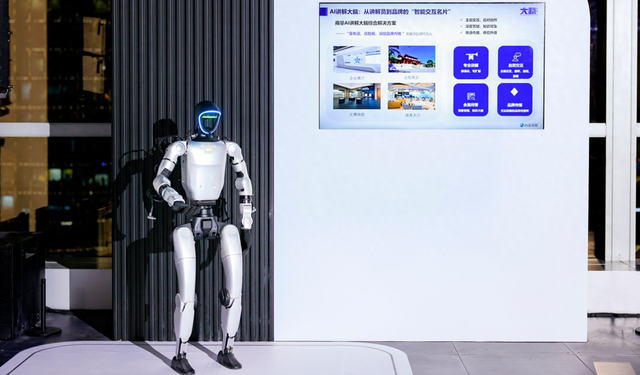
Core Viewpoint - The automotive industry is increasingly entering the humanoid robot sector, viewing it as a "third growth curve" alongside traditional automotive business lines, with significant investments and product developments underway [3][4][5]. Group 1: Investment and Development - Chery Group announced it is accelerating the incubation of its humanoid robot, Moja, with a recent investment of 35 million yuan from Wuhu Bertli Automotive Safety Systems [3]. - The humanoid robot market is projected to reach a size of $5 trillion by 2050, with an estimated deployment of 1 billion units, indicating a vast market opportunity for automotive companies [7]. - Dongfeng Group is also developing humanoid robots for tasks such as customer reception and material handling in factories, showcasing the diverse applications of these robots [5]. Group 2: Technological Synergy - Automotive companies possess inherent advantages in technology and manufacturing processes, which can be leveraged in the development of humanoid robots [7][10]. - The overlap in supply chains between smart vehicles and humanoid robots is as high as 60%, providing a natural pathway for cost reduction [10]. - Chery's approach to humanoid robots is seen as a natural extension of its existing automotive technology and manufacturing capabilities [8]. Group 3: Market Entry and Competition - New players, including companies like SenseTime and Black Sesame Intelligence, are entering the humanoid robot market, indicating a competitive landscape [4][6]. - SenseTime's recent product launches and partnerships in the humanoid robot space highlight the industry's focus on collaboration and ecosystem development [4]. - The entry of automotive companies into the humanoid robot sector is seen as a strategic move to capture future technological opportunities and enhance their market positions [7][11]. Group 4: Challenges and Future Outlook - The humanoid robot industry is still in its early stages, facing challenges such as the lack of industry standards and safety regulations [9]. - Key technological breakthroughs are needed in areas like AI chips, battery technology, and sensor systems to enable large-scale deployment of humanoid robots [10]. - The development of commercial models, such as robot leasing platforms, is emerging as a potential avenue for revenue generation in the humanoid robot sector [11].
武岳峰预计将向黑芝麻智能战略投资5亿元
Bei Jing Shang Bao· 2026-01-09 13:40
北京商报讯(记者 陶凤 王天逸)1月9日,黑芝麻智能发布消息称,公司与知名产业投资机构武岳峰科 创及其产业合作伙伴(上海虹桥小镇投资集团)达成战略投资意向。武岳峰领投的联合投资方预计将向 黑芝麻智能提供合计5亿元人民币的长期战略投资,坚定支持黑芝麻智能在端侧AI和具身智能领域的投 资并购与生态构建。 黑芝麻智能拟将该笔投资专项投入于端侧AI和具身智能产业链战略布局,通过投资、并购等方式整合 拥有核心技术和产品的优质标的,全面加速黑芝麻智能的业务拓展和市场占领。 ...

智通港股解盘 | AI+再度爆发成新引擎 海外矿业巨头拟合并或刺激资源再起
Zhi Tong Cai Jing· 2026-01-09 12:57
Market Overview - A-shares showed strong performance with the Shanghai Composite Index breaking through 4100 points, closing at 4120.43 points, and trading volume exceeding 31,523 billion yuan, marking the sixth occurrence in history of trading volume surpassing 30 trillion yuan [1] - Hong Kong stocks lagged behind, with a slight increase of 0.32% [1] International Developments - The U.S. government is considering a cash incentive for Greenland residents to encourage their potential inclusion in the U.S., with discussions around distributing between 10,000 to 100,000 USD per person, totaling nearly 6 billion USD [1] - A joint military exercise named "Peace Intent-2026" involving China, Russia, and South Africa will take place in mid-January, highlighting a new security cooperation model among BRICS nations [1] Commodity and Metal Market - The U.S. dollar index surpassed 99, and the LMEX index for major base metals is expected to record its fourth consecutive week of gains, with copper and aluminum prices rising over 1% [2] - Companies like Luoyang Molybdenum (03993) and China Aluminum (02600) reached historical highs [2] AI and Technology Sector - MiniMax (00100) made a significant debut on the Hong Kong Stock Exchange, opening at 235.4 HKD, a 42.67% increase from its issue price of 165 HKD [2] - AI applications are thriving, with companies like Zhizhu (02513) seeing over a 20% increase in stock price, reaching a market cap of 720 billion HKD [2] Healthcare Innovations - OpenAI launched ChatGPT Health, a dedicated space for health-related conversations, which can integrate with electronic medical records [3] - Companies like iFlytek Medical Technology (02506) reported a significant increase in stock price, with their medical deep reasoning model achieving a 94% accuracy rate in diagnostic assistance [3] Aerospace and Automotive Sector - JunDa Co. (02865) and Goldwind Technology (02208) experienced initial surges in stock prices, while CIMC Anrui (03899) continues to perform well, with over 100 million RMB in revenue from aerospace-related business [4] - Black Sesame Intelligence (02533) secured a strategic investment of 500 million RMB, boosting its stock price by nearly 5% [4] Market Trends and Stock Movements - The price of crab-eating macaques has surged to 140,000 yuan each, leading to a 7% increase in shares of Zhaoyan New Drug (06127) due to market expectations [5] - Youjia Innovation (02431) repurchased 3,004,800 shares for approximately 44.88 million HKD, indicating confidence from cornerstone investors [5] Employment Data and Legal Decisions - The U.S. Labor Department is set to release December employment data, which is anticipated to be more reliable following the longest government shutdown in history [6] - The U.S. Supreme Court will make a final decision on the legality of tariffs imposed by former President Trump, which may have limited impact on the market [6] Mining Sector Developments - Rio Tinto and Glencore are in preliminary discussions regarding a potential merger, which could create the largest mining company with a market value exceeding 200 billion USD [7] - If the merger occurs, it may lead to increased concentration in the global resources sector, impacting companies like Luoyang Molybdenum (03993) and China Aluminum (02600) [7] Company Performance and Projections - Sanhua Intelligent Control (02050) expects a net profit of 3.87 to 4.65 billion yuan for 2025, representing a year-on-year increase of 25% to 50% [8] - The company is benefiting from growing demand for cooling components in data centers and is set to produce humanoid robots, with significant revenue contributions expected starting in 2026 [9]
芯片被美国审查通过后,黑芝麻智能获武岳峰5亿战投
Guan Cha Zhe Wang· 2026-01-09 09:41
Core Insights - Black Sesame Technology has reached a strategic investment intention with Wu Yuefeng Science and Technology and its partners, aiming to receive a total of 500 million RMB for long-term strategic investment to support its development in edge AI and embodied intelligence [1] - The company’s high-performance all-scenario intelligent driving chip, Huashan A2000, has passed relevant reviews by the U.S. Department of Commerce and the Department of Defense, allowing for global sales and application, marking its entry into the scale application phase [1] - Black Sesame Technology reported a revenue of 253 million RMB in the first half of this year, a year-on-year increase of 40.4%, but recorded a net loss of 762 million RMB, indicating a shift from profit to loss [1] Investment and Strategic Moves - The investment will be specifically allocated to the strategic layout of the edge AI and embodied intelligence industry chain, integrating quality targets with core technologies and products through investments and acquisitions [1] - Recently, Black Sesame Technology announced the completion of a strategic controlling acquisition of Yizhi Electronics, indirectly holding 60% of its shares, which is seen as a key move to expand edge intelligent solutions and explore new growth paths [2] - In November last year, the company launched the SesameX multidimensional embodied intelligent computing platform, marking its entry into the humanoid robot sector [2]

黑芝麻智能拟4.78亿控股亿智电子 AI芯片行业从算力竞赛走向生态化竞争
Xin Lang Cai Jing· 2026-01-09 08:19
Core Viewpoint - The acquisition of Yizhi Electronics by Hezhima Intelligent marks a significant strategic move into the edge AI market, indicating a new phase in the competition for "full-scenario solutions" in the AI chip industry [1][7]. Group 1: Acquisition Details - Hezhima Intelligent announced a strategic acquisition of Yizhi Electronics for approximately 478 million yuan, acquiring a 60% stake through a combination of share transfer and capital increase [1][2]. - The acquisition consists of two parts: an initial payment of 458 million yuan for 19.6% of the shares, followed by an additional investment of 2 million yuan for new registered capital [2][8]. - Yizhi Electronics is committed to achieving a cumulative revenue of no less than 1.2 billion yuan and a net profit of at least 90 million yuan from 2026 to 2028 [1][7]. Group 2: Strategic Synergy - The core value of the acquisition lies in the technological and market synergy between Hezhima Intelligent, which specializes in automotive-grade high-performance SoC chips, and Yizhi Electronics, which focuses on low-power AI SoC chips for edge applications [3][9]. - The combination allows Hezhima Intelligent to create a complete product matrix from high-end automotive computing to low-power edge inference [3][9]. - Yizhi Electronics' existing customer resources in smart hardware and security will help Hezhima Intelligent reduce its reliance on the automotive market [3][9]. Group 3: Industry Trends - The acquisition reflects a critical shift in the AI chip industry from a "computing power competition" to an "ecosystem competition" that covers multiple scenarios [4][10]. - As the growth of the autonomous driving sector slows, leading companies are seeking to quickly cover diverse scenarios through mergers and acquisitions [4][10]. - The demand for edge chips, due to their low latency and low power consumption, is becoming essential in various applications such as robotics and smart homes [4][10]. Group 4: Integration Challenges - Post-acquisition integration challenges are significant, with Yizhi Electronics needing to achieve an average annual revenue of 400 million yuan, which is ambitious given Hezhima Intelligent's projected revenue of only 312 million yuan for 2024 [5][11]. - There are uncertainties regarding the cultural integration of the two companies, particularly in maintaining Yizhi Electronics' innovative capabilities within a larger corporate structure [5][11]. Group 5: Market Reaction - The capital market has shown a cautious attitude towards the acquisition, with Hezhima Intelligent's stock price declining approximately 30% since its listing in 2024, and only a 1.3% increase following the acquisition announcement [12]. - Investors are particularly focused on whether Yizhi Electronics can meet its performance commitments and whether the technological synergy will translate into order growth [12].