恒瑞医药

Search documents
6万亿ETF迎新玩家,兴证全球基金首只ETF上市,弯道超车还有机会吗?
Xin Lang Cai Jing· 2026-01-09 01:25
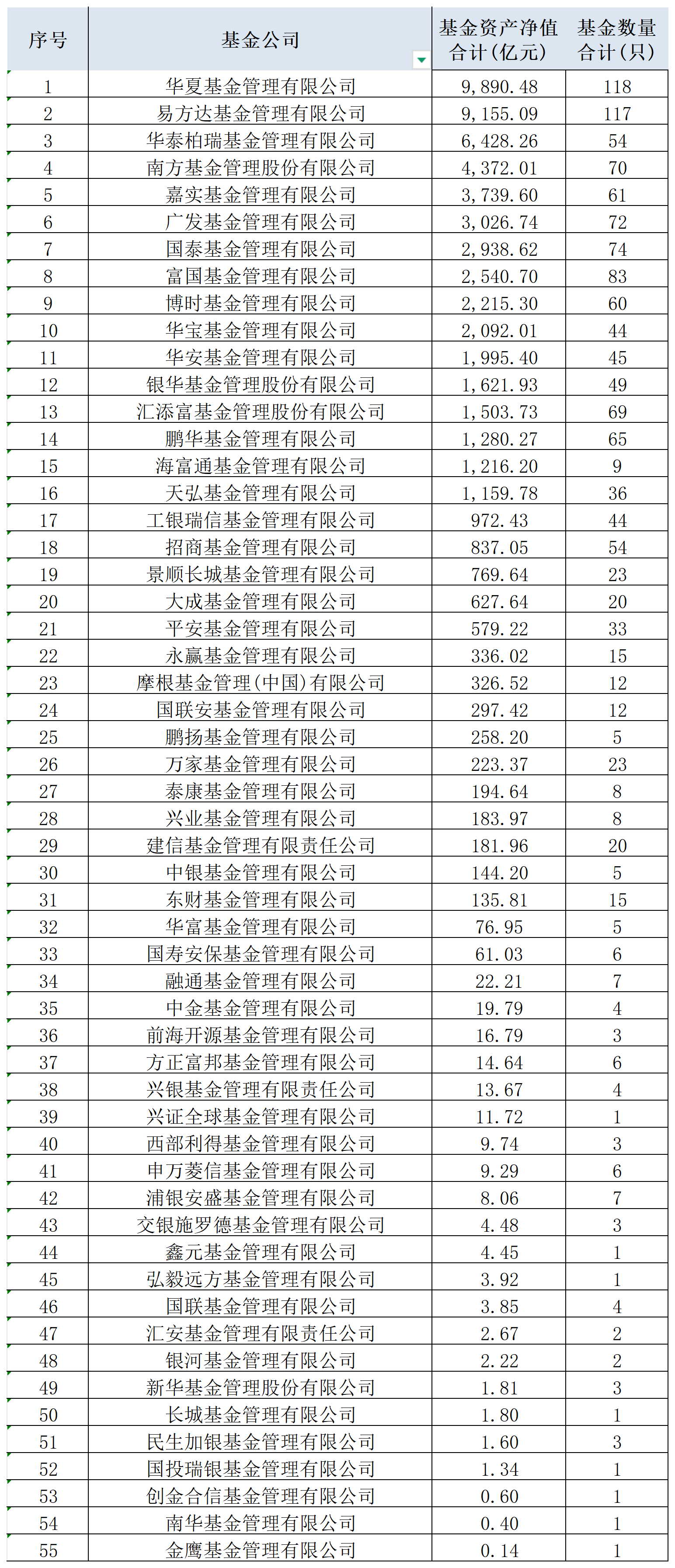
Group 1 - The core viewpoint of the article highlights the entry of a new player, Xingquan Global Fund, into the competitive ETF market with the launch of its first ETF, the Xingquan CSI 300 Quality ETF, which tracks the CSI 300 Quality Index [1][2] - As of January 7, the total scale of ETFs in the market reached 6.15 trillion yuan, with core broad-based ETFs like the CSI 300 ETF and the CSI A500 ETF being the main players [3][6] - The top ten holders of the new ETF include major securities firms and private equity, indicating strong institutional interest [2][3] Group 2 - The ETF market is characterized by intense competition, with 55 public fund managers currently involved, and 16 of them managing over 100 billion yuan in ETF assets [3][6] - Despite the competitive landscape, new entrants are still preparing to join the market, recognizing ETFs as a significant growth area for public fund managers [7][8] - Challenges for new entrants include the need for substantial resource investment and the risk of operating in a market with high product homogeneity, which may lead to difficulties in achieving scale [8]

恒瑞医药上岸,但TGF-β还没有
3 6 Ke· 2026-01-08 23:43
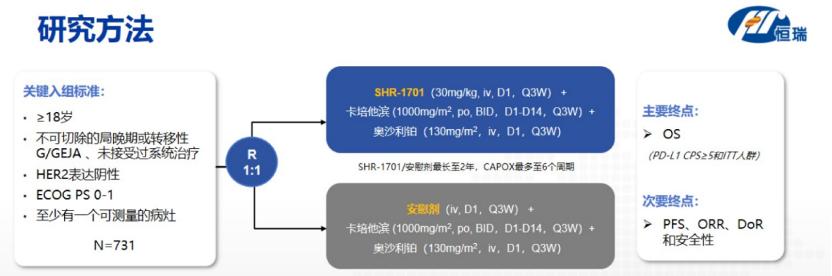
Core Viewpoint - The successful launch of SHR-1701 (Rilafurpu-α) by Heng Rui Medicine marks a significant achievement in the PD-L1/TGF-β dual antibody field, especially as it becomes the first globally approved drug targeting this pathway, showcasing the company's strong clinical design and regulatory communication skills [1][2]. Group 1: Product Approval and Market Context - Rilafurpu-α was officially approved by the NMPA on January 7, indicated for use in combination with fluorouracil and platinum-based drugs for first-line treatment of locally advanced, unresectable, recurrent, or metastatic gastric and gastroesophageal junction adenocarcinoma [1]. - The clinical trial design for Rilafurpu-α involved a treatment group receiving the drug combined with chemotherapy and a control group receiving a placebo with chemotherapy, raising questions about the validity of its success [1][12]. - In the current landscape of first-line gastric cancer treatment, immune checkpoint inhibitors combined with chemotherapy have become standard for HER2-negative patients, with several PD-(L)1 inhibitors already recommended in global guidelines [1][10]. Group 2: Competitive Landscape and Challenges - Despite the approval, Rilafurpu-α has not demonstrated clear efficacy and safety advantages over existing PD-(L)1 inhibitors, leading to uncertainty regarding its market prospects [2][12]. - The failures of Merck's PD-L1/TGF-β dual antibody M7824 in multiple clinical trials have cast doubt on the effectiveness of TGF-β as a target, although it has not completely discredited the potential of the dual mechanism [5][6][7]. - Heng Rui's clinical design strategy, which included stratifying patients based on PD-L1 expression and other factors, contrasts with Merck's more generalized approach, potentially providing a clearer assessment of Rilafurpu-α's efficacy [9][10]. Group 3: Unresolved Questions - The approval of Rilafurpu-α raises critical questions about whether its clinical success is due to the PD-L1 pathway or the synergistic effects of TGF-β [10][14]. - Comparisons with existing PD-1 therapies indicate that Rilafurpu-α may not offer a competitive advantage, especially as prices for PD-1 drugs have significantly decreased [12][14]. - The ongoing exploration of TGF-β mechanisms and the positioning of Rilafurpu-α in the treatment landscape remain areas for further investigation by Heng Rui and other companies [14].

外资集体唱多中国:资金与信心双轮驱动,重点关注科技创新与AI产业
Sou Hu Cai Jing· 2026-01-08 23:41
Group 1 - Global capital markets are focusing on China, with strong confidence in its economic resilience and market potential from multiple foreign institutions [1][4] - Goldman Sachs predicts that the MSCI China Index and the CSI 300 Index will rise by 20% and 12% respectively in 2026, maintaining a high allocation to Chinese A-shares and Hong Kong stocks [1][4] - UBS expects a 14% profit growth for the MSCI China Index in 2026, driven mainly by internet platforms, high-end manufacturing, and companies with global expansion capabilities [1][5] Group 2 - There is a clear trend of capital returning to China, with international long-term funds continuing to flow in and a strong recovery in the Hong Kong IPO market [2] - UBS's China president noted that 2025 was a pivotal year for international investors' attitudes towards Chinese assets, shifting from passive observation to active participation [2] - Goldman Sachs forecasts that net buying from southbound funds could reach $200 billion in 2026, setting a new historical high [2] Group 3 - Global hedge funds currently have a net allocation of 7.6% and a total allocation of 6.5% to Chinese stocks, significantly below previous cycle peaks [3] - The MSCI China Index is expected to trade at a forward P/E ratio of 13 times by the end of 2026, indicating significant upside potential not yet reflected in current valuations [3] - The MSCI China Index currently trades at a discount of 38% compared to developed markets and 11% compared to other emerging markets, making it attractive for foreign investment [3] Group 4 - The positive outlook for Chinese assets is supported by fundamental improvements, reasonable valuations, and policy benefits [4][5] - Goldman Sachs emphasizes that the stock market's rise in 2026 will be driven by earnings growth, with expected profit growth of 14% for both the MSCI China Index and the CSI 300 Index [4][5] - The anticipated policy support will focus on accelerating investment in advanced technologies to enhance self-sufficiency and productivity [5] Group 5 - The technology innovation and AI sectors are identified as core growth areas attracting foreign investment [6] - China's AI technology companies have a total market value of approximately $5 trillion, which is only one-sixth of that of the U.S., indicating significant growth potential [6] Group 6 - Goldman Sachs recommends focusing on three core areas for investment: private enterprises benefiting from AI development, stocks supported by the "14th Five-Year Plan," and leading companies in export [7] - The top ten private leading enterprises in China, including Tencent and Alibaba, represent 40% of the MSCI China Index's weight and have a daily trading volume of $7.5 billion [7] - Companies with strong balance sheets and cash flows that are well-positioned for international market expansion are expected to perform well [7]





香港交易所(0388.HK)25年业绩前瞻:多重利好兑现高增长 交投延续看三支撑
Ge Long Hui· 2026-01-08 21:17
Core Viewpoint - The Hong Kong stock market is expected to see significant trading activity in 2025, driven by macroeconomic recovery, favorable policies, industrial upgrades, and improved global liquidity, leading to high growth in Hong Kong Stock Exchange's performance [1] Market Overview - As of December 2025, the market capitalization of the Hong Kong securities market was HKD 47.39 trillion, a decrease of 1.26% quarter-on-quarter but an increase of 34.18% year-on-year [1] - The average daily trading amount (ADT) for 2025 reached HKD 249.82 billion, up 90.28% year-on-year, with Q4 ADT at HKD 229.81 billion, reflecting a 22.97% increase year-on-year but a 19.75% decrease quarter-on-quarter [1][2] Southbound Capital Inflow - In 2025, southbound capital saw a net inflow of HKD 1.301455 trillion, a year-on-year increase of 74.92%, with quarterly inflows of HKD 411.33 billion, HKD 272.86 billion, HKD 399.99 billion, and HKD 217.28 billion respectively [2] - The influx of southbound capital has significantly boosted trading activity in the Hong Kong stock market [2] IPO Market - In 2025, there were 117 new listings, an increase of 47 compared to the previous year, with total IPO fundraising amounting to HKD 285.81 billion, a year-on-year increase of 224.24% [2] - The increase in IPO fundraising was largely driven by major A-share companies listing in Hong Kong, contributing to 49.02% of the total IPO fundraising [2] Derivatives and Commodity Market - In 2025, the average daily trading volume of futures and options reached 1.663 million contracts, a year-on-year increase of 7.1% [3] - The average daily trading volume of metal contracts on the LME was 757,000 lots, reflecting a 14.0% year-on-year increase [3] Interest Rate Impact - Following the Federal Reserve's interest rate cuts, the HIBOR rate has seen a slight decline, with the 6-month HIBOR dropping from 4.17% at the beginning of 2025 to 2.99% [4] - The decline in interest rates is expected to enhance trading activity in the Hong Kong stock market, which may offset some negative impacts on investment income [4] Earnings Forecast - Revenue forecasts for 2025, 2026, and 2027 are projected to increase by 26.53%, 2.70%, and 3.84% respectively, reaching HKD 28.31 billion, HKD 29.07 billion, and HKD 30.19 billion [5] - Net profit forecasts for the same years are expected to rise by 38.49%, 6.22%, and 4.01% respectively, reaching HKD 17.60 billion, HKD 18.69 billion, and HKD 19.44 billion [5] Market Dynamics - The ongoing liquidity support from the Federal Reserve's monetary policy shift is expected to benefit the Hong Kong stock market [6] - The continuous inflow of southbound capital is anticipated to maintain high trading activity levels [6] - The valuation advantage of the Hong Kong stock market remains, with the Hang Seng Index's PE-TTM at approximately 11.96 times, compared to the 17.00 times of the CSI 300 [6] Long-term Outlook - The Hong Kong Stock Exchange is expected to benefit from increased trading activity and valuation uplift, with a target price of HKD 520 per share, maintaining a "buy" rating [7]

创新药“首单”频现,患者用药门槛降低
Xin Lang Cai Jing· 2026-01-08 16:57
Core Insights - The new medical insurance directory has entered a substantial implementation phase, with multiple innovative drugs, including Tislelizumab and Fuzhengzhu, being covered by insurance in various hospitals, indicating a reduction in access barriers for patients [1][3] - The adjustment includes 114 new drugs and introduces a dual insurance model, combining basic medical insurance with commercial health insurance, which opens payment channels for high-value drugs in oncology and rare diseases [1][3] Group 1: Innovative Drug Inclusion - The rapid inclusion of innovative drugs in the new medical insurance directory reflects increased support for "true innovation" with high clinical value, as evidenced by the inclusion of 124 unique products [3] - Notably, Tislelizumab, the first targeted drug for thyroid eye disease in China, was included in the insurance directory within a year of its market launch, filling a 70-year treatment gap [3] - Heng Rui Medicine emerged as a significant beneficiary, with 20 products and indications adjusted, including 10 new drugs, enhancing patient access to innovative therapies [3][4] Group 2: Commercial Health Insurance Impact - The introduction of the commercial health insurance directory provides a secondary market for high-value drugs, with price reductions ranging from 15% to 50%, which is less severe than the typical 60% cuts seen in basic medical insurance [6] - The inclusion of five CAR-T therapy products in the commercial insurance directory marks a significant breakthrough for high-priced treatments, which previously struggled to gain insurance coverage [5][6] - The dual-directory model creates a payment system that supports innovation while allowing for profitable pricing strategies for pharmaceutical companies [7][11] Group 3: Market Dynamics and Adjustments - The adjustment process also involved the removal of 29 drugs from the insurance directory, including Benarutide, which faced competition from more effective alternatives, highlighting the dynamic nature of the market [9][10] - The exit of certain drugs signals a shift towards prioritizing high-efficiency and urgently needed medications, enhancing the overall efficiency of the medical insurance fund [11] - Companies are encouraged to focus on true innovation rather than "me-too" products, aligning their research and development strategies with the evolving insurance landscape [5][11]

内外协同 锚定多肽产业新未来——专访翰宇药业双执行总裁唐洋明、沈亚平
Zheng Quan Ri Bao· 2026-01-08 16:45
Core Insights - The peptide drug sector is rapidly growing, with a projected global market size of $210.8 billion by 2030, driven by high activity, low toxicity, and strong targeting capabilities [1] - The company Hanyu Pharmaceutical has implemented a dual CEO management model to enhance collaboration and efficiency in drug development and market conversion [2][3] Industry Trends - The peptide drug industry, particularly in the GLP-1 segment, is experiencing a golden growth period with increasing competition [4] - Companies are focusing on differentiating their products through innovative drug design and effective market strategies to avoid homogenization [4][5] Company Strategy - Hanyu Pharmaceutical aims to build a competitive edge through a comprehensive industry chain, innovative research and development, and international quality standards [5] - The company has established a differentiated advantage in the GLP-1 pipeline by offering various dosage forms and maintaining low production costs [5] Future Outlook - Hanyu Pharmaceutical plans to leverage three strategic cards: enhancing international sales, preemptively positioning for expiring patents, and extending into innovative drug and technology platforms [7][8] - The company is focusing on long-term growth by addressing unmet clinical needs and exploring the small nucleic acid drug sector, which is expected to be a key growth area in the next 1 to 3 years [8]

小核酸-大时代-靶向治疗新纪元
2026-01-08 16:02
Summary of Key Points from the Conference Call Industry Overview - The conference call discusses the advancements in the small nucleic acid drug sector, particularly focusing on companies like Wave Life Sciences and Arrowhead Pharmaceuticals, which have shown promising data in weight loss and fat reduction therapies [1][4][5]. Core Insights and Arguments - **Advantages of Small Nucleic Acid Drugs**: These drugs demonstrate long-lasting effects, improved safety by reducing the dosage of GLP-1 drugs, and the ability to achieve high-quality weight loss by specifically targeting visceral fat while preserving lean body mass [1][5]. - **Clinical Developments**: Key catalysts for 2026 include advancements in major indications such as severe hypertriglyceridemia (SHTG), cardiovascular outcomes related to LPA, and IgA nephropathy. Arrowhead's OX7 data is expected to show significant clinical changes in humans [1][8]. - **Market Position of Chinese Companies**: Chinese firms are leveraging engineering advantages to enhance specificity and delivery efficiency, positioning themselves to develop best-in-class molecules, particularly in non-liver diseases [1][9]. - **Emerging Targets in Hyperlipidemia**: New targets like LP(a) are gaining attention, with major Chinese pharmaceutical companies like Hengrui and Shiyao licensing oral small molecule LP(a) inhibitors to multinational corporations for approximately $2 billion each [3][20]. Additional Important Content - **Recent Progress in Small Nucleic Acid Research**: Recent data from Wave Life Sciences and Arrowhead Pharmaceuticals confirm the efficacy of small nucleic acid drugs in weight loss and fat reduction, with significant results observed in clinical trials [4][24]. - **Commercialization and Development Trends**: The small nucleic acid drug sector has seen a resurgence since 2016, with successful commercialization efforts leading to substantial market valuations, such as Alnylam's peak market cap of $60 billion [17][18]. - **Challenges in Delivery Systems**: While advancements have been made in delivery systems, many remain in early stages, indicating a need for further innovation to enhance efficacy and safety in non-liver delivery systems [16][24]. - **Trends in MNC Transactions**: There is a notable trend of large pharmaceutical companies showing interest in early-stage small nucleic acid drugs, with significant transaction values even at the preclinical stage, indicating strong market confidence [19]. This summary encapsulates the critical developments and insights from the conference call, highlighting the potential and challenges within the small nucleic acid drug industry.
新医保目录实施一周:创新药“首单”频现
Bei Jing Shang Bao· 2026-01-08 15:45
Core Insights - The new medical insurance directory has entered a substantial implementation phase, with multiple innovative drugs, including Tislelizumab and Fuzhengzhu, being covered by insurance in various hospitals, indicating a rapid reduction in access barriers for patients [1][3] - The adjustment includes 114 new drugs and introduces a commercial health insurance innovative drug directory for 2025, marking a significant shift towards a multi-tiered insurance payment system [1][3] Group 1: Innovative Drug Inclusion - The new medical insurance directory reflects increased support for "true innovation" with 124 unique products included, showcasing a strong emphasis on high clinical value [3][4] - Notable drugs like Tislelizumab, the first targeted therapy for thyroid eye disease, and Fuzhengzhu, a biological agent for psoriasis, have been rapidly integrated into the insurance system, filling long-standing treatment gaps [3][4] - Heng Rui Medicine is highlighted as a major beneficiary, with 20 products and indications adjusted, including 10 new drugs, enhancing patient access to innovative therapies [3][4] Group 2: Biotech Sector Impact - Companies like BeiGene, Innovent Biologics, and Kangfang Biotech are also benefiting from the new directory, accelerating their commercialization processes [4] - BeiGene is the only company with two products included in the first commercial insurance innovative drug directory, addressing unmet needs in cholangiocarcinoma and neuroblastoma [4] - Innovent Biologics has expanded its offerings to 12 innovative drugs under the new directory, creating a robust product matrix [4] Group 3: Shift in R&D Strategies - The introduction of the commercial insurance innovative drug directory is seen as a solution to the payment challenges faced by high-value innovative drugs, encouraging companies to focus on true innovation rather than me-too products [5][6] - The directory allows for a second market for high-priced therapies, with price reductions between 15% and 50%, which is less severe than the typical cuts seen in basic insurance [6][7] - This dual-directory model is expected to drive pharmaceutical companies to align their R&D strategies with real-world clinical needs, particularly in oncology and rare diseases [7][9] Group 4: Drug Exclusions - The adjustment also involved the removal of 29 drugs from the insurance directory, including Benalutide injection, which faced competition from more effective alternatives [8][9] - This "one in, one out" approach aims to enhance the efficiency of insurance fund usage by prioritizing high-demand and effective medications [9]

创新链系列——中国创新药研发投入景气度指标2025年12月跟踪及全年总结
Changjiang Securities· 2026-01-08 13:11
报告要点 [Table_Summary] 伴随着创新药企业 A/H 上市和增发充沛资金,二级市场创新药估值重塑和一级退出通道打通带 来中国生物医药投融资生态逐渐走向正循环,创新药对外 BD 涌现为研发投入注入新的资金来 源并拉动行业整体研发投入意愿,中国创新药研发投入景气度或渐趋改善,随之带来创新药产 业链进入新一轮景气周期。 分析师及联系人 [Table_Author] 丨证券研究报告丨 行业研究丨专题报告丨医疗保健 [Table_Title] 创新链系列——中国创新药研发投入景气度指 标 2025 年 12 月跟踪及全年总结 彭英骐 万梦蝶 SAC:S0490524030005 SAC:S0490525050001 SFC:BUZ392 请阅读最后评级说明和重要声明 %% %% %% %% research.95579.com 1 医疗保健 cjzqdt11111 [Table_Title 创新链系列2] ——中国创新药研发投入景气度指 标 2025 年 12 月跟踪及全年总结 [Table_Summary2] 2025 年 12 月前瞻性指标趋势 1、IPO 募集资金:2025 年 12 月医药港股 I ...
泽璟制药上市6年未盈利:左手赴港募资出海,右手注销海外子公司
Xin Lang Cai Jing· 2026-01-08 12:45
Core Viewpoint - Zai Jing Pharmaceutical, the first innovative drug company to list on the STAR Market under the "Fifth Set of Standards," has struggled to achieve profitability since its IPO in 2020, despite launching several products and transitioning from a clinical biotech firm to a commercial pharmaceutical company [4][6][9]. Financial Performance - Since its listing, Zai Jing Pharmaceutical has reported continuous losses, with a net loss of 1.5 billion RMB in 2024 and a net loss of 1.38 billion RMB [6][10]. - As of the end of Q3 2025, the company reported revenues of 5.93 billion RMB, surpassing the total revenue for 2024 [10][11]. - The company's debt ratio exceeded 60% by Q3 2025, with total liabilities reaching 18.64 billion RMB, primarily driven by short-term debts [17][18]. Product Development and Sales - Zai Jing Pharmaceutical's product portfolio includes multiple drugs, with its main revenue source being Donafenib, which has been approved for use in over 2,200 hospitals [20][21]. - The company has launched several products, including Donafenib, Recombinant Human Thrombin, and JAK inhibitor Gika Xitini, with the latter expected to enter the national medical insurance directory in January 2026 [8][21]. - Despite revenue growth, the company faces high sales and distribution expenses, which reached 3.32 billion RMB in the first three quarters of 2025, indicating a sales expense ratio of over 56% [9][21]. Strategic Moves - Zai Jing Pharmaceutical is pursuing a dual listing on the Hong Kong Stock Exchange to raise funds for international expansion and brand establishment [11][12]. - The company recently announced a licensing deal with AbbVie for its drug ZG006, which could provide up to 1 billion USD in milestone payments, marking its first overseas licensing agreement [16][24]. - The cancellation of its U.S. subsidiary, Gensun Biopharma, was aimed at optimizing resource allocation and enhancing R&D efficiency, although it raised questions about the rationale behind the acquisition of a loss-making asset [12][15]. Market Sentiment - The stock price of Zai Jing Pharmaceutical saw a nearly 50% increase in the first half of 2025, but market sentiment has shifted, with concerns about the company's ability to achieve profitability and manage high sales expenses [22][23]. - As of January 8, 2026, the stock price was reported at 97.25 RMB per share, reflecting a decline, indicating market skepticism regarding the company's future performance [23][24].