lululemon athletica inc.

Search documents
零售周报|老铺黄金单店销售约4.6亿;泡泡玛特净利暴涨363%
Sou Hu Cai Jing· 2025-08-25 13:06
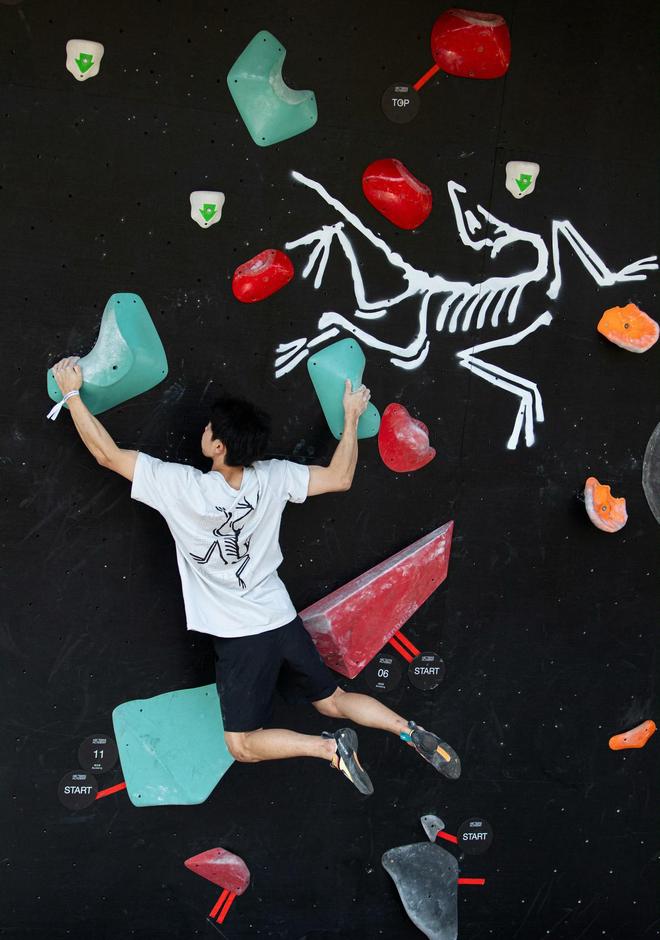
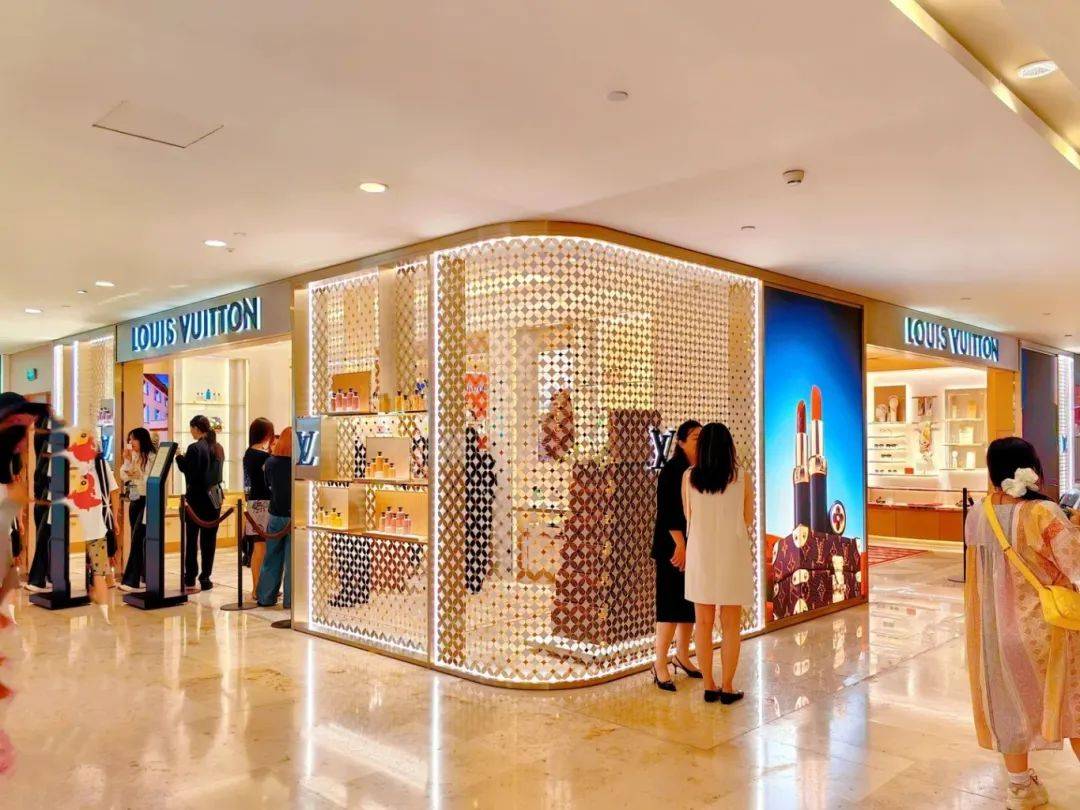
Group 1 - Louis Vuitton opened its first independent perfume and beauty boutique in Nanjing, China, with a new lipstick series priced at 1200 yuan and a replacement core at 510 yuan, launching on August 25 [2] - Sporty & Rich launched a limited-time pop-up space "WELLNESS CLUB" in Shanghai, inspired by California's native ecology, promoting a lifestyle of health and self-care [4] - Pas Normal Studios opened its flagship store in Shanghai, focusing on community interaction and cycling culture, following its first store in Beijing [6] Group 2 - TWOI Design Lab opened its first store in Shanghai, targeting young women with a "cream style" aesthetic, offering clothing, shoes, and accessories [7] - TravelDepot plans to open its first global flagship store in Hangzhou, covering 300-500 square meters, focusing on travel-related products and services [10] - ONE MOMENT opened its first store in Chengdu, featuring a modern retro style aimed at young women [14] Group 3 - Anta's first "Rizhao Jinshan" themed store opened in Shenyang, showcasing outdoor and all-weather apparel across three floors [18] - Decathlon responded to rumors of selling 30% of its Chinese subsidiary, emphasizing its commitment to long-term development in China [20] - Pandora announced plans to close 100 stores in China, expanding its initial plan to close 50 stores due to declining sales [22] Group 4 - Xianyu opened its first circular store in Shenzhen, integrating resale and recycling into its business model [21] - Hema Fresh opened four new stores in China, with plans to open nearly 100 more this fiscal year [23] - Aldi is entering the Nanjing market with its first store [24] Group 5 - JD's discount supermarket opened its first store in Zhuozhou, featuring over 5000 high-quality products and plans for rapid expansion [27] - JD's Seven Fresh Food MALL plans to expand nationwide after successful operations in Harbin [28] - TOP TOY completed a new round of financing led by Temasek, achieving a valuation of 10 billion HKD [29] Group 6 - Lao Pu Gold reported a 249.4% increase in sales revenue for the first half of 2025, with an average sales performance of approximately 4.59 billion yuan per store [32] - Pop Mart's revenue for the first half of 2025 reached 138.8 billion yuan, exceeding the total revenue for 2024 [33] - Miniso's revenue for the first half of 2025 was 93.93 billion yuan, with a net profit increase of 11% [34] Group 7 - Amer Sports reported a 42% revenue increase in the Greater China region for Q2 2025 [35] - Li Ning's revenue for the first half of 2025 grew by 3.3% to 148.2 billion yuan [37] - Xtep Group's revenue for the first half of 2025 increased by 7.1% to 68.38 billion yuan [38] Group 8 - Estée Lauder's net sales for the 2025 fiscal year declined by 8%, marking the third consecutive year of decline [39] - Walmart China reported a 30.1% increase in net sales for Q2 2026, with e-commerce sales growing by 39% [41] - Authentic Brands Group announced the acquisition of Guess for 1.4 billion USD, including debt [42]






受美国销售疲软与关税拖累,瑞银下调Lululemon(LULU.US)目标价至240美元
Zhi Tong Cai Jing· 2025-08-25 06:41
Core Viewpoint - UBS has adjusted the target price for Lululemon Athletica (LULU.US) from $290 to $240 while maintaining a neutral rating, citing weak sales momentum in August as the primary reason [1] Sales Performance - Lululemon's sales in the U.S. market achieved only a 1% year-over-year growth in the second quarter [1] - The company is expected to face a downward pressure of $0.20 on earnings per share (EPS) due to tariff policies and rising costs [1] Market Sentiment - Despite the short-term pressures, Wall Street remains optimistic about Lululemon, with most analysts maintaining a "buy" rating [1] - The average one-year target price for the stock on Wall Street is $283.78, indicating a potential upside of nearly 43% from the latest closing price, reflecting institutional investors' recognition of its long-term value [1]

男人最爱的迪卡侬,失宠了
首席商业评论· 2025-08-25 04:05
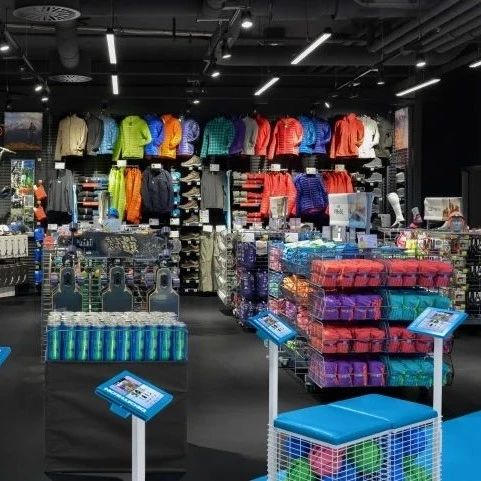
Core Viewpoint - Decathlon's decline in China is attributed to rising prices, increased competition, and internal management issues, leading to a significant drop in consumer visits and sales [5][10][17]. Price Increase Impact - Decathlon's price hikes have led to a decrease in consumer interest, with products like a 20L backpack increasing from 49.9 yuan to 89.9 yuan, and a jacket from 199 yuan to 599 yuan [6][7]. - The company's net profit margin has been low, around 5% to 6%, compared to over 10% for competitors like Nike and Adidas, with revenue growth plummeting from 21.3% to 1.15% [8][10]. Competitive Landscape - Increased competition from both domestic and international brands has eroded Decathlon's market share, with alternatives like low-cost brands on e-commerce platforms attracting former Decathlon customers [10][11]. - Brands like Anta and Li Ning are aggressively targeting the same consumer base, offering competitive pricing and stylish designs [10][11]. Internal Management Issues - Decathlon's internal management style, characterized by low salaries and a lack of career advancement opportunities, has contributed to employee turnover and dissatisfaction [13][14]. - The company's centralized decision-making process has led to inefficiencies and a lack of responsiveness to market changes [16][17]. Potential Buyers for Decathlon China - There are ongoing discussions about the potential sale of Decathlon's China business, with major interest from JD.com, Anta Sports, and international private equity firms [19][20]. - JD.com is seen as a strong candidate due to its supply chain capabilities and data-driven approach, which could help Decathlon optimize its operations [19][20]. Future Directions - Decathlon faces a critical juncture, needing to balance its high-end transformation with its original value proposition of affordability and accessibility [23][24]. - The company must decide whether to continue pursuing a high-end strategy or return to its roots of providing affordable sports products for all consumers [24].
大空头Michael Burry Q2转向看多?从全面看空中概股到精准布局医疗与消费
Jin Rong Jie· 2025-08-22 02:56
Core Viewpoint - Michael Burry has dramatically shifted his investment strategy from a bearish outlook in Q1 to a bullish stance in Q2, indicating a change in market sentiment and investment focus towards growth and defensive sectors [4][10]. Group 1: Q1 Positioning - In Q1, Burry established a significant number of put options on Chinese concept stocks and high-valuation tech companies, reflecting a pessimistic outlook on their valuations [2]. - He increased his position in Estée Lauder (EL) from 100,000 shares to 200,000 shares, indicating a focus on high-end consumer goods as a hedge against market downturns [2]. - Burry cleared positions in several stocks, including MAGN, OSCR, and VFC, further emphasizing his bearish sentiment [2]. Group 2: Q2 Positioning - By Q2, Burry's portfolio underwent a complete transformation, with new positions in Bruker (BRKR), Lululemon (LULU), and UnitedHealth (UNH), indicating a shift towards a more optimistic market view [3]. - He purchased call options on multiple stocks, including Alibaba, ASML, and Meta, suggesting a belief in potential upside in these companies [3]. - Burry reduced his holdings in Estée Lauder from 200,000 shares to 150,000 shares while still holding call options, showing a cautious approach [3]. Group 3: Investment Logic and Signals - The transition from a systematic bearish stance to a structural bullish outlook highlights a shift in Burry's investment philosophy, focusing on selective growth and defensive strategies [5]. - The emphasis on healthcare and consumer upgrade sectors, represented by stocks like UnitedHealth and Lululemon, indicates a preference for stable cash flow and long-term growth potential [6]. - Burry's change in attitude towards Chinese concept stocks, moving from significant put options to call options, suggests he believes these stocks have reached a valuation bottom and present structural opportunities [7]. Group 4: Notable Comparisons and Flexibility - Burry's investment in UnitedHealth aligns with Warren Buffett's strategy, as Berkshire Hathaway also increased its stake in the same company, reinforcing the value of this sector [8]. - The use of options allows Burry to maintain flexibility in his portfolio, enabling quick adjustments based on market fluctuations while expressing a bullish outlook [9].


NIKE's Classic Franchises Fade: Can Fresh Launches Drive Recovery?
ZACKS· 2025-08-21 14:45
Core Insights - NIKE Inc. is experiencing a decline in demand for its iconic franchises, leading to a significant revenue headwind of nearly $1 billion in fiscal 2025 [1][8] - The company is focusing on fresh product launches and sport-led innovation to drive recovery, with early sales momentum seen in new products like the Vomero 18 and A'ja Wilson's signature line [2][8] - The success of NIKE's strategy will depend on its ability to scale new franchises quickly and maintain consumer excitement across its product categories [3] Company Strategy - NIKE is intentionally downsizing its classic footwear lines, which saw a decline of over 30% in the fourth quarter of fiscal 2025, to reset brand positioning and innovate its product portfolio [1][8] - The company is aligning its business into sport-specific teams and expanding into women's basketball and global football, aiming to deepen athlete connections [2][3] Competitive Landscape - NIKE faces competition from adidas and lululemon, both of which are also addressing challenges with fading classic franchises through innovation and new product launches [4][5][6] - adidas is focusing on performance-driven products and collaborations, while lululemon is expanding its product innovation engine and diversifying its portfolio [5][6] Financial Performance - NIKE's shares have gained 0.7% year to date, contrasting with a 1.6% decline in the industry [7] - The forward price-to-earnings ratio for NIKE is 40.37X, higher than the industry average of 30.25X [9] - The Zacks Consensus Estimate indicates a year-over-year earnings decline of 21.8% for fiscal 2025, followed by a projected growth of 53.7% in fiscal 2026 [10]

lululemon不酷了
Hu Xiu· 2025-08-21 05:00
Core Insights - Lululemon, once a leading and "cool" brand in the athletic wear market, is now facing significant growth pressures, with its stock price dropping over 50% this year [9] - The brand's sales in North America have stagnated, and comparable store sales have declined, leading to increased reliance on the Chinese market for revenue [10][11] - Lululemon is transitioning from a niche brand targeting high-income women to a more mainstream athletic brand, which is causing concerns about its brand identity and appeal [12] Market Position and Strategy - Lululemon initially targeted high-earning, educated women, creating a loyal customer base through community engagement rather than traditional advertising [4][5][6] - The brand has rapidly expanded in China, becoming its second-largest market, but this growth comes with the challenge of maintaining its premium brand image while appealing to a broader audience [7][11] Challenges and Competition - The brand's shift towards live-streaming sales and outlet stores is seen as a dilution of its premium positioning, with significant discounts affecting brand perception [14][18][20] - New competitors like Vuori and Alo are emerging, targeting similar demographics but with different marketing strategies, such as celebrity endorsements and fashion-forward designs [29][35][40] - Vuori has gained traction with a valuation exceeding $5 billion and has entered the Chinese market, while Alo is leveraging celebrity appeal to enhance its brand visibility [34][46] Consumer Behavior and Brand Identity - The original core customer base, referred to as "super girls," may feel alienated by Lululemon's shift towards mass appeal, potentially leading them to seek alternatives [26][52] - The trend of brand fragmentation is evident, as consumers increasingly look for new brands that resonate with their evolving identities and lifestyles [49][54] - The rise of new brands reflects a broader trend in the market where established brands must adapt to changing consumer preferences or risk losing their market position [48][56]
知名“大空头”投降,反手买入超5亿美元看涨期权!
Jin Shi Shu Ju· 2025-08-21 03:22
Group 1 - Michael Burry has shifted from bearish to bullish positions in the stock market, indicating a change in his investment strategy [1][2] - Burry's Scion Asset Management converted six put options into nine call options, with notional values of $186 million and $522 million respectively [1] - The updated portfolio shows Burry's holdings have increased from seven positions to fifteen, including bullish bets on Estee Lauder and Lululemon, and call options on Alibaba and JD.com [1][2] Group 2 - Peter Mallouk noted that Burry's first-quarter portfolio suggested he believed tech stocks were overvalued and expected a significant pullback [2] - The S&P 500 index has risen over 28% since its low in April, reflecting a broader market recovery that Burry seems to be betting on [2] - Gerry Fowler described Burry's portfolio as opportunistic and contrarian, as he shifted from short positions on Alibaba and JD.com to long positions [2][3] Group 3 - Burry's bullish positions indicate he is not heavily relying on debt for financing, as options require less capital than purchasing underlying stocks [3] - Daniel Bustamante highlighted Burry's investments in struggling companies like Estee Lauder and VF Corp as turnaround plays, with new leadership aiming to revitalize sales [3] - Concerns were raised about Burry's bullish stance on Lululemon due to the recent departure of its chief product officer, which could impact the company's performance [3] Group 4 - Using options allows Burry to manage risk while potentially achieving asymmetric returns if any of the distressed companies rebound [4] - Burry's previous successful bet against the housing bubble in the mid-2000s was also characterized by asymmetric risk and reward [5]

迪卡侬的“中国棋局”:50年来首次开放股权的战略变奏
Xin Lang Zheng Quan· 2025-08-20 10:22
Core Insights - Decathlon plans to sell approximately 30% of its Chinese subsidiary, with an estimated valuation of €10-15 billion (around ¥100 billion), marking the first significant equity transfer in nearly 50 years [1][2] - The decision is driven by competitive pressures in the Chinese market and the need for strategic restructuring amid declining profitability [2][4] Group 1: Strategic Rationale - The equity sale is a response to increasing competition from local brands like Anta and Li Ning, which have been capturing market share through localized designs and digital marketing [2][3] - The move towards a mixed strategy of "capital increase and share transfer" allows Decathlon to optimize its asset structure while maintaining control over its core supply chain [3][4] - The funds from the equity sale may support Decathlon's supply chain diversification strategy, particularly as it shifts some procurement focus to India [3][7] Group 2: Market Position and Challenges - Decathlon China has a localized supply chain with a design center in Suzhou and factories in Shandong, enabling it to maintain competitive pricing [4][5] - Digital sales in China account for 25% of total sales, surpassing the global average of 20%, indicating a successful transition towards digitalization [4][6] - However, Decathlon faces structural challenges, including pressure from local brands and a need to enhance customer experience compared to competitors [5][6] Group 3: Future Outlook - The equity sale could lead to two potential transformation paths: collaboration with local retail partners for deeper market penetration or a more aggressive digital transformation led by financial investors [7][8] - Regardless of the outcome, maintaining control over the strategic direction remains a priority for Decathlon's founding family [7][8] - The equity experiment reflects a broader trend of multinational companies adapting to local market dynamics and consumer preferences in China [8]
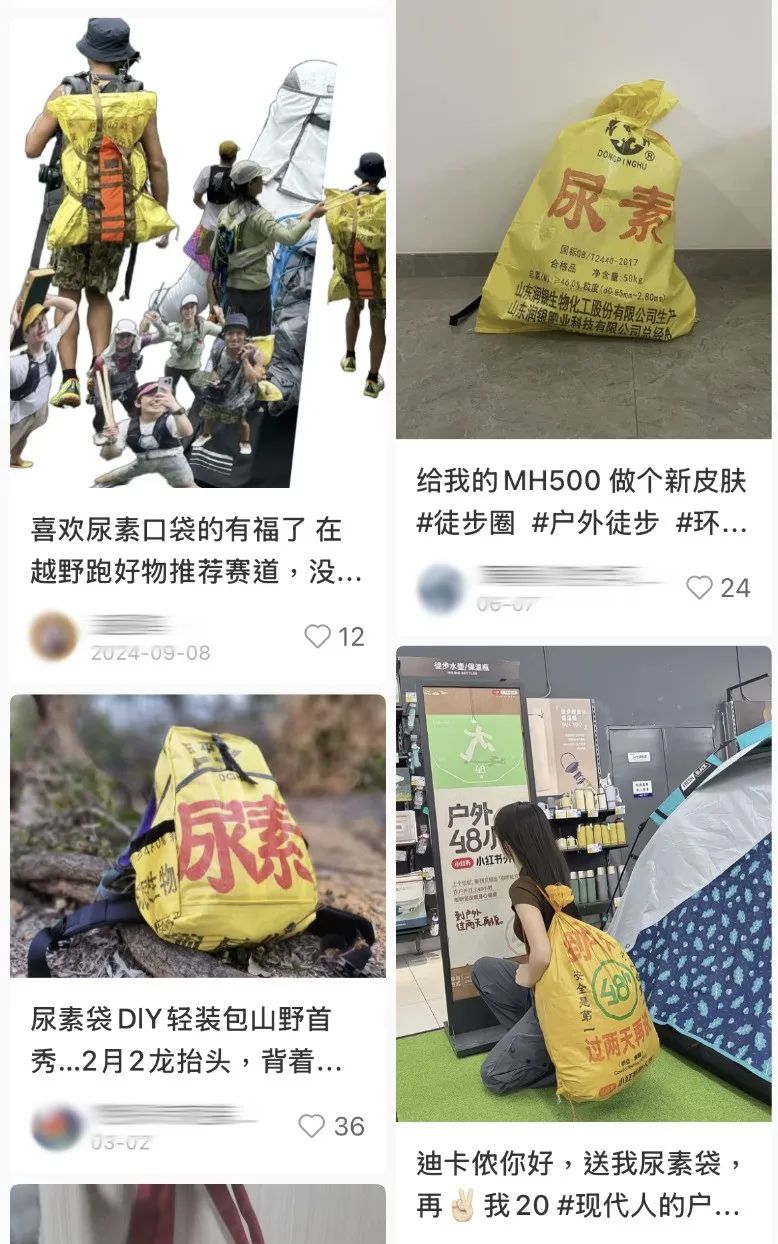
比始祖鸟时髦、比巴黎世家实用,我爷都不要的尿素袋被打工人捧成背包届六边形战士?
3 6 Ke· 2025-08-20 08:37
Core Insights - The rise in popularity of urea bags as a trendy outdoor accessory reflects a shift in consumer behavior towards practicality and sustainability in fashion [1][3][9] - Decathlon's limited edition urea bags, offered as part of a marketing campaign in collaboration with Xiaohongshu, highlight the intersection of outdoor culture and urban fashion [9][10] - Urea bags have evolved from agricultural use to becoming a cultural symbol in outdoor activities, showcasing their versatility and appeal among younger consumers [10][23][24] Group 1: Product and Market Trends - Urea bags are being marketed as stylish and functional, appealing to the minimalist wardrobe trend with their multi-functional use [9][10] - The bags are available in bright colors, with yellow being particularly favored on social media, indicating a strong visual appeal [9][10] - The collaboration with Xiaohongshu emphasizes the importance of social media in driving consumer interest and engagement with outdoor products [10][24] Group 2: Cultural Significance - Urea bags symbolize a connection to nature and environmental consciousness, as they are often used by hikers to carry gear and collect trash during outdoor activities [23][24] - The transformation of urea bags into fashion items reflects a broader trend of repurposing everyday objects into high-fashion statements, challenging traditional notions of luxury [26][34] - The cultural appropriation of urea bags by luxury brands illustrates the ongoing dialogue between high fashion and grassroots trends, where elements from lower socioeconomic backgrounds are reinterpreted for the elite [34][37] Group 3: Consumer Behavior - The demand for urea bags has surged, with consumers actively seeking them out, reminiscent of past trends where limited edition items created a sense of urgency [10][19] - The appeal of urea bags lies in their ruggedness and affordability, making them attractive to outdoor enthusiasts who value practicality over brand prestige [10][13] - The trend of modifying urea bags for various uses, such as backpacks or fashion items, showcases consumer creativity and the desire for personalized, unique products [18][21][30]
大中华区增长42%,但始祖鸟增速放缓,“运奢”赛道是否面临天花板?
Guan Cha Zhe Wang· 2025-08-20 07:25
Core Viewpoint - Amer Sports reported strong revenue growth in Q2 2025, with a 23% year-on-year increase, driven primarily by significant growth in the Greater China and Asia-Pacific regions, despite facing macroeconomic pressures and a cooling luxury market [1][2]. Group 1: Financial Performance - In Q2 2025, Amer Sports achieved revenue of $1.236 billion, a 23% increase year-on-year, with Greater China revenue growing by 42% to $410 million and Asia-Pacific revenue increasing by 45% [1]. - For the first half of 2025, total revenue reached $2.709 billion, up 23.46% year-on-year, with net profit of $153 million compared to a slight profit of $1 million in the same period last year [1]. - The company adjusted its 2025 revenue guidance to a growth range of 15-17%, up from the previous estimate of 13-15% [2]. Group 2: Segment Performance - In Q2 2025, the technical functional apparel segment (Arc'teryx) grew by 23% to $509 million, while the outdoor performance segment (Salomon) also saw a 23% increase to $414 million, and the ball sports segment (Wilson) grew by 11% to $314 million [2]. - Compared to Q1 2025, growth rates for all segments slowed down, with Arc'teryx's growth decreasing by 5 percentage points [2]. Group 3: Market Dynamics - Industry experts noted that high-end brands are facing growth bottlenecks due to macroeconomic pressures and consumer downgrading, prompting Arc'teryx to expand its market reach beyond core sports to attract a broader audience [3]. - The brand is shifting its focus from niche outdoor enthusiasts to a larger non-outdoor consumer base in China [3]. Group 4: Shareholder Actions and Market Sentiment - Amer Sports is experiencing shareholder withdrawal, with major shareholder FountainVest seeking to sell 35 million shares at a price range of $37.20-$37.73 per share, potentially raising about $1.3 billion [6]. - Despite positive mid-year financial results, the stock price fell by 4.69% to $35.74 per share after the earnings report, indicating market skepticism about the luxury segment's sustainability [8].