宝洁公司

Search documents
The Honest Company Remains Intriguing But Tough To Own
Seeking Alpha· 2025-09-02 21:45
Group 1 - The Honest Company (NASDAQ: HNST) stock has the potential to double from its current price just below $4, driven by solid first-half results [1] - Revenue for The Honest Company rose more than 6% in the first half, indicating positive growth compared to larger rival Procter & Gamble [1]



迎接“最糟糕的局面”!美国零售巨头集体警告:关税影响仍在升级,涨价不可避免
美股IPO· 2025-09-02 00:58
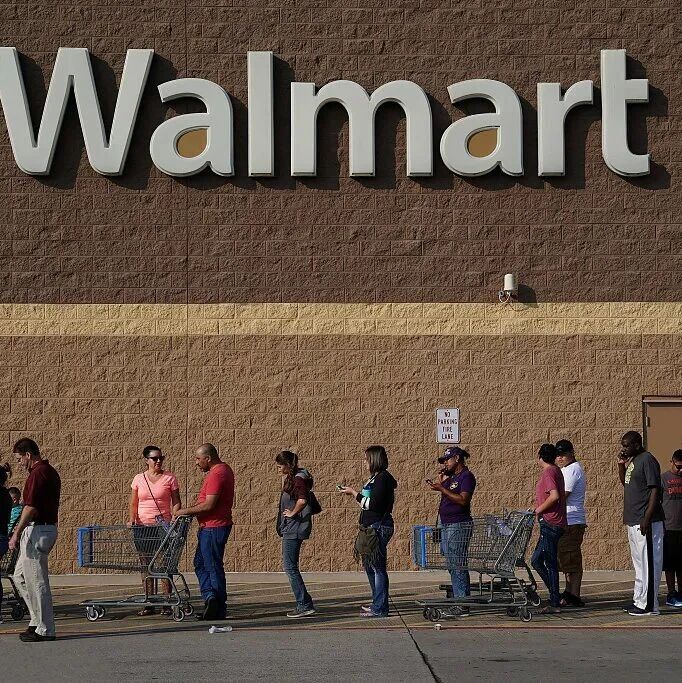
Core Viewpoint - The article highlights the escalating pricing pressures faced by U.S. retailers due to tariffs, indicating that the worst may still be ahead for consumers and businesses as higher-cost inventory arrives [1][3][4]. Group 1: Pricing Pressure and Tariffs - Major retailers like Walmart, Target, and Best Buy have reported that tariff-related price increases are beginning to affect food, household goods, and electronics [1][3]. - J.M. Smucker warned of a 22% profit drop in its U.S. coffee business due to tariffs, leading to further price hikes [3]. - Hormel Foods experienced a 12% stock drop after reporting underperformance attributed to rising commodity input costs [3]. Group 2: Economic Uncertainty - A federal appeals court ruling allowed tariffs to remain in effect while the government appeals, creating uncertainty for retailers and consumers regarding future import costs [3]. - Retail executives are concerned about how much cost they can absorb versus how much must be passed on to consumers [4]. Group 3: Consumer Sentiment and Behavior - Consumer confidence has declined, with a nearly 6% month-over-month drop in the University of Michigan's consumer confidence index, and a year-over-year decline exceeding 14% [6][7]. - High-income consumers are still supporting the economy, while low-income consumers are feeling the pinch from tariffs and inflation [6]. Group 4: Shift in Consumer Spending - Consumers are increasingly opting for lower-end products, indicating a shift towards value shopping [8]. - Discount retailers like Dollar Tree, Five Below, and TJX Companies have reported increased demand, with stock prices rising approximately 45%, 37%, and 14% respectively since the beginning of the year [8].


Procter & Gamble vs. Colgate: Which Household Staple Is a Better Pick?
ZACKS· 2025-09-01 16:10
Core Insights - Procter & Gamble (PG) and Colgate-Palmolive (CL) are two dominant players in the consumer goods industry, each with distinct market strategies and brand positioning [1][3] - PG focuses on a diversified portfolio across various categories, while CL specializes in oral care and leverages consumer trust [2][4] Procter & Gamble (PG) - PG has a vast and diversified portfolio that includes beauty, grooming, healthcare, and home care, allowing it to maintain a strong presence in both developed and emerging markets [4][6] - The company's growth model emphasizes "irresistible superiority," enhancing product performance, packaging, communication, retail execution, and value to drive consumer loyalty [5][6] - In fiscal 2025, PG's organic sales increased by 2% year over year, supported by productivity savings of $2.7 billion, which were reinvested in innovation and brand-building [7] - PG's focus on key demographics and digital tools has strengthened its marketing efficiency and engagement with younger consumers [6][7] - The Zacks Consensus Estimate for PG's fiscal 2026 sales and EPS indicates growth of 3.2% and 2.3%, respectively, although EPS estimates have slightly decreased recently [12][15] Colgate-Palmolive (CL) - CL holds a significant market share in oral care, with 32.7% in the U.S. toothpaste market and 42.3% in manual toothbrushes, while also diversifying into personal care and pet nutrition [8][10] - The company is focused on premiumization and digital innovation, rolling out differentiated products and enhancing its marketing efficiency through AI and data analytics [9][10] - In the second quarter of 2025, CL reported net sales of $5.1 billion, with organic sales rising by 1.8% year over year despite challenges from currency and commodity inflation [11] - The Zacks Consensus Estimate for CL's 2025 sales and EPS suggests growth of 1.4% and 2.2%, respectively, with recent upward revisions in EPS estimates indicating stronger near-term confidence [12][15] Comparative Analysis - Both PG and CL have faced share price declines this year, with PG down 6.3% and CL down 7.5%, but both are trading below historical valuation levels, presenting attractive entry points for investors [17][21] - PG's forward P/E multiple is 22.23X, while CL's is 21.85X, both below their respective five-year medians [19][21] - While PG maintains a broader long-term growth narrative, CL shows stronger near-term momentum with upward EPS revisions, indicating a shift in investor sentiment [15][16][24] Conclusion - PG remains a strong player with unmatched scale and a diversified portfolio, but its earnings outlook has softened slightly [23] - CL presents a more attractive near-term investment opportunity with upward revisions in earnings estimates and a focus on affordability and growth prospects [24]



别再吹嘘美国离不开中国商品,这些潜伏我国的美国货,你真知道?
Sou Hu Cai Jing· 2025-09-01 07:28
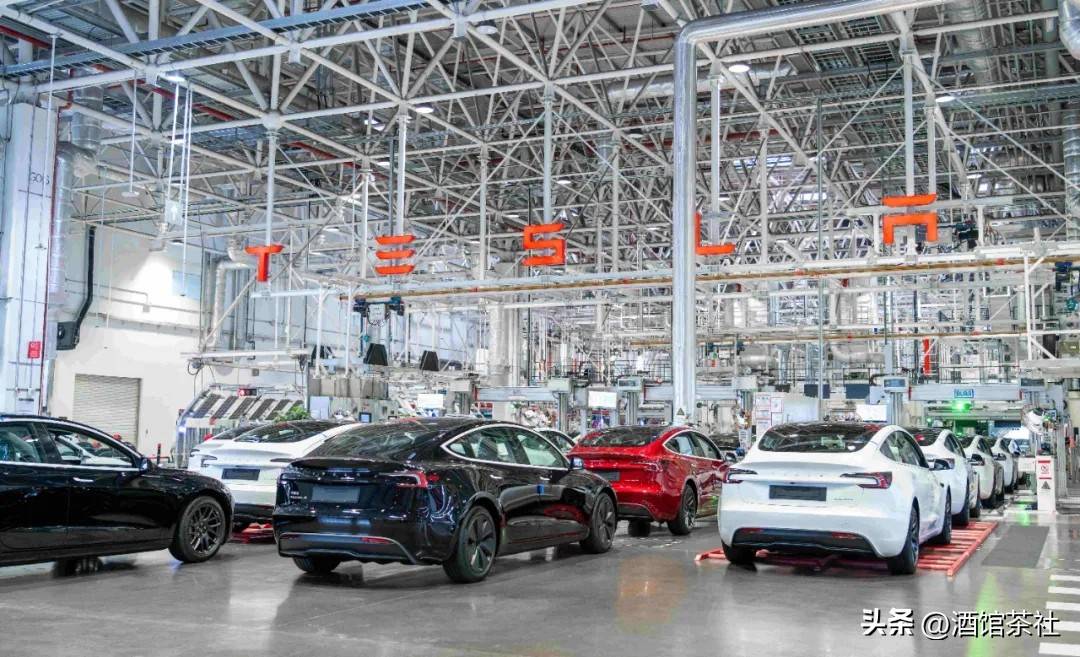
Core Viewpoint - The relationship between the U.S. and China is complex, with mutual dependencies in manufacturing and technology, despite the perception that the U.S. is heavily reliant on Chinese goods [3][12]. Group 1: U.S.-China Trade Relations - The U.S.-China trade war has escalated from minor friction to significant conflict, with tariffs reaching over 100% on certain goods, impacting consumers in both countries [4]. - American consumers have faced rising prices for everyday goods due to tariffs on low-cost Chinese imports, while China remains dependent on U.S. technology in high-value sectors [4][12]. Group 2: Manufacturing and Brand Ownership - Many products labeled as "Made in China" are actually produced for U.S. brands, indicating that the production capabilities are leveraged while the brand ownership remains with American companies [3][6]. - Companies like Tesla have high localization rates in their manufacturing but still rely on U.S. technology for core components, highlighting the intertwined nature of global supply chains [6]. Group 3: Capital Influence - Foreign capital, such as that from BlackRock, exerts significant influence over Chinese companies through equity holdings and board participation, affecting strategic decisions [9]. - The presence of multinational corporations in China, such as Procter & Gamble and Johnson & Johnson, shows how foreign firms adapt to local markets while maintaining control from abroad [7]. Group 4: Opportunities Amidst Challenges - There is a shift in consumer preferences towards domestic brands that emphasize quality and value, as seen with companies like Huawei and Hongxing Erke, which have gained popularity despite external pressures [10]. - The need for China to accelerate self-sufficiency in high-end technology and industry chains is emphasized as a crucial step for maintaining competitiveness in the global market [12].
为什么大品牌涨价会压低广告预算?
3 6 Ke· 2025-09-01 02:00
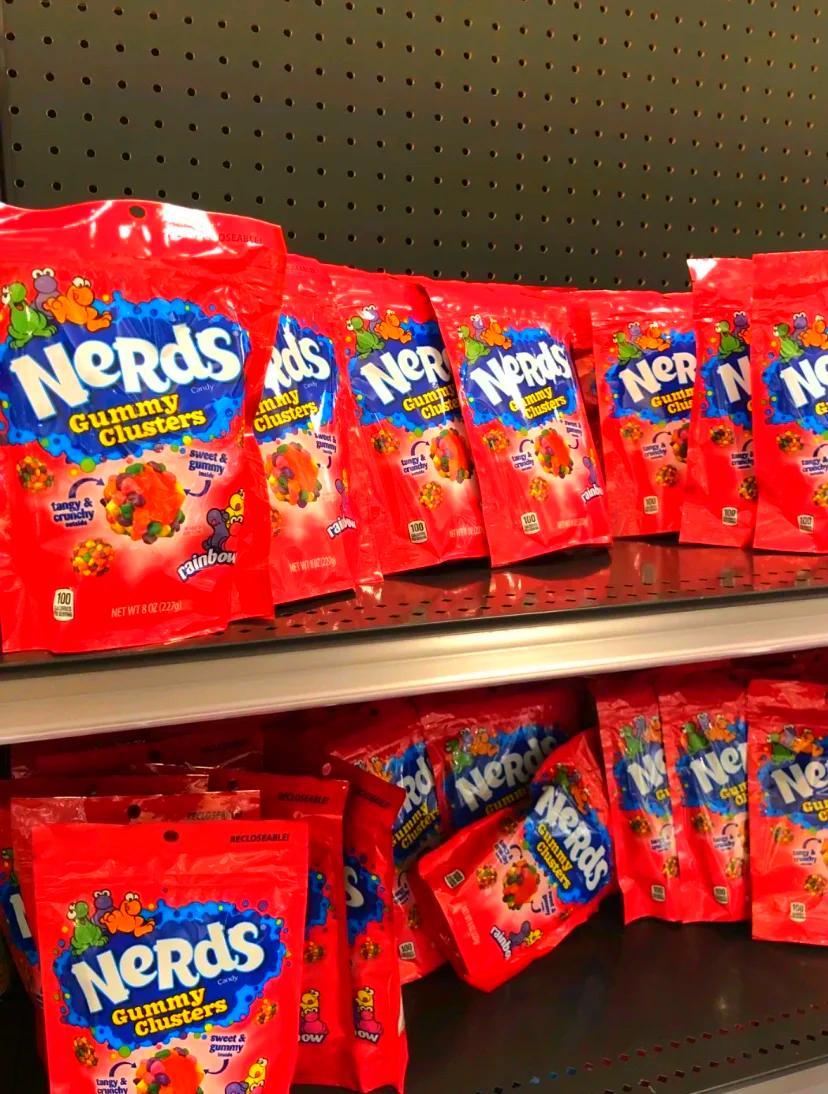
Group 1 - Major consumer brands are facing a shift in their traditional pricing and marketing strategies due to rising costs and changing market conditions, leading to a reduction in marketing budgets despite increasing product prices [1][4] - Companies like Church & Dwight typically allocate around 11% of net sales to marketing expenses, but this trend is changing as brands are forced to do more with less [1][5] - The candy industry, particularly with products like Ferrara's Nerds Gummy Clusters, is seeing a shift towards higher profit margin products, prompting increased investment in marketing for these items despite initial poor market data [2][4] Group 2 - Cocoa prices have surged from a historical range of $2,000 to $3,000 per ton to between $8,000 and $12,000 due to poor harvests and economic pressures, impacting the profitability of chocolate products [4][5] - Hershey's CFO indicated that price increases alone are insufficient to cover cocoa inflation costs, leading the company to explore cost-cutting measures and focus on non-chocolate product marketing [5][6] - Procter & Gamble is shifting its strategy from increasing advertising spending to relying on product innovation and packaging improvements, planning to cut $500 million to $700 million from its marketing budget annually [6][8] Group 3 - Brands are increasingly using pricing strategies rather than marketing investments to drive growth, with a focus on targeted pricing approaches [8] - The Trade Desk, which primarily serves large clients, is experiencing pressure as these clients reduce advertising budgets due to tariffs and policy changes, highlighting the challenges faced by the advertising industry [8][9] - The overall outlook for the advertising industry appears challenging, with expectations of difficulties persisting for at least a year [9]

美国关税成本全面转嫁至消费端!零售巨头集体预警新一轮涨价潮
智通财经网· 2025-09-01 00:22
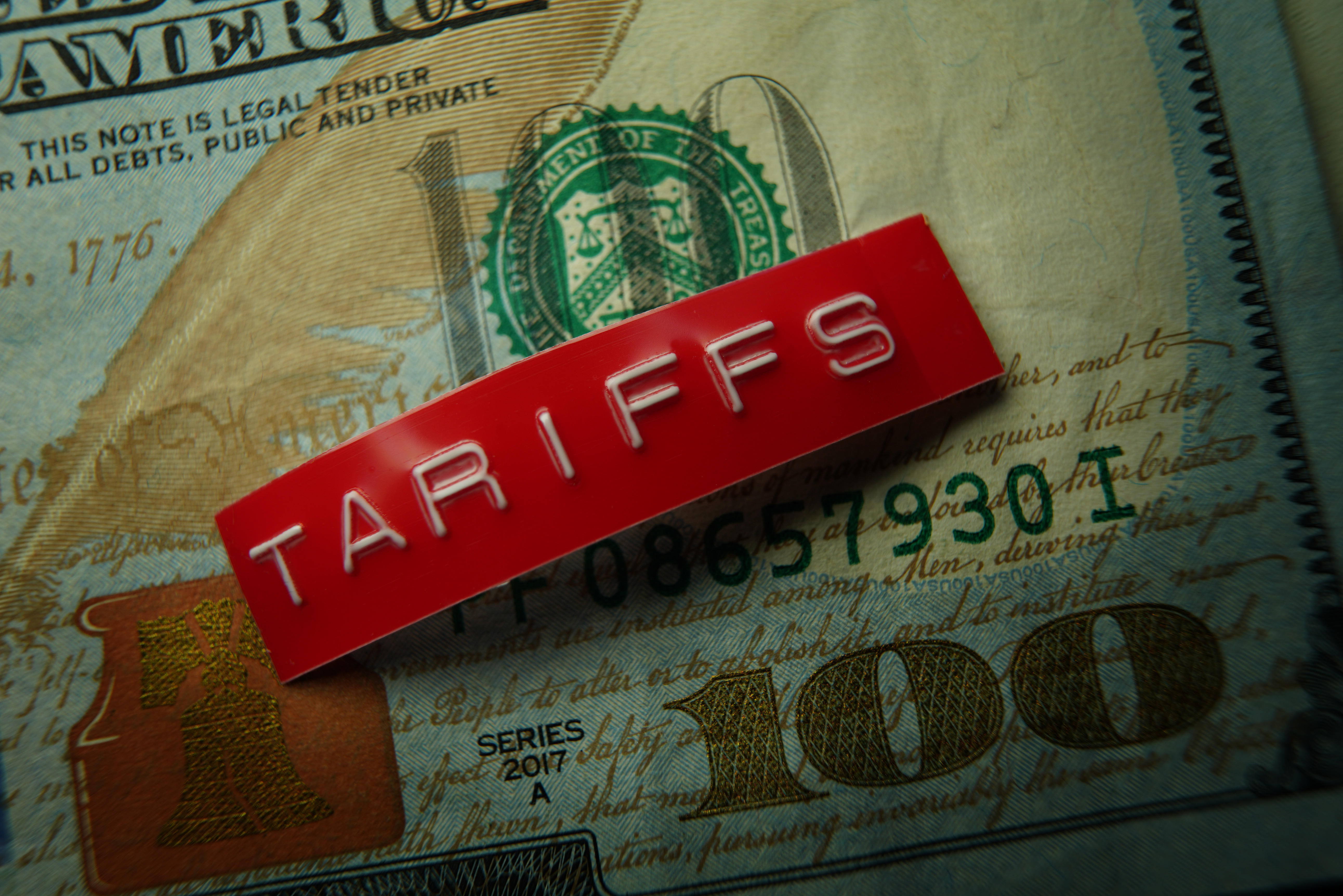
Group 1 - The U.S. consumers are facing a new wave of price increases as companies from food giants to hardware chains warn that tariff costs are being passed on to retail prices [1][2] - Major retailers like Walmart, Target, and Best Buy have indicated that tariff-related price hikes are gradually reflected in the costs of grocery items, home goods, and electronics [1] - J.M. Smucker warned of a 22% drop in coffee profits due to tariffs, leading to further price increases [1] - Hormel Foods noted a sharp rise in commodity input costs after its quarterly performance fell short of expectations, resulting in a 12% drop in its stock price [1] - A recent ruling by a federal appeals court deemed most of Trump's global import tariffs unconstitutional, adding uncertainty to future costs for retailers and consumers [1] Group 2 - The former CEO of Gap expressed that the current situation is beyond control, indicating that businesses cannot determine the relationship between product costs, retail pricing, and profit margins [2] - Retail executives warned that more price increases are imminent as new inventory is procured at higher costs [2] - Walmart's CEO mentioned that the company is trying to maintain low prices as long as possible, but costs are expected to continue rising into the third and fourth quarters [2] - The economic pressure is forcing retailers to weigh how much cost can be absorbed and how much will inevitably be passed on to consumers [2] - A consumer confidence survey showed a nearly 6% decline in August compared to July, with inflation expectations rising from 4.5% to 4.8% [2] Group 3 - Consumer behavior in the U.S. is changing, with households across income levels becoming more selective about where and how they spend [3] - Whirlpool's CEO noted that consumers are starting to purchase lower-end products, while Procter & Gamble observed a slight downgrade in brand preferences [3] - The concept of "alternative consumption" is emerging, where consumers opt for cost-effective substitutes rather than purely downgrading [3] - Retailers like TJX, Ross, and Marshall's are benefiting as consumers seek lower-priced brand items [3]


豪悦护理20250830
2025-08-31 16:21
Summary of the Conference Call for HaoYue Care Company Overview - **Company**: HaoYue Care - **Industry**: Baby and adult hygiene products Key Points Financial Performance - In the first half of 2025, HaoYue Care achieved revenue of 3.3 billion yuan, a year-on-year increase of 3.13%, but net profit significantly declined due to high sales expenses, with a sales expense ratio reaching 43% [2][4] - For Q2 2025, revenue was 8.5 billion yuan, a year-on-year growth of 26.07%, but net profit fell by 46% to 580 million yuan [3] - The gross margin for Q2 was 31.36%, an increase of 1.05 percentage points year-on-year, while the net margin was 6.82%, a decrease of approximately 9 percentage points [3] Product and Market Strategy - HaoYue Care is focusing on promoting new products with higher unit prices and gross margins to enhance overall profitability [2][3] - The company has launched several new products, leading to increased sales expenses, particularly in online marketing [6] - The company’s own brands, such as Thailand's Sunny Baby and domestic wet wipes, have achieved double-digit growth, but face challenges from changes in TikTok platform rules and intensified competition [2][12] International Expansion - HaoYue Care is investing in overseas markets, specifically in Peru and Tanzania, to leverage geographical advantages and cost benefits [5] - The Peru project aims to serve the entire Latin American market, while the Tanzania project targets the rapidly growing East African market [5] - The construction period for these projects is expected to be around two years, with some production lines potentially starting earlier [7] ODM and Competitive Landscape - The ODM business for diapers saw double-digit growth in Q1 2025, but faced a decline in Q2 due to negative events affecting a key client [18] - The company has adjusted pricing strategies to maintain good relationships with downstream clients amid rising logistics costs [14] Future Outlook - The company anticipates that the recent government policies promoting childbirth will eventually lead to an increase in newborn birth rates, positively impacting the baby hygiene products market [19] - Future sales strategies will focus on balancing revenue growth with profitability, especially during the upcoming consumer goods sales peak season [6][8] Challenges and Adjustments - The company is facing increased sales expenses due to the need for higher marketing investments to maintain market presence [14] - Adjustments in sales strategies are planned to respond to competitive pressures and changes in market dynamics [13] Dividend and Buyback Plans - HaoYue Care has maintained a high dividend payout rate but did not declare a dividend for mid-2025 due to ongoing overseas investment plans [20] - Future dividend and buyback decisions will depend on profitability in the upcoming quarters [20]

3 Standout Themes That Emerged From Earnings Season
The Motley Fool· 2025-08-31 12:20
Group 1: AI and Big Tech - The hype around artificial intelligence (AI) continues to drive significant investments from megacap tech companies, with expectations for further increases in spending [2][4] - Microsoft reported strong performance across its businesses, particularly in its cloud computing unit Azure, driven by AI adoption, while Alphabet and Amazon also experienced robust growth in their cloud services [3][4] - The semiconductor industry is benefiting from AI demand, with companies like Nvidia and Taiwan Semiconductor Manufacturing reporting substantial revenue increases, the latter seeing a 44% rise [5] Group 2: Quick-Service Dining Trends - There is a noticeable decline in quick-service dining in the U.S., affecting both fast-food and fast-casual chains during the second quarter [6] - Fast-food chains showed mixed results, with Yum Brands experiencing a 5% decline in same-store sales for KFC and Pizza Hut, while McDonald's saw a 2.5% increase due to value offerings [7] - Fast-casual dining also struggled, with Chipotle reporting a 4% decline in same-store sales and Sweetgreen's comps dropping by 7.6% [8] Group 3: Casual Dining Performance - Casual dining restaurants are performing well, with Chili's reporting a 23.7% increase in same-store sales, driven by strong traffic and price increases [9] - Dine Equity's Applebee's and Darden's Olive Garden also reported positive comps growth of 4.9% and 6.9%, respectively [9] - The shift from fast-casual to casual dining is notable, as casual dining chains leverage value promotions to attract younger customers [10][11] Group 4: Impact of Tariffs - Tariffs are increasingly affecting various industries, with the auto sector, including General Motors and Ford, facing significant tariff costs [13] - Consumer staple companies like Procter & Gamble and Colgate-Palmolive are also feeling the pressure from tariffs and rising costs, necessitating price management and cost-cutting measures [14] - The broad impact of tariffs raises concerns about potential effects on consumer behavior and the overall economy [15]



CSQ: An Excellent Hybrid Fund For The Income Investors; But Is It A Buy?
Seeking Alpha· 2025-08-31 12:05
Group 1 - The primary goal of the "High Income DIY Portfolios" Marketplace service is to achieve high income with low risk and capital preservation [1] - The service provides DIY investors with essential information and portfolio/asset allocation strategies aimed at creating stable, long-term passive income with sustainable yields [1] - The portfolios are specifically designed for income investors, including retirees or near-retirees, and include seven different portfolios: 3 buy-and-hold, 3 rotational portfolios, and a 3-bucket NPP model portfolio [1] Group 2 - The offerings include two high-income portfolios, two dividend growth investing (DGI) portfolios, and a conservative NPP strategy portfolio characterized by low drawdowns and high growth potential [1]

降费难阻业绩失速,蓝月亮连续5年上半年亏损
凤凰网财经· 2025-08-31 10:49
Core Viewpoint - Blue Moon Group reported a revenue of HKD 30.37 billion for the first half of 2025, a year-on-year decline of approximately 3%, with a loss of HKD 4.35 billion, although this loss has narrowed compared to the previous year [2]. Group 1: Online Pressure and Core Business Decline - The decline in revenue compared to the previous year is a significant factor contributing to Blue Moon's losses in the first half of the year [4]. - The company's personal and home cleaning products generated revenues of HKD 2.16 billion and HKD 1.8 billion, respectively, with year-on-year growth of 12.4% and 4.8%. However, the clothing cleaning products, which account for over 80% of total revenue, saw a decline of 4.6% to HKD 26.41 billion [4]. - The clothing cleaning market is currently characterized by "high-end breakthroughs and mid-range battles," with international brands like Procter & Gamble and Unilever promoting innovative products in China, while local brands compete through niche marketing [4][5]. Group 2: Sales Channel Performance - Online sales accounted for 68.1% of total revenue in the first half of 2025, down from 72.6% in the previous year, with online sales revenue declining by 8.9% to HKD 20.68 billion [6]. - The decline in online sales is attributed to the company's decision to control sales and distribution expenses, which affected the growth of new sales channels [5][6]. - Blue Moon's aggressive marketing strategy, particularly through live streaming on platforms like Douyin, has led to significant sales during promotional events, but at a high cost [7]. Group 3: Financial Performance and Strategic Investments - From 2021 to 2024, Blue Moon's sales and distribution expenses increased significantly, outpacing revenue growth, leading to a continuous decline in net profit [8]. - In 2024, despite achieving a record revenue of HKD 85.56 billion, the company reported a net loss of HKD 7.49 billion, marking its first annual loss since going public [8]. - In the first half of 2025, Blue Moon reduced its marketing expenses by 13.2% to HKD 19.1 billion, but this led to a more pronounced revenue decline due to the company's heavy reliance on online traffic [8][9]. Group 4: Future Outlook - Blue Moon plans to leverage emerging online and distribution platforms to promote best-selling and new products, particularly focusing on concentrated laundry detergents [9]. - The company acknowledges that educating consumers about new products will require time, investment, and extensive promotion, indicating that short-term performance may continue to face challenges [9].