格力电器

Search documents
港股“北斗芯片第一股”要来了!比亚迪格力持股,董事长年薪800万
Sou Hu Cai Jing· 2025-12-23 10:22
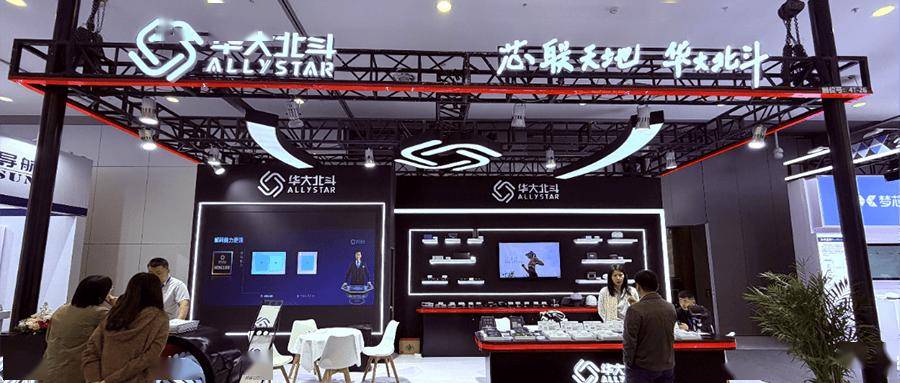
Core Viewpoint - Huada Beidou, a provider of Beidou navigation positioning chips, has officially submitted its listing application to the Hong Kong Stock Exchange on December 19, 2023, marking a significant step in its growth strategy [2]. Company Overview - Established in 2016, Huada Beidou specializes in the design and provision of chips, modules, and related solutions supporting Beidou and other major GNSS (Global Navigation Satellite Systems) [6][12]. - The company is recognized as a national-level "specialized and innovative" small giant enterprise [6]. - Huada Beidou's main shareholders include BYD with a 4.12% stake and Zhuhai Gree Venture Capital with a 3.536% stake [11][16]. Market Position - According to data from Zhaoshang Consulting, Huada Beidou is projected to rank sixth globally and second domestically in GNSS chip and module shipments in 2024, with an estimated shipment volume of 16.1 million units and a market share of 4.8% [6][9]. - The company ranks fourth globally and first domestically in the dual-frequency high-precision RF baseband integrated GNSS positioning chip and module shipment volume, with a global market share of approximately 10.5% [9][10]. Financial Performance - Huada Beidou has not yet achieved profitability, with revenues of RMB 6.98 billion, RMB 6.45 billion, RMB 8.40 billion, and RMB 4.03 billion for the years 2022, 2023, 2024, and the first half of 2025, respectively [19]. - The company reported net losses of RMB 0.93 billion, RMB 2.89 billion, RMB 1.41 billion, and RMB 0.64 billion for the same periods [19]. - Research and development expenses have been significant, totaling RMB 1.03 billion, RMB 1.10 billion, RMB 1.18 billion, and RMB 0.42 billion over the same timeframe, representing 14.7%, 17.0%, 14.1%, and 10.4% of total revenue, respectively [19]. Product Development - Huada Beidou has launched several key products, including the HD9310 series supporting full-system, multi-frequency RTK centimeter-level high precision and the HD814X series characterized by dual-core architecture and low power consumption [19]. - The company’s product lines include standard precision products, high precision products, and Beidou short message communication chips, catering to various applications in consumer electronics, smart driving, and IoT [26][30]. Customer Base - The company serves a diverse customer base, including manufacturers and distributors of GNSS chips and modules, with a total of 216, 235, 229, and 125 customers from 2022 to the first half of 2025 [33][34]. - The top five customers contributed 45.0%, 46.3%, 38.6%, and 48.6% of total revenue during the same periods, indicating a concentrated customer base [34].


格力电器:公司暂时没有铝代铜计划
Xin Lang Cai Jing· 2025-12-23 10:17
Core Viewpoint - Gree Electric Appliances emphasizes that copper is a core raw material for air conditioners, accounting for approximately 20% of the total cost, and currently has no plans to replace copper with aluminum due to performance and reliability concerns [1] Group 1 - Copper is a critical material in air conditioning production, making up about 20% of the cost [1] - Aluminum costs about 1/12 of copper, with a price approximately 1/4 of copper, and a density around 1/3 of copper [1] - Despite the cost advantages of aluminum, its performance in terms of melting point, thermal conductivity, resistivity, corrosion resistance, and long-term reliability is significantly inferior to that of copper [1] Group 2 - The company is actively researching aluminum substitution technology and will continue to monitor industry trends [1]

海尔智家实现“低投入与高产出” 的强捆绑
Zhong Jin Zai Xian· 2025-12-23 09:34
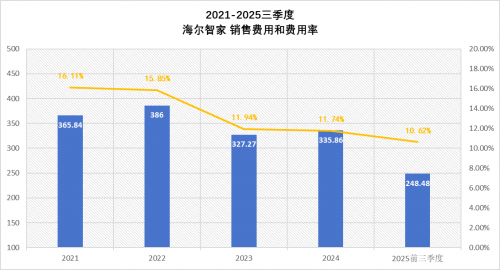
Core Viewpoint - Haier Smart Home has achieved a significant transformation through digitalization, resulting in reduced costs and increased profits, which has generated high expectations among investors [1][4]. Group 1: Financial Performance - From 2021 to 2024, Haier Smart Home's revenue increased by 58.8 billion and profit rose by 5.7 billion, while absolute expenses decreased by 3 billion [3]. - The company has successfully combined low investment with high output, demonstrating a strong linkage between cost reduction and revenue growth [1][4]. Group 2: Strategic Positioning - Haier Smart Home focuses on global self-owned brands, high-end creation, and smart home solutions, emphasizing user stickiness and ecological synergy [4]. - The company has integrated distribution into its management system, achieving over 3-4 percentage points in fee rate advantage, which enhances terminal control and flexibility [4]. Group 3: Investment Focus - Haier Smart Home's investment strategy includes building a global brand matrix through acquisitions, such as GE Appliances and Candy, to establish a localized R&D, manufacturing, and marketing system [5]. - The company employs a differentiated strategy for high-end brands, creating immersive experiences to quickly build market appeal and enhance brand value [5]. - Investments in smart home solutions have led to the establishment of a comprehensive ecosystem, including scenario-based store construction and community demonstration projects [5]. Group 4: Long-term Vision - Haier Smart Home's strategic investments are now yielding high returns, with high-end brands like Casarte showing strong market appeal and user loyalty, achieving a repurchase rate exceeding 30% [6]. - The company's digital transformation has led to continuous cost reduction and efficiency improvement, with 74% of counties achieving direct product delivery to users by the third quarter of 2025 [6]. - The global business has seen increased brand recognition and reduced customer acquisition costs, with overseas revenue growing by 10.5% year-on-year in the first three quarters of 2025 [6].

国信证券晨会纪要-20251223
Guoxin Securities· 2025-12-23 01:20
Macro and Strategy - Silver prices have reached historical highs, driven by its dual industrial and financial attributes, with over 60% of silver used in industrial applications as of December 2025 [6][7] - The recent surge in silver prices was triggered by significant physical deliveries at the New York COMEX, with registered inventories dropping over 70% from their peak in 2020 [6] - Long-term demand for silver is expected to grow due to industrial applications in solar energy, AI, and electric vehicles, alongside continued global monetary easing [6] Industry and Company - The agricultural sector is witnessing a bullish trend in livestock prices, particularly for beef and milk, with expectations of a cyclical recovery in the meat and dairy markets [24][26] - The price of live pigs has increased to 11.57 CNY/kg, reflecting a week-on-week rise of 2.03%, while beef prices are also on an upward trajectory [24][26] - The media and internet industry has shown resilience, with a 0.54% increase in the sector, outperforming major indices, driven by upcoming IPOs and strong box office performances from films like "Avatar 3" [27][28] - The copper industry is facing a significant shift as long-term processing fees for copper concentrate have been set to zero, indicating a potential improvement in the industry structure [31] - The home appliance sector is experiencing a downturn, with retail sales down 19% year-on-year in November, although there are signs of recovery in exports for certain categories like refrigerators and washing machines [32][33]
2025中国上市高新技术企业创新指数发布
2 1 Shi Ji Jing Ji Bao Dao· 2025-12-22 12:13
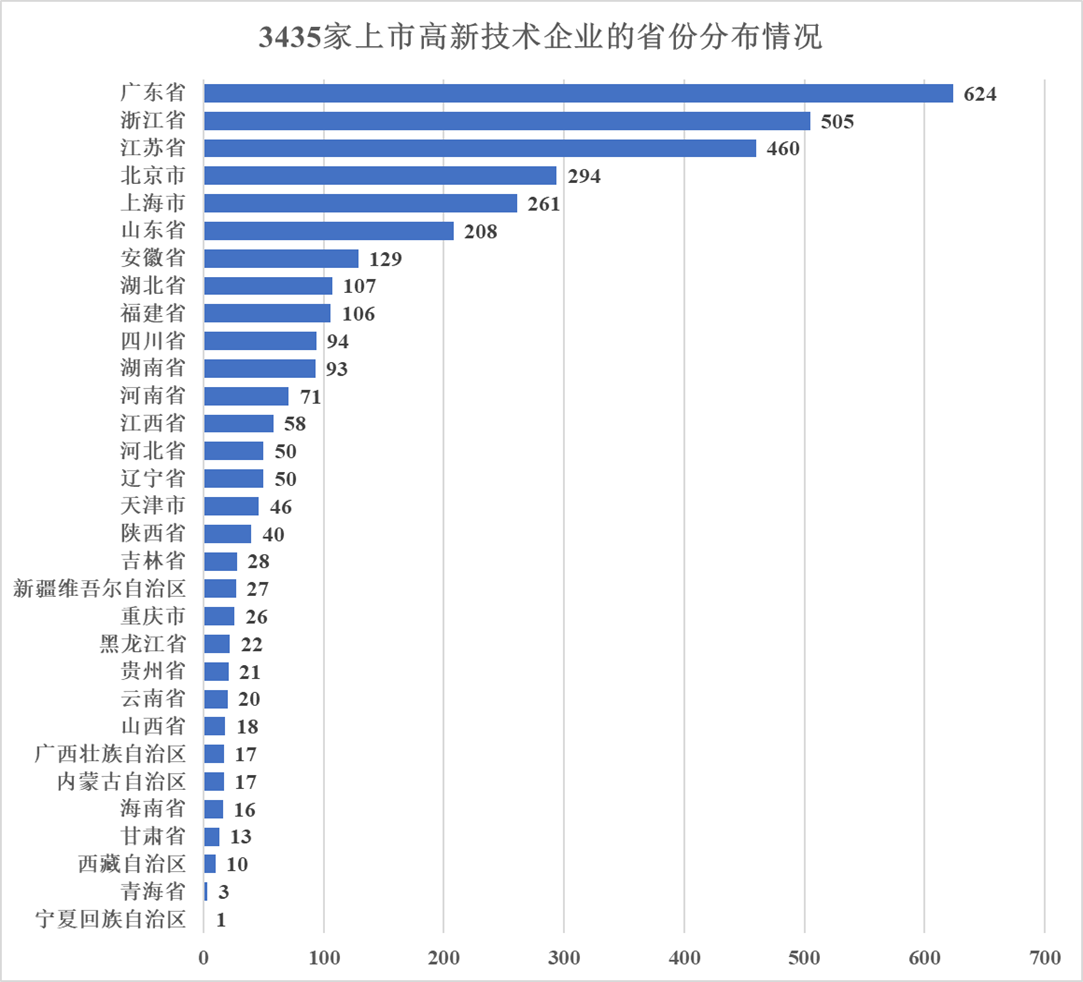
Core Insights - High-tech enterprises are identified as the core engine driving technological self-reliance and disruptive innovation in China [1] - The 2025 Innovation Development Index for Chinese listed high-tech enterprises was released, based on a study of 3,435 high-tech companies from over 5,000 listed firms in the A-share market [1] Group 1: Regional Distribution - High-tech enterprises are predominantly located in Guangdong, Zhejiang, and Jiangsu provinces, collectively accounting for nearly 50% of the total sample [2] - Shenzhen leads with 295 listed high-tech enterprises, followed by Beijing (294), Shanghai (261), Hangzhou (148), Guangzhou (105), and Suzhou (99) [3] Group 2: Industry Distribution - The manufacturing sector shows a significant presence of high-tech listed companies, with the computer, communication, and other electronic equipment manufacturing industry leading with 490 firms [5] - Other notable industries include specialized equipment manufacturing (281), chemical raw materials and products manufacturing (268), electrical machinery and equipment manufacturing (261), pharmaceutical manufacturing (251), and software and information technology services (246), together representing over half of the total [5] Group 3: Top Enterprises - The top three companies in the 2025 Innovation Development Index are Gree Electric Appliances (89.75), Haier Smart Home (83.97), and BOE Technology Group (81.87) [7] - Guangdong province has 12 companies in the top 50, making up over 20% of the total, with Shenzhen contributing 6 firms [7] Group 4: Innovation and Collaboration - Among the 3,435 high-tech listed companies, 471 are actively engaged in industry-academia-research collaboration, representing 13.7% [16] - There is a positive correlation between high innovation rankings and the proportion of companies involved in such collaborations, indicating its importance for achieving innovation breakthroughs [17] Group 5: Concentration Trends - The distribution of the top 500 innovative companies shows a concentration in the southeastern coastal cities and first-tier cities, with Beijing (60), Shenzhen (58), and Shanghai (33) leading [12] - Guangdong province ranks first with 113 companies in the top 500, followed by Beijing (60), Zhejiang (48), Jiangsu (42), and Shandong (37) [14]

跨界新能源:告别“草莽”,回归价值
Xin Lang Cai Jing· 2025-12-22 11:24
Core Viewpoint - Wuliangye Group is investing in renewable energy by establishing a joint venture with Longi Green Energy and planning to build an energy storage power station in its industrial park, indicating a significant shift in the energy landscape and the emergence of structural opportunities in the industry [1][6]. Group 1: Investment Waves in Renewable Energy - The first wave of cross-industry investment began in 2006 with the Renewable Energy Law, which established a guaranteed purchase mechanism, followed by the introduction of high-standard feed-in tariffs in 2011, attracting numerous investors to the photovoltaic sector [2][7]. - The second wave was initiated by the 2015 electricity reform policy, which restored the commodity nature of electricity and allowed market-based pricing, expanding competition from generation to consumption [2][7]. - The third wave was driven by the 2020 carbon neutrality goals and subsequent policies promoting new energy storage, leading to increased participation from non-energy players in diverse business areas [3][8]. Group 2: Factors for Success in Cross-Industry Investment - Sufficient funding acts as a crucial "booster" for successful cross-industry players, enabling them to explore new growth avenues; companies like Sunwoda and Tongwei leveraged their cash flow to enter the renewable sector [4][8]. - Technological capabilities serve as a "streamlining cover," allowing companies to differentiate themselves; for instance, TCL successfully transferred its semiconductor technology to the photovoltaic sector [4][9]. - The integration of various scenarios is becoming a "transformational engine," as seen with China Mobile's energy storage products tailored for data centers and industrial parks, indicating a trend towards the fusion of energy, power, and data [5][10]. Group 3: Market Dynamics and Future Outlook - The renewable energy sector is experiencing significant changes due to fluctuating photovoltaic component prices, intensified competition in energy storage, and periodic policy adjustments, leading to a divergence in the fortunes of cross-industry enterprises [1][6]. - Companies like JD Logistics are capitalizing on opportunities within the photovoltaic supply chain by offering customized services and integrated solutions, enhancing their value proposition [5][10]. - The future of cross-industry opportunities in renewable energy will depend on companies' ability to create stable and sustainable value within the new energy system, with long-term thinkers likely to gain an advantage [5][10].




家电行业周报(25年第51周):11月家电零售表现筑底,冰洗出口增速有所改善-20251222
Guoxin Securities· 2025-12-22 11:16
Investment Rating - The report maintains an "Outperform the Market" rating for the home appliance industry [6][5][10]. Core Viewpoints - The home appliance retail sector is experiencing a bottoming out in November, with expectations for recovery driven by continued national subsidies and improvements in exports [1][18]. - Despite a challenging environment with high base effects from the previous year, the resilience of leading companies in the home appliance sector remains strong, particularly in the white goods segment [13][14]. - The report highlights a potential rebound in retail demand for home appliances, supported by ongoing national subsidy policies and improved export conditions [18][19]. Summary by Sections 1. Key Recommendations - Recommended companies include Midea Group, Haier Smart Home, TCL Smart Home, Gree Electric Appliances, and Hisense Home Appliances in the white goods category; Hisense Visual Technology in the black goods category; and Roborock, Bear Electric, and Ecovacs in the small appliances category [5][6][14]. 2. Market Performance and Insights - In November, the retail sales of home appliances and audio-visual equipment fell by 19.4% year-on-year, while the overall retail sales in China grew by 1.3% [2][19]. - The export value of home appliances decreased by 6% year-on-year in November, with air conditioning exports down by 25.7%, while refrigerators and washing machines showed signs of recovery with growth rates of 7.6% and 15.8%, respectively [3][46]. - Air conditioning production and sales saw declines exceeding 30% in November, but January production is expected to improve due to the timing of the Spring Festival [4][59]. 3. Key Data Tracking - The home appliance sector achieved a relative return of +0.44% compared to the broader market [61]. - Prices for copper and aluminum increased by 0.4% and 2.4%, respectively, while cold-rolled steel prices remained stable [63][64]. - The real estate sector continues to face challenges, with residential construction and sales areas down by 20.1% and 8.1% year-on-year, respectively [73].


北京市延庆区商务局局长张文静:融合创新 点燃延庆消费新引擎
Sou Hu Cai Jing· 2025-12-22 09:12
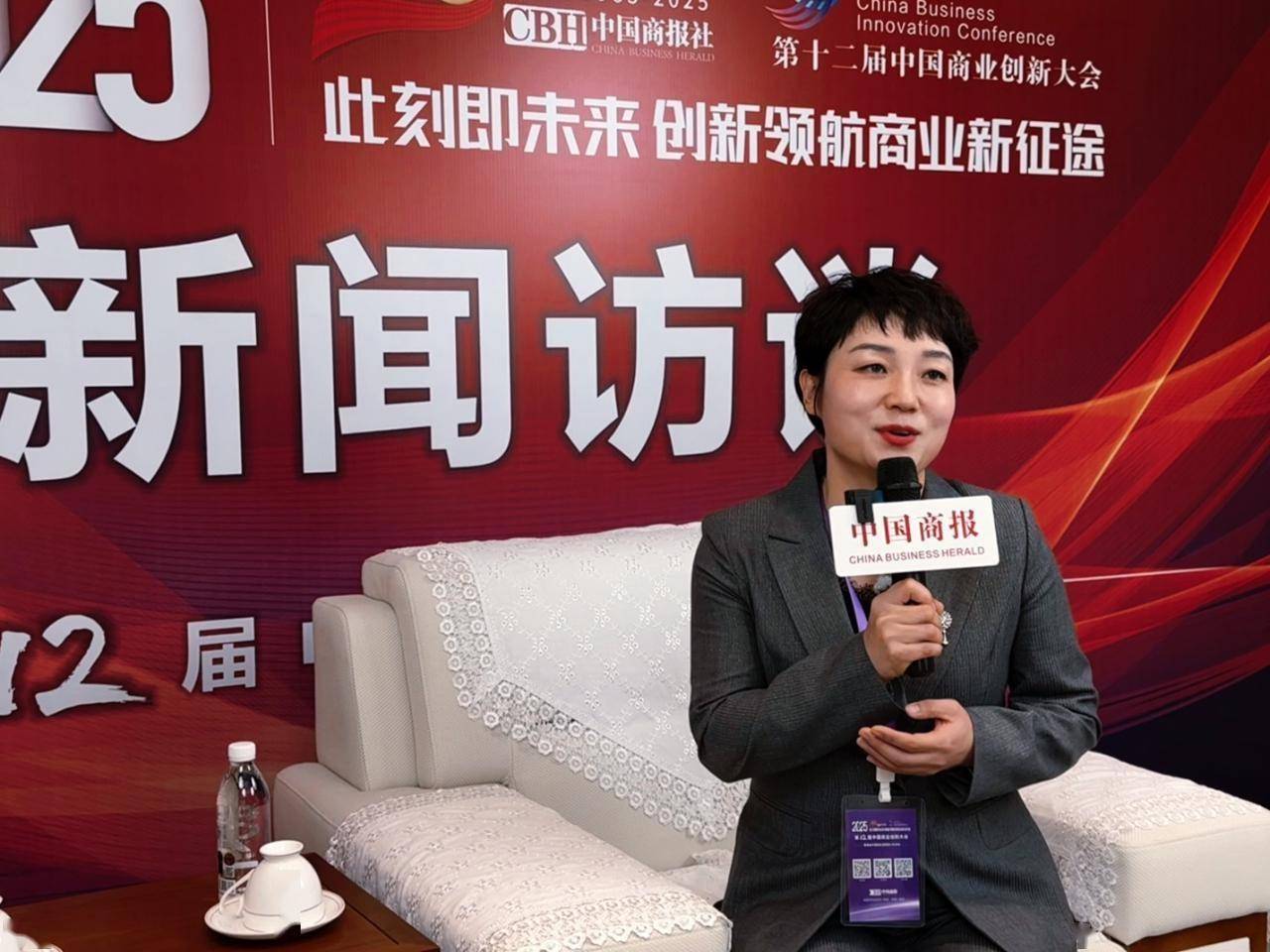
中国商报(记者 蒋永霞)初冬的延庆,长城脚下银装素裹,世园公园静谧悠然,滑雪场人声鼎沸。作为首都生态涵养区,延庆正以一场由政策驱动、场景 牵引、产业融合的消费变革,悄然重塑区域商业格局。 北京市延庆区商务局党组书记、局长张文静。中国商报记者彭婷婷/摄 12月18日,在第十二届中国商业创新大会上,北京市延庆区商务局党组书记、局长张文静接受了中国商报记者的专访。在采访中,她详细阐述了延庆区在释 放消费活力、推动商业创新方面的思考与实践。 4000万元真金白银力推"五业融合" "我们坚持主动创新,多措并举释放区域消费活力。首要举措是创新政策供给。"张文静开门见山。今年以来,延庆区商务局率先发布文旅体商农融合发展促 消费政策,计划两年统筹财政资金4000万元,围绕新活动、新赛事、新场景、新业态、新产品等12个方向精准施策。 这一政策已迅速落地见效。截至目前,已有15家企业获得首批政策奖励581万元,直接带动消费近2.5亿元。政策的"杠杆效应"初步显现。 延庆区发布文旅体商农融合发展促消费政策,统筹财政资金4000万元,围绕12个方向精准施策。 张文静强调,融合发展并非简单叠加,而是通过顶层政策设计提供"燃料",引导文 ...
白色家电板块12月22日跌0.57%,澳柯玛领跌,主力资金净流出1.84亿元
Zheng Xing Xing Ye Ri Bao· 2025-12-22 09:03
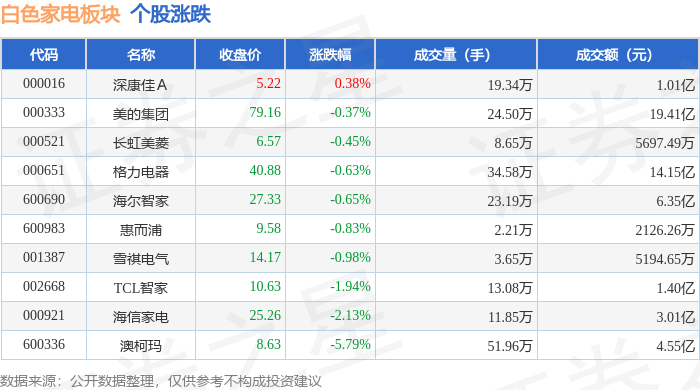
Core Viewpoint - The white goods sector experienced a decline of 0.57% on December 22, with Aucma leading the drop, while the overall Shanghai Composite Index rose by 0.69% and the Shenzhen Component Index increased by 1.47% [1] Group 1: Market Performance - The closing price for Midea Group was 79.16, down by 0.37%, with a trading volume of 245,000 shares and a transaction value of 1.94 billion yuan [1] - Gree Electric Appliances closed at 40.88, down by 0.63%, with a trading volume of 345,800 shares [1] - Haier Smart Home closed at 27.33, down by 0.65%, with a trading volume of 231,900 shares [1] - Aucma saw the largest decline at 5.79%, closing at 8.63, with a trading volume of 519,600 shares [1] Group 2: Capital Flow - The white goods sector had a net outflow of 184 million yuan from institutional investors, while retail investors saw a net inflow of 16.2 million yuan [1] - Haier Smart Home had a net inflow of 7.685 million yuan from institutional investors, but a net outflow of 5.353 million yuan from retail investors [2] - Midea Group experienced a significant net outflow of 136 million yuan from institutional investors, while retail investors had a net inflow of 74.33 million yuan [2] - Aucma faced a net outflow of 37.77 million yuan from institutional investors, but retail investors contributed a net inflow of 34.78 million yuan [2]


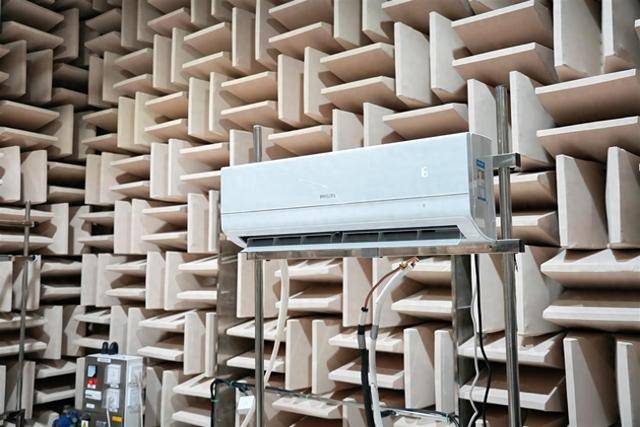
董明珠硬刚空调“铝代铜”!海尔、美的、小米将联合推动空调核心散热部件的铜管换成铝管
Sou Hu Cai Jing· 2025-12-22 04:05
Core Viewpoint - The ongoing "copper vs aluminum" debate in the air conditioning industry has intensified, with major brands like Haier, Midea, and Xiaomi advocating for the use of aluminum pipes instead of copper, while Gree insists on sticking with copper due to concerns over quality and durability [1][7][15]. Cost and Pricing - The primary reason for the shift to aluminum is cost reduction, with aluminum prices around 22,000 yuan per ton compared to copper prices of 60,000-80,000 yuan per ton, resulting in a cost saving of approximately 380 yuan per unit when switching from copper to aluminum for a 1.5 HP air conditioner [3][20]. - The retail price of aluminum pipe air conditioners has dropped to between 1,599-1,699 yuan, which is about 400 yuan cheaper than similar copper models, contributing to a decrease in average prices for mid-range air conditioners from 2,500-3,000 yuan to below 2,000 yuan [3][20]. Consumer Concerns - Consumers are worried about the durability of aluminum pipes compared to copper, as copper has a thermal conductivity approximately 1.7 times greater than aluminum and a lifespan of 15-20 years, while aluminum pipes typically last less than 8 years, although optimized products can reach over 10 years [4][19]. - The lack of clear labeling on product materials has led to consumer confusion, with many unable to distinguish between aluminum and copper models, raising concerns about their right to know [6][19]. Industry Standards and Trends - The air conditioning industry has split into two camps: 19 companies, including Midea and Haier, have formed a group to promote aluminum heat exchangers and adhere to a self-regulatory agreement, while Gree and Philips have opted not to participate [6][10]. - The industry is moving towards establishing clearer standards, with a new group standard for aluminum heat exchangers being developed, and a national standard revision expected to enhance material labeling and durability indicators by 2026 [9][12]. Technological Development - The shift to aluminum is supported by advancements in microchannel technology, which can potentially improve heat exchange efficiency by 20-30% compared to traditional copper pipes, although concerns remain about corrosion and maintenance challenges in harsh environments [19][20]. - The government is promoting the use of aluminum as a strategic resource, with policies encouraging its application in various sectors, including home appliances, indicating a long-term trend towards aluminum substitution [12][20].