
古茗

Search documents
突然闭店!知名品牌又一门店退场
券商中国· 2025-08-10 05:54
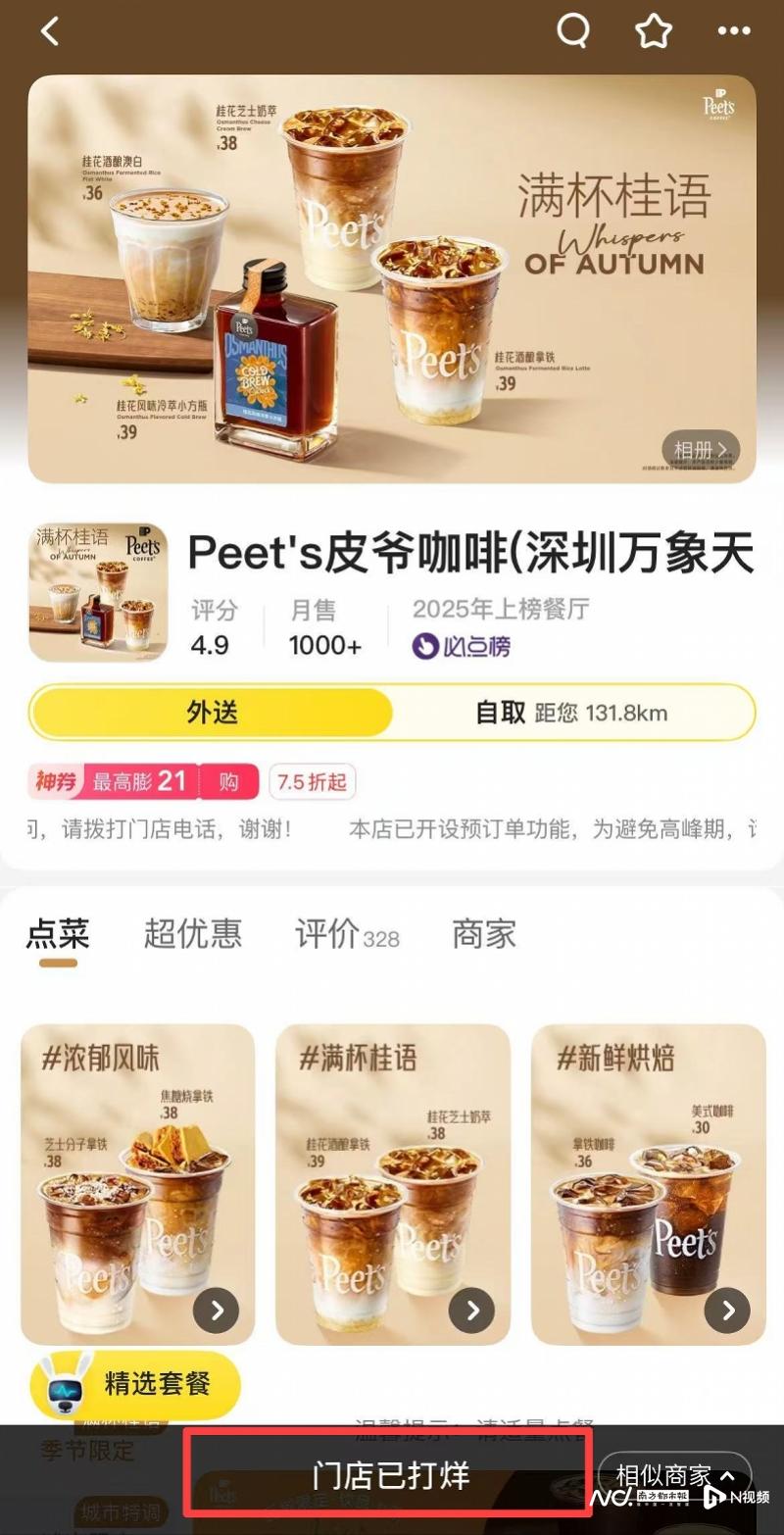
一要干活儿就犯困? 说到提神办法 很多深圳er会选择来一杯咖啡 相信对于爱喝咖啡的广东人来讲 对这家咖啡一定不陌生 皮爷咖啡(Peet's Coffee) 近日, 全球知名咖啡连锁品牌皮爷咖啡(Peet's Coffee)在华南地区的首店——深圳万象天地店已 显示暂停营业, 有消息称是因为租约到期后关店。 大众点评显示,该店于2021年8月被收录, 这意味着该品牌华南首店在进入中国市场4年后悄然退 场。 此前,媒体报道皮爷咖啡于今年还关闭了广州、杭州、北京等地的多家门店。 除了皮爷咖啡,去年精品咖啡Seesaw也被爆出关闭了全国近半门店,还发生了员工欠薪的纠纷;另 一精品咖啡M Stand自去年开始开店速度大幅降低。 首家皮爷咖啡悄然退场 南都N视频记者发现,不少网友在社交平台发布了深圳万象天地店闭店的消息, 有部分门店老客在 营业的最后一天还特意赶去打卡。 有网友表示 前几天还来过,怎么说没就没了 图图图 ¥69/人 今天是万象天地皮爷店最后一天,照例一早起床去 喝一杯,看看它,听听音乐,一转眼陪了我快4年的 咖啡店. 对于我来说对它更像是一个老朋友,承载 着我这几年的心情,我的开心不开心,当我心情不 好时 ...


突然闭店!知名品牌又一门店退场,此前已关多家高人气店
Nan Fang Du Shi Bao· 2025-08-10 01:10
Group 1 - Peet's Coffee has closed its first store in South China, located in Shenzhen, after four years of operation, due to the expiration of its lease [4][12][16] - The closure of Peet's Coffee reflects a broader trend in the specialty coffee market in China, where several brands, including Seesaw and M Stand, have also reduced their store counts significantly [6][17] - Local coffee chains like Luckin Coffee and Kudi Coffee are rapidly expanding and capturing market share, driven by competitive pricing strategies [18][22] Group 2 - The coffee market in China is undergoing a transformation, with a shift in consumer perception towards coffee as an everyday beverage rather than a luxury item [20][26] - The price war initiated by Kudi Coffee and Luckin Coffee, offering products at 9.9 yuan, has reshaped the competitive landscape, forcing established brands like Starbucks to adapt their pricing strategies [18][20] - New entrants from the tea beverage sector, such as Lucky Coffee and Guming, are entering the coffee market, leveraging existing supply chains and networks to offer competitively priced products [23][25][26]


餐饮加盟战争:超级玩家的收割游戏
3 6 Ke· 2025-08-08 10:45
Core Insights - The rise of "super franchisees" in the Chinese restaurant industry reflects a shift from individual operators to professional investors with multiple outlets and sophisticated management teams [8][9][26] - The rapid turnover of restaurant brands, with an average lifecycle of 18 months, creates a high-stakes environment for franchisees who must continuously adapt to market changes [24][25] - Information sharing among franchisees through platforms like "Pengyouhui" helps mitigate risks and identify profitable opportunities, fostering a community of support [10][11][12] Group 1: Super Franchisees - Super franchisees are characterized by their ability to manage multiple outlets and leverage market intelligence, distinguishing them from traditional small-scale operators [8][9] - The emergence of super franchisees is a key driver in the maturation of the restaurant franchise industry in China, allowing for collective strength against market challenges [9][21] - The community formed by super franchisees enables them to share experiences and insights, which is crucial for navigating the fast-paced market [10][11] Group 2: Market Dynamics - The restaurant industry is marked by intense competition, with many brands experiencing rapid growth followed by swift decline, necessitating quick decision-making from franchisees [24][25] - Franchisees often face challenges such as supply chain issues and price wars, which can significantly impact profitability [15][16] - The relationship between franchisees and brands is often adversarial, with franchisees feeling the pressure of brand decisions that affect their bottom line [13][14] Group 3: Brand Selection and Strategy - Franchisees prioritize brands with strong market potential and quick return on investment, often seeking to recoup costs within 18 months [23][25] - The choice of location and brand is critical, as poor decisions can lead to significant financial losses [19][21] - Franchisees are increasingly cautious about new brand opportunities, often relying on community insights to avoid pitfalls associated with less established brands [10][11][12] Group 4: Operational Challenges - Franchisees must navigate stringent operational requirements imposed by brands, which can lead to increased costs and reduced flexibility [16][17] - Negative publicity surrounding a brand can have widespread repercussions for all franchisees, highlighting the interconnected nature of the franchise ecosystem [30][31] - Franchisees are exploring innovative strategies, such as targeting niche markets or leveraging seasonal trends, to enhance profitability and reduce competition [32][33]
餐饮系列研究之茶饮+咖啡深度:透过《长安的荔枝》看古茗的供应链壁垒
ZHESHANG SECURITIES· 2025-08-08 10:44
Investment Rating - The industry investment rating is optimistic [1] Core Insights - The tea beverage sector has garnered significant attention this year, with low penetration rates indicating high growth potential. The report highlights the disparity between market expectations and the actual performance of the company, Gu Ming, particularly in the Beijing and Shanghai regions, suggesting it as a core target for deeper analysis [3] - The report utilizes the narrative logic of the popular film "The Longan Lychee" to analyze Gu Ming's supply chain barriers and predict the drivers and extent of future profit margin improvements [3] Summary by Sections Selection - Gu Ming has established a scientific and standardized process across all stages of product selection, from planting to procurement and research and development, achieving a 95% success rate in product quality [4] - The company has built its own tea blending factory with over 40 R&D personnel, half of whom hold master's degrees or higher. This has led to significant sales success, with the "Cloud Mist Ziziphus Tea" selling over 2 million cups weekly for eight consecutive weeks [4][8] Transportation - Gu Ming has customized its transportation process, achieving a product loss rate of approximately 10%, significantly lower than the industry average of 20%. The average delivery cost from warehouse to store is only 1% of GMV, compared to the industry average of 2% [5][14] Upgrading - The company has demonstrated strong product innovation capabilities, with 2 to 3 new products appearing in the top 10 bestsellers each year from 2021 to 2023. The average quarterly repurchase rate for Gu Ming reached 53% in 2023, far exceeding the industry average of below 30% [21][22] - Gu Ming's market share, measured by the number of stores, increased from 1.9% in 2022 to 2.5% in 2024, reflecting the company's growth and competitive positioning [22] Profitability - The report anticipates that Gu Ming's gross profit margin will continue to improve, with an expected optimization of approximately 1 percentage point in the sales product gross margin over the next three years. The gross profit margin for sales products increased by about 2 percentage points from 2021 to 2023 [29][30] - The average delivery cost from warehouse to store is projected to further optimize by approximately 0.35 percentage points, while administrative and R&D expenses are expected to improve by nearly 1 percentage point over the same period [36][40]
9块9价格战、新茶饮跨界入局,皮爷咖啡们如何走出关店困境
Nan Fang Du Shi Bao· 2025-08-08 08:53
Core Viewpoint - The premium coffee market in China is facing significant challenges, with several international brands like Peets Coffee closing stores and local brands gaining market share through competitive pricing strategies [1][10][12]. Group 1: Store Closures and Market Exit - Peets Coffee has closed its first store in South China after four years, indicating a retreat from the market [1][5]. - Seesaw Coffee has reportedly closed nearly half of its stores nationwide and faced employee wage disputes [8][9]. - M Stand has significantly reduced its store opening pace, dropping from 248 new stores in 2023 to just 66 by November 2024 [9]. Group 2: Local Brands' Expansion - Local coffee chains like Luckin Coffee and Kudi Coffee are rapidly expanding, leveraging a "quality-price ratio" to capture market share [10][12]. - Luckin Coffee's store count reached 26,206, with a quarterly revenue of 12.359 billion yuan, significantly outpacing Starbucks' revenue of approximately 5.7 billion yuan [12]. - Kudi Coffee has maintained a strong expansion strategy, aiming for 50,000 stores by the end of 2025 [11]. Group 3: Price Wars and Consumer Behavior - The introduction of a "9.9 yuan" price point by Kudi Coffee and Luckin Coffee has reshaped consumer perceptions of coffee, making it a more accessible daily beverage rather than a luxury item [10][11][14]. - Starbucks has acknowledged the impact of these price wars on its sales, leading to adjustments in its pricing strategy [11]. - The shift in consumer mindset has resulted in a focus on "quality-price ratio," which is now a critical factor for coffee brands to retain customers [15]. Group 4: New Entrants from Tea Brands - Tea brands like Mixue and Guming are entering the coffee market, with Mixue's coffee brand aiming to open over 10,000 stores and offering competitive pricing [13][15]. - Guming has also expanded its coffee offerings, with prices for coffee products typically ranging from 9.9 to 19 yuan [15]. - The entry of these tea brands into the coffee sector reflects a broader trend of diversification and competition in the beverage market [14][15].
玩转消费新风尚 基金经理重塑认知进化
Zhong Guo Zheng Quan Bao· 2025-08-08 07:19
Core Viewpoint - The rise of new consumption trends in China is reshaping investment logic, with traditional consumer stocks lagging while new brands gain significant market attention and valuation [1][2][4] Group 1: New Consumption Trends - The stock prices of companies representing new consumption trends have surged, with Old Peking Gold increasing over 180% and Pop Mart rising over 110% this year [2] - The emergence of "Guochao" (national trend) brands, particularly in the tea sector, has attracted significant investment, with brands like Gu Ming and Mi Xue Bing Cheng seeing substantial market valuations [2][5] - The Z generation's preferences are driving a shift in consumption, focusing on emotional and experiential value rather than just utility [4][5] Group 2: Investment Opportunities - Fund managers have identified investment opportunities in new consumption stocks, with significant increases in holdings for brands like Pop Mart and Mao Ge Ping [3][4] - The performance of funds that have invested in these new consumption brands has been strong, with some achieving returns close to 27% this year [3] - The changing consumer habits and preferences are leading to a demand for high-quality, emotionally resonant products, creating opportunities for brands that can meet these needs [5][9] Group 3: Market Dynamics and Valuation Concerns - There is a growing debate about the sustainability of high valuations for new consumption stocks, with concerns about potential valuation bubbles [8] - Despite high growth rates, some analysts argue that traditional valuation models may not apply to these new brands, which often focus on IP-driven growth [8] - The market is witnessing a shift where both high return on equity (ROE) and high gross merchandise volume (GMV) are becoming important metrics for evaluating new consumption stocks [6][8] Group 4: Future Investment Directions - Future investment opportunities are expected to arise from the rise of young consumer groups and the shift towards emotional consumption, particularly in sectors like IP derivatives and jewelry [9][10] - The new snack sector is also seen as a promising area, with companies adapting to consumer preferences and benefiting from new distribution channels [9] - Policies encouraging "trade-in" programs are expected to positively impact sectors like home appliances and automotive, providing further investment opportunities [10]
立秋奶茶订单“挤爆”门店,消费者苦等1.5小时
Guan Cha Zhe Wang· 2025-08-07 14:40
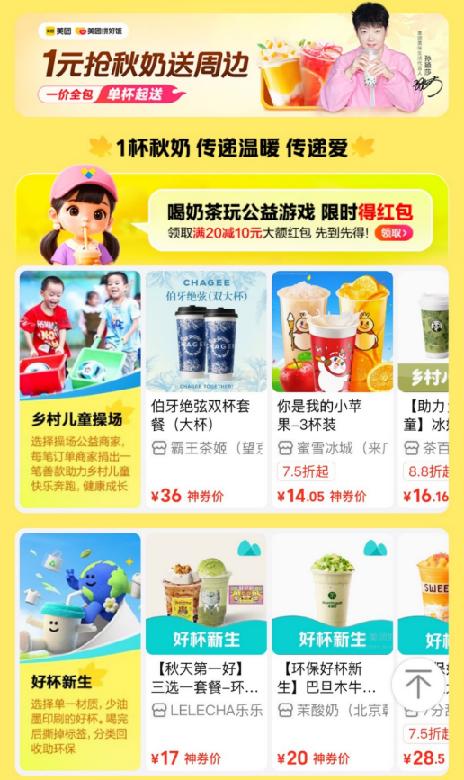
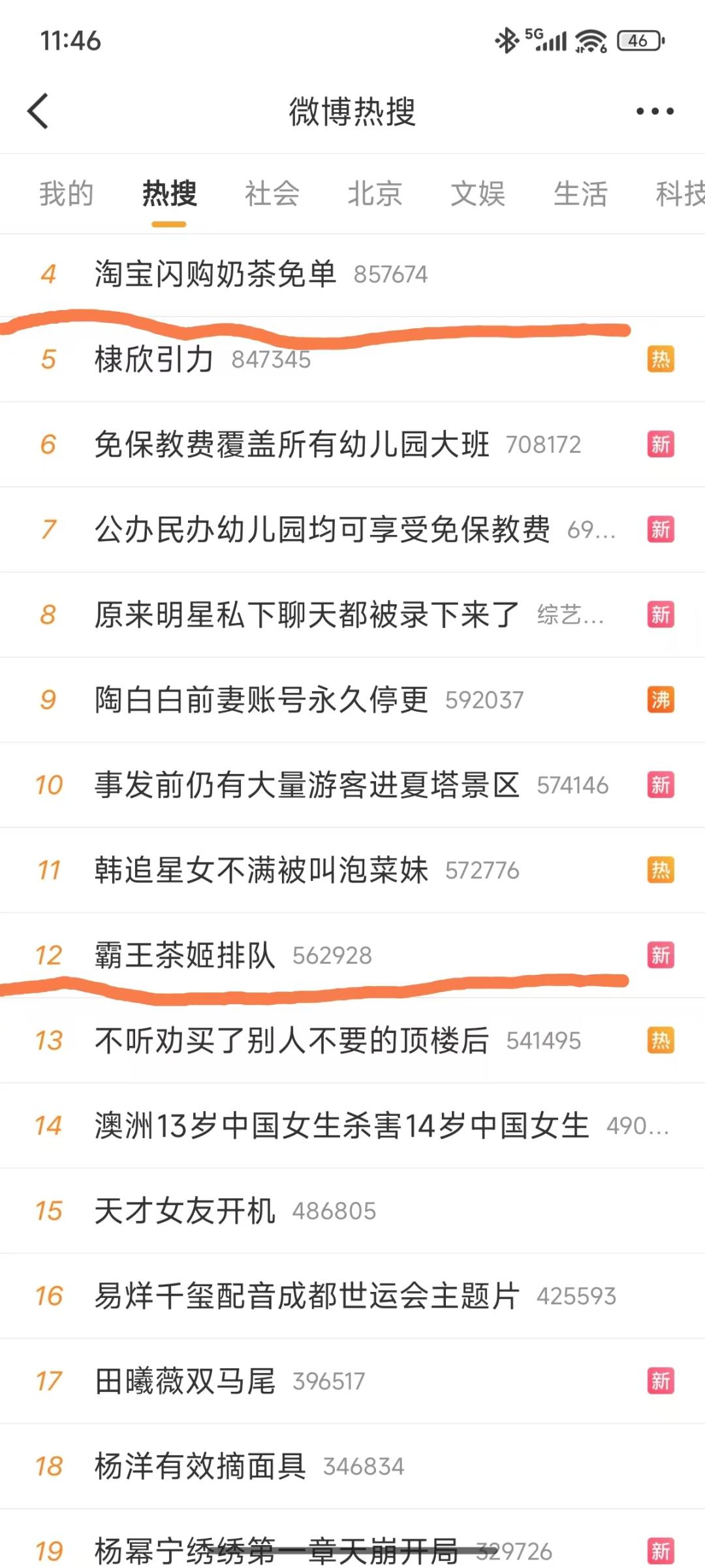
Core Insights - The article highlights the significant marketing event of "The First Cup of Milk Tea in Autumn" on August 7, 2025, which has become a hallmark of the new tea beverage industry in China, driving a surge in sales and consumer engagement [1][2][3]. Brand Activities - Over 100 tea brands, including popular names like Mixue Ice City, Yihe Hall, Starbucks, and Luckin Coffee, launched new seasonal products through Meituan during this period [1][5]. - Yihe Hall reported a 258% increase in revenue by 3 PM on the event day, with over 501 stores achieving daily sales exceeding 10,000 yuan [1][3]. - The event saw brands employing various innovative marketing strategies, such as collaborations and promotional offers, to attract consumer attention [3][4]. Platform Support - Meituan and other delivery platforms played a crucial role in facilitating the event, with Meituan launching the "First Cup of Milk Tea in Autumn" campaign and distributing 1 million free cups of milk tea [4][5]. - The collaboration between platforms and brands resulted in over 20,000 beverage stores participating in the event, selling over 53 million cups of drinks on the day [5][6]. Consumer Engagement - The event generated significant consumer excitement, leading to long queues at stores and a surge in online orders, with some brands reporting record sales figures [7][8]. - Despite the high sales volume, many consumers experienced delays in order delivery, highlighting operational challenges faced by brands during peak demand [8].


联合3万社区站点6万商家回收奶茶杯,美团为环保用户赠送“秋天第一杯奶茶”
Jing Ji Guan Cha Wang· 2025-08-07 12:35
Core Insights - The article discusses Meituan's initiative to promote environmental awareness through a "First Cup of Milk Tea" campaign, encouraging consumers to participate in recycling activities and support sustainable consumption practices [1][5]. Group 1: Campaign Overview - On August 7, Meituan launched the "First Cup of Milk Tea" campaign in collaboration with 15 leading tea brands and 60,000 merchants, focusing on a public welfare initiative for environmental protection [1]. - The campaign includes an online section for eco-friendly milk tea products, interactive games, and offline recycling of milk tea cups, aiming to foster a healthy and environmentally conscious consumption mindset [1][5]. Group 2: Consumer Engagement - Consumers can participate in online games and receive rewards such as eco-friendly shopping bags and discount vouchers for returning milk tea cups [3]. - Since August 1, over 50,000 consumers have signed up for the public welfare initiative, indicating strong engagement [3]. Group 3: Social Impact - Meituan has also established a product donation program for rural children's playgrounds, where each purchase from a designated section contributes to funding playgrounds in underdeveloped areas [3]. - Currently, 3,739 playgrounds have been built, benefiting 508,000 rural children [3]. Group 4: Industry Trends - The new beverage and coffee sectors are rapidly growing, with projections indicating that the market size for new-style tea drinks and coffee will exceed 300 billion RMB in 2024 [5]. - Meituan's efforts to promote recycling and sustainability align with the increasing consumer awareness of environmental issues related to single-use plastic packaging in the beverage industry [5]. Group 5: Previous Initiatives - Meituan's commitment to environmental sustainability is not new; it initiated the "Qingshan Plan" in 2017, focusing on reducing plastic waste and promoting recycling [5]. - The Qingshan Plan has engaged 500 million users and over one million merchants, highlighting the company's long-term dedication to low-carbon and sustainable development [5].

从网络热梗到百亿生意,复盘“秋天的第一杯奶茶”
3 6 Ke· 2025-08-07 10:47
Core Insights - The phenomenon of "the first cup of milk tea in autumn" has evolved into a significant cultural and marketing event in China, transcending its initial status as a social media trend [3][4][26] - The event has become a national consumption symbol, reflecting the desire for ritual and emotional connection among consumers [26] Group 1: Evolution of the Event - The rise of "the first cup of milk tea in autumn" has gone through three stages: spontaneous user engagement, brand follow-up, and proactive industry planning [4][11] - In 2020, the trend began with a viral social media post, leading to significant engagement and sales growth for various milk tea brands, with some reporting sales increases of 300-400% [7][11] - By 2021, brands shifted from passive participation to actively leading the conversation, with marketing campaigns starting earlier and becoming more strategic [8][10] Group 2: Marketing Strategies - Since 2022, the event has transformed into a standardized marketing ritual, with brands treating it as a key promotional node similar to traditional festivals [11][12] - Brands have increasingly focused on product innovation and collaborations with popular IPs to enhance engagement and sales, with significant sales spikes reported during the event [12][13] - In 2024, over 200,000 beverage stores participated, selling more than 53 million cups of milk tea, marking a 34% year-on-year increase [13] Group 3: Consumer Engagement - The event has successfully symbolized emotional connections, allowing consumers to express care and affection through the act of purchasing milk tea [15][16] - Low participation costs and simple engagement methods have contributed to the widespread adoption of the event, making it accessible to a broad audience [21][22] - The phenomenon encourages user-generated content (UGC), emphasizing the importance of authentic consumer engagement over traditional brand-driven marketing [22] Group 4: Implications for Brands - Brands are encouraged to create emotional significance around their products, transforming ordinary purchases into meaningful rituals [15][26] - The integration of products with specific seasonal contexts enhances consumer motivation and justifies purchasing behavior [23][24] - The success of this event highlights the need for brands to find unique emotional connections with consumers, establishing their products as essential elements in significant life moments [26]
海通证券晨报-20250807
Haitong Securities· 2025-08-07 03:49
Group 1: Overseas Strategy - The Hong Kong stock market is expected to continue its bullish trend in the second half of the year, outperforming the A-share market. The overall increase in Hong Kong stocks has been more significant than that of A-shares since the beginning of the year, driven by sectors such as innovative pharmaceuticals, new consumption, and AI applications [1][2] - The current technology and consumer assets in the Hong Kong stock market align well with industry development trends and have superior fundamentals, which may attract continued capital inflows from the mainland [1][2] Group 2: Military Industry - The military industry is on an upward trend due to the intensifying great power competition, with increased defense spending being a necessary option. The focus of U.S. and allied defense strategies is gradually shifting towards the Indo-Pacific region, which may lead to heightened tensions around China [3][4] - The defense military index outperformed the market, rising by 0.66% during the week of July 26 to August 1, while the Shanghai Composite Index and the ChiNext Index fell by 0.94% and 0.74%, respectively [4] Group 3: Consumer Services - Gu Ming, a leading player in the domestic ready-to-drink tea market, has significant supply chain and operational advantages, with broad growth potential. The company is focusing on high-frequency product innovation and strong franchisee management to ensure consistent store operations [8][9] - The ready-to-drink beverage market has substantial growth potential, particularly in lower-tier markets, driven by increasing consumer demand and the ongoing evolution of product categories [9][10] Group 4: Cosmetics - Lin Qingxuan, a pioneer in the "oil-based skincare" segment, has successfully established a high-end brand image through its camellia oil products. The company is focusing on product innovation and expanding its product categories to enhance its market presence [11][12] - The cosmetics market is projected to grow significantly, with the anti-wrinkle and firming skincare segment expected to reach a market size of 119.8 billion yuan by 2024, growing at a CAGR of 18.9% from 2024 to 2029 [11][12]