
奇瑞汽车

Search documents
今日新闻丨智己LS9上市,权益价32.28-35.28万元!10月新能源渗透率57%!与众08等多款新车登录工信部!
电动车公社· 2025-11-12 16:15
Core Points - The article highlights the launch of several new electric vehicles, including the Zhiji LS9, Wuling Xingguang 730, and Ora 5, along with their pricing and specifications [1][2][20]. Group 1: Zhiji LS9 - The Zhiji LS9 was launched on November 12, with a price range of 322,800 to 352,800 yuan [1][2]. - The vehicle features a stylish design with dimensions of 5279mm in length, 2000mm in width, and 1806mm in height, positioning it as a large SUV [4]. - Interior highlights include a 27.1-inch dual-screen setup, advanced seating options, and a range of high-tech features such as a 520-line laser radar and Nvidia Thor driving assistance chip [6][8]. - The powertrain includes a "Hengxing" super range extension system with a 114kW 1.5T range extender and a maximum power output of 390kW, achieving 0-100 km/h in 4.9 seconds [8]. Group 2: Wuling Xingguang 730 - The Wuling Xingguang 730 was also launched on November 12, with a price range of 73,000 to 109,800 yuan, offering fuel, hybrid, and electric versions [11][19]. - The vehicle is designed as a compact MPV with dimensions of 4910mm in length, 1850mm in width, and 1770mm in height [13]. - It features a 2+2+3 seating layout and includes modern amenities such as a floating central control screen and electric sliding doors [15][17]. Group 3: Ora 5 - The Ora 5 has begun pre-sales on November 12, with a price range of 109,800 to 142,800 yuan [20]. - The vehicle maintains a retro design style with dimensions of 4471mm in length, 1833mm in width, and 1641mm in height, classifying it as a compact SUV [22]. - Interior features include a 15.6-inch central control screen and advanced driver assistance systems, targeting a younger demographic [24][27]. Group 4: Market Insights - In October, the penetration rate of new energy vehicles reached 57%, with 1.282 million new energy vehicles sold out of 2.242 million total retail passenger vehicles [28]. - The retail sales of fuel vehicles decreased by 10% year-on-year, while pure electric vehicle sales grew by 20% [28].


汽车攀爬天门山999级天阶,结果溜下台阶撞坏护栏,景区回应
第一财经· 2025-11-12 15:47
Core Viewpoint - The article discusses an incident at the Tianmen Mountain National Forest Park in Zhangjiajie, where a car attempted to climb the "Sky Ladder" but failed, causing damage to the facility and affecting tourist access [2][3][5]. Group 1: Incident Details - On November 12, a car attempted to climb the "Sky Ladder," which is nearly 300 meters long with a vertical drop of 150 meters and consists of 999 steps, but it slid down and damaged the guardrail [5][6]. - The incident occurred around noon, and the car remained at the site for two hours after the failure [2]. - A local tour guide confirmed that the "Sky Ladder" was closed to tourists that day due to the car activity [3]. Group 2: Impact on Tourism - The car activity, organized by Chery Automobile, led to the closure of the "Sky Ladder" for tourists on November 12 and 13, with visitors redirected to use the cable car to reach Tianmen Cave [5][6]. - Some visitors expressed concerns that allowing a car to test on the "Sky Ladder" negatively impacted their experience and damaged the scenic area [5]. Group 3: Vehicle and Challenge Details - The vehicle involved was the Chery Fengyun X3L, which is set to launch on September 17, 2025 [6]. - The challenge posed by the "Sky Ladder" is significant, with steep and slippery steps, described as a route that even imported off-road vehicles rarely attempt [6]. - Chery's executive vice president previously highlighted the difficulty of the challenge, noting the steep gradients and the high demands on vehicle performance [6].

“银十”车市销量同比微降0.8% 自主品牌市占率升至68.7%
Mei Ri Jing Ji Xin Wen· 2025-11-12 14:01
Core Insights - In October, China's passenger car retail sales reached approximately 2.242 million units, showing a year-on-year decline of 0.8% and a month-on-month decline of 0.1% [1] - The cumulative retail sales for the year reached about 19.25 million units, reflecting a year-on-year growth of 7.9% [1] Group 1: Market Performance - The October car market performance was relatively mild, not reaching the previously expected "hot" scenario, primarily driven by the replacement purchase group [1] - The tightening of "old-for-new" subsidy policies in some regions led to differentiated sales growth across areas, preventing a sustained increase in October sales [1] Group 2: Brand Performance - In October, domestic brands achieved retail sales of approximately 1.55 million units, a year-on-year increase of 4%, capturing a domestic retail market share of 68.7%, up 3 percentage points year-on-year [2] - The cumulative market share of domestic brands for the first ten months of the year was 65%, an increase of 5.5 percentage points compared to the same period last year [2] - Major domestic groups like SAIC, Dongfeng, Changan, Chery, and BAIC saw a combined year-on-year sales growth of 17% in October [2] Group 3: Export Growth - In October, China's automobile exports reached 828,000 units, marking a year-on-year increase of 42%, with total exports for the first ten months reaching approximately 6.51 million units, up 23% year-on-year [2] - Specific companies like BYD, Chery, and Geely reported significant export figures, with BYD exporting about 80,000 units in October [3] Group 4: New Energy Vehicles (NEVs) - NEVs remain a crucial growth driver, with wholesale sales of NEVs in October reaching approximately 1.621 million units, a year-on-year increase of 18.5% [4] - The penetration rate of NEVs reached 55.3% in October, with domestic brand NEVs achieving a penetration rate of 70.1% [4] Group 5: Future Outlook - Starting January 1, 2024, the purchase tax for NEVs will shift from full exemption to a 50% reduction, prompting consumers to feel a stronger urgency to purchase vehicles by year-end [5] - The upcoming months are expected to see increased enthusiasm for vehicle purchases in rural areas, particularly for NEVs and mid-to-low-end fuel vehicles [6]




慧翰股份(301600) - 2025年11月11日投资者关系活动记录表
2025-11-12 09:46
Group 1: Company Development and Market Position - The company started with ICT core technology, focusing on Bluetooth, WiFi, and GPS modules, establishing a strong position in the wireless communication sector despite limited market size initially [2] - In 2012, the company entered the vehicle communication field, launching the first generation of vehicle networking intelligent terminal product TBOX1.0, becoming a primary supplier for SAIC Group [2] - By 2014, the company achieved a breakthrough with the mass production of SAIC's first intelligent connected vehicle, breaking the monopoly of foreign manufacturers in the vehicle intelligent terminal market [2][3] - The company has established long-term partnerships with major domestic and international automotive manufacturers, including SAIC, BYD, and Volvo, creating a stable cooperation network [3] Group 2: eCall Emergency Call System - The eCall system consists of a vehicle-mounted eCall terminal, mobile communication network, and PSAP call center, enhancing the timeliness of traffic accident rescue and reducing casualty rates [4] - The system can automatically trigger emergency calls upon detecting a collision, ensuring functionality even after severe accidents [4][5] - The company recognized the importance of eCall technology early on, tracking legislative developments since the EU's initial research in 2012, and obtained the first domestic EU eCall certification in 2019 [5] - The implementation of the national standard AECS on July 1, 2027, is expected to create a market increase worth billions, as existing products will need to be replaced with compliant ones [6][8] Group 3: Production Capacity and Strategy - The company employs a flexible production line strategy, focusing on core component production and ensuring stable product performance [7] - A strict external cooperation mechanism is in place to manage non-core component processing, ensuring compliance with automotive-grade standards [7] - The company is expanding its production capacity and upgrading technology to meet the anticipated surge in demand following the AECS implementation [8] Group 4: Competitive Advantage - The company emphasizes the need for strong capabilities in R&D, production management, quality control, and supply chain management to stand out in a competitive market [9] - Future strategies include continuous technological innovation and product optimization to enhance competitiveness and solidify market position [9]
燃油车又杀回来了
商业洞察· 2025-11-12 09:25
Core Viewpoint - Despite the rise of electric vehicles, traditional fuel vehicles continue to show resilience in the market, with recent data indicating a rebound in sales and market share [3][5][6]. Group 1: Sales Performance - In September, domestic sales of traditional fuel vehicles reached 1 million units, marking a year-on-year increase of 6.4% and a month-on-month increase of 10.9%, continuing a trend of growth for four consecutive months [5]. - From January to September, cumulative sales of traditional fuel vehicles totaled 8.141 million units, reflecting a year-on-year growth of 1.7%, while the sales of traditional fuel passenger vehicles are projected to decline by 17.7% in 2024 [5]. - Fuel vehicles accounted for 47.76% of total passenger vehicle sales in the first nine months of the year, indicating that they still hold a significant market share [5]. Group 2: Market Dynamics - The resurgence of fuel vehicles is attributed to a combination of market demand and aggressive pricing strategies, with discounts averaging around 30% and some luxury models offering discounts exceeding 40% [10][12]. - The Nissan Sylphy emerged as the best-selling fuel vehicle in September, with sales of 33,000 units, while the Toyota Camry also saw significant sales growth, achieving a monthly sales record [11][12]. - Traditional automakers are adjusting their pricing strategies to compete with electric vehicles, with many reducing prices to below 80,000 yuan and enhancing vehicle configurations to improve value [12]. Group 3: Strategic Shifts in Traditional Automakers - Major automakers like Honda and FAW-Volkswagen reported significant sales increases in fuel vehicles, with Honda's CR-V being a key contributor to its growth in the Chinese market [15][16]. - Geely and Chery have also announced new strategies to enhance their fuel vehicle offerings, emphasizing the importance of maintaining a dual focus on both fuel and electric vehicles [18][19]. - The automotive industry is witnessing a shift towards promoting fuel vehicles alongside electric models, with a focus on technological advancements and product positioning [16][19]. Group 4: Technological Advancements - Fuel vehicles are increasingly incorporating advanced technologies such as intelligent driving systems and high-performance chips, narrowing the gap with electric vehicles in terms of smart features [19][20]. - Recent launches of fuel vehicles have highlighted their enhanced smart capabilities, including features like voice interaction and OTA updates, which were previously more common in electric vehicles [20][22]. - Despite challenges in achieving the same level of intelligence as electric vehicles, traditional fuel vehicles are making strides in integrating smart technologies [23][24].
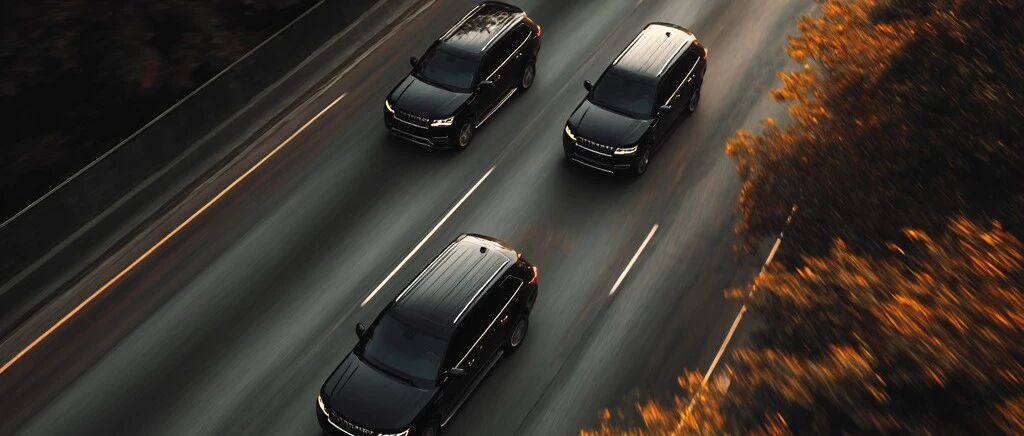
燃油车又杀回来了
36氪· 2025-11-12 09:10
Core Insights - The article discusses the unexpected resurgence of traditional fuel vehicles in China, highlighting that fuel vehicle sales have increased despite the dominance of electric vehicles in the market [4][11]. Sales Performance - In September, traditional fuel vehicle sales reached 1 million units, marking a year-on-year increase of 6,000 units and a month-on-month growth of 10.9% [4]. - From January to September, cumulative sales of traditional fuel vehicles totaled 8.141 million units, reflecting a year-on-year growth of 1.7% [5]. - Fuel vehicles accounted for 47.76% of total passenger vehicle sales in the same period, indicating their continued significant market presence [6]. Market Dynamics - The rebound in fuel vehicle sales is attributed to a rational market correction following a period of intense competition and price wars [8]. - Discounts on fuel vehicles have been substantial, with average discount rates around 30%, and some luxury models offering discounts exceeding 40% [12]. - The top nine fuel vehicle models accounted for approximately 20% of the entire fuel vehicle market in September [14]. Strategic Responses from Automakers - Traditional automakers are adjusting their product positioning and pricing strategies to compete with electric vehicles, with many reducing prices to below 80,000 yuan and enhancing vehicle configurations [14]. - Major brands like Honda and FAW-Volkswagen reported significant sales increases, with Honda's CR-V being a key contributor to its growth in China [19][20]. New Strategies for Fuel Vehicles - Companies like Chery and Geely are launching new fuel vehicle strategies, emphasizing the integration of smart technologies into their offerings [22][24]. - Geely's CEO stated that the company will continue to invest in fuel vehicles, recognizing their importance in the market despite the rise of electric vehicles [25]. Technological Advancements - Fuel vehicles are increasingly incorporating advanced technologies such as intelligent driving assistance and smart cockpit features, narrowing the gap with electric vehicles [27][30]. - Recent models from various manufacturers are equipped with high-performance chips and advanced driver-assistance systems, enhancing their competitiveness [30][34]. Future Outlook - The market is expected to evolve into a coexistence model where both fuel and electric vehicles thrive, with automakers adopting diversified strategies to cater to different consumer needs [39][40].
中西务实合作“与机遇同行”
Huan Qiu Shi Bao· 2025-11-12 05:52
Group 1 - The visit of King Felipe VI of Spain to China from November 10 to 13 marks the 20th anniversary of the comprehensive strategic partnership between China and Spain, highlighting the importance of bilateral relations [1] - Spain is a significant strategic partner for China in Europe, and the relationship has maintained a high level of development under the strategic guidance of both countries' leaders [1][2] - The "Yi Xin Ou" China-Europe freight train has facilitated trade between China and Spain, allowing Spanish products like ham, wine, and olive oil to enter the Chinese market while Chinese goods have also seen significant entry into Spain [2][3] Group 2 - China's investment in Spain is projected to reach nearly 11 billion euros in 2024, doubling the cumulative investment of the previous eight years, indicating Spain's growing importance as a gateway for Chinese enterprises into the European market [3] - The bilateral trade volume between China and Spain has surpassed 50 billion USD, with China being Spain's largest trading partner outside the EU [3] - Spain's economic growth has been robust, positioning it as a key player in promoting European economic stability, with a focus on sustainable growth through tourism and digital transformation [2][3] Group 3 - Cultural exchanges between China and Spain have deepened, with initiatives such as direct flight routes and the establishment of Confucius Institutes and Cervantes Institutes, enhancing people-to-people connections [4] - The mutual respect and cooperation between China and Spain serve as a model for friendly relations among countries with different civilizations and social systems, contributing positively to the development of China-EU relations [4]
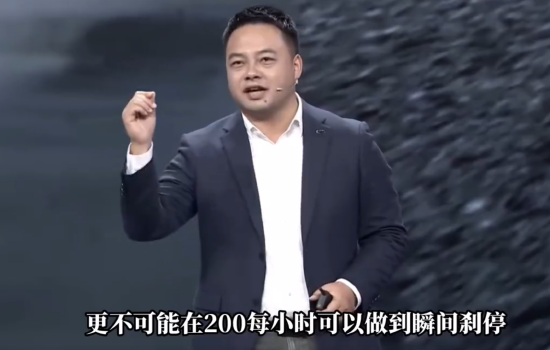
奇瑞汽车高管谈“瞬间刹停”:200km/h绝对不可能做到瞬间刹停,是违背物理学
Xin Lang Ke Ji· 2025-11-12 03:00
Core Viewpoint - Chery Automobile's executive vice president, Li Xueyong, discussed the limitations of emergency braking in high-speed situations during the launch of the fifth-generation Tiggo 8, emphasizing that instant stops at high speeds are physically impossible [1][3]. Group 1: Emergency Braking Insights - Li stated that it is impossible to achieve an instant stop at speeds of 100 km/h, 150 km/h, or even 200 km/h, as it contradicts the laws of physics [3]. - He highlighted that when a vehicle is traveling at 120 km/h, in an emergency, braking can only reduce speed to approximately 80 km/h [3]. - The executive emphasized that safety in emergencies relies on good control, steering, and power, indicating that effective deceleration is crucial for maintaining safety [3].
朱锐:中西务实合作“与机遇同行”
Huan Qiu Wang· 2025-11-11 23:12
Group 1: Bilateral Relations - The visit of King Felipe VI of Spain to China from November 10 to 13 marks the 20th anniversary of the comprehensive strategic partnership between China and Spain, highlighting the importance of this relationship [1] - Spain is a significant EU country and a key strategic partner for China in Europe, with high-level development in bilateral relations driven by the strategic guidance of both nations' leaders [1][2] - The political environment in Spain is characterized by a strong bipartisan consensus on fostering friendly relations with China, supported by public opinion [2] Group 2: Economic Cooperation - Spain's economy has shown remarkable performance, leading European economic growth and projected to be the fastest-growing developed economy in 2024, which is crucial for maintaining European stability [2] - Chinese investment in Spain is expected to reach nearly 11 billion euros in 2024, doubling the cumulative investment from the previous eight years, indicating Spain's emergence as a key entry point for Chinese companies into the European market [3] - The bilateral trade volume has surpassed 50 billion USD, with China being Spain's largest trading partner outside the EU, reflecting the vitality and potential of economic cooperation between the two countries [3] Group 3: Cultural and Human Exchange - There is deep cooperation in cultural and human exchanges, with initiatives such as direct flight routes and the establishment of Confucius Institutes and Cervantes Institutes to enhance mutual understanding [4] - The consensus in Spain that "to walk with China is to walk with opportunities" underscores the positive perception of bilateral relations and the potential for future collaboration [4]
中国新能源汽车月度渗透率首超50%
Shang Hai Zheng Quan Bao· 2025-11-11 16:57
◎记者 俞立严 蓬勃发展的中国新能源汽车行业创造新纪录——11月11日,中国汽车工业协会(下称"中汽协")召开沟 通会发布最新数据:2025年1至10月,中国新能源汽车产销量继续实现较高增长。其中,10月新能源车 月度渗透率(新能源汽车新车销量在汽车新车总销量中的占比)首次超过了50%。 今年以来中国新能源汽车行业呈现较高增长,究其原因,中汽协副秘书长陈士华在沟通会上解释:一方 面,是国内汽车以旧换新补贴政策持续显效;另一方面,是2026年新能源汽车购置税减半征收,使得部 分消费者存在提前购车现象。 中汽协有关人士对上海证券报记者表示,10月新能源车月度渗透率是首次超过50%,此前只是新能源乘 用车的月度渗透率超过50%,这说明新能源化正在汽车行业持续推进。 在具体企业方面,1至10月,汽车销量排前十位的企业(集团)共销售2328.1万辆,占汽车销售总量的 84.1%。在汽车销量排前十位的企业中,与2024年同期相比,东风公司和广汽集团销量呈不同程度下 降,其他企业销量呈不同程度增长。 乘用车促销开始回归理性 10月新能源车销量同比环比双增 据中汽协统计,10月,中国汽车产销分别完成335.9万辆和332.2 ...
