奇瑞汽车

Search documents
港股收评:恒指涨1.55%,科技金融齐飞,新消费回暖!
Ge Long Hui· 2025-11-10 08:49
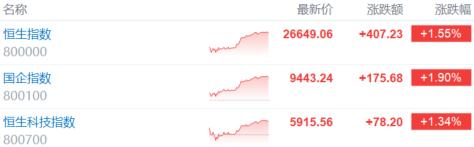
Market Overview - The Hong Kong stock market showed a significant recovery with the Hang Seng Index rising by 1.55%, closing at 26,649 points, while the Hang Seng China Enterprises Index and the Hang Seng Tech Index increased by 1.9% and 1.34% respectively [1][2]. Sector Performance - Major technology stocks experienced a collective rise, with Tencent, Kuaishou, and Alibaba increasing by over 2%, while Baidu and Meituan rose by over 1% [4][5]. - Consumer-related stocks, including tourism, film, retail, leisure products, and dining sectors, showed active performance, with notable gains in new consumption concept stocks such as China Duty Free, which surged over 15% [5][7]. - Gold stocks also performed well, with companies like Chifeng Jilong Gold and China Silver Group rising over 6% [8][9]. - The oil sector saw strong performance from major oil companies, with China National Offshore Oil Corporation increasing nearly 6% [10]. Economic Indicators - The National Bureau of Statistics reported a positive signal in inflation data for October, with the Consumer Price Index (CPI) rising by 0.2% month-on-month and year-on-year, indicating a shift from decline to growth [5]. - The Ministry of Finance plans to continue implementing measures to boost consumption, particularly in key areas such as personal consumption loans [6]. Future Outlook - According to China International Capital Corporation (CICC), the Hang Seng Index is projected to have a midpoint of 28,000 to 29,000 points next year, with optimistic scenarios reaching around 31,000 points and pessimistic scenarios around 21,000 points [15]. - CICC recommends overweighting sectors such as AI software and hardware, new energy, chemicals, home furnishings, and innovative pharmaceuticals, while suggesting underweighting real estate, food retail, and personal care products [15].

市场分歧的背后,赛力斯已现 “滞胀” 迹象
晚点LatePost· 2025-11-10 08:03
Core Viewpoint - The article focuses on the operational performance and development trends of Seres, highlighting its recent financial activities and the implications for future growth potential [5][6][10]. Financial Performance - Seres has become the largest domestic vehicle listing company in terms of fundraising scale and market capitalization, surpassing Chery Automobile [5]. - The company completed two significant expenditures this year: acquiring Longsheng New Energy Super Factory for over 8.1 billion yuan and purchasing a 10% stake in Yiwang Company for 11.5 billion yuan, which supports its future growth plans [6]. - Seres aims to achieve a production capacity of over 1 million vehicles by 2027, with projected annual sales of around 800,000 vehicles based on new model launches [9][19]. Sales and Revenue Trends - In the first ten months of 2025, Seres' cumulative sales reached 356,000 vehicles, showing a year-on-year increase of only 1%, with the Wanjie brand experiencing a slight decline in growth [9]. - The revenue and profit structure for the first three quarters of Seres showed a slight increase in revenue to 1,105 billion yuan, with a gross margin of 29.4% and a net margin of 5.1% [10][13]. Profitability and Cost Structure - Despite stagnant sales and revenue growth, Seres has improved its profitability, with a significant increase in net profit by 65.3% year-on-year [10]. - The gross margin has been on an upward trend, indicating that the introduction of new models like the Wanjie M8 has positively impacted the average selling price and profitability [13][14]. - However, the company faces rising external costs, leading to a "stagflation" scenario where expenses increase despite declining sales, creating uncertainty for future growth [14][18]. Market Position and Competitive Landscape - Seres is maintaining a pricing strategy that contrasts with the increasing competition in the domestic mid-to-large-sized new energy SUV market, as evidenced by the pricing of the new M7 model [18][19]. - The company’s ability to sustain its pricing power is linked to its production capacity utilization and brand influence, but it may face challenges if competition intensifies [19][20]. Future Outlook - The growth trajectory of Seres is contingent on achieving annual sales growth of around 40% over the next two years; otherwise, its market value may decline significantly [20]. - The company's operational model, particularly its collaboration with Huawei, may limit its flexibility in managing costs and expanding its product range beyond the new energy SUV segment [18][20].

燃油车又杀回来了
创业邦· 2025-11-10 03:38
Core Viewpoint - Despite the rise of electric vehicles, traditional fuel vehicles continue to show resilience in the market, with recent data indicating a rebound in sales and market share [5][6][10]. Sales Performance - In September, domestic sales of traditional fuel vehicles reached 1 million units, marking a year-on-year increase of 6.4% and a month-on-month increase of 10.9% [5]. - From January to September, cumulative sales of traditional fuel vehicles totaled 8.141 million units, reflecting a year-on-year growth of 1.7% [5]. - Fuel vehicles accounted for 47.76% of total passenger car sales in the same period, indicating their significant market presence [5]. Market Dynamics - The rebound in fuel vehicle sales is attributed to a rational market adjustment following a period of high demand for electric vehicles [6]. - Price reductions have played a crucial role in this recovery, with discounts averaging around 30%, and some luxury models seeing discounts exceeding 40% [8][10]. - The Nissan Sylphy emerged as the best-selling fuel vehicle in September, with sales of 33,000 units, benefiting from substantial price cuts [8]. Strategic Responses from Automakers - Traditional automakers are adjusting their product positioning and pricing strategies to compete with electric vehicles, with many reducing prices to below 80,000 yuan [10]. - Major brands like Honda and FAW-Volkswagen reported significant sales increases, with Honda's CR-V and FAW-Volkswagen's overall sales showing strong performance [12][14]. - Companies like Geely and Chery are launching new fuel vehicle strategies, emphasizing the importance of fuel vehicles alongside electric models [11][15]. Technological Advancements - Fuel vehicles are increasingly incorporating advanced technologies, such as intelligent driving systems and high-performance chips, to enhance their competitiveness [17][20]. - Recent models from various manufacturers are equipped with features like intelligent parking and advanced driver assistance systems, narrowing the technological gap with electric vehicles [19][20]. - The perception that fuel vehicles are lagging in intelligence is changing, as they now offer many of the same smart features as electric vehicles [20][21]. Future Outlook - The market is expected to evolve into a more diverse landscape where both fuel and electric vehicles coexist, catering to different consumer needs [21]. - Automakers are likely to adopt a multi-faceted strategy, balancing investments in both fuel and electric vehicle technologies to meet varying market demands [21].

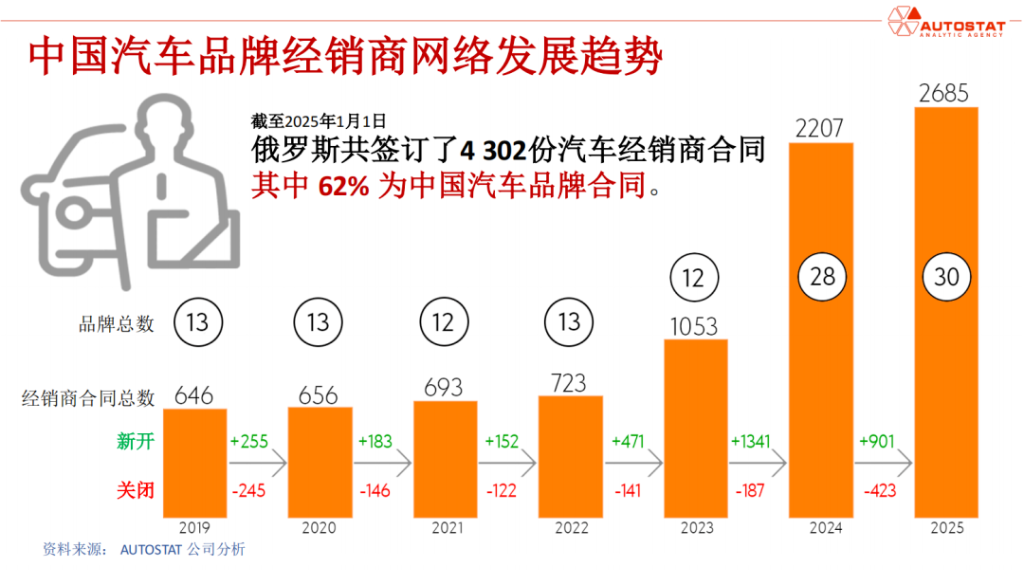
俄罗斯大幅加税,中国汽车出口骤降58%!1辆净赚几万已成过去,有商家暂停对俄业务
Mei Ri Jing Ji Xin Wen· 2025-11-10 00:09
Core Insights - The export of Chinese automobiles to Russia has significantly declined, with a 58% drop in the first nine months of 2025 compared to the previous year, marking a shift in the export landscape where Mexico has overtaken Russia as the top destination for Chinese car exports [4][3][1] - The increase in scrappage taxes and changing market conditions have led to a cautious approach among Chinese exporters, with many considering halting their operations in Russia [2][8][9] Group 1: Export Trends - In the first nine months of 2025, China exported 357,700 vehicles to Russia, a decrease of 58% year-on-year, while exports to Mexico reached 410,700 units, making it the largest market for Chinese cars [4][3] - The shift in export destinations indicates a changing landscape, with Russia dropping from the top position it held for two years [4][3] Group 2: Market Challenges - Factors such as increased import taxes, scrappage taxes, and difficulties in after-sales service are impacting the export business of Chinese cars to Russia [2][8] - The scrappage tax for new imported cars has increased by 70% to 85%, significantly raising costs for exporters [8][7] Group 3: Industry Response - Many Chinese car manufacturers are now focusing on local production and establishing a long-term presence in Russia, moving away from a short-term profit strategy [15][13] - Companies like Great Wall Motors are adopting a localized assembly model to mitigate high import taxes and benefit from local subsidies [15][16] Group 4: Future Strategies - Experts suggest that Chinese car manufacturers need to enhance local production, improve after-sales service, and reshape their brand image to succeed in the Russian market [16][15] - The industry is advised to focus on building a sustainable business model rather than seeking quick profits, indicating a shift towards long-term investment strategies [13][15]
俄罗斯大幅加税,中国汽车出口骤降58%!1辆净赚几万已成过去
Mei Ri Jing Ji Xin Wen· 2025-11-09 22:27
Core Insights - The export of Chinese automobiles to Russia has significantly declined, with a 58% drop in the first nine months of 2025 compared to the previous year, marking a shift in the export landscape where Mexico has overtaken Russia as the top destination for Chinese car exports [4][9][10] - The increase in scrapping taxes and changing economic conditions in Russia have created a challenging environment for Chinese car exporters, leading to a reevaluation of their strategies in the market [3][7][9][10] Export Trends - In the first nine months of 2025, China exported 35.77 million vehicles to Russia, a significant decrease from previous years when Russia was the largest market for Chinese car exports [4][9] - Mexico has become the largest destination for Chinese car exports, with 41.07 million vehicles, followed by the UAE with 36.78 million [4][9] Market Challenges - The scrapping tax for imported vehicles in Russia has increased by 70% to 85%, significantly impacting the cost structure for Chinese exporters [7][9] - Economic factors such as high inflation, increased interest rates, and a depreciating ruble have further suppressed demand for automobiles in Russia [9][10] Industry Response - Many Chinese car manufacturers are reducing their operations in Russia, with some companies halting exports entirely due to the unfavorable market conditions [10][11] - There is a growing recognition among Chinese car manufacturers that a long-term strategy focusing on localization and building a robust after-sales service network is essential for success in the Russian market [19][20] Future Strategies - Chinese automotive companies are shifting from a quick profit model to a more sustainable approach, emphasizing local production and service capabilities [19][20] - Recommendations for success in the Russian market include increasing local production rates, enhancing product development for extreme weather conditions, and improving after-sales service coverage [20]


俄罗斯大幅加税,中国汽车出口骤降58%!1辆净赚几万已成过去,有商家暂停对俄业务,如何破局?专家建议“扎下根”
Mei Ri Jing Ji Xin Wen· 2025-11-09 16:27
Core Insights - The export of Chinese automobiles to Russia has significantly declined, with a drop of 58% in the first nine months of 2025 compared to the previous year, marking a shift in the export landscape [3][7] - Mexico has overtaken Russia as the largest destination for Chinese automobile exports, reflecting a changing dynamic in the market [2][3] - Increased taxes, including a rise in the scrappage tax by 70% to 85%, have severely impacted the profitability and attractiveness of the Russian market for Chinese automakers [6][7] Group 1: Market Dynamics - In the first nine months of 2025, China exported 357,700 vehicles to Russia, a significant decrease from previous years, with Mexico leading at 410,700 vehicles [3] - The Russian market, once the top destination for Chinese car exports, has now fallen to third place, with the UAE in second [3][2] - The shift in export destinations indicates a broader change in the strategy of Chinese automakers, moving away from reliance on the Russian market [2][3] Group 2: Challenges Faced - The increase in scrappage tax for imported vehicles, particularly for older models, has raised costs significantly, with some taxes increasing by nearly 83% [7] - The overall economic conditions in Russia, including high inflation and rising interest rates, have further suppressed demand for automobiles [7][8] - Many Chinese automakers are experiencing reduced sales and are reconsidering their presence in the Russian market, with some halting operations entirely [9][10] Group 3: Strategic Shifts - Chinese automakers are now focusing on long-term strategies, including local production and establishing a comprehensive service network to enhance customer support [16][17] - Companies like Great Wall Motors are already implementing local assembly to mitigate import tax impacts and increase local market integration [16] - The industry consensus emphasizes the need for improved localization, product adaptation to local conditions, and building a robust after-sales service system to regain consumer trust [17][14]
从单车净赚10万元到断崖式下跌!出口俄罗斯“退烧”,中国车商做了个大胆的决定
Mei Ri Jing Ji Xin Wen· 2025-11-09 15:41
Core Viewpoint - The export of Chinese automobiles to the Russian market is facing significant challenges, with a notable decline in sales and increasing operational costs due to new taxes and changing market dynamics [2][4][10]. Group 1: Market Dynamics - In the first nine months of 2025, China's automobile exports to Russia fell to 357,700 units, a decrease of 58% year-on-year, marking a significant shift in export destinations, with Mexico and the UAE surpassing Russia [4][10]. - Previously, Russia was the largest export market for Chinese automobiles, but it has now dropped to third place, reflecting a major change in the export landscape [4][10]. - The demand for Chinese electric vehicles in Russia has decreased, with many customers now hesitant to purchase due to rising costs and uncertainty about future taxes [2][5]. Group 2: Tax and Regulatory Impact - Starting October 1, 2024, the scrap tax for new imported vehicles in Russia will increase by 70% to 85%, significantly impacting the cost structure for Chinese exporters [8]. - The scrap tax for used cars with engine displacements of 2-3 liters and over three years old will rise from 1.3 million rubles (approximately 114,000 RMB) to 2.37 million rubles (approximately 208,000 RMB), an increase of nearly 83% [8]. - Additionally, from January 1, 2025, the import tariff for automobiles will be adjusted to 20% to 38%, further increasing the cost of doing business in Russia [8]. Group 3: Competitive Landscape - The Russian automotive market is experiencing a structural decline, with inflation at 10% and high interest rates on car loans, which are suppressing demand [10]. - Chinese brands still hold a significant presence in the Russian market, occupying six out of the top ten spots in sales, but overall sales are declining [10]. - Major Chinese automakers, such as Chery, are beginning to scale back their operations in Russia, indicating a shift in strategy as they reassess the market [10][15]. Group 4: Strategic Adjustments - Chinese automotive companies are shifting from a short-term profit focus to a long-term commitment in the Russian market, emphasizing the need for local production and service networks [19][20]. - Companies are encouraged to enhance localization efforts, improve product development for extreme weather conditions, and build robust after-sales service systems to better serve Russian consumers [20]. - The transition from a "quick profit" mindset to establishing a sustainable presence in Russia is seen as crucial for future success [15][19].

燃油车又杀回来了
首席商业评论· 2025-11-09 04:01
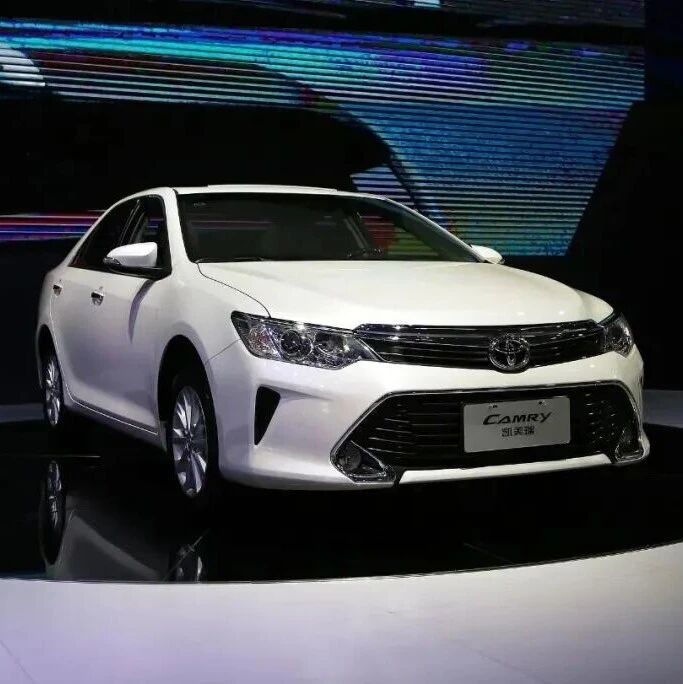
Core Viewpoint - Despite the dominance of electric vehicles in the market, traditional fuel vehicles are experiencing a resurgence in sales, indicating their continued relevance in the automotive industry [5][12]. Sales Performance - In September, domestic sales of traditional fuel vehicles reached 1 million units, an increase of 60,000 units year-on-year, marking a 10.9% month-on-month growth and a 6.4% year-on-year growth, with four consecutive months of year-on-year increases [5]. - From January to September, cumulative sales of traditional fuel vehicles totaled 8.141 million units, reflecting a year-on-year growth of 1.7%, while the sales of traditional fuel passenger vehicles are projected to decline by 17.7% in 2024 [5][12]. - Fuel vehicles accounted for 47.76% of total passenger vehicle sales in the first nine months of the year, maintaining a significant market share [5]. Market Dynamics - The resurgence of fuel vehicles is attributed to a rational market correction following a period of intense competition, as well as ongoing consumer demand for fuel vehicles [7][9]. - Price reductions have played a crucial role in this recovery, with discounts averaging around 30%, and some luxury models offering cash discounts exceeding 40% [9][11]. - The Nissan Sylphy emerged as the best-selling fuel vehicle in September, with sales of 33,000 units, while the Toyota Camry also saw significant sales growth [11]. Strategic Shifts - Traditional automakers are adjusting their strategies to enhance the competitiveness of fuel vehicles, with many lowering prices and improving configurations to attract consumers [11][15]. - Major brands like Honda and Volkswagen reported increased sales and market share for fuel vehicles, indicating a positive trend in this segment [13][15]. - Domestic brands such as Geely and Chery are also launching new fuel vehicle strategies, emphasizing the importance of fuel vehicles alongside electric models [12][19]. Technological Advancements - Fuel vehicles are increasingly incorporating advanced technologies, such as intelligent driving systems and smart cabins, narrowing the gap with electric vehicles in terms of technological offerings [20][24]. - Recent models from various manufacturers are equipped with features like high-performance chips, voice interaction systems, and OTA capabilities, enhancing their appeal [22][24]. - Despite challenges in achieving high-level autonomous driving capabilities, the perception that fuel vehicles cannot be intelligent is changing as technology evolves [26]. Future Outlook - The automotive market is expected to enter a phase of coexistence between fuel and electric vehicles, with companies adopting diversified strategies to cater to different consumer needs [26]. - The focus will shift from an "ALL IN electric" approach to a more balanced strategy that includes both fuel and electric vehicles [26].

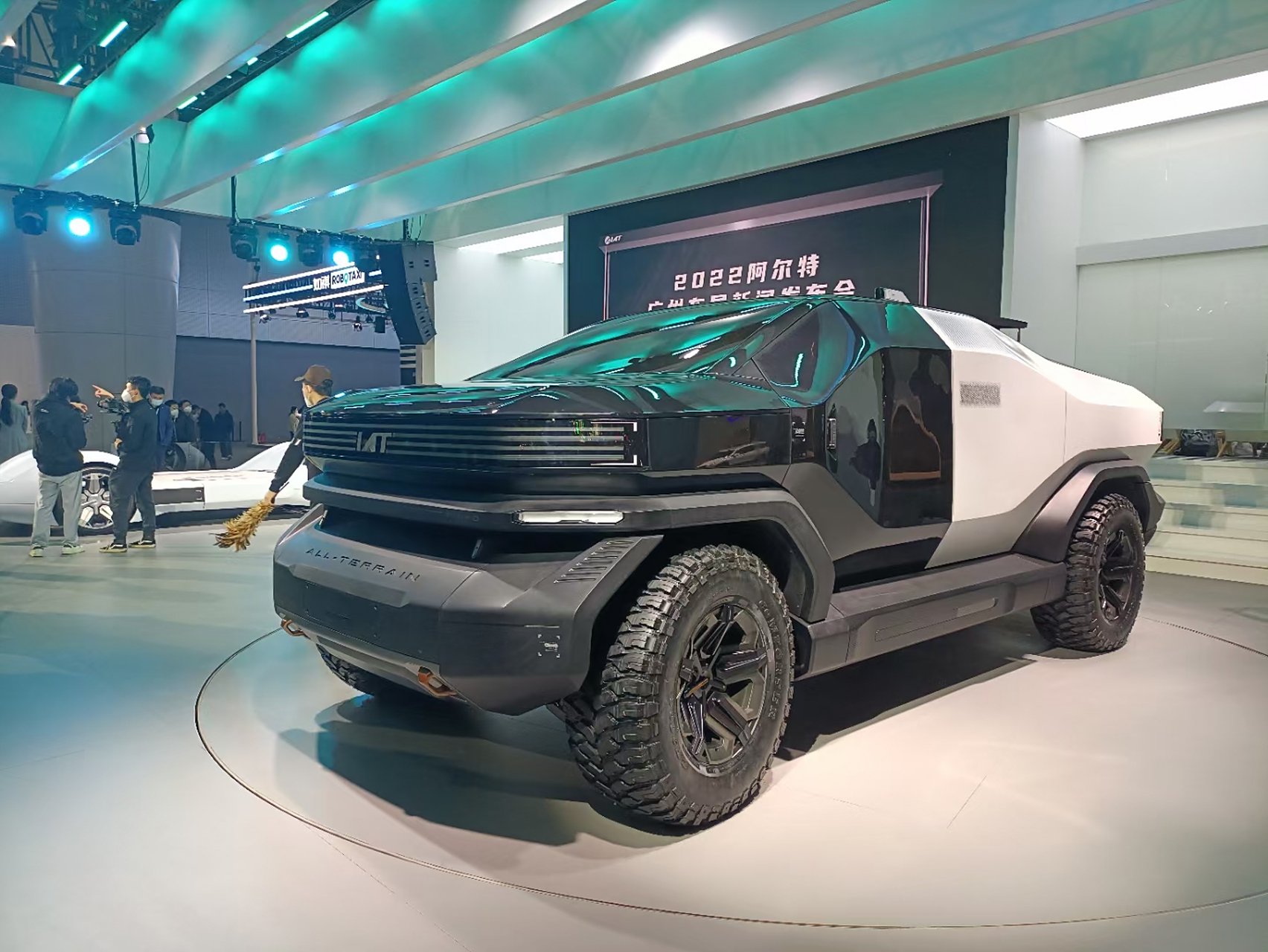
斥资6亿!北京一汽车企业布局芜湖
Xin Lang Cai Jing· 2025-11-09 01:44
Core Insights - The partnership between Alter Automotive Technology Co., Ltd. and Wuhu Huaan Zhanxin Equity Investment Fund aims to establish a joint venture focused on the research and mass production of electric and hybrid powertrain systems in Wuhu [1][3] - The registered capital of the joint venture is 672 million yuan, with a focus on innovation in electrification and intelligent power system technologies to provide competitive products and solutions for global automotive manufacturers [3] Company Overview - Alter Automotive Technology Co., Ltd. is a leading player in China's automotive design and R&D sector, established in 2007 and headquartered in Beijing. It is recognized as a high-tech enterprise and the first listed independent automotive design company in China [3] - The company has provided services to over 80 automotive enterprises, successfully developing more than 500 vehicle models, and is transitioning from a technology output model to a "technology + supply chain" international strategy [3] Investment Fund Details - Wuhu Huaan Zhanxin Equity Investment Fund, established in July 2023, has a total scale of 1 billion yuan and focuses on investments in the new energy sector, including green energy, environmental protection, energy technology, and carbon technology [3] - The fund is a collaboration among multiple institutions, including the Anhui Carbon Neutral Fund and Wuhu Industrial Investment Fund, targeting strategic emerging industries [3] Strategic Importance of Wuhu - Wuhu is recognized as a significant automotive industry base in Anhui Province, featuring a comprehensive automotive industry system led by Chery Automobile, which includes vehicle manufacturing, parts supply, R&D design, and testing [1][3] - The strategic cooperation is seen as a major breakthrough for Alter in the core components of new energy vehicles and is expected to inject new momentum into the development of the Yangtze River Delta's new energy vehicle industry cluster [1][3]

机器人赛道挤满“老司机”
Shen Zhen Shang Bao· 2025-11-08 23:36
Core Insights - The automotive industry is increasingly venturing into the humanoid robotics sector, with companies like Xiaopeng Motors, Xiaomi, GAC Group, Chery, and BYD developing their own robotic products or collaborations [2][3][4] Group 1: Industry Trends - Xiaopeng Motors unveiled its next-generation humanoid robot, IRON, at the Xiaopeng Technology Day, showcasing a design closely resembling human anatomy [2][3] - Tesla has been a pioneer in this field, launching its first humanoid robot, Optimus, in September 2022, and continues to enhance its capabilities [3] - The humanoid robot market is projected to grow significantly, with an expected sales volume exceeding 5 million units and a market size surpassing 400 billion yuan by 2035, reflecting a compound annual growth rate of 51.7% from 2025 to 2035 [5] Group 2: Strategic Advantages - Automotive companies possess inherent advantages in humanoid robot development due to the shared underlying technologies between electric vehicles and intelligent robotics [6] - The automotive supply chain can reduce costs significantly, with components like lidar and motor reducers being 30% cheaper than those from startup robotics firms [6] - Established experience in electromechanical system integration and large-scale production capabilities allows automotive companies to effectively manage manufacturing costs [6] Group 3: Market Dynamics - The trend of cross-industry collaboration is evident, with various sectors, including e-commerce and technology, also exploring new product lines, indicating a shift towards a more integrated smart ecosystem [7] - The move into humanoid robotics is not merely a response to declining automotive profits but a proactive strategy to capture the potential of emerging markets and enhance resilience against risks [7]