TOP TOY

Search documents
成年人的“情绪阿贝贝”走红!这些潮玩新品牌在抖音电商乘风生长
Sou Hu Wang· 2026-02-06 07:42
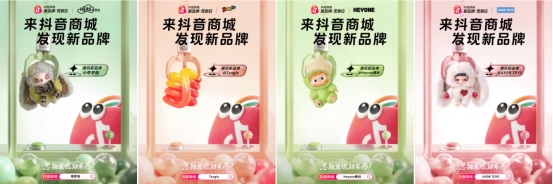
"你可别小瞧这个'塑料绳',玩一玩就没那么紧张了。" 等候大case提案的间隙,辰辰从包里拿出了一团蜷曲的扭扭乐,拇指和食指下意识地扭转起来,柔韧的 触感在指腹间反复回弹。对面同事瞥见这一幕,忍不住投来好奇的目光,她抬眼笑笑,手里的动作没 停:"真有点压力解药那意思。" 把看似"幼稚"的玩具当做慰藉,辰辰并非个例。盲盒售货机前,常有人在许愿或者深呼吸,拆开瞬间的 惊喜或意外,能带来久违的好奇与探索欲;午休时的办公室,有人对着一沓卡牌悉心搭配,将职场的嘈 杂隔绝在外,获得片刻专注与沉静;更有人在拼完迷你拼图的过程中,释放掉积攒已久的压力,走向内 心的"小圆满"……这些曾贴上"小孩子才玩"标签的潮玩,如今靠着治愈又解压的属性,正悄然成为成年 人内心的避风港,被当代网友亲昵地称作"情绪阿贝贝"。 在抖音电商,一批精准踩趋势的潮玩新品牌,在「抖音商城新品牌·宠粉日」IP加持下,率先在细分品 类中收获了声量与销量的双重爆发。截至目前,活动总曝光已超过1.5亿,相关话题词最高登抖音热点 榜、种草榜双榜第一。 爱你老己,"情绪阿贝贝"成为成年人刚需 一代人有一代人的情感寄托。当代年轻人深陷工作负荷、社交焦虑、生活压力的多重 ...

要不IP要不IPO,泛娱乐公司只有这两条活路
创业邦· 2026-01-28 12:58
Core Viewpoint - The article discusses the challenges and opportunities in the entertainment and IP economy, particularly focusing on the upcoming IPOs of six companies in the Hong Kong market and the implications of their reliance on licensed IPs for revenue growth [6][7][10]. Group 1: Market Dynamics - Six entertainment companies have filed for IPOs in Hong Kong, including major players like 乐自天成 and TOP TOY, amidst a declining valuation trend in the new consumption sector [6][7]. - Concerns about the sustainability of consumer habits and the ability of companies to maintain high growth rates, particularly for brands like 泡泡玛特, are prevalent among investors [6][7]. - The article highlights a shift towards a model of "self-developed IP + licensing + sales" in the content and toy industries, indicating a trend towards integrated operations [7][34]. Group 2: IP Dependency - Licensed IP has become a critical revenue source for these companies, with some relying heavily on acquiring numerous IPs for rapid expansion, which may pose long-term risks [10][14]. - The revenue contribution ratio of licensed IP to self-developed IP is alarmingly high, often reaching 9:1, indicating a heavy reliance on external IPs [9][10]. - Companies like 桑尼森迪 face uncertainty as their key IPs have not yet established long-term popularity, raising questions about their future revenue stability [29][30]. Group 3: Financial Metrics - The gross profit margins of card companies like 卡游 and Suplay are significantly higher, at 67.3% and 69.5% respectively, compared to toy companies, which range from 30% to 40% [13][14]. - The article notes a concerning trend where many companies are increasing their licensing fees significantly, often deferring cash payments, which could impact cash flow and growth if sales do not meet expectations [17][18]. - The financial history of companies shows a dichotomy, with some like TOP TOY and 金添动漫 having simpler shareholder structures, while others like 乐自天成 have undergone multiple financing rounds [20][21]. Group 4: Regulatory and Market Pressures - The article points out that the pressure from existing investors and regulatory scrutiny is influencing the cautious approach of companies in their IPO filings, particularly in how they present their consumer demographics [22][25]. - Companies are increasingly avoiding sensitive topics related to their consumer base, opting for broader terms to distance themselves from potential regulatory backlash [25][26]. - The competitive landscape in the new consumption sector remains intense, with many companies seeking to capitalize on overseas expansion opportunities while navigating the complexities of the Hong Kong IPO process [18][19]. Group 5: Future of IP Economy - The future of the IP economy is seen as promising, but not all companies will thrive; the ability to develop and maintain valuable IP will be crucial [27][34]. - The article emphasizes the need for companies to have a strong vision for IP selection and development, as the market becomes increasingly competitive and reliant on high-quality IP [34][35]. - The integration of content creation and merchandise production is expected to deepen, leading to more innovative ways to engage consumers and monetize IP [34][35].
潮玩产业告别“爆款赌局” IP应跨业态跨文化
Bei Jing Shang Bao· 2026-01-26 12:17
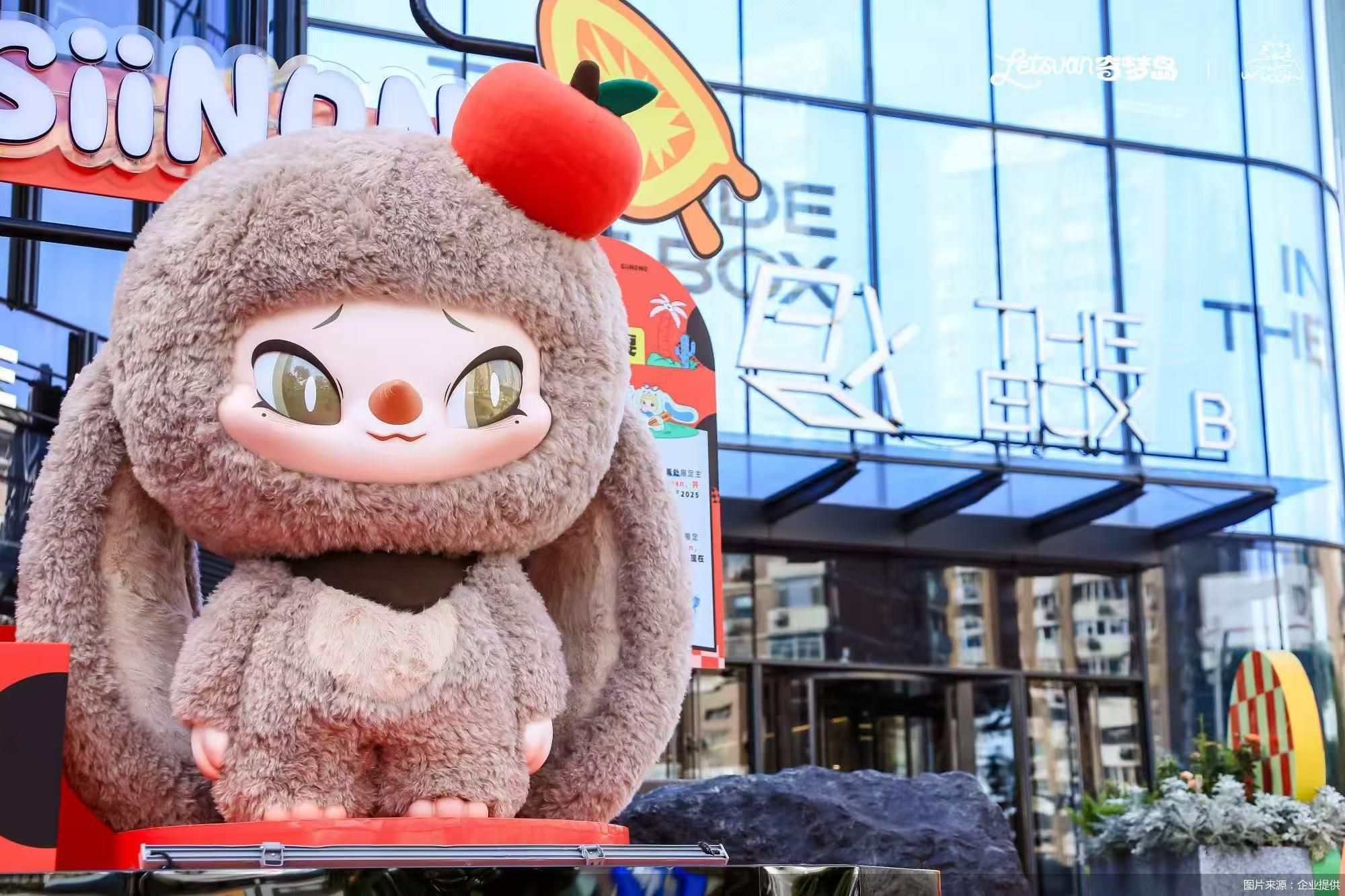
Core Insights - The competition in the潮玩 (trendy toy) industry has shifted from chasing single hit products to building comprehensive IP ecosystems, with successful IPs becoming emotional carriers and social currencies that connect deeply with young consumers [1][2] - The emotional value is now the core driver of潮玩 consumption, with companies aiming to create a sense of connection and belonging for users beyond just selling toys [2][4] Group 1: IP Development and Emotional Connection - Successful IPs are characterized by strong emotional tendencies, allowing consumers to project their feelings onto the IP, thus establishing deep emotional connections [4][9] - The concept of "product strength" is fundamental to the longevity of an IP, with companies needing to ensure that their products can carry the artistic value of the IP [5][6] - Companies are encouraged to engage users in secondary creation and integrate IP into various life scenarios to maintain relevance and avoid aesthetic fatigue [6][12] Group 2: Market Performance and Financials - 奇梦岛 (Qimengdao) reported a quarterly revenue of 127 million yuan for Q1 of the 2026 fiscal year, marking a 93.3% increase quarter-on-quarter, reflecting the market's recognition of its IPs [5] - The潮玩 industry has seen a significant increase in the number of related companies, with over 20,700 existing as of June 2025, a tenfold increase since 2020, indicating a growing market [6] Group 3: Strategic Direction and Future Trends - The future competition in the潮玩 industry will focus on "cultural narrative ability" and "full supply chain collaboration efficiency," with companies enhancing their capabilities from design to marketing [11][12] -潮玩 brands are increasingly exploring overseas markets and diversifying their operational strategies, indicating a shift from single product competition to "IP ecological operation capabilities" [10][11]
要不IP要不IPO,泛娱乐公司只有这两条活路
3 6 Ke· 2026-01-23 11:25
Core Viewpoint - The article discusses the challenges and dynamics of the entertainment and toy industry in Hong Kong, particularly focusing on the IPO prospects of six companies in the sector, highlighting concerns over their reliance on licensed IP and the sustainability of consumer habits [1][3][18]. Group 1: Industry Dynamics - Since 2025, six entertainment companies have filed for IPOs in Hong Kong, including major players like 52TOYS and TOP TOY [1]. - Despite stable performance, the valuation of new consumer stocks in Hong Kong continues to decline, reflecting investor concerns about the sustainability of the business model [1][3]. - The core focus has shifted to whether the leading concept, Pop Mart, can maintain high growth, which is a significant concern for new consumer sectors [1][3]. Group 2: IP and Revenue Contribution - Licensed IP has become a crucial contributor to the performance and growth of related companies, but rapid acquisition of IP before going public poses long-term risks [3][6]. - Companies face pressure from investors to list, but reliance on external licensed IP and negative social sentiment regarding irrational consumption complicates the IPO process for toy companies [3][6]. - The article suggests a shift towards a model of "developing, licensing, and selling" self-owned IP, indicating a trend in the content and toy industries [3][22]. Group 3: Financial Metrics and Performance - Among the six companies, the gross profit margins vary significantly, with card companies like 卡游 and Suplay showing margins of 67.3% and 69.5%, while toy companies range from 30% to 40% [9][10]. - The ratio of licensed IP revenue to licensing costs is a key indicator of a company's IP operational capability, with companies like TOP TOY and 金添动漫 demonstrating effective value from their licensed IP [9][10]. - Many companies have seen a surge in licensing costs prior to their IPOs, indicating a rush to build an "IP matrix" [12][14]. Group 4: Market Sentiment and Regulatory Concerns - The article highlights two major concerns in the toy industry: reliance on external licensed IP and societal pressures regarding consumer behavior, which could limit profitability [18][21]. - Regulatory pressures are seen as a more significant long-term concern compared to reliance on licensed IP, as companies like 卡游 have adjusted their narratives to avoid sensitive topics [18][21]. - The failure of 卡游's second IPO attempt has led other companies to adopt more cautious communication strategies regarding their consumer demographics [21]. Group 5: Future of IP Economy - The future of the IP economy is uncertain, with the article suggesting that while the industry remains vibrant, not all companies will thrive [22][29]. - The relationship between content creation and toy production is expected to become increasingly intertwined, with a focus on creating long-lasting and valuable IP [29]. - The article emphasizes the need for companies to develop strong IP selection capabilities and to consider licensing from the early stages of IP development [29].

从TOP TOY招股说明书,看潮玩集合品牌的增长空间
Changjiang Securities· 2026-01-18 07:38
Investment Rating - The report maintains a "Positive" investment rating for the industry [4] Core Insights - The Chinese潮玩 (trendy toy) industry is experiencing significant growth, with TOP TOY projected to achieve a GMV of 2.4 billion RMB in 2024, reflecting a compound annual growth rate (CAGR) of over 50% from 2022 to 2024 [10] - The global潮玩 market is expected to reach 38 billion USD by 2024, with a CAGR of 14% from 2019 to 2024, indicating a shift towards emotional consumption [11] - TOP TOY's business model leverages its parent company's retail expertise and emphasizes self-developed products, aiming for a self-research product ratio of over 50% by 2024 [12] Industry Growth - The潮玩 industry is witnessing a transition from functional attributes to emotional consumption, with strong growth in搪胶毛绒 (PVC plush) and手办 (figurines) categories [11] - By 2024, the Chinese潮玩 market is expected to account for 22% of the global market, increasing to 28% by 2030 [11] - The competitive landscape is characterized by a few dominant players, with TOP TOY ranked as the third-largest潮玩 retailer in China [28] Company Overview - TOP TOY has established a comprehensive IP matrix, combining self-owned, licensed, and third-party IPs to drive product diversity [57] - The company is expanding its international presence, with plans to open stores in Asia, including Japan and Southeast Asia [12][89] - TOP TOY's revenue is projected to reach 1.9 billion RMB in 2024, with a net profit of 294 million RMB, reflecting a year-on-year growth of 38% [10][12] Financial Performance - TOP TOY's revenue growth is supported by a strong increase in self-developed products and a diversified product matrix, with a significant portion of revenue coming from self-owned IPs [41][57] - The company is expected to achieve a net profit margin of 38% in 2024, indicating effective cost management and operational efficiency [12][44] Market Dynamics - The盲盒 (blind box) segment is projected to dominate the潮玩 market, with an expected market size of 58 billion RMB by 2025, accounting for 65% of the global market share [33][36] - The pricing strategy for盲盒 is shifting towards higher-end products, with a significant portion of sales occurring in the 50-200 RMB range [34] - The consumer demographic for盲盒 is predominantly young, with 40% of buyers aged 18-24, highlighting the importance of targeting this age group [35]

2025中国潮玩出海行业报告:引领全球风潮
Sou Hu Cai Jing· 2026-01-10 02:30
Core Insights - The report highlights the rise of Chinese潮玩 (trendy toys) brands in the global market, driven by emotional consumption trends and innovative cultural export models [1][17] - Chinese潮玩 companies are successfully penetrating mature markets in Europe and North America, as well as emerging markets in Southeast Asia, leveraging unique IP operations and efficient supply chains [1][3] Group 1: U.S. Market Dynamics - The U.S. economy is experiencing a "K-shaped" recovery, where high-income consumers show resilience while low-income groups face pressure from inflation and employment fluctuations [2][21] - The "healing economy" trend is gaining traction, with潮玩 products like blind boxes and plush toys providing emotional value and social engagement, leading to increased demand [2][21] - Chinese潮玩 brands, such as Pop Mart, differentiate themselves by offering original IPs and innovative product formats, achieving a price range of $20 to $40, appealing to various income levels [2][21] Group 2: Southeast Asia Market Opportunities - Southeast Asia is viewed as a blue ocean market for潮玩, characterized by a young population, high internet penetration, and strong consumer upgrade intentions [3][4] - The success of Pop Mart's LABUBU toy in Thailand, following a social media endorsement by local celebrity Lisa, exemplifies the alignment of潮玩 with local youth culture [3][4] - Despite challenges such as fluctuating external tariffs and internal political complexities, Chinese brands are advancing into this market with localized designs and a multi-channel approach [3][4] Group 3: Company Strategies and Differentiation - Pop Mart focuses on building a comprehensive IP ecosystem, from creation to sales, aiming to transform short-term trends into long-lasting IPs through various media [4][5] - Miniso leverages its global retail network and supply chain efficiency to act as a high-efficiency IP monetization platform, enhancing store performance through strategic IP collaborations [4][5] - TOP TOY, as a rising player, benefits from synergies with Miniso, focusing on product development while utilizing Miniso's sales channels for rapid market expansion [5][6] Group 4: Cultural and Economic Shift - The success of Chinese潮玩 brands signifies a shift from "Made in China" to "Emotional Brands from China," emphasizing universal emotional connections rather than relying solely on traditional cultural narratives [6][17] - Chinese companies are combining mature supply chains with innovative business models and original designs, transitioning from traditional manufacturing roles to becoming key players in the global潮玩 industry [6][17]


年终盘点|不只是LABUBU!中国潮玩走向全球
Sou Hu Cai Jing· 2025-12-31 19:46
Core Viewpoint - The潮玩 (trendy toy) market is experiencing significant growth, driven by "emotional consumption," with LABUBU's global success marking a pivotal moment in 2025 [2][3]. Group 1: Market Growth and Trends - The潮玩 market in China is projected to grow from 229 billion in 2020 to 763 billion by 2024, with expectations to surpass 1 trillion by 2026 [5]. - In 2025, emotional consumption has become a key trend, leading to a surge in潮玩 popularity, particularly following LABUBU's breakout success [2][3]. - The潮玩 industry has seen a rapid increase in new registrations, with 9,787潮玩-related companies established in 2025, bringing the total to 25,000 [5]. Group 2: Company Performance - Bubble Mart reported a revenue of 138.8 billion in the first half of 2025, a 204.4% increase year-on-year, with an adjusted net profit of 47.1 billion, up 362.8% [3]. - LABUBU's segment, THE MONSTERS, generated 48.1 billion in revenue, achieving a staggering 668% year-on-year growth [3]. - Bubble Mart's international revenue showed remarkable growth, with the Americas experiencing a 1,142.3% increase and Europe seeing a 729.2% rise [8]. Group 3: International Expansion - Bubble Mart participated in the Macy's Thanksgiving Day Parade in New York, becoming the first Chinese brand to feature an original潮玩 IP in the event [6]. - The company has seen long queues at its overseas stores, indicating strong demand for LABUBU products [6]. - Other潮玩 brands like 52TOYS and TOP TOY are also expanding internationally, with TOP TOY planning to open over 1,000 stores in 100 countries within five years [9]. Group 4: Development of Proprietary IP - The success of LABUBU has prompted潮玩 brands to focus on developing proprietary IP, which offers greater brand autonomy compared to licensed IP [10]. - TOP TOY's revenue from proprietary IP remains low, with only 610,000 generated in the first half of 2025, compared to 6.15 billion from licensed IP [10]. - Both 52TOYS and TOP TOY are increasing their investment in proprietary IP, with 52TOYS launching multiple original潮玩 IPs in 2025 [12]. Group 5: Marketing Strategies - The rise of明星营销 (celebrity marketing) has become a significant strategy for潮玩 brands, with various brands collaborating with popular figures to boost visibility and sales [16]. - Brands are recognizing that while celebrity endorsements can drive initial interest, sustained success requires effective brand management and product quality [16].
2025,中产都抛弃了哪些消费品牌?
阿尔法工场研究院· 2025-12-30 00:02
Core Viewpoint - The article discusses the stark contrast in China's consumer market in 2025, highlighting a significant divide between thriving companies and those that have collapsed, marking a shift from a "growth at all costs" mentality to a focus on efficiency and sustainability in business models [5][6][11]. Group 1: Market Dynamics - In 2025, the consumer market experienced a "violent clearing," with many once-prominent unicorns collapsing, signaling the end of an era characterized by unsustainable growth strategies [6][8]. - The year 2025 is described as a "tombstone" for new consumption, as the last illusions surrounding high prices and influencer-driven brands were shattered, exemplified by the downfall of brands like Zhong Xuegao [8][9]. - The collapse of established giants like Christine and Xu Li Shan reflects a failure to adapt to changing consumer preferences and market conditions, leading to their eventual exit from the market [9][10]. Group 2: Survivors and New Trends - Despite the failures, a new wave of companies thrived in 2025, particularly in the new tea beverage sector, with brands like Mixue Ice City and Tea Baidao successfully going public [15][16]. - The success of these companies is attributed to their focus on supply chain efficiency and cost control, moving away from traditional notions of craftsmanship to a more industrialized approach [16][17]. - The "lipstick effect" emerged as consumers shifted spending from large purchases to small, affordable pleasures, benefiting brands like Bubble Mart and new tea beverage companies [18]. Group 3: Investment Landscape - The investment landscape in 2025 saw a dramatic reduction in financing activities, with only 74 rounds of funding compared to 133 in the previous year, indicating a shift away from reckless spending [23][24]. - The restaurant sector remained a focal point for investment, accounting for 45 out of the 74 financing rounds, as capital sought safety in high-frequency, essential consumer needs [24][26]. - Brands that demonstrated strong supply chain control and technological integration, such as those in the coffee sector, began to attract significant investment, reflecting a new focus on efficiency and innovation [27][28]. Group 4: Future Outlook - The article suggests that the consumer market in 2026 will prioritize global distribution over domestic expansion, as companies seek to leverage their efficiencies in international markets [31][32]. - The survival of brands in the coming years will depend on their ability to adapt to changing consumer behaviors and market conditions, emphasizing the importance of supply chain management and genuine consumer engagement [33][34].
下一个泡泡玛特始终难产 | 巨潮
Xin Lang Cai Jing· 2025-12-23 04:58
Core Insights - The core of the article emphasizes the unique business model of Pop Mart, which leverages strong IP and a light asset structure to create a highly profitable commercial empire with a gross margin of 70.3% in the first half of the year and a loyal customer base of 59 million contributing over 90% of sales [1][17]. Group 1: Pop Mart's Business Model - Pop Mart's success is attributed to its strong IP and high repurchase rates, with customers making an average of 6.8 purchases per year and a repurchase rate exceeding 50%, significantly higher than luxury brands like LV [1][17]. - The emotional economy plays a crucial role in Pop Mart's rise, paralleling historical trends in Japan and the U.S. where similar consumer behaviors emerged during economic downturns [2][18]. Group 2: Competitors and Market Dynamics - Card Game (卡游) is the largest competitor to Pop Mart, reporting revenue of 10.057 billion and a net profit of 4.466 billion, with a gross margin of 68.2% [3][19]. - Despite its success, Card Game faces challenges due to its heavy reliance on IP licensing, with 73% of its revenue coming from Ultraman-related products, raising concerns about sustainability if licensing fees increase [19][20]. - 52TOYS, another competitor, has a gross margin of 68.2% and is noted for its potential to go public, but it missed critical opportunities in IP development compared to Pop Mart [5][20][22]. Group 3: Market Trends and Emotional Economy - The emotional economy is expanding beyond toys, with significant growth in pet-related products and services, reflecting changing consumer needs as birth rates decline [27][30]. - Companies like pidan and PETKIT are capitalizing on the emotional needs of pet owners, with pidan achieving sales of 830 million and a gross margin of 58% in 2024 [29][30]. - The rise of emotional value as a core competitive advantage is evident across various sectors, indicating a shift in consumer behavior towards products that fulfill emotional needs [26][32].
广州文交会走过八载,这场文旅盛会为湾区文化产业带来什么?
Xin Lang Cai Jing· 2025-12-21 06:19
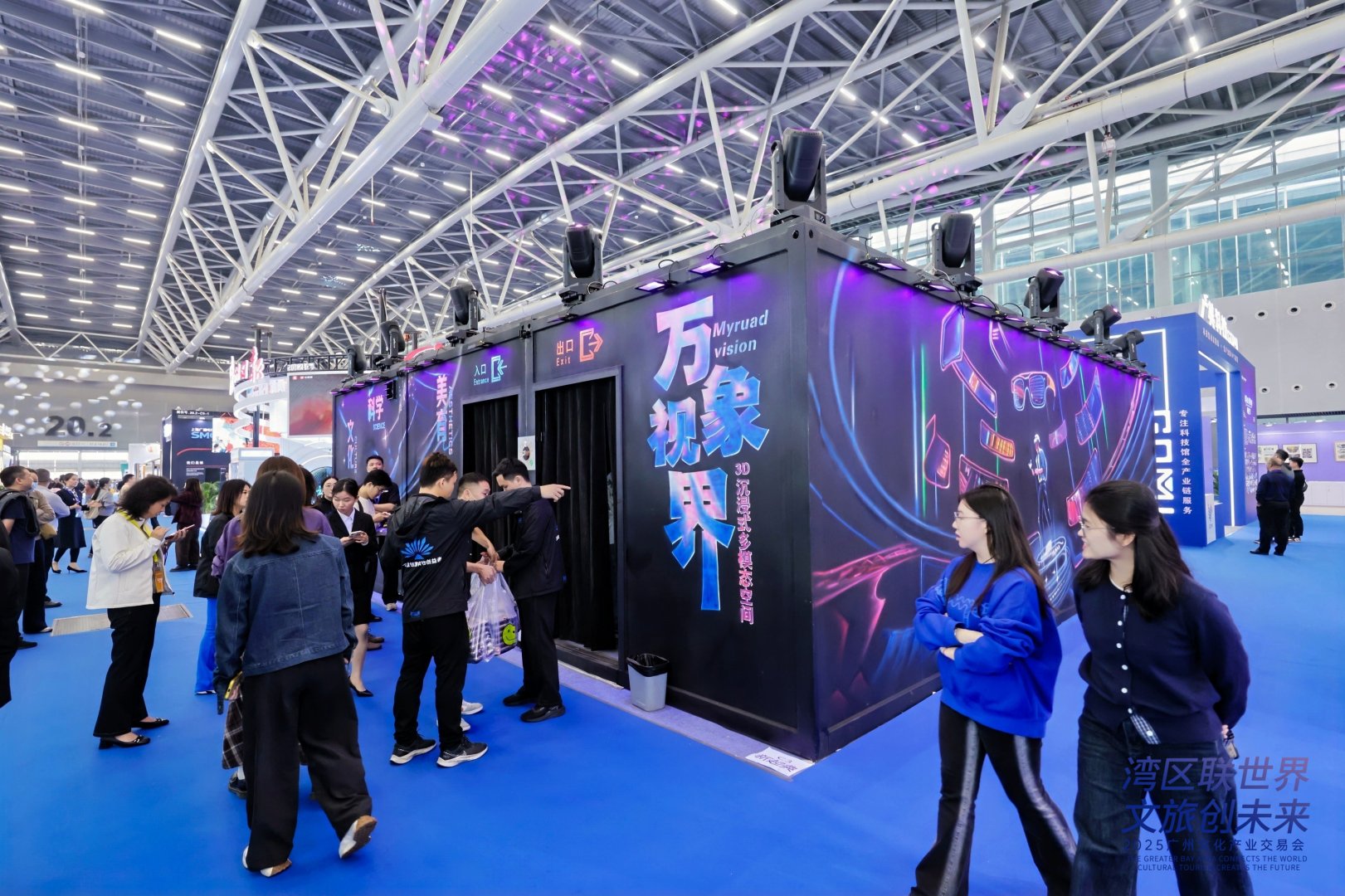
Core Insights - The 2025 Guangzhou Cultural Industry Trade Fair successfully showcased the theme "Bay Area Links the World, Cultural Tourism Creates the Future," emphasizing the integration of technology, culture, and trade to foster innovation in the cultural tourism sector [1] Group 1: Technological Empowerment - The fair highlighted the integration of culture and technology, with immersive experiences such as VR/AR installations and holographic projections transforming static cultural resources into interactive dynamic scenes [1] - Guangzhou New Qidian Cultural Technology introduced an innovative 3D immersive multi-modal space product called "Wandering Vision," which turns ancient Chinese mythology into engaging educational experiences [3] - The event featured various VR experiences, including "The Fate of the Vermilion Bird" and "Dreaming of the Mountains and Seas," showcasing how technology enhances cultural experiences and promotes digital content creation [5] Group 2: Industry Aggregation - The fair released the "Top 30 Cultural Enterprises in Guangzhou for 2025," with 117 companies participating, collectively generating approximately 224.2 billion yuan in revenue for 2024, accounting for 36% of the city's cultural industry revenue [7] - Over 1,000 companies participated in the fair, covering sectors like animation, gaming, and film technology, demonstrating the diverse vitality of the Bay Area's cultural industry [9] - The cultural industry in Guangzhou achieved a revenue of 604.08 billion yuan in 2024, marking a 4% year-on-year growth, with new cultural business models emerging rapidly [11] Group 3: International Linkage - The fair emphasized international collaboration, featuring a comprehensive trading platform for cultural tourism and technology, facilitating connections between over 30 countries and regions [13] - Guangdong Yesheng Technology showcased eVTOL aircraft for low-altitude tourism, indicating international market interest and potential orders from countries like Russia and the U.S. [15] - Guangzhou's cultural product exports reached 47.5 billion yuan in 2024, positioning the fair as a key driver for high-quality cultural trade development [15] Group 4: Future Outlook - The 2025 Guangzhou Cultural Industry Trade Fair is seen as a catalyst for Guangzhou's transition from a cultural industry city to a cultural industry powerhouse, contributing to the global presence of Chinese culture [16]