单边保护主义

Search documents
硬抗三天后,特朗普面对现实:全球关税战落幕,中国预判太准了
Sou Hu Cai Jing· 2026-02-25 22:06
司法的锤子落下,一场持续一年多的全球关税风暴就这样戛然而止——美国最高法院的裁定,到底撕开了白宫贸易政策的哪条裂缝? 特朗普真的服软了,还是在等待下一次出手?这张退税账单,又将如何重塑全球贸易秩序? 2026年2月20日,美国最高法院以6比3的投票结果,宣布特朗普政府援引《国际紧急经济权力法》对全球商品加征关税的行为违宪 裁决措辞直接:征税权属于国会,不属于总统 大法官戈萨奇在多数意见书中写道,以"紧急状态"之名绕过国会加征关税,本质上是对立法权的侵蚀 这句话翻译成大白话,就是——你特朗普收税,没有宪法依据 消息出来那天,白宫没有沉默太久 裁决当日,特朗普就签署新行政令,转而援引《1974年贸易法》第122条,宣布对全球商品加征10%临时关税,有效期150天 第二天,税率直接跳到了15% 他给出的理由是"应对外国报复" 这个动作快得有点像打拳——一招被化解,立刻换招继续冲 不过这次出拳,力道明显弱了 《国际紧急经济权力法》之所以让全球商界噤若寒蝉,就在于它赋予总统近乎无边界的加税空间,没有上限,也没有固定期限 换成第122条,上限锁死在15%,最长只能撑150天 说实话,这把刀从大砍刀变成了水果刀,杀伤力不可 ...

对华加税30%!马克龙再度变脸欲当出头鸟,中方点名警告加反制
Sou Hu Cai Jing· 2026-02-24 09:52
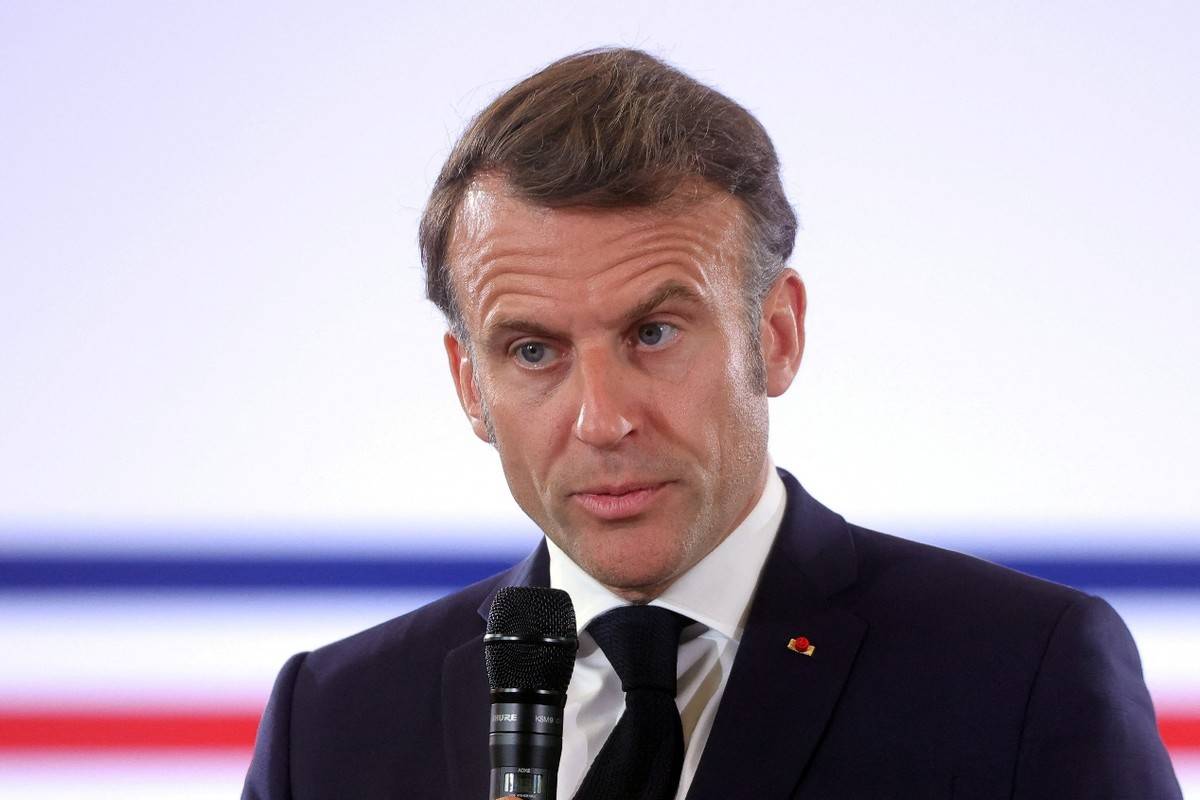
谁能想到,刚结束访华行程续约大熊猫、拿到订单的马克龙,竟又在人前上演了变脸大戏。 在欧盟会议上,马克龙牵头抛出对华所有进口商品加征30%关税。 还放话要推动欧元对人民币贬值20%-30%,企图利用单边保护主义打压中国产业。 然而他满心以为,这招能使中方主动妥协,在和欧洲各国刚签订的合同上做出让步。 可谁知,中方刚点名警告,要对欧盟乳制品、红酒加征反补贴税。 致使整个欧盟就彻底乱套了,德国更是直接站出来,公开和法国唱反调。 那么这其中究竟发生了什么?马克龙为何在对华贸易上三番五次变脸? 经常关注国际局势的人,肯定都清楚,国与国之间加征关税的问题。 可法国政府这种不分品类,不设例外的做法,却实属罕见。 甚至放眼整个现代国际贸易史,都堪称向对方直接下战书。 之所以法国会这般大动干戈,并非是他放着好日子不想过,在国际上找点刺激。 而是法国政府乃至整个欧盟,都蓄谋已久想对华商品动手。 其中的核心原因也非常简单,那就是欧洲本土产业扛不住了。 甚至中国对欧售卖的商品,无形之中影响到了他的政权。 要知道,以前中国科技落后的时候,欧洲依靠着售卖飞机、跑车、红酒等奢侈品。 在中国市场上赚的盆满钵满,日子也过的非常滋润。 尤其是法 ...
特朗普对华下狠招!160%关税砸向中国?美国这次制裁,损失惨重
Sou Hu Cai Jing· 2026-02-18 06:48
特朗普最近的举动,再次让人傻眼!一边口口声声表示计划四月访问中国,谈合作,一边却突然宣布对中国石墨加征160%的关税,仿佛在自我矛盾中挥舞 着关税大棒。这样的举动,不仅让人感到匪夷所思,也让全球为之震惊——这个反复无常的政策,到底是想要什么?他是否明白这样一刀切的制裁,最终会 对美国本国带来怎样的后果? 石墨,这个看似不起眼的物质,实际上是电动车电池的核心部分。美国的这一决定,简直是断掉了自己的退路。在电动车产业中,石墨几乎占据了锂电池负 极材料的90%以上,缺了它,电池的效能几乎等于零。中国的石墨产业已经处于全球领先地位,2025年,中国人造石墨的产量预计将达到267万吨,占全球 负极材料总出货量的92.7%,这个份额几乎是垄断的。但这不是因为低价倾销,而是凭借着几十年技术积累和产能优势。 美国为何此时才开始对中国的石墨产业下手?其实,这并不是一时兴起。美国早在之前就意识到,石墨这一资源的重要性。国际能源署曾预测,到2040年, 全球石墨需求量将达到1602.3万吨,是2021年的四倍多。随着全球加速向低碳和电气化转型,石墨的需求只会持续增长。然而,特朗普此时的制裁,简直是 在与全球发展趋势背道而驰。 然而 ...
非洲零关税大礼包来了!中国消费者钱包要鼓起来了?
Sou Hu Cai Jing· 2026-02-16 11:01
Core Viewpoint - China's zero-tariff policy for 53 African countries is expected to significantly impact the pricing of imported goods in local supermarkets, leading to lower prices for various products [1]. Group 1: Price Reductions on African Goods - The price of Kenyan avocados is projected to drop by 40%, from 20 yuan to 12 yuan each [3]. - Ethiopian Yirgacheffe coffee prices will decrease by 30%, saving consumers approximately 8 yuan per cup [3]. - South African Cabernet Sauvignon will see a 25% price reduction, making it competitive with mid-range French wines [3]. Group 2: Logistics and Supply Chain Improvements - The new "Africa Special Line" of the China-Europe Railway allows cashews from Mozambique to reach Chongqing in just 18 days [3]. - Cross-border e-commerce enables Rwandan chili sauce to be delivered to consumers' tables within 7 days after ordering [3]. - The upgraded "fresh goods channel" at Guangzhou Baiyun Airport allows Tanzanian seafood to clear customs within 3 hours [3]. Group 3: Impact on Manufacturing Costs - The zero-tariff policy on cobalt from the Democratic Republic of Congo is expected to reduce the cost of electric vehicle batteries by 5%, potentially saving consumers 7,500 yuan on a 150,000 yuan electric car [5]. - The removal of tariffs on bauxite from Guinea will lower the cost of domestic smartphone casings by 12%, intensifying price competition among brands like Xiaomi and OPPO [5]. Group 4: Market Dynamics and Consumer Behavior - African consumers are increasingly purchasing Chinese mobile phones and agricultural machinery, with Transsion mobile sales in Nigeria surging by 200% and Lovol harvesters becoming popular in Zambia [7]. - The formula for calculating future prices of African goods post-tariff removal is original price multiplied by (1 - tariff rate), exemplified by a 300 yuan South African diamond chocolate saving 45 yuan after the 15% tariff is eliminated [7]. Group 5: Global Trade Implications - The zero-tariff initiative is viewed by some Western media as "economic colonialism," yet African farmers benefit from increased income due to China's tariff exemptions, contrasting with the 25% "fair trade tax" imposed by European buyers [9]. - The initiative highlights the complexities of global trade dynamics, where savings for consumers in one region may challenge protectionist policies in another [9].

法国亮出一份涉华报告,中方掏出一张海报,法国葡萄酒应声大跌
Sou Hu Cai Jing· 2026-02-13 05:04
在中方发出反制信号后,法国葡萄酒和烈酒股价应声大幅下跌。比如,人头马君度股价一度下跌2.2%,保乐力加也下跌了1%。这足以证明,法国的激进提 议不仅不利于中法经贸关系,反而直接威胁到法国的支柱产业。面对市场的恐慌和中方的坚定态度,法国政府迅速降调,表示这份报告并未获得政府采纳。 法国财长莱斯屈尔公开表态,反对一刀切的全面关税,主张通过对话化解分歧。法国的快速妥协暴露了其对华经贸的高度依赖。无论是奢侈品、葡萄酒,还 是航空等产业,法国都深受中国市场的支撑。单边对抗的结果,最终只会让法国企业遭受沉重损失。 法国之所以发布这份激进报告,核心原因是马克龙政 府的双重焦虑。2026年将是马克龙执政的最后一年,他迫切希望在任期内留下欧洲战略自主的政治遗产。面对欧洲工业竞争力下滑和中美两强的竞争格局, 马克龙试图通过对华强硬来凝聚欧洲共识,塑造欧洲优先的政治立场。然而,欧洲正面临着能源危机、投资不足和产业外迁等多重困境,法国政府将中国正 常的竞争视为威胁,借此推动欧盟内部的保护主义议题,并为发行欧元债券和扩大战略投资寻找借口。马克龙不断强调欧洲面临中美双重冲击,力推欧洲优 先,然而,欧洲内部的意见分歧已显而易见。德国明确反 ...
订单暴涨却不敢接!东南亚工厂的两难,撕开了美国的真面目
Sou Hu Cai Jing· 2025-12-23 06:15
Core Viewpoint - The Christmas season, typically a profitable time for Southeast Asian manufacturers, has turned into a crisis due to heavy reliance on Chinese supply chains and the imposition of up to 40% additional tariffs by the U.S. [1][3] Group 1: Impact of U.S. Tariffs - The U.S. has implemented a "China+1" penalty mechanism, requiring additional tariffs on products containing Chinese components, complicating the export process for Southeast Asian manufacturers [3][5] - Companies like Mattel, which relies on Indonesian factories for over one-third of local toy exports, face challenges in relocating production due to the high dependency on Chinese components [3][5] Group 2: Trade Agreements and Competition - Malaysia attempted to position itself as an alternative to China for textile exports but faced a 19% tariff from the Trump administration, leading to a need for trade agreements that ultimately resulted in fierce competition from U.S. manufacturers [5][6] - The surge in Malaysia's knitted goods exports from $39,000 to $148,000 in July was largely a preemptive measure before the implementation of tariffs, indicating a desperate attempt to maintain market share [5] Group 3: Regional Responses and Strategies - Many Southeast Asian companies are relocating assembly operations to countries like Vietnam and Thailand to mitigate tariff impacts, yet they still rely on Chinese imports for core components [6] - The refusal of Indonesia to sign "poison pill" clauses in trade agreements reflects a desire to maintain economic sovereignty and avoid being forced to choose sides in U.S.-China tensions [5][6] Group 4: Broader Implications - The increasing unilateral protectionism from the U.S. is seen as detrimental to Southeast Asian factories and global consumers, as it politicizes trade relationships that should be mutually beneficial [6] - The contrast between U.S. protectionism and China's commitment to open trade highlights the need for Southeast Asian countries to uphold independent principles and resist coercion in international trade [6]

中方对欧加税不到24小时,马克龙通告全球,欧盟必须对华开放
Sou Hu Cai Jing· 2025-12-21 07:42
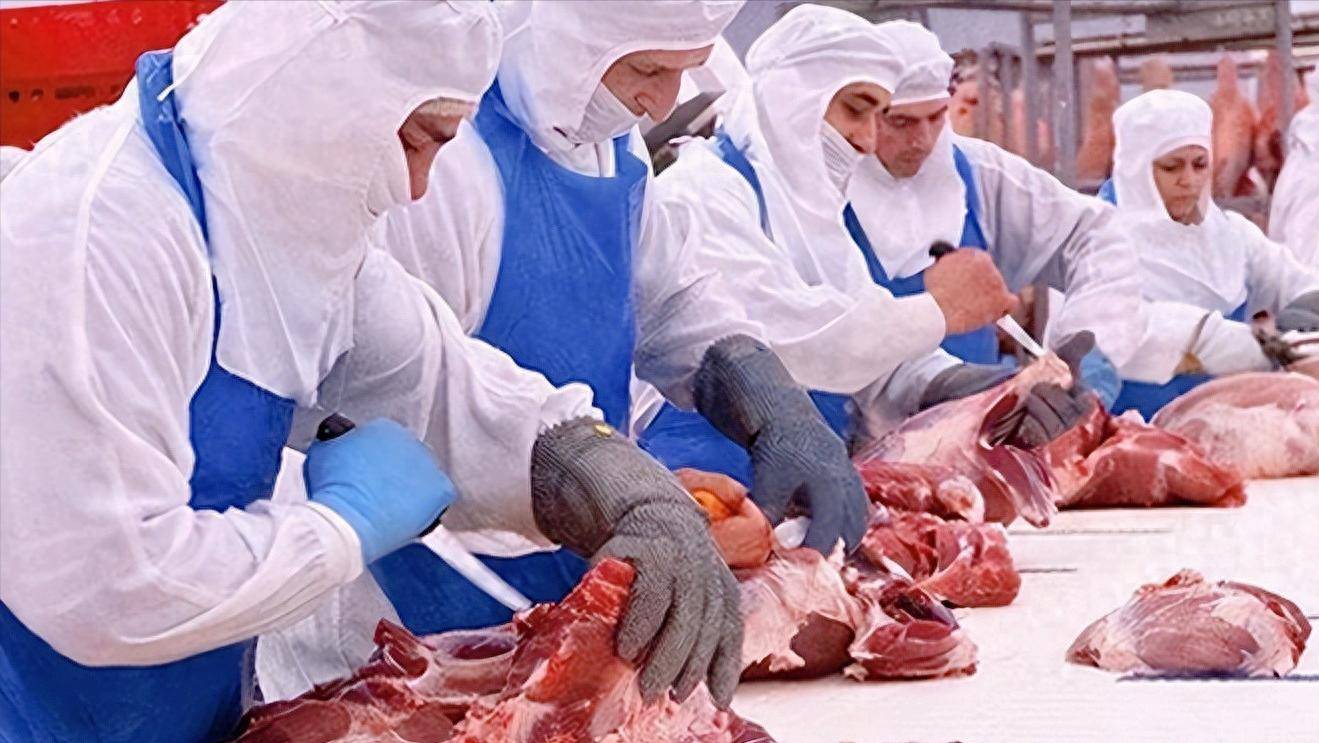
Group 1 - The Chinese Ministry of Commerce announced an anti-dumping tax on imported pork from the EU, with rates ranging from 4.9% to 19.8%, highlighting the complexities in China-EU trade relations [1] - EU pork has long relied on government subsidies to enter the Chinese market at low prices, impacting domestic farming in China, where some farmers report that the subsidized prices are below their production costs [1] - The Chinese tariff measures are seen as a legitimate protection of domestic industry under WTO rules, aimed at ensuring the sustainable development of local farming [1] Group 2 - Following the tax announcement, French President Macron emphasized the need for the EU to maintain an open policy towards China and attract Chinese investment, acknowledging the imbalance in EU-China trade due to the EU's own productivity issues [3][5] - Analysts suggest that China's anti-dumping measures reflect a commitment to international rules and serve as a reciprocal response to EU protectionist actions in the electric vehicle sector [3] - Macron's pragmatic shift indicates a recognition that excessive reliance on the Chinese market and supply chains is unsustainable, advocating for open cooperation instead of tariffs and quotas [5] Group 3 - The interaction between the tariff announcement and Macron's statements signals that unilateralism and double standards are increasingly untenable in the global trade system [5] - China's response to unfair competition demonstrates that effective action is to respond decisively based on international rules while maintaining an open stance [5] - The future of economic globalization is expected to focus more on rules and balance, entering a new phase that emphasizes fair competition and mutual growth among nations [5]
想递“投名状”?美国先撤了,墨西哥骑虎难下,再度推迟对华加税
Sou Hu Cai Jing· 2025-11-15 08:09
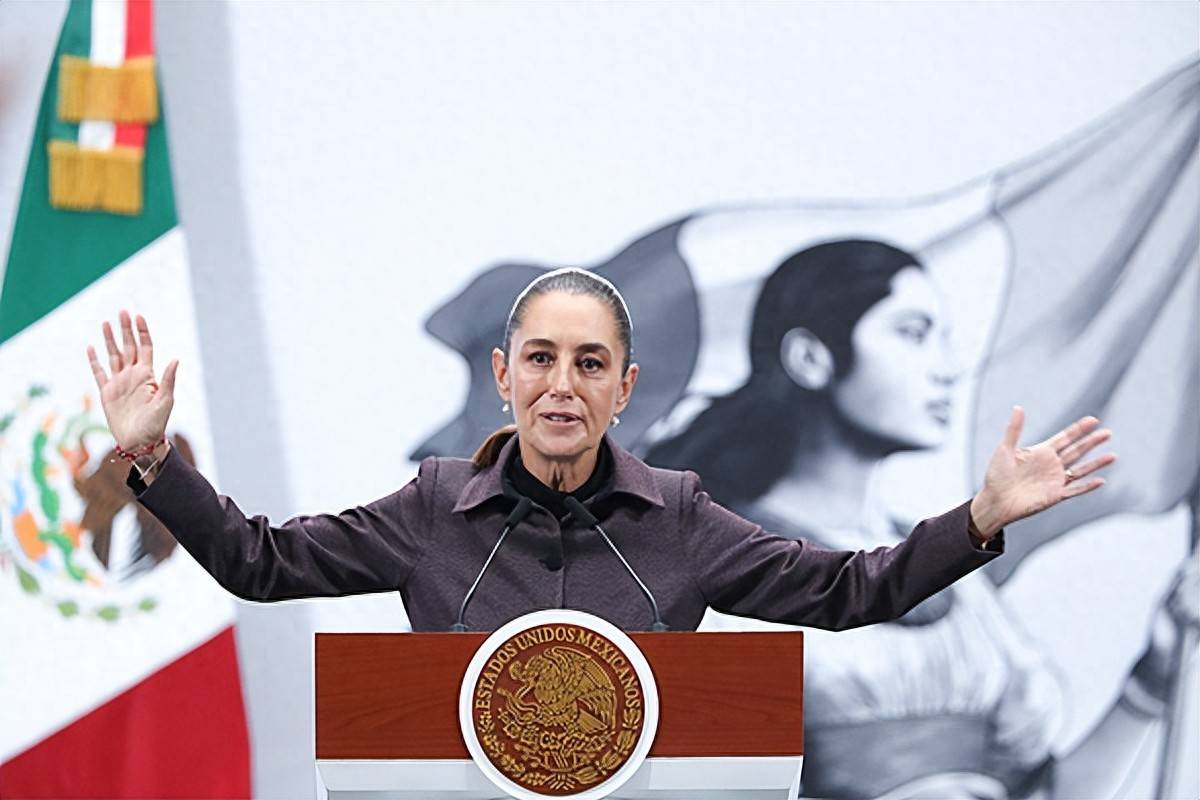
Group 1 - The U.S. has suspended 24% of tariffs on China for one year, retaining a 10% baseline rate, signaling a shift in trade policy under pressure [1][3] - Mexico has postponed its proposal to impose tariffs on over 1,400 Chinese goods, originally set for review in late November, now potentially delayed until February 2026 [1][3][12] - The changes in U.S. and Mexico's tariff policies highlight the futility of unilateral protectionism and the risks of political maneuvering at the expense of other nations [3][14] Group 2 - The U.S. tariff increases under the Trump administration led to a decline in GDP growth from 2.4% to 1.7% and raised the probability of recession to 45% [3][5] - The burden of tariffs has fallen on American consumers, with low-income households losing an average of $1,300 annually and high-income households losing $5,400 [5][12] - Mexico's attempt to impose tariffs on China was seen as a misguided strategy to gain favor with the U.S., despite its heavy reliance on Chinese manufacturing components [7][11] Group 3 - China's response to Mexico's tariff proposal included investigations into trade barriers and anti-dumping measures, indicating potential retaliatory actions [9][14] - The internal opposition in Mexico against the tariff proposal reflects concerns over potential factory closures and economic repercussions [12][19] - The situation underscores the interconnectedness of global supply chains and the risks of attempting to sever economic ties for political gain [16][19]
特朗普滥施关税渐失法律依据
Di Yi Cai Jing· 2025-10-19 12:07
Group 1 - The core viewpoint emphasizes that the unilateral imposition of tariffs by the U.S. is a form of protectionism that undermines international trade principles and poses threats to the stability of global supply chains and economic relations between China and the U.S. [1][2][4] - The Chinese government maintains a consistent stance on trade disputes, asserting that it will respond firmly to U.S. tariffs while remaining open to dialogue and cooperation [1][2][3] - The U.S. courts have ruled against the legality of many of Trump's tariff policies, indicating a potential shift in the legal framework governing trade practices and the limits of presidential authority [2][3] Group 2 - The ongoing trade tensions and tariff policies have led to adverse effects on the U.S. economy, including inflation pressures on consumers and increased costs for domestic manufacturers [4][5] - The U.S. government's approach to trade, characterized by unilateral actions, is seen as a departure from multilateralism, which could lead to systemic disruptions in global supply chains [4][5] - The upcoming Supreme Court hearings on tariff policies will be crucial in determining the future of U.S. trade authority and its implications for international trade relations [3]
再次加征关税,特朗普意欲何为?
Sou Hu Cai Jing· 2025-09-27 02:54
Core Viewpoint - President Trump's recent tariff announcement, imposing significant tariffs on various imported goods, has led to immediate market reactions, including declines in major U.S. stock indices and substantial losses in company valuations [1][10]. Group 1: Tariff Details - Tariffs on patented and branded pharmaceuticals are set at 100%, furniture at 30%, and heavy trucks at 25% [1]. - The announcement has caused a market shock, with major indices like Dow Jones and Nasdaq experiencing declines, and companies like Tesla losing over 460 billion RMB in market value in a single day [1]. Group 2: Strategic Intentions - The tariffs are seen as a strategy to encourage the return of manufacturing to the U.S., as Trump has consistently advocated for domestic production [5]. - The tariffs are also viewed as a means to suppress foreign competition, particularly targeting European pharmaceutical companies and manufacturers from Mexico [6]. Group 3: Economic Implications - Analysts suggest that the tariffs may create economic pressure that could influence the Federal Reserve's monetary policy, as Trump appears frustrated with the Fed's stance on interest rates [8]. - The potential negative impact on U.S. consumers and businesses is highlighted, with concerns that such protectionist measures could ultimately harm the U.S. economy in a globally integrated market [10].