周期投资

Search documents
当90后基金经理选择了“周期投资”
Xin Lang Cai Jing· 2026-02-26 04:48
Core Viewpoint - The cyclical sector, represented by non-ferrous metals, has been a standout theme in the A-share market this year, driven by a weaker dollar and marginally looser global liquidity, indicating a significant medium to long-term trend [1][11]. Group 1: Background and Market Dynamics - The evolution of investment styles in the A-share market over the past 30 years shows that cyclical fund managers have experienced fluctuations in market supply and individual fortunes, correlating with market cycles [1][11]. - In the 1990s to early 2000s, cyclical industries thrived during China's rapid economic growth, leading to a golden era for cyclical fund managers, while the rise of new industries shifted the focus towards growth-style fund managers [1][11]. - A notable trend is that most cyclical fund managers are from the 70s and early 80s, while younger managers focusing on technology and growth are predominantly from the late 80s and 90s [1][11]. Group 2: Profile of Chen Ziyang - Chen Ziyang, a rare 90s-born cyclical fund manager, has a profound understanding of cycles, having experienced both bull and bear markets since entering the industry [2][13]. - After graduating from Tsinghua University in 2017, Chen joined Great Wall Fund, initially focusing on steel and non-ferrous metals, later expanding to home appliances, construction materials, chemicals, and transportation [2][13]. - His early career coincided with the supply-side reform, witnessing significant profit expansion in the steel sector, but also the pitfalls of capacity expansion leading to industry downturns [2][13]. Group 3: Investment Strategy and Market Outlook - Chen's investment strategy revolves around the revaluation of resource products, recovery of midstream manufacturing, and valuation repair logic, adapting to macro changes [3][14]. - For 2026, Chen maintains an optimistic outlook, citing stable economic growth and accommodative monetary and fiscal policies as supportive for equity markets [4][15]. - Specific investment opportunities identified include: 1. Non-ferrous metals: Despite significant gains in 2025, the fundamentals remain strong with no valuation bubble, particularly in small metals and precious metals due to central bank purchases and asset allocation trends [5][17]. 2. Chemical industry: With declining capital expenditures and nearing the end of new capacity investments, the industry is expected to shift from surplus to balance, presenting recovery potential [5][17]. 3. Real estate: A cautious stance is taken, recognizing structural opportunities despite overall market challenges [5][17][18]. Group 4: Investment Framework - Chen emphasizes the importance of understanding and respecting cycles, with a clear logic that profitable industries attract capital, leading to increased competition and reduced profitability, followed by necessary adjustments [8][20]. - His investment approach focuses on identifying undervalued opportunities during low ROE and PB periods, aiming for a balance between win rates and payoff [8][20]. - Chen's strategy also involves diversifying across different sectors to mitigate risks associated with single-cycle exposure, reflecting a continuous evolution in his research and investment practices [8][21].
市场充满太多“非共识”机遇!汇丰晋信基金郑小兵:做一名“安静”的泛周期猎手
Zhong Guo Zheng Quan Bao· 2026-02-26 04:40
Core Viewpoint - The colored metal sector, represented by gold, silver, and copper, has experienced significant price increases since 2025, drawing attention to the cyclical nature of the market. However, caution is advised as some popular colored metals may be in the later stages of their market cycle. The manager of HSBC Jintrust Fund, Zheng Xiaobing, believes that while there are risks, there are also numerous investment opportunities emerging from a cyclical perspective [1]. Group 1: Investment Framework - Zheng Xiaobing employs a four-dimensional investment framework: macroeconomic direction, industry trends, stock selection based on safety and elasticity, and market sentiment for buy/sell points. This comprehensive approach allows for proactive selection of undervalued opportunities at the bottom of the cycle [2][3]. - The macroeconomic analysis focuses on the global economic "water level," with specific insights into the economic conditions of the US, Europe, and China. Zheng anticipates short-term downward pressure on the US economy while noting China's deepening economic structural transformation [2]. Group 2: Stock Selection and Market Sentiment - Stock selection is central to Zheng's strategy, emphasizing sufficient safety margins and growth potential. He sets clear price tolerance lines to manage downside risks while valuing companies with strong earnings elasticity. This approach leads to a concentrated portfolio in his managed funds [3]. - Market sentiment plays a crucial role in determining buy/sell points. Zheng aims to buy when market attention is low and sell before market euphoria peaks, reflecting his investment philosophy of "cognitive transformation" [3]. Group 3: Cyclical Opportunities - Zheng Xiaobing's investment style is characterized by early positioning in undervalued sectors, as demonstrated by his strategic moves in the innovative drug sector and gold stocks. He capitalized on low valuations in 2023 and adjusted his positions as market conditions evolved [4][5]. - Current trends in colored metals are viewed with caution, as Zheng identifies two phases of gold price increases: initially driven by monetary safe-haven attributes and more recently by expectations of global liquidity easing. He warns that some commodity prices may have deviated significantly from their fundamentals, suggesting a likely mean reversion [5]. Group 4: Sector Focus - Zheng is optimistic about the aviation sector, citing a fundamental shift in demand structure towards personal travel, which is expected to remain resilient. Supply constraints and potential cost declines further support his positive outlook on aviation stocks [7]. - The brand consumption and manufacturing sectors are also on Zheng's radar, as many domestic brands have improved in governance and efficiency. He anticipates a recovery in inventory cycles for overseas brands, benefiting Chinese supply chains and brands poised for global expansion [7]. - Zheng views the Hong Kong stock market as a significant value opportunity, particularly in internet companies that possess strong safety margins and are well-positioned to leverage AI technology in a rapidly evolving landscape [7].
公募研判A股市场新叙事
Zhong Guo Zheng Quan Bao· 2026-02-24 20:28
Core Viewpoint - The A-share market is experiencing a strong performance post-Spring Festival, with multiple sectors showing structural opportunities amid economic recovery and industrial upgrades [1] Group 1: Market Outlook - Analysts from various public funds expect continued inflow of incremental capital into the A-share market, supported by manufacturing investment and capital expenditure from listed companies [1] - The macroeconomic environment is favorable, with long-term planning and policy encouraging sustained capital market participation, leading to upward market momentum [2] - The market is likely to maintain a trend of oscillating upward, driven by cyclical price increases and the expansion of AI-related sectors [2] Group 2: Sector Focus - The AI sector is a focal point for public fund strategies, with expectations for significant growth in AI applications and revenue generation from major players like OpenAI and Google [3] - The semiconductor industry is rapidly evolving, driven by AI developments, with a focus on individual stock performance and industry trends [4] - The consumer sector is at a critical turning point, with anticipated investment opportunities emerging as consumer demand shifts towards high-end and service consumption [4] Group 3: Investment Strategies - Public funds are emphasizing cyclical industries, with a narrative shift expected in 2026 as policy-driven changes and global supply chain restructuring elevate Chinese manufacturing leaders to a position of pricing power [4] - Investment strategies should focus on technology sectors, including semiconductors and AI, as well as industries related to external demand such as chemicals and machinery [4]
百亿基金经理傅友兴卸任广发基金副总经理,多位外部老将密集加盟,权益投资格局生变
Sou Hu Cai Jing· 2026-02-13 14:17
Group 1 - The core point of the news is the resignation of Fu Youxing, the Deputy General Manager and Co-Chief Investment Officer of GF Fund, due to work reasons, managing two products with a total scale of 10.276 billion yuan, making him one of the few fund managers in the public offering industry with over 10 billion yuan in assets under management [2][3] Group 2 - Fu Youxing has over 13 years of experience in fund management, having joined the industry in 2002 and worked in various roles before becoming Deputy General Manager at GF Fund in 2006. His investment style focuses on fundamental research and companies with sustainable growth and strong competitiveness, achieving a best-term return of 187.2% on the funds he managed [3] Group 3 - The resignation of a billion-yuan fund manager from an executive position is not uncommon in the public offering industry, with two potential paths: returning to frontline investment research or gradually leaving the managed funds for other career opportunities. The future direction of Fu Youxing's career remains uncertain [3] Group 4 - GF Fund has been actively introducing external talent in the active equity investment sector, with notable recent hires including Wu Chenggen from Zhonggeng Fund, who has a five-year return of 166% on his previous fund, and Zhou Zhishuo from Jianxin Fund, who currently manages three products with a total scale of 17.8 billion yuan [4] Group 5 - The talent layout at GF Fund is evolving from a focus on track-type funds to a more diversified strategy, with managers specializing in absolute returns and cycle investments joining the team. The company currently has over 200 research and investment personnel and eight equity investment teams, with an average of over 10 years of experience among investment managers [4]


长城基金陈子扬:看好黄金、小金属、化工等板块
Xin Lang Cai Jing· 2026-02-06 09:03
Core Viewpoint - The A-share market is experiencing structural characteristics in January 2026, with the non-ferrous metal sector being one of the most focused industries this year. The manager of Changcheng Fund, Chen Ziyang, emphasizes the importance of balancing market conditions and valuations to identify quality investment targets [1][4]. Group 1: Investment Strategy - Chen Ziyang, who has been in the cyclical sector for eight years, believes that short-term fluctuations are merely noise and do not significantly impact investment outcomes. Long-term investment requires patience and rationality, respecting cyclical patterns by investing during undervaluation and exiting during overvaluation [1][4]. - This year, the strategy includes seeking opportunities in the cyclical sector with relatively low valuations. Chen Ziyang is cautiously optimistic about gold and small metals, while being cautious about copper and aluminum [5][6]. Group 2: Market Insights - The outlook for small metals is closely tied to strategic reserves, as they are widely used in technology and military sectors. The current geopolitical turmoil has led countries to increase their strategic metal reserves, combined with the scarcity of small metal supply and no new production capacity expected in the next two years, indicating significant upside potential [2][5]. - Within the cyclical sector, the chemical industry is viewed favorably. The non-ferrous sector has nearly doubled in value last year, with institutional allocation at a relatively high level. In contrast, the chemical sector's current valuation is at a low percentile, with profit expectations gradually recovering, making it a key focus area this year [2][5]. Group 3: Industry Risks - The current rise in industrial metals is primarily driven by structural demand. However, consumption in both domestic and U.S. markets shows a K-shaped recovery. If U.S. real estate and consumption do not recover post-rate cuts, it could pose significant pressure on the cyclical sector, particularly for the chemical industry, which is closely linked to traditional economic activities [6].
稀缺标的+资金流入 石油ETF鹏华(159697)领衔周期板块布局
Sou Hu Wang· 2026-02-05 09:31
Core Viewpoint - The cyclical sector is entering a new allocation window due to enhanced macroeconomic recovery expectations and stabilization of global commodity prices, with Penghua Fund offering a comprehensive ETF product matrix covering key cyclical sectors such as energy, chemicals, and non-ferrous metals [1] Group 1: ETF Product Matrix - Penghua Fund has launched four cyclical ETFs, forming a comprehensive layout of "oil + non-ferrous + industrial non-ferrous + chemicals," catering to diverse investor allocation needs [1][2] - The core product, the Oil ETF Penghua (159697), tracks the National Index of Oil and Gas, covering leading companies like China National Petroleum, China National Offshore Oil, and Sinopec, effectively capturing oil and gas industry cyclical opportunities [2] Group 2: Fund Performance and Market Recognition - As of February 5, 2026, Penghua's cyclical ETFs have shown significant net inflows, with the Oil ETF experiencing explosive growth from 207 million to 1.733 billion, reflecting a growth of over 700% [3] - The Chemical ETF (159870) has surpassed 33 billion, leading its category, while the Non-Ferrous ETF (159880) has seen stable inflows, with a net inflow of 305 million and a net return of 27.32% over the past 20 trading days [3] Group 3: Competitive Advantages - Penghua's cyclical ETFs possess significant index scarcity and first-mover advantages, creating differentiated competitive barriers [4] - The Oil ETF is the largest and earliest established among only three ETFs tracking the National Index of Oil and Gas, allowing for more precise tracking of industry performance [4][5] Group 4: Management and Investment Strategy - The four ETFs are managed by Yan Dong, a fund manager with 16 years of experience, who emphasizes the importance of "high-low switching" investment opportunities for 2026 [6] - The chemical sector is viewed as relatively undervalued, with potential for recovery driven by PPI improvements and ongoing "anti-involution" policies [6][7] Group 5: Institutional Consensus - Multiple institutions are optimistic about cyclical stock investment opportunities in 2026, with expectations of oil price rebounds due to geopolitical tensions and demand recovery [8] - The non-ferrous sector is anticipated to enter a bull market driven by monetary, demand, and supply factors, highlighting the investment value of non-ferrous mining companies [8] Group 6: Investment Opportunities - The Penghua Fund's cyclical ETF matrix has become a core tool for investors looking to allocate in commodities and upstream resources, with the Oil ETF being particularly noteworthy due to its explosive growth and unique index coverage [9]
周期投资的“左邻右舍”:揭秘有色与石化的联动规律!
Sou Hu Cai Jing· 2026-01-29 00:51
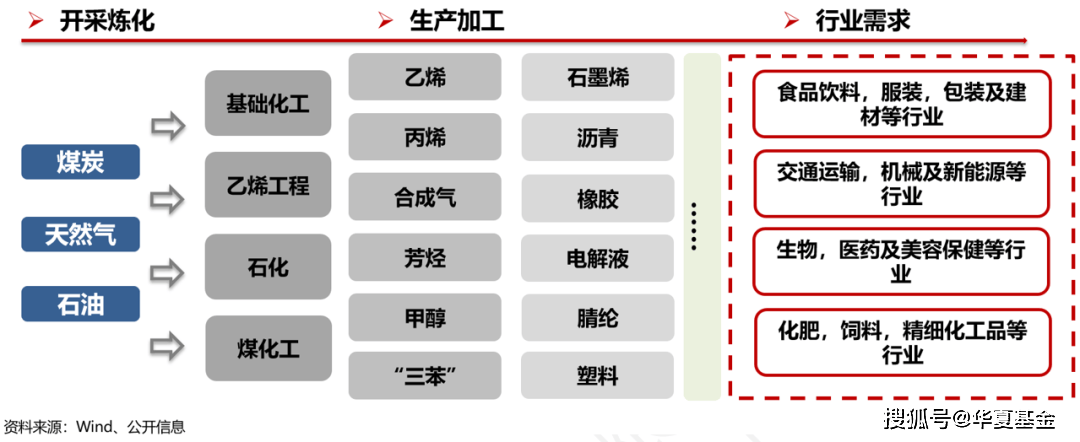
Core Viewpoint - The relationship between non-ferrous metals and petrochemicals is significant, as both belong to the cyclical sector, and their market movements are interconnected [1][4]. Group 1: Industry Relationship - Non-ferrous metals focus on extracting metals from ores, while petrochemicals convert crude oil into various products, indicating a close relationship in the industrial chain [1]. - Non-ferrous metals are considered the "vanguard" of cyclical sectors, reacting quickly to changes in global monetary policy and economic recovery expectations, while petrochemicals tend to respond more slowly [3][4]. Group 2: Market Dynamics - The non-ferrous metal sector is sensitive to commodity prices, with major stocks like Zijin Mining and Luoyang Molybdenum directly linked to prices of copper and gold [3]. - The petrochemical sector is more complex, with its performance influenced by both international oil prices and domestic supply-demand dynamics in chemical products [4]. Group 3: Economic Recovery Cycle - A typical economic recovery cycle begins with liquidity easing, boosting gold-related companies, followed by increased demand for industrial metals like copper, which then leads to higher demand for petrochemical products [9]. - The market often views the stock performance of non-ferrous metal companies as a precursor to future demand for petrochemical products [9]. Group 4: Future Outlook for Petrochemicals - As of 2026, there is speculation that the petrochemical sector may experience a turnaround, with oil prices stabilizing around $55-$60 per barrel, indicating a potential bottoming out of the cycle [10]. - Policies aimed at controlling new refining capacity and eliminating outdated production are expected to enhance the market position of leading petrochemical companies [10]. - Demand for high-end chemical materials is anticipated to grow, driven by traditional industries and emerging sectors like new energy and AI, suggesting a shift from a purely cyclical to a growth-oriented perspective for the petrochemical industry [10].
资管一线 | 2026年投资风向标在哪?财通基金聚焦周期、科技、医药等赛道机会
Xin Hua Cai Jing· 2026-01-16 17:34
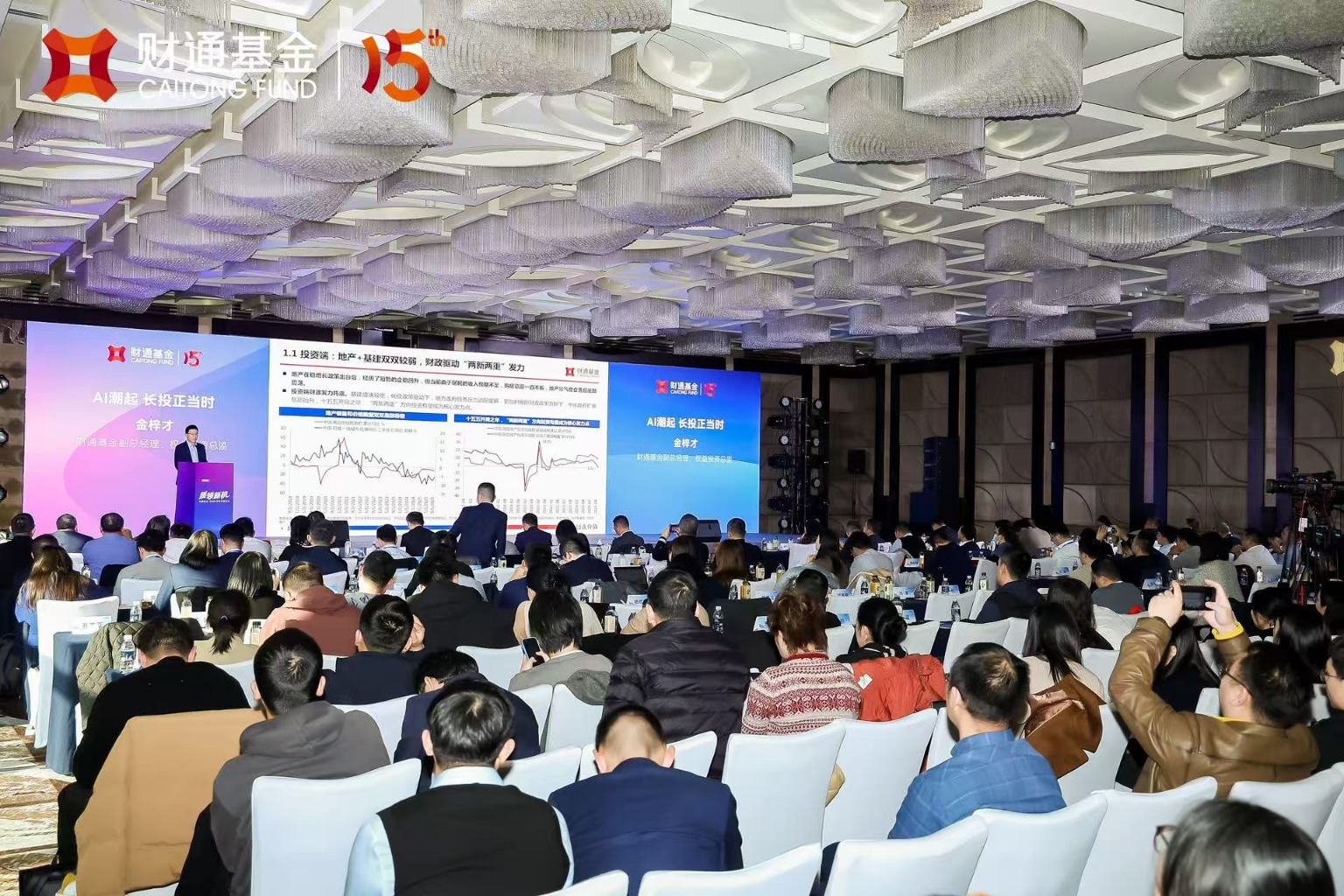
Core Viewpoint - The A-share market in 2026 is expected to exhibit structural characteristics driven by leading companies and fundamentals, focusing on opportunities in cycles, technology, and pharmaceuticals, as well as the theme of companies going global [1][3]. Fundamental Drivers - The current global economic landscape is undergoing significant adjustments, with a focus on high-quality development in the domestic economy. The selection of stocks should meet four core criteria: potential returns, competitive barriers, short-term demand changes leading to growth, and significant long-term growth potential [2][3]. Market Outlook - The A-share market is anticipated to show a pronounced concentration of leading companies and fundamental-driven characteristics. This will manifest in three dimensions: a highly structured market favoring a few companies with real and sustainable performance; leading companies with strong barriers and growth; and a focus on fundamentals where market pricing will closely align with companies' growth capabilities over the next one to two years [3]. Opportunities in Segmented Fields - The investment team is exploring opportunities in segmented fields, particularly in cycles, technology, and pharmaceuticals. The focus on cycles is driven by the bottoming out of corporate capacity and policies promoting absolute capacity clearance, with demand supported by various factors including potential interest rate cuts overseas and strong infrastructure needs in emerging markets [4][6]. Specific Focus Areas - In the cyclical sector, four key areas are highlighted: non-ferrous metals, aluminum, lithium carbonate driven by energy storage, and chemical products with improving supply-demand dynamics. The technology sector remains a primary focus, with strong investment interest and clear demand signals emerging [6][7]. Pharmaceutical Sector Insights - The pharmaceutical industry is centered on innovation and global expansion, with significant potential in the innovative drug sector, particularly in dual-antibody and small nucleic acid therapies. The medical device sector is also gaining attention, especially in surgical robotics and AI applications in healthcare [7][8]. Global Expansion Strategy - The theme of "going global" is emphasized, focusing on companies capable of moving into high-value sectors and possessing brand strength and global competitiveness. Key selection criteria include capacity for overseas production, technological and brand capabilities, and cultural outreach [8][9]. Performance of Companies with Global Revenue - Companies with a higher proportion of overseas revenue tend to show greater resilience and growth potential. As the global manufacturing sector may enter a replenishment cycle, Chinese manufacturing firms with global competitive advantages are expected to expand their market share through international ventures [9].
投资之道,归纳起来只有三种挣钱方式
雪球· 2026-01-15 08:06
Group 1 - The core investment strategies can be summarized into three main methods: earning through foresight, exploiting market panic, and capitalizing on cycles [3][4]. - Earning through foresight involves identifying companies with strong future potential early on, allowing for investment before their value is realized [3]. - Exploiting market panic refers to buying undervalued stocks during market downturns, particularly blue-chip stocks and fundamentally sound turnaround companies, which can yield significant returns when the market recovers [4]. Group 2 - The cycle-based strategy focuses on the cyclical nature of commodities, where buying during industry downturns and selling during peaks can lead to consistent profits [4]. - The three strategies require different attributes: foresight relies on cognitive and logical reasoning, panic exploitation depends on conviction and independence, while cycle investing demands patience and perseverance [5]. - The principles of investment are closely aligned with broader life principles, suggesting that the approach to investing mirrors the approach to personal conduct [6].

复盘黄金从无人问津到举世瞩目——雷石投资穿越“窄门”的一次反向求解
投中网· 2026-01-13 07:01
Core Viewpoint - The article discusses the significant rise in gold prices driven by global central bank purchases and geopolitical shifts, highlighting the investment journey of Sichuan Gold and the strategic foresight of Leishi Investment in capitalizing on this trend [3][4]. Group 1: Market Context and Investment Strategy - As of now, international gold prices remain at historical highs, surpassing market expectations due to ongoing central bank purchases and geopolitical restructuring [3]. - Sichuan Gold (001337.SZ) made a remarkable debut on the Shenzhen Stock Exchange in March 2023, with a first-day surge of 44%, leading to a market capitalization exceeding 10 billion [3]. - Leishi Investment was an early and steadfast institutional investor in Sichuan Gold, entering the market during a time of industry divergence in 2021, thus securing core stakes [4][5]. Group 2: Macro Analysis and Investment Rationale - Understanding the macroeconomic context of 2020 is crucial for grasping Leishi's investment decisions, as gold was not considered an attractive asset during that period [5]. - Leishi identified two pivotal turning points: the reconstruction of geopolitical order and the inevitable debt cycle, leading to a conclusion that gold, priced in dollars, would enter a sustained upward cycle [5][6]. Group 3: Investment Methodology and Risk Management - Leishi's approach involved filtering out market noise to focus on the fundamental belief that gold prices would rise, supported by extensive research and investment in gold ETFs [7]. - The firm emphasized the importance of understanding the exit strategy in mining investments, ensuring that they had a clear path to an IPO for Sichuan Gold, which was validated through thorough due diligence [7][8]. Group 4: Cognitive Framework and Market Insights - Leishi's investment philosophy is rooted in a three-tier cognitive framework, distinguishing between mere logical understanding and deeper insights into market dynamics [9][10]. - The firm believes that true investment success comes from recognizing the right conditions and applying the appropriate strategies, rather than relying solely on luck [10]. Group 5: Future Outlook and Strategic Focus - Leishi Investment is now applying its disciplined approach to the AI sector, particularly in enhancing China's manufacturing capabilities, which is seen as a unique advantage [12][13]. - The firm aims to shift focus from crowded AI valuations to long-term value creation in manufacturing, leveraging AI to reduce costs and improve efficiency [12][13].