
房地产转型

Search documents
重磅信号!马年官方开始收购老破小,楼市风向变了!
Xin Lang Cai Jing· 2026-02-22 04:34
2026马年开年,中国楼市迎来了一场足以改写行业逻辑的重磅变革——不同于以往降息、限购放松等常 规操作,官方牵头、国企主导,开始批量收购城市"老破小",从上海浦东、静安、徐汇三区率先试点, 到重庆、长沙、杭州、济南等城市火速跟进,一场覆盖全国的存量房收储行动全面铺开。这一举措看似 是针对小众房源的"精准托底",实则是房地产调控思路的战略级转向,释放出清晰而强烈的信号:中国 楼市正式告别增量扩张的旧时代,迈入存量盘活、民生优先、稳健发展的新阶段,马年或将成为中国房 地产转型的"分水岭"。 要读懂这场官方收购行动的深意,首先要认清马年楼市面临的核心困境。过去多年,"老破小"一直是二 手房市场的"流动性死角",这类房龄普遍在20年以上、户型狭小、设施老旧、管线老化、停车困难的房 源,不仅居住体验差,更面临银行放贷谨慎甚至拒贷的尴尬,在市场下行期更是无人问津,挂牌周期动 辄半年以上,成为业主手中"卖不掉、住不好、拆不了"的鸡肋资产。更值得警惕的是,老破小大多占据 城市核心地段,其流动性枯竭直接拖累片区房产估值,引发业主恐慌性降价,进而传导至整个二手房市 场,形成"降价—观望—再降价"的负向循环,成为楼市稳定的最大隐患 ...

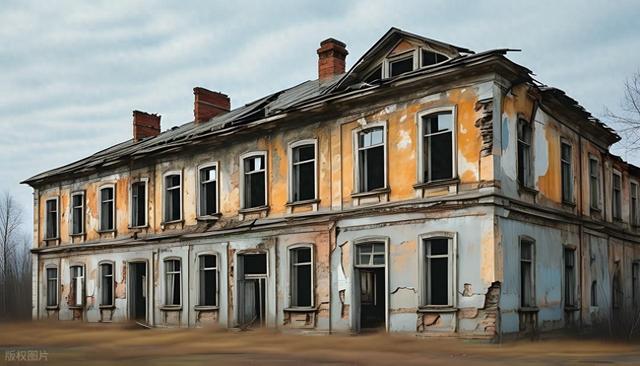
2026年,房地产会更“惨”吗?
财富FORTUNE· 2026-02-03 13:07
Core Viewpoint - The Chinese real estate market is experiencing a significant transformation characterized by a bifurcation between high-quality residential properties in core urban areas and lower-quality properties in suburban regions, marking the end of a two-decade growth cycle [1][3][4]. Group 1: Market Dynamics - The "three red lines" policy initiated in 2020 has led to a rapid decline in the real estate market, with new home sales and prices reverting to levels seen in 2009 or 2015 by 2025 [5][6]. - The trend of resource concentration in core cities has intensified, with policies recognizing the need for differentiated strategies to address various urban challenges [6][9]. - By 2025, 67 out of 70 major cities are expected to see a year-on-year decline in new home prices, with only a few cities like Shanghai, Hangzhou, and Taiyuan experiencing slight increases [5][6]. Group 2: Corporate Challenges and Transformations - Vanke, a leading real estate company, is projected to incur losses of 820 billion yuan in 2025, highlighting the broader market crisis and the end of high-leverage, high-turnover business models [5][7]. - At least 21 distressed real estate companies are expected to complete or receive approval for debt restructuring, with a total debt reduction of approximately 1.2 trillion yuan [7][8]. - The industry is shifting towards a new model focused on quality development, with an emphasis on building "good houses" and enhancing operational efficiency [7][8]. Group 3: Fiscal Implications - Local government land transfer revenues have seen a continuous decline, with a projected income of 4.15 trillion yuan in 2025, down 14.7% from the previous year and significantly lower than the peak in 2021 [9][10]. - The reliance on land sales for local government revenue has created substantial fiscal gaps, prompting a shift towards optimizing existing land use and fostering new economic drivers [9][10]. Group 4: Future Outlook - The real estate sector is at a crossroads, facing a transition that will define its trajectory for the next decade, moving away from the fantasy of uniform price increases towards a reality of market differentiation and sustainable development [11][12].

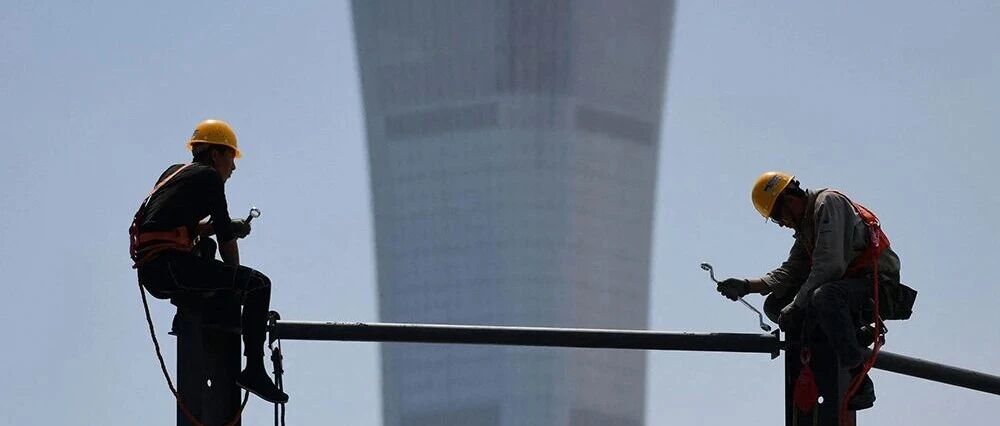
宋雪涛提出“投资于人”三路径:让老百姓更有钱、更敢花、有地方花
Xin Lang Cai Jing· 2026-01-15 12:11
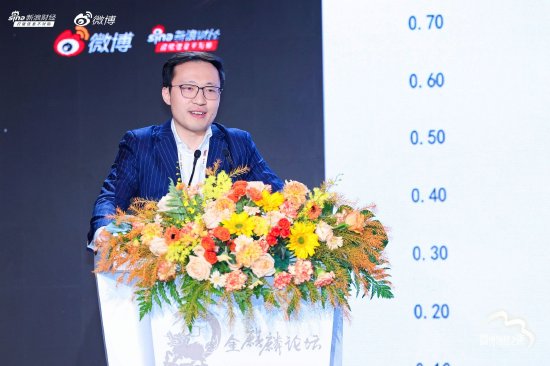
Core Viewpoint - The event emphasizes the importance of "investing in people" as a direct way to improve microeconomic conditions, with three main strategies proposed to enhance consumer spending [1][6]. Group 1: Strategies for Consumer Spending - The first strategy is to increase disposable income for citizens through enhanced transfer payments, particularly targeted subsidies for specific groups [3][8]. - The second strategy involves improving public services to encourage consumer confidence, addressing disparities not only between urban and rural areas but also across different industries and income levels [3][8]. - The third strategy focuses on increasing investment in consumer infrastructure and expanding the supply of services to create new consumption scenarios, exemplified by the transformation of the Liangma River area in Beijing, which has generated approximately 8 billion in economic revenue annually [3][8]. Group 2: Economic Reforms - The first arrow of economic reform is aimed at demand-side changes, while the second arrow targets supply-side reforms [3][8]. - A policy change is expected to gradually eliminate export tax rebates for batteries, particularly in the photovoltaic sector, starting April 1. This is seen as a move to allow successful companies to retain profits domestically, which can then be reinvested into the economy and increase household consumption [3][8]. - The third arrow pertains to the transformation of the real estate sector, which has been in a downward cycle since 2021, with second-tier cities experiencing declines since 2018. This adjustment period is viewed as a complete cycle in the international context [3][8]. Group 3: Real Estate Market Insights - Some emerging second-tier cities are showing signs of stabilization, with Urumqi reporting a capital return rate of 4%. As rental yields and mortgage rates rise, a stabilization in the real estate market is anticipated, marking a significant transition for the Chinese economy [4][9].

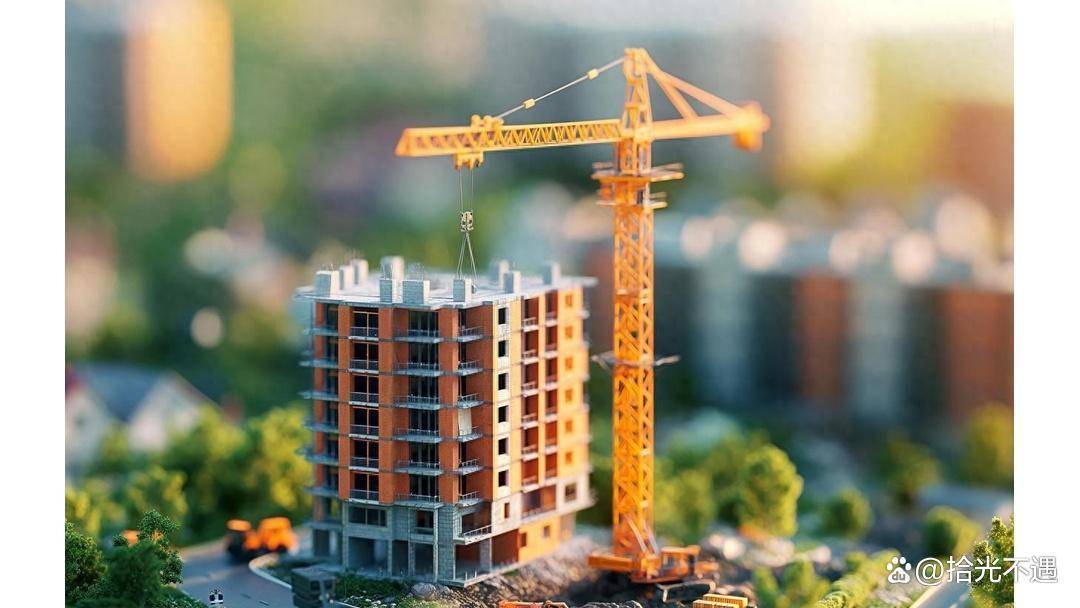
穿越债务风暴,房地产行业即将迎来新篇章
Xi Niu Cai Jing· 2026-01-08 10:11
Core Insights - The real estate market has experienced its most severe adjustment in over 20 years, with significant declines and prolonged duration, leading to the collapse of some well-known companies while others have managed to survive and recover [2] - In 2025, debt restructuring has become a critical process for risk mitigation in the real estate sector, with 21 distressed companies, including Sunac China and Country Garden, making significant progress in their debt restructuring efforts, totaling approximately 1.2 trillion yuan [2] - Longfor Group has demonstrated strong financial resilience by consistently meeting debt obligations and providing a model for cash flow-driven development [3][4] Group 1: Industry Overview - The real estate industry is undergoing a deep adjustment, with a shift from an incremental market to a stock market, as evidenced by a 15.9% year-on-year decline in real estate development investment from January to November 2025 [6] - The restructuring of debts has been essential for many companies to navigate through the financial storm, with Longfor Group leading by example through its proactive debt management strategies [3][5] Group 2: Longfor Group's Performance - Longfor Group's operational revenue reached 133 billion yuan in the first half of 2025, accounting for 22.6% of total revenue, with a gross margin exceeding 50%, highlighting its stable profit and cash flow sources [5] - The company has successfully reduced interest-bearing liabilities by over 40 billion yuan since mid-2022, with plans to further decrease liabilities by approximately 10 billion yuan annually starting in 2026 [5] - Longfor Group's cash flow generation capabilities have remained positive, with net cash inflow exceeding 2 billion yuan in the first half of 2025, even after capital expenditures [11] Group 3: Strategic Shifts - Longfor Group transitioned from a "development-led" model to a diversified approach encompassing development, operations, and services, which has provided a solid foundation during the current market challenges [4] - The company has established a healthy internal "blood-making" mechanism through its operational and service businesses, which not only cover debt repayment needs but also support cautious expansion [12] - Longfor Group is also innovating with its "One Longfor Direct to Users" strategy, integrating various products and services into a single app to enhance customer engagement and streamline operations [12]


羡慕段永平的王石,真的老了!
商业洞察· 2025-12-17 08:49
Core Viewpoint - The article reflects on the journey of Vanke and its founder Wang Shi, highlighting the company's rise and current challenges, emphasizing the impact of Wang's leadership style and market decisions on Vanke's trajectory [5][21]. Group 1: Company History and Development - Vanke was founded in 1984 by Wang Shi, initially as a trading company dealing in consumer electronics, achieving over 50 million in revenue and 3 million in net profit in its first year [9][10]. - The company underwent significant transformations, including a shareholding reform in 1986, which aimed to clarify ownership and led to the establishment of Vanke as a real estate developer [14][15]. - By 1991, Vanke was listed on the Shenzhen Stock Exchange, with a diverse shareholding structure that included state-owned, collective, and foreign shares, which facilitated its entry into the real estate market [15][16]. Group 2: Market Position and Strategy - Vanke quickly adapted to the real estate sector, becoming a leading player in a competitive market characterized by both state-owned enterprises and local developers [18][19]. - The company distinguished itself through a focus on product quality and customer service, achieving a reputation for excellence in the mid to high-end market segments [20][21]. - Vanke's strategic decisions, such as slowing down expansion in favor of quality over quantity, contributed to its strong financial health and reputation as a "top student" among real estate firms [21]. Group 3: Leadership and Challenges - Wang Shi's leadership style, characterized by a strong desire for control, led to significant conflicts during two major shareholder disputes, the "Junwan War" and the "Baowan War," which impacted Vanke's stability [23][24]. - The "Baowan War" resulted in substantial financial strain on Vanke, as aggressive tactics to fend off external investors drained resources and shifted the company's focus back to high turnover and expansion [24][25]. - The article suggests that had Wang Shi approached these conflicts with a more market-respecting attitude, Vanke might have navigated its challenges more effectively, potentially avoiding its current difficulties [25].

住建部定调楼市未来:第四次拐点浮现,房产新周期即将开启
Sou Hu Cai Jing· 2025-11-25 13:45
Core Viewpoint - The Chinese real estate market is at a historical turning point, with a new cycle about to begin, driven by profound changes in supply-demand relationships, policy restructuring, and gradual market confidence recovery [1] Group 1: Policy Framework - The core feature of 2025 real estate regulation is "systematic efforts and precise measures," with a policy framework consisting of "four cancellations, four reductions, and two increases" [2] - The "four cancellations" break long-standing barriers to market circulation, allowing cities to have greater control over their real estate policies, which has led to increased viewing and transaction volumes since late September [2] - The "four reductions" target cost issues for homebuyers, including a 0.25 percentage point decrease in housing provident fund rates and a unified minimum down payment of 15%, expected to save residents 150 billion yuan in interest [2] - The "two increases" involve the addition of 1 million urban village and dilapidated housing renovation projects and expanding the credit scale for "white list" projects to 4 trillion yuan, addressing both inventory and financing challenges [2] Group 2: Market Data - Data from the National Bureau of Statistics indicates a positive trend in the market, with a structural narrowing of price declines in major cities and signs of price stabilization in core cities like Shanghai and Shenzhen [4] - From January to October 2025, the sales area of new commercial housing reached 71.982 million square meters, with a decrease in unsold housing inventory, indicating ongoing destocking [4] - Residential investment from January to October was 565.95 billion yuan, showing a 13.8% year-on-year decline, but the completion area of housing projects increased by 22%, indicating a shift towards quality improvement [4] Group 3: Supply Innovation - The introduction of "good housing" standards marks a fundamental shift in real estate development logic, focusing on quality rather than quantity, encompassing green health, low carbon, smart convenience, and safety [5] - The government is actively promoting the revitalization of existing assets, allowing local governments greater autonomy in managing and repurposing properties, which has led to significant progress in activating idle assets [5] - Financing structures for leading real estate companies are improving, with financing costs decreasing and the proportion of equity financing rising from 12% in 2022 to 28% [5] Group 4: Housing Security - The construction of affordable housing is entering a phase of large-scale promotion, becoming a crucial support for stabilizing the market and benefiting the public [6] - Local governments are actively implementing plans for affordable housing, with cities like Beijing and Guangzhou advancing projects to meet housing needs [6] - The ongoing expansion of affordable housing is expected to complement the commercial housing market, contributing to a new housing supply structure that includes both rental and purchase options [6] Group 5: Overall Market Transformation - The Chinese real estate market is undergoing profound structural changes, with the Ministry of Housing and Urban-Rural Development's precise measures successfully curbing market decline and promoting a transition to high-quality development [7] - The comprehensive promotion of "good housing," revitalization of existing assets, and continuous improvement of the housing security system are expected to create a new pattern of "steady progress and differentiated development" in the real estate market [7]
“地产金主”谜局:消失的董事长与千亿基金
阿尔法工场研究院· 2025-11-07 00:08
Core Viewpoint - The article discusses the unexpected "disappearance" of Sun Junbao, a prominent figure in the capital market and chairman of CICC Capital, highlighting the rapid decline of his career and the ensuing crisis within CICC Capital [2][20]. Group 1: Background and Career Highlights - Sun Junbao was a key player in the real estate finance sector, actively participating in discussions about the industry's future at the Tsinghua University Real Estate Finance Summit in 2018 [3][8]. - Under his leadership, CICC Capital's assets under management grew to over 560 billion yuan by 2021, reflecting his significant influence in the private equity space [14]. - CICC Capital was involved in various real estate projects, including a 10 billion yuan fund established with New China Life Insurance, which acquired multiple Wanda Plaza projects [12][13]. Group 2: Crisis and Regulatory Issues - In 2025, a regulatory storm hit CICC Capital, leading to the replacement of Sun Junbao and the investigation of several high-ranking executives for alleged misconduct related to fund operations [15][20]. - The financial performance of CICC Capital deteriorated significantly, with a 48.97% drop in revenue and a 329.82% decline in net profit in the first half of 2025 compared to the previous year [20]. - The trust crisis led to local government funds withdrawing investments and a halt in new collaborations, with reports of 11 funds failing to meet redemption requests, directly linked to Sun Junbao's management [20].

代建行业竞争白热化,房企如何破局
Xin Lang Cai Jing· 2025-11-06 02:09
Core Insights - The real estate industry is undergoing a transformation, with construction agency services becoming a significant direction for companies, leading to accelerated expansion among leading construction firms [1][2] - The competition in the construction agency sector is intensifying, prompting companies to adhere to long-term strategies rather than pursuing blind scale expansion [1][4] Industry Overview - The overall scale of construction agency services has significantly increased, with six leading companies adding over 10 million square meters of new construction agency scale in the first three quarters of 2025 [2] - The top 20 construction agency firms saw a year-on-year increase of 31% in new signed construction area, totaling 15,771 million square meters [2] - Green City Management leads the sector with over 2,700 million square meters of new construction area, approximately double that of the second-ranked firm [2] Types of Construction Agency Services - Construction agency services are categorized into government, commercial, and capital agency types, each serving different market needs [3] - Government agency services focus on public projects such as affordable housing and schools, while commercial agency services are the most prevalent, providing management services to clients lacking development capabilities [3] - Capital agency services are the most complex, often involving financial institutions to manage distressed assets [3] Competitive Landscape - The competition among construction agency firms is becoming more specialized, with companies focusing on niche markets to establish differentiated advantages [4] - Recent government policies have increased the precision and detail of construction agency regulations, raising the professional requirements for firms [4][5] - Companies are encouraged to broaden their focus to include urban renewal projects and affordable housing, as these areas present significant opportunities [5] Strategic Recommendations - Firms are advised to deepen their engagement in specialized fields and enhance service quality to achieve sustainable growth [5][6] - Emphasis on long-term strategies, project fulfillment rates, and client satisfaction is crucial for success in a competitive environment [5][7] - Companies should innovate their business models and explore high-value, high-barrier niche markets to avoid price competition [5][6] Emerging Trends - The shift towards managing distressed assets reflects a broader change in the real estate industry's underlying logic, moving from new development to revitalizing existing assets [6][7] - The "guarantee delivery" policy has created substantial demand for professional intervention in construction and delivery projects, providing clear business opportunities for capable construction agencies [6][7]
房地产行业报告(2025.09.15-2025.09.21):行业下行压力延续,转型概念关注度提升
China Post Securities· 2025-09-23 03:42
Investment Rating - The industry investment rating is "Outperform the Market" [1] Core Insights - The real estate industry is currently in an adjustment cycle, with core indicators such as sales and investment under pressure. However, there is increasing market differentiation, with core cities, quality real estate companies, and property sectors showing relative resilience. The expectation of policy easing has led to structural opportunities worth noting. Additionally, several state-owned A-share real estate companies are gaining market attention due to mergers and restructuring, contributing to a recent rise in the overall A-share real estate index. Amid ongoing industry pressures, certain real estate REITs have seen significant gains this year, becoming a focus for risk-averse capital due to their stable cash flows and quality underlying assets [4][5]. Industry Fundamentals Tracking New Housing Transactions and Inventory - Last week, the new housing transaction area in 30 major cities was 151.48 million square meters, with a cumulative year-to-date transaction area of 6,397.58 million square meters, reflecting a year-on-year decrease of 3.5%. The average transaction area over the past four weeks was 152.32 million square meters, showing a year-on-year increase of 7% but a month-on-month decrease of 1.6%. Specifically, first-tier cities had an average transaction area of 46.32 million square meters, up 11.5% year-on-year and 6.2% month-on-month [5][13]. - The available inventory of commodity residential properties in 14 cities was 80,537.7 million square meters, down 9.59% year-on-year, with a turnover cycle of 17.99 months [15]. Second-Hand Housing Transactions and Listings - In the past week, the transaction area of second-hand housing in 20 cities was 211.36 million square meters, with a cumulative year-to-date transaction area of 8,191.56 million square meters, reflecting a year-on-year increase of 16%. The average transaction area over the past four weeks was 201.4 million square meters, up 21.5% year-on-year and 0.6% month-on-month [6][18]. Land Market Transactions - Last week, 51 new residential land plots were supplied in 100 major cities, with 50 plots successfully transacted. The average floor price for residential land transactions was 4,959.25 yuan per square meter, with a premium rate of 3.04%, down 0.23 percentage points month-on-month [27]. Market Review - Last week, the A-share real estate index rose by 0.71%, outperforming the Shanghai Composite Index, which fell by 0.44%, resulting in a relative outperformance of 1.16 percentage points. In the Hong Kong market, the Hang Seng Property Services and Management Index fell by 1.68%, while the Hang Seng Composite Index rose by 0.43%, indicating a relative underperformance of 2.1 percentage points for the property services and management index [31][32].
瑞达期货铝类产业日报-20250922
Rui Da Qi Huo· 2025-09-22 08:51
Report Summary 1. Report Industry Investment Rating No information provided. 2. Report Core View - The alumina market shows a low - level oscillation in the main contract, with increasing positions, spot premium, and strengthening basis. The supply is sufficient with a slight increase, while demand growth is less than supply growth. It is recommended to conduct light - position oscillatory trading [2]. - The Shanghai aluminum main contract rises first and then falls, with decreasing positions, spot premium, and weakening basis. The electrolytic aluminum market is in a stage of stable supply and increasing demand. It is advisable to conduct light - position short - term long trading on dips [2]. - The cast aluminum main contract opens low and rebounds slightly, with increasing positions, spot premium, and weakening basis. The supply of cast aluminum is reduced, and demand shows a slight recovery but remains weak. Light - position short - term long trading on dips is recommended [2]. 3. Summary by Relevant Catalogs 3.1 Futures Market - **Aluminum Futures**: The closing price of the Shanghai aluminum main contract is 20,745 yuan/ton, down 50 yuan; the main - to - second - contract spread is - 10 yuan, down 19 yuan. The main contract position is 236,067 lots, down 9,800 lots. The LME aluminum three - month quote is 2,676 US dollars/ton, down 29 US dollars [2]. - **Alumina Futures**: The closing price of the alumina futures main contract is 2,934 yuan/ton, up 5 yuan; the main - to - second - contract spread is - 15 yuan, down 4 yuan. The main contract position is 317,523 lots, up 11,106 lots [2]. - **Cast Aluminum Alloy Futures**: The closing price of the cast aluminum alloy main contract is 20,340 yuan/ton, down 15 yuan; the main - to - second - contract spread is - 60 yuan, down 45 yuan. The main contract position is 10,767 lots, up 351 lots [2]. 3.2 Spot Market - **Aluminum Spot**: The average price of Shanghai Non - ferrous A00 aluminum is 20,950 yuan/ton, down 60 yuan; the average price of Yangtze Non - ferrous A00 aluminum is 20,840 yuan/ton, unchanged. The basis of electrolytic aluminum is 5 yuan, down 10 yuan [2]. - **Alumina Spot**: The spot price of alumina in Shanghai Non - ferrous is 2,940 yuan/ton, unchanged. The basis of alumina is 6 yuan, up 9 yuan [2]. - **Cast Aluminum Alloy Spot**: The average price of ADC12 aluminum alloy ingots nationwide is 20,750 yuan/ton, down 60 yuan. The basis of cast aluminum alloy is 610 yuan, down 100 yuan [2]. 3.3 Upstream Situation - **Alumina**: The monthly production is 792.47 million tons, up 35.98 million tons; the utilization rate of production capacity is 84.75%, up 0.45 percentage points. The demand from the electrolytic aluminum part is 722.07 million tons, up 25.88 million tons [2]. - **Aluminum Scrap**: The average price of crushed raw aluminum in Foshan is 16,450 yuan/ton, down 50 yuan; the import volume of aluminum scrap is 172,610.37 tons, up 12,115.77 tons [2]. 3.4 Industry Situation - **Electrolytic Aluminum**: The monthly production capacity is 4,523.20 million tons, unchanged; the production is 217,260.71 tons, down 30,322.61 tons. The export volume is 25,604.34 tons, down 15,383.37 tons [2]. - **Aluminum Products**: The monthly output is 554.82 million tons, up 6.45 million tons; the export volume of unforged aluminum and aluminum products is 53.00 million tons, down 1.00 million tons [2]. 3.5 Downstream and Application - **Automobile Industry**: The monthly production is 275.24 million vehicles, up 24.21 million vehicles [2]. - **Real Estate Industry**: The national housing prosperity index is 93.05, down 0.28 [2]. 3.6 Option Situation - The 20 - day historical volatility of Shanghai aluminum is 6.64%, down 0.36 percentage points; the 40 - day historical volatility is 6.13%, down 0.23 percentage points. The implied volatility of the Shanghai aluminum main contract at - the - money is 10.05%, up 0.0031 [2]. 3.7 Industry News - The Fed is expected to cut interest rates, which may affect the global capital re - balance, and non - US equity markets are more favored [2]. - Sino - US relations are expected to be improved through communication [2]. - The real estate industry is entering a transformation period from "quantity" to "quality" [2]. 3.8 Alumina View Summary - The main contract of alumina oscillates at a low level, with increasing positions, spot premium, and strengthening basis. The supply is sufficient with a slight increase, while demand growth is less than supply growth. It is recommended to conduct light - position oscillatory trading [2]. 3.9 Aluminum View Summary - The main contract of Shanghai aluminum rises first and then falls, with decreasing positions, spot premium, and weakening basis. The electrolytic aluminum market is in a stage of stable supply and increasing demand. It is advisable to conduct light - position short - term long trading on dips [2]. 3.10 Cast Aluminum Alloy View Summary - The main contract of cast aluminum alloy opens low and rebounds slightly, with increasing positions, spot premium, and weakening basis. The supply of cast aluminum is reduced, and demand shows a slight recovery but remains weak. Light - position short - term long trading on dips is recommended [2]
