标准化

Search documents
智汇广东土特产 赋能“广货行天下”——“广货行天下·社科一席谈”
Xin Lang Cai Jing· 2026-02-26 23:52
编者按: 2026年全省高质量发展大会发出永争第一、不为人后的奋进号召,为广东在推进中国式现代化建设中走 在前列、谱写"中国式现代化看广东"的时代新篇注入强劲动力。2月25日马年开工第二天,广东省社会 科学界联合会与羊城晚报报业集团联合策划主办"广货行天下・社科一席谈"首场活动,华南农业大学罗 明忠、谭砚文,广东省农业科学院朱根发、余华荣,广东财经大学梁江川以及仲恺农业工程学院熊强等 专家,围绕广东土特产这一主题,从文化叙事、品牌标准化、特色品牌打造、渠道拓展、非遗赋能等多 个维度展开座谈。本期理论版特撷取座谈观点精粹,以飨读者。 接下来,"广货行天下・社科一席谈"还将围绕制造业、服务业等专题继续开展座谈,持续为"广货行天 下"献计出力,助力擦亮"广东制造""广东服务"双品牌,为广东在两业协同发展中向上突围、增创新优 势贡献社科力量。 聚力赋能"广货行天下" 社科界当有更大作为 □李宜航 "广货行天下"春季行动全面铺开,是广东聚力拼经济、奋力促发展的重要举措。全省社科界以高度的政 治站位、强烈的使命担当、精准的智力供给,在积极赋能"广货行天下"行动中,发挥了不可替代的作 用。乘势而上做实赋能工作,需要全省社科 ...
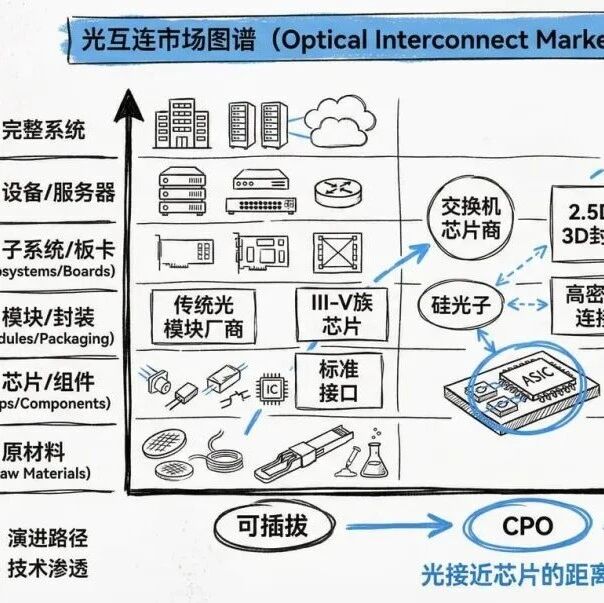
光互联的市场图谱
傅里叶的猫· 2026-02-21 14:13
Core Insights - The article discusses the evolution of optical interconnect technology, highlighting three key structural patterns in the market: vertical integration vs. specialization, the scarcity of light generation, and the rise of SiPho foundries [5][6][10]. Group 1: Market Structure - Vertical integration offers structural advantages during technological transitions, as companies that can design across multiple layers can optimize the entire tech stack [9]. - Companies like Broadcom exemplify vertical integration, appearing across multiple layers of the value chain, while most others focus on specific segments [8]. - The semiconductor industry has historically shown that such advantages may not be permanent, as standardization can lead to the emergence of fabless models [9]. Group 2: Scarcity of Light Generation - The difficulty of producing light sources (Layer 1 and Layer 0) is highlighted, with InP and GaAs materials requiring specialized technology and equipment [12][13]. - Companies capable of mass-producing high-performance InP lasers are few, creating a concentrated market [13][14]. Group 3: Rise of SiPho Foundries - Layer 2, which focuses on SiPho foundries, is gaining attention as traditional semiconductor manufacturers like TSMC and GlobalFoundries enter the photonics space [17]. - TSMC's potential to optimize both AI chips and optical interconnects within the same ecosystem could disrupt existing vertical integration advantages [17]. Group 4: Layer Analysis - Layer 0 involves substrate supply, with companies like AXT benefiting from increased demand for III-V substrates, although geopolitical risks exist due to production in China [21][22]. - Layer 1 is dominated by Coherent and Lumentum, both of which manufacture InP lasers and are expanding production amid high demand [24][25]. - Layer 2 focuses on SiPho foundries, with companies like GlobalFoundries and TSMC leading in manufacturing photonic integrated circuits [27][29]. - Layer 3, represented by DSPs, faces potential obsolescence as CPO technology advances, with companies like Broadcom and Marvell adapting to this shift [33][36]. - Layer 4 sees companies like Innolight and Eoptolink currently leading in the pluggable module market, but their positions may be challenged as the industry shifts towards CPO [40][42]. Group 5: Future Signals - Key indicators to watch include pJ/bit energy consumption metrics, which reflect technological advancements and efficiency [56]. - The ongoing standardization efforts, such as OIF and UCIe, will shape the future market landscape and influence competitive dynamics [57][59]. - Recent mergers and acquisitions signal strategic directions in the industry, with notable deals like Marvell's acquisition of Celestial AI [60][62]. - The choices made by major cloud service providers like Google and AWS regarding their technology partnerships will ultimately determine market trajectories [63][64].




TechnipFMC(FTI) - 2025 Q4 - Earnings Call Transcript
2026-02-19 14:32
Financial Data and Key Metrics Changes - Total company inbound for the year was $11.2 billion, with a backlog ending at $16.6 billion, representing a 15% increase from the prior year [5][23] - Total company revenue for the year grew 9% to $9.9 billion, with Adjusted EBITDA improving to $1.8 billion, an increase of 33% compared to the prior year [5][22] - Full-year free cash flow increased to $1.4 billion, and shareholder distributions grew to $1 billion, both more than double the levels achieved in the prior year [5][22] Business Line Data and Key Metrics Changes - In Subsea, revenue was $2.2 billion, a decrease of 5% versus the third quarter, but full-year revenue grew 11% compared to the prior period [16] - Adjusted EBITDA for Subsea was $416 million, down 18% sequentially, but the full-year adjusted EBITDA margin improved by 340 basis points to 20.1% [16] - Surface Technologies revenue was $323 million, a decrease of 2% from the third quarter, with adjusted EBITDA increasing by 8% sequentially to $58 million [17] Market Data and Key Metrics Changes - The Subsea Opportunities List reflects approximately $29 billion of opportunities for future development, marking the highest level ever recorded [11] - The company expects a greater share of capital spending to move offshore, with improved project economics [11] Company Strategy and Development Direction - The company is focused on expanding its configure-to-order offerings and enhancing integrated execution to drive further advancements [14] - A shift in customer behavior towards a portfolio approach for offshore development is noted, allowing for simultaneous project execution [9][10] - The company aims to reduce cycle times and improve project returns, which is seen as a key differentiator in the market [15][64] Management's Comments on Operating Environment and Future Outlook - Management expressed confidence in continued strength in offshore activity through the end of the decade, driven by a growing Subsea Opportunities List and increased customer confidence [11][12] - The company anticipates further growth in backlog and revenue, with a focus on high-quality projects and operational efficiencies [19][23] Other Important Information - The company repurchased $168 million of stock in the fourth quarter, with total shareholder distributions exceeding $1 billion for the year [18][22] - The company is committed to a disciplined, asset-light approach to capital management, with anticipated capital expenditures of approximately $340 million for the full year [21] Q&A Session Summary Question: Can you elaborate on margin expansion potential from industrializing the SURF process? - Management indicated that industrialization and configure-to-order product architecture are expected to drive significant efficiency gains and improved project certainty [27][28] Question: How much visibility do you have on further margin expansion in Subsea? - Management confirmed that the company is inbounding at a level that is accretive to backlog margin, indicating a positive outlook for revenue and EBITDA [30] Question: Can you discuss the renewed interest in Greenfield developments? - Management noted that there is substantial interest in Greenfield developments, with many projects that had been on hold now moving forward due to improved project economics and confidence [36][37] Question: What is the expected revenue from Subsea services in 2026? - Management expects Subsea services to grow in line with top-line growth, estimating around $2 billion for the year [56] Question: How does the portfolio approach impact your sales funnel? - Management stated that while the portfolio approach is still a smaller portion of discussions, it is gaining traction as customers respond positively to this strategy [90][91]

老陈种蘑菇尝试新科技
Ren Min Ri Bao· 2026-02-17 23:59
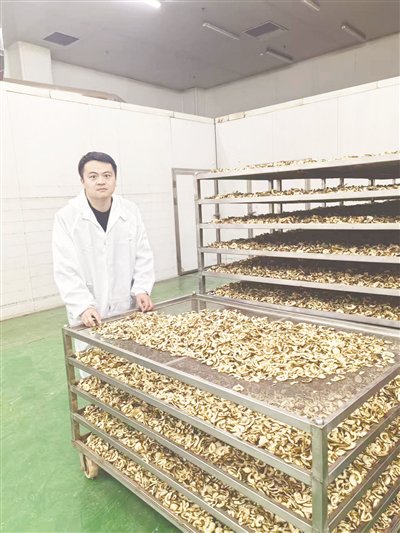
过年了,陈国华忙得很,每天出门第一件事就是去看他的蘑菇。"春节假期需求量大,得赶紧把这批蘑 菇摘完,通知采购商拉走。" 镇上干部到家里帮他一起分析:"跟风跑不行,精耕细作的传统不能丢;闷头干更不行,得尝试新科 技。" 啥是"新科技"?老陈后来在专家讲座里听明白了三个词:标准化、工厂化、智能化。 2025年秋天,老陈在浙江一家企业学习时看见一种"智能方舱"。"接上电,门一关,舱里是智能世 界。"他说,喷头定时起雾,换气扇自动调节,传感器红点闪烁……老陈当即订了6台,其中1台用来种 植对生长环境极为苛刻的金耳。 方舱一体化设计,运回天津后便快速搭建了起来。"住"进了方舱的金耳一天一个样,从嫩黄长到橘金。 第一茬采收时,老陈手有些抖——剪下去,断面瓷实,汁液饱满。舱门外,采购商抢着收购。老陈感 慨,过去觉得自己是"老把式",现在是"新手上路"了。(记者武卫政 李家鼎) 老陈打开4号舱门,架子上层层叠叠的金耳黄澄澄、肉嘟嘟。他轻轻碰了碰其中一朵:"今年收成差不 了!" 陈国华是天津市蓟州区出头岭镇李家仓村人,20岁外出打工,31岁时带着积蓄回村,跟着乡亲种起了蘑 菇。 种蘑菇的头几年,老陈心里很憋屈,"出大力、流大汗 ...
瓜来了!这一口甜,将于清明前后上市
Xin Lang Cai Jing· 2026-02-11 04:18
Core Viewpoint - The article highlights the ongoing efforts in Yangxi County's Shangyang Town to enhance watermelon cultivation through innovative techniques such as greenhouse planting, aiming to improve yield and quality while supporting rural revitalization [1][5][6]. Group 1: Current Cultivation Practices - The watermelon fields in Shangyang Town are thriving, with farmers actively managing their crops during this critical growth period [1]. - Farmers are removing weeds and immature watermelons to ensure the healthy growth of the remaining fruits, as early-stage melons struggle to develop properly [3]. Group 2: Adoption of Greenhouse Technology - The introduction of small and large greenhouses contrasts with traditional open-field planting, with greenhouse cultivation costing approximately 20,000 yuan per acre, which is higher than open-field methods but offers better protection against adverse weather [5]. - The president of the Shangyang Town Watermelon Professional Technology Association reported that 23 acres of watermelons are being cultivated this year, with 4 acres using greenhouse methods, focusing on high-quality varieties [5]. Group 3: Historical Context and Future Plans - Shangyang Town has a long history of watermelon cultivation, covering about 20,000 acres, primarily using traditional open-field methods [5]. - The local agricultural department is promoting greenhouse technology to enhance survival rates and yield stability, with the area under greenhouse cultivation expanding to over 40 acres this year [5]. - The first batch of watermelons is expected to be available around the Qingming Festival, with plans to further promote new technologies and introduce more high-quality varieties to boost the watermelon industry [6].

2025德州企业主导或参与各类标准制修订260项
Qi Lu Wan Bao· 2026-02-09 10:46
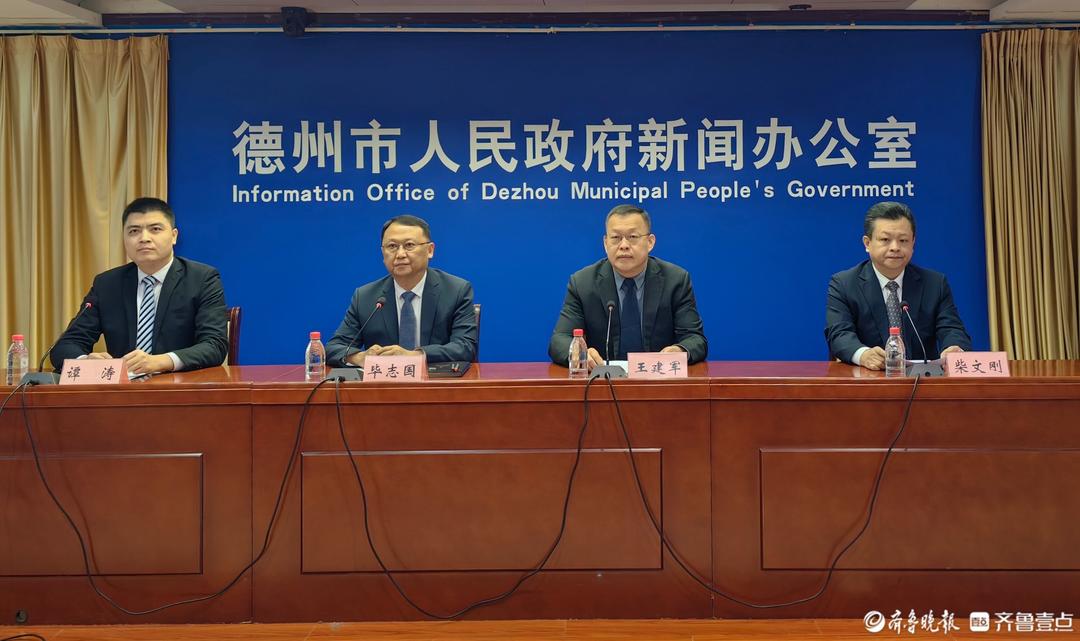
Group 1: Market Regulation Achievements - The Dezhou Market Supervision Bureau has made significant progress in 2022, focusing on high-quality development while balancing regulation and service [1] - The city has received 4 national pilot projects and 22 provincial pilot projects, with a continuous increase in the number of invention patents per 10,000 people for 29 months [1] - The "Quality Strong City" initiative has entered a new phase, with a gradient cultivation system established for quality awards, including the Provincial Quality Award and the China Quality Award [1] Group 2: Intellectual Property and Innovation - The city has implemented a fast track for patent pre-examination, reducing the authorization period for invention patents to 3 months, leading to a 24.3% increase in effective invention patents to 7,596 [2] - A "customized patent menu" service has been launched, completing 314 patent licensing records, and a patent pool for the functional sugar industry has been established with 490 patents [2] - A cross-regional collaborative protection mechanism for intellectual property has been established, enhancing the protection framework [2] Group 3: Consumer Safety and Quality Assurance - The city has adopted strict food safety measures, including the promotion of a "live kitchen" monitoring model, ensuring food safety for consumers [3] - A total of 1,817 pharmacies have completed standardized construction, and 4,721 industrial product units have been guided to implement quality safety responsibilities [3] - The establishment of a smart regulatory platform for electric bicycles and an upgraded emergency response platform for elevators demonstrates the city's commitment to safety [3] Group 4: Future Goals - The Dezhou Market Supervision Bureau aims to continue its commitment to "regulation for the people and service for development," focusing on reform, innovation, and enhanced regulatory services for future growth [3]
深耕中药路 匠心护安康
Xin Lang Cai Jing· 2026-02-05 17:12
Core Viewpoint - The article highlights the dedication and contributions of a procurement officer at Ben Cao Fang Yuan Pharmaceutical Group, emphasizing the importance of quality control and standardization in traditional Chinese medicine production. Group 1: Quality Control and Standardization - The procurement officer, Cao Linfei, has been committed to ensuring the quality of traditional Chinese medicine for 15 years, emphasizing the importance of quality in patient health and treatment outcomes [3][4]. - He has developed a standardized operation manual for the processing of traditional Chinese medicine, which has improved communication between management and production teams [5][8]. - The company has implemented a comprehensive quality control system, including a supplier evaluation system to ensure high-quality raw materials [5][6]. Group 2: Procurement and Cost Efficiency - In his role as a procurement officer, Cao has focused on sourcing high-quality medicinal materials, visiting over 60 production areas to understand the impact of local conditions on quality [6][7]. - The company employs a rigorous acceptance method for raw materials, which includes visual inspection, sensory evaluation, and laboratory testing to ensure compliance with standards [6][7]. - Cao has also integrated social responsibility into procurement practices, prioritizing products from regions in need, such as Xinjiang [7]. Group 3: Team Collaboration and Training - Cao emphasizes the importance of teamwork and knowledge sharing, having trained many new employees who have become key technical personnel within the company [8]. - He has fostered collaboration across departments, addressing challenges in production and quality control through joint efforts [8]. - The company aims to modernize and standardize traditional Chinese medicine practices, ensuring safety and efficacy for consumers [8].
把“问题清单”变为“成效清单”—— 中国标准化研究院青年专家用标准赋能民营企业高质量发展纪实
Zhong Guo Zhi Liang Xin Wen Wang· 2026-02-05 05:27
Core Viewpoint - The article emphasizes the importance of standardization in empowering private enterprises for high-quality development, highlighting the need for unified standards to address industry challenges and enhance competitiveness in the global market [1][2]. Group 1: Standardization Initiatives - The China Standardization Research Institute organized a "Standardization Research and Service" initiative, involving youth expert teams to address standardization challenges faced by private enterprises [1]. - The initiative included direct engagement with companies like BYD and Angel, focusing on understanding their needs and providing practical solutions [1][2]. Group 2: Industry Challenges - Companies expressed a need for a unified standard to quantify and trace "green attributes," indicating that the lack of standardized rules hampers their ability to leverage technological advancements for competitive advantage [2][3]. - The challenges faced by enterprises in participating in international standardization efforts were highlighted, with calls for national support and the formation of international industry organizations to enhance collaboration [3]. Group 3: Green Transformation and Standards - Both BYD and Angel raised concerns about the absence of standardized metrics for carbon footprint accounting and green transformation, indicating a broader need for comprehensive solutions beyond single standards [4]. - The article suggests that standards serve as a critical pathway for translating high-level development goals into actionable practices for private enterprises [4]. Group 4: User Experience and Standardization - Angel's approach to standardization included developing a sensory evaluation system for drinking water, which transformed subjective experiences into quantifiable standards, showcasing a successful model for industry-standard innovation [5]. - The establishment of a complete chain from standard formulation to certification and application was noted as a significant achievement, addressing industry pain points and enhancing market alignment [5]. Group 5: Ongoing Support and Future Plans - Following the research initiative, the team began organizing a "demand-service" matching list to address specific needs from BYD and Angel, ensuring continued support for their standardization efforts [6]. - The commitment to follow up on enterprise needs and develop replicable standardization service models was reiterated, aiming to empower more private enterprises for high-quality development [6].

春节前“整理收纳师”成热门,现存家政相关企业超304万家
Xin Lang Cai Jing· 2026-02-05 01:32
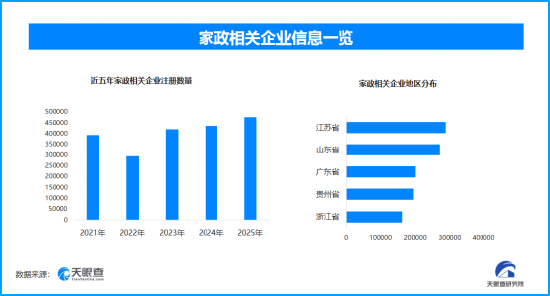
Core Insights - The profession of "organizing and storage specialists" has gained popularity and has been officially recognized as a job category, driven by rising living standards and changing consumer perceptions [1][4] - The role of organizing specialists involves more than just cleaning; it requires communication with clients, creating tailored plans, and providing personalized services that integrate aesthetics, design, and space planning [1][4] - The demand for organizing services has expanded to include offices and warehouses, indicating a trend towards professionalization and standardization in the industry [1][4] Industry Overview - As of now, there are over 3.044 million active home service-related companies in China, with an expected addition of approximately 474,000 new companies by 2025 [5] - The registration of home service-related companies has shown stable growth over the past five years, peaking in 2025, despite a decline in 2022 [5] - The distribution of home service companies is concentrated in Jiangsu, Shandong, and Guangdong provinces, with over 288,000, 271,000, and 200,000 companies respectively [2][5]
劲仔食品核心单品登陆泰国市场
Zheng Quan Ri Bao Zhi Sheng· 2026-01-29 17:10
Group 1 - The core point of the article is that Jin Zai Food Group has successfully launched its core product, quail egg snacks, in the Thai market, marking a significant step in its globalization strategy [1] - The company aims to enhance the quality of life for consumers by providing delicious and healthy snack options through its overseas brand "Jin's" and has developed a product system that includes over 60 SKUs across various categories [1] - Thailand is identified as a key market due to its mature snack market, strong consumer demand, and well-established distribution channels, making it a focal point for the company's expansion in Southeast Asia [1] Group 2 - Jin Zai Food's plant-based meat products have already gained a foothold in Thailand's 7-Eleven stores, establishing a solid market foundation and brand reputation for the upcoming quail egg product launch [2] - The company's confidence in its international expansion is bolstered by its smart manufacturing capabilities, which adhere to international standards and certifications, ensuring product quality [2] - The establishment of a full industry chain from breeding to processing strengthens product quality and aligns with the global trend towards healthier and standardized snack foods [2]