
网红品牌

Search documents
估值70亿到被申请破产审查,自嗨锅的“速热神话”为何戛然而止?
Sou Hu Cai Jing· 2026-02-06 12:37
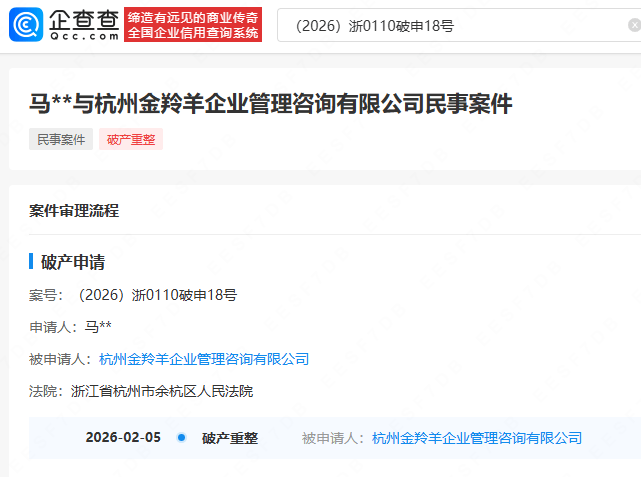
Core Viewpoint - The rise and fall of the self-heating hotpot brand "Zihai Guo" reflects the fragility of the influencer-driven fast food industry and the significant shift in consumer behavior from enthusiasm to rationality [6][9][10] Company Overview - Zihai Guo, once a leading brand in the self-heating hotpot sector, is undergoing bankruptcy review as of February 2026, initiated by an individual named Ma [1] - The company has accumulated over 140 million yuan in total execution amounts across multiple cases, indicating a severe financial crisis [3][4] Growth Journey - Zihai Guo's rise was fueled by the convenience of self-heating food products, aligning with the "lazy economy" trend, and aggressive marketing strategies, including celebrity endorsements and significant advertising investments [5][6] - The brand achieved a peak valuation of 7 billion yuan and recorded sales nearing 1 billion yuan in 2021, with a notable sales record of 5 million units sold in just ten minutes during the Double Eleven shopping festival [5][6] Decline Factors - Since 2022, Zihai Guo has experienced a nearly 20% decline in sales, dropping to 820 million yuan, with market share shrinking from 1.84% in 2022 to 1% in 2023 [6][7] - The company faced a debt crisis, with failed acquisition attempts and multiple enforcement actions due to unpaid debts, leading to its classification as a dishonest executor [6][7] Product and Market Challenges - Zihai Guo's reliance on marketing over product quality has been detrimental, with high pricing and poor product performance leading to consumer dissatisfaction [7][8] - The competitive landscape has intensified, with major food brands entering the self-heating market, resulting in price wars and reduced profit margins for Zihai Guo [8] Industry Insights - Despite Zihai Guo's struggles, the outdoor self-heating food market is projected to grow, with sales expected to exceed 18 billion yuan by 2025 and reach 35 billion yuan by 2030 [9] - The industry's growth is shifting from a "traffic-driven" model to a "quality-driven" approach, emphasizing the need for companies to focus on product development and consumer needs [9][10]

调查!四年“合作伙伴”一朝翻脸,KKV与深圳卓悦中心的租约罗生门
Hua Xia Shi Bao· 2026-01-09 03:54
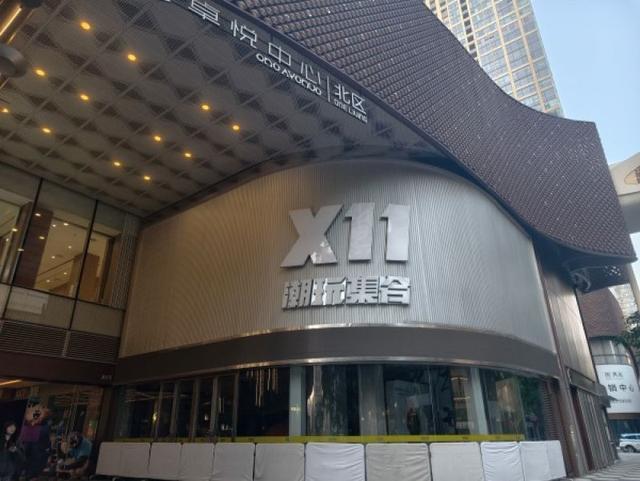
Core Viewpoint - The dispute between Shenzhen One Avenue and KKV has escalated due to allegations of unpaid performance rent and fundamental breach of contract, leading to the forced closure of KKV's store [2][4][5]. Group 1: Contractual Dispute - KKV claims that it has consistently paid the basic rent and has not defaulted on rent payments, while One Avenue asserts that KKV has failed to pay the agreed performance rent, constituting a fundamental breach of contract [2][5]. - One Avenue cites a specific clause in the lease agreement that allows for termination if KKV fails to pay performance rent for three consecutive months or accumulates six months of non-payment within a year [5][9]. - KKV argues that One Avenue has never raised concerns about unpaid performance rent during the four years of operation, suggesting that the right to terminate the contract has lapsed [5][8]. Group 2: Performance Evaluation - One Avenue claims that KKV's store has consistently underperformed, failing to meet the agreed sales targets, which has led to the issue of unpaid performance rent [5][8]. - KKV counters that the poor performance is not solely due to its management but is also influenced by low foot traffic and unfulfilled promises from One Avenue regarding brand placement and customer attraction [8][11]. - The ongoing debate highlights the challenges in the retail sector, where the initial expectations of high foot traffic and brand appeal have not materialized as anticipated [11][12]. Group 3: Industry Context - The breakdown of the partnership reflects broader changes in the retail landscape, where the previous model of attracting customers through flagship stores is becoming less effective in a market characterized by oversupply and low conversion rates [11][12]. - Experts suggest that the focus has shifted from merely attracting brands to ensuring that they contribute to stable revenue and profitability, indicating a transition in commercial real estate towards a more sustainable model [12]. - The situation underscores the need for both parties to recognize the dynamic nature of their relationship and the importance of long-term collaboration over short-term gains [12].
安徽广德传统美食吸引长三角游客 上周过境人次比去年同期增长超三分之一
Yang Guang Wang· 2025-12-04 00:51
Core Insights - Anhui Guangde has successfully developed a unique culinary trio of stewed pot, milk tea, and peach crisp, significantly boosting local tourism and consumption [1] - The total number of tourists passing through Guangde reached 573,500 last week, representing an increase of over 33% compared to the same period last year [1] Group 1: Tourism Growth - The influx of tourists has led to a dramatic increase in business for local restaurants, with some stewed pot establishments reporting a 4-5 times increase in daily customer volume, serving over 600 guests per day [3] - The popularity of the "Guangde Trio" has prompted visitors to purchase large quantities of local delicacies, with one tourist buying 24 cups of milk tea to take home [4] Group 2: Local Initiatives - Guangde city has created a hand-drawn tourist map to enhance visitor experiences, aiming to transition from one-day visits to more immersive tourism [4] - Local government officials are focused on revitalizing the brand and further exploring the cultural significance behind the "trio," with plans to maintain its popularity over time [4]
Xcel(XELB) - 2025 Q3 - Earnings Call Transcript
2025-11-19 23:02
Financial Data and Key Metrics Changes - The company reported a net loss of approximately $7.9 million for Q3 2025, or minus $2.02 per share, compared to a net loss of $9.2 million, or minus $3.92 per share in Q3 2024, indicating an improvement in loss per share [19] - Adjusted EBITDA for Q3 2025 was approximately negative $650,000, compared to negative $1 million in Q3 2024, representing a 38% year-over-year improvement [20] - Year-to-date net loss for 2025 was approximately $14.7 million, or minus $5.06 per share, compared to a net loss of $15.3 million, or minus $6.82 per share in the prior year [21] Business Line Data and Key Metrics Changes - Net licensing revenues for Q3 2025 were $1.1 million, down from $1.5 million in Q3 2024, primarily due to cautious consumer spending and lower performance in the Halston license [14][15] - Direct operating costs for Q3 2025 were $2.2 million, down 23% from the prior year quarter, reflecting cost reduction actions taken over the past two years [15][16] Market Data and Key Metrics Changes - The company noted that the transition of HSN to QVC's Pennsylvania studios disrupted sales for brands like Tower Hill by Christie Brinkley and SeaWonder, but these issues have since been resolved [11][30] - The company is focusing on domestic sourcing for new influencer-led brands to mitigate tariff impacts, particularly in food and pet products [10][25] Company Strategy and Development Direction - The company is working on new business opportunities with UTG, including leveraging their sourcing platform and retail distribution in China [9] - The launch of five new influencer-led brands is expected to drive revenue growth into 2026, with a focus on expanding into new categories [40][41] - The company is exploring potential acquisitions to enhance its brand portfolio and drive future growth [34] Management's Comments on Operating Environment and Future Outlook - Management expressed caution for Q4 2025 due to tariff impacts on QVC, HSN, and licensees, but remains optimistic about the potential for growth in 2026 [11][12] - The company believes it is well-positioned to capitalize on the shift from linear TV to digital streaming and social commerce [9] Other Important Information - The company closed a $2 million net equity offering in Q3 2025, with proceeds used to pay down loans and for general working capital [8] - As of September 30, 2025, the company had stockholders' equity of approximately $17 million and unrestricted cash of approximately $1.5 million [22] Q&A Session Summary Question: Importance of hiring Olin Lancaster as Chief Revenue Officer - Management highlighted the significance of Olin Lancaster's extensive experience and the long-standing relationship that facilitated his hiring [24] Question: Mitigation of tariff impact through domestic sourcing - Management discussed the successful signing of licenses for domestic products, which helps mitigate tariff risks [25][26] Question: Resolution of disruption with SeaWonder and Christie - Management confirmed that the issues related to vendor disruptions and HSN's relocation have been resolved [30] Question: Updates on product roadmap and brand rollouts - Management indicated that new products will start hitting the market in Q1 2026, with a focus on food products and pet accessories [32] Question: Revenue ramp expectations for the next 12 months - Management outlined a roadmap for launching new influencer-led brands and expanding into new sales channels to drive revenue growth [40][41] Question: Potential revenue outlook for 2026 - Management refrained from providing specific guidance but referenced analyst reports for potential revenue expectations [47] Question: Long-term revenue targets and brand potential - Management reaffirmed the potential for significant revenue growth from new brands, particularly in the pet and lifestyle categories [51][52]

网红瑞士卷the Roll'ING热潮渐退 与兄弟品牌合体能否扛住洗牌
Bei Jing Shang Bao· 2025-10-27 13:32
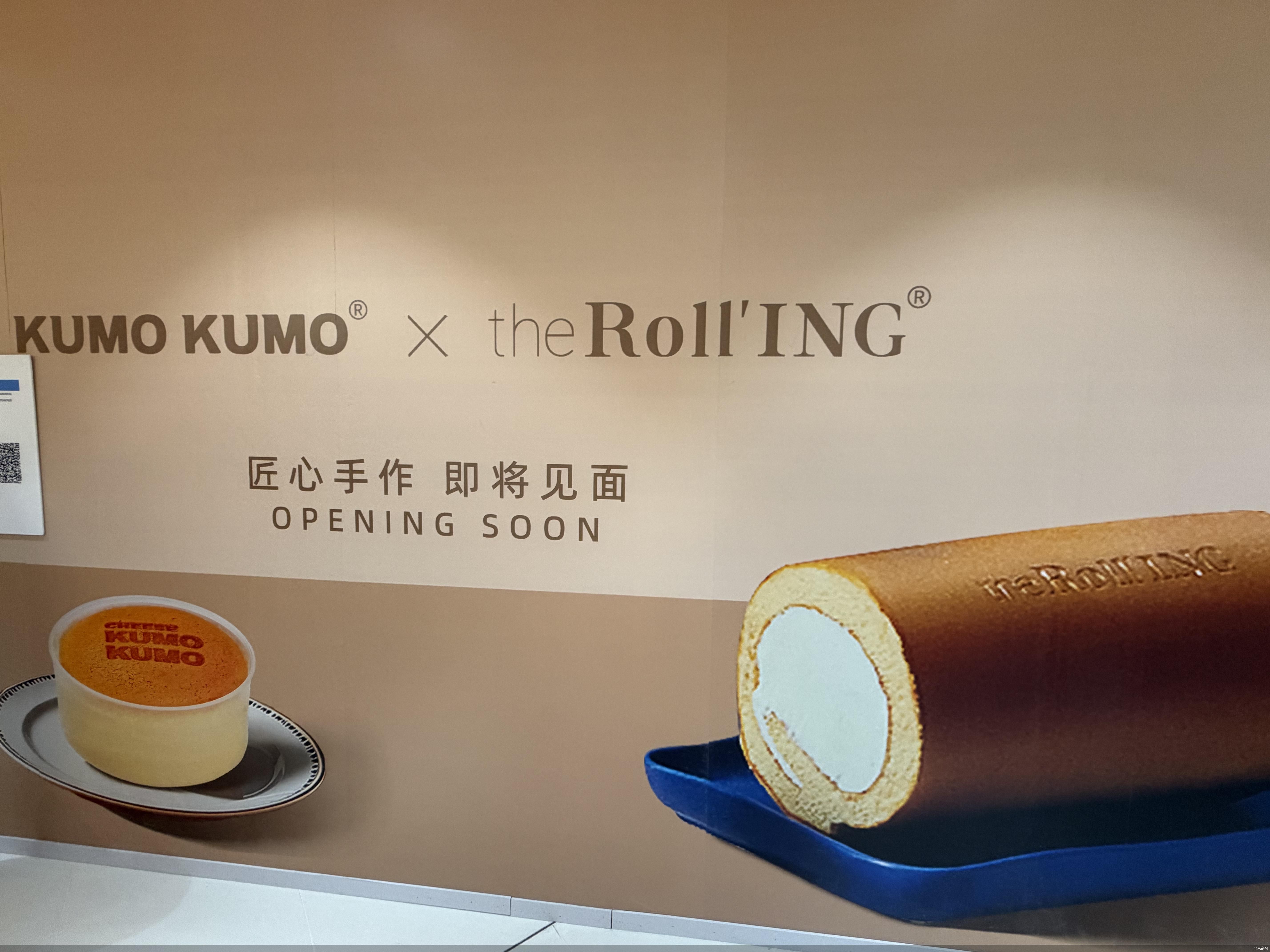
Core Insights - The brand the Roll'ING is attempting a comeback by merging with its sibling brand KUMO KUMO at the Heshenghui shopping center, following a decline in popularity and a significant reduction in store numbers in Beijing [1][5][12] Company Overview - The Roll'ING initially gained immense popularity in Beijing, with long queues and high demand, but now only has two stores left in the city, indicating a sharp decline in customer interest [1][5] - The brand's pricing strategy included selling handmade Swiss rolls for around 40-50 yuan, which at times surged to 120 yuan due to high demand [5][10] - The company has shifted its strategy to include more takeout options and promotional sampling to attract customers [5][10] Franchise and Operational Challenges - Franchisees have reported insufficient support from the brand's headquarters, leading to difficulties in maintaining profitability [11][12] - The investment required to open a franchise store is approximately 100 million yuan, with a return on investment expected in 12-14 months, heavily dependent on location [10][11] - Many franchisees are experiencing losses, with some suggesting that only well-located stores can sustain operations in the long term [11][12] Market Dynamics - The bakery industry is undergoing rapid changes, with increased competition and a trend of popular brands facing declines after initial success [12][15] - The merger of KUMO KUMO and the Roll'ING is seen as a strategy to enhance product offerings, reduce costs, and improve operational efficiency [12][14] - The overall bakery market is projected to grow, with an expected market size of 1,160 billion yuan by 2025, driven by consumer demand for emotional and experiential products [14][15] Strategic Recommendations - Experts suggest that the brands need to invest in product innovation and enhance support for franchisees to improve operational success and customer loyalty [14][15] - The focus should be on maintaining a balance between trendy offerings and consistent quality to avoid the pitfalls of becoming a fleeting trend [15]
对话尼尔森IQ:新消费浪潮下中小企业要从渠道与消费者找突破口
2 1 Shi Ji Jing Ji Bao Dao· 2025-09-23 09:39
Group 1 - The core viewpoint of the articles highlights the steady growth of consumer spending in China, with a 3.4% year-on-year increase in retail sales in August and a 9.6% increase in online retail sales from January to August [1][2] - The retail channel landscape is undergoing significant restructuring, with a tighter integration of online and offline channels, and the emergence of new retail formats such as "flash sales" and "interest e-commerce" [2][6] - New consumer brands are increasingly focusing on long-term brand building rather than short-term sales spikes driven by "internet celebrity" marketing strategies, as the initial flow of traffic begins to wane [3][4] Group 2 - Key challenges faced by small and medium-sized enterprises (SMEs) include channel transformation (42% of surveyed SMEs), building consumer loyalty (30%), and attracting first-time consumers (28%) [5] - The importance of understanding consumer needs and adapting product strategies is emphasized, as consumer preferences continue to evolve [4][5] - Companies are advised to balance long-term trends, such as technological advancements and demographic shifts, with short-term trends that reflect immediate consumer desires [7][8][9]
实探主理人网红店TWOI:有爆款二手价炒5倍 进店需预约
Xin Jing Bao· 2025-08-24 04:46
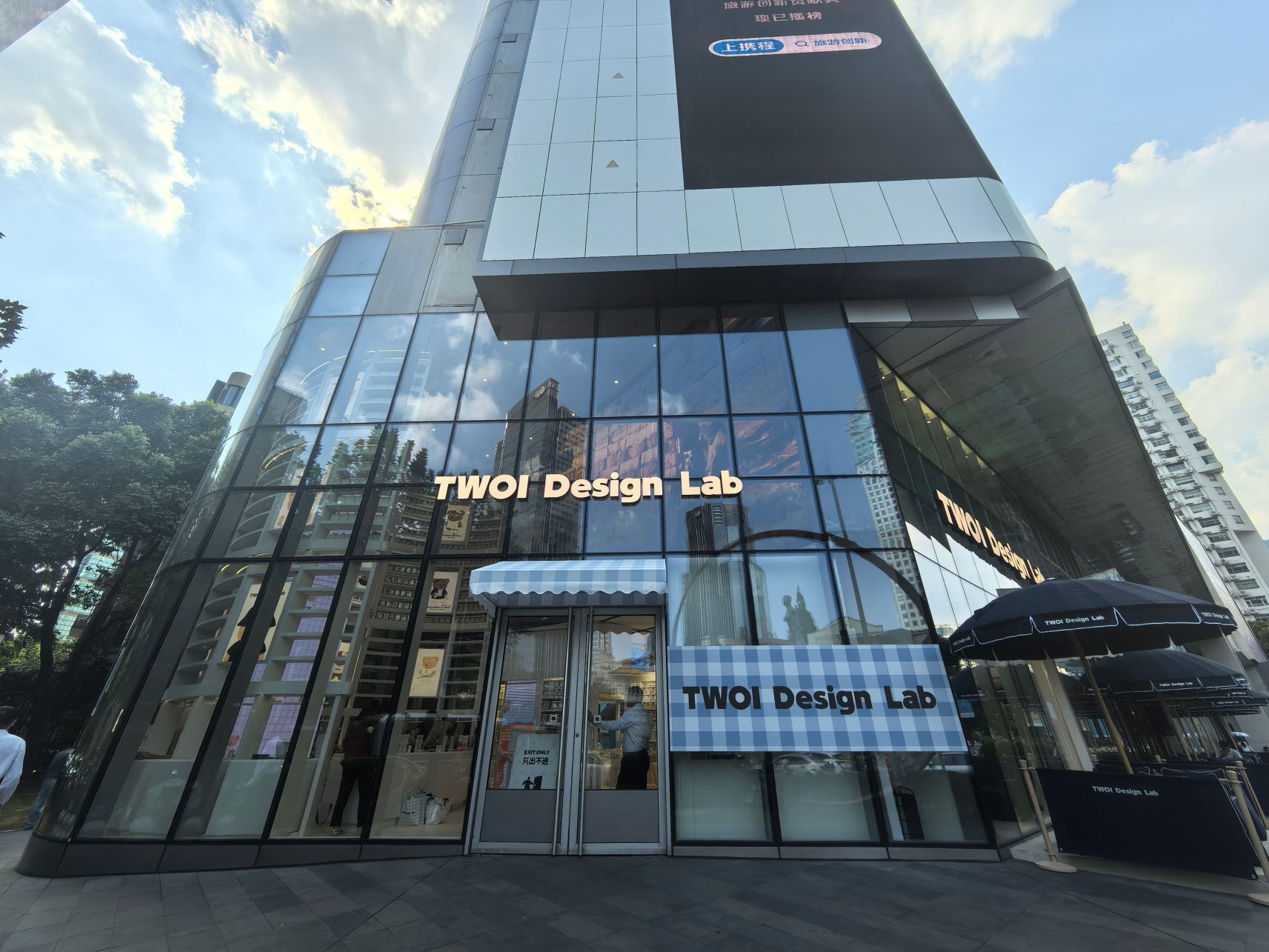
Core Insights - TWOI, a designer women's clothing brand, opened its first store in Shanghai in mid-August, generating significant customer interest and long queues on opening day [1][3] - The brand's popular product, the "werwer hairpin," has seen its resale price on second-hand platforms soar to 1.9 to 5.8 times its original price [7][8] - Following safety concerns and a temporary closure, the store implemented a reservation system for customers to manage foot traffic [1][5] Company Overview - TWOI Design Lab, founded in 2018 by Bing Xiong Xiao Ying, targets young women aged 18-28 and focuses on their diverse needs [8] - The brand entered the e-commerce market in 2022 and opened its first permanent offline store in Beijing in May 2024 [8] - TWOI's sales performance during the "6.18" shopping festival exceeded expectations, achieving a GMV of 200 million yuan [8] Store Operations - On August 22, the reopened TWOI store in Shanghai saw minimal customer traffic, with staff outnumbering shoppers [5][6] - The store has adopted a QR code reservation system to control the number of customers entering, gradually increasing the hourly capacity from 30 to 100 [5][6] - Despite the initial hype, the actual customer turnout has been less than 30% of the reserved slots [5][6]
从“雪糕刺客”到破产:那些不把消费者当人的品牌,终被市场抛弃
Sou Hu Cai Jing· 2025-07-24 18:22
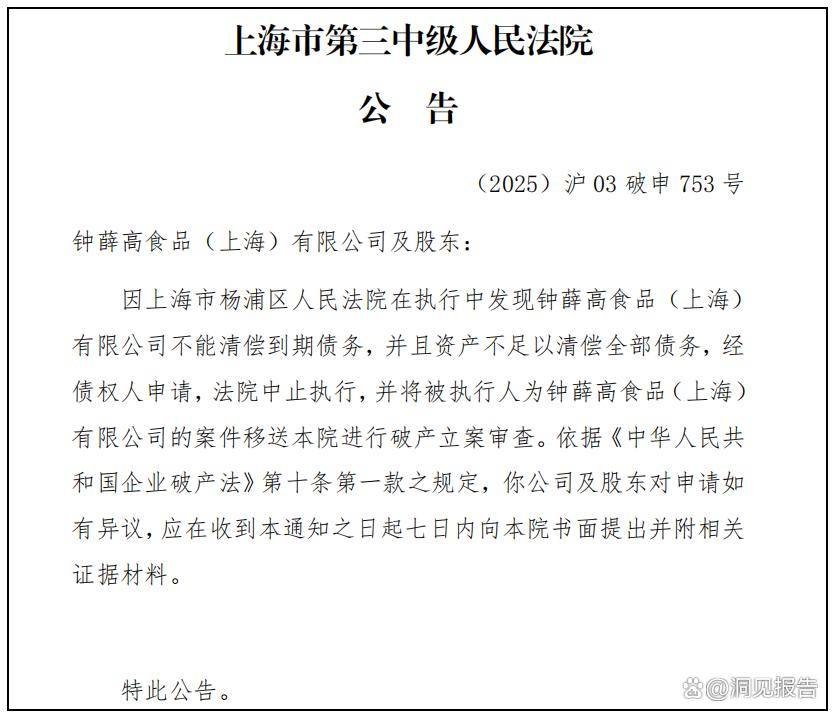
Core Viewpoint - The downfall of Zhong Xue Gao, once a leading high-end ice cream brand, is attributed to its failure to maintain product quality and integrity, leading to a loss of consumer trust and market position [2][4][7] Group 1: Company Performance - Zhong Xue Gao initially achieved significant success, selling ice cream at high prices and generating over 1 billion yuan in sales within a year [2] - The brand's image was severely damaged due to false advertising claims, such as "no added water," which were later proven to be misleading [4] - A viral video showing the ice cream not melting when heated further tarnished the brand's reputation, leading to consumer backlash [4] Group 2: Marketing and Consumer Trust - The founder's focus on marketing over product quality resulted in a disconnect with consumer expectations, particularly regarding health and ingredient transparency [4][5] - The brand's pricing strategy, which placed high-end products alongside cheaper options without clear labeling, contributed to negative consumer experiences and perceptions [4] Group 3: Industry Trends - The challenges faced by Zhong Xue Gao reflect a broader trend in the market where once-prominent brands are struggling due to a lack of respect for consumer needs and market dynamics [5][6] - Other luxury brands, such as BMW, are also experiencing significant sales declines, indicating a shift in consumer preferences towards value and quality over brand prestige [5] - The failure of brands like Zhong Xue Gao serves as a cautionary tale for companies that prioritize short-term gains over long-term consumer trust and product integrity [6][7]
昔日奶茶排队王,年轻人不想陪它演戏了
36氪· 2025-07-24 00:00
Core Viewpoint - The article discusses the decline of the tea brand Cha Yan Yue Se, which was once a top player in the tea beverage market, highlighting its struggles to maintain popularity and adapt to changing consumer preferences [1][3][36]. Group 1: Market Position and Competition - Cha Yan Yue Se was once a standout brand in the tea beverage market, known for its unique offerings and poetic branding, but has recently lost its competitive edge as new brands emerge [5][8][36]. - The brand's expansion efforts have been slow, with only a few new stores opened outside its home base, allowing competitors like Ba Wang Cha Ji to gain ground in key markets [21][25]. - Despite still being a part of local culture, the brand's popularity has waned, with many consumers no longer willing to wait in long lines for its products [14][40]. Group 2: Consumer Experience and Brand Perception - Consumers have expressed frustration with the lengthy ordering process and the brand's insistence on in-store experiences, which contrasts with the growing trend of online ordering and quick service [31][42]. - The brand's previous charm and novelty have diminished, leading to negative perceptions and complaints about its service and product offerings [19][28][36]. - Cha Yan Yue Se's attempts to innovate and expand its product line have not resonated well with loyal customers, who feel that the quality of beloved items has declined [19][36]. Group 3: Financial Performance and Growth Strategy - In 2023, Cha Yan Yue Se reported a net profit of approximately 5 billion yuan, which is competitive compared to other brands in the industry, despite its declining market presence [13]. - The company plans to open 268 new stores in 2024, marking a significant increase in its expansion efforts, particularly in new first-tier cities [25][27]. - The brand's recent foray into online sales of snacks and merchandise indicates a shift in strategy, but it has not generated the same buzz as its earlier initiatives [27][36].
“雪糕刺客”钟薛高跌落谷底 昔日网红品牌为何不再受宠?
Mei Ri Jing Ji Xin Wen· 2025-07-20 13:00
Core Insights - The ice cream brand Zhong Xue Gao's parent company has filed for bankruptcy due to inability to repay debts and insufficient assets, marking a significant decline from its peak sales of over 1 billion yuan [1][2] - Analysts suggest that the current Chinese consumer market has shifted towards rational consumption, making it difficult for mass consumer goods to command premium pricing without tangible quality differences [2][5] Company Analysis - Zhong Xue Gao was launched in 2018 as a "high-end Chinese ice cream" brand, achieving sales of over 1 billion yuan in 2021, but faced a dramatic decline in sales due to food safety controversies in 2022 [1][2] - The brand's strategy of high pricing (60 yuan) compared to competitors like Haagen-Dazs lacked perceived quality differentiation, leading to a loss of core customers when it introduced a lower-priced product [2][4] - The reliance on financing for market expansion has proven risky, as the market has shifted towards valuing cash flow and profitability over growth through external funding [2][5] Industry Trends - Many popular brands are experiencing similar declines, indicating a broader trend in the industry where high pricing strategies without substantial value propositions are failing [2][3] - Common marketing strategies among these brands include high pricing supported by cultural narratives, immersive experiences, and social media-driven marketing [3][4] - The lack of innovation beyond packaging and marketing, coupled with frequent quality control issues, has led to a loss of consumer trust [4][5] Recommendations for Future Brands - Successful brands must focus on four foundational elements: complete supply chain integrity, consistent high-quality output, strict food safety controls, and an evolving service system to enhance customer loyalty [5] - New consumer brands should learn from both successful and failed cases in the market, shift from reliance on financing to operational cash flow, and prioritize supply chain management over marketing hype [5]