
先进封装技术

Search documents
持续迭代!PCB行业受益AI高速增长
Wind万得· 2025-09-12 23:10
Core Viewpoint - The article discusses the transformative impact of AI on the PCB (Printed Circuit Board) industry, highlighting the expected market growth driven by advanced packaging technologies and increasing demand for high-performance computing [3][5][9]. Group 1: AI-Driven Growth in PCB Industry - The PCB industry is experiencing rapid growth due to the exponential increase in AI computing power, which is reshaping the industry landscape [5][6]. - The global PCB market is projected to exceed $78.6 billion by 2025, with AI servers, smart electric vehicles, and high-speed communication devices as the main growth drivers [5][6]. - The compound annual growth rate (CAGR) for PCBs used in AI servers is expected to reach 32.5%, significantly higher than the industry average [5][6]. Group 2: Technological Advancements and Requirements - The emergence of AI models has led to a surge in computing power demand, necessitating higher technical specifications for PCBs, particularly in terms of layer count and material selection [6][7]. - Advanced packaging technologies like CoWoP (Chip-on-Wafer-on-PCB) are being developed to enhance signal integrity and power efficiency, which will significantly impact the future of the PCB industry [14][15]. - The shift towards high-density interconnect (HDI) PCBs is driven by the need for high-frequency and high-speed data transmission, particularly in AI applications [6][10]. Group 3: Market Dynamics and Competitive Landscape - The AI PCB market is characterized by a concentration of high-end products, while the mid-to-low-end segments face intense competition due to lower entry barriers [16]. - Domestic companies in China are leading the AI PCB sector, benefiting from high demand and limited supply, while Japanese and Korean firms dominate the upstream materials market [16][17]. - The increasing value of AI server PCBs, which can rise from $500 to over $2,500, indicates a significant shift towards high-end PCB products [9][16]. Group 4: Capital Dynamics and Investment Trends - The PCB industry is witnessing a shift from scale expansion to high-end development, driven by innovations in 5G communication, AI computing, and automotive electronics [17]. - Investment activities in the PCB sector are primarily focused on upstream materials and equipment, with significant opportunities for growth [17][18]. - Recent financing events in the PCB sector indicate a growing interest in companies that can meet the rising demand for advanced PCB technologies [18][20].



台积电被迫提前生产计划!
国芯网· 2025-09-12 14:28
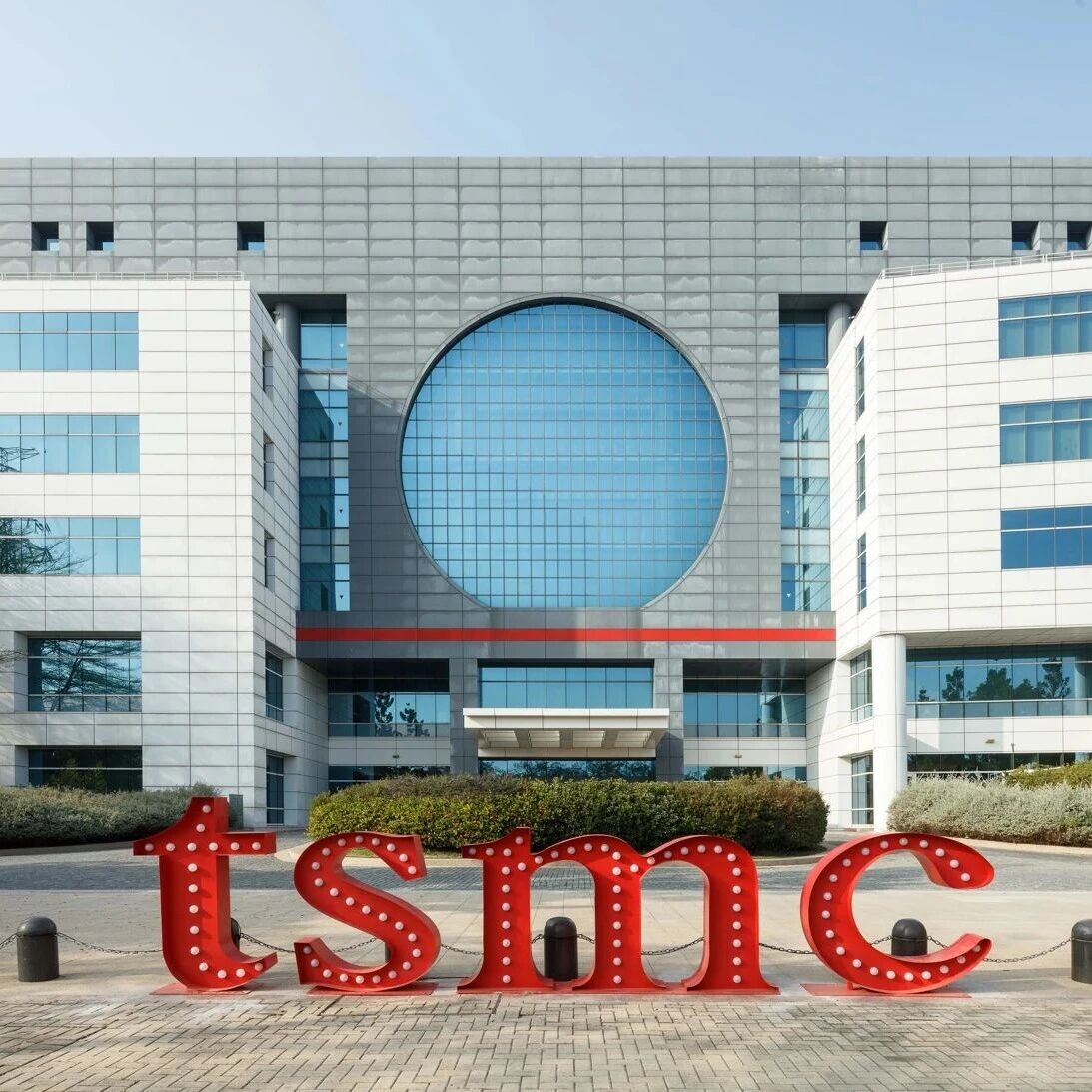
Core Viewpoint - The rapid development of AI chips by companies like NVIDIA has led to a surge in demand for advanced packaging services from TSMC, forcing the company to accelerate its production plans significantly [2][4]. Group 1: Market Demand and Production Challenges - TSMC is a leading supplier in advanced packaging technologies such as CoWoS, but it is currently unable to meet the overwhelming market demand on its own [4]. - The company has been compelled to speed up its production processes by more than 75%, and in some cases, by up to a year, deviating from traditional sequential deployment methods [4]. - The product cycles for AI GPU manufacturers like NVIDIA typically range from 6 months to a year, resulting in a sustained high demand for advanced packaging technologies like CoWoS and SoIC [4]. Group 2: Strategic Responses - To address these challenges, TSMC is implementing several forward-looking strategies, including pre-ordering necessary equipment and collaborating with local packaging suppliers [4]. - TSMC has formed a "3DIC Advanced Packaging Manufacturing Alliance," which includes members such as TSMC, ASE, and several other companies, to enhance its production capabilities [4]. - The introduction of NVIDIA's Rubin product line, which will debut six months after the Blackwell Ultra, highlights the need for timely delivery and adaptation to significant architectural differences between product lines [4].

博通季报指引定制芯片景气提升,先进封装技术有望推动后端设备强劲增长 | 投研报告
Zhong Guo Neng Yuan Wang· 2025-09-12 01:24
Market Overview - The Shenwan Electronics Industry Index fell by 4.57% from September 1 to September 5, ranking 28th among 31 industries, underperforming the CSI 300 Index by 3.76% [2] Company Performance - Broadcom reported a revenue of $15.95 billion for the third fiscal quarter of 2025, a year-on-year increase of 22%, exceeding company guidance [3] - AI semiconductor revenue grew by 63% year-on-year to $5.2 billion, surpassing market expectations and previous quarter growth rates [3] - The company expects fourth-quarter revenue growth to accelerate to nearly 24% year-on-year, with AI semiconductor revenue projected to reach $6.2 billion, a 66% year-on-year increase [3] Industry Trends - Advanced packaging technology is expected to drive strong growth in the backend equipment market, benefiting from increased demand for AI and high-performance computing [4] - The total revenue for backend equipment is projected to reach approximately $6.9 billion by 2025 and grow to $9.2 billion by 2030, with a compound annual growth rate (CAGR) of 5.8% [4] Equipment Market Insights - The revenue from TCB bonding machines is expected to grow from $542 million in 2025 to $936 million by 2030, with a CAGR of 11.6% [5] - The global semiconductor equipment revenue reached $33.07 billion in Q2 2025, a year-on-year increase of 24% [5] - China contributed over 60% of global semiconductor equipment revenue in the first half of 2025, amounting to $21.62 billion [5] Investment Strategy - Companies to watch in the domestic AI industry chain include Cambricon, Haiguang Information, and ZTE Corporation [6] - Suggested focus on semiconductor equipment and advanced process foundries such as SMIC and Hua Hong Semiconductor [6]

苏州晶方半导体科技股份有限公司关于2025年半年度业绩说明会召开情况的公告
Shang Hai Zheng Quan Bao· 2025-09-05 21:43
Core Viewpoint - The company held a semi-annual performance briefing on September 5, 2025, to discuss its operational results, financial indicators, and development strategies with investors, addressing common concerns raised by shareholders [1][2]. Group 1: Company Performance - In the first half of 2025, the company achieved a sales revenue of 667 million yuan, representing a year-on-year growth of 24.68% [3]. - The net profit attributable to the listed company was 165 million yuan, an increase of 49.78% year-on-year, while the net profit after deducting non-recurring gains and losses was 151 million yuan, up 67.28% year-on-year [3]. Group 2: Business Expansion and Strategy - The company is actively developing its GaN (gallium nitride) business through its investment in the Israeli company VisIC, which is working on automotive inverter solutions [4]. - The Malaysian production base in Penang has completed land and factory purchases and is currently designing and constructing a cleanroom, with sample production expected to begin in the second half of 2026 [6][8]. Group 3: Market Position and Technology - The company is a leader in wafer-level TSV packaging technology and is focusing on the smart sensor chip market, which is projected to grow significantly due to advancements in AI and automotive technologies [10]. - The global image sensor (CIS) market is expected to grow to 28.6 billion USD by 2029, with a compound annual growth rate of 4.7% from 2023 to 2029 [10]. Group 4: Shareholder Concerns - The company clarified that the recent share reductions by major shareholders are based on personal financial needs and do not reflect a lack of confidence in the company's future [5][7]. - The company emphasized that it is committed to effective market value management to align its market capitalization with operational performance [7].

芯碁微装:需求旺盛产能满载 预计PCB设备行业景气周期将结构性延长
Zheng Quan Shi Bao Wang· 2025-09-05 10:17
Core Viewpoint - The company has experienced significant growth in revenue and net profit due to the recovery in the global semiconductor and high-end manufacturing industries, achieving historical highs in performance metrics [1] Group 1: Financial Performance - In the first half of the year, the company recorded operating revenue of 654 million yuan, a year-on-year increase of 45.59%, and a net profit of 142 million yuan, up 41.05% year-on-year, both reaching historical highs for the same period [1] - The company's operating cash flow was negative at -105 million yuan, further declining year-on-year, primarily due to increased raw material procurement in response to surging orders and extended payment cycles from some clients [2] Group 2: Production and Capacity - The company has been operating at full capacity since March, with a record monthly shipment of over 100 units in March and a nearly 30% month-on-month increase in April [1] - The second phase of the company's production facility is set to commence operations this month, which will significantly enhance the annual production capacity of high-end direct-write lithography equipment [1] Group 3: Product Development - The company's MAS4 equipment has completed pilot testing with several leading clients, achieving a minimum line width of 3-4 μm, and is now in small batch delivery [2] - The self-developed CO2 laser drilling equipment is undergoing mass production validation with major clients, with expected order growth driven by downstream expansion needs by 2025 [2] Group 4: Market Strategy and Trends - The company is focusing on expanding its overseas presence, particularly in Southeast Asia, with ongoing progress in establishing a subsidiary in Thailand [3] - The company anticipates a structural extension of the PCB equipment industry's boom cycle, driven by the explosive demand for AI computing power and advancements in packaging technologies [3]

晶方科技(603005):25H1业绩同比高增,车规CIS与新兴应用驱动盈利提升
Great Wall Securities· 2025-09-05 06:07
Investment Rating - The report maintains a "Buy" rating for the company, indicating an expected stock price increase of over 15% relative to the industry index in the next six months [4][19]. Core Viewpoints - The company achieved significant year-on-year growth in H1 2025, with revenue reaching 667 million yuan, up 24.68%, and net profit increasing by 49.78% to 165 million yuan [1][2]. - The company's gross margin improved to 45.08%, up 1.66 percentage points year-on-year, while the net profit margin rose to 23.91%, an increase of 3.20 percentage points [2]. - The semiconductor market is experiencing a recovery, with the global semiconductor market size reaching $346 billion in H1 2025, a year-on-year increase of 18.9% [8]. Financial Performance Summary - Revenue projections for the company show a growth trajectory from 913 million yuan in 2023 to 2,490 million yuan by 2027, with a compound annual growth rate (CAGR) of 21.5% [1]. - Net profit is expected to grow from 150 million yuan in 2023 to 625 million yuan in 2027, reflecting a CAGR of 21.4% [1]. - The company's return on equity (ROE) is projected to improve from 3.8% in 2023 to 11.3% in 2027 [1]. Market and Technology Insights - The company is focusing on advanced packaging technology and expanding its market presence in automotive CIS and emerging applications such as AI glasses and robotics [3]. - The global semiconductor packaging market is expected to grow, with advanced packaging projected to reach $47.6 billion by 2025, driven by demand from smart automotive and AI applications [8]. - The company is enhancing its technological capabilities through strategic partnerships and leading national research projects, which are expected to drive future growth [3].
科技投资关“建”词 | “科技+”的力量之硬件篇
Zhong Guo Zheng Quan Bao· 2025-09-03 23:42
Group 1 - The technology sector in A-shares continues to perform well, with a focus on systematic investment strategies in the technology field [1] - The underlying hardware systems are crucial for advancements in AI and autonomous driving, with computing power being likened to "oil" in the digital age [3] - China still relies on imports for high-end chips, advanced manufacturing equipment, and key materials, but technological breakthroughs and policy support are accelerating the restructuring of the semiconductor industry [6] Group 2 - The concept of "storage-compute integration" is emerging, which allows for data processing at the storage unit level, addressing the challenges of power consumption and latency in traditional computing architectures [9] - Advanced packaging technology, particularly optical-electrical co-packaging, is becoming essential for improving data transmission efficiency and reducing losses, with significant market growth potential [13] - The focus on semiconductor leaders and technology innovation is critical for capturing investment opportunities in the tech sector [14]

美国迎来一座大型封装厂
半导体行业观察· 2025-09-03 01:17
Core Viewpoint - Amkor Technology is set to build a $2 billion advanced packaging and testing facility in Peoria, Arizona, expected to begin production in early 2028, marking a significant step in the U.S. semiconductor supply chain [2][3] Group 1: Facility and Investment - The new facility will occupy 104 acres and aims to address the bottleneck in semiconductor packaging, which has been a limiting factor for companies like Nvidia in producing AI chips [2] - The project received approval from the Peoria City Council on August 29, with plans modified to utilize a larger site in the city's innovation core [2] Group 2: Industry Context - The facility represents a major shift in the U.S. semiconductor landscape, as it aims to catch up with the advanced packaging capabilities predominantly held by Taiwan and South Korea [2] - Amkor's new plant will support high-performance packaging platforms, including TSMC's CoWoS and InFO technologies, which are critical for Nvidia's data center GPUs and Apple's latest chips [3] Group 3: Strategic Partnerships and Support - TSMC has signed a memorandum to transfer its packaging operations from its Phoenix fab to Amkor, reducing the turnaround time for wafers that currently takes weeks to return from Asia [3] - The expansion is partially funded by the CHIPS Act, which includes $407 million and federal tax incentives, aimed at maintaining the U.S. position in the increasingly complex chip industry [3] Group 4: Challenges Ahead - Despite the progress, the opening date in 2028 indicates that the industry may continue to face challenges, particularly in alleviating GPU shortages and AI server bottlenecks, which still rely on established Asian packaging lines [3] - Amkor faces a significant workforce challenge, with an estimated shortage of 70,000 to 90,000 workers needed for all planned U.S. fabs, highlighting the ongoing talent crisis in the semiconductor sector [3]


【太平洋科技-每日观点&资讯】(2025-09-02)
远峰电子· 2025-09-01 11:46
Market Performance - The main board led the gains with notable increases in stocks such as Wento Holdings (+10.15%), Jishi Media (+10.11%), and Xinhua Du (+10.07%) [1] - The ChiNext board saw significant growth with Xuanji Information (+20.06%) and Zhongrong Electric (+20.00%) leading the charge [1] - The Sci-Tech Innovation board also experienced a surge, with Tengjing Technology and Yuanjie Technology both increasing by 20.00% [1] - Active sub-industries included SW Communication Network Equipment and Devices (+8.74%) and SW Other Communication Equipment (+3.60%) [1] Domestic News - Aibang ARAI launched its first AI glasses at a retail price of RMB 1,599, featuring replaceable lenses and advanced stabilization algorithms [1] - In the semiconductor sector, Innosilicon reported a revenue of RMB 553 million for the first half of 2025, marking a 43.4% year-on-year increase and a gross margin improvement of 28.4 percentage points [1] - Alibaba Cloud responded to rumors regarding a purchase of 150,000 GPUs from Cambricon, clarifying that the information was inaccurate [1] - Aisen Co. announced that its self-developed positive PSPI photoresist has entered small-scale production with mainstream wafer customers [1] Overseas News - TrendForce reported that the global wafer foundry market is expected to reach USD 41.7 billion in Q2 2025, a 14.6% increase from the previous quarter, driven by consumer subsidy plans in China [1] - Canon showcased its 410-megapixel image sensor at an exhibition, featuring a resolution of 24,592 x 16,704 pixels [1] - Mitsubishi Chemical and Boyan Electronics announced a strategic partnership for the joint development of color photoresists for LCD panels in the Chinese market [1] - Yole Group's report indicated that advanced packaging technology is driving strong growth in the backend equipment market, with total revenue projected to reach USD 6.9 billion by 2025 [1]

半导体超高密度3D铜互连电镀液技术与市场发展
2025-08-31 16:21
Summary of Semiconductor Industry and 3D Copper Interconnect Plating Technology Industry Overview - The semiconductor industry is experiencing significant advancements in 3D interconnect technology, which enhances signal transmission efficiency and compact chip design, catering to the miniaturization needs of mobile electronic products [1][2][17]. Key Technologies and Processes - **Damascus Process**: A critical technology in semiconductor manufacturing that constructs high-precision copper lines by first building a metal layer and then polishing it, particularly effective in processes of 7nm and below, improving wafer yield [1][3][4]. - **Copper Interconnect Plating Solution**: Composed of copper sulfate as the main salt and additives, this solution forms a uniform metal layer on the substrate through electrolysis, offering cost advantages over CVD/PVD methods, making it suitable for large-scale integrated circuit manufacturing [1][5][24]. - **Pre-treatment Steps**: Essential for semiconductor processes, including wafer cleaning and the deposition of barrier layers to prevent copper diffusion, ensuring proper circuit functionality [9][10]. Market Dynamics - The copper plating solution market is expanding due to the increasing demand for advanced processes and high-end packaging, with copper plating solutions holding a dominant market share exceeding 60% [24][30]. - Major international players in the copper plating solution market include Dow, Atotech, and various Japanese companies, while domestic companies like Shanghai XinYang are also making significant strides [32][33]. Advanced Packaging Technologies - **Flip-Chip Packaging**: Enhances space utilization and allows for vertical stacking of multiple functional modules, significantly improving integration density and performance [18]. - **TSV (Through-Silicon Via) Technology**: Facilitates vertical interconnection between chips, allowing for higher integration and smaller package sizes, crucial for applications like AI and high-performance computing [19][22]. Emerging Trends - The market for semiconductor plating solutions, particularly copper plating, is expected to grow as advanced packaging and process requirements increase, with a stable supply chain and limited competition among suppliers [24][26]. - The development of high-speed plating solutions is underway, focusing on special additives to enhance deposition rates while preventing crystallization issues [43]. Challenges and Opportunities - The semiconductor industry faces challenges in maintaining high purity and functionality in plating solutions, particularly for low-nanometer processes, which require advanced materials and technologies [30][45]. - Domestic companies are rapidly adapting to market needs, providing competitive advantages through efficient product development and local supply chains [44]. Conclusion - The semiconductor industry is poised for growth driven by advancements in 3D interconnect technology and copper plating solutions, with significant opportunities for innovation and market expansion in the coming years [24][26].