
红利风格

Search documents
每日报告精选-20251017
GUOTAI HAITONG SECURITIES· 2025-10-17 09:30
Macroeconomic Insights - In September 2025, the total social financing (TSF) stock growth rate slightly decreased to 8.7%, down from 8.8% in the previous month, with new TSF amounting to 3.53 trillion yuan, a year-on-year decrease of 229.7 billion yuan[5] - The M2 growth rate fell to 8.4% in September, compared to 8.8% previously, while M1 growth rebounded to 7.2% from 6.0%[6] - The loan balance decreased to a year-on-year growth of 6.6%, down from 6.8%[5] Credit and Financing Trends - New credit in September was 1.29 trillion yuan, a year-on-year decrease of 300 billion yuan, with both corporate and household loans continuing to decline[6] - Corporate short-term loans were the main support, reflecting a trend where local governments used short-term loans to settle debts owed to enterprises[6] - The issuance of government bonds slowed, reducing fiscal support for monetary growth, while corporate foreign exchange settlements also slowed down[7] Automotive Industry Performance - In September 2025, domestic heavy truck sales reached 106,700 units, a year-on-year increase of 18%, with September sales of 106,000 units representing an 83% increase year-on-year[19] - The penetration rate of new energy heavy trucks is expected to reach 15% by 2025, driven by technological advancements and cost reductions[19] - The average retail price of passenger cars in September was 176,000 yuan, reflecting a year-on-year increase of 6.8% and a month-on-month increase of 3.6%[26] Investment and Profitability Outlook - China Pacific Insurance expects a net profit growth of 40%-60% year-on-year for the first three quarters of 2025, driven by underwriting profits and investment income[33] - TSMC's revenue forecast for FY2025 is adjusted to 3.7979 trillion NTD, with a GAAP net profit of 1.6817 trillion NTD, reflecting strong demand for advanced processes[38] - Huatai Securities has launched the AI Zhilue APP, enhancing customer interaction and potentially increasing market share in brokerage services[41]



事件点评:《存款流向非银为何减速——9月金融数据点评》
GUOTAI HAITONG SECURITIES· 2025-10-17 02:38
Group 1: Financial Data Insights - The significant point of focus in the September financial data is the substantial decrease in non-bank deposits, attributed mainly to a high base from the previous year and a turbulent stock market in September 2025, which likely contributed to the reduced non-bank deposits [1][26][27] - In September, the total social financing (社融) decreased by 2,297 billion yuan year-on-year, with new social financing amounting to 35,338 billion yuan, which was below market expectations [2][27] - The new RMB loans in September were 12,900 billion yuan, a year-on-year decrease of 3,000 billion yuan, indicating a continued weak credit environment [3][27] Group 2: Company-Specific Insights on 德昌电机控股 (Johnson Electric) - 德昌电机控股 is positioned to benefit from the growth in humanoid robot components manufacturing, leveraging its established advantages in the electric motor sector and its extensive overseas presence [6][20][21] - The company is expected to see a steady increase in net profit, projected at 2.81 billion USD for 2026, 3.22 billion USD for 2027, and 3.55 billion USD for 2028, reflecting growth rates of 7%, 15%, and 10% respectively [6][20] - The automotive small motor market is anticipated to grow, with the average selling price (ASP) of small motors in smart electric vehicles expected to increase by 50% compared to traditional fuel vehicles, driven by advancements in various vehicle systems [8][21]
主动量化组合跟踪:近期量化指增策略的回调复盘与归因分析
SINOLINK SECURITIES· 2025-10-16 14:58
- The recent phenomenon of "strong index, weak quantitative Alpha" is attributed to style mismatches, with cumulative excess returns driven by small-cap and short-term momentum factors initially, and later by analyst consensus expectations and growth styles[2][3] - The Guozheng 2000 Index enhancement strategy involves factor testing and selection, including technical, reversal, and idiosyncratic volatility factors, which have shown excellent performance in the Guozheng 2000 Index constituents[4] - The machine learning index enhancement strategy based on multiple objectives and models uses GBDT and NN models, trained on different feature datasets and combined to construct a GBDT+NN stock selection factor, which has performed well across various broad-based indices in the A-share market[5] - The dividend style timing + dividend stock selection fixed income+ strategy uses 10 indicators related to economic growth and monetary liquidity to construct a dynamic event factor system for dividend index timing, showing significant stability improvement compared to the CSI Dividend Index total return[6] - The Guozheng 2000 Index enhancement factor's IC mean is 12.54%, with a T-statistic of 12.56, indicating good predictive performance[4] - The GBDT+NN machine learning stock selection factor in the CSI 300 constituents has an IC mean of 11.43% and an annualized excess return of 15.39%[43] - The GBDT+NN machine learning stock selection factor in the CSI 500 constituents has an IC mean of 9.77% and an annualized excess return of 29.48%[48] - The GBDT+NN machine learning stock selection factor in the CSI 1000 constituents has an IC mean of 13.49% and an annualized excess return of 16.10%[53] - The Guozheng 2000 Index enhancement strategy has an annualized excess return of 13.18% and an IR of 1.73[38] - The GBDT+NN CSI 300 Index enhancement strategy has an annualized excess return of 10.86% and an IR of 1.81[47] - The GBDT+NN CSI 500 Index enhancement strategy has an annualized excess return of 10.27% and an IR of 1.71[52] - The GBDT+NN CSI 1000 Index enhancement strategy has an annualized excess return of 15.83% and an IR of 2.34[57] - The dividend stock selection strategy has an annualized return of 18.83% and a Sharpe ratio of 0.89[58] - The dividend timing strategy has an annualized return of 13.58% and a Sharpe ratio of 0.88[58] - The fixed income+ strategy has an annualized return of 7.34% and a Sharpe ratio of 2.17[58]
顺周期品种受青睐 红利低波ETF、红利ETF成交额均创年内新高
Xin Lang Ji Jin· 2025-10-15 06:06
Core Viewpoint - The market is shifting towards dividend styles as the technology growth sector experiences a pullback, leading to increased trading volumes in dividend ETFs [1][2]. Fund Performance - The Dividend ETF (510880) and the Low Volatility Dividend ETF (512890) have seen significant trading activity, with single-day trading volumes reaching 1.508 billion and 1.186 billion respectively on October 14, 2025, marking new highs for 2025 [1][2]. - The Low Volatility Dividend ETF (512890) has attracted substantial capital inflows, with net inflows of 671 million and 607 million on October 13 and 14, 2025, making it one of the few dividend-themed ETFs to exceed 600 million in inflows for two consecutive days [2]. - The fund size of the Low Volatility Dividend ETF (512890) has increased by 1.102 billion shares and 1.794 billion yuan this week, reaching a total fund size of 22.257 billion yuan on October 14, 2025 [2]. - The Dividend ETF (510880) has also shown positive growth, with its fund size reaching 20.061 billion yuan, marking nearly three consecutive weeks of growth since September 29, 2025 [3]. Market Trends - The dividend yield of both the Dividend Index and the Low Volatility Dividend Index remains attractive compared to the 10-year government bond yield, with historical premiums of 55.48% and 60.67% respectively, appealing to long-term investors seeking enhanced returns [4]. - The upcoming third-quarter earnings reports from A-share listed companies are expected to catalyze interest in high-dividend assets, potentially further boosting the dividend style in the market [4]. Investor Engagement - The Dividend ETF (510880) has reached 421,800 account holders, making it the only dividend-themed ETF in the market with over 400,000 holders [5]. - The Low Volatility Dividend ETF (512890) has a cumulative holder count of 1,163,100, also exceeding 1 million holders, indicating strong investor interest [5]. Fund Management - The Dividend ETF (510880) has distributed over 4 billion yuan in dividends since its inception, with a total of 42.98 billion yuan in cumulative dividends [6]. - Huatai-PineBridge Fund, a pioneer in ETF management, has over 18 years of experience in dividend-themed index investments, managing a total of 44.949 billion yuan across its dividend-themed ETFs [6].
净申购额超560亿元!大量资金借道ETF入市
Shang Hai Zheng Quan Bao· 2025-10-15 00:43
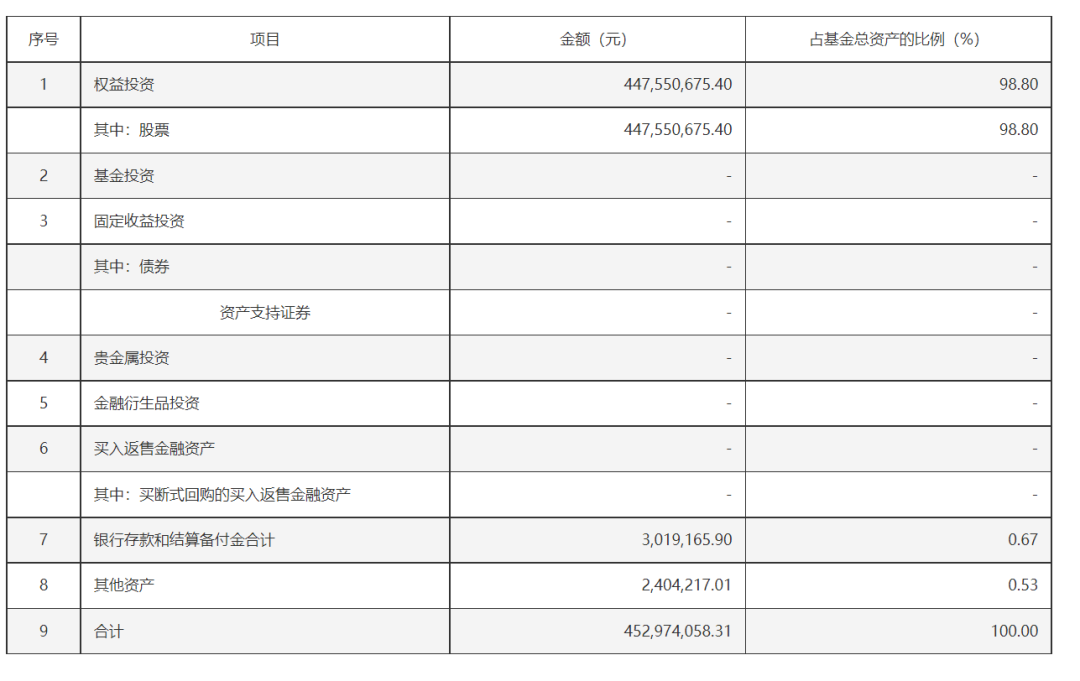
Group 1 - A significant influx of capital into equity ETFs has been observed, with net subscriptions exceeding 56 billion yuan over two trading days [1] - On October 10, the net subscription amount for equity ETFs reached 31.49 billion yuan, marking one of the highest single-day figures this year [1] - On October 13, an additional 20 billion yuan was invested, bringing the net subscription for that day to 24.61 billion yuan [1] Group 2 - Various broad-based ETFs attracted substantial investments, including the Huaxia SSE Sci-Tech 50 ETF with a net subscription of 2.14 billion yuan and the E Fund SSE Sci-Tech 50 ETF with 1.33 billion yuan [2] - Industry-specific ETFs also saw strong demand, such as the Southern CSI Nonferrous Metals ETF with 2.27 billion yuan and the Huabao CSI Bank ETF with 1.62 billion yuan [2] - The total net subscription for Hong Kong stock-themed ETFs reached 12.04 billion yuan, with several ETFs exceeding 800 million yuan in subscriptions [2] Group 3 - Newly launched equity funds have also become important tools for capital entry, with the Penghua Manufacturing Upgrade Mixed Fund receiving over 2 billion yuan in effective subscription applications [2][3] - The E Fund Hong Kong Stock Connect Technology Mixed Fund had a high confirmation ratio of 95.94% for its 2 billion yuan fundraising limit [3] Group 4 - Recently launched ETFs are quickly deploying capital, with the Chuangjin Hexin CSI State-Owned Enterprises Dividend ETF achieving a stock investment ratio of 98.8% shortly after its establishment [4] - Fund companies are actively purchasing their own equity funds, indicating confidence in the long-term stability of the Chinese capital market [4] Group 5 - External asset management firms suggest that investors should not be overly concerned about market volatility, as A-shares still hold significant allocation value [5] - The dividend style remains an important focus for investors, especially given its relative underperformance this year [5] Group 6 - The technology sector, particularly AI-related companies, is expected to maintain high investment value despite potential short-term adjustments [6] - The current market fluctuations may provide favorable investment opportunities, particularly for sectors that have previously seen high price increases [6]
大量资金 借道ETF入市
Shang Hai Zheng Quan Bao· 2025-10-14 15:01
Core Viewpoint - A significant influx of capital into equity ETFs has been observed during recent market fluctuations, with net subscriptions exceeding 56 billion yuan in just two trading days [1][2]. Fund Inflows - On October 10, the net subscription amount for equity ETFs reached 31.49 billion yuan, marking one of the highest single-day inflows this year, second only to the days following institutional announcements in April [2]. - On October 13, an additional 24.61 billion yuan flowed into equity ETFs, with several broad-based ETFs attracting substantial investments, including 2.14 billion yuan for the Huaxia Shanghai Stock Exchange Sci-Tech Innovation Board 50 ETF and 1.33 billion yuan for the E Fund version [2]. - Industry-specific ETFs also saw strong inflows, with the Southern CSI Shenwan Nonferrous Metals ETF attracting 2.27 billion yuan and the Huabao CSI Bank ETF receiving 1.62 billion yuan [2]. Market Performance - The total net subscription for Hong Kong-themed ETFs reached 12.04 billion yuan, with several funds exceeding 800 million yuan in net subscriptions [3]. - Trading volumes for various ETFs surged, with the E Fund Growth Enterprise Board ETF recording a transaction volume of 7.24 billion yuan on October 14 [3]. New Fund Launches - Newly launched equity funds have also become important tools for capital entry, with several funds reporting oversubscription. For instance, the Penghua Fund's manufacturing upgrade mixed fund had effective subscription applications exceeding its 2 billion yuan cap [3]. - The E Fund's Hong Kong Stock Connect Technology Mixed Fund also saw a high confirmation rate of 95.94% for its 2 billion yuan cap [3]. High Fund Positions - Newly launched ETFs are quickly deploying capital, with the Chuangjin Hexin CSI State-Owned Enterprises Dividend ETF achieving a stock investment ratio of 98.8% shortly after its establishment [4]. - The Fortune Shanghai Stock Exchange Sci-Tech Innovation Board 100 ETF, established on September 29, reported a 38.23% equity investment ratio as of October 10 [5]. Fund Company Actions - Fund companies are actively purchasing their own equity funds, with Yongying Fund announcing a 10 million yuan investment in its Value Return Mixed Fund, reflecting confidence in the long-term stability of the Chinese capital market [6]. - Guotai Fund also committed to investing at least 12 million yuan in its Guotai Qiming Return Mixed Fund, indicating a similar outlook [6]. Market Outlook - Foreign public fund Lianbo Fund expressed that investors should not be overly concerned about market volatility, as A-shares still hold high allocation value, suggesting that the current market fluctuations may present investment opportunities [8]. - Long-term expectations remain positive, with factors such as declining risk-free interest rates and improved profit forecasts supporting a favorable outlook for the stock market [8].

红利王者归来!标普红利ETF(562060)单日吸金超4000万,机构:红利占优行情或重启
Xin Lang Ji Jin· 2025-10-14 09:39
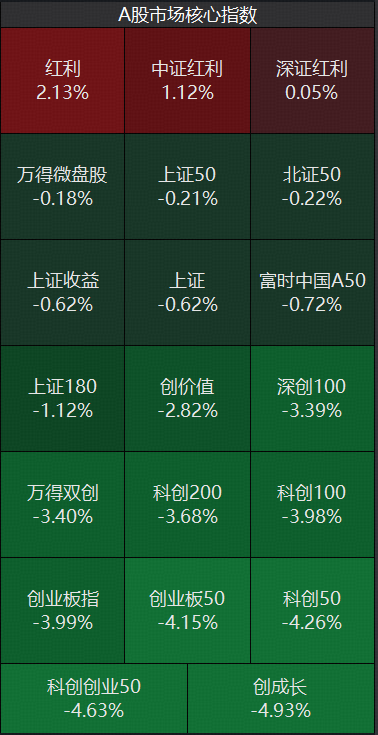
Core Viewpoint - The A-share market is experiencing adjustments, with the dividend style showing strong performance amidst the fluctuations of major indices [1][5]. Market Performance - The S&P A-share Dividend Index rose by 0.49% on October 14, with a cumulative increase of 1.97% for the month [2][5]. - The performance of various indices shows a stark contrast, with the dividend indices (CSI Dividend and Shenzhen Dividend) gaining 2.13% and 1.12% respectively, while other indices like the ChiNext Index and the Innovation Index saw declines of up to 4.63% [2][5]. Investment Trends - There is a notable shift in capital from high-valuation sectors to low-valuation areas, indicating a "high-cut-low" trend that may accelerate, with the dividend sector likely to benefit significantly [5][8]. - Over 70% of the constituent stocks in the S&P A-share Dividend Index recorded positive returns, highlighting the strong earning effect of dividend assets [5][6]. Notable Stocks - Key performers among the top dividend stocks include: - Chongqing Rural Commercial Bank: +5.92% - Luzhou Laojiao: +4.20% - Xiamen Bank: +4.04% [6]. External Factors - The marginal recovery in foreign capital inflow and rising CDS spreads indicate increased foreign concerns regarding domestic assets [8]. - The current economic environment, characterized by declining social financing growth and negative CPI growth, suggests that the dividend advantage may be reestablished [8][9]. Historical Performance - The S&P A-share Dividend Index has shown resilience in turbulent markets, with a cumulative return of 2547.94% from 2005 to September 2025, and an annualized return of 17.73% [8][9]. - The index's dividend yield remains attractive at 5.14%, with characteristics of high dividends, low valuations, and liquidity premiums in small and mid-cap stocks [9][10]. Future Outlook - Multiple factors are expected to support the continued performance of dividend strategies, including policy support for enhanced dividend mechanisms and increased investor demand for stable cash flows amid global uncertainties [9][10].
W127市场观察:低估值、红利风格交易活跃度继续回升
Changjiang Securities· 2025-09-29 23:30
Market Performance - The weekly trading volume slightly decreased, with the Shanghai Composite Index showing a minor increase, while the ChiNext Index rose nearly 2% for the week[2] - Growth styles continued to recover, particularly mid-cap growth, high volatility, and high beta stocks, which performed well[2] Trading Activity - The trading activity of dividend and low-valuation styles continued to rebound, while growth styles saw a slight pullback before rising again[2] - The crowding degree of micro-cap stocks continued to decline, indicating reduced congestion in this segment[2] Sector Analysis - Among primary sectors, oil and gas, food and beverage, and insurance remain at low crowding levels, suggesting potential opportunities[2] - The information technology and hardware sectors led the weekly performance within industry segments[2] Fund Performance - The fund-heavy index significantly outperformed the CSI 300 Index since the beginning of 2025, indicating strong institutional support for these stocks[2] - The top 50 fund-heavy stocks led the fund-heavy series indices, showcasing a robust performance relative to the broader market[2] Thematic Trends - The new tobacco and specialized innovation indices were among the top performers in thematic trading for the week[2]
科技成长仍是主线 券商看好A股四季度延续上行趋势
Zhong Guo Zheng Quan Bao· 2025-09-25 22:31
Group 1 - A-shares are entering a high-level fluctuation state as the fourth quarter approaches, with expectations for a potential recovery in the market trend [1][2] - Multiple brokerages have released optimistic strategies for A-shares in the fourth quarter of 2025, suggesting that the upward trend is not over and that the market may continue to challenge new platforms [1][2] - Key drivers for market growth include structural recovery in A-share earnings, significant policy expectations, and improvements in macro and micro liquidity [2][3] Group 2 - The macro environment is expected to support A-share performance, with resilient export growth and structural improvements in manufacturing investment anticipated [2][3] - The Federal Reserve's interest rate cuts are expected to boost the RMB exchange rate, attracting global capital inflows into China, which may create more thematic opportunities in the market [3][4] - The liquidity environment in China is likely to remain loose, with increased allocation to equity assets by residents and a potential uptick in fund issuance [3][4] Group 3 - Market style is expected to become more balanced in the fourth quarter, with both growth and value styles having opportunities [4][5] - Historical data suggests that value style has a slightly higher probability of outperforming growth style in the fourth quarter since 2013 [4] - The growth style remains a core theme in the current market trend, with significant potential in sectors like AI and related technologies [5][6] Group 4 - Investment opportunities are focused on sectors such as AI, with expectations for high growth in related industries like PCB and liquid cooling [5][6] - The chemical sector is also viewed positively, with improvements in profit growth and capital expenditure levels [5][6] - Other sectors with potential include rare earths, precious metals, military, financial IT, and various consumer goods [5][6][7]
科技成长仍是主线券商看好A股四季度延续上行趋势
Zhong Guo Zheng Quan Bao· 2025-09-25 22:13
Core Viewpoint - The A-share market is currently in a high-level fluctuation state, with expectations for a potential recovery in the fourth quarter of 2025, driven by structural earnings recovery, policy support, and improved macro and micro liquidity [1][2][3] Market Performance - A-share market has shown significant differentiation, with the Shanghai Composite Index maintaining a high-level fluctuation while the Shenzhen Component and ChiNext indices continue to rise [1] - The overall market sentiment remains positive, with many brokerages expecting the market to challenge new platforms and further advance, albeit with increased volatility [1][2] Macroeconomic Factors - Export growth is expected to remain resilient, and manufacturing investment may continue to improve structurally, contributing to a potential recovery in consumption during the fourth quarter [2] - The recent interest rate cuts by the Federal Reserve are anticipated to boost the RMB exchange rate, attracting global capital inflows into China [2] Liquidity Environment - Domestic liquidity is expected to remain loose, with increased allocation of household assets into equity markets and a potential uptick in fund issuance as net asset values recover [3] - The current proportion of stocks and funds in Chinese household assets is still lower than in developed markets, indicating room for growth [3] Market Style and Trends - The market is expected to exhibit a more balanced style in the fourth quarter, with both growth and value styles having opportunities [3][4] - Historical data suggests that value style has a slightly higher probability of outperforming growth style in the fourth quarter [3] Sector Focus - The technology growth line, particularly in AI, is highlighted as a key investment focus, alongside cyclical sectors showing signs of improvement [4][5] - Specific sectors such as rare earths, precious metals, and engineering machinery are identified as having potential opportunities due to improving economic conditions [6] Investment Opportunities - The semiconductor and AI-related sectors are expected to see continued growth, with specific attention to PCB and liquid cooling technologies [5] - The chemical sector is also viewed positively, with capital expenditure at historically low levels and improving profit growth trends [6] - Other sectors of interest include military, financial IT, and renewable energy, as well as consumer sectors like pet economy and beauty products [6]