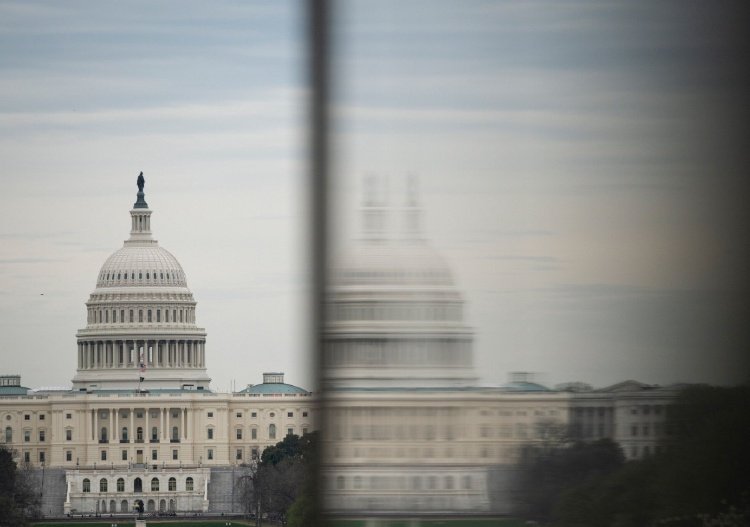
经济衰退

Search documents
日本经济六个季度来首次萎缩
第一财经· 2025-11-17 06:14
2025.11. 17 本文字数:1722,阅读时长大约3分钟 作者 | 第一财经 潘寅茹 年末,日本经济拉响警报。 据 新 华 社 报 道 , 日 本 内 阁 府 17 日 发 布 的 初 步 统 计 结 果 显 示 , 日 本 三 季 度 实 际 国 内 生 产 总 值 (GDP),剔除物价变动因素后的实际GDP较上季度减少0.4%,按年率计算下降1.8%。这是自 2024年第一季度以来,日本季度GDP增速首次呈现负增长。内需与外需的同时失速,成为拖累本季 度日本经济的主要因素。 目前,分析师们已普遍降低对日本央行短期内加息的押注。据悉,日本政府最快将于本周公布一项高 达17万亿日元(约合8270亿元人民币)的振兴经济计划,以应对经济增长乏力。不过,在分析师看 来,此举将使日本政府债务问题进一步恶化。此外,分析师还担心,一旦四季度日本经济继续增长乏 力,日本经济将再度进入衰退通道。 美国关税冲击 具体数据显示,三季度,日本个人消费环比增幅仅为0.1%;在进出口方面,三季度日本出口增速下 降1.2%,进口增速下降0.1%。此外住房投资继续疲软,与二季度相比下降9.4%。 分析人士将日本三季度经济放缓的主要因 ...


美国银行研究报告:四分之一美家庭陷入“月光”困境,让我们看看月光族背后的全球警示
Sou Hu Cai Jing· 2025-11-14 04:12
Group 1: Core Insights - The report from the American Bank Research Institute reveals that 25% of American households are living paycheck to paycheck, indicating a significant warning signal for overall consumer spending power in society [1] - The financial struggles are not limited to a specific class but represent a broader societal issue, with many families facing a precarious balance between income and essential expenses [4][6] Group 2: Economic Conditions - Over 95% of the income for these households is spent on basic survival, leaving little room for discretionary spending such as dining out or saving for emergencies [4] - Inflation has surged, with the Consumer Price Index (CPI) reaching a 40-year high of 9.1% in June 2022, and food prices increasing by 25% compared to pre-pandemic levels [4] Group 3: Social Implications - The phenomenon of "precious poverty" is reshaping consumer behavior, with increased reliance on discount retailers and second-hand goods, while traditional middle-class markers are becoming rare [6] - The generational transmission of financial distress is evident, as younger families struggle with childcare costs while their parents face retirement savings challenges [6] Group 4: Policy Challenges - Government interventions, such as the Inflation Reduction Act, have not effectively mitigated the economic pressures faced by low- and middle-income families, highlighting structural issues in the economy [10] - The rising interest rates aimed at curbing inflation disproportionately affect those with variable-rate debts, exacerbating financial instability among vulnerable households [10] Group 5: Global Context - The financial struggles in the U.S. are mirrored in other countries, with the UK and Germany also reporting significant declines in disposable income and increased energy expenditure [12] - The crisis in consumer spending power may lead to broader economic repercussions, including inventory buildup in retail, reduced manufacturing orders, and a potential recession [12][13]

小摩资管CEO:AI并非泡沫,而是机遇
智通财经网· 2025-11-14 02:00
Core Viewpoint - Investors should focus on the opportunities presented by artificial intelligence rather than concerns about current market bubbles, as stated by Mary Callahan Erdoes, CEO of JPMorgan Asset and Wealth Management [1] Group 1: Artificial Intelligence Opportunities - Erdoes emphasized that the world is at a stage where the expected value of AI significantly differs from its actual value, indicating that companies have yet to fully realize AI's potential through practical applications [1] - Concerns regarding the soaring stock prices of AI-related companies like Nvidia and AMD have led to market volatility, yet the U.S. stock market remains near historical highs [1] - Erdoes argued that AI is not a bubble, asserting that the notion is absurd and that a major transformation in corporate operations is on the horizon [1] Group 2: Economic Outlook - Ares Management CEO Michael Arougheti noted that the current investment scale is minimal compared to the vast potential of AI, suggesting that there is still a long way to go in terms of economic investment relative to the overall economy [2] - Erdoes expressed confidence that a recession is unlikely, countering ongoing predictions of an impending downturn that have persisted for five years [2] - She highlighted that if a recession is not imminent, it presents an excellent buying opportunity for investors to act quickly [2]

December rate cut being in question is a headwind for equities, says Evercore's Julian Emmanuel
Youtube· 2025-11-13 20:25
But your first guest today says don't be deterred. He thinks the S&P 500 will power up next year all the way to 7750. Let's start off a big day with Julian Emanuel, senior managing director of equity, derivatives, quantitative strategy at Evercore ISI.Julian, welcome. One day not a trend make, but do you have a take on what's happening today. >> Well, this is a classic buy the rumor, sell the news.Right. So the market turned last Friday on anticipation of the government reopening and essentially if you look ...

【深度】美国经济K型分化严重,没有结构性改革或难摆脱
Sou Hu Cai Jing· 2025-11-13 11:59
Economic Overview - The current U.S. economy exhibits a K-shaped characteristic, indicating a significant disparity where some sectors are thriving while others are struggling [1][3] - This K-shaped economy is attributed to various factors including policies from the Trump administration, accelerated technological advancements, and the Federal Reserve's monetary policies [1][3] Wealth Disparity - Wealth inequality has intensified, with stock and real estate markets reaching new highs due to loose fiscal and monetary policies, benefiting the wealthy who own assets [1][3] - In contrast, ordinary citizens relying on wage income have seen their purchasing power severely eroded by inflation [1][3] Industry Disparity - Industries such as technology, finance, and remote work have flourished, while sectors like tourism, dining, retail, and entertainment have been severely impacted, leading to job losses in low-skill positions [1][3] - The disparity is further highlighted by the performance of large multinational corporations, which have better access to credit and resources compared to small and medium-sized enterprises that face closures due to cash flow issues [3] Labor Market Dynamics - The U.S. labor market is showing signs of weakness, with a reported 3% year-over-year increase in the Consumer Price Index (CPI) and a rise in the unemployment rate to 4.3%, the highest since November 2021 [3][4] - The Federal Reserve has responded by lowering the federal funds rate by 25 basis points to a range of 3.75%-4.00%, marking the second rate cut of the year [3][4] Impact of Technology - The surge in AI-related capital expenditures is projected to contribute significantly to GDP growth, with estimates suggesting a 0.7 percentage point increase in real GDP growth from Q4 2024 to Q2 2025 [4] - The disconnect between productivity gains from technological advancements and the labor market is evident, with productivity in the non-farm sector expected to rise by 3.3% year-over-year by Q2 2025 [4] Immigration Policy Effects - Restrictive immigration policies have contributed to a slowdown in the labor market, with net immigration numbers expected to drop significantly [5] - The decline in available labor has made it challenging for businesses to fill positions, further exacerbating employment growth issues [5] Federal Reserve's Role - The Federal Reserve's tightening monetary policy, including 11 rate hikes from March 2022 to July 2023, has been identified as a factor exacerbating the K-shaped economy [6] - The disparity in wealth distribution is influenced by high-interest rates, which disproportionately affect lower-income households [6] Economic Outlook - The likelihood of a comprehensive recession in the U.S. is currently low, but the risk of stagflation remains a pressing concern due to potential economic slowdowns and persistent inflation [7] - The Federal Reserve faces challenges in balancing the need for demand stimulation through rate cuts while managing inflationary pressures [7] Structural Reforms Needed - Addressing the K-shaped economic trend requires structural reforms, including adjustments in tax policies and increased investment in education to enhance productivity and job creation [8][9] - Ensuring equitable distribution of the benefits from technological advancements, particularly AI, is crucial for mitigating the adverse effects on lower-income households [9]
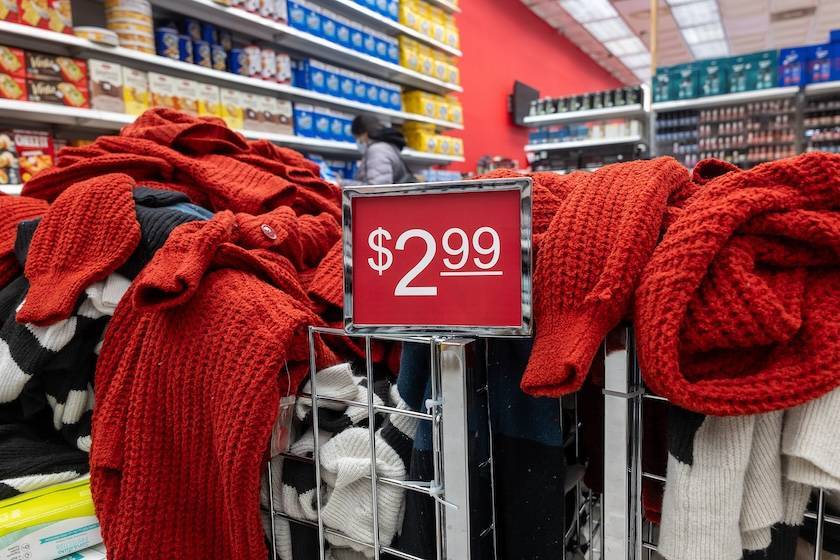
俄军冬季攻势专打电厂,意图给西方放血,欧洲军援从炮弹变渔网
Sou Hu Cai Jing· 2025-11-13 07:23
Core Viewpoint - The Russian military is shifting its strategy against Ukraine, focusing on energy and power facilities to weaken the Ukrainian resistance and force a surrender as winter approaches [1][3]. Group 1: Military Strategy - Recent Russian airstrikes have led to a complete shutdown of many Ukrainian power plants, resulting in nationwide blackouts [1]. - The attacks aim to cut off Kyiv's logistical support to the front lines, facilitating the Russian ground forces' occupation of strategic locations like Red Army City [3]. Group 2: European Response - Ukraine's reliance on Western support, particularly from Europe, is increasing as it faces severe shortages in energy, funding, and military supplies [3]. - European countries are experiencing financial strain due to economic downturns, leading to public discontent over continued support for Ukraine [5][6]. - Several pro-Ukrainian governments in Europe have been replaced by more hardline administrations that are less willing to provide military aid or support for Ukrainian refugees [5]. Group 3: Aid Dynamics - Recent European aid to Ukraine has shifted from military supplies to minimal support, such as purchasing old fishing nets under the guise of enhancing air defense capabilities [6]. - The lack of substantial military aid indicates a significant change in Europe's commitment to Ukraine, with potential implications for the Ukrainian government [6]. Group 4: Internal Ukrainian Issues - The Ukrainian National Anti-Corruption Bureau has conducted a raid on a close associate of President Zelensky, indicating potential internal strife and corruption issues within the government [7]. - The escape of Zelensky's associate before the raid suggests that there may be growing Western scrutiny and possible changes in leadership in Ukraine [7].

FPG财盛国际:黄金突然惊人暴涨的原因在这!美国传大消息
Sou Hu Cai Jing· 2025-11-11 03:51
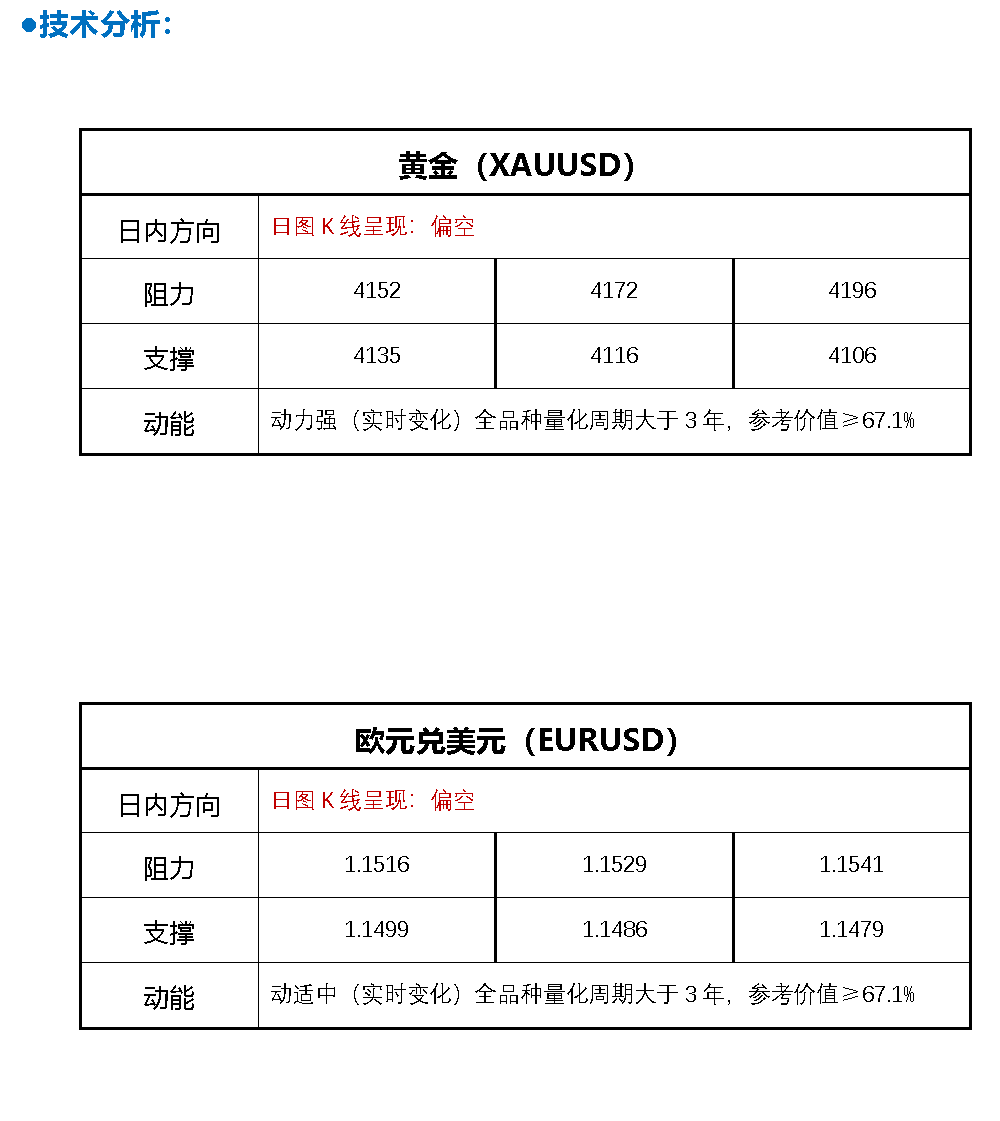
Group 1 - Gold prices increased by over 2% due to investors raising bets on a Federal Reserve rate cut in December, amid concerns over a potential economic recession fueled by weak U.S. economic data [1] - The U.S. consumer confidence index fell to near historical lows, exacerbated by government shutdowns and rising prices, which has led to increased demand for safe-haven assets like gold [1] - The U.S. Senate is advancing a bill to restore government operations and end a 40-day government shutdown, which has caused federal employees to be furloughed and disrupted food assistance and air travel [1] Group 2 - Market expectations for a December rate cut by the Federal Reserve are currently at 67%, with January's rate cut probability rising to approximately 77%, indicating a favorable environment for gold [2] - Gold is expected to trade between $4200 and $4300 per ounce by the end of the year, with a reasonable target of $5000 per ounce in the first quarter of next year [2] - Technical indicators show bullish momentum for gold, with the Relative Strength Index (RSI) indicating strengthening bullish momentum as gold prices break through key resistance levels [3] Group 3 - Current resistance levels for gold are identified at $4152, $4172, and $4196, while support levels are at $4135, $4116, and $4106, indicating a bearish daily trend [4] - The overall market momentum for gold is strong, with a quantitative reference value exceeding 67.1% over a three-year period [4]
贵属策略报:财政与经济担忧犹存,???强
Zhong Xin Qi Huo· 2025-11-11 02:22
Group 1: Report Industry Investment Rating - No relevant content provided Group 2: Core Viewpoints of the Report - Gold prices have risen above $4,070 per ounce. Weakening US consumer confidence and employment indicators have strengthened expectations of interest rate cuts, partially offsetting the negative impact of the end of the government shutdown. The market's trading logic has returned to expectations of loose liquidity [1]. - The current gold price is driven by the resonance of "economic weakness" and "fiscal expansion". The silver price follows the rhythm of gold, with an expected monthly oscillation. In the long - term, gold is the anchor for silver pricing, and a contraction in the US dollar's credit is beneficial to physical currencies, with gold benefiting first and silver enjoying spill - over effects [3]. - The weekly price of London gold is expected to be in the range of $3,800 - $4,200 per ounce, and that of London silver in the range of $46 - $52 per ounce [6]. Group 3: Summary by Related Catalogs Key Information - The US Senate passed a temporary appropriation bill, ending a 40 - day government shutdown. Federal employees have returned to work, and lagging data will be released gradually [2]. - The US consumer confidence index dropped to a three - and - a - half - year low (50.3), and Challenger job cuts soared by 183% compared to the previous month, indicating a continuous cooling of the labor market [2]. - Sino - US trade flow has been weak, shipping capacity has dropped to the lowest level this year, and the WCI freight index has fallen from its mid - year high, showing a slowdown in foreign trade demand, which supports the expectation of a decline in US inflation and strengthens the Fed's logic of loosening [2]. - San Francisco Fed President Mary Daly said the US economy is experiencing a "downward demand shock", wage growth has slowed, inflation is still under control, and the impact of tariffs is mainly limited to the commodity sector. She hinted that the December meeting will maintain a loose stance [2]. - The People's Bank of China increased its gold reserves for the 12th consecutive month in October, and global gold ETFs recorded net inflows in the past two days [2]. Price Logic Gold - The economic aspect: The decline in consumption and employment caused by the shutdown is gradually emerging. Alternative indicators show a slowdown in economic momentum. Sino - US shipping and trade flow declines support the Fed's decision to continue cutting interest rates in December. Mary Daly's statement further consolidates market bets on interest rate cuts [3]. - The fiscal aspect: The government's resumption of work brings one - time expenditure replenishment and the continuation of medical insurance subsidies. Short - term fiscal investment may push up long - term interest rates and cause short - term fluctuations, but in the medium - term, US debt expansion and deficit pressure will extend the loose cycle, which is beneficial to the reserve and hedging demand for gold [3]. Silver - The silver price follows the rhythm of gold, with an expected monthly oscillation. Focus on the trading window around the December FOMC meeting. In the long - term, gold is the anchor for silver pricing, and a contraction in the US dollar's credit benefits physical currencies, with gold benefiting first and silver enjoying spill - over effects. Interest rate cuts will drive the repair of the US fundamentals, and with global fiscal resonance expansion, the world may shift from a soft landing to a moderate recovery in 2026, which is conducive to the release of silver's long - term elasticity [3][6]. Commodity Index - On November 10, 2025, the comprehensive index, the commodity 20 index, and the industrial products index of the CITICS Futures Commodity Index increased by 0.65%, 0.71%, and 0.48% respectively [43]. Precious Metals Index - As of November 10, 2025, the precious metals index had a daily increase of 1.73%, a 5 - day increase of 2.85%, a 1 - month increase of 1.15%, and a year - to - date increase of 49.57% [45].
“贫富差距”正在掏空美国经济
Sou Hu Cai Jing· 2025-11-09 22:58
Core Viewpoint - The widening wealth gap in the U.S. could lead to a new recession, as structural issues have made the economy appear robust while underlying consumer spending is weakening [3] Group 1: Economic Conditions - The Federal Reserve officials have warned that the expanding wealth gap may trap the U.S. in a recession [3] - Despite GDP growth and a booming stock market, household credit card debt has reached an all-time high, and the purchasing power of the middle class continues to decline [3] - The rich are becoming wealthier through asset appreciation, while ordinary people are increasingly reliant on debt [3] Group 2: Consumer Spending and Corporate Impact - As consumer spending weakens, corporate profits and employment are also expected to decline, regardless of the Federal Reserve's interest rate adjustments [3] - The structural inequality in the economy poses risks to political and social stability, leading to increased polarization and policy imbalances [3] Group 3: Comparative Analysis with China - In contrast, China's policies focused on common prosperity and expanding the middle-income group are making growth more inclusive [3] - Reforms in digital economy, green transition, and inclusive finance are continuously releasing new vitality, benefiting a larger segment of the population [3] - True prosperity is defined not by rising numbers but by the happiness of the majority [3]

政府“停摆”39天,美国民众焦头烂额 食品救济金暂停发放
Yang Shi Xin Wen Ke Hu Duan· 2025-11-09 03:02
Group 1: Government Shutdown Impact - The U.S. federal government shutdown has entered its 39th day, marking the longest shutdown in U.S. history, causing widespread distress among millions of Americans and raising concerns about a potential economic recession [1] - The shutdown has led to significant disruptions in the aviation industry, with the FAA reducing domestic flights at 40 major airports by up to 10% by November 14, resulting in over 1,000 flight cancellations and more than 4,800 delays on a single day [4][6] - Newark Liberty International Airport has reported an average delay of over 327 minutes for incoming flights and 150 minutes for outgoing flights, with similar delays observed at LaGuardia and JFK airports [6] Group 2: Economic Consequences - The shutdown is expected to slow down U.S. GDP growth in the fourth quarter, with consumer confidence dropping to its lowest level since June 2022, indicating rising concerns about the economic impact of the shutdown [13][14] - The Supplemental Nutrition Assistance Program (SNAP), which supports 42 million Americans, is set to suspend benefits starting November 1, marking the first time in 60 years that such benefits will not be issued during a government shutdown [10][12] Group 3: Ongoing Negotiations - Negotiations in the Senate to end the shutdown are ongoing but have seen limited progress, with Republican leaders pushing for a comprehensive funding package to restore government operations [15][17] - The political landscape has become increasingly polarized, with both parties using the shutdown as a tool to advance their agendas, making a resolution more challenging [17]