
自有品牌

Search documents
万辰集团前三季度归母净利润同比增长超9倍
Zhong Guo Ji Jin Bao· 2025-10-21 14:44
Core Viewpoint - Wancheng Group reported a significant increase in net profit and revenue for the third quarter, driven by the growth of its bulk snack business and improved operational efficiency [1][2]. Financial Performance - In Q3, Wancheng Group achieved revenue of 13.98 billion yuan, a year-on-year increase of 44.15%, and a net profit of 383 million yuan, up 361.22% [1]. - For the first three quarters, total revenue reached 36.56 billion yuan, representing a 77.37% year-on-year growth, while net profit surged 917.04% to 855 million yuan [1]. - The company plans to distribute a cash dividend of 1.50 yuan per 10 shares, totaling 28.33 million yuan [1]. Business Segments - The bulk snack business, comprising the "Haoxianglai" and "Wife's Darlings" brands, generated cumulative revenue of 36.16 billion yuan and a net profit of 1.595 billion yuan in the first three quarters [2]. - The operational cash flow net amount increased by 144.92% to 2.382 billion yuan, with cash and cash equivalents at 4.193 billion yuan, up 76.13% [2]. Operational Efficiency - The sales gross margin and net margin have been improving, with gross margins of 11.02%, 11.76%, and 12.14% for Q1 to Q3 of 2025, and net margins of 3.59%, 4.10%, and 5.15% respectively [2]. Membership and Customer Engagement - The membership system is a key factor in the success of the bulk snack business, with over 150 million registered members contributing approximately 78% of total GMV [3]. - Active members reached 110 million, with an average consumption frequency of 2.9 times per month [3]. Market Expansion - The company has partnered with major instant retail platforms, leading to significant growth in online orders, with some platforms seeing over 200% growth in order volume [3]. - The introduction of self-branded products has also been successful, with notable sales increases for new items like "Haoxianglai Super Value" water [3]. Future Prospects - Wancheng Group submitted an application for a Hong Kong IPO, with expectations of broader development opportunities based on its user, channel, and product advantages [4].
超9倍!量贩零食巨头,业绩又爆了!分红方案来了
Zhong Guo Ji Jin Bao· 2025-10-21 14:39
Core Viewpoint - Wancheng Group reported a significant increase in net profit and revenue for the third quarter and the first three quarters of the year, driven by the growth of its snack business and improved operational efficiency [1][2]. Financial Performance - In Q3, Wancheng Group achieved revenue of 13.98 billion yuan, a year-on-year increase of 44.15%, and a net profit of 383 million yuan, up 361.22% [1]. - For the first three quarters, the company reported a revenue of 36.56 billion yuan, a 77.37% increase year-on-year, and a net profit of 855 million yuan, reflecting a 917.04% growth [1]. - The operating cash flow net amount increased by 144.92% to 2.38 billion yuan, and the cash balance at the end of the period was 4.19 billion yuan, up 76.13% year-on-year [2]. Business Segments - The snack business, comprising the brands "Haoxianglai" and "Wife's Darlings," generated cumulative revenue of 36.16 billion yuan and a net profit of 1.595 billion yuan in the first three quarters [2]. - The gross profit margin and net profit margin have been steadily increasing, with gross margins of 11.02%, 11.76%, and 12.14% for Q1 to Q3 respectively, and net margins of 3.59%, 4.10%, and 5.15% [2]. Membership and Retail Strategy - Wancheng Group's membership system is a key factor in the success of its snack business, with over 150 million registered members contributing approximately 78% of total GMV [3]. - The company has partnered with major instant retail platforms, leading to significant growth in online orders, with a 200% increase in orders on platforms like Taobao over three months [3]. Product Development - The company has focused on developing its private label products, launching successful items under the "Haoxianglai Value" and "Haoxianglai Selection" brands, with notable sales growth in products like bottled water [3][4]. - The agile development approach for private label products allows the company to quickly respond to consumer needs and leverage supply chain advantages [4]. Future Prospects - Wancheng Group has submitted an application for a Hong Kong IPO, with expectations of broader development opportunities based on its user, channel, and product advantages [4].
营收突破300亿,万辰集团的量贩零食生意强在哪儿?
市值风云· 2025-10-21 10:07
Core Viewpoint - The article highlights the strong growth momentum in the snack retail sector, particularly focusing on the rapid expansion and success of the discount snack chain model in China, exemplified by Wancheng Group's recent developments and market positioning [1][30]. Group 1: Market Performance - During the recent National Day holiday combined with the Mid-Autumn Festival, there were 888 million domestic trips made, with total spending reaching 809 billion yuan [4]. - The snack retail market has experienced a compound annual growth rate (CAGR) of 77.9% over the past five years, with expectations for the market size to reach 613.7 billion yuan by 2029, growing at a projected CAGR of 36.5% from 2024 to 2029 [30]. Group 2: Company Overview - Wancheng Group, originally focused on edible fungi, has rapidly expanded into the discount snack retail sector since 2022, operating brands such as "Haoxianglai" and "Wife's Brand" [8][10]. - The company plans to raise funds through its recent listing application on the Hong Kong Stock Exchange to support store expansion, product diversification, and digital upgrades [7]. Group 3: Financial Performance - Wancheng Group's revenue is projected to grow from 9.29 billion yuan in 2023 to 32.33 billion yuan in 2024, with a 106.9% year-on-year increase expected in the first half of 2025 [11][28]. - The snack retail business accounted for 98.9% of the company's revenue in the first half of 2025, with net profit for the snack segment increasing by 241% year-on-year to 956 million yuan [13][15]. Group 4: Competitive Positioning - Wancheng Group has established itself as a leading player in the snack retail market, with "Haoxianglai" achieving a market share of 28.2% in 2024, making it the top brand in the sector [16][17]. - The company has a significant presence in lower-tier cities, with approximately 80% of its stores located in second-tier and below cities, capitalizing on the growing purchasing power in these markets [33]. Group 5: Supply Chain Efficiency - The company benefits from a highly efficient supply chain, with a direct procurement rate of 95%, allowing for cost leadership and improved profitability [21][22]. - The average order fulfillment rate for the "Haoxianglai" brand exceeds 99%, significantly higher than the industry average of 90%-95% [22]. Group 6: Brand Strategy - Wancheng Group has launched two private label series under the "Haoxianglai" brand, focusing on value and quality, which have seen strong sales growth [38]. - The company is enhancing its brand positioning and competitiveness through the introduction of private label products, which offer higher profit margins and attract consumers [38].

新CEO王守诚上任后首次访谈:永辉已经走出了危险期
36氪未来消费· 2025-10-17 12:12
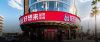
Core Viewpoint - The acquisition of Yonghui Supermarket by Miniso has led to significant changes in the company's operational model, focusing on the "Fat Donglai" approach to enhance customer experience and operational efficiency [2][4]. Group 1: Acquisition and Leadership Changes - Miniso announced the acquisition of Yonghui Supermarket for nearly 6.2 billion yuan on September 24 last year, which raised questions about the strategic implications of this move [2]. - Yonghui Supermarket appointed Wang Shoucheng as the new CEO, marking a shift towards a more stable phase in the company's transformation efforts [4][5]. Group 2: Transformation and Operational Improvements - The transformation plan includes a three-year strategy, with current efforts being in the initial stages of adopting the "Fat Donglai" model [5]. - Yonghui has seen an average customer net promoter score (NPS) exceeding 40% across 102 transformed stores, with an average customer traffic increase of 80% [4]. - Over 60% of the transformed stores have achieved profitability levels surpassing their highest values in the past five years [4]. Group 3: Cultural and Structural Changes - The company has undergone extensive restructuring in its organizational framework, supply chain, and cultural development, aiming to align more closely with the "Fat Donglai" ethos [4][10]. - Yonghui has established 26 major districts to enhance operational efficiency, allowing for synchronized learning and implementation of transformation strategies [11][12]. Group 4: Addressing Corruption and Ethical Practices - Yonghui has taken a firm stance against corruption, implementing various mechanisms to guide employees towards ethical practices and enhance personal value without resorting to unethical means [14][15]. - The focus has shifted from profit maximization to customer satisfaction and product sales rates, aiming to foster a more transparent and cooperative relationship with suppliers [16]. Group 5: Self-Branding and Market Positioning - Yonghui is developing its private label products by leveraging its scale advantages and ensuring stable quality and supply through strong partnerships with suppliers [23][26]. - The company aims to achieve profitability not through high margins but by increasing sales volume and optimizing cost structures [27]. Group 6: Future Outlook and Independence - Yonghui is committed to establishing its unique path while learning from the "Fat Donglai" model, with aspirations to create a distinctive business model that reflects its values [30][31]. - The company has successfully navigated through a critical phase of transformation, with plans to refine its operations further over the next three to five years [43].

奥乐齐中国迎来首位女掌门,挑战有多大?
3 6 Ke· 2025-10-16 02:17
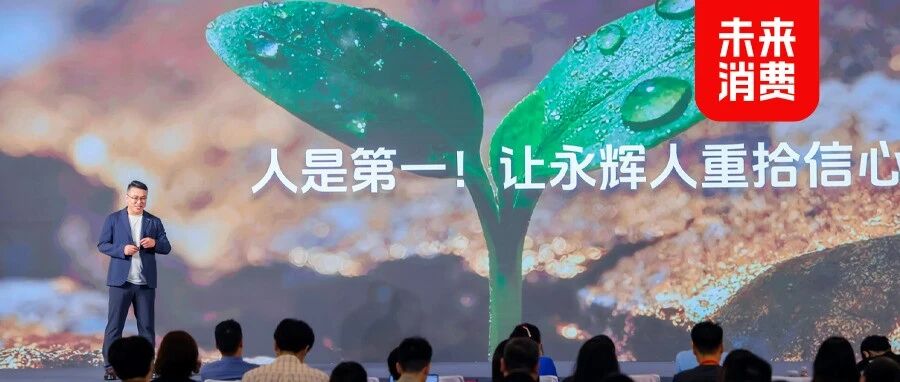
Core Insights - The article discusses the transition of Aldi China as it appoints Jacqueline Chen as the new CEO, indicating a shift towards deeper localization and accelerated expansion beyond Shanghai [1][3][12]. Group 1: Leadership Transition - Christoph Schwaiger, the former CEO of Aldi China, has stepped down, handing over leadership to Jacqueline Chen, who will report directly to the global headquarters [1]. - Chen's appointment signals a focus on local market adaptation and a need to compete more aggressively in the Chinese retail landscape [3][12]. Group 2: Market Strategy - Aldi China has been primarily focused on the Shanghai market since its entry in 2019, with only 79 stores currently, highlighting the need for rapid expansion to keep pace with competitors [3][12]. - The company aims to enhance its brand localization, team localization, and supply chain localization to cater to diverse regional market characteristics and consumer preferences [3][12]. Group 3: Product and Pricing Strategy - Aldi China has increased its private label product share to 90%, which helps in building consumer trust and offers competitive pricing by eliminating middlemen [4][9]. - The company emphasizes a low-price strategy with a significant portion of its SKUs priced at 9.9 yuan or below, aiming to reshape its image as a community supermarket offering good quality at low prices [4][6][11]. Group 4: Competitive Landscape - The retail environment in China is becoming increasingly competitive, with various players like Hema, Meituan's Happy Monkey, and JD's discount supermarkets entering the market, all focusing on quality and affordability [12][13]. - Aldi's unique selling proposition of combining quality with affordability is being challenged as competitors adopt similar strategies, necessitating a swift response from Aldi [12][15]. Group 5: Future Plans - Aldi plans to expand its presence in Jiangsu province, with a target of opening 15 new stores within two years and achieving a local procurement rate of 30% by 2026 [15]. - The company is also working on a supply chain collaboration model to reduce operational costs, aiming for logistics costs to remain below 5% [15].
砍中间商推自有品牌,价格战转向“价值战” 河南超市都在打造什么样的新势力?
Mei Ri Jing Ji Xin Wen· 2025-10-15 07:24
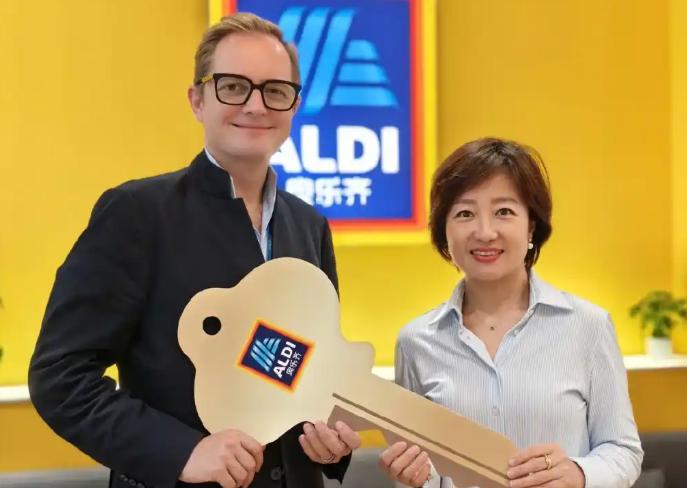
Core Insights - The article highlights the rise of "supermarket tourism" in Henan, particularly focusing on the success of the supermarket chain "胖东来" (Pang Dong Lai), which achieved sales of 820 million yuan during the recent holiday period, surpassing its entire 2024 sales in just eight days [1][2] - The overall retail sales in Henan during the holiday reached 3.054 billion yuan, marking a 2.6% year-on-year increase, indicating a positive trend in consumer spending [1] - The emergence of new supermarket players in Henan, such as "华豫佰佳" (Hua Yu Bai Jia) and "淘小胖" (Tao Xiao Pang), is characterized by a focus on quality, service, and the development of private label products, moving away from a price-centric competition model [1][7] Group 1: Market Trends - The "supermarket tourism" phenomenon has gained traction, with consumers viewing supermarkets as attractions, leading to increased foot traffic and sales [1][2] - New supermarket entrants are rapidly expanding, with "淘小胖" planning to open new stores and "华豫佰佳" upgrading existing locations to enhance customer experience [2][3] - The focus has shifted from merely competing on price to emphasizing quality, safety, and customer experience, as consumers are increasingly discerning [7][8] Group 2: Private Label Development - The development of private label products is a key strategy for supermarkets, with "淘小胖" offering over 400 private label items across various categories [4][6] - Private labels are seen as a way to control product quality and reduce costs by eliminating intermediaries, thus providing better value to consumers [5][6] - "华豫佰佳" aims to increase the proportion of private label sales, currently at 15%, as part of its growth strategy [6] Group 3: Consumer Experience and Service - Supermarkets are enhancing their service offerings, such as free seafood processing, to attract and retain customers, reflecting a trend towards more personalized shopping experiences [9] - The integration of dining and entertainment options within supermarkets is becoming common, catering to younger consumers' preferences for a more engaging shopping environment [8][9] - The industry is moving towards a model that prioritizes customer loyalty and service quality over rapid expansion and price competition [7][9]
产业观察丨砍中间商推自有品牌,价格战转向“价值战” 河南超市都在打造什么样的新势力?
Mei Ri Jing Ji Xin Wen· 2025-10-15 07:12
Core Insights - The article highlights the rise of "supermarket tourism" in Henan, particularly focusing on the success of the supermarket chain "胖东来" (Pang Dong Lai), which achieved sales of 820 million yuan during the recent holiday period, surpassing its total sales for the previous year [1] - The overall retail sales in Henan during the holiday reached 3.054 billion yuan, marking a 2.6% year-on-year increase [1] - The article emphasizes a shift in the supermarket industry from price competition to a focus on quality, safety, and customer experience [1][8] Group 1: Industry Trends - The emergence of new supermarket players in Henan, such as "华豫佰佳" (Hua Yu Bai Jia) and "淘小胖" (Tao Xiao Pang), is characterized by their emphasis on quality service and proprietary brand products [1][4] - These new supermarkets are rapidly expanding, with "淘小胖" planning to open new stores and hiring approximately 350 staff for an upcoming location [4][5] - The focus on proprietary brands is becoming a trend, with "淘小胖" offering over 400 proprietary products, aiming for high quality at competitive prices [6][7] Group 2: Consumer Behavior - Consumers are increasingly prioritizing cleanliness and safety over low prices, indicating a shift in purchasing behavior [8][10] - Supermarkets are adapting by enhancing their service offerings, such as free seafood processing services, to attract and retain customers [10] - The integration of dining and entertainment options within supermarkets is becoming a strategy to enhance customer experience and engagement [9][10] Group 3: Competitive Landscape - The competitive landscape is evolving, with a notable decline in traditional price wars as supermarkets focus on value and quality [8] - The industry faces challenges such as declining consumer purchasing power and competition from instant retail platforms [8] - The article notes that while some supermarkets are expanding, others are closing stores, indicating a mixed outlook for the sector [8]
“快乐猴”超市门头沟店开业在即 美团在京试水“硬折扣”
Bei Jing Shang Bao· 2025-10-13 10:52
Core Insights - Meituan's self-operated supermarket "Happy Monkey" will open its first northern store in Beijing on October 24, covering approximately 1,000 square meters, marking the fifth store opened by Meituan in two months [1][2] - The discount supermarket sector has become highly competitive, with major players like Hema, JD, and traditional supermarkets like Wumart and Yonghui firmly established in the northern market [1][2] - Supply chain efficiency is crucial for Meituan to succeed in this competitive landscape, as it aims to differentiate itself from established giants [1][4] Store Launch Details - The first Happy Monkey store in Beijing is located in the Shantou Investment Plaza, with promotional activities planned for the opening day, including a lottery with prizes such as electric vehicles [2] - Another Happy Monkey store is set to open in Sanhe City, Hebei Province, on October 17, indicating Meituan's accelerated expansion in the discount supermarket sector [2] Consumer Appeal - "Affordable prices" are a key selling point for Happy Monkey, with products like pure milk priced at 23.9 yuan per box and freshly baked egg tarts at 5.9 yuan for four [3] - Happy Monkey targets price-sensitive consumers and emphasizes offline shopping experiences, contrasting with the online-focused strategy of similar brands like Xiaoxiang Supermarket [3] Market Strategy - Happy Monkey's cautious entry into Beijing, focusing on areas outside the Fifth Ring Road, reflects a strategic consideration of costs [4] - The store's location near densely populated residential areas and high-traffic venues is expected to drive customer traffic and order density [4] Competitive Landscape - Major competitors have established significant advantages in private label products, with brands like Ole' and Hema NB achieving over 60% private label sales [5] - The Beijing market exhibits a dual demand for quality and price sensitivity, posing challenges for Happy Monkey in localizing its private label offerings [5] Brand Differentiation - The use of private label products not only enhances price competitiveness but also serves as a draw for customers, potentially increasing sales of regular-priced items [6] - Meituan's interest in physical retail is growing, with plans for more stores like Xiaoxiang Supermarket in various locations [6] Industry Trends - The discount supermarket sector has become a focal point for major players, with Hema's community supermarket model expanding rapidly [7] - Meituan's data advantages may allow Happy Monkey to efficiently focus on product categories that align with the discount model, reducing customer decision-making costs [7] Future Considerations - Happy Monkey is still in the early stages of demand cultivation, private label development, and offline operations, which are critical for future competitiveness [8] - Success will depend on the ability to optimize supply based on dynamic demand, develop unique private label products, and enhance customer loyalty through refined operations [8]

永辉超市今年将推出自有品牌产品60个,三年内实现100个“亿元级大单品”
Xin Lang Cai Jing· 2025-10-13 08:53
Core Insights - Yonghui Supermarket plans to launch 60 private label products this year, aiming to increase this number to 500 by 2029, with a target of achieving 100 "billion-level" products within three years [1] - The company has established Beijing Yonghui Trading Co., Ltd. with a registered capital of 10 million yuan, focusing on various business operations including food internet sales and telecommunications [1] - Yonghui's private label sales reached 3.54 billion yuan in 2023, accounting for approximately 5% of total revenue, with contributions varying between 5% to 15% depending on the region and store [1][2] Company Strategy - CEO Wang Shoucheng emphasizes the importance of private labels as a core competitive advantage, moving away from traditional retail models that rely on fees from brand partners [2] - The company is learning from the successful model of Pang Donglai, which has over 100 private label SKUs contributing to 30% of its sales, achieving higher gross margins compared to the industry average [2] - Yonghui has opened 26 reform stores recently, with over 30% of new products introduced, aligning its product structure closer to Pang Donglai's standards [3] Financial Performance - In the first half of the year, Yonghui's revenue decreased by 20.73% to 29.95 billion yuan, with a net loss of 241 million yuan, and a significant drop in non-recurring net profit by 2786.27% [4] - The company is undergoing a simultaneous process of store reform and closures, having opened 93 reform stores while closing 227 underperforming locations [4]
港股异动 | 吉宏股份(02603)再涨近9% 前三季度纯利增长最多65% 跨境社交电商业务实现较大幅度增长
Zhi Tong Cai Jing· 2025-10-06 04:05
Core Viewpoint - Jihong Co., Ltd. (02603) has experienced a significant stock price increase, with a rise of nearly 9% and a current price of HKD 18.81, driven by positive earnings expectations and strategic business developments [1] Financial Performance - Jihong Co. expects a net profit attributable to shareholders of approximately RMB 209 million to RMB 222 million for the first three quarters of 2025, representing a year-on-year growth of 55% to 65% [1] - The growth is attributed to the deepening of brand building and regional expansion in the cross-border social e-commerce business, as well as significant increases in revenue and profit from the paper-based fast-moving consumer goods packaging business [1] Strategic Initiatives - The company plans to continue increasing investment in AI research and its own brand development to enhance its intelligent and branded cross-border e-commerce operations [1] - Jihong Co. is accelerating the construction of its packaging base in the Middle East and actively exploring overseas packaging markets to achieve comprehensive business expansion [1] Technological Integration - According to Everbright Securities, Jihong Co. has integrated AI applications into its Giikin system, allowing seamless connection of various business processes with minimal human involvement, effectively driving business development [1]
