贸易战

Search documents
准备开战?奉陪到底!德国不再忍让,中方打出三张王牌
Sou Hu Cai Jing· 2025-07-27 04:52
Group 1 - The transatlantic alliance is experiencing unprecedented fractures, with Germany taking a strong stance against U.S. tariffs, marking a significant shift in global trade dynamics [1][2] - The U.S. tariff policy, particularly the proposed 30% tariff on EU automobiles, threatens to cause losses of up to €100 billion for German automotive exports, impacting major companies like Daimler, BMW, and Volkswagen [2] - Germany's response includes halting discussions with the U.S. and adopting a "cold treatment" strategy, indicating a shift in power dynamics in trade relations [2] Group 2 - China is providing strategic support to Germany through three key advantages: access to a large market, control over rare earth resources, and a model for strategic autonomy [4][5] - The Chinese market is crucial for German automotive companies, with significant sales percentages coming from China, highlighting the importance of this relationship for maintaining profitability [5] - Germany's unique position in rare earth material production gives it leverage in negotiations with the U.S., especially in light of U.S. dependency on Chinese supply chains [7] Group 3 - Germany's strategic response to U.S. tariffs includes a proposal targeting U.S. sectors such as electric vehicles, medical devices, and smart manufacturing, aiming to limit U.S. market access in Europe [10] - Public sentiment in Germany is shifting towards questioning reliance on the U.S., with mainstream media and social movements advocating for a strategic transformation [9] - The global trade landscape is evolving into a tripartite structure, with China positioning itself as a key player, facilitating trade partnerships while not forcing alignment with either the U.S. or Europe [9][11]


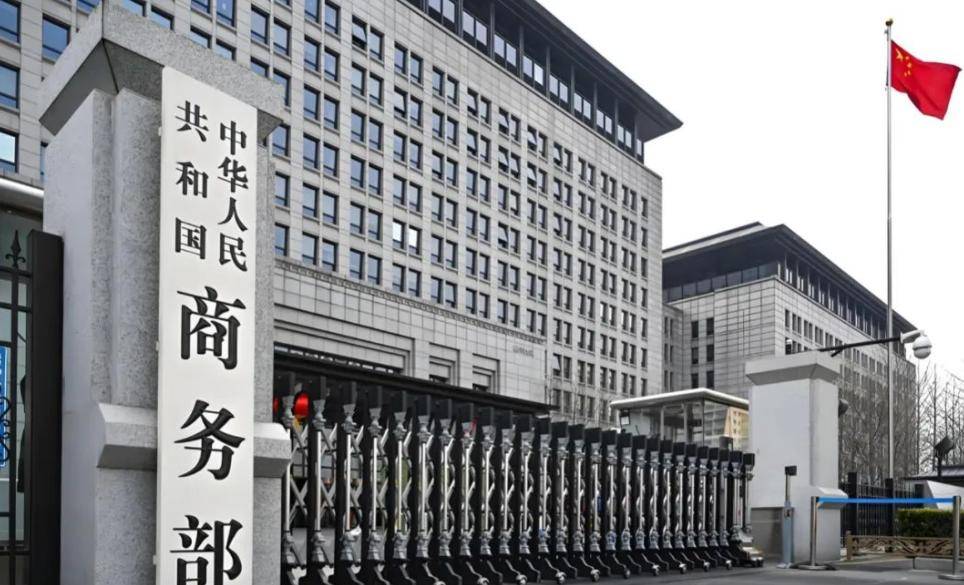
千亿关税砸向美国,冯德莱恩刚走就亮剑!中方划红线后欧总算醒悟
Sou Hu Cai Jing· 2025-07-27 04:17
Group 1 - The article highlights the economic impact of the EU's decision to impose tariffs on US exports, leading to significant losses for American industries such as whiskey, soybeans, and aircraft manufacturing [3][5][12] - The EU's retaliatory measures are described as a calculated response to US tariffs, with specific figures indicating that German automaker Volkswagen lost 1.3 billion euros and Airbus experienced an 18% drop in orders [5][9] - The article notes the immediate consequences for US farmers and manufacturers, with Kentucky distilleries shutting down production lines and Iowa soybean farms facing operational stagnation [7][11] Group 2 - The EU's strategy includes shifting supply chains to third countries, as seen with German automakers moving operations to Vietnam and Mexico in response to US tariffs [9][11] - The article discusses the EU's diplomatic maneuvers, including financial incentives to Hungary to support the tariff measures, indicating a coordinated effort within the EU to counter US trade policies [3][5] - The article mentions the growing demand for European products in China, with French wine imports increasing by 47%, showcasing a shift in market dynamics due to the trade conflict [11][14]
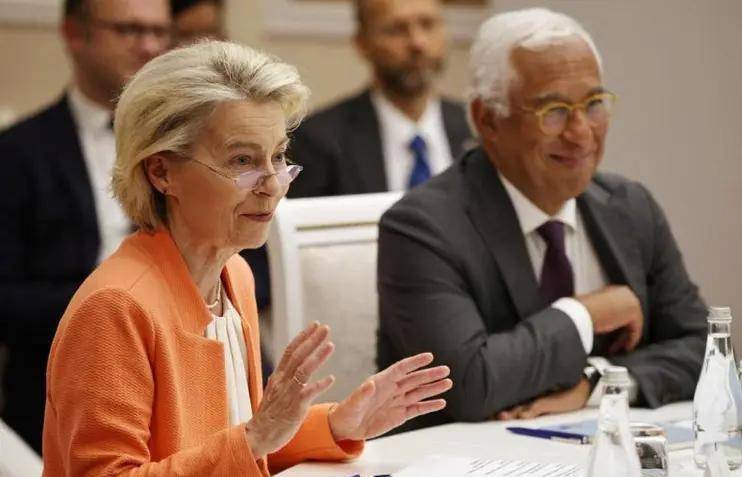
美联储降息救市!7月26日,今日凌晨的五大消息已全面来袭
Sou Hu Cai Jing· 2025-07-26 21:41
Group 1: Economic Overview - The U.S. economy is facing significant challenges, with the Federal Reserve's interest rates remaining above 5%, indicating a prolonged period of high rates [1] - Inflation data for June shows a Consumer Price Index (CPI) increase of 2.7%, the highest in four months, and a core CPI rise of 2.9%, exceeding the Fed's 2% target [4] - The trade war is intensifying, with the U.S. imposing tariffs on various countries, leading to retaliatory measures and increasing global economic uncertainty [10] Group 2: Company and Market Reactions - Nvidia's announcement of the H20 AI chip shipment to China led to a 4% increase in its stock price, pushing its market capitalization above $4.1 trillion and contributing to a record high for the Nasdaq index [1] - Despite the tech stock surge, the Dow Jones Industrial Average fell nearly 1%, reflecting broader market concerns amid rising inflation and interest rates [1] - The market is reacting defensively, with a notable shift in interest rate futures indicating a decrease in the likelihood of rate cuts by the Fed [10] Group 3: Federal Reserve Dynamics - The Federal Reserve is experiencing internal divisions, with differing opinions on whether to cut interest rates, with some members advocating for a hold until at least 2025 [6][7] - The political landscape is affecting the Fed's operations, with rumors of potential dismissal of Fed Chair Powell causing market volatility [9] - The uncertainty surrounding Powell's position has led to a rise in "Powell hedge" trades, reflecting concerns over the Fed's independence [10]

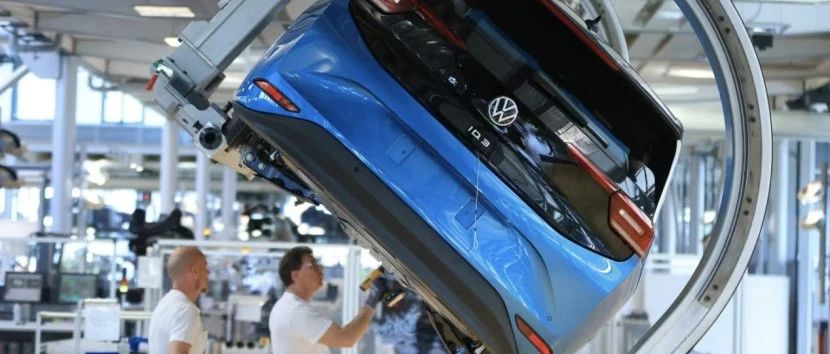
利润暴跌,汽车巨头向美国“低头”?
汽车商业评论· 2025-07-26 14:40
Core Viewpoint - The article discusses the significant impact of the Trump administration's tariff policies on Volkswagen, emphasizing the urgency for the EU and the US to reach a trade agreement to mitigate these effects [2][4]. Financial Performance - Volkswagen reported a revenue of €158.4 billion (approximately $185.7 billion) for the first half of 2025, remaining stable compared to the previous year, but operating profit fell by one-third to €6.7 billion (about $7.86 billion) [3]. - The decline in operating profit is attributed mainly to increased costs from US import tariffs, amounting to €1.3 billion (approximately $1.52 billion), along with an additional loss of €0.7 billion (around $0.82 billion) from restructuring and other expenses [5]. - The company has adjusted its full-year revenue forecast from a 5% increase to flat growth compared to last year, with an expected operating profit margin of 4% to 5%, down from a previous estimate of 5.5% to 6.5% [5][33]. Market Dynamics - Despite a 1.5% increase in global deliveries in the first half of 2025, Volkswagen's deliveries in the US dropped by nearly 10%, with North America accounting for 18.5% of the group's global sales [6]. - The performance of luxury brands under Volkswagen, such as Porsche and Audi, has been particularly poor, with Porsche's operating profit plummeting over 90% to €154 million and Audi's profit down 64% to €550 million [6][27]. Electric Vehicle Sales - Volkswagen has become the leader in the European electric vehicle market, surpassing Tesla, with a notable increase in sales of electric vehicles in Europe [6][8]. - In Germany, electric vehicle sales reached a record high in the first half of 2025, with a 35% year-on-year increase, totaling 249,100 units, despite a 4.7% decline in overall new car sales [8][9]. Tariff Negotiations - Volkswagen and its competitors are urging European trade negotiators to reach an agreement to lower the 25% US tariffs imposed since April [17]. - There is optimism that an agreement could be reached to impose a 15% tariff on most imported products, which would alleviate some financial pressure on the automotive sector [17][18]. - The company’s CFO indicated that if a deal similar to the US-Japan agreement is reached, profit margins could stabilize within the expected range [18]. Strategic Adjustments - Volkswagen is considering local production of Audi vehicles in the US and increasing exports from its Chattanooga plant to mitigate tariff impacts [31][26]. - The company is also exploring partnerships with Rivian and Xpeng to enhance product competitiveness, although new models from these collaborations are not expected until next year [34].
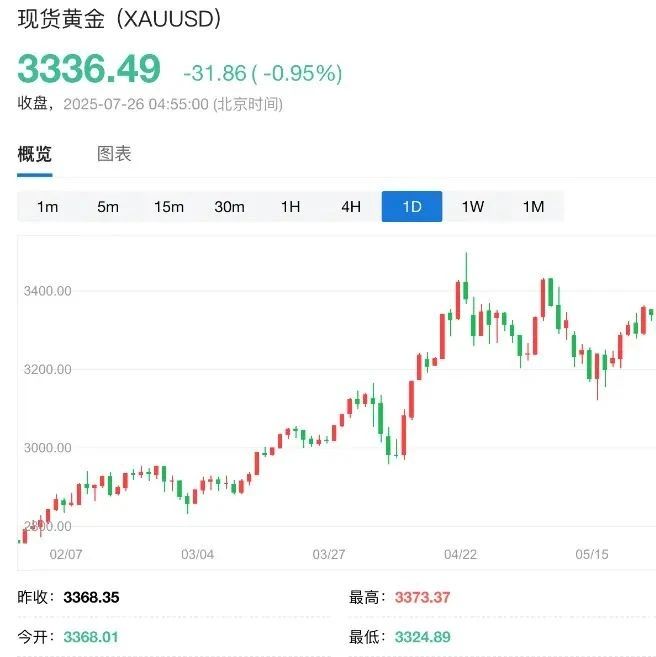
8月1日“关税大限”前夕,对冲基金押注黄金,多仓创4月以来最高
凤凰网财经· 2025-07-26 09:58
Core Viewpoint - The article highlights the increasing bullish sentiment towards gold among hedge funds, driven by rising risk aversion due to trade tensions and economic uncertainty, with gold prices experiencing a significant increase this year. Group 1: Hedge Fund Activity - Hedge funds have raised their bullish bets on gold to the highest level since April, with net long positions increasing by 19% to 170,868 contracts as of the week ending July 22, marking a 16-week high [1] - The ongoing trade war has led to market volatility, prompting investors to seek safe-haven assets like gold, which has contributed to a 27% increase in gold prices year-to-date [1] Group 2: Central Bank Support - The rise in bullish positions for gold is also supported by continuous purchases from global central banks, providing additional support for gold prices [2] - Despite potential easing of trade tensions that may reduce demand for safe-haven assets, strong central bank buying remains a solid fundamental support for gold prices [2]
冯德莱恩访华后硬怼美国关税,中国稀土成欧盟翻脸底气
Sou Hu Cai Jing· 2025-07-26 06:46
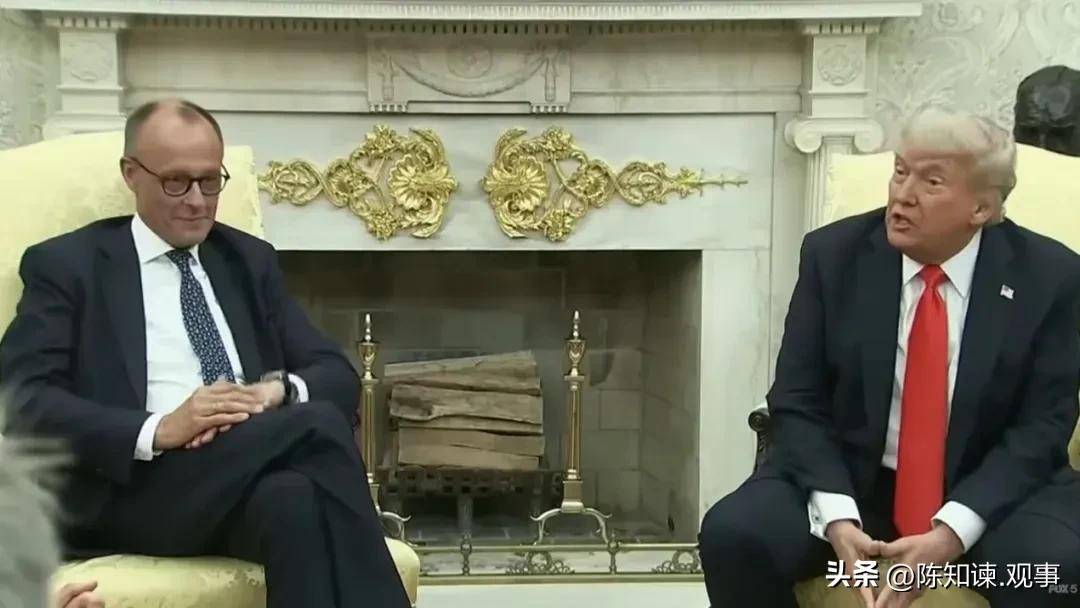
Core Viewpoint - The EU is asserting its strategic autonomy in the face of US trade pressures, particularly regarding tariffs and reliance on Chinese rare earth supplies [1][3][5]. Economic Context - Accepting a 30% tariff from the US could result in over €300 billion in annual losses for the EU, while shifting focus to the Chinese market could secure critical rare earth supplies for the renewable energy sector [1][3]. - The EU's long-term budget proposal of €2 trillion for 2028-2034 was rejected by Germany, highlighting internal divisions and weakening the authority of EU leadership [3]. Trade Relations - The EU is heavily reliant on imports for 85% of its rare earth materials, with over 60% sourced from China, which has implemented export controls that threaten the EU's green transition [3][5]. - The EU's trade with China exceeded €800 billion in 2024, making China an irreplaceable trade partner for the EU amid the US-EU trade conflict [5]. Political Dynamics - The visit to China is seen as a critical step for EU leadership to assert its strategic independence, especially as internal divisions among member states complicate a unified response to US pressures [3][7]. - The EU's response to US tariffs has created a rift within the bloc, with countries like Germany heavily dependent on the Chinese market, while others, like Hungary, lean towards the US [3][5]. Strategic Implications - The EU faces a pivotal choice between continuing as a US ally or positioning itself as a balanced player between the US and China, with the recent visit to Beijing marking a potential turning point for EU strategy [9].


中国一滴都不买,对华出口归零,特朗普政府求锤得锤,美财长急了,谈判前要“临场加价”
Sou Hu Cai Jing· 2025-07-26 04:42
Group 1: China's Energy Import Strategy - China's energy imports from the US have dropped to zero, with crude oil imports falling from $800 million last year to zero, LNG orders ceasing for four consecutive months, and coal imports reduced to a few hundred dollars [1] - Russia has become the main supplier of crude oil and LNG to China, offering prices 10%-15% lower than the US, while Australia and Middle Eastern countries have increased their coal exports to China [1][11] - This diversification strategy has allowed China to eliminate its dependence on US energy, enhancing its energy security [1][11] Group 2: Impact on the US Energy Industry - The cessation of energy exports to China has led to a significant increase in the US trade deficit, with losses of at least $30 billion in the first half of the year [3] - The US shale oil industry is facing its lowest overseas sales in two years, with some companies at risk of bankruptcy, and the energy sector's contribution to US GDP and employment is being negatively impacted [3][7] - The US's previous position as the world's largest crude oil exporter is now compromised, as its strategy to penetrate traditional markets in the Middle East and Russia has failed [3][7] Group 3: US-China Negotiation Dynamics - Upcoming US-China trade talks in Stockholm are marked by the US's insistence on discussing China's purchases of Russian and Iranian oil, which China views as a geopolitical maneuver rather than a trade issue [4][6] - China maintains a firm stance on equal negotiations and opposes any form of pressure from the US, emphasizing that its oil purchases are purely commercial [6] Group 4: Shift in US Policy and Global Energy Landscape - The failure of the US trade war and technology blockade against China has led to a reassessment of strategies, with the US recognizing the difficulty in containing China's rise [7] - The global energy market is being reshaped, with Russia and Middle Eastern countries increasing their market share in China, while the US seeks alternative markets but struggles to fill the gap left by China [11] Group 5: Future Outlook - The fundamental contradictions in US-China relations are unlikely to be resolved, with the US potentially adopting a more aggressive stance in negotiations due to domestic political pressures [12] - China is expected to continue its focus on self-sufficiency in core technologies and rare earths, while also pursuing a dual circulation development strategy to mitigate external risks [12]
反转!德国撕下温和面具,从谈判到“宣战”,川普肠子快悔青了
Sou Hu Cai Jing· 2025-07-26 03:01
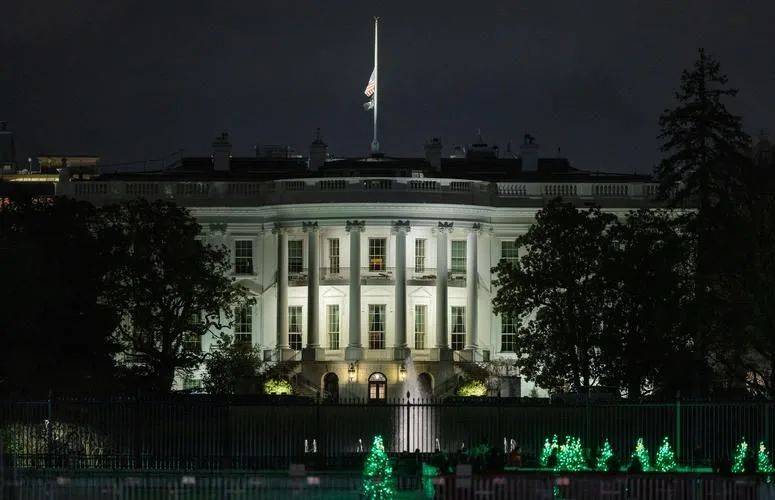
Group 1 - The core issue revolves around President Trump's decision to impose a 25% tariff on German cars, up from a previous 2.5%, leading to a significant escalation in trade tensions between the US and Germany [1][2] - Germany's initial approach of negotiation has shifted to a more aggressive stance, with high-ranking officials indicating readiness for confrontation if the US continues its tariff policies [1][2][4] - The automotive industry, which constitutes nearly one-third of Germany's exports to the US, is particularly vulnerable to these tariffs, prompting a reassessment of Germany's trade strategy [2][4] Group 2 - The change in Germany's position reflects a broader shift within the EU, moving from a predominantly moderate approach to a more unified and assertive stance against US trade policies [6][9] - Germany's dual strategy aims to balance a strong response to US tariffs while still seeking dialogue to resolve disputes, particularly in defense and economic sectors [8][11] - The upcoming deadline for the new tariffs on August 1 is critical, as it will determine whether the situation escalates into a full-blown trade war or if a compromise can be reached [11]
终于来了,中美定下谈判地点,中国出口绕道全球市场
Sou Hu Cai Jing· 2025-07-26 01:00
Group 1 - The US-China trade conflict is intensifying, with the third round of negotiations set to take place in Sweden, and the US Treasury Secretary signaling a potential extension of the tariff truce [1][4] - High tariffs, originally planned to be reinstated at 145% on August 12, are causing significant distress among major US companies like Apple, Tesla, and General Motors, leading to increased cost pressures [4][6] - China is diversifying its export markets, with exports to Africa increasing by 21.6%, to ASEAN by 13%, and to the EU by 6.6%, effectively offsetting declines in exports to the US [4] Group 2 - The US is shifting its strategy by demanding that China cease purchasing oil from Russia and Iran, threatening a 100% "secondary tariff" if compliance is not met [6][8] - China's response includes a significant increase in rare earth exports to the US, which surged to 353 tons in June, a 660% month-on-month increase, alongside new restrictions on battery material technology exports [8][9] - The upcoming negotiations present two options: extend the tariff truce for 90 days or resume high tariffs, with China firmly stating its position on trade discussions [9][10]
Now Is the Time to Sell Amazon
Investor Place· 2025-07-26 00:34
Silver Market Insights - Silver has recently reached a price of $39.06 per ounce, marking a 20% increase since early May, while gold has only increased by less than 5% during the same period [2] - The gold-to-silver ratio, which averaged around 60:1 from 2000 to 2020, is currently at 86 and falling, indicating a bullish outlook for silver [4][3] - The global silver market is experiencing a deficit of approximately 117 million ounces in 2024, continuing a trend of undersupply for five consecutive years [7] - Silver's role in the clean energy transition, particularly in solar panel production and electrification, is driving demand, while its price remains historically low [8] - Technically, silver has achieved a 14-year high with strong trading volume, suggesting potential for further gains towards the 2012 peak of $48, representing a 23% increase from current levels [9] The Metals Company (TMC) - TMC has seen a significant stock increase of 268% in less than two months, driven by its focus on polymetallic nodules rich in critical metals essential for clean energy [12][14] - TMC benefits from government backing and has a first-mover advantage with its fully filed ISA exploitation application and U.S. permit request [15] - The strategic investment of $85.2 million from Korea Zinc Co. enhances TMC's operational capabilities and reduces risks associated with downstream operations [18] Amazon's Market Position - Amazon is facing challenges due to its reliance on Chinese goods, with up to 70% of its products sourced from China, making it vulnerable to tariffs [23] - The cloud service division of Amazon has missed analyst expectations for three consecutive quarters, prompting significant capital investment from CEO Jeff Bezos [24] - A recommendation has been made to sell Amazon and consider investing in a lesser-known online retailer projected to be significantly more profitable by 2027 [25]