人民币国际化

Search documents
中金 | 深度布局“十五五”:宏观篇
中金点睛· 2025-11-12 23:26
Core Viewpoint - The article emphasizes the importance of the "15th Five-Year Plan" in enhancing technological innovation, optimizing internal economic structure, and promoting domestic demand while maintaining a confident approach to external openness [2][3][4]. Group 1: Macroeconomic Context - The "15th Five-Year Plan" is positioned as a critical phase for China's economic development, focusing on higher requirements for technological innovation and the importance of industrialization and scale [2]. - The development environment has changed significantly compared to the "14th Five-Year Plan," with breakthroughs in technological innovation, a downward financial cycle, and a more complex geopolitical landscape [3]. Group 2: Supply-Side Enhancements - The emphasis on building a modern industrial system is crucial, with a focus on enhancing supply capabilities and increasing the demand for technological innovation [4][5]. - The plan outlines specific directions for traditional industries, including strengthening their global competitiveness, while also highlighting strategic emerging industries such as new energy and quantum technology [5][6]. Group 3: Innovation and Technology - The "15th Five-Year Plan" aims to enhance independent innovation capabilities across core technologies, industries, talent, and the digital economy [6]. - Key areas for technological breakthroughs include integrated circuits, advanced materials, and biomanufacturing, with a focus on full-chain support for innovation [6][7]. Group 4: Demand-Side Strategies - The plan recognizes the need to boost domestic demand, with a target to increase the consumer spending rate significantly [9][10]. - Strategies to enhance consumption include improving institutional mechanisms, increasing quality supply, and removing unreasonable restrictions on consumption [10][11][12]. Group 5: Social Welfare and Employment - The plan emphasizes the importance of improving social welfare and employment to support consumer spending, with a focus on high-quality employment and equitable income distribution [12][13]. - Policies aimed at enhancing social security and reducing the financial burden on households are highlighted as essential for stimulating demand [13][14]. Group 6: External Openness - The "15th Five-Year Plan" promotes a more proactive and autonomous approach to external openness, emphasizing the importance of balancing imports and exports [15][16]. - Financial openness is identified as a key area for enhancing China's global financial standing, with a focus on increasing the internationalization of the RMB [17][18].


发行40亿美债狂揽1182亿美元,特朗普没料到中方敢这么干,美联储紧急刹车
Sou Hu Cai Jing· 2025-11-12 23:21
Core Insights - The issuance of $4 billion sovereign bonds by the Chinese Ministry of Finance attracted $118.2 billion in subscriptions, achieving a record oversubscription rate of 30 times, indicating a strong global confidence in Chinese sovereign credit [1][3][5] - The bonds were issued at competitive rates close to U.S. Treasury yields, with a 3-year rate of 3.646% and a 5-year rate of 3.787%, contrasting with lower demand for U.S. bonds [1][3][12] - The issuance reflects a strategic move by China to establish a pricing benchmark for Chinese enterprises seeking overseas financing, thereby reducing overall financing costs [5][14] Investor Composition - Sovereign investors, including central banks and sovereign wealth funds, accounted for 42% of the subscriptions, while banks and insurance institutions made up 24%, and funds and asset management institutions comprised 32% [3][5] - The geographical distribution of investors showed that 53% were from Asia, 25% from Europe, 16% from the Middle East, and 6% from the U.S., indicating a broad international interest in Chinese bonds [3][5] Market Dynamics - The issuance highlights a reversal in credit confidence between China and the U.S., with China's zero default record contrasting sharply with the U.S.'s history of technical defaults [3][10] - The trend of "de-dollarization" is gaining momentum, with the dollar's share in global foreign exchange reserves dropping to 58.9%, the lowest in 25 years [9][12] Strategic Intent - The issuance is not merely for financing needs but is part of a broader financial strategy to enhance China's role in the international financial system and support development projects under the Belt and Road Initiative [5][10] - The introduction of a renminbi settlement option for global investors facilitates the internationalization of the renminbi and strengthens Hong Kong's position as a financial hub [7][14] Long-term Implications - The issuance is expected to influence U.S. Treasury yields, potentially increasing them by 50-75 basis points, thereby adding pressure to U.S. fiscal policy [12][16] - The shift in investor behavior indicates a growing preference for Chinese sovereign bonds as a safe asset, which could diminish the U.S.'s ability to attract capital during times of geopolitical tension [12][17] Financial Infrastructure - The successful issuance in Hong Kong underscores the city's role as a key financial center, providing a robust infrastructure for cross-border financing and settlement [14][16] - The careful design of the bond issuance, including the controlled size and diverse investor base, sets a precedent for future larger-scale issuances [16][17]
自主可控成关键抓手 人民币跨境支付体系建设提速
Shang Hai Zheng Quan Bao· 2025-11-12 17:53
Core Viewpoint - The establishment of a self-controlled cross-border payment system for the Renminbi (RMB) is crucial for ensuring financial security, supporting the internationalization of the RMB, and enhancing China's influence in international finance [1][4]. Group 1: Current State of RMB Cross-Border Payment System - A multi-channel and widely covered RMB cross-border payment system has been basically established, facilitating various cross-border RMB transactions [2][3]. - As of September 2025, the Cross-Border Interbank Payment System (CIPS) has connected over 1,700 domestic and foreign participants, reaching more than 5,000 legal banking institutions across 189 countries and regions [3]. - In 2024, CIPS processed RMB 175 trillion in cross-border transactions, marking a 43% year-on-year increase [3]. Group 2: Importance of Self-Controlled Payment System - The need for a self-controlled RMB cross-border payment system arises from the high costs, low efficiency, and limited transparency of existing systems, exacerbated by geopolitical tensions [4][5]. - A self-controlled system is seen as a key to enhancing the RMB's role as a global currency, providing a reliable clearing infrastructure for its use in international trade [4][5]. Group 3: Future Development and Strategic Focus - Future efforts should focus on expanding network coverage, optimizing institutional rules, exploring cutting-edge technologies, and strengthening application scenarios to enhance the global influence of the RMB cross-border payment system [6]. - The development of CIPS is positioned as a critical element in this strategy, with expectations for it to become a trusted global payment system serving the real economy [6][7]. - The application of Central Bank Digital Currency (CBDC) is anticipated to improve the efficiency and security of RMB cross-border payments, while also mitigating risks from geopolitical conflicts [7].
人民币跨境支付体系建设提速
Shang Hai Zheng Quan Bao· 2025-11-12 17:51
Core Viewpoint - The establishment of a "self-controllable" cross-border payment system for the Renminbi (RMB) is crucial for ensuring financial security, supporting the internationalization of the RMB, and enhancing China's international financial influence [1][3]. Group 1: Current Challenges in Cross-Border Payments - Cross-border payments face issues such as high costs, low efficiency, lack of transparency, and limited access, primarily due to long payment chains, high compliance costs, and insufficient trust among entities [1]. - The RMB's share in global foreign exchange reserves remains significantly lower than that of the US dollar and euro, indicating substantial room for growth in the RMB's internationalization [2]. Group 2: Strategic Focus for RMB Payment System Development - Key areas for developing a self-controllable RMB cross-border payment system include expanding network coverage, optimizing institutional rules, exploring cutting-edge technologies, and strengthening application scenarios [3]. - The Cross-Border Interbank Payment System (CIPS) is positioned as a vital component for enhancing the global influence of the RMB cross-border payment system [3]. Group 3: Role of Digital Currency - The application of Central Bank Digital Currency (CBDC) enhances the efficiency and security of RMB cross-border payments and helps mitigate sanctions risks arising from geopolitical conflicts [4]. - Developing a robust offshore RMB market ecosystem is essential for the RMB cross-border payment system, which includes promoting RMB-denominated investment tools in major offshore markets [4].
星展:中银香港将受益于人民币代币化和国际化长期机遇
Zhi Tong Cai Jing· 2025-11-12 17:49
Group 1 - The report indicates that Chinese regulatory authorities maintain a cautious stance towards digital assets, but do not impose a ban. The internationalization of the Renminbi and the development of digital assets are areas that regulators wish to explore further, with various pathways including the central bank digital currency (e-CNY) [1] - DBS believes that banks play a crucial role in the digital asset space, contrasting with some investors' concerns that stablecoins may impact banking operations. Instead, banks are deeply involved in digital assets [1] - The report maintains a positive outlook for Hong Kong banks and fintech companies. Short-term catalysts for related fintech companies include the approval of stablecoin licenses in Hong Kong and the introduction of more favorable cryptocurrency policies in the United States [1] Group 2 - The report favors companies with clear stablecoin and digital asset application scenarios, including OSL Group (00863), LianLian Digital (02598), and Linklogis Technology-W (09959). In the banking sector, Bank of China Hong Kong (02388) is expected to benefit from the long-term opportunities of Renminbi tokenization and internationalization [1] - During the Hong Kong Fintech Week, regulation emerged as a frequently mentioned topic in the digital asset forum. The regulatory framework in the digital asset sector is still evolving compared to traditional finance [2] - DBS reiterated "buy" ratings for Bank of China Hong Kong (02388) and OSL Group (00863), with target prices set at HKD 39.4 and HKD 20, respectively [2]

只有中国敢这么干!发行美债狂揽1182亿,华尔街沉默,美联储头疼
Sou Hu Cai Jing· 2025-11-12 17:47
Core Viewpoint - The issuance of $4 billion in sovereign bonds by the Chinese Ministry of Finance in Hong Kong attracted an unprecedented $118.2 billion in global subscriptions, marking a historical record in market response [1] Group 1: Bond Issuance Details - The bond issuance was highly sought after, with an overall subscription rate nearing 30 times, and the 5-year bonds reaching a staggering 33 times [3] - The yields on these bonds were comparable to U.S. Treasury yields, with the 3-year yield at 3.646% and the 5-year yield at 3.787%, only slightly higher than U.S. bonds by 0.02 percentage points [3] Group 2: Market Sentiment and Trust - The overwhelming demand for these bonds, despite minimal additional interest incentives, signals a collective vote of confidence in China's sovereign credit [5] - In contrast, U.S. Treasury bond subscriptions were much cooler, typically ranging between 2.5 to 2.7 times [7] Group 3: Credit Ratings and Economic Fundamentals - There is a stark contrast between the market's perception and the official ratings from international agencies, with China rated A1 by Moody's while the U.S. holds a higher AA1 rating [8] - Investors are focusing on China's strong fundamentals, including over $3 trillion in foreign exchange reserves and a consistent trade surplus, which bolster its debt repayment capacity [8] Group 4: Implications for Global Finance - The successful bond issuance challenges the traditional pricing power of the U.S. dollar in global liquidity, suggesting a new offshore dollar credit benchmark is emerging [17] - This development enriches investor choices and undermines the status of U.S. Treasuries as the sole "risk-free" asset, positioning China as an alternative safe haven for international capital [19] Group 5: Strategic Financial Maneuvers - The issuance can assist developing countries caught in "debt traps" by providing flexible dollar loans, allowing repayments in various currencies, including the renminbi [21] - This process not only promotes the international use of the renminbi but also facilitates capital flow back to China, potentially reducing global demand for the dollar [23][24] Group 6: Broader Market Impact - The bond issuance sets a precedent for other emerging markets, demonstrating that strong fundamentals can lead to fairer pricing in international capital markets [28]
今年以来熊猫债发行超1600亿元
Zheng Quan Ri Bao· 2025-11-12 16:24
Core Insights - The People's Bank of China emphasizes accelerating financial market system construction and high-level opening-up in its monetary policy report, specifically promoting the high-quality development of the Panda Bond market [1] Group 1: Panda Bond Market Overview - The Panda Bond market has seen rapid expansion, with cumulative issuance reaching over 1 trillion yuan by the end of July this year, marking a significant milestone in China's bond market opening [1] - As of November 12, 2023, 104 Panda Bonds have been issued this year, with a total issuance scale of 162.55 billion yuan [1] Group 2: Market Characteristics - The Panda Bond market is characterized by rapid expansion, structural optimization, and innovative breakthroughs, becoming a core symbol of China's financial market opening [1] - Current trends show steady expansion in issuance scale, optimization of issuer structure, and continuous innovation in products and systems, reflecting the alignment of supply and demand in domestic and international markets [1] Group 3: Notable Issuances - Barclays Bank successfully issued 2 billion yuan in Panda Bonds, marking the first issuance by a UK issuer and the first non-subordinated financial Panda Bond with a redemption option [2] - Morgan Stanley issued 2 billion yuan in targeted debt financing tools in July, representing the first Panda Bond issued by a US-based company [2] Group 4: Future Outlook - There is a need to transition the Panda Bond market from "scale expansion" to "quality enhancement," focusing on innovation in products and strengthening infrastructure to improve market transparency and efficiency [2]
英美没想到!联手踢人民币出局,只为巩固美元,交易市场却变天了
Sou Hu Cai Jing· 2025-11-12 13:14
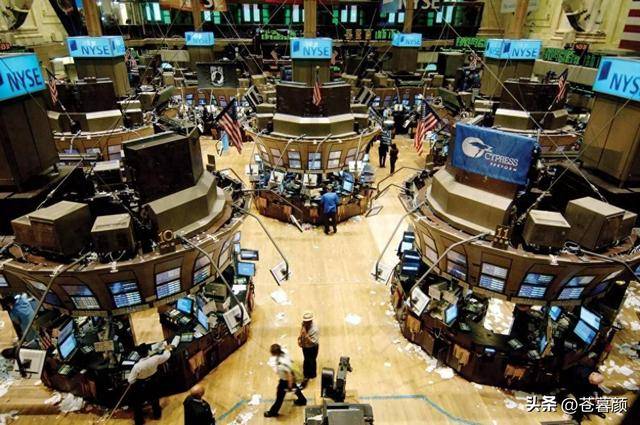
Core Viewpoint - The sudden decision by the London Metal Exchange (LME) to halt all non-U.S. dollar-denominated metal options trading is perceived as a strategic move against the rising influence of the Chinese yuan, signaling a potential shift in the global financial order [3][12][30] Group 1: LME's Role and Impact - The LME has historically functioned as a key component of the U.S. dollar's dominance in global finance, acting as a "wealth amplifier" to maintain U.S. hegemony [5][12] - The LME's pricing system dictates the value of industrial metals globally, reinforcing the dollar's role in commodity pricing [5][14] - The LME's operations have facilitated a wealth transfer mechanism that benefits U.S. financial markets at the expense of manufacturing nations [7][9] Group 2: China's Rising Influence - China is positioned as a formidable challenger to the LME, leveraging its industrial strength and trade volume to reshape the pricing dynamics of metals [12][14] - The trading volume of yuan-denominated metal options has surged by 900% from 30,000 contracts to 270,000 contracts over the past three years, indicating a significant shift towards yuan-based transactions [14][20] - Major resource-exporting countries are increasingly adopting yuan for trade, with over 30% of mineral exports to China now settled in yuan [16][20] Group 3: LME's Reaction and Consequences - The LME's abrupt rule change to exclude yuan-denominated trading is seen as a desperate attempt to maintain its influence, reflecting a lack of confidence in its traditional market dominance [18][22] - This move has inadvertently accelerated the market's shift towards the yuan, as evidenced by a dramatic increase in trading volumes on the Shanghai Futures Exchange following the LME's announcement [25][27] - The widening price gap between LME and Shanghai copper contracts highlights the growing divide between speculative financial practices and real industrial demand [25][29] Group 4: Future Outlook - The LME's actions may signify the beginning of a transition to a "post-LME era," where the center of gravity in metal trading shifts from London to Shanghai [29][30] - The historical parallels drawn with the decline of the British pound post-Suez Crisis suggest that the dollar's dominance in metal markets may also be waning [27][30]
这下该傻眼了!伦敦交易所踢中国出局,紧要关头全球资本弃美投中
Sou Hu Cai Jing· 2025-11-12 11:22
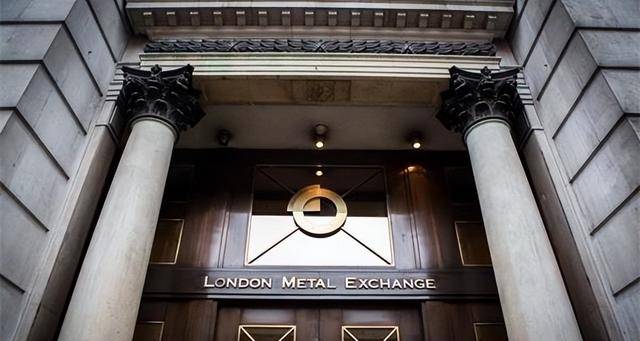
Core Viewpoint - The London Metal Exchange (LME) has announced that all metal futures trading must be settled in US dollars starting November 10, effectively suspending non-dollar denominated contracts, including those priced in Chinese yuan, raising questions about the underlying motives behind this decision [1][3][5]. Group 1: Market Dynamics - The trading volume of yuan-denominated copper futures reached 357,000 contracts in 2024, increasing to 482,000 contracts in the first half of 2025, indicating a growth of nearly 35%, contradicting LME's claim of "insufficient liquidity" [3]. - The LME's decision coincides with the US's plan to increase money supply and accelerate printing in December, suggesting a strategic move to maintain the dollar's dominance in the global commodities market [3][5]. - The LME, as a key platform for metal futures, has historically favored the dollar, despite the rising international status of the yuan [5][10]. Group 2: Geopolitical Implications - The suspension of yuan futures appears to be a measure to protect the dollar's hegemony amid China's growing influence in the global metal market [5][8]. - The US has formed a critical mineral alliance with several countries to stabilize supply chains for essential metals, aiming to tie these resources to the dollar, which is seen as a direct challenge to China's rising market power [8][10]. Group 3: Shift in Trading Preferences - The Shanghai Futures Exchange has been gaining prominence, with significant increases in trading volumes for metals like copper and aluminum, indicating a shift away from dollar-denominated transactions [12][14]. - Following the LME's announcement, trading volume for copper futures on the Shanghai Futures Exchange surged by 15%, demonstrating a preference for yuan settlements among global traders [12][19]. - Major international companies, including BMW and Volkswagen, have begun using yuan for metal transactions, reflecting a growing trend towards yuan settlements [14]. Group 4: Future Outlook - The rise of the yuan in metal trading is expected to lead to a dual pricing system where both the dollar and yuan coexist, enhancing market diversity and fairness [17][19]. - The promotion of digital yuan in countries like Indonesia, Chile, and Iran is laying the groundwork for further internationalization of the yuan, potentially reducing reliance on dollar settlements [16][19]. - The overall trend suggests that global capital is increasingly inclined towards markets that offer stable, transparent, and low-cost trading options, with yuan settlements becoming a significant choice [19].
为了美元霸权,老美直接想掀桌子了?
大胡子说房· 2025-11-12 10:47
Core Viewpoint - The London Metal Exchange (LME) has suspended all non-USD denominated metal options trading, which is seen as a move to reinforce the dominance of the USD in global commodity pricing and to counter the growing internationalization of the RMB [1][18]. Group 1 - The LME's official reason for the suspension is the low trading volume of non-USD contracts, which has led to higher maintenance costs than benefits [1]. - Despite the LME's claims, RMB-denominated metal futures trading has been significantly increasing, with daily trading volume for copper futures rising from over 300,000 contracts in 2024 to nearly 500,000 contracts in the first half of 2025, marking a nearly threefold increase over three years [1]. - The RMB's share in long-term metal transactions in regions like the Middle East and Africa has surpassed 30% [1]. Group 2 - The urgency from the U.S. to act against RMB internationalization stems from three main factors: the signing of RMB settlement agreements for iron ore with Australia, the successful issuance of $4 billion in sovereign bonds with a high subscription rate, and the upcoming shift in U.S. monetary policy towards quantitative easing [2][14]. - The issuance of U.S. sovereign bonds saw a subscription rate of 30 times the issuance amount, indicating strong international investor confidence [2][3]. Group 3 - The LME's actions are perceived as a direct challenge to the RMB's growing influence in global commodity pricing, aiming to reclaim USD's pricing power in key minerals [18]. - The potential emergence of two parallel pricing systems—one centered around the Shanghai Futures Exchange and the other around U.S. exchanges—could disrupt existing trade agreements, particularly those using RMB for settlement [20][21]. Group 4 - The U.S. strategy to limit RMB transactions could lead to a situation where countries like Australia reconsider their RMB settlement agreements if they become unprofitable due to rising USD-denominated prices [21][22]. - The ongoing "currency war" suggests that while the RMB may not immediately replace the USD, it will not be completely overshadowed by it either, leading to a more diversified global currency landscape [30]. Group 5 - The competition for pricing power will likely enhance the strategic position and valuation of related sectors in the A-share market, as more trading may shift to the Shanghai Futures Exchange [31]. - The focus on critical mineral supply chain security will increase attention on China's dominance in rare earths, presenting potential investment opportunities [32]. - The anticipated liquidity influx from U.S. monetary policy changes could alter market dynamics, creating both opportunities and risks for investors [32].