
AI应用

Search documents
世界经济论坛即将举办;中国2026年1月LPR数据将出炉丨一周前瞻
2 1 Shi Ji Jing Ji Bao Dao· 2026-01-19 00:26
Group 1 - The 2026 National Online New Year Goods Festival will be held from January 19 to March 4, 2026, indicating a focus on boosting consumer spending during the festive season [2] - The World Economic Forum - Winter Davos will take place from January 19 to January 23, 2026, highlighting global economic discussions [2] - The U.S. Federal Reserve has entered a quiet period, which may impact market expectations and investor sentiment [2] Group 2 - Key economic data releases in China include December housing price data, national real estate development investment for the entire year of 2025, and GDP for the fourth quarter [2][3] - A total of 39 stocks will face the unlocking of restricted shares this week, with a combined market value of approximately 464.99 billion yuan, indicating significant market activity [4] Group 3 - The China Securities Regulatory Commission emphasizes the need for market stability and the prevention of excessive speculation, aiming to maintain a steady upward trend in the market [6][8] - The focus on long-term investment strategies and the promotion of value investing is highlighted as essential for sustainable market growth [8] Group 4 - The successful development of China's first series-type high-energy hydrogen ion implanter marks a significant advancement in semiconductor manufacturing technology [10][11] - The announcement of China's annual electricity consumption exceeding 10 trillion kilowatt-hours for the first time reflects the country's growing energy demands and infrastructure needs [12] Group 5 - The establishment of a working group for commercial community service robots signifies a move towards standardization and development in the robotics sector [7] - The successful static ignition test of the Long March 12B reusable rocket indicates progress in China's commercial space launch capabilities, which may attract investment in the aerospace sector [14]


银河证券:全球地缘政治不确定性加剧 预计港股窄幅震荡
智通财经网· 2026-01-19 00:24
Group 1 - The report from Galaxy Securities indicates that the expectation for a short-term interest rate cut by the Federal Reserve has decreased, and global geopolitical uncertainties are increasing, leading to a forecast of narrow fluctuations in the Hong Kong stock market [1] - The technology sector is highlighted as a long-term investment focus, benefiting from multiple positive factors such as price increases in the supply chain, domestic substitution, and accelerated AI applications [1] - The consumer sector is expected to continue benefiting from policy support, with future attention needed on the implementation of policies and improvements in consumer data [1] Group 2 - In the past week, the Hong Kong stock market showed strong performance, with the Hang Seng Index rising by 2.34%, the Hang Seng Tech Index by 2.37%, and the Hang Seng China Enterprises Index by 1.90% [2] - Among the primary industries, nine sectors increased while two decreased, with materials, consumer staples, and information technology leading the gains at 4.31%, 3.91%, and 3.60% respectively [2] - The average daily trading volume on the Hong Kong Stock Exchange was HKD 301.69 billion, an increase of HKD 28.58 billion from the previous week [2] Group 3 - As of January 16, 2026, the PE and PB ratios of the Hang Seng Index were 12.20 times and 1.24 times, respectively, reflecting increases of 0.44% and 0.52% from the previous week [3] - The risk premium for the Hang Seng Index is at 3.95%, which is significantly below the three-year rolling average, indicating a low-risk appetite among investors [3] - The premium index for the Hong Kong-Shanghai Stock Connect has decreased to 120.43, placing it at the 17th percentile level since 2014 [3]
消费还扛不起大旗
虎嗅APP· 2026-01-18 23:55
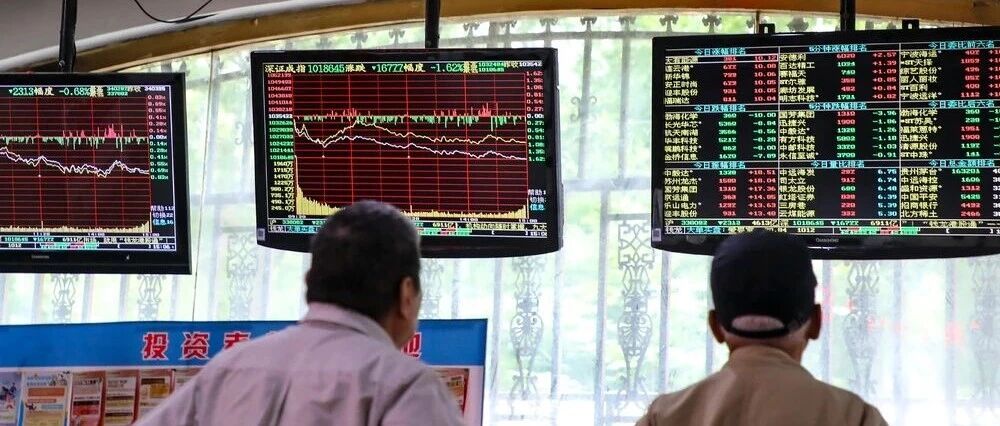
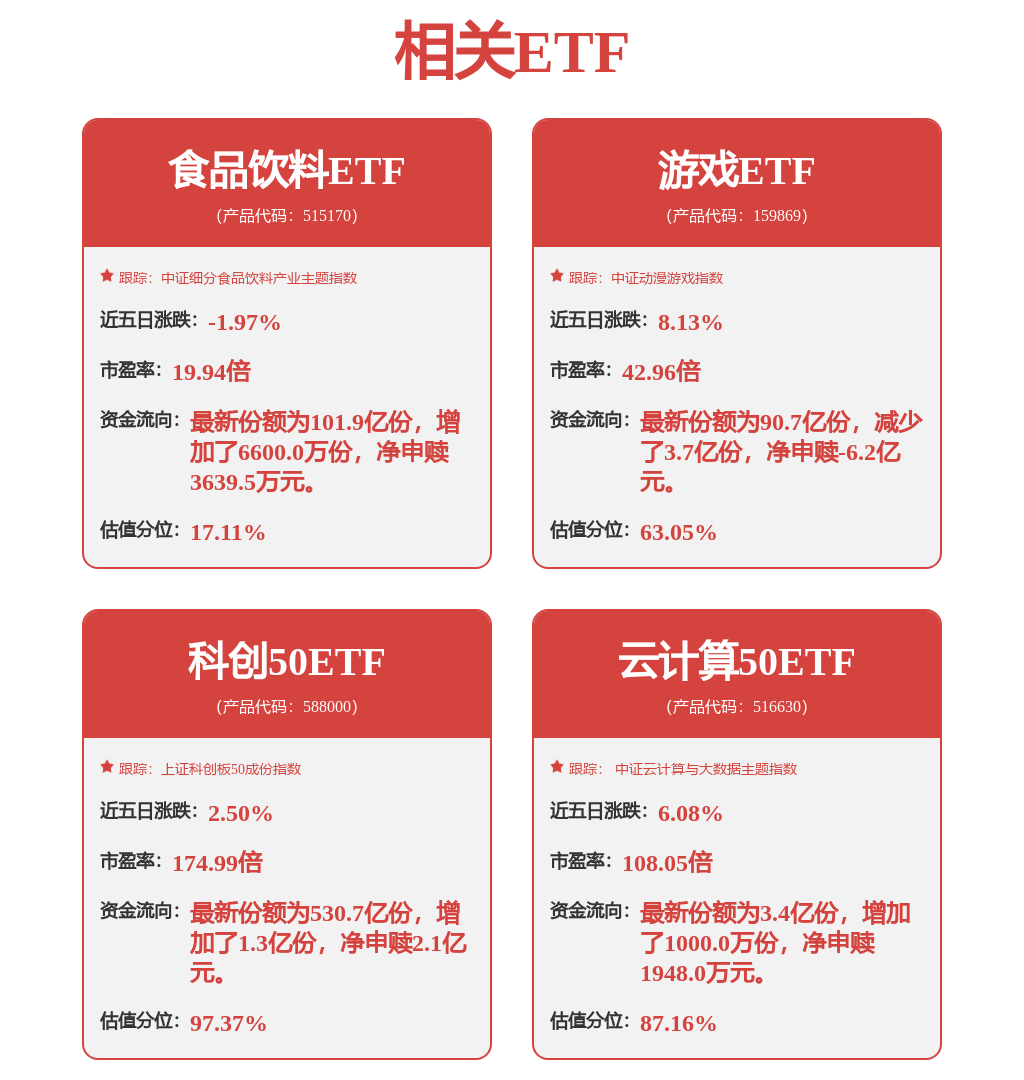
Core Viewpoint - The consumer sector has been overlooked in the current bull market, with the CSI 300 index rising by 16% in 2025 while the consumer index fell by nearly 8% [4]. Group 1: Market Performance and Trends - In the first ten trading days of 2026, only 17 out of nearly 800 consumer stocks saw gains exceeding 30%, indicating a lack of confidence in the fundamentals of consumer stocks [5][6]. - Despite the overall market rally, consumer stocks have not performed well, with the current bull market not favoring them as a main theme [8][9]. - Policies aimed at boosting consumption have been introduced, including the central economic work conference prioritizing consumption as a key task for 2026 [8]. Group 2: Investment Sentiment and Fund Flows - Large funds are currently favoring broad-based ETFs over consumer stocks, with institutional investors shifting focus from traditional consumer sectors to growth sectors like technology and healthcare [11][12]. - Retail investors have contributed significantly to market liquidity, but many are gravitating towards high-volatility tech stocks rather than consumer stocks [12][13]. - The overall sentiment towards consumer stocks remains weak, with expectations of a slow recovery in demand and structural optimization in consumption patterns [13][20]. Group 3: Sector Analysis and Future Outlook - The consumer sector is entering a phase of structural optimization, with traditional consumption models facing challenges [34][36]. - The growth potential in the consumer sector is uneven, with segments like snacks and soft drinks showing promise, while sectors like liquor are struggling [28][29]. - The gaming market is projected to grow significantly, with a historical high in sales revenue and user base [31]. Group 4: Investment Strategies and Key Characteristics - Future investment strategies should focus on companies with strong individual capabilities and the ability to adapt to changing consumer demands [38][39]. - Companies that can innovate, explore new business models, and have international market capabilities are likely to perform better [41]. - The service sector, particularly in tourism, dining, and entertainment, is expected to be a key area for growth in domestic consumption [43].
十大券商策略:回归业绩!主题轮动加快 聚焦这些板块
Zheng Quan Shi Bao Wang· 2026-01-18 23:34
Group 1 - The core viewpoint emphasizes a shift from narrative-driven trends to performance-based evaluations as the market approaches the annual report forecast period [1] - The adjustment of financing margin does not affect the overall upward trend of the market but influences its structure, leading to intensified competition among thematic sectors [1] - The significant redemption of ETFs is part of a counter-cyclical adjustment, providing an opportunity for allocation funds to enter the market [1] Group 2 - The focus is on the acceleration of thematic rotation, particularly in domestic semiconductor and power sectors, driven by regulatory actions and increased demand for domestic computing power [2] - The market is expected to experience short-term fluctuations due to increased financing margin ratios and corrections in previously popular themes like commercial aerospace [3] - The sentiment around performance disclosures is anticipated to intensify as the market approaches the earnings announcement period, with a focus on sectors like electric equipment and machinery [4] Group 3 - The foundation for a long-term bull market is being solidified, with policies aimed at maintaining market stability and boosting investor confidence [5] - The "spring rush" market is facing short-term pressures from complex overseas macro environments and domestic regulatory intentions [6] - The market is expected to transition from rapid growth to a more stable and oscillating pattern, with a focus on sectors like electronics, electric equipment, and non-ferrous metals [7] Group 4 - The current market dynamics suggest a potential structural shift towards computing power sectors, with ongoing strong demand in AI applications and semiconductor industries [8] - Regulatory measures are seen as a safeguard for a slow bull market, with expectations of continued support from macro policies and moderate recovery in corporate earnings [9] - The consensus among funds is increasingly gathering around the AI industry chain, indicating a strategic focus on sectors that can drive growth [10]
“手痒式交易”与“躺平式持股” 2026开年投资者姿势各异
Zhong Guo Zheng Quan Bao· 2026-01-18 21:34
Group 1 - The core viewpoint of the articles highlights the contrasting investment strategies between long-term value investors like Duan Yongping and the short-term trading behaviors prevalent in the current market environment [1][5][6] - Duan Yongping's investment in Apple since 2011 has yielded a cumulative return of 1623.48%, showcasing the benefits of patience and long-term commitment to a single stock [2][3] - Duan's strategic timing for his investments coincided with market lows, such as after Steve Jobs' death in 2011 and during the supply chain crisis in 2022, indicating a contrarian approach to investing [2][3] Group 2 - Duan Yongping's portfolio, managed by H&H International Investment, had a market value of nearly $14.7 billion as of September 2025, with Apple and Berkshire Hathaway being the top two holdings, comprising nearly 80% of the total portfolio [3] - Berkshire Hathaway's recent investment in Alphabet, acquiring approximately 17.85 million shares, marks a significant shift in its investment strategy towards technology stocks, reflecting a broader adaptation of value investing principles [4] - The articles emphasize the need for investors to adapt to changing market conditions and technological advancements, suggesting that long-term investment strategies should be based on continuous learning and research [5][6]
热门产品掀起限购潮 基金公司差异化导购
Zhong Guo Zheng Quan Bao· 2026-01-18 20:56
Core Viewpoint - Fund companies are implementing purchase limits on popular products to avoid rapid scale expansion and protect existing investors' returns, reflecting a shift from scale-driven to investor return-driven strategies [1][4]. Group 1: Fund Purchase Limits - Several fund companies have initiated purchase limits on high-performing funds, particularly those focused on AI applications and commercial aerospace, due to increased market activity in these sectors [1][5]. - On January 12, 2026, following a surge in the AI application sector, Debon Fund announced a reduction in purchase limits for its popular fund from 10 million yuan to 100,000 yuan for A shares and from 1 million yuan to 10,000 yuan for C shares [2]. - Yongying Fund also limited large purchases for two of its actively managed equity funds starting January 14, 2026, due to their significant recent gains [2]. Group 2: Reasons for Limiting Purchases - Fund managers indicate that limiting purchases after a price increase is primarily to protect performance, as new inflows can dilute returns when the fund's net asset value is high [4]. - Limiting fund size helps avoid operational challenges associated with large capital inflows, which can hinder effective portfolio management and lead to unpredictable fluctuations in net asset value [4]. - The current trend shows a cautious approach to fund size expansion, contrasting with previous years when many new products were launched during market upswings [4]. Group 3: Alternative Investment Options - Fund companies are exploring other niche sectors and products like "fixed income plus" and FOFs to provide investors with balanced investment options amid crowded market segments [1][6]. - Some companies are focusing on promoting long-term high-performance products rather than popular sector funds, emphasizing their integrated research platforms to enhance fund manager capabilities [6].
热门产品掀起限购潮基金公司差异化导购
Zhong Guo Zheng Quan Bao· 2026-01-18 20:45
Core Viewpoint - Fund companies are implementing purchase limits on popular products to prevent rapid scale expansion and protect existing investors' returns, reflecting a shift from scale-driven to investor return-driven strategies [1][2][3] Group 1: Fund Purchase Limits - Several fund companies, including 德邦基金 and 永赢基金, have announced purchase limits on high-performing funds focused on AI applications and other hot sectors due to increased market interest [1][2] - 中欧基金 has also implemented purchase limits on three of its products, with one fund's net asset value capped at 2 billion RMB to control its scale [2] - 工银瑞信基金 announced limits on its FOF product, indicating a trend of limiting purchases even amid a hot market [2] Group 2: Reasons for Limiting Purchases - Fund managers indicate that limiting purchases is necessary to protect performance, as new inflows at high net asset values can dilute returns and lead to inefficient cash management [2][3] - Limiting fund size helps avoid operational challenges associated with large-scale funds, which can hinder effective portfolio management and lead to significant net asset value fluctuations [3] Group 3: Market Strategy Adjustments - Fund companies are exploring alternative investment options, such as "固收+" and FOF products, to provide investors with balanced choices amid crowded sectors like AI and commercial aerospace [1][3] - Marketing strategies are shifting focus from popular sectors to long-term high-performing products, with an emphasis on the company's integrated research platform rather than individual fund managers [4]
重大预警,2026年春节前中国A股或将再现历史级行情
Sou Hu Cai Jing· 2026-01-18 18:16
Core Viewpoint - The A-share market is experiencing a significant surge in trading volume and financing, indicating a potential bull market, with major sectors like commercial aerospace and technology seeing substantial gains [1][4][7]. Group 1: Market Performance - The first week of 2026 saw a trading volume of 14.26 trillion, nearly breaking the record from August 2025, with financing balances surpassing 2.6 trillion for the first time [1]. - The Shenzhen Component Index reached 14,000 points, and the ChiNext Index hit a four-year high, with the commercial aerospace sector rising by 20% and aerospace equipment by 26% in just one week [1]. - The Shanghai Composite Index recorded a 16-day consecutive rise with a cumulative increase of 3.35%, while the Shenzhen and ChiNext indices rose by 5.59% and 4.93%, respectively, marking the strongest start to the year in nearly a decade [4]. Group 2: Capital Flow - Net financing purchases amounted to 79 billion, with the electronics sector receiving 24.1 billion, power equipment 12 billion, and defense and military industries 9.4 billion [3]. - Major funds have shifted over 600 billion into electronics and computer sectors, with mechanical and power equipment sectors also seeing inflows exceeding 500 billion [3]. Group 3: Policy Support - The government is actively promoting investment with the upcoming "14th Five-Year Plan," focusing on technology, consumption, and domestic demand, alongside direct financial incentives like birth subsidies [5][13]. - The recent policies are expected to stimulate consumer spending, benefiting sectors such as consumer goods and services [13]. Group 4: Sector Opportunities - The commercial aerospace sector is highlighted as a key growth area for 2026, with strong policy support and performance expectations similar to the rise of the new energy vehicle sector [7][10]. - AI applications are gaining traction, with companies in AI healthcare and education reporting significant revenue growth, indicating a shift towards commercial viability [10]. - The consumer sector shows signs of recovery, particularly in dining, tourism, and healthcare services, although disparities exist within sub-sectors like liquor and medical services [11]. Group 5: Historical Context and Future Outlook - Historically, the A-share market tends to rise before the Spring Festival, with the Shanghai Composite Index showing an average increase of 1.72% in the five trading days leading up to the holiday [8]. - The current market dynamics suggest a more rational participation from investors, with a higher proportion of long-term funds compared to speculative short-term trading [11].

成长股仍是优先主线
Xin Lang Cai Jing· 2026-01-18 17:25
Group 1 - The performance of various industry sectors was mixed, with notable gains in the computer, electronics, non-ferrous metals, and media sectors, driven by AI application concepts and the information technology innovation sector [1] - The electronics sector strengthened due to better-than-expected performance in storage chips and expectations of expanded demand for semiconductor equipment [1] - The non-ferrous metals sector maintained an upward trend supported by the strength of precious metals, industrial metals, and small metals sub-sectors [1] Group 2 - Growth stocks remain the market's priority, although there will be some internal structural shifts, with previously hot sectors like commercial aerospace, brain-computer interfaces, and AI applications experiencing short-term pullbacks [2] - As the earnings forecast disclosure period approaches, sectors with high earnings certainty such as AI computing power construction, storage chips, semiconductor equipment materials, innovative drugs, and CXO are recommended for allocation [2] - The continuous rise in commodity prices has increased market volatility, and regulatory tightening adds uncertainty, making stock opportunities potentially more reliable than commodities, while also highlighting the need to pay attention to underperforming sectors like rare earths [2]
深夜!最火赛道,突传利好!
Zhong Guo Ji Jin Bao· 2026-01-18 16:16
Group 1 - The successful verification of the landing buffer technology for the manned spacecraft marks a significant milestone for China's commercial space industry, making it the first of its kind in the country [2][3] - The test involved a full-scale experimental capsule, weighing approximately 5 tons, which was dropped from a height of over 3 meters to simulate the descent speed after parachute deployment, achieving all expected performance indicators [3] - The landing buffer system utilized a reverse thrust engine to create a stable counter-thrust, effectively reducing the capsule's speed upon landing, demonstrating the feasibility and reliability of the "cloud sensing landing" system proposed by the company [3] Group 2 - The company, established in 2023, is the only private enterprise in China approved for a national-level commercial manned space project, focusing on reusable manned spacecraft and space tourism services [4] - Recent developments in the commercial space sector include both positive advancements, such as the successful test by the company, and setbacks, including the failure of two rocket launches on January 17 [7] - Regulatory bodies are emphasizing a cooling of the market rather than a complete halt, aiming to direct investments towards quality projects and core technologies, which reflects a broader confidence in the future of commercial space and AI applications [8]