
扩内需

Search documents
“新”鲜出炉!首批广东消费新场景发布
Sou Hu Cai Jing· 2026-01-30 09:04
在购物中心邂逅一场落日音乐会,在古镇街巷体验非遗手作,在数字光影中穿越千年诗行……消费,早已不止于交易;场景,亦不再是孤岛。当文化底蕴与 消费空间深度融合,一场关于体验、情感与记忆的消费变革正在南粤大地悄然发生。 - - 4 C C 2019-02-20 e nearly a all and the s 1997 省政府工作报告提出,推动供需高水平动态适配,在建设强大国内市场中努力扩大有潜能的消费、有需求的生产、有效益的投资。此前,南方日报、南方 +客户端联合省发展改革委开展"粤蕴新场景·消费新势能"广东消费新场景征集活动,现正式发布30个。 首批广东消费新场景发布 这些场景深入挖掘岭南文化基因,通过创造性转化与创新性发展,将厚重的历史、鲜活的民俗、隽永的诗词、悠远的商路与澎湃的潮流,转化为可感、可 触、可消费的沉浸式体验,标志着广东在扩内需、促消费的征途上,正从供给商品与服务,转向供给一种融合文化认同与情绪价值的新生活方式。 HEH IICT r | UAN SIG t the 为便于社会各界一览全貌,现将场景名单公布如下: 民俗广东:基因解码,让传统点燃当代(可多选)"东莞记忆"——骑楼新生,老城焕彩(东 ...


春节消费旺季渐近,贵州茅台放量涨超3%,食品饮料ETF低位反弹,此前获资金连续11日净买入
Mei Ri Jing Ji Xin Wen· 2026-01-29 03:32
Group 1 - The food and beverage sector experienced a collective rebound, with Kweichow Moutai's market value exceeding 1 trillion yuan and rising over 3%, while Luzhou Laojiao surged more than 5% due to dividend payouts [1] - The food and beverage ETF saw an intraday increase of over 1%, with funds continuously investing for 11 days, resulting in a cumulative net purchase exceeding 300 million yuan [1] - The latest valuation of the food and beverage ETF, tracking the CSI segmented food index, stands at 19.09 times, which is cheaper than 98% of the time over the past decade, indicating a high cost-performance ratio for current positioning [1] Group 2 - As the Spring Festival consumption peak approaches, the focus is on low-position recovery opportunities in the large consumption sector under the "expand domestic demand" policy [2] - The food and beverage ETF, which tracks the CSI segmented food index, has over 60% weight in leading first and second-tier liquor stocks, currently characterized by low expectations, low positions, low valuations, and high dividend advantages [2] - The consumer ETF from Huaxia covers major consumption sectors, including liquor, dairy, condiments, soft drinks, and beer, while the food ETF focuses on essential food segments like dairy, fermented products, meat products, and snacks, showing resilience in demand [2]

李迅雷专栏 | 扩内需必须把重心从“投”转向“消”
中泰证券资管· 2026-01-28 11:33
Core Viewpoint - The article emphasizes the need for a shift in focus from investment to consumption to stimulate economic growth and counteract the negative cycle of demand, sales, and investment willingness in China [5][7]. Group 1: Economic Conditions - Weak consumption has become the main theme for the year, with retail sales in November only increasing by 1.3% year-on-year, and an expected annual growth of about 4% [5]. - The household sector is experiencing a "balance sheet contraction" during the real estate downturn, with defensive savings surging, leading to household deposits exceeding 162 trillion yuan [5]. - The GDP deflator has been negative for over two years, and the Producer Price Index (PPI) has been negative for eight and a half years, indicating persistent price contraction that erodes corporate profits [5]. Group 2: Demand Structure - The demand structure remains heavily reliant on investment and exports, with capital formation accounting for 30% of the global economy, while final consumption only accounts for 13.5% [7]. - The trade surplus in manufactured goods is equivalent to 10% of GDP, and the past decade's focus on "stabilizing growth" has led to increased investment, further suppressing prices [7]. Group 3: Consumption Challenges - The article highlights that consumer spending is hindered by low income and social security disparities, with service consumption in China at only 46%, significantly lower than the 20 percentage points below that of the US and Europe [7]. - The Engel coefficient remains close to 30%, indicating a high proportion of income spent on basic needs, which limits the willingness to consume among lower-income groups [7]. Group 4: New Consumption and Structural Reform - New consumption trends, such as the rise of Generation Z, single-person economies, and self-care spending, are emerging in lower-tier markets, providing a counterbalance to traditional consumption declines [8]. - To convert potential into sustained momentum, significant reforms are necessary, including substantial transfer payments and income distribution reforms, alongside easing service industry access and enhancing efficiency through digitalization and AI [8].

中加基金权益周报|市场在分化中上行
Xin Lang Cai Jing· 2026-01-28 07:38
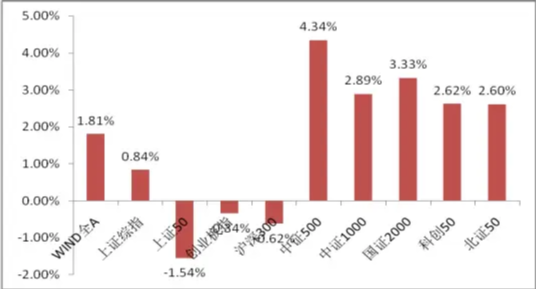
Market Overview - A-shares showed mixed performance last week, with trading volume remaining high [1] Macroeconomic Data Analysis - In Q4 2025, actual GDP growth rate declined by 0.3 percentage points to 4.5%, with an annual growth rate of 5%, aligning with market expectations [3][18] - Net exports contributed positively to economic growth, increasing from 1.4% to 1.2%, while investment and consumption contributions decreased [18] - December retail sales growth fell for the seventh consecutive month, dropping from 1.3% in November to 0.9% in December, below the market expectation of 1.0% [18] - Fixed asset investment growth continued to decline in December, reaching -3.8%, also below market expectations [4][19] - Real estate development investment saw a significant drop, with cumulative year-on-year growth at -17.2% and monthly growth at -35% [19] Investment Outlook - The market is experiencing a divergence, with high trading volume and a slight decrease in financing levels [8][21] - Short-term views indicate a favorable liquidity environment, supported by a weak dollar cycle and gradual appreciation of the RMB, alongside active institutional funds [9][22] - Concerns about the end of the spring market rally are growing, but no significant policy tightening or fundamental deterioration has been observed [22] - Mid-term perspectives favor technology growth as a key direction, with expectations of gradual improvement in the economic fundamentals [10][23] - Long-term views highlight the ongoing U.S.-China strategic competition, with potential support for China's equity market from foreign capital inflows [11][25] Industry Insights - Defensive dividend sectors are entering an observation phase, while aggressive sectors may face pressure [12][26] - Continued focus on technology, particularly in AI and related fields, is expected to drive performance [12][26] - The market is likely to see opportunities in sectors benefiting from domestic demand and high economic activity, such as chemicals and construction materials [12][26]
21评论丨以政策精准性与机制创新加力扩内需
2 1 Shi Ji Jing Ji Bao Dao· 2026-01-28 05:57
Core Viewpoint - The Chinese government is implementing a series of coordinated fiscal and financial policies aimed at stimulating domestic demand, enhancing private investment, and promoting consumer spending through innovative measures and systematic design [1][2]. Group 1: Policy Measures - The Ministry of Finance has introduced six key policies, including four focused on supporting private investment and two aimed at promoting consumption [1]. - The private investment support policies include interest subsidies for loans to small and micro enterprises, a special guarantee plan for private investment, a risk-sharing mechanism for private enterprise bonds, and interest subsidies for equipment upgrade loans [1]. - The consumption promotion policies consist of interest subsidies for service industry loans and personal consumption loans [1]. Group 2: Innovation and Effectiveness - The new policies reflect a shift towards more innovative, coordinated, and systematic fiscal measures, moving from "increasing strength and efficiency" to "precise drip irrigation" and "mechanism innovation" [1]. - The private investment guarantee plan enhances the credit enhancement capabilities of the government financing guarantee system, addressing key constraints that hinder private investment [2]. - The fiscal interest subsidy policy has been optimized to cover various sectors, ensuring that financial support reaches the most needy entities, thereby reducing financing costs for enterprises and consumers [2]. Group 3: Characteristics of the Policies - The policies demonstrate a dual focus on both supply and demand sides, supporting private investment while stimulating consumption and service upgrades [2]. - There is a deep collaboration between fiscal and financial policies, creating a synergistic effect through guarantees, interest subsidies, and risk-sharing mechanisms [2]. - The emphasis is on building long-term mechanisms that enhance market expectations and promote sustainable domestic demand growth [2].
社会服务行业2026年投资策略:消费回暖在即,关注细分赛道复苏节奏
Southwest Securities· 2026-01-28 04:43
Core Insights - The report highlights a recovery in consumer spending, particularly in the tourism sector, with domestic tourism expected to grow significantly in 2025, with a projected increase of 16.2% in travel volume and 9.5% in tourism revenue [4][24] - The human resources sector is poised for growth due to ongoing government support and the integration of AI technologies, which are expected to enhance efficiency and reduce operational burdens [4][40] - The sports industry is set to expand rapidly, with clear policy direction aiming for a total industry scale of 7 trillion yuan by 2030, indicating substantial growth potential [4][59] Tourism Industry - The domestic tourism market is projected to maintain high growth rates, with urban residents expected to travel 4.996 billion times, a 14.3% increase, and rural residents 1.526 billion times, a 22.6% increase in 2025 [24][27] - Despite the growth, the tourism sector has not yet returned to pre-pandemic levels, with tourism revenue as a percentage of GDP at only 4.5% in 2025, compared to 5.7% in 2019 [27][28] - Consumer willingness to spend on tourism remains strong, with tourism consumption ranking first among various spending categories [31][30] Human Resources Industry - The human resources sector is characterized as a strong cyclical industry, benefiting from macroeconomic recovery and increasing demand for flexible labor solutions [33][38] - The penetration rate of flexible employment in China is significantly lower than in developed countries, indicating substantial growth potential as the market matures [48][49] - Government policies are increasingly supportive of the human resources sector, with a focus on protecting the rights of flexible workers and enhancing the overall market environment [38][40] Sports Industry - The sports industry is expected to see accelerated growth, with the total industry scale projected to reach 3.8 trillion yuan by 2024, and a target of 7 trillion yuan by 2030 [59][56] - The government's "National Fitness Plan" aims to increase the sports industry's contribution to GDP, with a target of 2% by 2025 [59][56] - The expansion of sports events, including new golf tournaments, is anticipated to drive growth and diversify revenue streams for companies in the sector [67][69] Investment Recommendations - The report recommends focusing on companies like Huangshan Tourism (600054.SH) and Lisheng Sports (002858.SZ), which are expected to benefit from favorable policies and market conditions [4][64][67] - Huangshan Tourism is projected to see revenue growth of 13.05% in 2025, with a net profit increase of 19.83% [64] - Lisheng Sports is expected to achieve significant revenue growth of 30.02% in 2025, with a turnaround to profitability anticipated [67]
宁夏永宁“准备之冬”冲刺开局 以冬蓄力向春奋进
Xin Lang Cai Jing· 2026-01-28 04:17
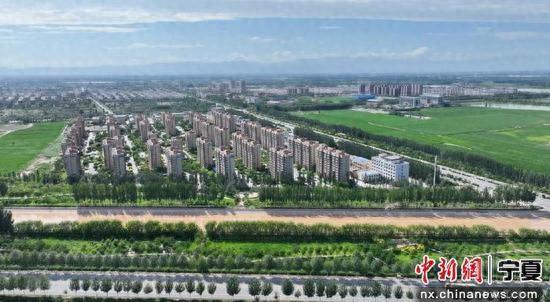
中新网宁夏新闻1月28日电 (记者 李佩珊)记者28日从宁夏银川市永宁县获悉,永宁县于1月至3月全面 启动"准备之冬"专项行动,紧盯稳投资、扩内需、强动能等重点任务,全力保障经济发展要素供给,聚 焦一季度"稳中有进、量质齐升"目标,奋力夺取经济社会发展"开门红"。 此外,当地还健全服务保障机制,严格落实领导包抓重点项目制度,建立专员代办机制,定期开展"政 企面对面"交流,完善超期督办机制,层层压实责任,确保各项工作扎实推进,将行动成效转化为实实 在在的发展成果。(完) 此次专项行动秉持"起步即冲刺、开局即决战"发展基调,明确核心发展指标,力争2026年一季度实现地 区生产总值增长5%,规模以上工业增加值增长6.5%;计划实施项目开工率达100%,固定资产投资增长 6%以上;一般公共预算收入、社会消费品零售总额均增长3%,城乡居民人均可支配收入与经济增长同 步。 为确保各项目标落到实处,专项行动聚焦项目建设"生命线",实行清单化管理、节点化推进,建立健全 新建、续建、签约、储备项目及资金争取闭环推进机制。同时,永宁县精准施策,为重点产业积蓄发展 动能,扎实开展产业链招商,做好企业复工复产保障,抓实冬春农业生产, ...
午评:沪指涨0.49%,石油、半导体等板块拉升,黄金概念活跃
Sou Hu Cai Jing· 2026-01-28 04:09
Core Viewpoint - The A-share market is experiencing fluctuations, with over 3,500 stocks in the red, while the Shanghai Composite Index shows a slight increase, indicating a mixed market sentiment [1] Market Performance - As of the midday close, the Shanghai Composite Index rose by 0.49%, and the Shenzhen Component Index increased by 0.09%. In contrast, the ChiNext Index fell by 0.37%, and the STAR Market 50 Index decreased by 0.73% [1] - The total trading volume across the Shanghai, Shenzhen, and Beijing markets reached approximately 1.93 trillion yuan [1] Sector Analysis - The pharmaceutical, automotive, and retail sectors experienced declines, while the oil, non-ferrous metals, coal, semiconductor, and brokerage sectors saw gains. Additionally, gold and disperse dye concepts were active [1] Investment Strategy - Dongguan Securities suggests that short-term indices may continue to fluctuate around moving averages, with an accelerated rotation of sectors. However, the spring market for A-shares is expected to continue, primarily characterized by structural trends [1] - Recommended investment strategies include balanced allocation, focusing on undervalued assets with stable earnings, technology sectors leading new productivity, and domestic demand expansion under the backdrop of a strong domestic market [1]
港股开盘 | 恒指高开0.73% 贵金属走强 赤峰黄金(06693)涨超4%
智通财经网· 2026-01-28 01:35
Group 1 - The Hang Seng Index opened up 0.73% and the Hang Seng Tech Index rose by 0.56%, indicating a positive market sentiment at the beginning of the year [1] - The precious metals sector showed strong performance, with Zijin Mining rising over 2% and Chifeng Jilong Gold Mining increasing by over 4% [1] - The biopharmaceutical sector also performed well, with CanSino Biologics increasing by over 3%, and Longi Green Energy saw a significant rise of over 14% [1] Group 2 - According to China Merchants International, the Hong Kong stock market is currently in an earnings vacuum period, with high growth expectations for new economy sectors boosting market confidence [2] - The appreciation of the Renminbi is favorable for Hong Kong stocks, and domestic policies focusing on technological innovation and expanding domestic demand are expected to positively influence the market [2] - The market is gradually forming a complete AI industry chain listing system, attracting capital and alleviating IPO fundraising pressure [2] - The first two months of the year will see a reduction in the scale of lock-up releases, easing selling pressure [2] - The combination of early-year profit switching and valuation switching is expected to lead to a "spring rally," favoring growth styles [2] Group 3 - According to Fuguo Fund, the Hong Kong market is likely to maintain a volatile consolidation pattern, driven by global trade tensions, the Federal Reserve's monetary policy, and the strength of domestic economic recovery [2] - Huatai Securities believes that a continued rebound in the Hong Kong market is expected in the first quarter, focusing on space while downplaying slope [2] - Key sectors to watch include the AI chain (semiconductors, software) and innovative pharmaceuticals, with a recommendation to gradually accumulate quality consumer leaders and overweight cyclical and upstream power sectors [2] Group 4 - Zheshang International is optimistic about sectors benefiting from policy support, such as new energy, innovative pharmaceuticals, and AI technology [2] - The company also highlights the stability of performance and stock price trends in undervalued state-owned enterprises benefiting from policy support, as well as local Hong Kong banks, telecommunications, and public utility dividend stocks that are relatively independent of the economic cycle [2] - The performance of the Hong Kong stock market in spring 2026 is expected to be driven by "AI applications + PPI improvement + expanded domestic demand," with a recommendation to focus on related quality targets [2]

大消费行业2025Q4基金持仓分析:大消费板块重仓比例连续7个季度回落,远低于历史均值水平
Wanlian Securities· 2026-01-28 00:24
证券研究报告|商贸零售 [Table_Title] 大消费板块重仓比例连续 7 个季度回落,远 低于历史均值水平 [Table_ReportType] ——大消费行业 2025Q4 基金持仓分析[Table_ReportDate] [投资要点: Table_Summary] ⚫ 大消费板块重仓比例持续回落,多数消费子板块重仓比例均环比 下降,只有轻工制造、商贸零售和社会服务三个板块略有上升。 2025Q4 大消费板块基金重仓比例延续了 7 个季度以来的下降趋 势,环比下降 0.28pcts 至 4.41%,目前处于历史低位,远低于 2018 年以来的历史重仓比例平均值 10.94%。 ⚫ 分个股:全市场个股持仓 TOP20 中大消费板块占据 2 个席位,与 Q3 季度席位数持平,大消费板块个股重仓比例分化明显。2025Q4 全市场基金重仓比例 TOP20 个股中大消费板块占据 2 个席位,食 品饮料(贵州茅台)和家用电器(美的集团)各占据 1 席。大消 费板块基金重仓比例提升幅度前 10 个股包括 3 只家用电器个股 (美的集团、格力电器、海尔智家)、2 只食品饮料个股(伊利股 份、口子窖)、2 只轻工制造个 ...
