流量经济

Search documents
将“苏超”流量转化为发展增量
Xin Hua Ri Bao· 2025-07-02 21:18
Core Viewpoint - The "Su Super" amateur football league has become a significant driver for economic development in Jiangsu, with sponsorships from major brands and a surge in tourism and cultural consumption [1][2][3] Group 1: Economic Impact - The "Su Super" league has attracted sponsorships from prominent brands such as Taobao, Alipay, and Huabei, indicating its growing influence in the sports and economic sectors [1] - Local tourism departments are leveraging the league's popularity by offering various incentives to attract visitors, creating a synergistic ecosystem that enhances economic activity across multiple sectors [1][2] Group 2: Community Engagement - The league has successfully engaged the community through grassroots initiatives, such as song competitions and poster contests, fostering a sense of collective participation and joy [2] - The integration of local products, like peaches and crayfish, into the league's marketing has stimulated interest in regional cuisine and tourism [2] Group 3: Cross-Industry Collaboration - The league exemplifies how sports events can break down industry barriers, creating a collaborative ecosystem that benefits various sectors, including tourism and local businesses [2][3] - The presence of diverse fan groups, such as Taiwanese cheerleaders and support teams from other cities, highlights the cross-regional appeal and economic potential of the league [3] Group 4: Policy Support - The success of the "Su Super" league is supported by coordinated government policies, including financial subsidies and safety measures, which facilitate the conversion of event traffic into economic momentum [3] - A systematic approach to managing the league's economic impact is essential for sustainable growth, emphasizing the need for ongoing collaboration between government and society [3][4] Group 5: Long-term Strategy - To maintain the momentum generated by the league, it is crucial to link event traffic with broader city branding and industrial upgrades, ensuring that the benefits extend beyond the immediate excitement of the events [4] - Continuous innovation and respect for the value of traffic are necessary to transform the league's popularity into lasting economic growth for Jiangsu [4]
从猫王创始人曾德钧‘怼’雷军到小米危机公关:流量背后的真相
Sou Hu Cai Jing· 2025-06-30 01:21
Core Viewpoint - The incident involving the founder of Cat King Audio, Zeng Dejun, and Xiaomi's CEO Lei Jun highlights the impact of social media on public perception and the importance of crisis management in business operations. The event has raised questions about respect and public relations in the corporate world [1]. Group 1: Incident Overview - Zeng Dejun's video recalls a meeting over ten years ago with Lei Jun, where he felt disrespected after Lei dismissed his smart speaker project, stating it was a waste of time [3]. - The video sparked widespread discussion online, with many criticizing Lei Jun's attitude and calling for more respect from business leaders [4]. - Zeng later clarified that his comments were not intended as a malicious critique of Xiaomi, but rather an expression of personal disappointment [5]. Group 2: Xiaomi's Response - Xiaomi's executive Wang Hua responded, stating that Zeng's account of the meeting was inaccurate, as the project discussed was a WiFi audio system, not a smart speaker, which did not exist at that time [7]. - Wang emphasized that the alleged "cold treatment" and Lei's quick departure did not occur, asserting that Xiaomi maintains respect for entrepreneurs throughout the investment process [8]. - He reiterated Xiaomi's commitment to transparency and respect in dealings with all entrepreneurs, highlighting the importance of accurate recollection of events [9]. Group 3: Media and Public Opinion - The incident illustrates the rapid spread of information in the social media age, where personal grievances can quickly escalate into major public discussions [11]. - Media coverage has been criticized for being overly emotional and lacking fact-checking, complicating the situation further [12]. - Companies must develop effective crisis management strategies to address public relations challenges, as timely and clear communication is essential to restore trust [13]. Group 4: Broader Implications - The event underscores the complex relationship between public opinion, media influence, and crisis management in the modern business landscape [15]. - Companies and public figures must navigate the challenges of maintaining their image while managing personal emotions and public perceptions [15].



一片卫生巾,为何变成了“流量印钞机”?
虎嗅APP· 2025-06-22 03:06
Core Viewpoint - The article discusses the rapid influx of celebrities and brands into the sanitary napkin market, highlighting the dual nature of this trend as both a response to consumer demand and a marketing strategy leveraging trust and emotional connection. Market Overview - In 2023, the market size for women's sanitary products in China reached 70.34 billion yuan, with a year-on-year growth of 8.2% [2] - Predictions indicate that by 2025, the market will reach 150 billion yuan, with a compound annual growth rate of approximately 9.5% [3] Consumer Behavior - A woman from age 15 to 45 may use around 10,800 to 15,000 sanitary napkins in her lifetime, indicating a high frequency and necessity of the product [4][5] - The emergence of new brands is partly due to a trust vacuum created by scandals in the industry, leading consumers to seek brands that emphasize transparency and safety [7][9] Profitability and Market Entry - High profit margins attract new entrants; for instance, the gross margin for brands like Hengan International is 63.7% [6] - The sanitary napkin industry has low technical barriers, allowing quick market entry for new players [6] Trust and Brand Strategy - New brands are capitalizing on consumer distrust towards traditional brands by promoting concepts like traceability and safety certifications [8] - Celebrity endorsements and influencer marketing are key strategies for new brands to gain consumer trust and market share [10][11] Industry Challenges - Consumers face issues such as misleading product claims and quality inconsistencies, which are often not illegal due to outdated standards [13][15] - Regulatory frameworks are lagging behind market changes, leading to a cycle of poor quality and consumer dissatisfaction [18][20] Pricing Dynamics - Despite a competitive market, prices for sanitary napkins have increased, driven by factors such as high marketing costs and emotional branding strategies [24][26] - The rise of "premium" products reflects a shift in consumer expectations, with brands targeting a more affluent demographic [27][28] Future Outlook - There is potential for a market correction as consumers become more discerning about the value of premium products [31][34] - Brands that focus on quality, reasonable pricing, and building trust are likely to succeed in the evolving market landscape [35]
京东集团刘强东为什么又和餐饮业“叫上劲”?
Sou Hu Cai Jing· 2025-06-18 17:27
Core Insights - JD Group, led by Liu Qiangdong, is strategically expanding into the food and beverage industry, following the launch of JD Takeout, indicating a significant shift in its business model [2][4][8] - Liu Qiangdong's personal history with the restaurant industry, including a failed venture, drives his ambition to succeed in this sector, reflecting a deep-seated emotional connection [3][4] - The company aims to address critical issues in the food delivery industry, such as food safety and the working conditions of delivery personnel, showcasing a commitment to social responsibility [5][6][7] Group 1: Personal Connection - Liu Qiangdong's entrepreneurial journey began with a restaurant, which ended in failure, creating a lasting impact on his perspective towards the food industry [3] - The emotional ties to the restaurant business motivate Liu Qiangdong to prove his capabilities in this field, marking a personal redemption arc [4] Group 2: Social Responsibility - The food delivery sector faces numerous challenges, including food safety concerns and poor working conditions for delivery workers, which JD Group aims to tackle [5][6] - Liu Qiangdong has stated that JD Takeout's profit margin will not exceed 5%, emphasizing a focus on consumer safety and worker welfare over profit maximization [7] Group 3: Business Strategy - The food and beverage industry presents a vast market opportunity, characterized by high consumer demand and repeat purchases, making it an attractive target for JD Group [8] - JD Group's extensive user base, logistics capabilities, and technological advantages position it well to capitalize on this market, aiming for a comprehensive integration of services [8]


艾暖昕集团启动联创启幕,以国学智慧与AI技术赋能品牌增长
Cai Fu Zai Xian· 2025-06-17 08:15
Core Insights - The article emphasizes the importance of traffic as a key engine for market expansion and performance growth in the digital era [1] - The event organized by Ainuanxin Group focuses on exploring the wisdom of traditional Chinese culture and its application in modern business leadership [1] Group 1: Event Overview - The conference titled "Leader's Business Path · Wisdom of Traditional Chinese Culture · Leader IP Traffic" gathered founders of five major brands, elite teams, and top business school mentors to discuss the growth paths of business leaders and strategies for breaking through traffic challenges [1] - Ainuanxin's founder, Song, highlighted the core mission of modern business leaders, which includes leading with vision, empowering brand building with AI, and driving industry innovation through traffic [2] Group 2: Traffic Economy Insights - Founder Li focused on macro trends and strategies in the traffic era, explaining the underlying logic of the traffic economy, which has diversified sources and increasingly intelligent acquisition methods [5] - The integration of artificial intelligence technology is expected to significantly enhance IP traffic efficiency and maximize commercial value [5] Group 3: Cultural Empowerment - Professor Zhao Yuping, a prominent figure in traditional Chinese culture with over 20 million followers, discussed the integration of cultural wisdom with enterprise management, using classics like "Romance of the Three Kingdoms" and "Water Margin" to illustrate the development of leadership charisma [7] - The emphasis is on using cultural empowerment to enhance brand identity and stimulate leadership capabilities, thereby reshaping the core spirit of enterprises [7] Group 4: Practical Application - Business school instructors provided practical insights on transforming leader IP into industry influence and driving exponential brand dissemination through a structured approach [9] - The agenda combined high-level strategic thinking with actionable tools, merging traditional wisdom with the dynamics of the digital age, aiming to write a new legend in the commercial landscape [9]

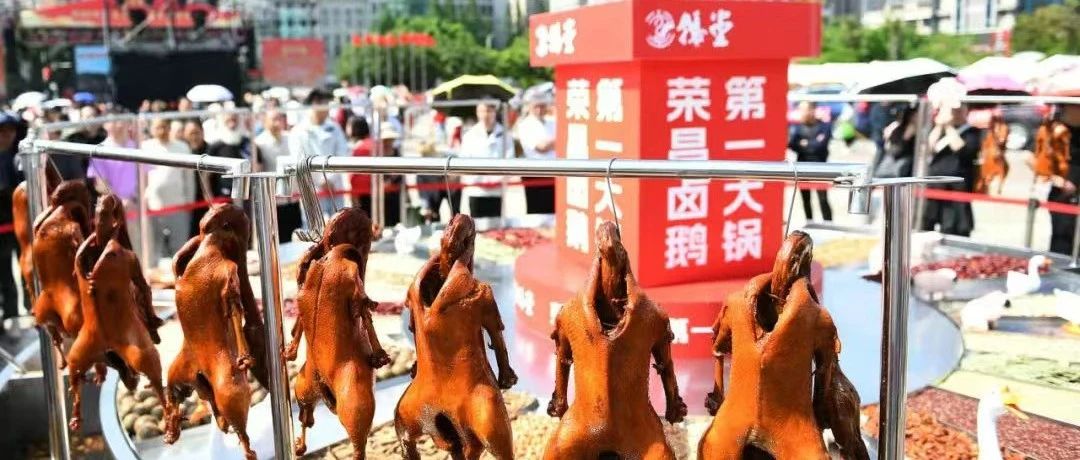
5天拉动20亿元消费!一只“鹅”让一座小城“狂飙”?
21世纪经济报道· 2025-05-30 14:24
Core Viewpoint - The article highlights the phenomenon of "Rongchang Lu Goose" becoming a viral food sensation, driven by social media influence and local tourism, showcasing the potential of local specialties to boost regional economies and cultural identity [1][11][17]. Group 1: Viral Marketing and Social Media Impact - The rise of "Lu Goose Brother" Lin Jiang, who gained over 700,000 followers in one month by promoting Rongchang Lu Goose through social media platforms [3][5]. - Lin Jiang's actions led to over 200 million tourists visiting Rongchang during the May Day holiday, resulting in a retail sales increase of 258% year-on-year, reaching 2 billion yuan [3][8]. - The hashtag RongchangGoose garnered over 500 million views, demonstrating the extensive reach of the marketing campaign [4][5]. Group 2: Economic Impact and Sales Growth - The sales of Rongchang Lu Goose surged by 5300% following the viral marketing, with slaughter volumes increasing by over 300% in early April [8][11]. - During the May Day holiday, Rongchang sold 290,150 Lu Geese, which could circle around Chongqing's inner ring road 2.3 times [8][11]. - The overall consumption in Rongchang exceeded 1 billion yuan daily, driven by the increased demand for Lu Goose [8]. Group 3: Cultural and Tourism Development - The success of Rongchang Lu Goose reflects the growing trend of food tourism, where culinary experiences drive travel decisions among younger generations [17][18]. - The article emphasizes the importance of integrating local cuisine with cultural narratives to enhance tourism and economic development [17][18]. - The phenomenon illustrates a new paradigm in cultural tourism, where food serves as a medium to convey local culture and stimulate economic activity [17][18]. Group 4: Regional Industry Dynamics - The article notes that there are currently 3,608 companies related to Lu Goose in China, with a significant concentration in the Southwest region [22]. - Guangdong province, as the leading goose-producing area, has a total of 869 Lu Goose enterprises, highlighting the competitive landscape of the industry [22][27]. - The article discusses the need for Guangdong to enhance its local food branding and production capabilities to capitalize on the growing trend of food-related tourism [27][28].
超短裙“摇胸”、CP贴身热舞!直击MCN诱导下的低俗团播
Nan Fang Du Shi Bao· 2025-05-26 06:31
Core Viewpoint - The article investigates the chaotic practices of MCN (Multi-Channel Network) institutions in the context of the booming traffic economy, highlighting their unethical methods to manipulate online content for profit [2][3]. Group 1: MCN Institutions and Lowbrow Content - Some MCN institutions are actively planning and promoting lowbrow content to drive profits, utilizing scripted designs and character packaging to standardize "borderline" performances [3][10]. - The phenomenon of group live streaming, or "tuanbo," often features suggestive dance performances and provocative clothing, which are designed to entice viewers to give tips [4][5][8]. - Investigations reveal that many group live streaming accounts are linked to specific MCN institutions, indicating a systematic approach to producing lowbrow content [8][9]. Group 2: Audience Manipulation and Engagement - Group live streaming incorporates interactive elements that encourage viewer engagement and tipping, such as provocative performances and suggestive interactions [5][6][10]. - The use of suggestive dance routines and audience-triggered actions, like throwing oversized inflatable balls at female hosts, is common to enhance viewer excitement and increase tips [5][6]. Group 3: Regulatory and Ethical Concerns - Experts express concern that the prevalence of lowbrow content in live streaming could harm the industry's reputation and negatively influence younger audiences [10][11]. - Regulatory bodies have begun to address these issues, with proposed guidelines that prohibit MCN institutions from engaging in or promoting lowbrow content [11].
炒作狗血剧情、炮制不实信息,MCN机构的水军生意
Nan Fang Du Shi Bao· 2025-05-22 04:25
Core Viewpoint - The article highlights the rampant issues within Multi-Channel Network (MCN) organizations, particularly their use of internet water armies to manipulate online content and public opinion for profit, leading to a degradation of the online information ecosystem [1][2][3]. Group 1: MCN Organizations and Content Manipulation - MCN organizations are increasingly engaging in practices such as creating low-quality, homogeneous content across various social media platforms to drive traffic and profit [2][6]. - A significant number of users on short video platforms are found to be posting similar content, often linked to MCN organizations' strategies to exploit traffic for commercial gain [4][7]. - The phenomenon of content homogenization is not isolated; it is part of a broader trend where MCNs utilize multiple accounts to generate and disseminate similar narratives, often for marketing purposes [13][14]. Group 2: Impact on Public Trust and Online Ecosystem - The proliferation of low-quality content and misinformation is eroding public trust in online platforms, as users encounter repetitive and misleading narratives [2][6]. - Experts are calling for increased transparency regarding MCN organizations and their affiliated accounts to mitigate the negative impact of these practices on the online discourse [3][15]. - The manipulation of social narratives, including sensationalized or fabricated stories, is contributing to a toxic online environment, which can lead to public panic and misinformation [10][11]. Group 3: Regulatory Responses and Recommendations - Regulatory bodies are urged to enhance the transparency of MCN organizations and their associated accounts, implementing stricter guidelines for content creation and dissemination [15][16]. - Recent actions have been taken against numerous MCN organizations for their involvement in orchestrating the spread of low-quality content, with significant penalties imposed [16]. - There is a growing consensus among experts that regulatory frameworks need to be strengthened to hold MCN organizations accountable for their role in content manipulation and misinformation [15][16].
从流量到口碑,黄子韬的卫生巾还需过几道关?
3 6 Ke· 2025-05-22 03:35
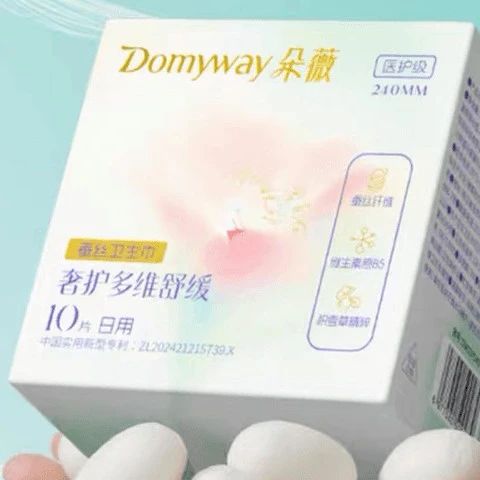
Core Insights - Huang Zitao's sanitary napkin brand, Duowei, achieved over 400 million GMV in a single live-streaming session, marking a significant entry into the market [1] - The brand's rapid success is attributed to the heightened public concern for product safety following the exposure of quality issues in the sanitary products industry during the 315 Gala [2][3] - The brand's future success hinges on its ability to maintain product quality and consumer trust, especially in a market dominated by established players like Sofy and Kotex [5][6] Group 1: Market Entry and Initial Success - Duowei's launch capitalized on a surge in consumer demand for safe and reliable sanitary products, driven by recent industry scandals [2][3] - Huang Zitao's commitment to transparency and safety resonated with consumers, leading to a successful initial sales event [3][5] - The brand's first live-streaming event generated significant sales, showcasing the power of celebrity influence in driving consumer behavior [1][3] Group 2: Consumer Needs and Emotional Response - The brand effectively addressed both functional and emotional consumer needs, with a focus on safety and trust [2][3] - The public's desire for responsible brands following the 315 Gala created a favorable environment for Duowei's entry [2][3] - Huang Zitao's personal engagement and promises of product quality helped to build initial consumer trust [3][7] Group 3: Challenges Ahead - The sustainability of Duowei's success will depend on product quality and the ability to build a strong brand reputation over time [6][7] - The brand faces skepticism regarding its product origins and quality assurance, particularly due to its association with previously criticized manufacturers [7][8] - The reliance on Huang Zitao's celebrity status poses risks for long-term brand viability, as consumer loyalty may not translate into repeat purchases [10][11] Group 4: Market Competition and Distribution - The sanitary napkin market is becoming increasingly competitive, with other brands and established players also seeking to capitalize on the current consumer sentiment [12][13] - Duowei's distribution strategy is heavily reliant on online sales, particularly through live-streaming, which may limit its market reach compared to competitors with established offline channels [11][12] - The brand must develop a comprehensive distribution strategy to penetrate deeper into various market segments and ensure sustained growth [11][12] Group 5: Long-term Viability and Brand Trust - Building and maintaining consumer trust will be crucial for Duowei's long-term success, especially in a market where product safety is paramount [7][8] - The brand's ability to deliver consistent quality and transparency will determine its reputation and consumer loyalty over time [6][8] - The competition from established brands with strong market presence and consumer trust poses a significant challenge for Duowei's growth trajectory [12][13]

一晚狂销4000万的黄子韬卫生巾,背后站着三个男老板
36氪· 2025-05-20 08:33
Core Viewpoint - The article discusses the launch of Huang Zitao's sanitary napkin brand "Duo Wei" and its potential in a market facing trust issues due to past scandals. The brand's initial sales success is highlighted, but questions remain about its long-term viability and the challenges it faces from established competitors [3][5][25]. Group 1: Product Launch and Initial Success - Huang Zitao's sanitary napkin brand "Duo Wei" officially launched on May 18, achieving sales of 400 million yuan within 56 minutes of its debut [3][5]. - The sanitary napkin industry is characterized as a stable and essential market, with women needing approximately 13,680 pads over their lifetime [4]. - The brand's rapid sales success is attributed to Huang Zitao's celebrity influence, but the sustainability of this momentum is uncertain amid fierce competition [5][25]. Group 2: Market Context and Challenges - The sanitary napkin industry has faced a crisis of consumer trust due to scandals involving major brands, creating opportunities for new entrants [5][12]. - Huang Zitao's entry into the market is seen as a response to these consumer pain points, but skepticism exists regarding his commitment to quality and brand integrity [12][32]. - The brand's production capabilities are backed by a factory that has been operational since June 2021, with plans to expand production lines significantly [15][16]. Group 3: Competitive Landscape - Other notable players, such as Fan Ke and Dongfang Zhenxuan, are also entering the sanitary napkin market, intensifying competition [30][32]. - The average gross margin in the sanitary napkin industry is reported to be around 45%, with some brands achieving even higher margins [28]. - Huang Zitao's brand must not only rely on initial celebrity-driven sales but also focus on product quality and consumer trust to establish a lasting presence in the market [32]. Group 4: Production and Quality Assurance - "Duo Wei" claims to offer "medical-grade" sanitary napkins, although this classification is based on voluntary industry standards rather than national regulations [20][21]. - The production facility aims for a 100% automation rate by mid-June, with advanced quality control measures in place [16][20]. - The brand's previous association with a company involved in quality scandals adds pressure to deliver high-quality products to regain consumer trust [18][32]. Group 5: Financial Performance and Future Outlook - The parent company of "Duo Wei," Yaowang Technology, reported a revenue of 4.763 billion yuan in 2024, with a net loss of 1 billion yuan, indicating financial challenges despite growth in social e-commerce [24]. - The brand's future success will depend on its ability to navigate the competitive landscape and maintain product quality while managing operational costs [25][32].