转口贸易

Search documents
东方战略周观察:对等关税冲击越南外向型经济
Orient Securities· 2025-04-21 07:51
Group 1: Trade Impact and Economic Data - In 2024, Vietnam's exports to the U.S. are valued at $119.5 billion, accounting for 29.5% of total exports[1] - In January-February 2025, Vietnam's exports to the U.S. reached $19.56 billion, representing 30% of national exports, a 16.5% increase year-on-year[2] - The U.S. imposed a 46% tariff on Vietnam, higher than most Southeast Asian countries[3] Group 2: Government Response and Market Adjustments - Vietnam has reduced tariffs on 23 categories of imported goods, with some rates lower than U.S. tariffs on Vietnamese goods[4] - Vietnam is negotiating to purchase over $90 billion worth of U.S. goods, including 250 Boeing aircraft and $6 billion in LNG[5] - The textile and apparel industry in Vietnam has a 40% export ratio to the U.S., facing significant pressure from tariffs[6] Group 3: Structural Reforms and Future Outlook - Vietnam has restructured its administrative units from 63 to 34, aiming to improve governance efficiency[7] - The country is shifting towards a FOB production model to share tax burdens with clients and expand into new markets like Russia and Australia[8] - Southeast Asian countries are increasing energy imports to reduce trade surpluses with the U.S., potentially affecting OPEC+ pricing power[9]
FT中文网精选:特朗普关税大棒之下,转口贸易有用吗?
日经中文网· 2025-04-21 04:42
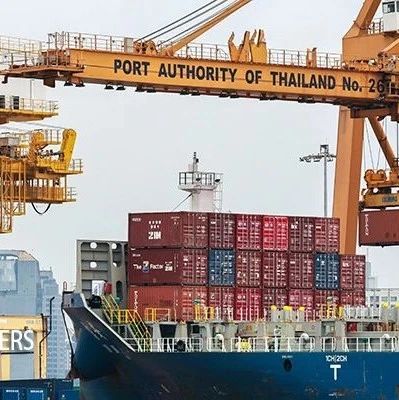
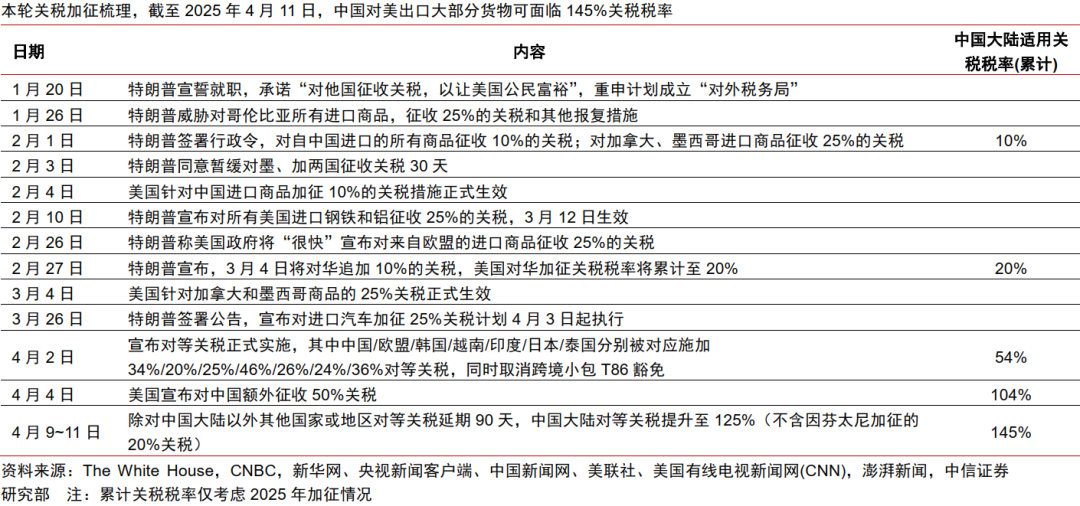
英国《金融时报》集团旗下唯一的中文商业财经网站,旨在为中国商业菁英和决策者们提供每日不可或 缺的商业财经资讯、深度分析以及评论。 编者荐语: 日本经济新闻社与金融时报2015年11月合并为同一家媒体集团。同样于19世纪创刊的日本和英国的两家 报社形成的同盟正以"高品质、最强大的经济新闻学"为旗帜,推进共同特辑等广泛领域的协作。此次, 作为其中的一环,两家报社的中文网之间实现文章互换。 以下文章来源于FT中文网 ,作者刘远举 刘远举:特朗普的极限施压,从他的社交媒体到各国现实,隔着无数出于利益的阻碍。想 把这些产业链从中国带到美国,短期内是不可能的。 文 | FT中文网专栏作家刘远举 特朗普宣布"对等关税"仅13小时后,他又在其社交媒体平台上突然宣布,对超过75个国家实 施为期90天的关税暂缓措施,同时将中国商品的关税税率从104%提升至125%。截至本文发 稿前,特朗普政府宣布的对中国进口商品的关税已提高至145%。 FT中文网 . 中国的对外贸易,已经相当分散。一些商品通过转口贸易,在他国加工,最终出口到美国。 特朗普延缓其他国家的关税,就相当于延缓了中国的关税压力。那么,转口贸易在未来会发 挥更重要的作用 ...

抢出口叠加低基数效应推升出口超预期
China Post Securities· 2025-04-16 05:04
证券研究报告:宏观报告 发布时间:2025-04-16 研究所 分析师:袁野 SAC 登记编号:S1340523010002 Email:yuanye@cnpsec.com 研究助理:苑西恒 SAC 登记编号:S1340124020005 Email:yuanxiheng@cnpsec.com 近期研究报告 《出口可能出现的变化及应对》 - 2025.04.07 宏观研究 抢出口叠加低基数效应推升出口超预期 核心观点 以美元计价,3 月出口增速保持较高韧性,好于预期和季节性水 平;从国别来看,我国对东盟、欧盟、美国的出口保持韧性是支撑出 口超预期的主要原因。我们理解,虽然 2 月和 3 月美国对我国加征 20%关税落地,但市场基于美国"对等关税"的不确定性,短期仍存在 "抢出口"行为,同时叠加我国出口商品相对价格优势,支撑我国出 口韧性。 站在当前时点,向后看:(1)展望 4 月出口,因所谓的"对等关 税"已经落地,显著超市场预期,全球贸易体系面临重构风险,"抢出 口"或已结束,我国出口或面临较为显著压力,4 月我国出口增速或 回落至-3%左右。(2)年内看,出口有望实现正增长。一是关注美国是 否基于自身经济 ...
中信证券:转口贸易或在酝酿之中 关注关税博弈背景下潜在转口需求受益标的
智通财经网· 2025-04-16 00:46
智通财经APP获悉,中信证券发布研报称,在美国大幅提高进口关税背景下,探讨短期集运转运的可能性,后续仍需关注关税谈判进展对供应链的边际影 响。中信证券预计2025年全球集运市场有效运力(需-供)增速差-1.8pcts,假设2Q~4Q25北美需求下降15%~35%,测算2025年全球集运需求增速或从 +2.8%降至+0.6%/-0.6%/-1.8%,实际供需差将自-1.8pcts扩大至-3.9/-5.2/-6.4pcts。 复盘上一轮贸易摩擦,据外媒,2019年3月美国自墨西哥/越南/马来西亚进口金额同比增加占同期中国大陆减少绝对值的48.4%/29.0%/13.1%。分工况测算 本轮关税加征对全球集运需求的潜在影响,极端情况下若年化70%中美集装箱需求下降&10%转运或导致2025年全球集运周转量需求同降5%。转口贸易或 在酝酿之中,关注关税博弈背景下潜在转口需求受益标的。 中信证券主要观点如下: 关税扰动叠加联盟重塑,集运供应链或迎再次重构。 我们预计2025年全球集运市场有效运力(需-供)增速差-1.8pcts,假设2Q~4Q25北美需求下降15%~35%、分工况测算2025年全球集运需求增速或从+2.8 ...

哪些行业在抢出口?——3月外贸数据解读【陈兴团队•财通宏观】
陈兴宏观研究· 2025-04-14 10:31
Core Viewpoint - China's exports in March recorded a year-on-year growth rate of 12.4%, significantly rebounding over 10 percentage points compared to January-February, indicating strong export performance [1][2][15] Export Performance - The increase in exports is primarily driven by a low base effect from the previous year, "export rush," and the early timing of the Spring Festival [1][2][15] - The quantity of exports has increased, while prices have exerted a drag on growth [4][11] - Exports to emerging markets have shown higher growth rates, with significant increases in machinery and mobile phones, while household appliances and labor-intensive goods have benefited from the export rush [1][6][9] Regional Analysis - Exports to Africa surged by 37.5%, Latin America by 23.3%, and countries along the Belt and Road by 15.1%, all exceeding 10 percentage points [6] - Exports to developed economies, such as the U.S. and EU, also increased but at a lower rate compared to emerging markets [6] Product Category Insights - Labor-intensive products, including footwear and textiles, saw significant increases in export growth, with footwear at 10%, clothing at 9.3%, and textiles at 16.5% [9] - In the machinery sector, exports of lighting devices increased by 24.3%, while general machinery and auto parts also saw growth exceeding 10 percentage points [9] Import Trends - China's imports in March recorded a year-on-year decline of 4.3%, but this was an improvement of over 4 percentage points compared to January-February [11] - Imports from major trading partners, except for the EU and the U.S., showed varying degrees of increase, with ASEAN seeing a notable rise of 10% [11][13] Trade Balance - The trade surplus in March was $102.64 billion, a decrease of $67.88 billion compared to January-February [15] - The overall export trend is expected to decline as the impact of tariffs becomes more pronounced, with potential for a bottoming out by mid-year [15]

一季度家具、陶瓷类出口额下降,家居企业寻求新市场、新出路
Guan Cha Zhe Wang· 2025-04-14 09:11
Core Insights - The export value of domestic home appliances in the first quarter reached $24.165 billion, showing a year-on-year increase of 8.7% [1] - In contrast, the export value of furniture and its parts was $15.934 billion, down 8% year-on-year, while ceramic products saw a decline of 19.3% to $4.766 billion [1] - The home appliance sector continues to demonstrate manufacturing advantages, maintaining growth despite challenges faced by the furniture and ceramic sectors [1] Group 1: Export Performance - Home appliance exports increased by 8.7% year-on-year in Q1, while furniture exports decreased by 8% and ceramic exports fell by 19.3% [1] - The decline in furniture and ceramic exports has been ongoing, contrasting with the sustained growth in home appliances [1] - Specific categories like spring mattresses and metal office furniture saw significant export growth to the U.S. and the U.K., respectively, with increases of nearly 370% and over 60% [1] Group 2: Market Diversification - Domestic furniture companies are actively seeking to expand into European and other markets due to declining exports to the U.S. and Mexico [2] - Exports of wooden furniture to Vietnam have surged, attributed to Vietnam's economic growth and the establishment of local production facilities by Chinese companies [2] - Companies are exploring new markets such as Europe, Japan, and emerging Southeast Asian markets, but face challenges related to compliance and differing consumer preferences [2]

交通运输行业周报:持续关注关税影响下的贸易流变化-20250414
Hua Yuan Zheng Quan· 2025-04-14 02:33
Investment Rating - The investment rating for the transportation industry is "Positive" (maintained) [4] Core Views - The report highlights the impact of escalating tariffs on trade flows, particularly benefiting transshipment trade between Asia and Latin America. The report suggests focusing on shipping and port-related stocks due to the significant tariff increases imposed by the U.S. on Chinese imports [5] - The Shanghai Export Container Freight Index reported a slight increase of 0.1% week-on-week, indicating a mixed trend in shipping rates across different routes [6] - The report notes a decline in bulk shipping rates, with the Baltic Dry Index (BDI) dropping by 15.5% week-on-week, reflecting weaker demand in the dry bulk market [7] - The express delivery sector continues to show robust growth, with a projected year-on-year increase of 18% in March 2025, driven by seasonal demand and expanding service offerings [8] - The aviation sector is expected to benefit from macroeconomic recovery, with a significant increase in domestic flight operations and passenger numbers in the first quarter of 2025 [9][11] Summary by Sections Shipping and Maritime - The report indicates a tight supply in the oil tanker segment due to limited new orders and an aging fleet, with expectations of sustained demand growth driven by geopolitical factors [11] - The report emphasizes the ongoing green transition in shipping, with a focus on the need for fleet renewal and the potential for rising ship prices due to limited newbuilding capacity [11] Express Delivery - The express delivery market is experiencing strong demand, with major players like SF Express and JD Logistics expected to benefit from cyclical recovery and cost reduction efforts [11] - The report identifies key players in the express delivery sector, including ZTO Express, YTO Express, and Shentong Express, highlighting their growth potential and market positioning [11] Aviation - The aviation sector is witnessing a significant rebound in passenger traffic, with a 2.1-fold increase in domestic flight operations in the first quarter of 2025 compared to the previous year [9][11] - The report notes the introduction of a new tax refund policy for international travelers, which is expected to enhance consumer spending and boost airport revenues [9] Logistics - The logistics sector is showing signs of improvement, with companies like Debon Logistics and Aneng Logistics benefiting from strategic transformations and operational efficiencies [11] - The report highlights the potential for growth in chemical logistics, driven by increasing demand and tightening industry regulations [11]
特朗普最新发声,涉及中美!美国商会,突传利好!
券商中国· 2025-04-10 03:15
Market Overview - A-shares and Hong Kong stocks experienced a significant rebound, with A-shares seeing over 5,200 stocks rise and the ChiNext Index increasing by over 4% [1] - The Hang Seng Technology Index rose over 6%, while the Hang Seng Index increased by over 4% [5] Economic Indicators - The postponement of tariffs by Trump is viewed as a clear positive for the market, contributing to the overall rise in the Asia-Pacific markets [1] - A survey by Harvard Business School professor Meg Rithmire indicated that 70% of the 40 members surveyed plan to maintain or increase their business with China, alleviating concerns about the impact of tariffs on corporate operations [7] Sector Performance - The cross-border payment sector saw active trading, with stocks like Feitian Chengxin and Qingdao Jinwang hitting the daily limit, while others rose over 10% [2] - The domestic consumption sector, particularly dairy and retail, showed strong performance with stocks like Yiyaton and Wangfujing hitting the daily limit [3] - The chemical raw materials sector also performed well, with Zhongyida hitting the daily limit and Hengguang shares rising over 10% [4] Corporate Strategies - Some listed companies are accelerating their overseas production capacity to mitigate cost pressures from tariffs, with plans to establish manufacturing bases in low-tariff countries [6] - Companies are also shifting sales markets towards Europe and India, utilizing Southeast Asian bases to meet regional demand [6] Investment Sentiment - The market's risk appetite has increased, as evidenced by the decline in government bond futures, indicating a more optimistic outlook among investors [5]





研客专栏 | 如何看待中美关税政策变化之于集运欧线远月合约的影响
对冲研投· 2025-03-05 11:24
Core Viewpoint - The article discusses the implications of recent trade tensions, particularly the U.S. tariffs on imports from China, and their potential impact on global trade dynamics and market behavior [3][4][5]. Group 1: Trade Tensions and Market Reactions - The recent announcement by the State Council Tariff Commission regarding increased tariffs on certain U.S. imports has led to significant market reactions, particularly in futures contracts [3]. - The futures market interprets these developments as an escalation of the "trade war," which may weaken trade demand further [4]. - The article suggests that while trade tensions may negatively impact trade efficiency, they could paradoxically increase maritime transport demand due to the complexities introduced by tariffs [4]. Group 2: Economic Implications - The article highlights that changes in tariffs may serve more as a domestic propaganda tool and a bargaining chip in international negotiations, with effects dependent on the comparative strengths of the negotiating parties [5]. - It notes that U.S. consumers are purchasing cheaper goods at an unusual rate, which could be influenced by high inflation and its adverse effects on government approval ratings [5]. Group 3: Trade Dynamics - The article emphasizes that the short-term trade disputes between the U.S. and China are relatively independent of the trade demand between China and Europe [6]. - It points out that the use of smaller vessels on U.S. West and East Coast routes, as opposed to larger vessels on China-Europe routes, could lead to inefficiencies in trade logistics [6]. - Recent diplomatic tensions may inadvertently promote the development of China-Europe trade [6]. Group 4: Market Strategies - The article advises a flexible approach to participating in futures markets, particularly regarding contracts 06 and 08, emphasizing the importance of cost management and risk control [7]. - It predicts that the spot market may experience a low point between 1480 and 1650 points during the off-season from February to April, suggesting a cautious outlook on specific contracts [8]. - The article reiterates the strategy of being bullish without taking excessive risks, advocating for a "sell first, buy later" approach in the current market environment [8].