贸易战

Search documents
第一份反制出现!巴西硬刚特朗普,对美征50%关税,中方霸气表态
Sou Hu Cai Jing· 2025-07-14 14:11
Group 1 - The core issue revolves around Brazil's response to the U.S. imposing a 50% tariff on Brazilian metal products, which includes retaliatory measures against U.S. soybean and corn imports [1][3] - The U.S. claims that Brazil's judicial processes harm American business interests, while Brazil's government views this as interference in its internal affairs, particularly following investigations into former President Bolsonaro [3] - Brazil's trade data contradicts U.S. claims of trade imbalance, with U.S. exports to Brazil reaching $78.2 billion in 2024 and a surplus of $12.7 billion [3] Group 2 - Brazil has been reducing its dependency on the U.S. market, with exports to the U.S. dropping from 23% in 2018 to 16% in 2024, while soybean exports to China have increased by 47% over three years [5] - The BRICS nations have seen their internal trade exceed $1.8 trillion, with Brazil's currency settlements with India and South Africa tripling year-on-year [5] - The U.S. agricultural sector may face significant losses, with predictions indicating a potential 5% loss in U.S. soybean market share to Brazil, resulting in over $1.2 billion in annual losses for Midwestern farmers [5] Group 3 - Brazil's Senate Foreign Relations Committee has initiated an assessment of trade relations with the U.S., aiming to coordinate tariffs with Mercosur countries by October [7] - The U.S. Chamber of Commerce warns that ongoing trade tensions could lead to the loss of 12,000 jobs in the U.S. South American region [7]

银价涨至近14年高位!现货市场供需失衡加剧,贸易战推升避险需求
Hua Er Jie Jian Wen· 2025-07-14 13:31
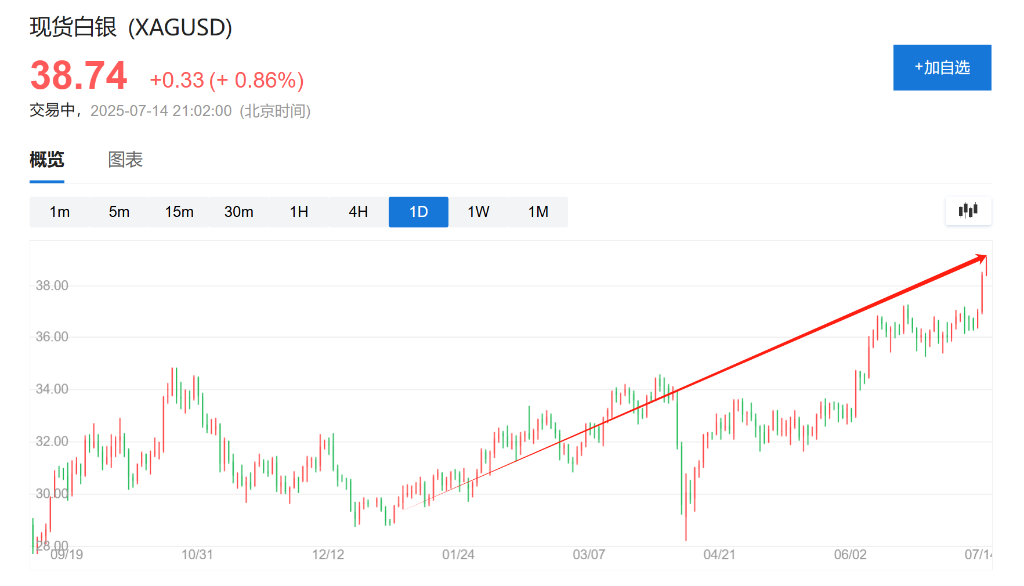
银价上涨的背后是现货市场供应紧张和借贷成本激增。一个月期银价借贷的隐含年化成本已跳升至6%以上,远高于通常接近零的水平。 美国贸易政策担忧也进一步推高了银价,墨西哥作为最大的银生产国和美国市场的关键供应商,面临高达30%的关税威胁。此外,作为避险资产 和工业用金属,银价受益于地缘政治冲突、贸易紧张局势以及太阳能板等工业需求的推动。 现货市场供需失衡加剧 银价攀升至近十四年高位,投资者在金价接近历史纪录的背景下寻求替代性贵金属投资。 周一,现货白银延续了上周4%的涨势,日内一度上涨1.9%,突破每盎司39美元至近十四年高位,今年以来累计涨35%,超过黄金28%的涨幅。 银价需求目前受益于贸易战威胁,以及黄金价格对许多投资者来说过于昂贵。 墨西哥面临的关税威胁尤其引人关注。据央视新闻,当地时间7月12日,美国总统特朗普宣布自2025年8月1日起,美国将对来自墨西哥和欧盟的输 美产品征收30%的关税。 作为全球最大的银生产国,墨西哥是美国市场的关键供应商。尽管《美墨加协定》暂时将银价排除在关税清单之外,但市场担心这一豁免可能不 会持续。 伦敦现货价格与纽约9月期货合约之间的价差异常宽泛,类似于年初特朗普激进贸易政策 ...
关税威胁下的股市逻辑:为何投资者仍愿意“向前看”
Hua Er Jie Jian Wen· 2025-07-14 12:51
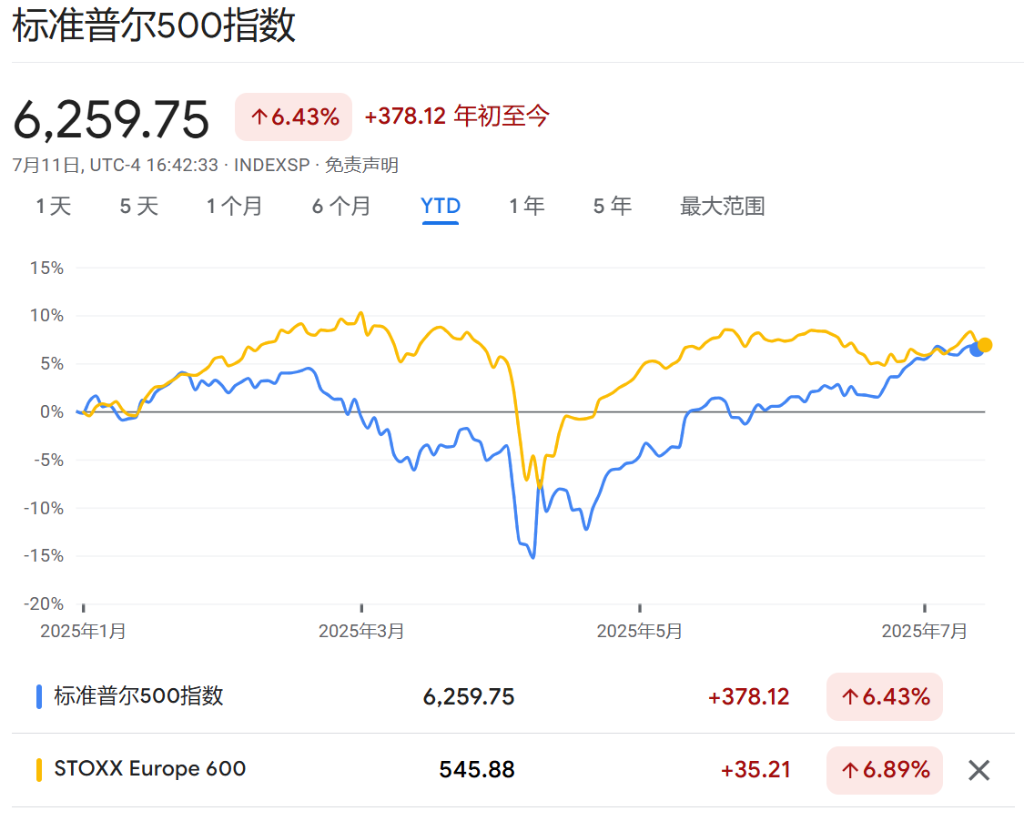
以史为鉴,全球股市或能承受更多关税阵痛。 彭博策略师Garfield Reynolds在最新文章中表示,根据2018年首次贸易战的历史经验,全球股市距离因关税政策而遭受持续严重冲击还有数月时 间,而且可能完全消化这一冲击。 特朗普日前宣布计划对欧盟和墨西哥加征关税,引发市场担忧,欧元和风险资产或在下周初承压。然而,Reynolds认为,由于目前尚无迹象表明 贸易战已显著影响经济或企业盈利,投资者很可能继续采取逢低买入策略。 综合央视新闻报道,当地时间7月12日,美国总统特朗普宣布自2025年8月1日起,美国将对来自墨西哥和欧盟的输美产品征收30%的关税。作为回 应,欧盟委员会主席冯德莱恩当地时间13日表示,将把对美国关税的反制措施暂停期延长至8月初。 尽管许多华尔街人士对市场的镇定反映感到惊讶,比如摩根大通CEO杰米·戴蒙曾批评市场对贸易摩擦反应迟钝,但2025年的市场表现与2018年惊 人地相似。Reynolds认为,特朗普首次发起贸易冲突的经历,似乎为当前局势提供了一份相对可靠的路线图。 历史惊人相似:2018年与2025年的贸易冲突轨迹 Reynolds表示,2018年和2025年的贸易战演变轨迹展现出 ...
山金期货贵金属策略报告-20250714
Shan Jin Qi Huo· 2025-07-14 12:46
1. Report Industry Investment Rating No relevant content provided. 2. Core Views of the Report - The short - term trade war has entered a new stage, with risks of economic recession and geopolitical unrest still existing. The risk of stagflation in the US economy has increased, and strong employment has suppressed expectations of interest rate cuts. [1] - It is expected that precious metals will show a pattern of weak gold and strong silver in the short term, fluctuate at high levels in the medium term, and rise step - by - step in the long term. [1] - Gold price trends serve as an anchor for silver prices. In terms of capital, CFTC silver net long positions and iShare silver ETF have reduced their positions again. In terms of inventory, the recent visible inventory of silver has decreased slightly. [5] 3. Summary by Relevant Catalogs Gold - **Market Performance**: Today, precious metals showed a pattern of weak gold and strong silver. The main contract of Shanghai Gold closed up 1.06%, and the main contract of Shanghai Silver closed up 2.11%. [1] - **Core Logic**: Short - term trade war enters a new stage; economic recession and geopolitical risks remain; US economic stagflation risk increases; strong employment suppresses interest - rate cut expectations. [1] - **Safe - Haven Attribute**: Trump escalated the trade war, threatening to impose a 30% tariff on the EU and Mexico. [1] - **Monetary Attribute**: Fed officials' views on interest - rate prospects differ due to different expectations of how tariffs may affect inflation. Strong US employment growth has eliminated the possibility of a near - term Fed interest - rate cut. The market now expects the next Fed interest - rate cut to be in September, and the expected total interest - rate cut space in 2025 has fallen back to around 50 basis points. The US dollar index and US Treasury yields are oscillating strongly. [1] - **Commodity Attribute**: The CRB commodity index has faced pressure in its rebound, and the strong RMB has suppressed domestic prices. [1] - **Strategy**: Conservative investors should wait and see, while aggressive investors can buy on dips. It is recommended to manage positions well and set strict stop - loss and take - profit levels. [2] Silver - **Price Anchor**: Gold price trends are the anchor for silver prices. [5] - **Capital and Inventory**: CFTC silver net long positions and iShare silver ETF have reduced their positions again, and the recent visible inventory of silver has decreased slightly. [5] - **Strategy**: Conservative investors should wait and see, while aggressive investors can buy on dips. It is recommended to manage positions well and set strict stop - loss and take - profit levels. [6] Fundamental Key Data - **Fed - Related Data**: The upper limit of the federal funds target rate is 4.50%, the discount rate is 4.50%, the reserve balance interest rate (IORB) is 4.40%, the Fed's total assets are $67,132.36 billion, M2 year - on - year growth is 4.50%. [8] - **US Treasury and Dollar Data**: The 10 - year US Treasury real yield is 2.60%, the US dollar index is 97.86, the US Treasury yield spread (3 - month to 10 - year) is 0.51, and the US Treasury yield spread (2 - year to 10 - year) is - 0.02. [8][10] - **Inflation Data**: CPI year - on - year is 2.40%, CPI month - on - month is 0.20%, core CPI year - on - year is 2.80%, core CPI month - on - month is 0.20%, PCE price index year - on - year is 2.34%, and core PCE price index year - on - year is 2.68%. [10] - **Economic Growth Data**: US GDP annualized year - on - year growth is 1.90%, GDP annualized quarter - on - quarter growth is - 0.50%, the unemployment rate is 4.10%, and non - farm payrolls monthly change is 14.70 million. [10] - **Other Data**: The geopolitical risk index is 132.88, the VIX index is 17.65, the CRB commodity index is 303.52, and the offshore RMB exchange rate is 7.1706. [11] Fed's Latest Interest - Rate Expectations The probability distribution of the Fed's interest - rate levels at different meetings from July 2025 to December 2026 is presented in a table, showing the changing market expectations for the Fed's interest - rate decisions over time. [12]
这位总统真硬气!直接退回特朗普的加税信,声称离了美国照样活
Sou Hu Cai Jing· 2025-07-14 12:45
7月9日,特朗普突然宣布对巴西加征50%的进口关税。这一消息令人震惊,因为在今年4月,特朗普就曾针对全球范围内的贸易进行加税时,巴西的关税仅 为10%。然而,现在巴西面临的关税跃升至全球最高的50%,这一突如其来的决定让全球经济界议论纷纷,许多人纷纷猜测特朗普此举的真正动机是什么。 更加引人注目的是巴西总统卢拉的反应。他不仅坚决拒绝了特朗普的加税提案,而且直言不讳地表示,巴西完全不依赖美国,照样能够生存下去。这番话显 示了卢拉不畏强权、敢于直面挑战的姿态,让全球媒体纷纷将目光聚焦于巴西和特朗普之间的复杂博弈。 实际上,特朗普的关税政策最初主要针对那些与美国有贸易顺差的国家,他希望通过加税手段来减少美国的贸易逆差。过去15年里,美国与巴西之间的贸易 顺差已超过4000亿美元,意味着美国大量商品以零关税进入巴西市场,赚取了丰厚利润。然而,现在特朗普将巴西的进口关税从10%提高到50%,这一调整 几乎使巴西的进口成本暴涨,成为全球贸易中最高的税率。这使得全球贸易界一时困惑不解,特朗普到底是想达成什么样的目的? 从背后的动机来看,特朗普此举很大程度上带有明显的私怨。特朗普与巴西前总统博尔索纳罗的关系非常亲密,两人在政 ...
中国的做法让欧洲不满?欧盟要中国放开稀土出口,中欧之间分歧不少
Sou Hu Cai Jing· 2025-07-14 11:15
据凤凰卫视报道,欧盟驻华大使表示,磁铁短缺对欧洲企业造成了严重影响,希望中方可以在7月解决对欧的稀土磁铁出 口问题。另外,据美媒25日报道,中方近期要求在华的稀土企业要提供专业人员名单,以确保其不会向外泄密。欧盟驻 华大使庹尧诲日前在北京会见中国外长时表示,欧盟希望中方可以在下个月解决对欧稀土磁铁出口问题。 稀土资源(资料图) 现在还真看不出中国会在稀土问题上要对欧洲放开特殊性的通道——恰恰相反,反倒是中国在此问题上如果能保持足够 的压力,可能会对中欧经贸关系接下来的良性互动更有好处。不过,据说原定两天的中欧峰会据说已有变动——7月25日 欧洲领导人赴合肥参加经贸峰会的行程已经被中国方面取消了,所以,这场被寄予厚望的中欧建交50周年庆典,在欧盟 单方面取消了经贸会谈和中国外长欧洲行遇冷后,很可能会彻底沦为一场"鸡肋宴"。 中欧峰会临近,稀土问题无疑会成为焦点。不过,因为来自欧洲的诸多"示强"表态,中方为欧洲企业设立的特殊通道能 否延续,很难说会如欧洲所愿。有消息称,原定合肥的经贸项活动已被中方取消,不排除峰会最终只是走个过场。当稀 土被摆上谈判桌,中欧之间的斗法才刚刚拉开序幕。这些激烈的政治动作背后,其实不过 ...
特朗普没想到赌输了,对巴西加税50%为了出3口气?卢拉振臂高呼,一句话戳中其软肋
Sou Hu Cai Jing· 2025-07-14 09:41
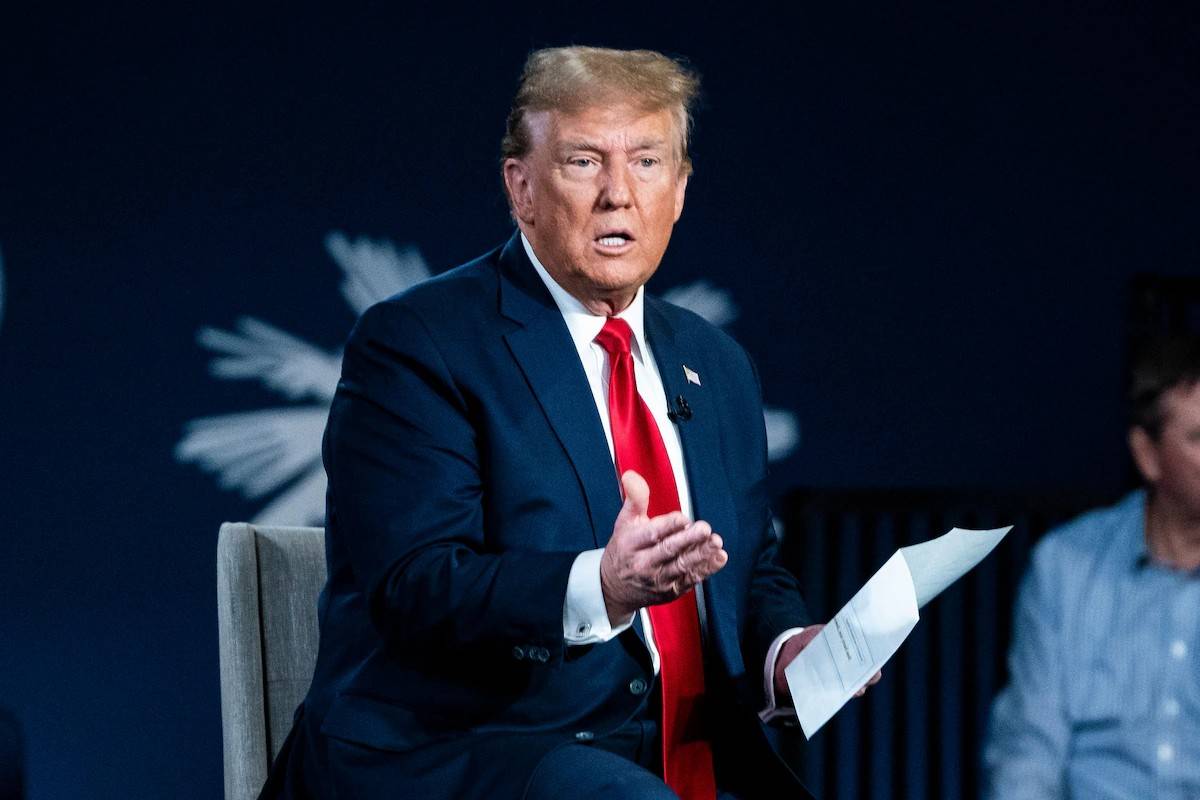
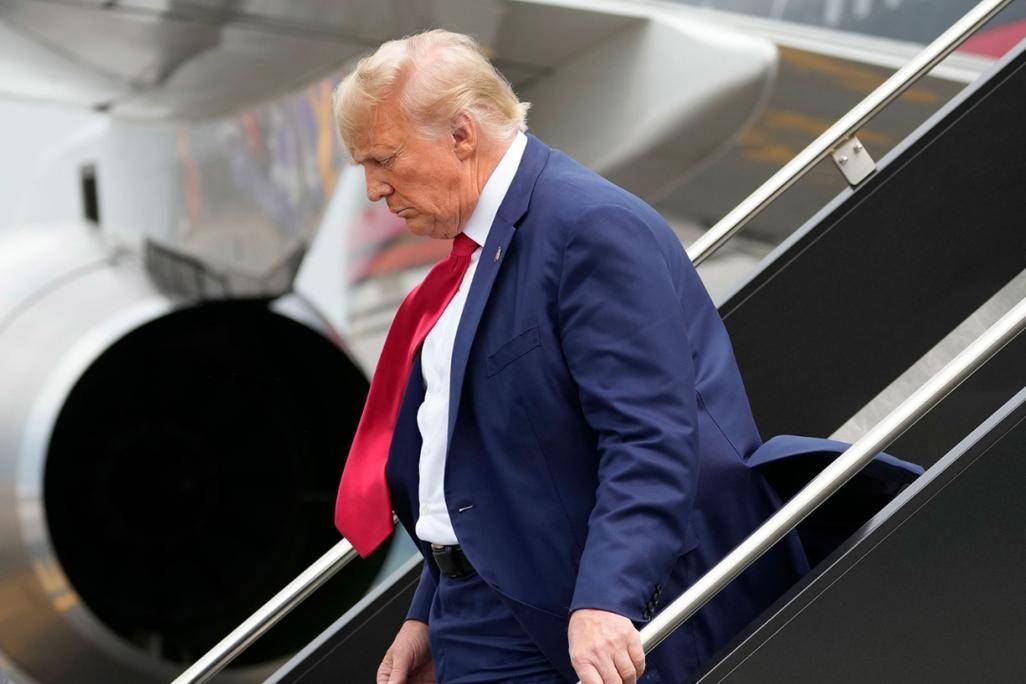
Core Viewpoint - Trump's decision to impose a 50% import tariff on Brazil is driven more by political motives than economic considerations, reflecting his personal emotions and geopolitical strategies [1][3][13] Political Motivations - The tariff serves as a means for Trump to express support for Brazilian President Bolsonaro, who is facing legal challenges, and to retaliate against Brazilian President Lula for his criticisms of U.S. policies [3][5] - Trump's actions are also a response to Lula's strong stance against U.S. policies, particularly the "America First" agenda, which Lula has publicly criticized [5][9] - The imposition of tariffs is intended to send a warning to other countries, particularly those in the BRICS group, against challenging the dominance of the U.S. dollar [5][6] Economic Implications - Brazil's response to the tariffs includes plans for reciprocal measures, supported by other BRICS nations, which collectively account for 32% of global GDP [6] - The tariffs could negatively impact U.S. exporters, particularly in the agricultural machinery and chemical sectors, leading to a potential "self-inflicted" economic harm for the U.S. [6][12] Misconceptions in Trade Policy - Trump's belief that the U.S. is at a disadvantage in trade due to deficits overlooks the necessity of maintaining trade imbalances to support the dollar's global status [9][10] - The attempt to unilaterally alter global trade rules fails to recognize the complexities of the international economic order, which relies on the U.S.'s technological and financial leadership [10][11] - The zero-sum game mentality in a globalized economy is increasingly outdated, as interdependence among nations grows [11][12] Future Outlook - The current tariff policy is unlikely to achieve its intended goals and may exacerbate tensions between the U.S. and Brazil, as well as other nations [12][13] - The potential for increased isolation of the U.S. in global trade dynamics is a significant concern, as the world moves towards a more multipolar order [13]
一手准备反制,一手“拉拢”贸易伙伴,欧盟双线应对美国关税威胁
Hua Er Jie Jian Wen· 2025-07-14 09:40
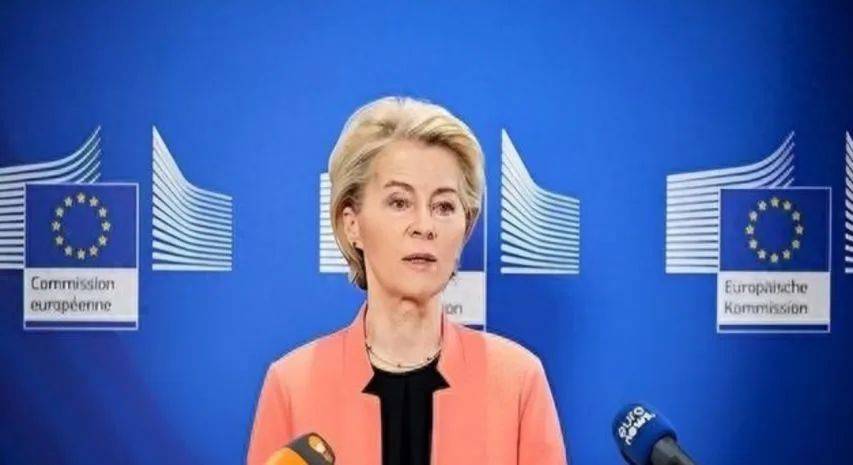
面对特朗普新一轮关税威胁,欧盟正在双线同时发力应对。 据媒体周一报道,欧盟高官透露,已准备价值210亿欧元的对美反制关税清单,同时积极寻求与印度等 亚太国家深化贸易合作,并计划与其他受美国关税冲击的国家协调行动。 Tajani进一步透露,如果与美国达成协议被证明不可能,欧盟准备的210亿欧元关税方案还可能跟进第二 套措施。不过他表示对谈判取得进展仍有信心。 关税伤害每一个人,首先是美国。如果股市下跌,将危及美国人的养老金和储蓄。 他强调目标应该是在加拿大、美国、墨西哥和欧洲之间实现"零关税"和开放市场。 深化亚太合作,寻求贸易新出路 面对美国关税威胁,欧盟正积极向亚太地区寻求新的贸易机会。欧盟竞争事务专员Teresa Ribera周一表 示,欧盟正寻求深化与印度和其他亚太国家的贸易协议。 综合央视新闻报道,当地时间7月12日,美国总统特朗普宣布自2025年8月1日起,美国将对来自墨西哥 和欧盟的输美产品征收30%的关税。作为回应,欧盟委员会主席冯德莱恩当地时间13日表示,将把对美 国关税的反制措施暂停期延长至8月初。 意大利外长Antonio Tajani周一接受媒体采访时表示,如果双方无法达成贸易协议,欧盟 ...
7月14日白银晚评:贸易战升级激怒美国盟友 白银突破39美元
Jin Tou Wang· 2025-07-14 09:36
北京时间周一(7月14日)欧盘时段,美元指数交投于97.88附近,现货白银目前交投于39.01美元/盎 司,今日开盘于38.39美元/盎司,截至发稿白银价格最高上探39.08美元/盎司,最低触及38.34美元/盎 司。 今日白银价格最新查询(2025年7月14日) | 名称 | 最新价 | 单位 | | --- | --- | --- | | 现货白银 | 39.01 | 美元/盎司 | | 白银t+d | 9179 | 元/千克 | | 纸白银 | 8.971 | 元/克 | | 沪银主力 | 9207 | 元/千克 | 特朗普周六在Truth Social上公布分别发给欧盟执委会主席冯德莱恩(Ursula von der Leyen)和墨西哥总统 希恩鲍姆(Claudia Sheinbaum)的信函,宣布新关税。 特朗普还表示,对欧盟和墨西哥30%的关税将独立于所有行业关税。这意味着美国对钢铁和铝进口征收 50%的关税、对汽车进口征收25%的关税的做法将继续保留。 【晚间白银交易策略】 当前阻力位在39.075美元附近,若突破可能测试更高水平;支撑位关注38.5美元(近期回调关键位)。 近期白银价格波动较 ...
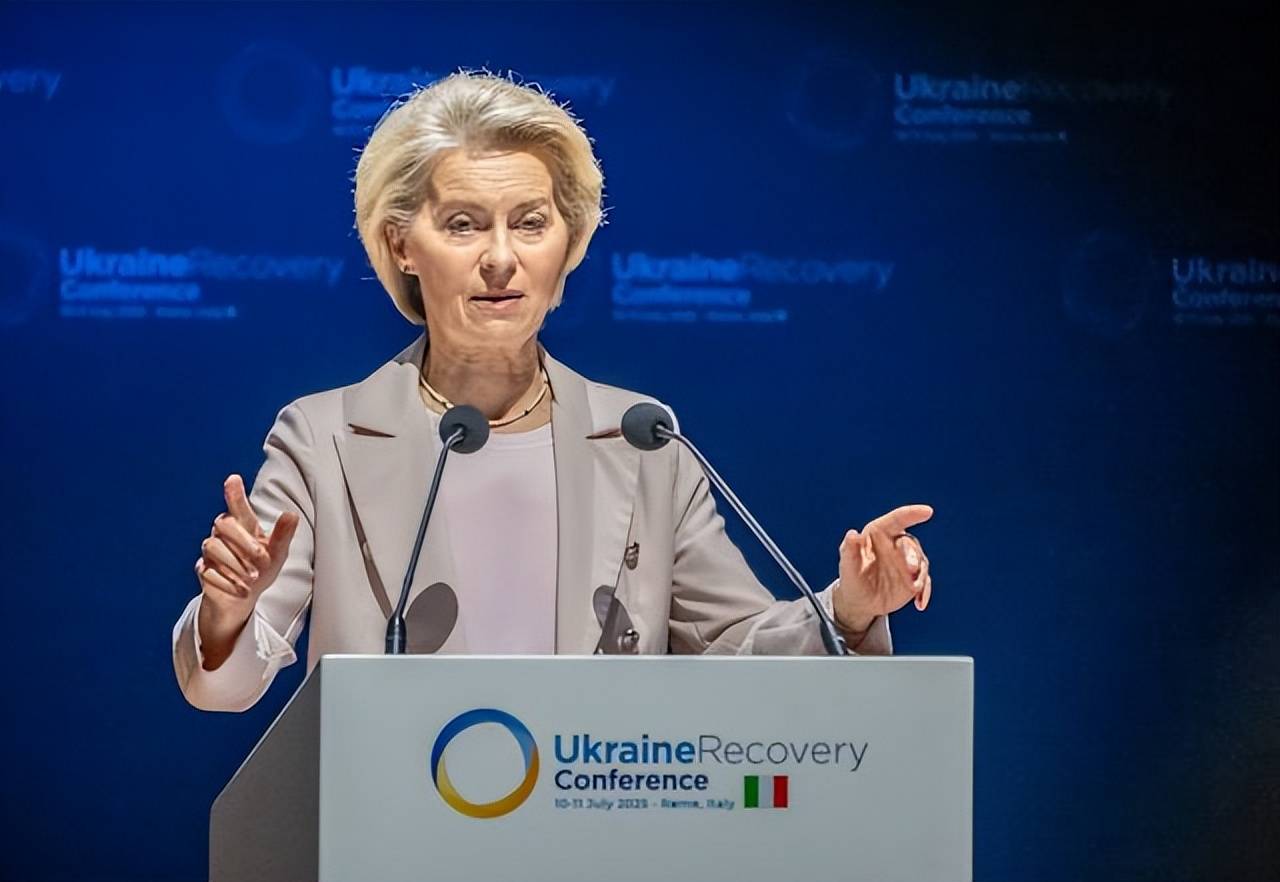
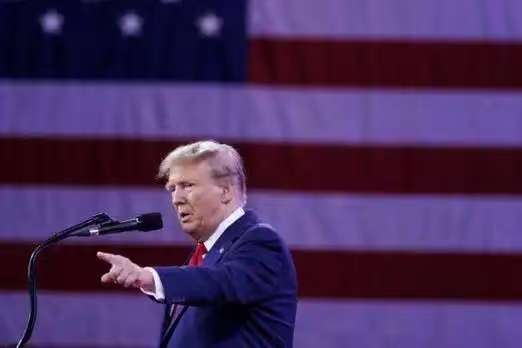
特朗普严惩欧盟!美国征收30%关税!欧美关系破裂?中国获利?
Sou Hu Cai Jing· 2025-07-14 09:16
所有人都没有预料到,欧盟这个在国际贸易中常常"骑墙"的角色,竟然成为特朗普这次贸易战的最大输家,甚至最终遭到了"制裁"。根据昨晚的最新消息, 美国总统特朗普宣布,自8月1日起对欧盟和墨西哥征收高达30%的关税。这一消息一经传出,立刻引发了全球范围内的强烈反响。 在几天前,欧盟与美国的谈判进展已有所披露,当时欧盟在谈判中做出了相当大的让步,最终美国承诺对欧盟仅征收10%的对等关税,部分领域如汽车、药 品和航空航天等则加征25%的关税。然而,令所有人大跌眼镜的是,特朗普这次直接将税率从原本的10%提升至30%,这一变动远远超出了所有人的预期。 稍微算一算,欧盟征收的30%关税,与美国对中国征收的34%关税几乎持平。对此,欧盟感到震惊,甚至难以分辨自己到底是美国的盟友,还是中国才是。 那么,欧盟的27个成员国面对这一局面,是选择屈服妥协,还是像中国一样与美国展开激烈的对抗?这是否意味着新一轮的欧美贸易战即将爆发?接下来, 我们将探讨这个问题。写这篇文章并不容易,欢迎大家点赞、转发和收藏。 那么,特朗普为何对欧盟下如此狠手呢?从特朗普的角度来看,欧盟并非是美国的"商业盟友",而恰恰是美国经济的一大威胁。虽然美国市场一 ...