
宏观调控

Search documents
中国社科院金融所:宏观调控重心在于提振名义经济增长
Zhong Guo Jing Ying Bao· 2025-07-30 14:59
Group 1 - The core viewpoint of the article is that despite facing external and internal challenges, China's economy showed a steady improvement in the second quarter, with a GDP growth of 5.2% year-on-year, supported by resilient exports, recovering consumer demand, and the growth of new economic drivers [1][2][4] Group 2 - The main constraints on economic recovery are identified as persistent low prices and slow nominal economic growth, with CPI remaining around 0% for 27 months and PPI negative for 33 months, indicating a prolonged period of deflation [2][3] - The report highlights that while supply capacity has improved, it has also exposed long-standing demand deficiencies, prompting the government to enhance policies like the trade-in program for consumer goods, which is expected to boost retail sales growth by approximately 0.7 to 0.8 percentage points [3][4] Group 3 - Future macroeconomic policies should focus on balancing supply and demand, promoting reasonable price recovery, and boosting nominal economic growth through measures such as increasing the fiscal deficit ratio and implementing inflation-targeted monetary policies [4] - Recommendations include stabilizing housing prices, enhancing income, reducing burdens, and promoting service consumption, alongside a structured approach to urbanization and industry self-regulation [4]
增强灵活性预见性,把握经济发展主动权 | 新京报社论
Xin Jing Bao· 2025-07-30 14:39
Core Viewpoint - The meeting of the Political Bureau of the Central Committee emphasizes the need for a stable yet flexible macroeconomic policy framework to address the complex domestic and international economic environment, aiming to achieve the goals set for the "14th Five-Year Plan" [2][5]. Group 1: Economic Policy Framework - The meeting highlights the importance of maintaining policy continuity and stability while also enhancing flexibility and foresight in macroeconomic policies [2][3]. - The shift in macroeconomic regulation from a focus on "cross-cycle adjustment" to a more dynamic balance and immediate response indicates a strategic evolution in policy-making [3][4]. - The concept of "flexibility" suggests that policies will be adjusted in real-time based on economic indicators, market sentiments, and external events, akin to a skilled helmsman navigating changing conditions [3][4]. Group 2: Policy Implementation and Effectiveness - The emphasis on "timely reinforcement" does not imply a return to strong stimulus measures but rather focuses on improving policy effectiveness through reforms and enhancing resilience in both domestic and international circulation [4][5]. - The approach of "timely reinforcement" involves precise and targeted policy interventions, reflecting a more proactive and artful macroeconomic management strategy [4]. - The anticipated future macroeconomic policies will exhibit greater "forecasting" and "fine-tuning," closely aligning with the actual economic pulse, including adjustments in fiscal, monetary, and industrial policies [4][5].

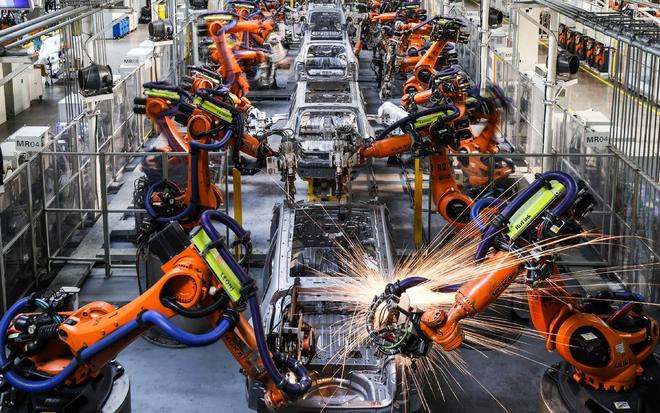
社科院金融所:缓解物价低迷可从五方面入手,发展服务消费意义重大
Sou Hu Cai Jing· 2025-07-29 03:45
Core Viewpoint - The report from the Chinese Academy of Social Sciences indicates that while the Chinese economy is stabilizing, persistent low prices are dragging down nominal economic growth, widening the gap between macro and micro economic conditions [1] Economic Indicators - The Consumer Price Index (CPI) has shown a year-on-year growth rate around 0% for 27 consecutive months, while the Producer Price Index (PPI) has seen a year-on-year decline of 3.6%, marking 33 months of negative growth [1] - The GDP deflator has recorded negative year-on-year growth for nine consecutive quarters, surpassing the seven quarters of negative growth during the 1998 Asian financial crisis [1] Causes of Low Prices - The low price environment is attributed to the pains of transitioning from old to new economic drivers. While the impact of durable goods and rental prices on CPI has eased, weakened income expectations are constraining service consumption growth, preventing a virtuous cycle of consumption expansion, price increase, and wage growth [1] - Supply fluctuations, weak domestic demand, and shrinking external demand are increasing downward pressure on PPI, particularly in midstream chemical products and downstream essential consumer goods [1] Policy Recommendations - The report suggests five key recommendations to address the low price situation, including increasing nominal fiscal deficit rates, implementing inflation-targeted monetary policies, and stabilizing real estate prices to mitigate liquidity risks for major property firms [2] - It emphasizes the importance of enhancing service consumption to alleviate persistent low prices, as service consumption tends to exhibit differentiated supply expansion and price increases, unlike the homogeneous supply of general goods [2][4] Future Outlook - The report anticipates that the focus of macroeconomic regulation will be on strengthening the coordination of fiscal, monetary, industrial, employment, and social security policies to promote economic supply-demand balance and reasonable price recovery [4] - It advocates for the inclusion of a broad price index, covering general prices (CPI, PPI, and GDP deflator) and asset prices (housing and stock prices), into macroeconomic regulation targets, and encourages the use of unconventional counter-cyclical adjustment policies [4]
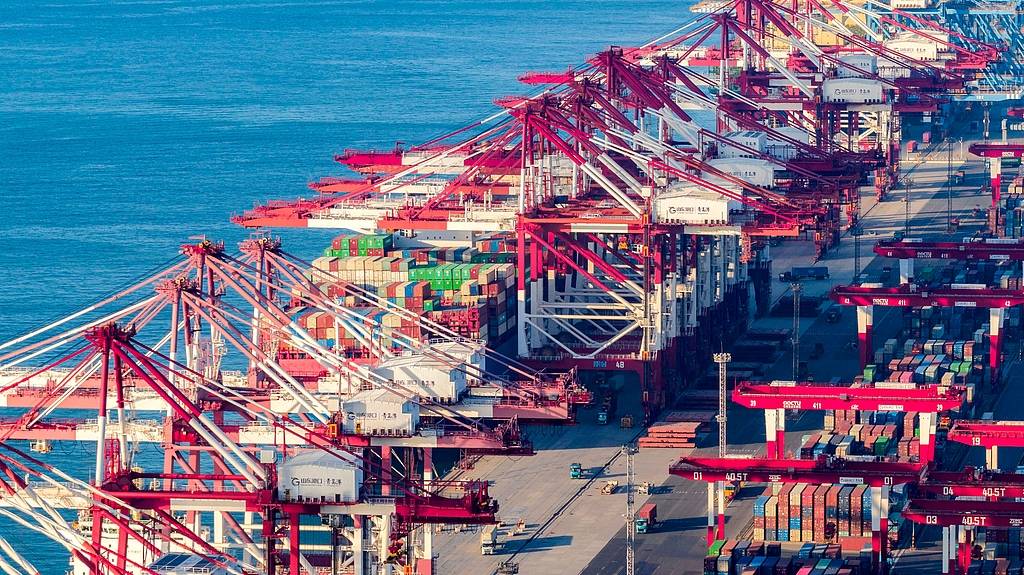
年中经济观察|充分释放财政政策推动高质量发展的效能
Xin Hua She· 2025-07-29 01:36
积极发挥财政政策推动发展"进"的关键作用。持续强化对教育和科技的支持,上半年教育、科学技术支 出同比增长5.9%、9.1%;完善各项惠企助企政策;进一步完善横向生态保护补偿机制……今年以来, 财政更加着力"增后劲",推动高质量发展"成色"更足。当前,"十五五"规划正在谋划,要更加聚焦经济 社会发展的薄弱领域和关键环节,更加注重提升未来潜在增长率,优化财政政策供给,加强财政政策储 备,为高质量发展提供更加给力的"真金白银"和政策保障。 推动财政政策效能充分释放,还要加强政策协同、形成工作合力。加强财政政策与货币、就业、产业、 区域等政策的协同联动,这样才能"五指成拳"形成合力,放大政策叠加效应。要统筹财政政策与其他政 策制定和执行的全过程,提升政策目标、工具、时机、力度、节奏的匹配度,确保同向发力。各级相关 部门应加强沟通对接,确保把准政策意图,靶向精准施策,让政策落实"最后一公里"和政策制定"最先 一公里"更好贯通起来。 财政政策是宏观调控的关键工具。近年来,在世界经济复苏乏力的大背景下,财政政策在很多国家宏观 调控工具箱中的主体地位日益凸显,成为推动经济行稳致远的关键手段。 积极发挥财政政策护航经济"稳"的 ...
长江期货市场交易指引-20250729
Chang Jiang Qi Huo· 2025-07-29 01:35
1. Report Industry Investment Ratings - **Macro Finance**: Index - defensive waiting; Treasury bonds - take profit, expect a weakening trend [6] - **Black Building Materials**: Rebar - wait and see; Iron ore - expect a strong - side oscillation; Coking coal and coke - expect an oscillatory trend [8][9][10] - **Non - ferrous Metals**: Copper - range trading or wait and see; Aluminum - mainly wait and see; Nickel - short on rallies; Tin - range trading; Gold - range trading; Silver - range trading [13][14][17] - **Energy and Chemicals**: PVC - expect an oscillatory trend; Soda ash - try short positions with light positions; Caustic soda - expect an oscillatory trend; Styrene - expect an oscillatory trend; Rubber - expect a strong - side oscillation; Urea - expect an oscillatory trend; Methanol - expect an oscillatory trend; Polyolefins - expect a wide - range oscillation [21][23][25] - **Cotton Spinning Industry Chain**: Cotton and cotton yarn - expect a strong - side oscillation; Apples - expect a strong - side oscillation; Jujubes - expect a strong - side oscillation [33][34][35] - **Agricultural and Livestock**: Pigs - short on rallies; Eggs - short on rallies; Corn - wide - range oscillation; Soybean meal - expect a strong - side oscillation; Oils - expect a strong - side oscillation [37][39][42] 2. Core Views of the Report - The report provides investment strategies and market outlooks for various futures products based on current market conditions, including macro - economic events, supply - demand relationships, and policy expectations. Different futures sectors are expected to have different trends, with some in an oscillatory state, some showing a strong - side or weak - side trend, and investors are advised to make corresponding trading decisions according to different situations [6][8][13] 3. Summary by Relevant Catalogs Macro Finance - **Index**: Affected by factors such as the US Treasury's borrowing plan, bond auctions, Sino - US economic and trade talks, and domestic policies, the index is expected to oscillate, and it is recommended to wait and see defensively [6] - **Treasury Bonds**: Although the bond market rebounded on Monday, the market is still in the paradigm of "trading bonds based on commodities" and "trading bonds based on stocks". Attention should be paid to whether subsequent policies can boost demand. It is recommended to take profit, and the market is expected to weaken [6] Black Building Materials - **Rebar**: After the price drop on Monday, the supply - demand relationship is relatively balanced. Considering macro - policies and industrial supply - demand, it is expected to enter an oscillatory pattern, and it is recommended to wait and see or conduct short - term trading [8] - **Iron Ore**: Affected by macro - policies and supply - demand, the price has adjusted downward. Although there are concerns about future supply surplus, the current support from the steel and coal markets is still strong, and it is expected to oscillate at a high level [8][9] - **Coking Coal and Coke**: The coking coal market has a slow supply recovery and cautious demand. The coke market has a tight supply - demand balance. Both are expected to oscillate, and it is recommended to wait and see neutrally [10][12] Non - ferrous Metals - **Copper**: Affected by factors such as US tariff policies, domestic consumption seasons, and economic recovery expectations, the price is expected to oscillate in a range, and it is recommended to conduct range trading or wait and see [13] - **Aluminum**: Due to changes in the price and supply of bauxite, the production capacity of alumina and electrolytic aluminum, and the weakening of downstream demand, the price is expected to oscillate at a high level, and it is recommended to wait and see [14] - **Nickel**: With an oversupply in the long - term and weakening support at the mine end, it is expected to oscillate, and it is recommended to short on rallies [17] - **Tin**: Although the supply - demand gap is improving, the demand is in the off - season. It is expected to have support and is recommended for range trading [19] - **Gold and Silver**: Affected by trade negotiations, economic data, and interest rate expectations, the prices are expected to oscillate, and it is recommended for range trading [19][20] Energy and Chemicals - **PVC**: With high supply, uncertain export sustainability, and policy - driven market, it is expected to oscillate in the short - term [21][23] - **Caustic Soda**: The supply is high, and the demand has rigid support but a slow growth rate. The near - month contract is under pressure, and the far - month contract may have support in the peak season. It is expected to oscillate [24][25] - **Styrene**: The fundamental benefits are limited, and the macro - environment is favorable. It is expected to oscillate [26] - **Rubber**: Affected by raw material prices, inventory, and macro - emotions, the price is expected to oscillate strongly after a short - term decline [27][28] - **Urea**: The supply is decreasing, the demand is increasing, and the inventory pattern is neutral. It is expected to be weak first and then strong [29] - **Methanol**: The supply is increasing slightly, the demand is stable, and the inventory is decreasing. It is expected to face a certain correction [30] - **Polyolefins**: Affected by macro - emotions and cost factors, the demand is in the off - season. It is expected to oscillate weakly, and attention should be paid to the price range of different contracts [30][31] - **Soda Ash**: After the price increase, the inventory has shifted to the middle - stream, and the price is over - estimated. It is recommended to try short positions with light positions [32][33] Cotton Spinning Industry Chain - **Cotton and Cotton Yarn**: According to the USDA report, the supply - demand relationship has changed. Affected by market sentiment and supply - demand, it is expected to oscillate strongly [33] - **Apples**: With low inventory, the price is expected to oscillate strongly in a high - level range [34][35] - **Jujubes**: Affected by the growth situation in the production area and the supply - demand in the sales area, the price is expected to be stable and strong in the short - term [35] Agricultural and Livestock - **Pigs**: With supply - demand pressure, the short - term is near - weak and far - strong. It is recommended to short the near - month contracts and wait and see for the far - month contracts, and consider arbitrage opportunities [37][38] - **Eggs**: The short - term supply is affected by high - temperature weather, and the demand may increase seasonally, but the long - term supply pressure is large. It is recommended to short on rallies for the near - month contracts and wait for buying opportunities for the far - month contracts [39][40] - **Corn**: The short - term supply - demand game is intense, and the mid - long - term supply is tightening. It is recommended for range trading and to pay attention to arbitrage opportunities [41][42] - **Soybean Meal**: The short - term is affected by weather and supply - demand, and the mid - long - term has a supply gap. It is recommended to go long on dips [43][44] - **Oils**: Affected by factors such as palm oil production and export, soybean growth, and rapeseed supply, the prices are expected to oscillate strongly, and it is recommended to go long on dips [44][48]
新华时评·年中经济观察丨充分释放财政政策推动高质量发展的效能
Xin Hua She· 2025-07-25 13:36
Group 1 - The core viewpoint emphasizes the significant role of fiscal policy in macroeconomic regulation, particularly in the context of a sluggish global economic recovery, highlighting its importance in stabilizing the economy [1][2] - In the first half of the year, national general public budget expenditure exceeded 14 trillion yuan, a year-on-year increase of 3.4%, with social security and employment expenditure reaching 2.4504 trillion yuan, up 9.2% year-on-year [1] - The fiscal policy has shifted from "active" to "more active," with increased intensity and scale, including over 2 trillion yuan in new local government special bonds issued and 162 billion yuan allocated for long-term special government bond funds to promote consumption [1] Group 2 - There is a strong emphasis on enhancing support for education and technology, with expenditures in these areas growing by 5.9% and 9.1% year-on-year, respectively [2] - The fiscal policy aims to focus on weak areas and key links in economic and social development, optimizing fiscal policy supply to provide substantial financial and policy support for high-quality development [2] - The effectiveness of fiscal policy will be enhanced through better coordination with monetary, employment, industrial, and regional policies, ensuring a cohesive approach to policy implementation [2]
未名宏观|2025年6月进、出口点评——日内瓦会谈效果显现,中美贸易降幅明显收窄
Jing Ji Guan Cha Bao· 2025-07-23 09:36
Core Insights - The article highlights a significant narrowing of the trade deficit between China and the U.S. following the Geneva high-level economic talks, with a notable increase in export growth rates and a slight uptick in import growth due to base effects [1][2][3]. Export Analysis - In June 2025, China's total exports reached $325.18 billion, marking a year-on-year increase of 5.8%, which is a 1.0 percentage point rise from the previous month [1][3]. - The decline in exports to the U.S. has significantly reduced, with a year-on-year decrease of 16.13%, an improvement of 18.39 percentage points compared to the previous month [4]. - Exports to ASEAN countries continued to grow rapidly, while traditional export categories saw declines, with integrated circuits and automobiles showing strong growth [5][6]. Import Analysis - China's total imports in June 2025 amounted to $210.41 billion, reflecting a year-on-year growth of 1.1%, reversing from negative growth due to base effects [2][6]. - Imports from the U.S. decreased by 15.5% year-on-year, but this decline was 2.6 percentage points less than the previous month [2][6]. - The import growth rates from Japan and ASEAN were positive, while imports from traditional bulk commodities continued to face challenges [7]. Future Outlook - The external environment for trade is expected to remain complex and volatile, with potential risks and opportunities for export growth in 2025 [8]. - Domestic economic policies aimed at stabilizing the economy are anticipated to support a gradual recovery in import growth, although challenges from the real estate market and global trade barriers may persist [8].
2025.07月中旬市场点评:当下行情依然属于“慢牛”范畴
Xiangcai Securities· 2025-07-17 09:36
Group 1 - The current market is characterized as a "slow bull" phase, with the Shanghai Composite Index fluctuating around 3500 points, indicating a lack of potential for a "crazy bull" market [1][2][8] - The market is in the sixth cycle since 2005, showing a disconnection between the Shanghai Composite Index and macroeconomic short cycles, reflecting a weak macroeconomic backdrop [10][20] - The management is actively working to prevent a repeat of the brief "crazy bull" markets seen in 2006-2007 and 2014-2015, which could lead to prolonged bear markets [10][20] Group 2 - The outlook for 2025 suggests a prolonged "slow bull" market, with a focus on time over height, influenced by long-term capital inflows, particularly in dividend-related sectors like banking and insurance [4][20] - The investment logic for upstream industries is challenging due to weak PPI, while downstream industries are expected to perform better, aligning with domestic consumption policies [4][20] - The consumer sector may face significant differentiation, with new consumption segments likely to attract more capital, depending on the strength of policy support [20][21] Group 3 - The 2025 market is expected to operate under a combination of the new "National Nine Articles" and a "four trillion" investment trend, with a high probability of a "slow bull" market [21] - Key areas of focus for 2025 include technology, green initiatives, consumption, and infrastructure, as highlighted in the government work report [21] - The market is anticipated to experience slight upward fluctuations in July, supported by long-term capital inflows, particularly in dividend sectors [21]
上海财经大学校长刘元春:治理“内卷化”竞争,宏观调控与微观治理协同发力
Zhong Guo Jing Ying Bao· 2025-07-08 03:05
Group 1 - The core viewpoint presented by Liu Yuanchun emphasizes the need for macroeconomic governance to incorporate a new dimension of "coordinating macro regulation with micro governance" to address the issue of "involution" in competition, thereby solidifying the micro foundation for high-quality development [1][2] - The primary concern of the current macroeconomic environment is the persistently low price levels, which are influenced by both structural issues on the demand side, such as the decline in real estate investment, and complex supply-side shocks [1] - A significant supply shock driven by technological advancements and economies of scale has been observed, with labor productivity in China increasing by nearly 90% over the past decade, and costs for new energy vehicles, lithium batteries, and solar cells significantly decreasing [1] Group 2 - The phenomenon of "involution" in pricing has led to a decline in corporate profit margins, with many industries experiencing worsening financial indicators despite technological upgrades, resulting in a situation where costs decrease but profits decline even faster [1][2] - To address the challenges of low prices and "involution," a comprehensive initiation of micro governance is necessary, shifting from a reliance on industry self-discipline to a new model of "government-led, industry-coordinated, and enterprise-implemented" policies [2] - The "2025 China Macroeconomic Situation Analysis and Forecast Mid-Year Report" highlights that the main short-term contradiction in China's macroeconomic operation is the imbalance between supply and demand, which has spread from the production side to the demand side, impacting key areas such as the labor market and real estate market [2]
刘元春:破解“内卷”必须全面启动微观治理,让竞争政策走到C位
Di Yi Cai Jing· 2025-07-07 10:03
Group 1 - The core viewpoint is that China's industrial policy has long prioritized over competition policy, leading to micro-level disorder, necessitating a reorientation of industrial policy and placing competition policy at the forefront [1][2] - The current industrial sector is experiencing a phenomenon where costs are decreasing, but profits are declining even faster, indicating a need for comprehensive micro-governance to address low pricing and "involution" issues [1][2] - The focus of policy has shifted towards preventing "involution-style" vicious competition, with the Central Committee emphasizing the need for industry self-discipline and orderly competition [1][2] Group 2 - The primary concern in the macro economy is the persistently low price levels, driven by both demand-side and supply-side factors, including structural issues and the impact of technological advancements [2] - China's labor productivity has increased by nearly 90% over the past decade, with significant cost reductions in new energy sectors, indicating a shift towards new production models [2] - Despite technological upgrades, many industries are experiencing deteriorating financial metrics, with profit margins hitting historical lows due to "involutionary pricing models" leading to fierce competition [2][3] Group 3 - Overcapacity is not a new phenomenon, but the overcapacity in emerging industries and involution may signal the emergence of new systemic issues [3] - The approach to breaking the low-price phenomenon includes expanding domestic demand, social reforms, and micro-restructuring as supplementary measures [3] - A shift in policy thinking is suggested, moving from an industry-led model to a government-led, industry-coordinated, and enterprise-implemented model, elevating competition policy to a central role [3]