
悦己经济

Search documents
当白酒回归消费,白酒品牌价值需要重新排序
Sou Hu Cai Jing· 2025-05-31 15:13
Core Insights - The article highlights the successful brand rejuvenation of Fenjiu in the Chinese liquor market, particularly among younger consumers, as evidenced by its ranking in the CBI500 list [2][5][17] - The white liquor industry is currently facing challenges such as oversupply and high inventory, leading to a competitive landscape where only a few brands thrive [5][7][28] - Fenjiu's strategy focuses on appealing to younger consumers by emphasizing product value and innovative marketing approaches [17][21][30] Group 1: Brand Performance - Fenjiu ranks 163rd in the CBI500 list, with a significant lead among new customers aged 18-24, reflecting its successful youth-oriented strategy [2][5] - The overall white liquor industry is struggling, with only eight brands making it to the CBI500 list, indicating a stark contrast to other sectors like 3C and apparel [5][6] - Fenjiu's revenue reached 319 billion in 2023, with a projected growth to 360.11 billion in 2024, showcasing its resilience in a challenging market [17][20] Group 2: Consumer Trends - The main consumer demographic for white liquor is shifting, with younger generations increasingly becoming the primary market, accounting for 34% of consumers born between 1985-1994 and 18% for those born after 1995 [11][13] - Young consumers prioritize taste and value over brand prestige, indicating a shift in purchasing criteria [13][18] - The demand for lower-alcohol options is rising, prompting brands to expand their product lines to cater to this preference [14][20] Group 3: Marketing and Distribution Strategies - Fenjiu employs a multi-faceted marketing approach, utilizing social media and e-commerce platforms to engage younger consumers and create a complete consumption loop [21][22] - The brand has successfully launched campaigns that resonate with younger audiences, such as the "white liquor innovation" initiatives, which have garnered significant attention online [21][24] - Fenjiu's collaboration with platforms like Tmall has resulted in substantial growth, with a 76% increase in brand performance during promotional events [24][26] Group 4: Industry Challenges and Future Directions - The white liquor industry is entering a new cycle characterized by market segmentation and consumption upgrades, necessitating a comprehensive value redefinition [28][30] - Companies must adapt to changing consumer preferences and enhance their product offerings to remain competitive in the evolving market landscape [30][31] - The future competition will focus on flavor innovation, channel diversification, cultural relevance, and international expansion [30][31]




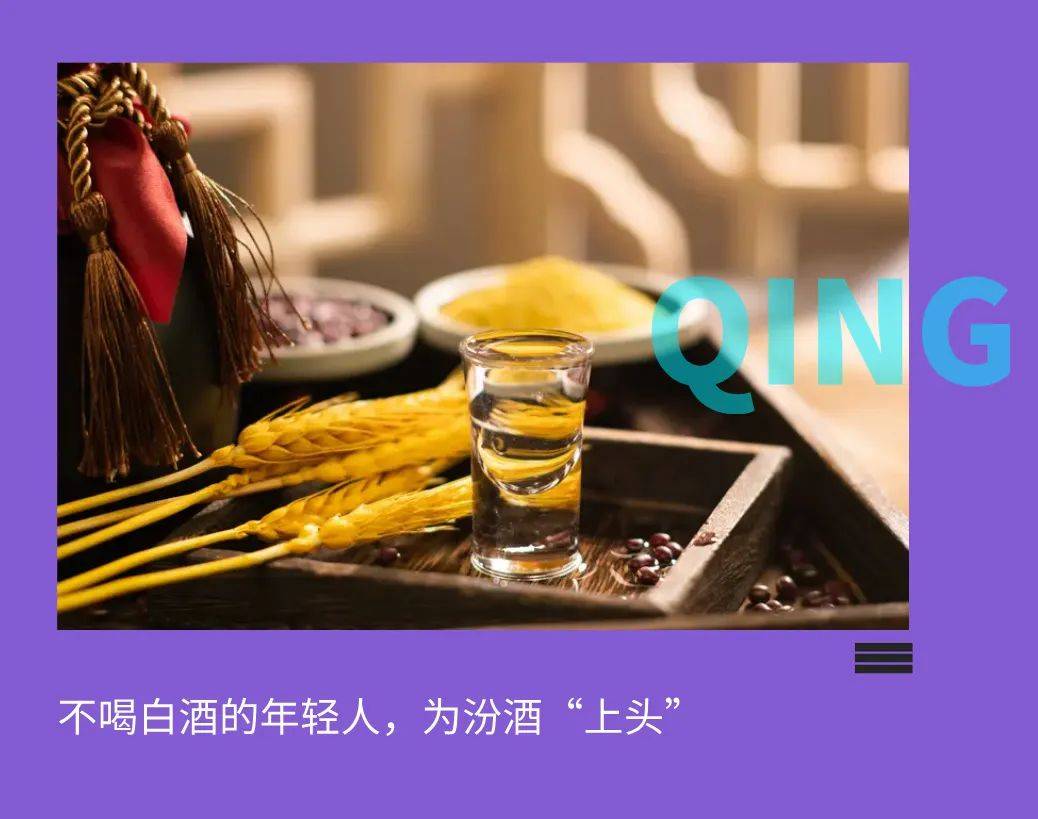
“装货”带火了Bistro
3 6 Ke· 2025-05-27 09:19
Core Insights - The rise of "Yun Gui Chuan Bistro" reflects a shift in urban consumer behavior towards a blend of cultural experience and social interaction in dining [2][10][27] Group 1: Market Trends - The "Yun Gui Chuan Bistro" concept has seen explosive growth, with a reported annual increase of over 150% in cities like Shanghai and Chengdu since 2022 [6][7] - The popularity of bistros indicates a new dining trend where consumers seek both casual dining and a sense of ritual in their eating experiences [10][27] Group 2: Consumer Behavior - Urban consumers are increasingly engaging in "装货式消费" (showing off consumption), which emphasizes the importance of aesthetic and experiential dining [10][18] - The bistro atmosphere, characterized by dim lighting and cultural decor, enhances the dining experience, encouraging social media sharing and personal branding [11][13] Group 3: Culinary Innovation - "Yun Gui Chuan Bistro" offers a unique flavor system that combines traditional regional dishes with creative presentations, such as pairing Guizhou sour soup fish with Sichuan spicy rabbit heads [5][19] - The menu features innovative dishes that attract consumers, with names and presentations designed to be visually appealing for social media [14][19] Group 4: Social Dynamics - The bistro dining experience fosters social interaction, with diners exchanging dipping sauce recipes and engaging in lively discussions about food [13][19] - The concept serves as a "third space" for consumers, allowing them to escape the fast-paced urban lifestyle while enjoying a relaxed yet stylish dining environment [16][21]

安徽悦己臻选品牌完成2000万元天使轮融资
Sou Hu Cai Jing· 2025-05-26 09:30
Core Insights - Anhui Yejizhenxuan has completed a 20 million yuan angel round financing, led by a well-known investment institution in the new retail sector, indicating market recognition of its innovative model in the new retail space [1] - The company focuses on the rapidly growing "self-care economy" by providing smart retail solutions that integrate AIoT technology and big data analysis [3] - The financing will be used for technology development, market expansion, and scaling its unmanned vending terminal network [1][7] Company Overview - Established in 2019, Anhui Yejizhenxuan is a new retail solution provider centered on "smart technology + scenario-based consumption" [3] - The company has developed an "intelligent unmanned vending store" solution that covers high-value categories such as convenience stores, adult products, and health foods [3] - Its unmanned terminals utilize dynamic visual recognition and contactless payment technologies, enabling 24/7 unattended operations [3] Market Potential - The unmanned retail market in China is projected to exceed 100 billion yuan by 2024, with an annual compound growth rate of over 30% [5] - Unmanned vending models are filling gaps in traditional retail, especially in third- and fourth-tier cities and community settings [5] - Anhui Yejizhenxuan has achieved an average daily foot traffic of over 300 customers per store, with a repurchase rate exceeding 60% [5] Future Plans - Following the financing, the company plans to enhance its smart hardware and software systems, focusing on AI dynamic pricing and supply chain collaboration [7] - The goal is to expand the number of terminals to 500 by the end of 2025, targeting high-density communities, industrial parks, and transportation hubs in key economic regions [7] - The CEO emphasizes a commitment to integrating smart retail services into consumers' daily lives [7] Investor Perspective - The lead investor highlights the team's retail insights and technical implementation capabilities, addressing pain points such as high loss rates and limited scenarios in traditional unmanned stores [7] - There is optimism regarding growth potential in the "last mile" consumption scene, particularly in lower-tier markets [7] Industry Outlook - Supportive policies for new consumption infrastructure and the evolving habits of Generation Z are driving the transition of smart unmanned retail from concept validation to scalable commercial implementation [7] - The financing progress of Anhui Yejizhenxuan injects confidence into the industry and provides an innovative model for the diversified development of the new retail ecosystem [7] - The ability to build a competitive moat through technological barriers and operational efficiency will be a key focus for ongoing capital interest [7]
一键布局港股新消费龙头 港股通消费ETF(159245)今日首发
Xin Lang Ji Jin· 2025-05-26 01:43
Group 1 - The core viewpoint of the articles highlights the strong performance of the Hong Kong stock consumer sector, driven by increased liquidity from government initiatives and foreign capital inflows [1][2][4] - The "new consumption" sector, particularly represented by companies like Pop Mart, Lao Pu Gold, and Mixue Group, is experiencing significant growth and stock price appreciation [2][3] - The Hong Kong Stock Connect Consumer ETF was launched to provide investors with an easy way to invest in core assets of the new consumption sector [1][5] Group 2 - The new consumption sector is emerging as a key investment opportunity, particularly influenced by the "self-care economy" led by Generation Z [2] - The Hong Kong Stock Connect Consumer Index, which the ETF tracks, includes 50 stocks and focuses on high-quality consumer assets, excluding broader categories like e-commerce and new energy vehicles [3][4] - The performance of the Hong Kong Stock Connect Consumer Index has been strong, with a year-to-date increase of 31.58%, outperforming other indices [4] Group 3 - The ETF is managed by an experienced fund manager, providing a strategic approach to capturing growth opportunities in the Hong Kong new consumption sector [5] - The index is expected to fill a gap in the A-share market regarding new consumption assets, with promising future growth driven by changing consumer habits [5]
景顺长城张欢谈新消费投资,Z世代“悦己经济”或催生戴维斯双击机会
Zhong Guo Jing Ji Wang· 2025-05-22 05:35
据36氪调查数据,职场中不同程度感受到内卷的受访者比例高达96.76%。而潮玩、宠物等情绪消费方 面的"消费升级",便是Z时代应对压力的方式。在张欢看来,新消费崛起的驱动力,一是主力消费群体 从70、80后转向Z世代,而Z世代成长于经济高速增长期,物质满足带来这一代人更在乎个人感觉即"悦 己",更愿为情绪价值、个性化体验付费。二是新消费从"品牌溢价"转向"质价比优先",某种程度上, 年轻消费者表现更理性,既要品质,也要合理价格。在某种程度上也解释了近年来国货的崛起,这些企 业更多的修炼"内功",展示出不输国际大牌的质量,同时减少在市场营销花费,把实惠给到消费者。同 样的价格,是继续选择国际大牌的入门款,还是质价比更高的国货,现在更多年轻消费者选择了后者。 与传统"商品消费"相比,情绪价值主导的新消费模式有何优势?张欢指出,投资角度看,传统消费与总 量经济高度相关(如衣食住行等基础需求),面对的是更广泛的人群,不强调个性化,同时增长更依赖于 宏观经济周期。新消费则更多面向细分人群的个性化需求,与宏观经济相关度较低,有可能走出独立的 行情。此外传统消费需要更关注供给侧,即在既定的竞争格局里,通过格局优化带来的投资 ...
今年520静悄悄,年轻人正在逃离消费骗局
3 6 Ke· 2025-05-21 11:32
Core Insights - The "520 economy," once celebrated for its consumerism, is experiencing a silent collapse, reflecting deeper changes in the consumption market [1][3] - Young consumers are moving away from ritualistic spending associated with love, opting for more rational and value-driven purchasing decisions [1][6] Group 1: Changing Consumer Behavior - Young people are demystifying the "love KPI," no longer compelled to spend for the sake of ritual, and are instead evaluating the cost-effectiveness of their purchases [1][6] - There is a growing trend of emotional and behavioral disengagement as a response to systemic anxiety related to declining consumption [4][5] - The traditional "gift economy" is shifting, with men gaining autonomy in their purchasing decisions, leading to the decline of "舔狗经济" (the "dog licking" economy) [5] Group 2: Evolving Expressions of Love - The concept of romantic gestures is being re-evaluated, with consumers prioritizing long-term value over short-lived emotional highs [6][11] - New consumption philosophies are emerging, such as opting for affordable alternatives, investing in items with lasting value, and prioritizing time over spending during holidays [6][11] Group 3: Social Dynamics and Market Shifts - Social currency is depreciating, with the act of showcasing romantic gestures losing its appeal due to privacy concerns and the rise of social media [9][10] - The "悦己经济" (self-love economy) is replacing the couple-centric economy, with single individuals finding opportunities during traditional romantic holidays [11][12] Group 4: Marketing Strategies and Brand Adaptation - Brands must cease excessive marketing that emotionally manipulates consumers, as this approach is increasingly met with backlash [14][15] - There is a call for brands to focus on genuine connections and the intrinsic value of products rather than relying on romanticized marketing tactics [14][15] - The decline of the "520 economy" is viewed as a necessary evolution in the consumption market, emphasizing the need for a deeper understanding of consumer needs [15]
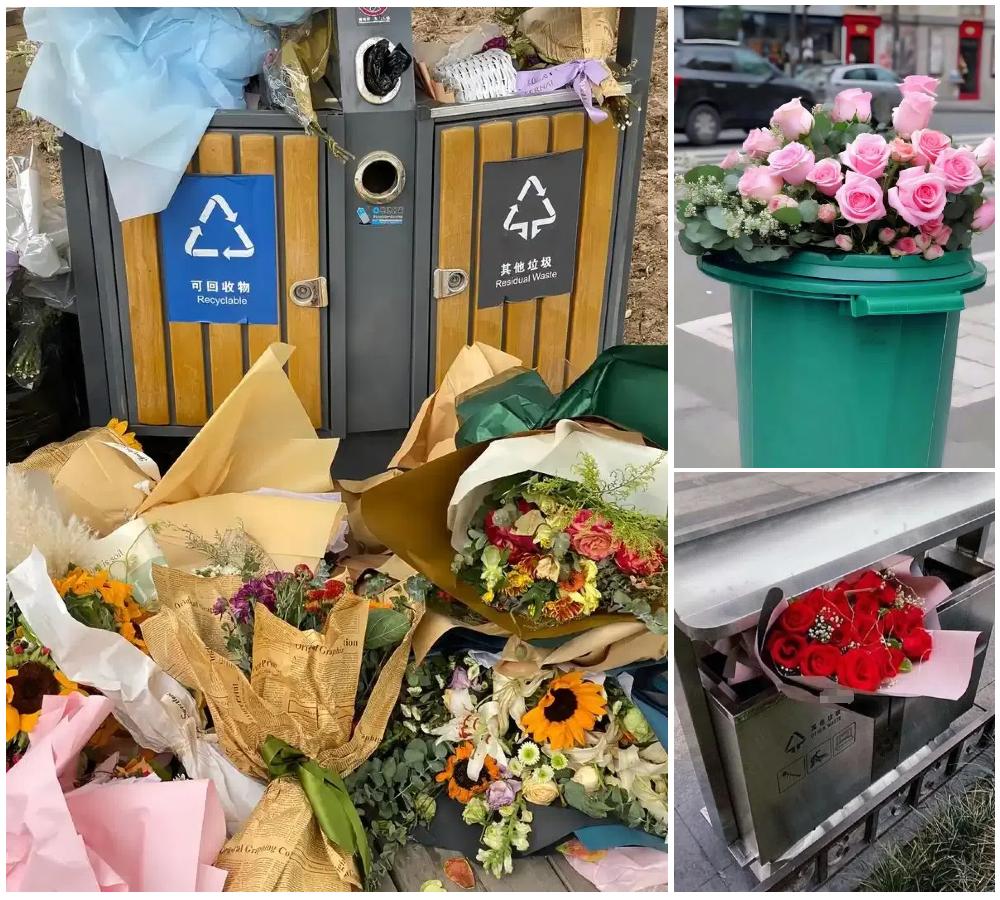
创新·破局·增长!2025NBM创新展四大论坛揭示行业增长新空间!
Sou Hu Cai Jing· 2025-05-15 19:34
Core Viewpoint - The concept of "involution" in the mother and baby industry does not equate to growth; instead, the focus should be on achieving tangible growth through innovative strategies and collaboration [1]. Group 1: Event Overview - The NBM Mother and Baby & Nutrition Health Innovation Exhibition took place on May 14-15, featuring a theme of "New Technology, New Products, New Buyers" [1]. - The exhibition included 15 high-end forums and industry summits, attracting over 100 experts and industry leaders from various fields [1]. - The event saw significant online engagement, with over 500,000 viewers participating in live broadcasts [1]. Group 2: Key Discussions and Insights - The "熊小婴·大健康专业论坛" focused on achieving differentiation in a saturated market through a "medical + content + supply chain" ecosystem [4][5]. - The importance of building a "scientific trust chain" was emphasized, highlighting the need for scientific product development, clinical validation, and professional market communication [7]. - The "悦己经济" forum discussed the integration of the medical beauty and mother-baby industries, driven by young parents' desire to maintain personal value while caring for children [13]. Group 3: Marketing Strategies - The marketing strategies discussed included a four-step method for content creation that simplifies complex medical knowledge for consumers [9]. - The need for a comprehensive content marketing system was highlighted, focusing on emotional and value-based connections with consumers [16]. - The role of AI technology and social media platforms like Douyin and video accounts in driving long-term growth for the mother and baby e-commerce sector was explored [17][19]. Group 4: Market Trends and Consumer Insights - Data analysis presented insights into the evolving consumer demands and market structure within the mother and baby sector, indicating a shift towards personalized and high-end products [21]. - The integration of professional resources and cross-industry innovation is seen as a new driving force for growth in the mother and baby industry [21].

“快乐消费”“悦己经济”持续火爆“出圈” 为“快乐”买单激活消费新潜力
Yang Shi Wang· 2025-05-12 03:20
Core Viewpoint - The rise of "emotional consumption" among young consumers is driving the demand for innovative products that alleviate anxiety and provide emotional companionship, leading to a vibrant new market segment [1][10]. Group 1: Market Trends - In Jinan, the "emotional consumption" area in shopping malls is particularly popular, with products like "squeeze toys" attracting significant attention [3]. - In Shanghai, stores featuring colorful decor and unique products with personalized slogans are drawing young consumers, indicating a shift towards more engaging retail experiences [6]. - The popularity of personalized experiences, such as creating custom "four-panel" comics for 99 yuan, highlights the demand for unique emotional products [8]. Group 2: Sales Growth and Opportunities - Data from Xiaohongshu shows that the number of posts related to emotional products like aromatherapy and stress-relief toys has increased over 400 times in the past three years [10]. - Taobao reports that in 2024, spending on emotional value and interests has become the primary reason for young consumers' purchases, with sales of customized items like hand-drawn portraits and unique pillows rising over 50% [10]. - The surge in demand for stress-relief products has created new growth opportunities for businesses and farmers, with a notable increase in the registration of related companies [10][17]. Group 3: New Careers and Innovations - The trend of emotional consumption is not only transforming the market but also giving rise to imaginative new professions, such as stress toy designers and "doll modification" specialists [19][21]. - A young designer transitioned from crafting traditional art to creating stress-relief toys, successfully launching over 30 popular products [19]. - The "doll modifier" profession has gained popularity, with individuals like Huang Ting training hundreds of students in doll customization, reflecting the growing interest in this niche market [21][23].
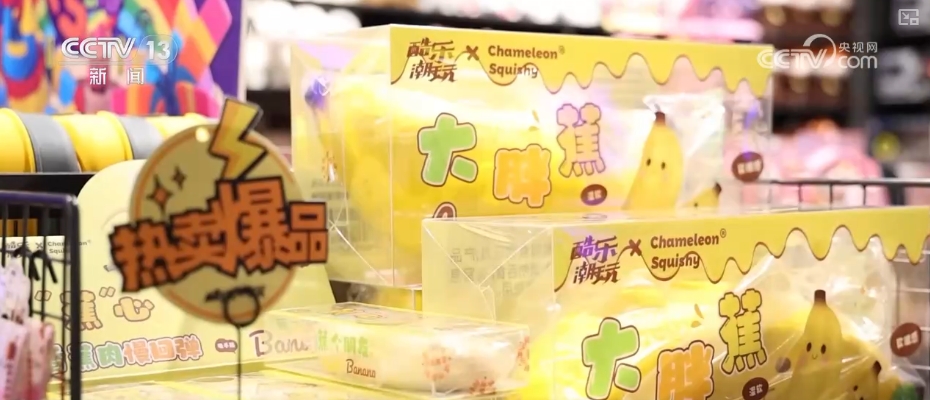
拆解石头科技 (688169.SH)最新季报:营收持续高增,多维度斩获成长力
智通财经网· 2025-05-12 03:14
Core Insights - The smart home industry is rapidly growing, with the global smart vacuum cleaner market expected to ship 20.6 million units in 2024, a year-on-year increase of 11.2%, and sales revenue reaching $9.31 billion, up 19.7% [1] - Roborock Technology (688169.SH) reported a significant revenue increase of 86.22% year-on-year in Q1 2025, achieving revenue of 3.428 billion yuan and a net profit of 267 million yuan [1][2] - The company's growth is attributed to an expanded product matrix and effective market strategies, enhancing both domestic and international sales [1][2] Industry Overview - The trend of "lazy economy" and "self-care economy" is driving the adoption of smart home devices [1] - The market is expected to evolve towards more intelligent and integrated solutions with the introduction of AI navigation and robotic arms by leading manufacturers in early 2025 [1] Company Performance - Roborock's revenue growth is supported by continuous innovation, including the launch of the G30 Space exploration version vacuum cleaner, which features advanced cleaning technologies [3][4] - The company has also introduced innovative products in the washing machine and floor cleaning sectors, enhancing its product offerings [4] Market Dynamics - The domestic market is benefiting from the "national subsidy" policy, which has expanded the range of eligible appliances, leading to significant growth in vacuum cleaner sales [8] - In Q1 2025, Roborock's vacuum cleaner and washing machine sales increased by 90% and 349% respectively, with a notable market share in both categories [8][10] International Expansion - Roborock has established a strong presence in international markets, achieving the highest global sales volume and revenue in 2024, surpassing iRobot [9] - The company is experiencing rapid growth in Europe, North America, and Asia-Pacific regions, with expected increases of approximately 100% in Europe and 50% in North America in Q1 2025 [9][10] Conclusion - Through technological innovation, targeted market strategies, and global expansion, Roborock has demonstrated strong growth potential and market share enhancement in Q1 2025 [11] - The company's long-term value is supported by its robust technological foundation and leadership position in the industry [11]

悦己消费助推谷子经济!超八成谷子经济相关企业成立3年内
Qi Cha Cha· 2025-04-27 03:47
Group 1 - The core viewpoint of the article highlights the rapid growth of the "Guzi" economy driven by self-consumption trends, with over 80% of related companies established within the last three years [1] - The "Guzi" consumption is expected to explode in 2024, with a projected transaction volume increase of 105% year-on-year, and the first quarter of this year already showing a transaction volume 1.2 times that of the daily "Guzi" [2] - The domestic game IPs have performed exceptionally well, with sales of titles like "Love and Deep Space" topping charts, and the sales of "Guzi" products related to the Nezha IP skyrocketing by 2346.2% [2] Group 2 - As of April 25, 2025, there are 940,000 registered "Guzi" economy-related companies in China, surpassing the registration volume of the same period in 2024 [3] - Among the existing 6.672 million "Guzi" economy-related companies, 87.7% were established within the last three years, with 45.7% founded between one to three years ago and 42.0% established within the last year [4] - The industry distribution shows that 86% of "Guzi" economy-related companies belong to the wholesale and retail sector, totaling 5.733 million companies [5]