
贸易保护主义

Search documents
Wind风控日报 | 黄仁勋称美对华AI芯片出口管制“失败”
Wind万得· 2025-05-21 22:45
Group 1 - The European Commission plans to impose a €2 fee on small packages entering the EU, primarily affecting imports from China, with China urging for a fair and transparent business environment [3] - The US aims to globally ban advanced computing chips from China, with the Chinese Ministry of Commerce condemning this as unilateral bullying and a violation of international trade norms [3] - Hong Kong's Legislative Council has passed the Stablecoin Bill, establishing a licensing system for fiat-backed stablecoin issuers to enhance regulatory oversight and promote financial innovation [19] Group 2 - The Silicon Industry Association reports a continued decline in spot prices, with market sentiment remaining pessimistic as industrial silicon prices drop below 8,000 yuan per ton [25] - In Henan province, real estate development investment fell by 8.5% year-on-year in the first four months of 2025, with residential investment down by 9.7% [25] - The global NAND Flash market size decreased by 25.3% quarter-on-quarter in Q1 2025, reaching $13.01 billion, attributed to a slowdown in enterprise-level demand [26]


最后程序走完,美国拟对东南亚太阳能设备征收最高3521%的关税
凤凰网财经· 2025-05-21 13:36
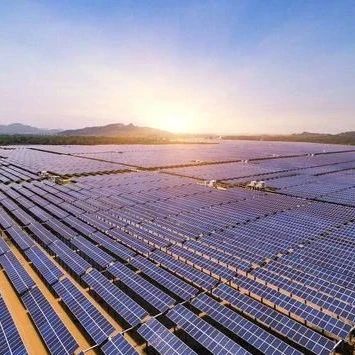
据彭博社5月20日报道,美国政府贸易委员会周二得出结论,从东南亚进口太阳能产品威胁到国内制造 商。这意味着对当地四个国家的相关设备征收高关税已成定局。 该国国际贸易委员会当天表决认定,从柬埔寨、马来西亚、泰国和越南进口的太阳能电池和组件正损害 美国制造商利益。由此相关关税跨过了全面生效的最终关键门槛,为6月开征奠定了基础。 根据美国商务部上个月实际算出的关税,柬埔寨部分制造商面临的税率将高达3521%,反映出该国决定 停止配合美国调查的影响。其它国家和企业的税率要低得多。越南平均税率在396%,泰国为375%,马 来西亚则是34%。 美国此前进行了长达一年的贸易调查,认为上述四国的太阳能产品制造商不公平地受益于政府补贴,并 且以低于生产成本的价格向美国出口。调查应美国太阳能制造商的要求进行,并在美国前总统乔·拜登 任内启动。 【 热门视频推荐 】 由凤凰网主办的"2025中国企业出海高峰论坛"将于6月28-29日在深圳举行。论坛以"更开放的世界 更共 赢的机遇"为主题,探讨新兴市场出海攻略,汇聚30余国经贸代表、超50家行业领军企业及百余位政策 制定者,聚焦政策研判、产业实战与区域合作,为中国企业全球化提供系 ...
坚定维护多边贸易秩序|专家热评
Di Yi Cai Jing· 2025-05-21 09:55
以世界贸易组织为核心的多边贸易体制是国际贸易的基石,在全球经济治理中发挥着重要作用。 美国政府推出的所谓"对等关税"政策违背世贸组织规则,不仅引发国际社会广泛批评,也暴露出美方在 全球化时代逆潮流而动的战略误判。 中国作为负责任大国,始终是多边贸易体制的坚定维护者。贸易战、关税战没有赢家,保护主义没有出 路。以世界贸易组织为核心的多边贸易体制是国际贸易的基石,在全球经济治理中发挥着重要作用。各 方应在世界贸易组织框架下通过平等对话解决分歧和争端,共同维护多边主义和自由贸易,促进全球产 业链供应链稳定畅通。 (本文作者为对外经贸大学国家对外开放研究院、法学院教授 纪文华) 美国关税政策本质上缺乏理性,背离国际社会共识。深入分析可见,其核心是出于政治选票考量的经济 讹诈:美国政府将关税工具化,用以巩固特定选民群体支持,以短期选举利益凌驾于经济规律之上,已 遭美国国内智库、行业协会和跨国企业的普遍反对。彼得森国际经济研究所指出,惩罚性关税若长期施 行,将使美国制造业成本上升,并推高消费者价格指数。国际社会对美国的经贸单边主义形成的抵制浪 潮印证了"得道多助,失道寡助"的基本规律,也体现了各国维护多边贸易体制的共同意 ...
【环时深度】应对美关税重压,印度有多少筹码?
Huan Qiu Shi Bao· 2025-05-20 22:49
Core Viewpoint - The ongoing trade negotiations between India and the United States are critical, particularly regarding tariffs, with significant implications for India's economy and export sectors [1][2]. Trade Impact - India's exports to the U.S. are projected to decrease by $5.76 billion due to U.S. tariffs, with the electronics, seafood, and jewelry sectors being the most affected [2][3]. - The U.S. is India's largest trading partner, accounting for approximately 18% of India's total exports, with a trade surplus of $45.7 billion [2]. - The electronics sector represents about 14% of India's exports to the U.S., while jewelry accounts for 30% of U.S. imports from India [2]. Sector-Specific Analysis - The seafood industry is expected to see a 20.2% decline in exports, translating to approximately $404 million, if subjected to U.S. tariffs [3]. - The automotive parts sector may experience a 12.1% drop in exports, equating to about $339.4 million [3]. - The jewelry and diamond sectors could face a 15.3% reduction in exports, amounting to around $1.82 billion [3]. Economic Considerations - The potential impact of U.S. tariffs could reduce India's GDP growth by 0.2 to 0.5 percentage points [4]. - If the U.S. imposes "reciprocal tariffs," India's exports to the U.S. could decrease by $30 to $33 billion, representing 0.8% to 0.9% of India's GDP [4]. Negotiation Dynamics - India has proposed a phased approach to trade negotiations with the U.S., aiming for a temporary agreement by July, followed by further agreements later in the year [11][12]. - India's consumer-driven economy provides it with a negotiating advantage compared to other export-reliant Asian economies [6]. Strategic Responses - India is exploring regional cooperation with the EU, UK, and ASEAN to mitigate the impact of U.S. tariffs and enhance its economic autonomy [6][7]. - The country has made concessions, such as reducing tariffs on U.S. whiskey and committing to import U.S. energy worth $25 billion [5]. Historical Context - India's trade policies have historically included high tariffs and protectionist measures, which have evolved since the 1991 economic crisis that led to liberalization [8][9]. - The current situation may trigger a resurgence of protectionist sentiments within India, as domestic calls for increased trade barriers grow [9].
新的美债“接盘侠”现身?日本第一,中方抛售美债退居全球第三!
Sou Hu Cai Jing· 2025-05-20 17:26
据环球时报援引美国财政部当地时间5月16日发布的最新数据,截至3月底,中国持有的美国国债已经较上个月减少了约189亿美元,减少至7654亿美元。而 英国在增持289亿美国国债之后,已经超过中国成为了美国国债的第二大持有国,总持有量达到了7793亿美元。 除此之外,日本目前仍然是美国国债的最大持有国。在3月增持49亿美元国债后,日本目前总计持有11308亿美元美国国债。 当地时间5月16日,美国财政部公布的数据显示,2025年3月,美债前三大海外债主中,日本、英国增持美国国债,中国减持。中国由美国第二大债主变为第 三大债主,英国变为第二大债主。3月正值本轮美债市场动荡前夕。美国财政部2025年3月国际资本流动报告(TIC)显示,日本3月增持49亿美元美国国 债,持仓规模为11308亿美元,依然是美国第一大债主。中国3月减持189亿美元美国国债至7654亿美元,为今年首次减持。 一直以来,美国凭借美元霸权,肆意挥舞金融大棒,特朗普政府上台后,贸易保护主义抬头,频繁加征关税,搅乱全球经济秩序,中美贸易摩擦不断升级。 中国减持美债,正是基于对美国金融风险的审慎判断和对自身经济安全的战略考量。美国债务规模如滚雪球般膨胀 ...
投票支持特朗普的这名企业主,把特朗普告上法庭
Xin Hua She· 2025-05-20 13:44
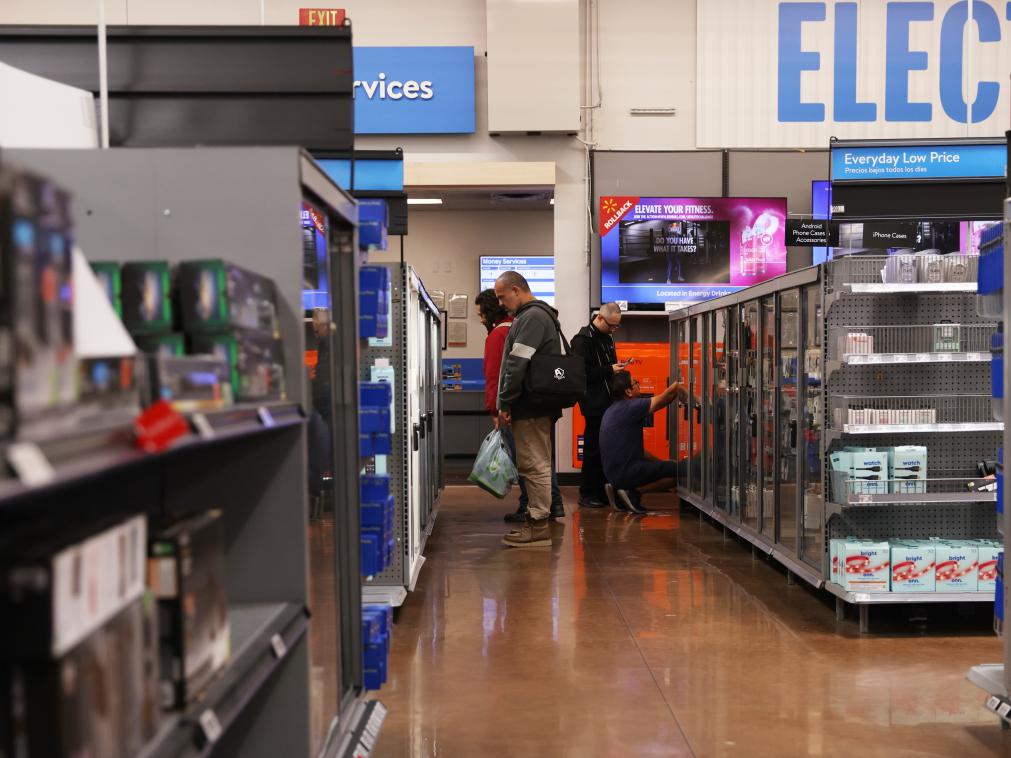
Core Viewpoint - The article highlights the negative impact of U.S. tariffs on small businesses, particularly focusing on a small company run by a mother of three, Emily Li, who has taken legal action against the Trump administration due to the detrimental effects of these tariffs on her business operations [1][4][6]. Group 1: Company Impact - Emily Li's company, which employs nine people, relies on online sales and partnerships with large retailers to sell high-end office stationery, including uniquely designed notebooks that cannot be manufactured in the U.S. [6] - The tariffs imposed by the Trump administration have increased the cost of doing business, with tariffs on notebooks reaching up to $18 each, forcing the company to reconsider its expansion plans and cut operational costs [6][4]. - The uncertainty surrounding tariff policies has hindered the company's ability to make long-term business decisions, leading to potential layoffs and salary cuts for employees [6][9]. Group 2: Industry Context - The article notes that small businesses, defined as those with fewer than 500 employees, employ over 61.7 million people in the U.S., accounting for approximately 46% of private sector employment and contributing about 44% to the GDP [9]. - The legal actions taken by Emily Li and other small business owners against the Trump administration's tariff policies indicate a growing discontent that transcends political affiliations, as organizations like the New Civil Liberties Alliance and the Center for Individual Rights are involved in similar lawsuits [7][6]. - The article also mentions that the Los Angeles port is experiencing a significant drop in incoming cargo volume, projected to decline by over 35% year-on-year due to reduced import orders linked to the tariff policies [6].
黄金时间·每日论金:金价中长期涨势难言改变 3200美元关口支撑较强
Xin Hua Cai Jing· 2025-05-20 06:43
Group 1 - The global trade situation has eased, particularly with the US and China reaching a phased consensus, leading to a recovery in market risk appetite [1] - Despite the temporary agreement, the "America First" trade protectionism policy of the Trump administration is expected to continue disrupting the global political and economic order, contributing to a decline in US dollar credit [1] - Moody's downgrade of the US credit rating serves as a strong indication of the worsening economic outlook, with the US economy contracting by 0.3% in the first quarter of this year [1] Group 2 - The demand for gold is expected to remain strong due to geopolitical risks, declining US dollar and bond credit, and central banks globally increasing their gold holdings [1] - The market's focus this week will remain on global geopolitical situations and trade friction developments, as well as statements from multiple Federal Reserve officials regarding monetary policy [2] - Technically, after a significant downward adjustment, spot gold prices closed above $3200 per ounce, indicating strong bottom buying, with potential for further upward rebound [2]
“悬顶之剑”仍在 国际贸易如何破局
Zhong Guo Qing Nian Bao· 2025-05-19 22:38
中美关税博弈按下了90天的"暂停键"。5月12日,随着《中美日内瓦经贸会谈联合声明》发布,中美大 幅降低双边关税水平,超出了很多人的预期。然而,关税战没有赢家。90天之后,中美双方关税是否加 征、加征多少仍是未知数。 "美国总统特朗普政府的一个显著的特点就是朝令夕改,不确定性。"5月18日,在2025清华五道口全球 金融论坛的一场主题讨论上,中国国际经济交流中心副理事长、国务院发展研究中心原副主任王一鸣表 示,关税冲击的影响是多方面的。 关税冲击之下,对国际贸易的讨论成了不少论坛的焦点话题之一。5月17日,2025清华五道口全球金融 论坛开幕,在"新形势下的国际贸易与投资"主题讨论中,多位专家、学者和行业代表聚焦全球变局中贸 易与投资的挑战和机遇,探讨如何在复杂多变的国际环境中寻找新的增长点,构建更具韧性的合作框 架。 关税冲击仍在持续 从全球来看,美国与部分国家的关税谈判仍在进行中,美滥施关税的冲击波仍在持续,大家都在观望, 这把国际贸易的"悬顶之剑"会不会落下?怎么落?何时落?会砸到谁? "当前影响国际贸易和投资最重要的一个事件就是关税问题。"中国进出口银行原董事长、中国国际经济 交流中心副理事长胡晓炼在 ...

特朗普天塌了,不是说好互相减税吗?为什么中国人还是不买美国货
Sou Hu Cai Jing· 2025-05-19 17:41
Trade Policy and Tariffs - Trump's administration has implemented a series of tariffs against China, with rates reaching as high as 104% to 145% on certain goods, prompting retaliatory measures from China, including a 34% tariff on U.S. products [2][5] - In a surprising move, Trump announced a 10% "baseline tariff" on all imported goods, affecting over 100 countries, including China, leading to further retaliatory actions from China [5][12] - The trade war has resulted in significant volatility in global markets, with U.S. and Hong Kong stock markets experiencing declines [5][12] Trade Agreement and Compliance - A Phase One trade agreement was signed on January 15, 2020, where both countries agreed to lower some tariffs, but China's purchasing of U.S. goods did not meet expectations, leading to increased investments in South America [7][14] - China's investments in South America, including a $3.5 billion deep-water port in Peru and a large terminal in Brazil, have allowed it to secure alternative supply chains, reducing reliance on U.S. products [11][16] Market Dynamics and Consumer Preferences - Despite tariff reductions, U.S. goods remain uncompetitive in price, particularly in the agricultural sector, where Brazilian soybeans dominate the market, capturing over 70% of China's imports [9][12] - Historical grievances regarding U.S. agricultural practices have led to a cautious approach from China towards U.S. products, further diminishing their market share [9][14] - Chinese consumers show a preference for competitively priced products from South America over U.S. goods, impacting demand [12][18] Strategic Shifts and Global Trade Relations - The trade war has prompted China to diversify its procurement strategies and increase overseas investments, particularly in South America, which is becoming a key trading partner [16][18] - The U.S. market share for soybeans in China has dropped to 21% by 2024, while Brazil has taken a dominant position, reflecting a significant shift in trade dynamics [16][18] - The global trade landscape is being reshaped by these developments, with increased cooperation between China and other regions, such as Europe and Africa, to counter U.S. protectionism [18]
世界银行近期发布报告显示——东南亚经济前景受美关税战拖累
Jing Ji Ri Bao· 2025-05-18 21:55
Group 1 - The World Bank reports that the East Asia and Pacific region is facing economic challenges due to rising global economic policy uncertainty, increased trade restrictions, and slowing growth in major economies, leading to reduced investment and consumer confidence [1] - Economic growth in the region is projected to slow to 4.0% by 2025, down from a previous forecast of 4.4%, with Southeast Asian countries like Vietnam, the Philippines, and Indonesia expected to grow at 5.8%, 5.3%, and 4.7% respectively, while Myanmar may experience a 1% economic contraction [1] - The global economic uncertainty index reached its highest level since 1997 in January, and the trade policy uncertainty index hit its highest since 1960 in February, indicating significant impacts on personal consumption and investment growth [1] Group 2 - The outlook for regional development is further dampened by worsening trade policies, a sharp global economic slowdown, financial market volatility, and escalating geopolitical tensions, which could severely impact export-oriented economies like Cambodia, Malaysia, the Philippines, Thailand, and Vietnam [2] - Declining commodity prices may affect resource-exporting countries such as Indonesia, Malaysia, Myanmar, and Laos, while high interest rates in developed economies pose greater risks to smaller economies reliant on external financing [2] - The depreciation of the Indonesian rupiah, capital outflows from the stock market, and rising bond yields since late 2024 reflect investor caution in the region [2] Group 3 - The World Bank suggests that the trend of global economic integration may be changing, with trade as a percentage of global GDP rising from under 40% in 1990 to around 60% before the 2008 financial crisis, and Southeast Asian countries experiencing even faster growth in trade share [3] - Countries like Vietnam, Cambodia, and Indonesia have seen their share in global trade increase from 2017 to 2023, but they face mounting pressure from protectionist measures taken by major economies even before the current trade war [3] - To address the changing globalization trend and long-term challenges like climate change, the World Bank calls for technological transformation, domestic reforms, and deeper international and regional cooperation, highlighting agreements like RCEP, CPTPP, and DEFA as effective responses [3]