贸易保护主义

Search documents
专家共话国际货币体系 多元化将成未来改革方向
Shang Hai Zheng Quan Bao· 2025-05-18 18:05
Group 1 - The international monetary system is expected to diversify, with currencies like the Renminbi and Euro gaining prominence as the credibility of the US dollar faces systemic challenges due to rising debt and fiscal deficits [2][3] - The need for global multilateralism is emphasized as a response to the current international order challenges, with the potential for crises to reshape the global system [2][3] - The International Monetary Fund (IMF) and World Bank are anticipated to play more significant roles in the evolving international monetary landscape, with regional development banks also becoming increasingly important [3] Group 2 - China is adopting proactive fiscal policies to counter external uncertainties, with a focus on expanding domestic demand as a primary task [4][5] - The attractiveness of the Chinese market remains strong, supported by a robust economic foundation and a large pool of skilled labor, which enhances its appeal for foreign investment [4] - Chinese enterprises are encouraged to enhance their resilience against external shocks through technological innovation and diversification of markets, while also expanding their global footprint [5]
(经济观察)中国精准“出牌”稳外贸
Zhong Guo Xin Wen Wang· 2025-05-18 05:19
据海关总署最新数据,前4个月中国进出口总值同比增长2.4%,其中出口同比增长7.5%。此间学者认 为,这一积极表现得益于官方接连出台政策、企业灵活调整战略等多方面因素,但因外部风险仍存,不 能掉以轻心。 最大的挑战源自贸易保护主义。中国银行研究院研究员刘佩忠指出,未来美关税政策不确定性仍较大, 将从贸易投资、金融市场、信心预期等多方面对全球造成冲击,叠加上年同期基数走高,短期内中国出 口增长将承压。 精准"出牌"稳外贸,是中国应对不确定性的关键。分析认为,从近期官方释放信息看,中国稳外贸着眼 从三方面发力。 其一,进一步扩大开放。 中新社北京5月18日电 (尹倩芸)应对外部不确定性,中国近期打出多张"政策牌",以期为外贸解忧。 商务部部长王文涛此前调研指出,面对复杂性、严峻性、不确定性上升的外部环境,国内市场是外贸企 业的坚强后盾,要更好发挥超大国内市场优势,以国内大循环的稳定性和确定性,助力企业应对外部冲 击。 数据显示,自商务部4月启动"外贸优品中华行"活动以来,截至5月初,已累计达成采购意向逾167亿元 (人民币,下同),吸引2400多家外贸企业和6500多家采购商参加。京东、美团等电商平台也以流量扶 ...
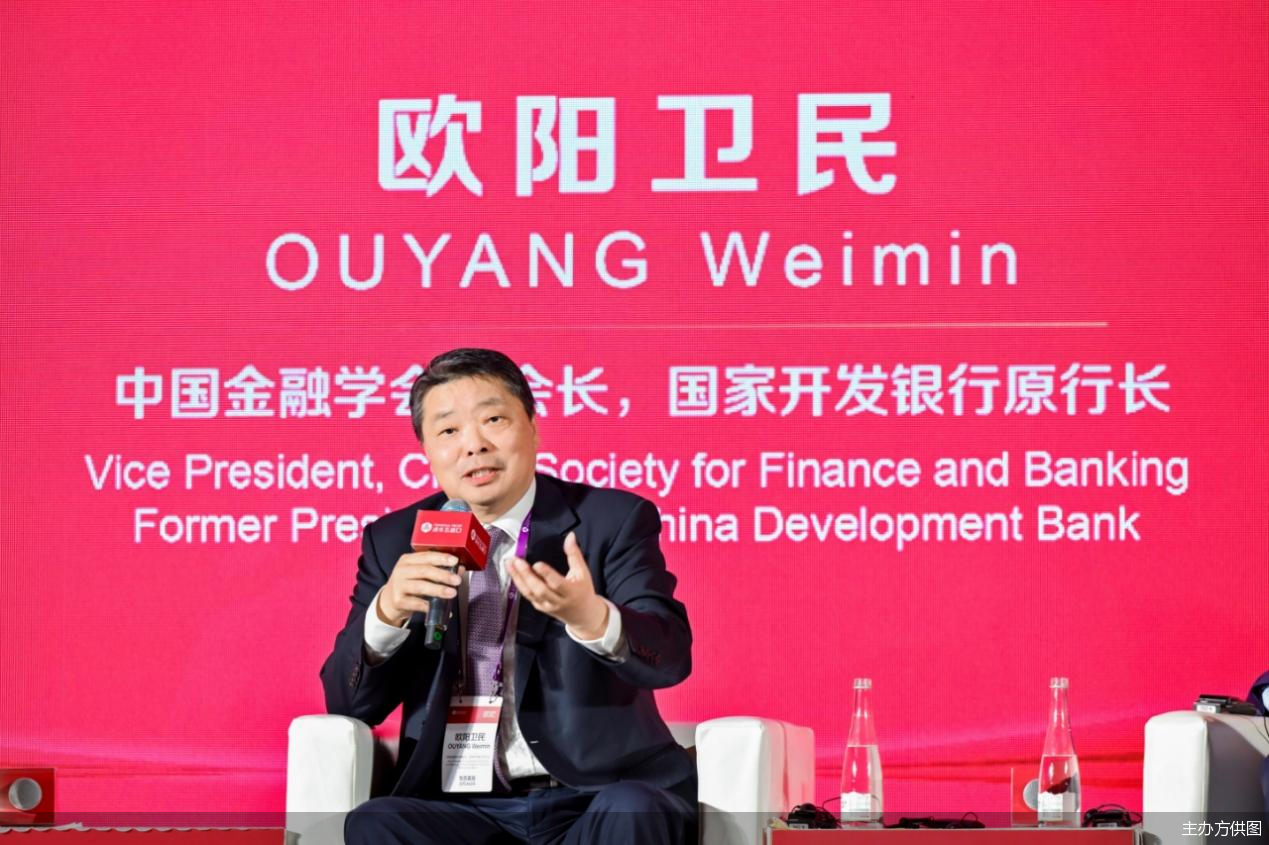
2025五道口金融论坛|欧阳卫民:贸易保护主义、民粹主义首先源于认知偏差
Bei Jing Shang Bao· 2025-05-17 22:59
Group 1 - The concept of fragmentation is defined as the phenomenon where global trade, investment, and technology exchanges become increasingly divided into relatively independent economic groups and regions due to cognitive biases, geopolitical factors, populism, and trade protectionism [2] - Trade protectionism and populism stem from cognitive biases, such as the belief that trade surpluses are exploitative and that tariffs primarily burden exporting countries rather than importing ones [2] - The recent agreement between the US and China to suspend most mutual tariffs highlights the importance of cooperation in the face of fragmentation [2] Group 2 - Constructive global cooperation is essential in addressing common challenges such as economic recession, climate change, and technological transformation [3] - There is a need to correct cognitive biases and emphasize the importance of economic trade balance and the relationship between trade deficits and the status of sovereign currencies as world currencies [3] - Encouraging technological innovation and cooperation, strengthening international capital ties, and improving policy coordination and transparency are crucial steps to counter fragmentation [3] Group 3 - The approach to dealing with conflicts should involve a firm commitment to beliefs, principles, and actions, emphasizing that globalization is an unstoppable trend [4] - The notion of "everyone's well-being is the true well-being" should guide efforts to address the issues of fragmentation [4]

美国第二次改革,对富人征税高达70%,工会也在这一时期崛起
Sou Hu Cai Jing· 2025-05-17 04:45
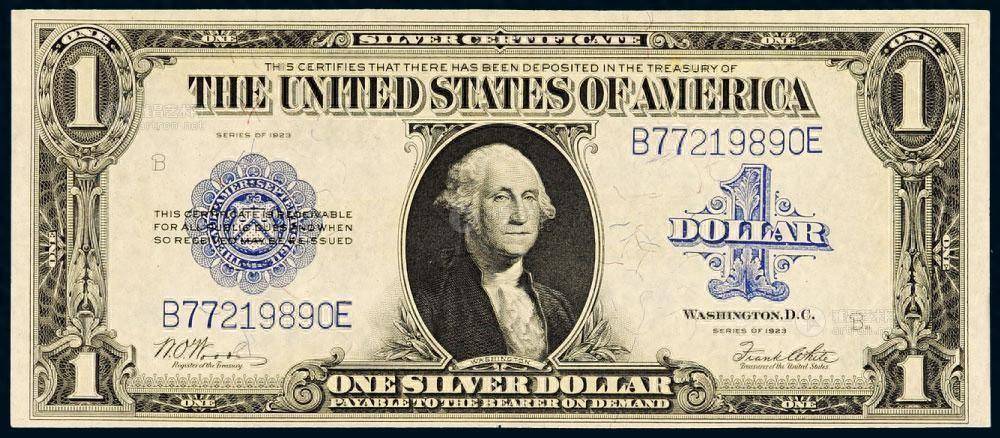
Core Insights - The article discusses the evolution of the United States from a secondary power to a global superpower, emphasizing the lessons learned from historical events such as the World Wars and the Cold War [1] - It highlights the significance of the Second Reform in preparing the U.S. for the challenges posed by World War II and the Cold War [1] Group 1: Historical Context - The U.S. faced severe financial crises between 1930 and 1933, with multiple bank failures leading to economic instability [1] - The competition between the U.S. dollar and the British pound saw the dollar initially rise but ultimately falter due to the Federal Reserve's inexperience [3] - The Great Depression was exacerbated by the collapse of the banking sector, leading to a global economic downturn and a significant drop in import demand [3] Group 2: Current Implications - The U.S. is currently undergoing a Fourth Reform aimed at dismantling the existing global trade system, which could have catastrophic consequences for industrial nations reliant on exports [5] - Lessons from the 1930s indicate that raising tariffs can worsen economic crises, suggesting that lowering tariffs and maintaining market openness is crucial for international competitiveness [6] Group 3: Roosevelt's New Deal - Roosevelt's initial measures included stabilizing agricultural prices and rescuing failing banks, which provided temporary economic stability but did not eliminate the crisis [6][7] - The New Deal introduced comprehensive reforms, including fiscal policies and infrastructure investments, which played a vital role in economic recovery and job creation [7] - Despite initial successes, resistance from vested interests hindered the sustainability of many reforms, leading to renewed economic challenges [7] Group 4: World War II Preparation - The economic situation in the U.S. was dire as World War II loomed, with inadequate military spending and poor preparedness [8] - The outbreak of World War II shifted U.S. fiscal policy towards military expenditure, which not only alleviated the economic crisis but also positioned the U.S. as a key player in the war [10] - The rise of labor unions during this period facilitated increased production for the war effort, showcasing the importance of worker engagement in national initiatives [10]
智利总统博里奇任内第二次访华,开启中智合作新篇章
2 1 Shi Ji Jing Ji Bao Dao· 2025-05-16 06:07
Group 1 - Chilean President Boric's visit to China marks a new chapter in China-Chile cooperation, with multiple bilateral cooperation agreements signed in various fields [1] - China has been Chile's largest trading partner for several years, with Chile being China's third-largest trading partner in Latin America [1][3] - In 2024, the bilateral trade volume between China and Chile is projected to reach $61.69 billion, which is 8.6 times the volume before the China-Chile Free Trade Agreement came into effect [2] Group 2 - The bilateral trade between China and Chile has shown significant growth, with a historical high of 163.19 billion yuan in the first four months of this year, a year-on-year increase of 5.4% [3] - Chilean cherries are particularly popular in China, especially during the Chinese New Year, due to their quality and flavor [4] - There is potential for further growth in high-tech products such as machinery and electronics in the bilateral trade between China and Chile [5] Group 3 - Chinese investments in Chile have rapidly increased, particularly in infrastructure, energy, agriculture, and mining sectors, with a direct investment stock of approximately $1.6 billion by the end of 2023 [5] - Both countries are looking to deepen cooperation in emerging fields such as artificial intelligence and green energy [6] - The collaboration between China and Chile is seen as significant in the context of current geopolitical tensions, with both countries aiming to enhance their economic and strategic goals through cooperation [6]
特朗普点名库克:忍了苹果在中国很多年,你居然又往印度跑?!
Guan Cha Zhe Wang· 2025-05-16 01:45
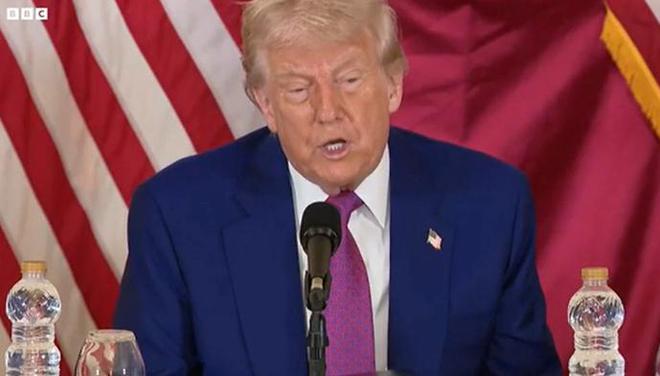
Group 1 - Apple is accelerating the transfer of its iPhone production for the U.S. market to India, aiming to reduce reliance on the Chinese supply chain, with plans to complete this by 2026 [5] - Trump publicly criticized Apple for its plans to expand production in India, urging the company to focus on manufacturing in the U.S. instead [1][3] - Currently, 90% of Apple's flagship iPhone models are still assembled in China, and the company has minimal production in the U.S. [3] Group 2 - Trump's administration has previously pressured Apple to move iPhone production back to the U.S., with industry experts warning that such a move would significantly increase costs [3][4] - Apple announced a $500 billion investment plan in the U.S., focusing on artificial intelligence and advanced manufacturing, but has not disclosed specific details regarding increased production in the U.S. [3] - The U.S. and India are engaged in complex trade negotiations, with India recently proposing retaliatory tariffs against U.S. goods, indicating a shift in its trade stance [8][9]

韩智库首次预测年经济增速跌破1%,引发韩国“经济衰退”担忧
Huan Qiu Shi Bao· 2025-05-15 22:49
Group 1 - The Korea Development Institute (KDI) has significantly lowered its economic growth forecast for South Korea in 2025 to 0.8%, marking the first prediction of growth below 1% since 1990, raising concerns of an "economic recession" [1] - KDI predicts that South Korea's GDP growth rate for the first half of this year will be only 0.3%, with a recovery to 1.3% in the second half, resulting in an annual growth rate of 0.8%, down from a previous forecast of 1.6% made just three months ago [1] - The main factors dragging down South Korea's economy include deteriorating external conditions and persistently weak domestic demand, influenced by rising trade protectionism in the US and Europe, weak global demand, a sluggish real estate market, high interest rates, and low consumer confidence [1] Group 2 - In response to the economic situation, presidential candidates in South Korea are focusing on "economic livelihood" in their campaigns, with the Democratic Party candidate Lee Jae-myung advocating for a fair market order to support small and medium enterprises [2] - The People Power Party candidate Kim Moon-soo emphasizes activating market vitality through an "economic freedom development model," promising to implement measures such as deregulation, tax cuts, and subsidies to enhance the business environment and encourage innovation [2]
蓝莓市场BBMarkets:关税冲击!2025 美国楼市或陷迷失之年
Sou Hu Cai Jing· 2025-05-15 05:55
Core Viewpoint - The Trump administration's trade protectionism is reshaping the operational logic of the U.S. real estate market, with economists warning that 2025 may be a critical turning point due to the combined pressures of trade policy and economic cycles [1] Supply-Side Impact - The latest financial report from builder PulteGroup reveals the transmission effects of tariffs, with key building materials like bathroom fixtures and tiles seeing procurement costs rise due to a 10% global tariff policy, despite temporary exemptions for materials like copper and lumber [2] - The National Association of Home Builders (NAHB) indicates that the cost of single-family home construction has increased by 37% since 2020, with tariff-related costs accounting for 19% of this increase [2] - Labor market constraints are exacerbated by tightened immigration policies, leading to a labor shortage of 300,000 in the construction industry, which directly raises labor costs [2] - Developer willingness to start new projects has dropped to the lowest level since the 2008 financial crisis due to the dual pressures of material tariffs and labor shortages [2] Demand-Side Pressure - Housing affordability is experiencing systemic deterioration, with the median U.S. household income now allocating 34% to mortgage payments, surpassing the historical warning line since the 1980s [2] - The 30-year fixed mortgage rate remains high at 6.8%, having doubled from its 2020 low, despite the Federal Reserve maintaining interest rates [2] - The Case-Shiller index shows that home prices are rising at a rate that consistently exceeds CPI growth, with actual home prices up 89% from their 2012 low [2] - Core inflation in housing rent has increased by 5.7% year-over-year, contributing significantly to price stickiness [2] Monetary Policy Dilemma - The structure of inflation is forcing monetary policy into a dilemma, with the Federal Reserve's vice chairman acknowledging that supply-side inflation from trade policies is undermining the effectiveness of demand management policies [4] - Market expectations indicate that there is less than 50 basis points of room for interest rate cuts before 2026, suggesting that mortgage rates may remain elevated for an extended period [4] Regional Disparities - Structural adjustments in the market are leading to increasing regional disparities, with cities in the Midwest like Chicago and Detroit maintaining a reasonable price-to-income ratio of 4.2, while high-cost areas like San Jose and Honolulu exceed 12 [5] - Fairweather warns that simply addressing spatial mismatches will not resolve fundamental issues for employment groups reliant on high-paying sectors like technology and finance [5] Proposed Solutions - To address systemic challenges, Fairweather suggests multi-layered solutions, including establishing a special impact assessment mechanism for tariff policies on the real estate market at the federal level [5] - At the local level, reforms to "Planning Commission 2.0" should incorporate housing affordability metrics into land development approval processes [5] - The housing crisis is fundamentally a failure of public policy, necessitating a comprehensive response framework that includes immigration, trade, and monetary policies [5]

KVB plus:美联储降息预期升温,但通胀与政策分歧或成绊脚石
Sou Hu Cai Jing· 2025-05-15 05:49
美联储内部形成微妙共识分歧:政策制定者对外释放的信号充满张力。戴利坚持认为,劳动力市场供需 平衡持续改善,工资增速逐步回归常态化,通胀下行趋势未改;但美联储副主席杰斐逊却敲响警钟,指 出企业投资信心和家庭消费预期已现疲态,需警惕经济动能衰减的早期预警。特别值得注意的是,杰斐 逊将特朗普关税政策明确列为重大风险变量,认为贸易保护主义升级可能阻断通胀回落进程,甚至催生 新的物价上涨压力。这种"谨慎乐观与风险预警并存"的表述,折射出决策层对经济前景的研判分歧正在 扩大。 市场与联储的博弈进入关键阶段:尽管政策制定者保持战略定力,但利率期货市场已提前押注降息周 期。交易员普遍预期,美联储将在9月议息会议启动首次降息。但历史经验显示,市场预期与政策实操 往往存在时滞。当前局面的转折点取决于两个关键变量:若核心通胀出现顽固化迹象,或关税政策冲击 导致经济数据超预期恶化,美联储可能被迫调整政策路径;反之,若就业市场保持韧性、消费支出维持 稳定,降息窗口或将继续后移。这场关乎经济数据解读的博弈,正在进入最微妙的观察期。 通胀数据呈现的矛盾图景令决策更为复杂:4月消费者价格指数(CPI)同比增幅收窄至2.3%,创2021 年以 ...
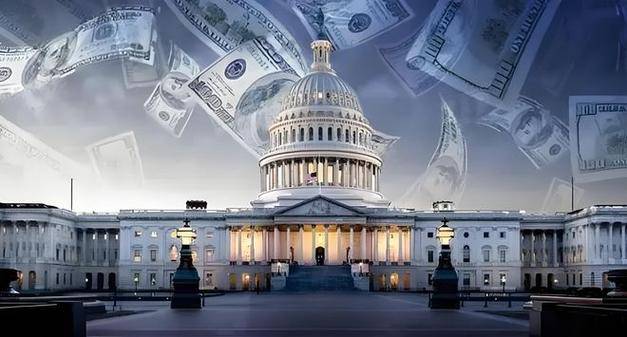
盾博:更担心经济而非通胀,美联储至少观望至下半年
Sou Hu Cai Jing· 2025-05-15 02:28
值得庆幸的是,此后所谓的对等关税被暂停实施 90 天。这一举措让布拉德对局势的发展多了一份乐观,他认为这为特朗普政府争取到了宝贵的时间,使其 有机会在对美国经济造成不可挽回的损害之前,通过谈判达成合理的贸易协议。不过,他也强调:"但他们必须继续推进(贸易谈判)。" 目前,白宫不仅与中 国达成了 90 天的关税豁免期,还在积极推进与其他国家的贸易谈判,试图消除特朗普口中的 "贸易壁垒"。 dbg盾博发现在全球经济紧密相连的当下,美国的贸易政策变动总能引发轩然大波。特朗普推出的 "解放日" 关税,犹如一颗重磅炸弹,在国际市场掀起巨 浪。不到一周,前圣路易斯联储主席吉姆・布拉德(Jim Bullard)在电视上的一番言论,更是让各界对美国贸易政策的走向充满担忧与警惕。 吉姆・布拉德提及的《斯姆特 - 霍利关税法》,在美国经济历史上堪称 "臭名昭著"。这部于 1930 年出台的法案,作为典型的保护主义贸易政策,大幅提高 了数千种美国进口商品的关税。这一举措如同打开了潘多拉魔盒,迅速引发了一场全球性的贸易战。众多历史学家指出,这场贸易战对当时的世界经济造成 了毁灭性打击,不仅严重阻碍了国际贸易的正常流通,更使得全球经济 ...