
AI技术

Search documents
王传福发声:比亚迪不打营销战,不拉踩对手
Nan Fang Du Shi Bao· 2025-12-06 07:12
Core Viewpoint - BYD is facing challenges in the domestic market due to a decline in technological leadership and unresolved user pain points, while its overseas sales are experiencing significant growth, indicating a shift in focus towards international markets. Group 1: Domestic Market Challenges - In November, BYD's total sales reached 480,200 units, but domestic sales were only 348,300 units, reflecting a year-on-year decline of 26.81% for five consecutive months [2] - The decline in domestic sales is attributed to two main factors: a decrease in the "wow factor" of technological advancements and unresolved user issues such as slow charging speeds in low-temperature environments [2] - The company emphasizes that its core competitiveness remains rooted in technology, supported by a research team of 120,000 engineers working on new breakthroughs [2] Group 2: Overseas Market Performance - In the first eleven months of the year, BYD's overseas passenger car sales reached 912,900 units, a year-on-year increase of 153.58%, surpassing the total overseas sales for 2024 [3] - The overseas market is becoming increasingly significant for BYD, with stable pricing contributing positively to the company's overall profit structure [3] Group 3: Future Development Strategy - BYD plans to accelerate "technology democratization" by making advanced technologies available in more affordable models by 2026 [4] - The company aims to enhance its brand strength and product competitiveness, particularly in high-end brands, while avoiding aggressive marketing strategies that could harm its reputation [4] - AI technology will be a focus area, with investments in human resources and hardware design to support its application in automotive manufacturing [5]



王传福回应比亚迪国内销量下滑:将重塑技术领先优势
Nan Fang Du Shi Bao· 2025-12-06 03:41
Core Viewpoint - BYD is facing a decline in domestic sales due to reduced technological differentiation and unresolved user pain points, while its overseas business is experiencing significant growth, contributing positively to overall profitability [3][4]. Group 1: Domestic Market Challenges - In November, BYD's total sales reached 480,200 units, but domestic sales were only 348,300 units, reflecting a year-on-year decline of 26.81% for five consecutive months [3]. - The decline in domestic sales is attributed to two main factors: a decrease in the "wow factor" of technological advancements and unresolved user issues such as slow charging speeds in low-temperature environments [3]. - The company emphasizes that its core competitiveness remains rooted in technology, supported by a research team of 120,000 engineers working on new breakthroughs [3]. Group 2: Overseas Market Performance - BYD's overseas passenger car sales reached 912,900 units in the first 11 months of the year, marking a year-on-year increase of 153.58%, surpassing the total overseas sales for 2024 [4]. - The overseas market is becoming an increasingly significant part of BYD's business, with stable pricing contributing positively to the company's overall profit structure [4]. Group 3: Future Development Strategy - BYD plans to accelerate "technology democratization" by introducing advanced technologies from flagship models to more volume-oriented models by 2026 [5][6]. - The company aims to enhance its brand strength and avoid aggressive marketing strategies, focusing instead on long-term reputation and consumer recognition [6]. - AI technology will be a key focus, with investments in human resources and hardware design to support its application in automotive manufacturing [6].

价值重估:游戏行业迈向新繁荣 2026年如何定义新周期?
Jing Ji Guan Cha Wang· 2025-12-06 02:02
Core Insights - The gaming industry is experiencing a strong recovery with a significant increase in game license approvals, reaching 1,624 by November 2025, surpassing the total for the previous year, and achieving a record high of 184 licenses in November alone [1][2] - The industry is transitioning from "scale expansion" to "quality enhancement," driven by a focus on premium, global, and intelligent gaming experiences [1][2] Policy and Market Dynamics - The stable issuance of game licenses has boosted industry confidence, marking a maturation phase for the gaming sector [2] - The approval normalization trend is facilitating the development and launch of high-quality new games, leading to a focus on innovation and sustainable growth among gaming companies [2] Financial Performance - The gaming industry saw a significant performance surge in Q3 2025, with Century Huatong's revenue exceeding 10 billion yuan for the first time, reaching 10.016 billion yuan, a 60.19% year-on-year increase, and a net profit of 1.701 billion yuan, up 163.78% [3] - Other companies like 37 Interactive Entertainment and Gigabit Network also reported strong financial results, with notable profit growth rates [3] Market Diversification - The Chinese gaming market has entered a phase of comprehensive diversification, with various game types and platforms gaining traction [4] - Mini-games on platforms like WeChat and Douyin have seen substantial growth, with actual sales revenue reaching 23.276 billion yuan in the first half of 2025, a 40.2% increase [4] - The overseas market has become a crucial growth driver, with domestic game companies generating 9.501 billion USD in sales revenue from international markets in the first half of 2025, an 11.07% increase [4] Technological Innovation - The integration of AI technology in gaming is reshaping industry valuation logic, with many companies investing in AI capabilities [5] - AI is expected to reduce development costs and improve efficiency by 20%-30%, enhancing both game development and user experience [6] Valuation and Growth Outlook - Despite the strong performance in 2025, the gaming sector's current valuation remains low, with expectations of reaching a 20x P/E ratio by 2026 [7] - Companies like 37 Interactive Entertainment are positioned for valuation recovery due to significant profit growth and improved fundamentals [7] - The gaming industry's long product lifecycle supports sustained performance, with a robust pipeline of new products anticipated [7] Institutional Confidence - There is a noticeable increase in institutional investment in the gaming sector, with public funds holding a market value of 21.503 billion yuan in the gaming sector by Q2 2025, accounting for 59.17% of the media sector's total [8] - The return of key companies to indices is expected to further bolster this trend [9]

茅台1499保卫战,老登经济的崩盘
Sou Hu Cai Jing· 2025-12-06 00:17
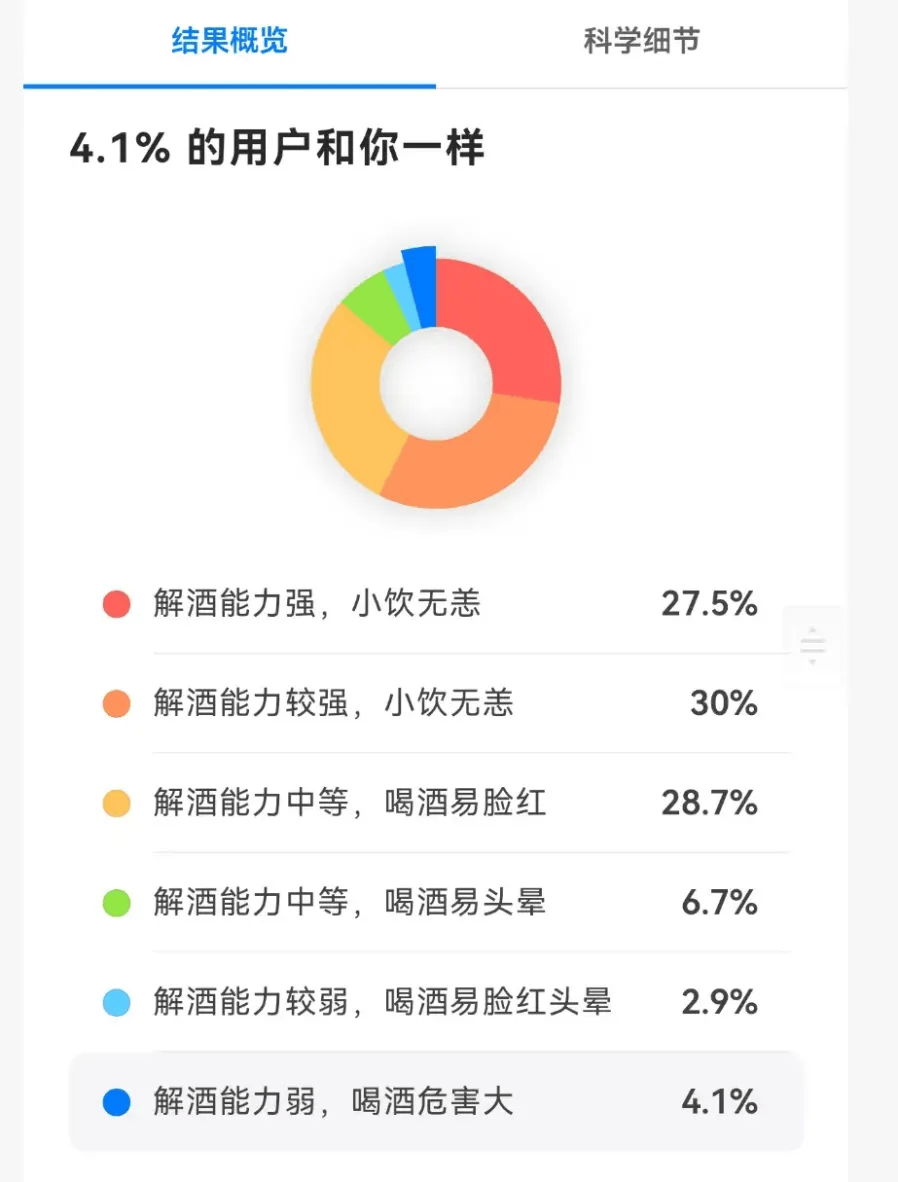
Group 1 - The core issue is the unprecedented crisis faced by Moutai, with its group purchase price dropping below the suggested retail price of 1499 yuan, signaling the collapse of the "old economy" [1] - Moutai's primary consumer base consists of 27.5% of individuals with strong alcohol tolerance, who have historically dominated the workplace in China [3] - The younger generations, particularly those born in the 75s and 80s, are less inclined to drink alcohol, leading to a decline in Moutai's traditional consumer base [5][7] Group 2 - The overall production of Chinese liquor has halved since 2016, indicating a significant downturn in the industry, with Moutai struggling to maintain its status [9] - Moutai could potentially pivot from a luxury brand to a more accessible product, similar to Coca-Cola, by investing in local distilleries and reducing prices [11][13] - The decline of traditional industries like liquor is mirrored in other sectors, such as books, as younger generations shift towards digital consumption and alternative forms of entertainment [14][16] Group 3 - The aging population, particularly the baby boomer generation, is entering retirement, leading to increased disposable income and spending on health-related products, which presents investment opportunities in the healthcare sector [18][20] - The healthcare and pharmaceutical industries, especially innovative drugs and domestic replacements, are highlighted as areas with significant growth potential [20]

法媒:中国智能手机持续进军欧洲高端市场
Huan Qiu Wang Zi Xun· 2025-12-05 22:46
Group 1 - Chinese smartphone brands are making significant inroads into the high-end market in France, showcasing their new models in prominent locations to enhance brand visibility [1][2] - A new smartphone model from a Chinese brand is set to be sold in France for €1199, featuring advanced specifications such as a 6.7-inch screen and the latest Qualcomm chip, with aspirations to rank among the top five in the market by 2027 [1] - The average market share of Chinese smartphone manufacturers in Europe is around 20%, with brands like Xiaomi, Realme, OPPO, and Honor competing against Apple and Samsung [2] Group 2 - Chinese manufacturers are focusing on technological innovations that appeal to consumers, such as camera quality, battery life, and fast charging, even at the cost of profit margins [2] - Honor plans to invest $10 billion over the next five years to integrate AI technology into its smartphones, which is seen as a strategy to enhance brand presence rather than solely dominating technology [2] - Brand image remains a challenge for Chinese smartphones, often perceived as low-end; companies are adopting various marketing strategies, including sponsorships and partnerships, to improve brand recognition [3]
机构称2026年新游储备丰富,游戏大盘有望实现持续稳定增长,游戏ETF(159869)现已翻红
Mei Ri Jing Ji Xin Wen· 2025-12-05 15:34
Group 1 - The gaming sector showed resilience with a slight increase in the gaming ETF (159869) after initially opening lower, indicating a recovery trend in the market [1] - In November, 184 game licenses were approved, with 178 being domestic games and 6 imported, reflecting a continuous optimization of industry supply [1] - The approval of key titles such as Tencent's "No Boundaries" and Bilibili's "Shining Luminous" highlights the ongoing strength and stability of the gaming policy environment [1] Group 2 - Since 2025, a significant number of high-quality games have emerged, suggesting potential long-term value growth for related companies [2] - The gaming and film industries are seen as pioneers for cultural export, achieving notable success in overseas markets [2] - The application of AI technology in the industry is expected to contribute to sustained prosperity in the content sector, with a rich reserve of new games anticipated for 2026 [2]
亚马逊:2025年销售额超过1000万美元的中国卖家增幅近30%
Sou Hu Cai Jing· 2025-12-05 15:11
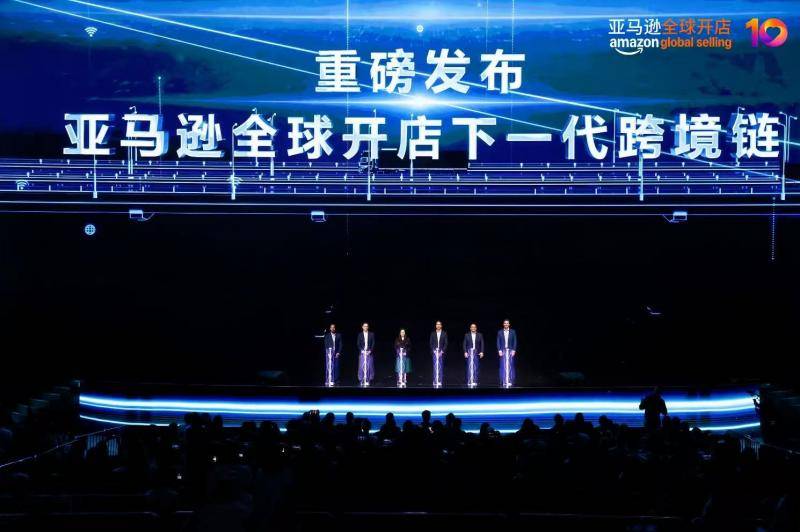
Core Insights - Amazon reported that since 2025, Chinese sellers have sold billions of items through its global platforms, with the number of Chinese sellers achieving over $10 million in sales increasing by nearly 30% [1] Group 1: Sales Growth and Market Expansion - Chinese sellers are actively expanding their presence across multiple international sites, with Amazon now offering 20 international sites for Chinese sellers since the launch of the Ireland site in March 2025 [3] - From January to October 2025, sales from Chinese sellers on mature sites in North America and Europe grew by over 15%, while sales on emerging sites increased by over 30% [3] Group 2: New Initiatives and Technology Integration - Amazon Global Selling announced the launch of the "Next-Generation Cross-Border Chain," allowing sellers to list products once and fulfill orders globally from their source warehouses [3] - The new seller platform will serve as an intelligent management center, utilizing generative AI to simplify complex tasks and predict seller needs, with the upgraded Amazon Seller Assistant featuring Agentic AI capabilities now available in the U.S. and set to expand to more international sites [3] Group 3: Local Support and Infrastructure - Amazon Global Selling has established five regional centers and offices in 12 cities across China, along with an Asia-Pacific Innovation Center and training centers, providing comprehensive support for sellers in account management, training, innovation incubation, AI empowerment, and service provider networking [4]

王传福:将有重磅技术发布 目前不方便透露
Shang Hai Zheng Quan Bao· 2025-12-05 13:33
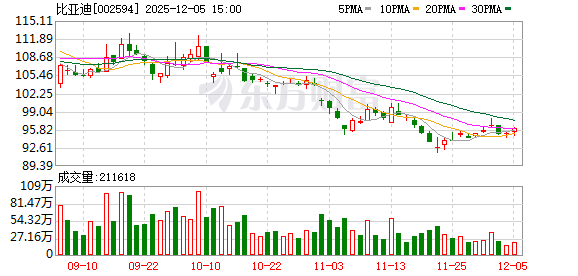
Core Viewpoint - BYD is focusing on technological innovation and AI application to maintain its competitive edge in the electric vehicle market, despite facing challenges in the domestic market due to increased competition and a slowdown in product technology cycles [4][5][6][7]. Group 1: Sales Performance - In the first 11 months of 2025, BYD sold a total of 4.182 million new energy vehicles, representing a year-on-year increase of 11.3% [5]. - In November 2025, BYD exported 131,900 new energy vehicles, a significant increase of 369.4% compared to 28,100 units in the same month last year [5]. - Domestic sales of passenger new energy vehicles in November 2025 were 474,900 units, a decrease of 5.77% from the same month last year [5]. Group 2: Technological Development - BYD's chairman, Wang Chuanfu, emphasized the company's commitment to technological innovation, stating that the company has a team of 120,000 engineers to support its technological advancements [5][7]. - The company is preparing to release significant new technologies, although specific details are not yet disclosed [5]. - BYD aims to enhance its electric and intelligent technology capabilities over the next 2 to 3 years, focusing on addressing challenges such as slow charging and low-temperature charging [5]. Group 3: Market Strategy - Wang Chuanfu highlighted the importance of maintaining a fair competitive environment in the industry, indicating that BYD is willing to sacrifice short-term performance for long-term sustainable growth [6]. - The company is committed to leveraging its strong manufacturing base, vertical integration capabilities, and extensive user data to rapidly implement AI technologies [5][6].
比亚迪王传福,最新发声!
Zhong Guo Zheng Quan Bao· 2025-12-05 12:16
Core Insights - BYD is focusing on three core directions for future development: enhancing electric and intelligent technology, improving marketing capabilities, and expanding overseas markets [1][3]. Group 1: Technology and Innovation - The company emphasizes "technology as king," highlighting the increasing homogeneity in industry technology and the need for continuous innovation to maintain a competitive edge [2]. - BYD has a strong engineering team of 120,000, which is crucial for ongoing technological advancements and maintaining leadership in the market [2]. - The company plans to invest significantly in AI technology, focusing on manufacturing scenarios to drive its application in automotive and component manufacturing [4]. Group 2: Market Performance - In November, BYD's sales reached 480,200 units, a year-on-year decrease of 5.25%, while cumulative sales for the first 11 months of the year were 4.182 million units, reflecting a year-on-year increase of 11.3% [2]. - The company has successfully expanded its overseas market presence, with November overseas sales surpassing 100,000 units for the first time, reaching 131,900 units compared to 28,100 units in the same month last year [2]. Group 3: Marketing and Brand Strategy - The company acknowledges past marketing weaknesses and plans to enhance brand strength and competitiveness in high-end products while avoiding aggressive marketing tactics [3]. - BYD aims to build long-term brand recognition and consumer trust, even if it means sacrificing short-term market share [3].
比亚迪王传福 最新发声!
Zhong Guo Zheng Quan Bao· 2025-12-05 12:11
Core Viewpoint - BYD's Chairman Wang Chuanfu outlined three core directions for future development: focusing on electrification and intelligent technology, enhancing marketing capabilities, and expanding overseas markets [1][5]. Group 1: Technological Focus - Wang emphasized "technology is king," highlighting the increasing homogeneity in industry technology and the need for continuous innovation to maintain a competitive edge [2]. - The company has a team of 120,000 engineers, which is crucial for ongoing technological advancements and maintaining leadership [2]. - BYD's November sales report showed a total of 480,200 units sold, a year-on-year decrease of 5.25%, while cumulative sales for the first 11 months reached 4.182 million units, reflecting an 11.3% increase year-on-year [2]. Group 2: Marketing and Brand Development - Wang acknowledged past marketing inertia due to favorable market conditions and stated that the company will enhance brand strength and marketing capabilities moving forward [5]. - The company aims to avoid aggressive marketing strategies that could harm its reputation, focusing instead on long-term brand building and customer trust [5]. Group 3: International Expansion - BYD has made significant strides in overseas markets, with November sales surpassing 100,000 units for the first time, reaching 131,900 units compared to 28,100 units in the same month last year [4]. Group 4: Intelligent Technology Development - Wang addressed shareholder concerns regarding intelligent technology, stating that the key to AI implementation lies in application scenarios, particularly in manufacturing [6]. - The company has invested heavily in AI technology and aims to leverage its manufacturing advantages to develop applicable technologies across various scenarios [6].