银发经济

Search documents
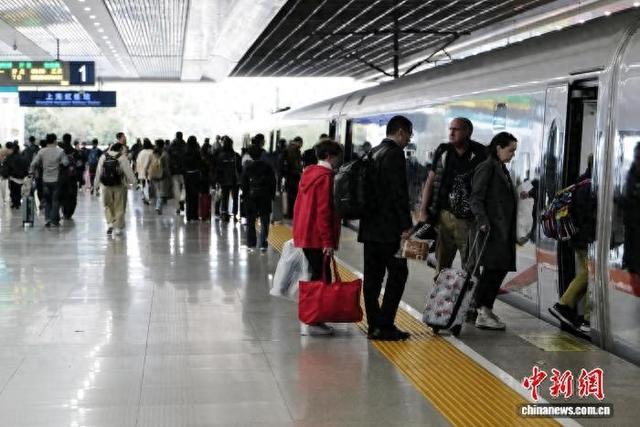
票价打折 长三角铁路推出多项惠民服务举措
Zhong Guo Xin Wen Wang· 2025-11-02 13:13
Core Points - China Railway Shanghai Group has increased discounts on certain high-speed train tickets and introduced various convenient services for passengers [1][3] Ticket Pricing Adjustments - Starting from November 1, the company plans to implement price reductions on 581 high-speed train services, covering major routes such as Beijing-Shanghai, Shanghai-Kunming, and Hangzhou-Shenzhen [3] - The Beijing-Shanghai route will see a reduction of 57 trains, with the maximum discount being 10% off the original ticket price; the Hangzhou-Wenzhou route offers discounts up to 60% off the published price [3] Enhanced Passenger Benefits - The company is introducing a tiered pricing system based on travel times, allowing for more flexible ticket pricing during weekdays and weekends [3] - From September 2025, further optimizations will be made to ticket discounts for students, children, and disabled individuals, with a minimum discount of 40% off the published price [3] New Ticket Products - The company has launched 11 types of regular ticket products aimed at business travelers and commuters, including options for 10 to 60 trips within 30 days [5] - New ticket products cover major high-speed routes and offer various discounts, enhancing travel options for frequent passengers [5] Market Demand Response - The company is actively responding to market demands by introducing services targeting the "silver economy," "ticket root economy," and "event economy," including special tourist trains and charter services [5] - Initiatives like the "Happy Travel Yangtze River Delta" brand train and various tourism ticket products are designed to promote regional cultural and tourism economic integration [5]

来进博会看消费新风尚 世界大机遇
Xin Hua She· 2025-11-02 13:11
Group 1 - The eighth China International Import Expo (CIIE) will be held in Shanghai from November 5 to 10, showcasing global innovations and providing opportunities for companies to expand into the Chinese market [1][2] - Major companies like L'Oréal and Panasonic will present a range of global and China debuts of innovative products, highlighting the importance of the expo in fostering innovation and collaboration across industries [1][2] - The expo will feature new themes and trends, including a focus on the "silver economy" in the medical sector and a dedicated pet-themed exhibition area, reflecting the evolving consumer preferences in China [2][3] Group 2 - The CIIE is increasingly recognized as a global public good, with initiatives to support products from least developed countries, allowing them to benefit from zero-tariff treatment in the Chinese market [2] - Companies from Madagascar, such as the Madagascar Livestock Company, are participating for the first time, showcasing their products in China, which indicates the growing international interest in the Chinese market [3]
来进博会看消费新风尚、世界大机遇
Xin Hua Wang· 2025-11-02 12:57
Core Insights - The 8th China International Import Expo (CIIE) will be held from November 5 to 10 in Shanghai, showcasing global innovations and providing opportunities for companies to expand in the Chinese market [1][2] - The event will feature numerous global and China debuts of innovative products, highlighting the latest technological advancements across various industries [1][2] Group 1: Company Participation - L'Oréal will present its strongest lineup of debuts, including three new brands and 19 new products, emphasizing the importance of CIIE for global trends and innovation [1] - Panasonic will unveil its AI strategy for China and showcase globally innovative products, reflecting China's role as a hub for innovation and engineering [1][2] Group 2: Market Trends - The expo will highlight new consumer trends, including a focus on the "silver economy" with products for the elderly and a dedicated pet-themed area to showcase the pet economy [2] - The sports and fitness sector is gaining traction, with brands like Lululemon expressing confidence in the long-term potential of the Chinese market [2] Group 3: Global Collaboration - CIIE is increasingly recognized as a global public good, with new initiatives to support products from least developed countries, enhancing their access to the Chinese market [2] - Madagascar's participation marks a significant step, with the introduction of frozen goat meat products in Chinese supermarkets following their debut at the expo [3]
会长话封关:“建设更完善的现代化产业体系”
Sou Hu Cai Jing· 2025-11-02 12:30
Core Viewpoint - The construction of a more complete modern industrial system in Hainan is essential, leveraging the advantages of the free trade port and policy levers to enhance market guidance [1] Group 1: Exhibition Economy - Hainan should utilize tax policy incentives post-free trade port closure to stimulate the exhibition economy, aiming to make it one of the pillar industries [2] - The exhibition economy has five key characteristics: high driving effect, frontier nature, quality, window effect, and social effect [2] - Hainan's tax, geographical, and climate advantages provide an excellent foundation for developing the exhibition economy, with a focus on incorporating local or ethnic characteristics [2] Group 2: Tourism Industry Development - The tourism industry in Hainan has not reached its ideal level, primarily due to a high proportion of sightseeing products and significant seasonal fluctuations [3] - A multi-dimensional development approach is needed, integrating tourism with deep-sea economy and low-altitude economy [3] - Examples include developing deep-sea aquaculture and low-altitude sightseeing products to attract a diverse range of tourists [3] Group 3: Silver Economy and Health Care Economy - Hainan can address challenges in the real estate sector by developing a community-based silver economy, utilizing idle assets for community elder care [4] - The establishment of high-end health care communities can help alleviate real estate inventory issues, providing standardized facilities and services [4] Group 4: Modern Service Industry Chains - Hainan's service industry has been dominated by life services, with production services being relatively weak; establishing four major service industry chains is recommended [5] - The proposed chains include modern logistics, international shipping, financial services, and cross-border digital services, which are crucial for the development of the free trade port [5] - Effective market construction and government support are essential to convert policy advantages into economic benefits and high-end industry advantages [5]
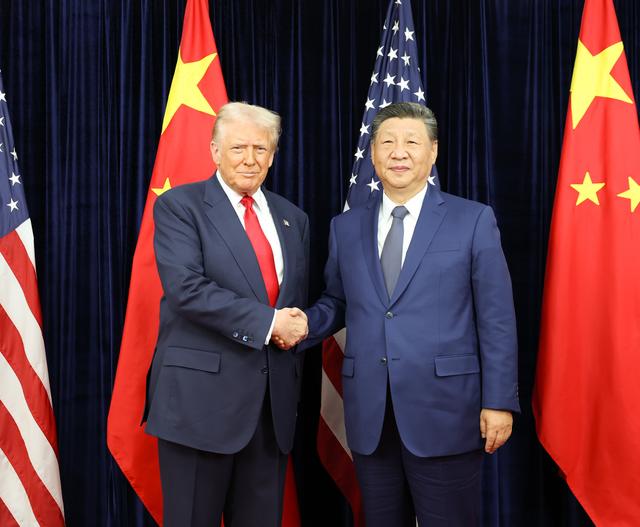
多边舞台的双边时刻,五张合影背后的“首次”
Zhong Guo Xin Wen Wang· 2025-11-02 12:07
Core Points - The article highlights the significance of bilateral meetings between Chinese President Xi Jinping and leaders from five countries during the APEC summit, marking their first face-to-face interactions [1][3][5][7][9][11] - The meetings are seen as a strategic move to strengthen bilateral relations and cooperation in various sectors, including traditional and emerging industries [7][9][11] Group 1: Bilateral Meetings - Xi Jinping's meeting with U.S. President Trump is noted as their first meeting during Trump's presidency, emphasizing the importance of establishing a stable foundation for U.S.-China relations [3] - During the meeting with Canadian Prime Minister Carney, Xi expressed a desire to restore healthy and stable relations between China and Canada [5] - In discussions with Japanese Prime Minister Suga, Xi highlighted the coexistence of opportunities and challenges in China-Japan relations, urging for a correct understanding of China [7] Group 2: Cooperation Areas - The bilateral discussions covered a wide range of cooperation areas, including high-end manufacturing, finance, agriculture, artificial intelligence, biopharmaceuticals, green industries, and the silver economy [7][9] - Leaders from South Korea and Thailand expressed their willingness to enhance cooperation with China in various fields, including trade, technology, and tourism [9][11] Group 3: Cultural and People-to-People Exchanges - Xi emphasized the importance of cultural exchanges and public sentiment in strengthening bilateral ties, advocating for increased people-to-people interactions [11] - The article suggests that fostering mutual understanding and enhancing grassroots connections are essential for the long-term stability of major power relations [11]
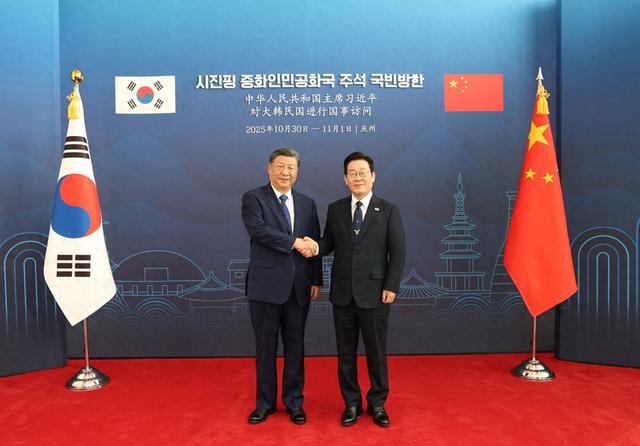
博物馆见证元首外交,中韩关系刻下“新坐标”
Zhong Guo Xin Wen Wang· 2025-11-02 11:54
Core Points - The meeting between Chinese President Xi Jinping and South Korean President Yoon Suk-yeol marks a significant diplomatic event, being Xi's first state visit to South Korea in 11 years and the first meeting between the two leaders since Yoon took office [1][3] Group 1: Meeting Venue and Significance - The choice of Gyeongju Museum as the meeting venue is notable, symbolizing the cultural integration between China and South Korea, and highlighting the historical friendship between the two nations [3][5] - The high-level reception for Xi Jinping by South Korea reflects the importance placed on this visit and the strong desire to enhance bilateral relations [3] Group 2: Cooperation and Future Directions - Xi proposed four key suggestions to open a new chapter in China-South Korea relations: strengthen strategic communication, deepen mutually beneficial cooperation, enhance national sentiment, and strengthen multilateral collaboration for peace and development [5][6] - Emphasis was placed on exploring cooperation in emerging fields such as artificial intelligence, biopharmaceuticals, green industries, and the silver economy, aiming to upgrade economic and trade cooperation [5] - Both leaders expressed mutual support for hosting the APEC meetings, indicating a commitment to multilateralism and cooperation in addressing global challenges [6]

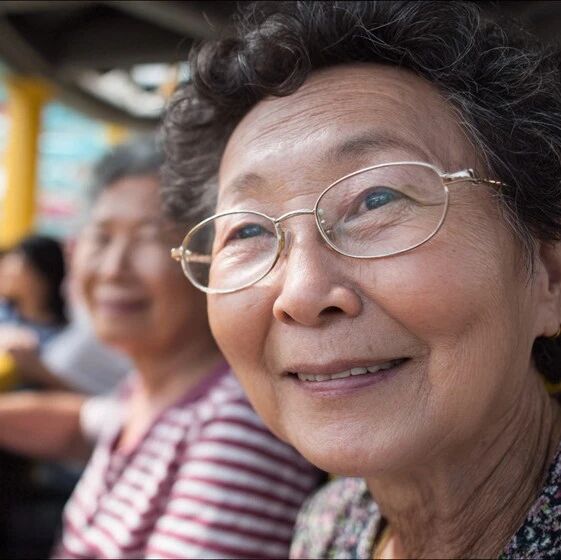
沉迷追星的日本老人:银发社会的快乐密码
虎嗅APP· 2025-11-02 09:21
Group 1: Aging Population Trends - Japan has the highest aging population globally, with 30% of its population aged 65 and above, compared to China's 15% [5] - China's aging population is expected to catch up with Japan's within 15 years, as a significant number of individuals born between 1962 and 1975 will reach retirement age [5][6] - In major cities like Shanghai, the aging demographic is already comparable to that of Japan [5] Group 2: Wealth Distribution Among Seniors - In Japan, 80% of financial assets are held by individuals aged 50 and above, with an average financial asset of 30 million yen (approximately 1.5 million RMB) per household [6] - This wealth concentration has led many companies to target the elderly demographic for their services [7] Group 3: Consumer Behavior of the Elderly - Japanese seniors prioritize spending on "happiness" and "health," with a focus on happiness-related consumption such as entertainment and leisure activities [9] - A notable trend is the increasing popularity of "idol chasing" among seniors, with 35% of those aged 65 and above participating in such activities, spending an average of 150,000 yen (about 10,000 RMB) annually [12] Group 4: Entertainment and Leisure Preferences - The elderly in Japan maintain a youthful mindset, often engaging in activities traditionally associated with younger generations, such as following pop stars [11] - Tokyo Disneyland has adapted its offerings to cater to older visitors, who now represent a significant portion of its customer base, with only 26% of visitors being under 20 [15] Group 5: Travel Industry for Seniors - The largest senior travel agency in Japan, Club Tourism, focuses on cultural and historical experiences rather than just sightseeing, catering to the interests of elderly travelers [20] - Seniors tend to travel more frequently than younger individuals, with the potential for monthly trips compared to the one or two trips a year typical for younger demographics [21] Group 6: Employment Opportunities in Elderly Services - The aging population has created a demand for jobs in sectors that provide services to seniors, leading to a labor shortage in these areas [21] - Contrary to the belief that an aging society hampers economic growth, Japan's current job market is thriving, particularly in roles that require human interaction and service [21]
向昊天:从经济学视角拆解养老体系痛点,筑牢银发经济根基
Xin Hua Cai Jing· 2025-11-02 01:32
Core Insights - The current pension system in China faces dual challenges of "getting old before getting rich" and "being unprepared for aging" as the country enters a longevity era [1][2] - The core issue of the pension problem is identified as "where the money comes from," highlighting the low participation rate and high account vacancy in the third pillar of the pension system [1] Summary by Categories Pension System Structure - China has established a three-pillar pension system consisting of basic pension insurance (first pillar), enterprise annuities/professional annuities (second pillar), and personal pensions (third pillar) [1] - The low participation rate and high account vacancy in the third pillar are significant issues that need to be addressed [1] Financial Risks for the Elderly - The two major financial risks faced by the elderly are medical expenses and disability care [2] - Although pilot programs for long-term care insurance (LTCI) have been initiated in some cities, overall coverage and utilization rates remain low [2] Policy Recommendations - It is suggested to explore allowing individuals to access part of their personal pension early under strict regulation, which could enhance the system's attractiveness [1] - There is a call for accelerating the nationwide coordination of LTCI and improving the integration of basic medical insurance with commercial health insurance and LTCI [2] - The development of the pension industry should seek a balance between "high-end" services and "universal accessibility," ensuring that middle and low-income groups can achieve sustainable pension payment capabilities [2] - Policy design must consider both efficiency and equity, particularly focusing on the needs of rural and vulnerable populations [2]
成都市“1+3+7”协同打造全国银发经济产业新高地
Xin Hua Cai Jing· 2025-11-02 00:57
Core Viewpoint - Chengdu is focusing on the development of the silver economy, with specific strategies and initiatives being implemented in its districts to create a comprehensive ecosystem for elderly care and health services [1][2][3] Group 1: Chengdu's Silver Economy Development - Chengdu's Wenchuan District is establishing a multi-level service system for elderly care, including high-end health care, inclusive elderly care, and community-based home care [1] - Wenchuan District has 18 elderly care institutions with over 6,600 operational beds, leading the city in registered bed numbers [1] - The district is cultivating a robust industrial ecosystem that integrates health care, green food, and equipment manufacturing, with 68 enterprises in the silver economy sector projected to generate over 16.5 billion yuan in revenue in 2024 [1][2] Group 2: Strategic Planning and Initiatives - Wenchuan District has incorporated the silver economy into its "3+6" modern industrial system, focusing on key sectors such as elderly medicine, rehabilitation aids, functional foods, cell therapy, and anti-aging medical aesthetics [2] - Longquanyi District is developing a silver economy framework that emphasizes home and community-based services, elderly health care, and ecological wellness tourism [2][3] - Longquanyi District has initiated four major actions to support the silver economy, including foundational platform development, scenario expansion, industrial strengthening, and project implementation, with over 10 billion yuan allocated for 25 key projects [3] Group 3: Future Outlook and Goals - Chengdu aims to create a national-level high-standard silver economy industrial park, with Wenchuan, Jinjiang, and Wuhou Districts as primary hubs and Longquanyi and Dujiangyan as collaborative development areas [3] - The city is pursuing a multi-point layout and differentiated development strategy to accelerate the formation of a silver economy industrial cluster, targeting this emerging market [3]
陆家嘴财经早餐2025年11月2日星期日
Wind万得· 2025-11-01 22:17
1、 国家主席习近平出席亚太经合组织第三十二次领导人非正式会议东道主交接环节,宣布中方将于明年11月在广东省深圳市举办亚太经合 组织第三十三次领导人非正式会议。 2026年,中国将第三次担任亚太经合组织东道主。中方愿以此为契机,同各方携手构建亚太共同体,促进亚太地 区增长和繁荣,着力推进亚太自由贸易区、互联互通、数字经济、人工智能等务实合作。 2、 韩国总统李在明同中国国家主席习近平在庆州博物馆举行会谈。 习近平指出,中方重视中韩关系,对韩政策保持连续性、稳定性,愿同韩方加 强沟通,深化合作,拓展共同利益,携手应对挑战,推动中韩战略合作伙伴关系行稳致远,为地区和平与发展提供更多正能量。会谈后,两国元首共同见 证双方经贸、金融、农业、执法、科技等领域合作文本交换仪式。韩国总统李在明表示,中韩经济合作至关重要,韩方将致力于在多个方面加强与中国的 合作,特别是在经济、民间交流领域,并将进一步探讨如何在维护东北亚和平与稳定方面发挥作用,创造更多沟通与合作的契机。 3、 商务部新闻发言人就安世半导体相关问题应询答记者问:荷兰政府对企业内部事务的不当干预,导致了目前全球产供链的混乱。 中国作 为负责任的大国,充分考虑国内 ...