中美贸易博弈

Search documents
特朗普要妥协了吗?沃尔玛恢复从中国进口,关税全由美国人买单
Sou Hu Cai Jing· 2025-04-28 04:59
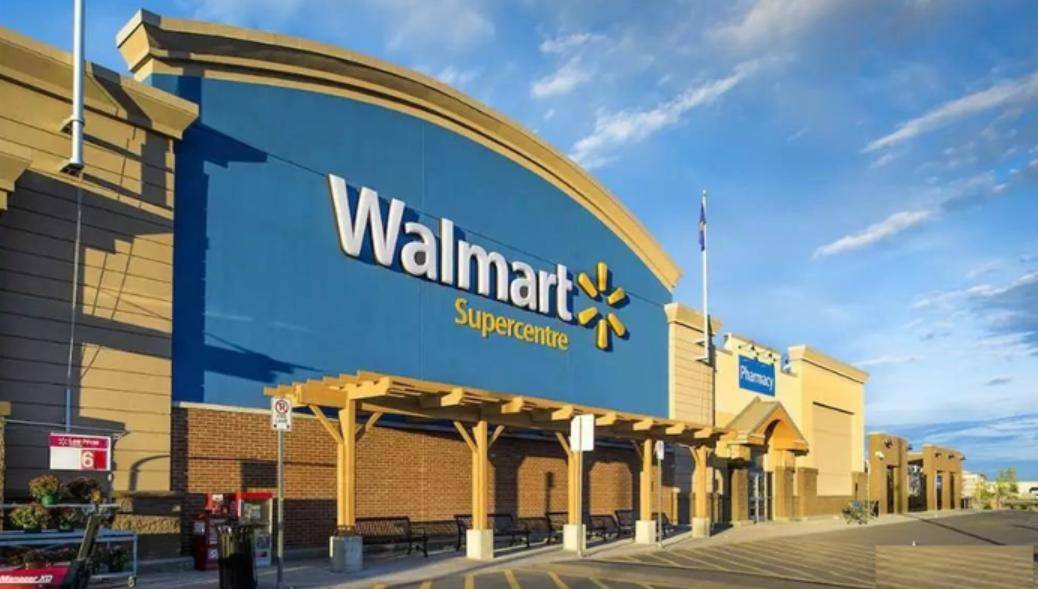
Core Viewpoint - Walmart and other major U.S. retailers have resumed importing goods from China, with the U.S. buyers agreeing to cover the 145% tariffs, indicating a potential shift in U.S. trade policy towards China [1][3][8] Group 1: Retail Industry Response - Major U.S. retailers, including Walmart, Home Depot, and Target, met with President Trump to discuss the impact of high tariffs on their supply chains, expressing concerns about potential inventory shortages and rising prices [1][3] - Following the meeting, these retailers quickly notified Chinese suppliers to resume shipments, suggesting confidence that tariffs would be significantly reduced in the near future [3][8] - The retailers' decision to absorb the tariff costs signals a strong belief that the Trump administration will lower tariffs, possibly to around 20% [8] Group 2: Economic and Political Context - The high tariffs have created significant challenges for the U.S. retail sector, leading to supply chain disruptions and increased consumer prices, which could negatively impact Trump's approval ratings ahead of the elections [4][7] - Trump's potential tariff adjustments are seen as a compromise to alleviate economic pressures while maintaining a tough stance on China, reflecting the complex interplay of economic and political factors [6][7] - The resumption of imports from China by U.S. retailers highlights the interdependence of the U.S. and Chinese economies, suggesting that while trade tensions may continue, both sides need to find a balance to avoid further economic fallout [10]


光大证券晨会速递-20250428
EBSCN· 2025-04-28 03:12
Macro Insights - The US capital market is experiencing negative feedback regarding tariff policies, prompting Trump to seek a preliminary reconciliation with China, although the proposed reduction of tariffs from 145% is insufficient and lacks sincerity [1] - Industrial production and profit margins are improving due to policies aimed at enhancing efficiency and boosting exports, but the second quarter may face challenges from US tariff implementations [2] - The political bureau meeting emphasized responding to external uncertainties with high-quality development, focusing on stabilizing the economy and expanding domestic markets [3] Fund Strategy - In Q1 2025, equity funds increased their positions, particularly in TMT, domestic consumption, and resource sectors, indicating a narrowing divergence in market views [4] Bond Market - A potential reduction in the 7D OMO rate from 1.5% to 1.3% could lead to further declines in bond yields, with the 10Y government bond yield possibly reaching 1.5% within the year [5] - The REITs market experienced a decline, with the weighted REITs index dropping to 134.51, reflecting a -1.13% return [6] Industry Research - The consumer electronics sector faces significant long-term uncertainties despite short-term tariff exemptions, with upcoming special tariffs expected to create further instability [9] - The automotive sector is focusing on smart technology, with the 2025 Shanghai Auto Show highlighting the industry's transformation and potential growth driven by new vehicle launches [9] - The power equipment export data shows a mixed performance, with inverter exports increasing by 5% year-on-year, while component and battery exports declined by 24% [10] - The electric vehicle market is witnessing trends towards high-capacity range extenders and commercial vehicle electrification, with companies like CATL leading technological advancements [11] - Google's Q1 2025 advertising revenue exceeded expectations, which may help alleviate market fears, while the company maintains a strong position in the AI sector [12] Company Research - Changsha Bank reported a 4.6% increase in revenue for 2024, with a stable non-performing loan ratio, indicating strong county-level business performance [18] - Common Prosperity Bank showed a 10% revenue growth in Q1 2024, with non-interest income contributing significantly to overall earnings [19] - China Pacific Insurance's NBV is expected to maintain positive growth due to enhanced channel contributions and product optimization [20] - Ping An Insurance continues to expand its strategic partnerships and product offerings, projecting steady growth in NBV [21] - Crystal Electric Materials reported a revenue increase of 10.44% in 2024, despite a significant net loss due to goodwill impairment [22] - Zhejiang Medicine's profitability is expected to improve significantly, with revised profit forecasts reflecting a strong market position in the vitamin sector [23] - The coal industry is expected to face price declines in 2025, but companies like China Shenhua are recommended for their stable earnings and high dividend yields [16] - The construction materials sector is under pressure, but companies like Mona Lisa are expected to recover due to their competitive advantages [30]
不把特朗普当回事,沃尔玛恢复从中国进口,关税全部由美国人买单
Sou Hu Cai Jing· 2025-04-27 05:12
4月21日,美国三大零售巨头——沃尔玛(Walmart)、家得宝(Home Depot)和塔吉特(Target)的首 席执行官齐聚白宫,与特朗普举行了一场闭门会议。这场会议的核心议题是特朗普政府近期对中国商品 征收高达145%的关税政策对零售行业供应链的冲击。 【零售巨头行动:白宫会晤后迅速通知中国供应商】 然而,令人意外的是,仅仅几天后,这些零售巨头便迅速采取行动,向中国供应商发出通知,要求恢复 因月初关税战而暂停的货物运输,并明确表示关税将由美方买家承担。 这一举动引发了广泛关注。船运从中国到美国通常需要一个月的时间,这意味着这些零售商已经断定, 特朗普政府将在未来一个月内大幅降低对华关税。 否则,他们不可能贸然恢复发货,更不可能主动承诺承担高额关税成本。显然,这些零售巨头通过与特 朗普的直接对话,已捕捉到了关税政策即将调整的明确信号。 【供应链危机迫在眉睫:零售商的无奈与自救】 自4月初特朗普宣布对华商品征收三位数关税以来,美国零售行业陷入了前所未有的混乱。高关税不仅 导致供应链中断,还加剧了物价上涨的压力。 据知情人士透露,沃尔玛、塔吉特和家得宝的高管在白宫会议上警告特朗普,如果关税政策保持不变, 超 ...


上周债市整体略有上行,公司债ETF(511030)日均成交额近16亿元,国债ETF5至10年(511020)投资价值凸显
Sou Hu Cai Jing· 2025-04-21 01:36
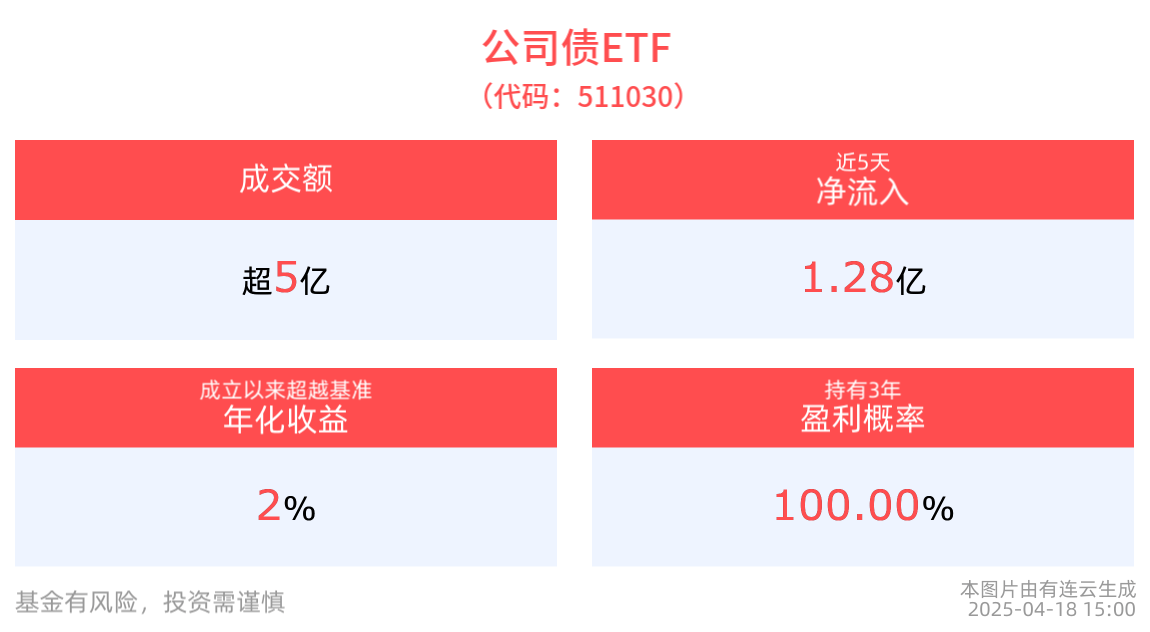
截至2025年4月18日,公司债ETF最新报价105.5元。拉长时间看,截至2025年4月18日,公司债ETF近半年累计上涨1.09%。 流动性方面,公司债ETF盘中换手4.07%,成交5.39亿元。拉长时间看,截至4月18日,公司债ETF近1月日均成交15.89亿元。 规模方面,公司债ETF最新规模达132.60亿元。 资金流入方面,公司债ETF最新资金流入流出持平。拉长时间看,近5个交易日内有3日资金净流入,合计"吸金"1.28亿元,日均净流入达2555.72万元。 截至2025年4月18日 15:00,中证5-10年期国债活跃券指数(净价)(H21018)上涨0.01%。国债ETF5至10年(511020)多空胶着,最新报价117.24元。拉长时间看, 截至2025年4月18日,国债ETF5至10年近1月累计上涨1.16%。 流动性方面,国债ETF5至10年盘中换手9.6%,成交1.38亿元。拉长时间看,截至4月18日,国债ETF5至10年近1年日均成交3.07亿元。 上周,债市整体略有上行,超长利率债上行,超长信用利差走阔。 截至2025年4月18日 15:00,国开债券ETF(159651)上涨0. ...
长江期货棉纺策略日报-20250417
Chang Jiang Qi Huo· 2025-04-17 02:14
Report Industry Investment Rating No relevant content available. Core Viewpoints of the Report - Cotton prices are under pressure to decline due to factors such as domestic over - capacity in the industrial chain, limited consumption growth, tariff policy adjustments, potential increases in cotton production in Xinjiang and Brazil, and the impact of Sino - US trade frictions [1]. - PTA prices are under pressure to decline mainly because of poor terminal weaving orders, weak demand, and insufficient cost support [3]. - Ethylene glycol prices are expected to oscillate and decline due to low international crude oil prices, the impact of tariff policies on imports, and weak market sentiment [4]. - Short - fiber prices are expected to oscillate weakly due to weak raw material prices and declining terminal textile demand [5]. - Sugar prices are expected to oscillate and adjust, affected by factors such as short - term tight trade flow in the international sugar market, Brazilian production and weather conditions, and domestic import data and sales progress [7]. - Apple prices are expected to oscillate strongly as apple出库 is good and inventory is low, but macro risks need to be monitored [7]. Summary by Variety Cotton - Domestic cotton supply and demand are basically sufficient but may be slightly tight. About 60% of the sales pressure of Xinjiang ginning factories has been released, and 40% remains unpriced. Resources are concentrated in a few major traders [1]. - The external market is relatively weak, with the CFTC fund holding a net short position and the industry holding a net long position [1]. - In the second quarter, the situation is not optimistic. In the second half of the year, cotton production in Xinjiang may increase by 10%, and the new - year cotton output may reach 720 - 750 million tons. Brazilian cotton production is also increasing, which is bearish for cotton prices [1]. - On April 16, the China Cotton Price Index was 14,252 yuan/ton, down 45 yuan/ton from the previous trading day, and the cotton yarn index was 20,520 yuan/ton, down 30 yuan/ton [11]. PTA - As of April 16, the PTA spot price dropped to 4,270 yuan/ton. The terminal weaving situation is weak, and the downstream polyester demand is weak. The spot basis has strengthened slightly, and the market transaction is mediocre [10]. - The PTA capacity utilization rate remained at 76.41%, and the polyester industry capacity utilization rate was 91.31%, down 0.12% from the previous day. The PTA de - stocking continued [3]. - The decline is mainly due to poor terminal weaving orders. As of the beginning of this week, the comprehensive starting rate of domestic major weaving production bases was 56.57%, down 2.34% from last week [3]. Ethylene Glycol - International crude oil prices are low, and cost support is poor. The tariff policy affects imports, and the number of arrivals is expected to decrease. Although short - term polyester start - up is okay, market sentiment is weak, and prices are expected to decline [4]. - China's ethylene glycol total capacity utilization rate was 66.01%, up 0.31% month - on - month. The weekly output was 39.69 million tons, up 0.48% from last week [16]. Short - fiber - Raw material prices are weak, and terminal textile demand is expected to decline. The short - fiber market is difficult to have positive changes in the short term [5]. - As of the 10th, the domestic short - fiber weekly output was 15.55 million tons, a decrease of 0.26 million tons month - on - month, and the capacity utilization rate average was 82.84%, a decrease of 1.66% month - on - month [14]. Sugar - In the international sugar market, short - term trade flow is tight, but with the start of the Brazilian sugar - making season and the increase in the sugar - making ratio, the ICE sugar price is expected to be weak in the short term [7]. - Domestically, imports have decreased year - on - year, and the domestic sugar price is expected to oscillate and adjust. In the later stage, as consumption increases, the price may be boosted [7]. - In April , Brazil's sugar and molasses exports in the first two weeks were 632,900 tons, a year - on - year decrease of 39.37%. From January to March 2025, Ukraine's sugar imports were 230 tons, 37% of the same period in 2024, and exports were 152,620 tons, 72% of the same period in 2024 [15]. Apple - The overall apple inventory is low, and the price is expected to oscillate strongly. However, macro risks need to be monitored [7]. - As of April 9, 2025, the national main - producing area apple cold - storage inventory was 3.9863 million tons, a decrease of 389,000 tons from last week, and the de - stocking was accelerating year - on - year [17]. Macroeconomic Information - In the first quarter, the GDP was 31.8758 trillion yuan, a year - on - year increase of 5.4% and a quarter - on - quarter increase of 1.2% [11]. - In March, the total retail sales of consumer goods were 4.094 trillion yuan, a year - on - year increase of 5.9%. From January to March, the total retail sales of consumer goods were 12.4671 trillion yuan, a year - on - year increase of 4.6% [11]. - The US has increased tariffs on China, and China has stated its position on the tariff issue [11].
有色金属大宗金属周报:流动性冲击缓解,铜价大跌后反弹-20250413
Hua Yuan Zheng Quan· 2025-04-13 08:18
Investment Rating - The investment rating for the non-ferrous metals industry is "Positive" (maintained) [4] Core Views - Copper prices rebounded after a significant drop, with attention on the ongoing US-China trade dynamics and recession expectations in the US. The weekly performance showed US copper up 3.75%, London copper up 2.97%, and Shanghai copper down 4.6%. The decline in copper prices led to increased downstream activity and accelerated inventory depletion, with copper rod operating rates at 74.76%, up 0.21 percentage points week-on-week. Social inventory of electrolytic copper decreased by 14.80% to 267,200 tons, while Shanghai copper inventory fell by 18.96% to 182,900 tons. Short-term price rebounds may be limited by US recession expectations, with key focus areas being US-China trade developments, US economic and inflation data, and Federal Reserve interest rate expectations. Recommended stocks include Zijin Mining, Luoyang Molybdenum, Jincheng Mining, and Tongling Nonferrous Metals [4] - Aluminum prices fell due to tariff impacts, with signs of weakening demand in the peak season and continued inventory depletion. The alumina market remains oversupplied, with prices dropping 5.12% to 2,870 RMB/ton. The operating capacity of alumina plants decreased by 1.91 million tons to 84.82 million tons/year. Electrolytic aluminum prices fell 3.72% to 19,675 RMB/ton, with profit margins down 15.54% to 3,650 RMB/ton. Overall, the supply side of electrolytic aluminum shows no increase in capacity, leading to a potential shortage this year, which could drive aluminum prices up significantly. Recommended stocks include Hongchuang Holdings, Yun Aluminum, Tianshan Aluminum, Shenhuo Co., and China Aluminum [4] - Lithium prices continued to decline, with carbonate lithium down 3.11% to 71,600 RMB/ton. The supply side remains oversupplied, with inventory increasing by 1.3% to 131,000 tons. Demand growth is hindered by tariff impacts on downstream exports, with expectations for a narrowing of the oversupply throughout the year. Recommended stocks include Yahua Group, Zhongjin Lingnan, Yongxing Materials, and Ganfeng Lithium [4] Summary by Sections 1. Industry Overview - The US March CPI was lower than expected at 2.4%, with initial jobless claims matching expectations at 223,000 [8] 2. Industrial Metals 2.1. Copper - London copper rose 2.97%, while Shanghai copper fell 4.60%. Inventory levels decreased significantly, with Shanghai copper inventory down 18.96% [21][24] 2.2. Aluminum - London aluminum increased by 0.50%, while Shanghai aluminum decreased by 3.72%. The operating profit for aluminum companies fell by 15.54% [33] 2.3. Lead and Zinc - London lead prices fell 0.57%, while Shanghai lead prices decreased by 2.44%. London zinc prices rose 0.34%, but Shanghai zinc prices fell 2.36% [48] 2.4. Tin and Nickel - London tin prices dropped 12.17%, and Shanghai tin prices fell 13.22%. Nickel prices also saw a decline [61] 3. Energy Metals 3.1. Lithium - Lithium carbonate prices fell 3.11% to 71,600 RMB/ton, with continued oversupply in the market [77] 3.2. Cobalt - Overseas MB cobalt prices increased by 0.16% to 15.88 USD/pound, while domestic cobalt prices fell [88]




彭博独家 | 2025年第一季度彭博中国债券承销排行榜
彭博Bloomberg· 2025-04-11 03:24
Core Insights - The 2025 Q1 Bloomberg China Bond Underwriting Rankings reveal significant trends in the bond market, highlighting the performance of various banks and securities firms in the issuance of bonds [2][3]. Group 1: Market Overview - The total issuance of Panda bonds in 2024 exceeded 208.25 billion RMB, while in Q1 2025, the issuance by foreign institutions in the domestic market reached 41.6 billion RMB, showing a decrease of 38.28% compared to the same period last year [4]. - The overall issuance of domestic credit bonds in Q1 2025 was approximately 3.77 trillion RMB, reflecting a decline of about 12.61% year-on-year [6]. - The issuance of interbank certificates of deposit increased to approximately 8.35 trillion RMB in Q1 2025, up 11.97% from the previous year [10]. Group 2: Rankings and Performance - In the Bloomberg Q1 2025 China Bond Rankings, the top three positions were held by Bank of China (5.918%), CITIC Bank (5.675%), and Industrial Bank (5.297%) [7]. - For corporate bonds, CITIC Securities (13.450%), CITIC Jiantou (9.988%), and former Guotai Junan Securities (8.053%) maintained their top three positions [7]. - In the offshore RMB bond rankings (excluding certificates of deposit), the top three were held by Amundi (12.248%), HSBC (7.117%), and Standard Chartered Bank (5.021%) [7]. Group 3: Local Government Bonds - The issuance of local government bonds in Q1 2025 was approximately 2.66 trillion RMB, a significant increase of about 78.26% year-on-year [12]. - The issuance included about 0.38 trillion RMB in general bonds and approximately 2.28 trillion RMB in special bonds, with debt resolution remaining a key focus [12]. Group 4: Offshore Bond Market - The issuance of offshore bonds (excluding certificates of deposit) by Chinese enterprises exceeded 401.4 billion RMB in Q1 2025, marking a year-on-year growth of approximately 35.36% [16]. - The issuance of "Kung Fu Bonds" surpassed 30 billion USD (approximately 219.2 billion RMB), showing a significant increase of over 122.20% compared to the previous year [16].

股指期货策略早餐-20250409
Guang Jin Qi Huo· 2025-04-09 02:15
Report Summary 1. Investment Ratings The report does not provide overall industry investment ratings. 2. Core Views - **Financial Futures and Options**: Indexes are differentiated, with large - cap stocks continuing to rebound in the short - term and in a wide - range shock in the medium - term. For bonds, there is a short - term shock adjustment and long - term bonds continue to correct, but are expected to be strong in the medium - term [1][2]. - **Commodity Futures and Options**: Steel prices are gradually falling in the short - term and under pressure in the medium - term [4]. 3. Summary by Category Financial Futures and Options **Stock Index Futures (IF, IH, IC, IM)** - **Intraday View**: Indexes are differentiated, and large - cap stocks continue to rebound [1]. - **Medium - term View**: Wide - range shock, index differentiation [1]. - **Reference Strategy**: Hold a long IH2504 and short IM2504 hedging portfolio, and buy IO2504 - C - 3750 call options [1]. - **Core Logic**: Domestic market - stabilizing policies are introduced, which helps large - cap indexes rebound. Meanwhile, the US tariff policy causes uncertainty and overseas risk - asset selling pressure disturbs the domestic market [1]. **Treasury Bond Futures (TS, TF, T, TL)** - **Intraday View**: Shock adjustment, long - term bonds continue to correct [2]. - **Medium - term View**: Bullish [2]. - **Reference Strategy**: Hold long positions of T2506 and TL2506 for allocation, and take profit for trading positions [2]. - **Core Logic**: Short - term repo rates of deposit - taking institutions rise slightly, and medium - and long - term funds stop falling. Domestic market - stabilizing policies lead to profit - taking pressure on bonds. The "equal - tariff" policy increases uncertainty, and funds flow to safe - haven assets, raising expectations of "loose money" [2][3]. Commodity Futures and Options **Black and Building Materials (Rebar, Hot - Rolled Coil)** - **Intraday View**: Steel prices gradually fall [4]. - **Medium - term View**: Steel prices are under pressure [4]. - **Reference Strategy**: Sell rebar call option RB2510 - C - 3450 and buy rebar in - the - money put option RB2510 - P - 3150 [6]. - **Core Logic**: Raw material inventory pressure is high, which may increase steel supply. Downstream demand is weak, and construction project funds are in short supply, resulting in slow construction progress and weak steel consumption. Before the introduction of domestic fiscal stimulus policies, steel prices may continue to fall [4][5].
中国在贸易战中的博弈
Datayes· 2025-04-08 11:44
Core Viewpoint - The article discusses the escalating trade tensions between the US and China, particularly focusing on Trump's threats to impose additional tariffs on Chinese goods, which could reach 50% if China does not comply with US demands by April 8, 2025. It highlights the potential economic implications of these actions for both countries and the global economy [1][2]. Group 1: US-China Trade Relations - Trump threatens to impose an additional 50% tariff on Chinese goods if China does not revoke the current 34% tariffs by April 8, 2025, indicating a significant escalation in trade tensions [1]. - The Chinese Ministry of Commerce responds firmly, stating that if the US continues its unilateral actions, China will retaliate accordingly [1]. - Citigroup identifies four main reasons behind Trump's actions: punishment, raising funds to cover the US fiscal deficit, warning the EU, and delineating between "enemies" and "friends" [1]. Group 2: Market Reactions and Economic Implications - Citigroup suggests that China may aim to force the US back to the negotiation table by creating systemic risks through market downturns, indicating that the trade conflict has broader implications for the global economic system [2]. - The article compares the potential financial crisis stemming from these tensions to the Cuban Missile Crisis, emphasizing the seriousness of the situation [2]. - In response to market volatility, major Chinese state-owned enterprises and financial institutions are actively buying stocks and ETFs to stabilize the market [2][3]. Group 3: A-Share Market Performance - The A-share market shows a rebound with the Shanghai Composite Index rising by 1.58%, and over 3,200 stocks increasing in value, indicating a positive market sentiment despite external pressures [3]. - The central government is implementing measures to support the market, including increasing the equity asset ratio for certain funds and providing liquidity support through the central bank [3]. - Specific sectors such as agriculture and consumer goods are experiencing significant gains, with multiple stocks hitting the daily limit up [3]. Group 4: US Treasury Bonds and China's Actions - Reports indicate that China may be selling US Treasury bonds as a response to the escalating trade tensions, contributing to rising long-term interest rates in the US [5]. - Analysts suggest that China's potential for a broader sell-off of US debt could be a retaliatory measure against US tariffs, highlighting the interconnectedness of trade and financial markets [5]. Group 5: Corporate Actions and Financial Strategies - Various Chinese companies are announcing stock buybacks and increasing their holdings in response to market conditions, reflecting a proactive approach to stabilize their stock prices [7]. - The article notes that the National Social Security Fund and other state-backed entities are increasing their investments in domestic stocks, signaling confidence in the long-term prospects of the Chinese market [7].