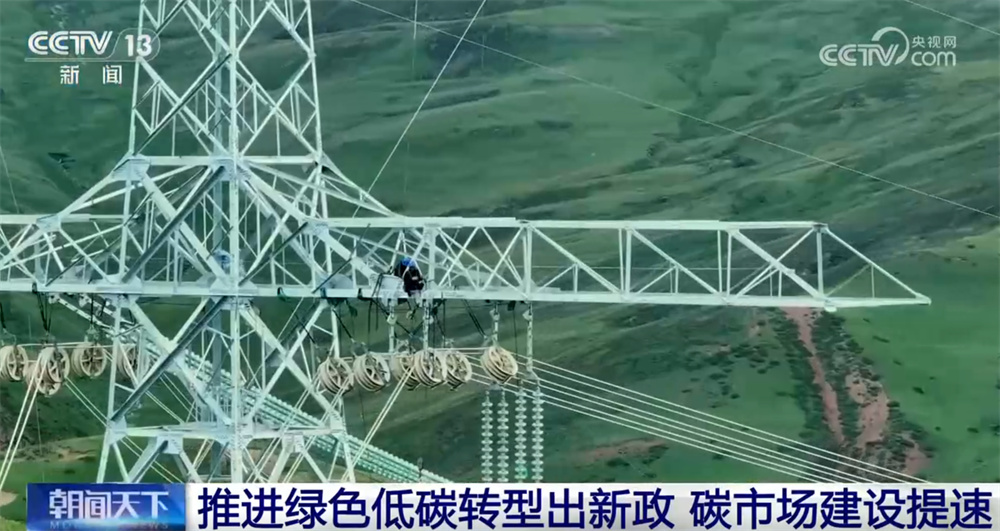
绿色低碳转型

Search documents
数说“十四五”成就|能源高质量发展交出亮眼成绩单
Xin Hua Wang· 2025-08-26 05:50
Core Achievements of the 14th Five-Year Plan - The 14th Five-Year Plan has resulted in significant advancements in energy supply, with energy consumption growth reaching 1.5 times that of the previous five years, and projected new electricity consumption exceeding the annual consumption of the EU [5][6] - By 2024, national electricity generation is expected to surpass 10 trillion kilowatt-hours, accounting for one-third of global production, with total energy production equivalent to approximately 5 billion tons of standard coal, representing over one-fifth of global totals [6] Energy Infrastructure and Optimization - The energy infrastructure network has been enhanced, facilitating better resource allocation across regions and supporting economic development in central and western areas, with 40% of energy in eastern regions sourced from major energy transmission projects [6] Green and Low-Carbon Transition - The construction of the world's largest electric vehicle charging network has been completed, with two charging stations for every five vehicles, improving convenience for consumers [7] - The renewable energy system has become the largest and fastest-growing globally, with the share of renewable energy generation capacity increasing from 40% to around 60%, and annual installations of wind and solar power surpassing significant milestones [8] - The proportion of non-fossil energy in national energy consumption is increasing by 1 percentage point annually, expected to exceed the 20% target set for the 14th Five-Year Plan, while coal's share decreases by 1 percentage point each year [9] Technological Innovation in Energy - The energy sector has seen breakthroughs in technology, with new energy patents accounting for over 40% of global totals, and advancements in solar conversion efficiency and offshore wind turbine capacity [12][14] - Major projects such as the Baihetan Hydropower Station and the "Hualong One" nuclear reactor have been completed, showcasing China's technological capabilities [14] Market Reforms and Economic Dynamics - The restructuring of the energy market has accelerated, with the establishment of a unified national electricity market and increased participation from private enterprises, which now play a crucial role in driving energy transition [18][21] - The number of registered electricity market participants has reached 970,000, five times that of 2020, indicating a significant release of market vitality [20]


股债商品共振上涨,人民币汇率走强
Hua Tai Qi Huo· 2025-08-26 05:24
Market Analysis - In July, the global economic data remained resilient. China's official manufacturing PMI in July dropped to 49.3, while the non - manufacturing sector stayed in expansion. China's exports in July increased by 7.2% year - on - year in dollar terms, higher than expected. Financial data showed that money supply exceeded expectations, but financing and loan data were still weak. Investment data faced significant pressure [2]. - The State Council emphasized measures to stabilize the real - estate market. The central bank conducted 600 billion yuan of Medium - term Lending Facility (MLF) operations, with a net MLF injection of 300 billion yuan in August, and a total net medium - term liquidity injection of 600 billion yuan [2]. - A - shares had a significant increase, with the Shanghai Composite Index approaching 3900 points and the trading volume reaching 3.14 trillion yuan. AI hardware stocks soared, and sectors like real estate and liquor rose. In the bond market, treasury bond futures went up, with the 30 - year main contract rising over 0.7%. Domestic commodity futures all increased, led by coking coal and coke. The RMB central parity rate was raised by 160 points [2]. - In the US, the July non - farm payroll data was lower than expected, but the August PMI continued to improve. The "Big Beautiful" Act might support subsequent consumption [2]. Policy and Tariff News - On July 31, the White House re - set "reciprocal tariff" rates for some countries. On August 19, the US Commerce Department added 407 product categories to the steel and aluminum tariff list with a 50% tariff rate. Trump said he would announce semiconductor tariffs within two weeks, with a possible rate of 300% [3]. - On August 22, Powell's speech at the global central bank annual meeting showed a dovish turn, suggesting a possible policy adjustment due to increased downside risks to employment. This cleared the way for a Fed rate cut in September [3]. Commodity Analysis - The black and new - energy metal sectors are most sensitive to domestic supply - side factors. The energy and non - ferrous sectors benefit significantly from overseas inflation expectations. The black sector is still dragged down by downstream demand expectations, and the non - ferrous sector's supply constraints remain unrelieved [3]. - The government will regulate the photovoltaic industry to prevent low - price competition. By 2027, industries with relatively stable carbon emissions will be subject to quota - based total control. OPEC+ accelerated production, increasing by 548,000 barrels per day in August, higher than expected [3]. - In the chemical sector, the "anti - involution" space of products like methanol, PVC, caustic soda, and urea is worth attention. Agricultural products are currently driven by tariffs and inflation expectations but need fundamental signals [3]. Strategy - For commodities and stock index futures, it is recommended to go long on industrial products on dips [4]. To - do List - This week, 2.077 trillion yuan of reverse repurchases in the Chinese central bank's open market will mature, and there will also be 300 billion yuan of MLF and 90 billion yuan of term reverse repurchases maturing [5]. - On August 25, the National Development and Reform Commission held a corporate symposium to listen to opinions on expanding domestic demand and stabilizing employment [5]. - The Shanghai Composite Index continued to reach a new high in more than a decade, approaching 3900 points. Over 3300 stocks in the Shanghai, Shenzhen, and Beijing stock markets rose, and the trading volume exceeded 3 trillion yuan [5]. - On August 25, the Ukrainian president announced that Ukraine and the US would hold talks this weekend to discuss the possibility of peace negotiations between Ukraine and Russia [3][5].
国家能源局:我国构建起全球最大、发展最快的可再生能源体系
Sou Hu Cai Jing· 2025-08-26 05:20
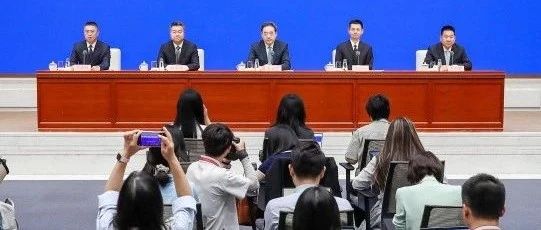
上证报中国证券网讯(记者 白丽斐)国家能源局局长王宏志26日在国新办举行的"高质量完成'十四五'规划"系列主题新闻发布会上表示,"十四五"是绿色低 碳转型最快的五年。我国构建起全球最大、发展最快的可再生能源体系,可再生能源发电装机占比由40%提升至60%左右,风电光伏每年新增装机先后突破 1亿、2亿、3亿千瓦关口,实现台阶式跃升发展,发展速度和力度前所未有。 王宏志介绍,能源消费"逐绿前行",全社会用电量中,每3度电就有1度绿电。全国能源消费中,非化石能源占比每年增加1个百分点,预计将超额完成"十四 五"确定的20%目标,煤炭占比每年减少1个百分点,这"一增一减"大大提升了经济发展的"含绿量"。 国家能源局局长王宏志26日在国新办举行的"高质量完成'十四五'规划"系列主题新闻发布会上表示,"十四五"是绿色低碳转型最快的五年。我国构建起全球 最大、发展最快的可再生能源体系,可再生能源发电装机占比由40%提升至60%左右,风电光伏每年新增装机先后突破1亿、2亿、3亿千瓦关口,实现台阶 式跃升发展,发展速度和力度前所未有。 ...
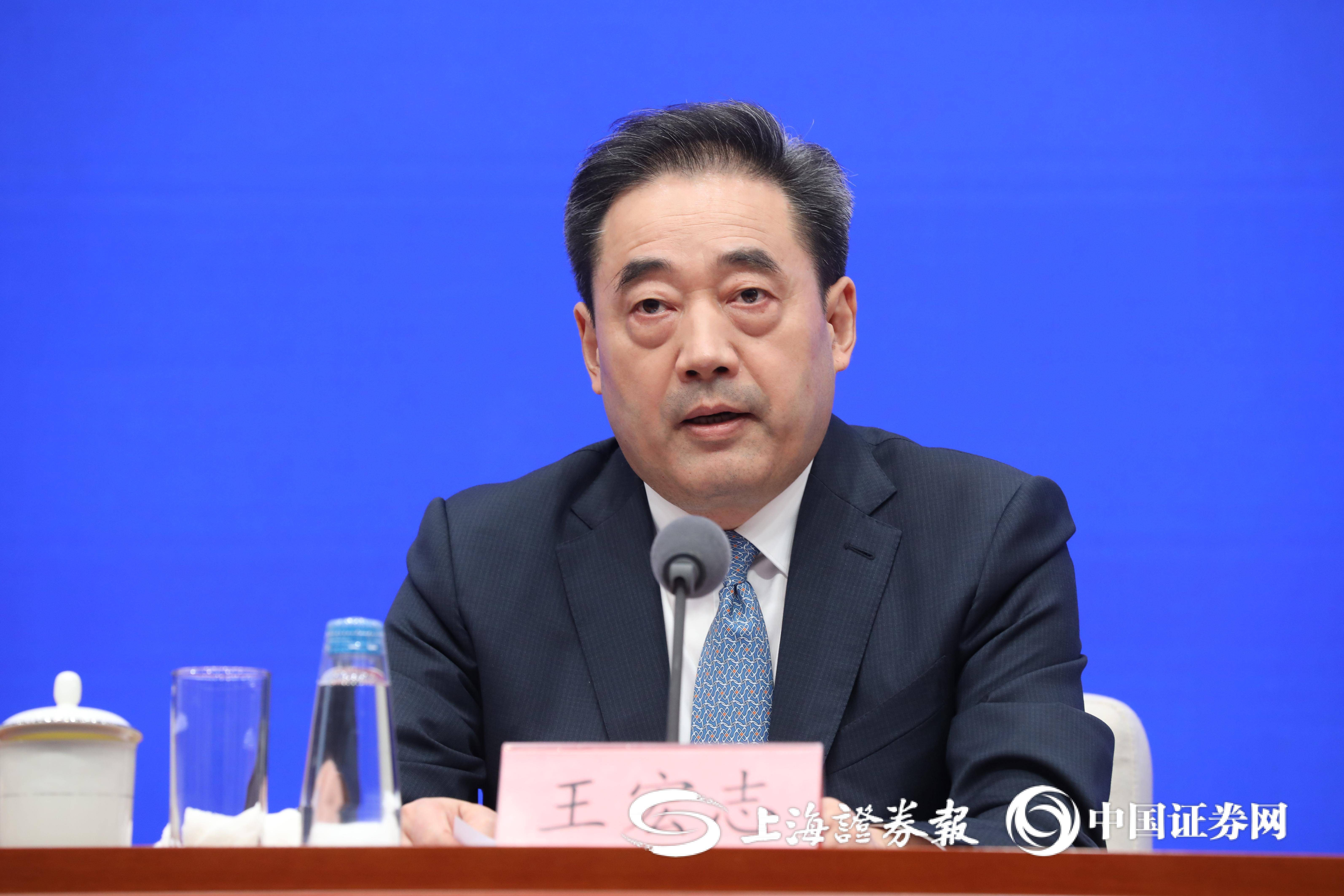
我国已构建起全球最大、发展最快的可再生能源体系
Xin Hua Cai Jing· 2025-08-26 05:19
Core Viewpoint - China has established the world's largest and fastest-growing renewable energy system, achieving significant progress in energy development during the "14th Five-Year Plan" period [1][2]. Group 1: Energy Supply and Demand - During the first four years of the "14th Five-Year Plan," China's energy consumption growth reached 1.5 times that of the previous five years, with projected new electricity consumption exceeding the annual consumption of the EU [2]. - By 2024, China's total electricity generation is expected to surpass 10 trillion kilowatt-hours, accounting for one-third of global production, with total energy production equivalent to approximately 5 billion tons of standard coal, representing over one-fifth of global supply [2]. - Energy infrastructure has been optimized, with 40% of energy consumption in eastern regions sourced from major energy transmission projects [2]. Group 2: Green and Low-Carbon Transition - The share of renewable energy generation capacity increased from 40% to around 60% during the "14th Five-Year Plan," with annual additions of wind and solar capacity breaking records [3]. - One-third of electricity consumed is now green electricity, and the share of non-fossil energy in total energy consumption is expected to exceed the 20% target set for the period [3]. - China's exports of wind and solar products have contributed to a reduction of approximately 4.1 billion tons of carbon emissions in other countries [3]. Group 3: Technological Innovation - China leads globally in new energy technologies, holding over 40% of global renewable energy patents, with continuous improvements in solar conversion efficiency and offshore wind turbine capacity [4]. - Major projects such as the Baihetan Hydropower Station and advanced nuclear power plants have been completed, showcasing China's technological capabilities [4]. - New business models and applications, such as smart microgrids and virtual power plants, are rapidly developing, enhancing the integration of energy with other sectors [4]. Group 4: Energy Reform and Market Dynamics - The restructuring of energy policies and mechanisms has accelerated, with the establishment of a unified national electricity market and increased participation of private enterprises in the energy sector [5]. - The number of registered electricity market participants has reached 970,000, five times that of 2020, indicating a significant increase in market vitality [5]. - The energy sector has adapted to complex domestic and international conditions, ensuring energy security and contributing to global energy transition efforts [5].
关注房地产下游新政推进
Hua Tai Qi Huo· 2025-08-26 05:16
Industry Investment Rating - Not provided in the given content Core Views - Attention should be paid to the implementation of new policies in the downstream of the real estate industry and the impact of carbon emission new policies on mid - stream green manufacturing[1] - The price and production of various industries in the upstream, mid - stream, and downstream have changed, such as price fluctuations in the upstream and changes in the production rate in the mid - stream[2][3] Summary by Directory 1. Mid - view Event Overview Production Industry - The "Opinions on Promoting Green and Low - Carbon Transformation and Strengthening the Construction of the National Carbon Market" was released. By 2027, the national carbon emission trading market will basically cover major emission industries in the industrial field, and by 2030, a national carbon emission trading market based on total quota control will be basically established[1] - Huawei will release a new AI SSD product on August 27, and plans to cooperate with all - in - one machine manufacturers to inject new vitality into the AI memory market[1] Service Industry - On August 25, six departments in Shanghai jointly issued a notice to optimize and adjust real estate policies, including reducing housing purchase restrictions, optimizing housing provident funds, personal housing credit, and personal housing property tax policies[1] 2. Industry Overview Upstream - In the black industry, glass prices have dropped significantly; in the agricultural industry, egg prices have declined; in the chemical industry, urea prices have fallen while PTA prices have risen[2] Mid - stream - In the chemical industry, the PX operating rate has increased; in the energy industry, the coal consumption of power plants has risen; in the agricultural industry, the operating rate of pig products has increased[3] Downstream - In the real estate industry, the sales of commercial housing in first - and second - tier cities have seasonally declined; in the service industry, the number of domestic flights has remained stable at a high level[3] 3. Key Industry Price Index Tracking | Industry Name | Index Name | Value | YoY | | --- | --- | --- | --- | | Agriculture | Spot price of corn | 2308.6 yuan/ton | - 0.37% | | | Spot price of eggs | 6.5 yuan/kg | - 2.99% | | | Spot price of palm oil | 9638.0 yuan/ton | 0.12% | | | Spot price of cotton | 15237.0 yuan/ton | 0.01% | | | Average wholesale price of pork | 20.1 yuan/kg | - 0.45% | | Non - ferrous metals | Spot price of copper | 79216.7 yuan/ton | - 0.12% | | | Spot price of zinc | 22302.0 yuan/ton | 0.06% | | | Spot price of aluminum | 20793.3 yuan/ton | 0.32% | | | Spot price of nickel | 121516.7 yuan/ton | - 0.34% | | | Spot price of aluminum | 16818.8 yuan/ton | 0.37% | | | Spot price of rebar | 3260.0 yuan/ton | - 0.21% | | Ferrous metals | Spot price of iron ore | 783.9 yuan/ton | - 0.75% | | | Spot price of wire rod | 3405.0 yuan/ton | - 0.29% | | | Spot price of glass | 13.8 yuan/square meter | - 3.15% | | Non - metals | Spot price of natural rubber | 14975.0 yuan/ton | 0.56% | | | China Plastic City Price Index | 804.6 | - 0.35% | | | Spot price of WTI crude oil | 63.7 dollars/barrel | 1.37% | | Energy | Spot price of Brent crude oil | 67.7 dollars/barrel | 2.85% | | | Spot price of liquefied natural gas | 3910.0 yuan/ton | - 2.59% | | | Coal price | 783.0 yuan/ton | 0.13% | | | Spot price of PTA | 4855.0 yuan/ton | 2.85% | | Chemical industry | Spot price of polyethylene | 7436.7 yuan/ton | - 0.16% | | | Spot price of urea | 1712.5 yuan/ton | - 3.04% | | | Spot price of soda ash | 1290.0 yuan/ton | 0.00% | | Real estate | National cement price index | 130.6 | 0.48% | | | Building materials composite index | 115.2 points | - 0.68% | | | National concrete price index | 93.0 points | - 0.39% |[36]
全球最大、发展最快、世界领先!见证我国能源高质量发展多个“第一”
Yang Shi Xin Wen· 2025-08-26 04:45
Core Viewpoint - The "14th Five-Year Plan" period marks a significant advancement in China's energy sector, focusing on high-quality development and a transition towards green and low-carbon energy sources [1][2]. Renewable Energy Development - China has established the world's largest and fastest-growing renewable energy system, with the share of renewable energy generation capacity increasing from 40% to approximately 60% [2]. - During the "14th Five-Year Plan," one-third of the electricity consumed in China is green electricity, with non-fossil energy consumption increasing by 1 percentage point annually, expected to exceed the 20% target set for the period [4]. Electric Vehicle Infrastructure - China has built the world's largest electric vehicle charging network, with 2 charging stations for every 5 electric vehicles [5][7]. - As of July, the number of charging infrastructure units reached 16.696 million, ten times the number at the end of the "13th Five-Year Plan" [11]. Energy Consumption and Supply - The energy consumption increment in the first four years of the "14th Five-Year Plan" has reached 1.5 times that of the entire "13th Five-Year Plan" period, with projected new electricity consumption exceeding the annual consumption of the European Union [5]. - Energy resource allocation has been optimized, with 40% of energy in eastern regions sourced from major energy transmission projects [7]. Technological Innovation - The "14th Five-Year Plan" has seen significant breakthroughs in energy technology innovation, with China leading in new energy patents, accounting for over 40% of the global total [8]. - New energy storage capacity has surged to become the largest in the world, with a growth of nearly 30 times over five years [12]. Hydrogen Energy Development - By 2024, China's hydrogen production and consumption scale is expected to exceed 36 million tons, ranking first globally, with renewable energy-based hydrogen production capacity surpassing half of the global total [12].
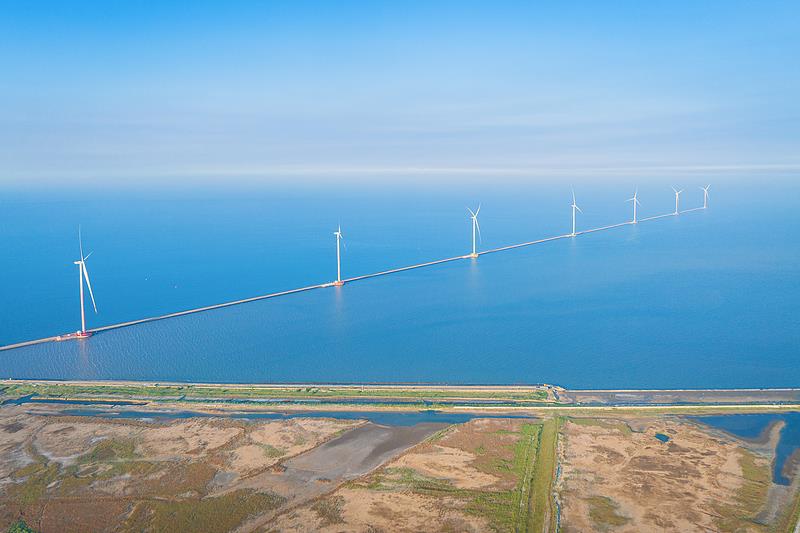
国家能源局:“十四五”非化石能源消费占比提高到20%的目标将超额完成|快讯
Hua Xia Shi Bao· 2025-08-26 04:15
Core Insights - The "14th Five-Year Plan" marks the fastest period for China's green and low-carbon transition, with the country establishing the world's largest and fastest-growing renewable energy system [2] - The share of renewable energy generation capacity is expected to increase from 40% to around 60%, with annual new installations of wind and solar power surpassing 100 million and 200 million kilowatts respectively [2] - The proportion of non-fossil energy in total energy consumption is projected to exceed the 20% target set for the "14th Five-Year Plan," with coal's share decreasing by 1 percentage point annually [2] Energy Consumption Trends - In the overall electricity consumption, one-third is now green electricity, indicating a significant shift towards renewable sources [2] - The demand for electricity has rapidly increased due to advanced manufacturing industries, represented by electric vehicles, and digital industries, such as artificial intelligence and big data [2] - In 2024, electricity consumption for new energy vehicle manufacturing is expected to grow by 34.3%, while internet and related services will see a 20.5% increase [2] Structural Changes in Energy Production - The development of emerging industries has effectively increased the proportion of electricity in energy consumption, promoting a green transition in energy production structures [2]
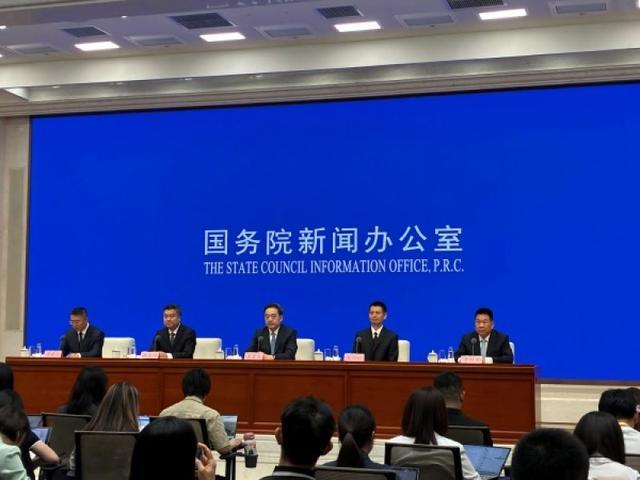
国家能源局:新型储能规模跃居世界第一!智能微电网/虚拟电厂/车网互动规模化应用试点加快推进
中关村储能产业技术联盟· 2025-08-26 03:58
Core Viewpoint - The "14th Five-Year Plan" period marks significant achievements in energy development, focusing on high-quality growth, technological innovation, and the transition to a green and low-carbon energy system [4][11][15]. Group 1: Energy Supply and Demand - During the "14th Five-Year Plan," China's energy consumption growth reached 1.5 times that of the previous five years, with projected new electricity consumption exceeding the annual consumption of the EU [12]. - The total electricity generation in 2024 is expected to surpass 10 trillion kilowatt-hours, accounting for one-third of global production [12]. - The energy supply system has been optimized, with a robust infrastructure network supporting energy distribution across regions [12][13]. Group 2: Green and Low-Carbon Transition - The share of renewable energy in total installed capacity increased from 40% to approximately 60%, with annual additions of wind and solar capacity breaking records [14]. - Non-fossil energy consumption is projected to exceed the "14th Five-Year Plan" target of 20%, with coal's share decreasing by 1 percentage point annually [14]. - China's exports of wind and solar products during this period contributed to a reduction of approximately 4.1 billion tons of carbon emissions in other countries [14]. Group 3: Technological Innovation - The period has seen breakthroughs in energy technology, with China leading in renewable energy patents, accounting for over 40% of global patents [4][15]. - New energy storage capacity has grown nearly 30 times, with installed capacity reaching approximately 95 million kilowatts [5][39]. - The development of smart microgrids and virtual power plants has accelerated, integrating energy with industrial and transportation sectors [5][15]. Group 4: Energy Market Reform - The establishment of a unified national electricity market has progressed, with market transaction volumes increasing from 10.7 trillion kilowatt-hours to 23.8 trillion kilowatt-hours [5][22]. - The number of registered market participants has surged to 970,000, five times that of 2020, indicating a vibrant market environment [16]. - The participation of private enterprises in the energy sector has increased significantly, with over 85% of power facility construction involving private companies [31][32]. Group 5: Investment Trends - Energy investment has shown robust growth, with annual investments exceeding 6 trillion yuan, accounting for nearly 10% of total fixed asset investment [30]. - Renewable energy projects accounted for over 80% of power investment in 2024, highlighting a shift towards sustainable energy sources [31]. - Investment in new energy sectors such as hydrogen and energy storage is becoming a new growth point, with nearly 200 billion yuan allocated in 2024 [5][31]. Group 6: International Cooperation - China has strengthened energy cooperation under the Belt and Road Initiative, signing agreements with over 10 countries to enhance green energy development [33][34]. - Collaborative projects in renewable energy have significantly reduced the cost of wind and solar power globally, contributing to a more sustainable energy landscape [34]. - China is actively participating in global energy governance, focusing on energy security, transition, and climate change [35].
中办、国办重磅发布,事关全国碳市场建设!
Xin Hua She· 2025-08-26 03:47
Core Viewpoint - The document outlines the Chinese government's plan to advance green and low-carbon transformation through the establishment and enhancement of a national carbon market, aiming for comprehensive coverage of major industrial sectors by 2027 and a well-structured carbon pricing mechanism by 2030 [1][4]. Group 1: Overall Requirements - The plan emphasizes the importance of balancing green low-carbon transformation with economic development, aiming to optimize resource allocation and maximize efficiency in carbon emissions [4]. - Key targets include achieving basic coverage of major emission industries in the national carbon trading market by 2027 and establishing a comprehensive voluntary emission reduction trading market by 2030 [4]. Group 2: National Carbon Emission Trading Market - The document calls for an expansion of the national carbon emission trading market's coverage based on industry development, pollution reduction contributions, and data quality [5]. - A transparent carbon emission quota management system will be established, transitioning from intensity control to total volume control by 2027 [5]. - The plan includes a gradual increase in the proportion of paid quota distribution while maintaining market stability and liquidity [5]. Group 3: Voluntary Emission Reduction Trading Market - The establishment of a comprehensive methodology system for voluntary emission reduction projects is prioritized, focusing on areas with significant sustainable development benefits [8]. - The document encourages the use of certified voluntary emission reductions in various sectors, including government and enterprises, to offset carbon emissions [8]. Group 4: Enhancing Market Vitality - The plan advocates for the development of green financial products related to carbon emissions, enhancing support for greenhouse gas reduction [9]. - It supports the inclusion of financial institutions in carbon market trading and encourages the participation of qualified individuals in the voluntary emission reduction market [9]. Group 5: Capacity Building - A robust management system will be established to support the national carbon market's development, including digital and intelligent management systems [10]. - The document emphasizes the need for accurate carbon emission accounting and reporting, with a focus on improving data quality and regulatory oversight [11]. Group 6: Organizational Implementation - Local governments are tasked with implementing the plan, ensuring effective supervision of key emission units and supporting the carbon market's operation [13]. - The document highlights the importance of legal frameworks to support carbon market construction and the need for international cooperation in carbon market mechanisms [16][14].
为了美丽中国!推进绿色低碳转型出新政 全国碳市场建设按下“加速键”
Yang Shi Wang· 2025-08-26 03:39
Core Viewpoint - The Chinese government has officially released guidelines to promote the construction of a more effective and internationally influential national carbon market, aiming to enhance the management of greenhouse gas emissions and support the transition to a green economy [1][3]. Group 1: National Carbon Market Development - The national carbon market will be established to enforce mandatory emission reduction responsibilities for key emitting units and incentivize voluntary reductions in greenhouse gas emissions [1]. - The guidelines emphasize the importance of a unified carbon market as a policy tool for controlling greenhouse gas emissions, with plans to expand its coverage and participant base [3][6]. Group 2: Goals and Timeline - By 2027, the national carbon emission trading market is expected to cover major industrial sectors, while the voluntary greenhouse gas reduction trading market will achieve full coverage in key areas [5]. - By 2030, a comprehensive carbon emission trading market will be established, characterized by a total quota control system, combining free and paid allocation methods, and aligning with international standards [5]. Group 3: Market Mechanisms and Management - The guidelines propose to gradually expand the coverage of industries and types of greenhouse gases based on industry development, emission reduction contributions, data quality, and emission characteristics [6]. - A transparent and stable carbon emission quota management system will be established, with clear long-term control targets for carbon emissions [6][10]. Group 4: Allocation and Control Strategies - Priority will be given to implementing total quota control for industries with relatively stable carbon emissions by 2027, with a gradual increase in the proportion of paid allocation [10]. - A quota reserve and market adjustment mechanism will be established to balance supply and demand, enhancing market stability and liquidity [10].